Faial, Madeira | Exploring Portugal
Faial is a civil parish located in the municipality of Santana, on the northern coast of the island of Madeira, Portugal. With a population of around 1,500 inhabitants, Faial is a small and picturesque parish. It is known for its dramatic green, mountainous landscape and its rich agricultural traditions. The name “Faial” comes from the Portuguese word for the beech tree (Myrica faya), which was once abundant in the area.
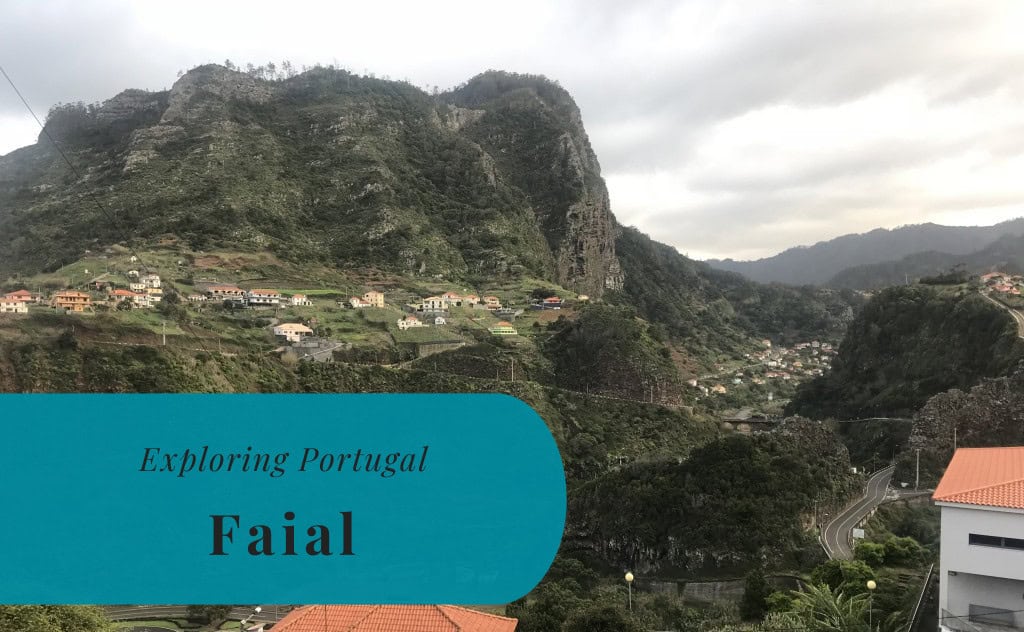
The identity of Faial is that of a traditional and rural coastal community. It is a place where deep, green valleys meet the Atlantic Ocean. The parish is a key agricultural center for the region, and its terraced fields are a characteristic feature of the landscape. Today, Faial is a popular destination for those seeking to experience the natural beauty and the tranquil pace of life of northern Madeira. It offers a combination of spectacular scenery and a variety of outdoor activities.


History of Faial
The history of Faial is a story of a remote agricultural settlement that has been a part of the Madeiran landscape since the early days of colonization. The area was settled in the 16th century, and its development has been shaped by its geography and its connection to the land. For centuries, the local economy was based on agriculture and the power of its rivers, which were used to run water mills. The parish was officially founded in the 16th century, and it has retained much of its rural character.
Early Settlement
The parish of Faial was founded on February 20, 1550. The first settlers were attracted to the area by its fertile land and its abundant water supply. The name “Faial” was chosen due to the large number of beech trees, or “faias,” that were found in the valleys. The first chapel in the parish was built in 1519, and it was dedicated to Nossa Senhora da Natividade (Our Lady of the Nativity). This early chapel was famously built from the wood of a single, massive cedar tree.
A Center for Agriculture
For most of its history, Faial has been an important agricultural center. The terraced fields that cover the steep slopes of the valleys are a testament to centuries of hard work by the local farmers. The main crop that is grown in the area is the anona, or the cherimoya, a type of tropical fruit. The parish celebrates its connection to this fruit with the annual Festa da Anona. The rivers of the parish, the Ribeira do Faial and the Ribeira Seca, were historically used to power numerous water mills that were used to grind sugar cane and grain.


Sights in Faial
The sights in Faial are centered around its spectacular natural scenery and its rich agricultural heritage. The main attraction is the magnificent Guindaste Viewpoint, which offers breathtaking views of the coastline. The iconic Penha de Águia (Eagle’s Rock) is a massive and impressive rock formation that dominates the landscape. For those interested in the island’s unique ecosystem, the nearby Queimadas Forest Park is the gateway to the beautiful Laurissilva forest.
Guindaste Viewpoint
The Miradouro do Guindaste is one of the most famous and spectacular viewpoints on the entire north coast of Madeira. The viewpoint is located on a cliff edge just to the east of the main part of Faial. From here, you have a magnificent panoramic view of the rugged coastline, from the town of Faial all the way to the easternmost point of the island, Ponta de São Lourenço. The viewpoint is particularly famous for its spectacular sunrise views.
Penha de Águia (Eagle’s Rock)
The Penha de Águia, or “Eagle’s Rock,” is a massive and iconic rock formation that separates the parish of Faial from the neighboring parish of Porto da Cruz. The rock rises to a height of 590 meters. A challenging but very rewarding hiking trail leads to the summit of the rock. From the top, you have breathtaking 360-degree panoramic views of the entire northeastern part of the island.
Queimadas Forest Park
The Queimadas Forest Park, located in the mountains above Faial, is one of the main gateways to the magnificent Laurissilva forest of Madeira, a UNESCO World Heritage Site. The park is home to a beautiful, traditional Madeiran house with a thatched roof, which serves as a visitor center. The park is the starting point for two of the most famous and beautiful “levada” walks on the island: the Levada do Caldeirão Verde and the Levada do Caldeirão do Inferno.
Traveling with Kids
Faial is a great destination for families who enjoy nature and the outdoors. The area offers a peaceful and safe environment, away from the more crowded tourist resorts. The main attraction for families is the nearby Madeira Theme Park, which is located in the neighboring town of Santana. The beautiful natural scenery and the many hiking trails also provide great opportunities for family adventures.
The nearby Queimadas Forest Park is another fantastic destination for a family day out. The easy “levada” walks are perfect for children, and the park has a beautiful picnic area. This combination of a major theme park and spectacular natural attractions makes the Faial and Santana area a well-rounded and exciting destination for a family holiday on the north coast of Madeira.
How to Get to Faial?
Faial is located on the northeastern coast of the island of Madeira. The parish is situated in the municipality of Santana. The main gateway for all international visitors is Cristiano Ronaldo Madeira International Airport (FNC). From the airport and the capital city of Funchal, the journey to Faial is a scenic drive along the coast and through the mountains.
Driving into the Parish
Driving to Faial is straightforward. From the capital city of Funchal, you take the main VR1 motorway east in the direction of the airport and Machico. You then follow the signs for Porto da Cruz and Santana on the old regional road, the ER101. The drive from Funchal takes about 45 minutes. The roads are well-maintained, but they can be very winding in places.
Arriving by Air
The main airport on the island is Cristiano Ronaldo Madeira International Airport (FNC). The airport is located on the eastern side of the island. From the airport, the easiest way to reach Faial is to rent a car. The drive from the airport to the parish takes approximately 30 minutes.
Connecting by Bus
The public bus system on Madeira is very efficient. The company SAM (Sociedade de Automóveis da Madeira) operates the bus services on the eastern part of the island. There are regular bus services from the capital city of Funchal to the town of Santana, and some of these services pass through or stop in Faial.
Driving Distances
The driving distance from 20 regional cities, according to Google Maps:
- Santana, Madeira – 5 kilometers (0 h 10 min)
- São Jorge, Madeira – 8 kilometers (0 h 15 min)
- Porto da Cruz, Madeira – 10 kilometers (0 h 15 min)
- Boaventura, Madeira – 17 kilometers (0 h 25 min)
- Machico, Madeira – 20 kilometers (0 h 25 min)
- Ponta Delgada, Madeira – 20 kilometers (0 h 30 min)
- Santa Cruz, Madeira – 25 kilometers (0 h 30 min)
- Madeira Airport (FNC) – 25 kilometers (0 h 30 min)
- São Vicente, Madeira – 25 kilometers (0 h 35 min)
- Caniçal, Madeira – 28 kilometers (0 h 30 min)
- Seixal, Madeira – 35 kilometers (0 h 50 min)
- Caniço, Madeira – 35 kilometers (0 h 40 min)
- Funchal, Madeira – 40 kilometers (0 h 45 min)
- Curral das Freiras, Madeira – 45 kilometers (1 h 00 min)
- Porto Moniz, Madeira – 45 kilometers (1 h 00 min)
- Ribeira Brava, Madeira – 45 kilometers (0 h 50 min)
- Câmara de Lobos, Madeira – 48 kilometers (0 h 55 min)
- Ponta do Sol, Madeira – 50 kilometers (1 h 00 min)
- Jardim do Mar, Madeira – 60 kilometers (1 h 10 min)
- Calheta, Madeira – 65 kilometers (1 h 15 min)
Looking to Explore more of Portugal and Europe?