
Doha | Exploring Qatar
Doha is the capital and most populous city of the State of Qatar. It is located on the coast of the Persian Gulf in the eastern part of the country. With a population of over 2.3 million in its metropolitan area, the vast majority of Qatar’s residents live in and around Doha. The city serves as the nation’s primary political, economic, and cultural center. Its rapid development over the past few decades has transformed it into a major global hub for business, finance, and transport.
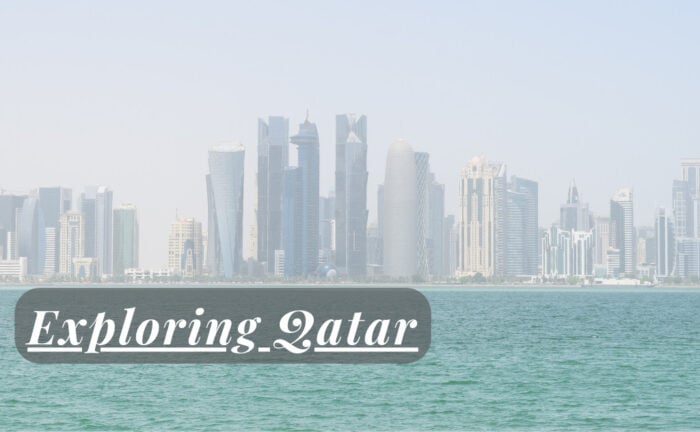
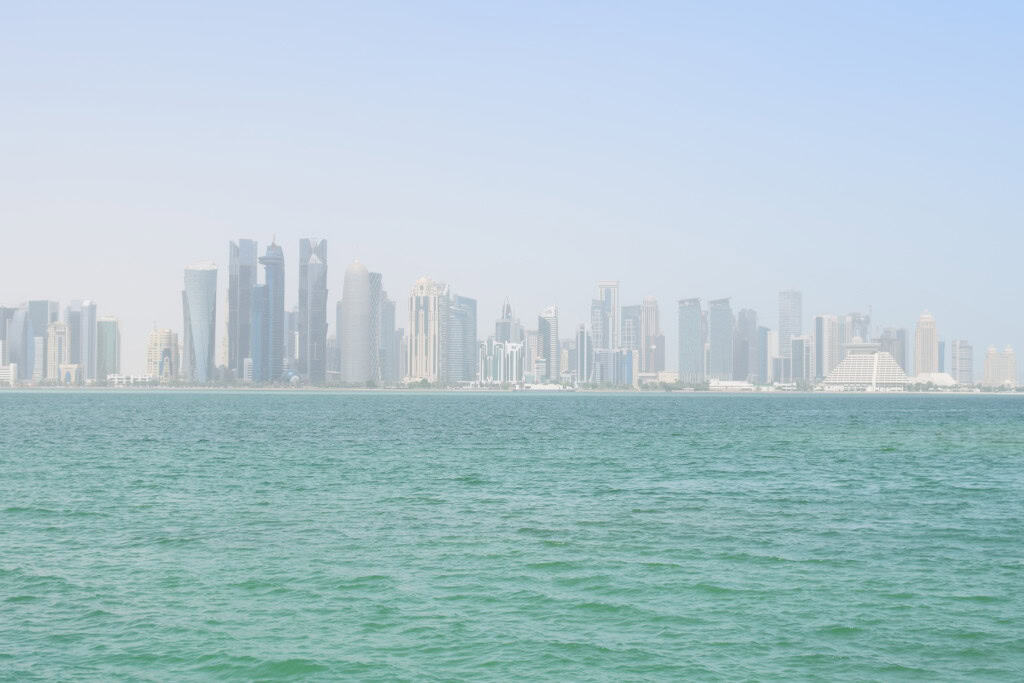
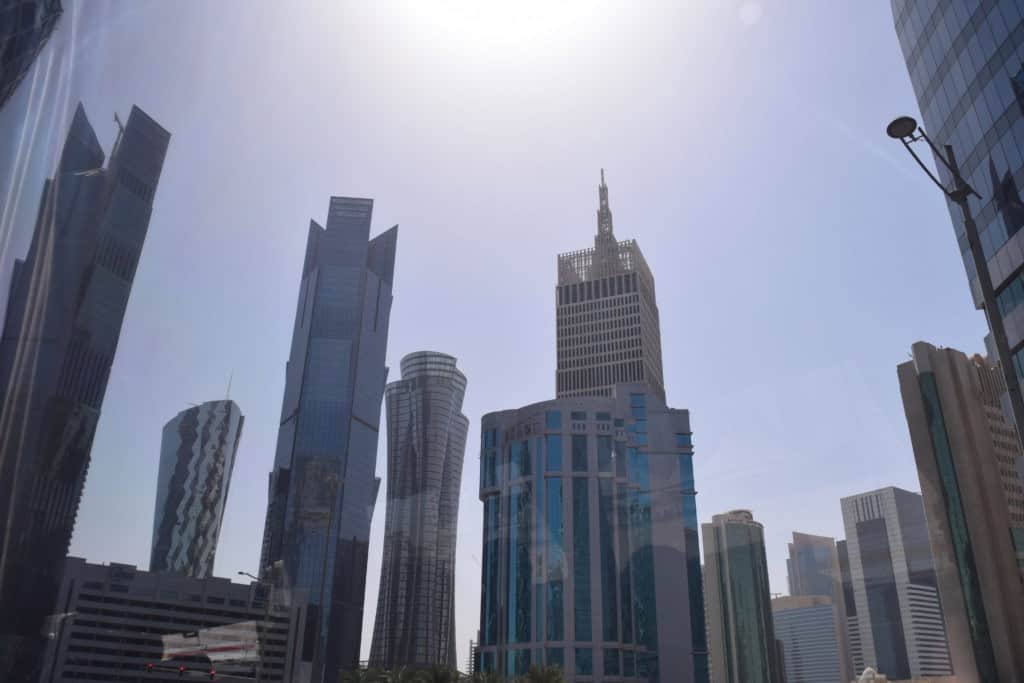
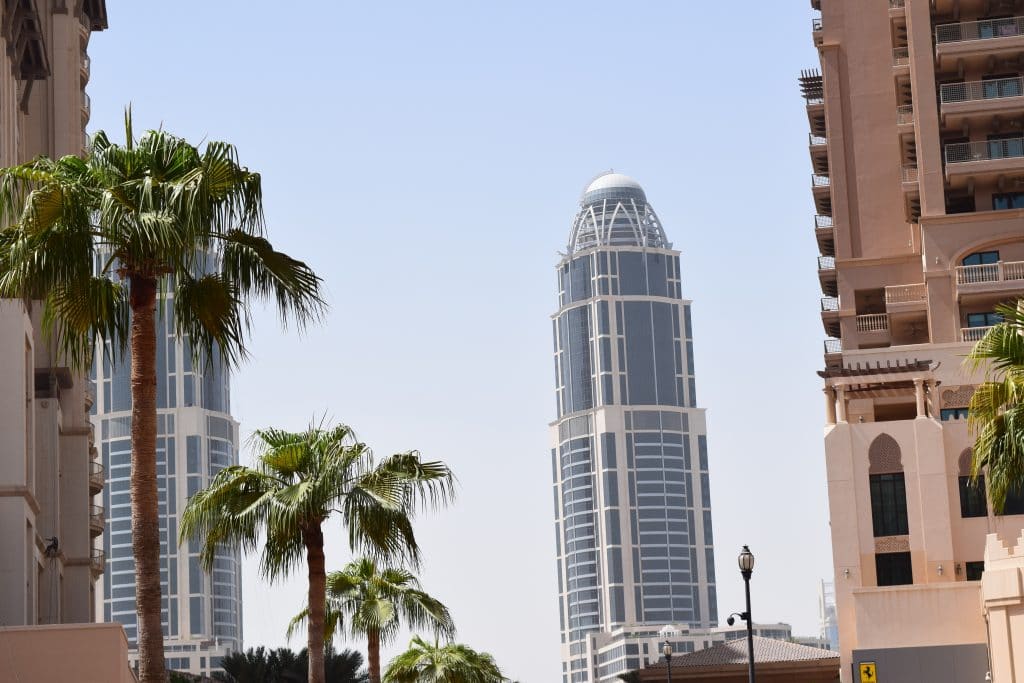
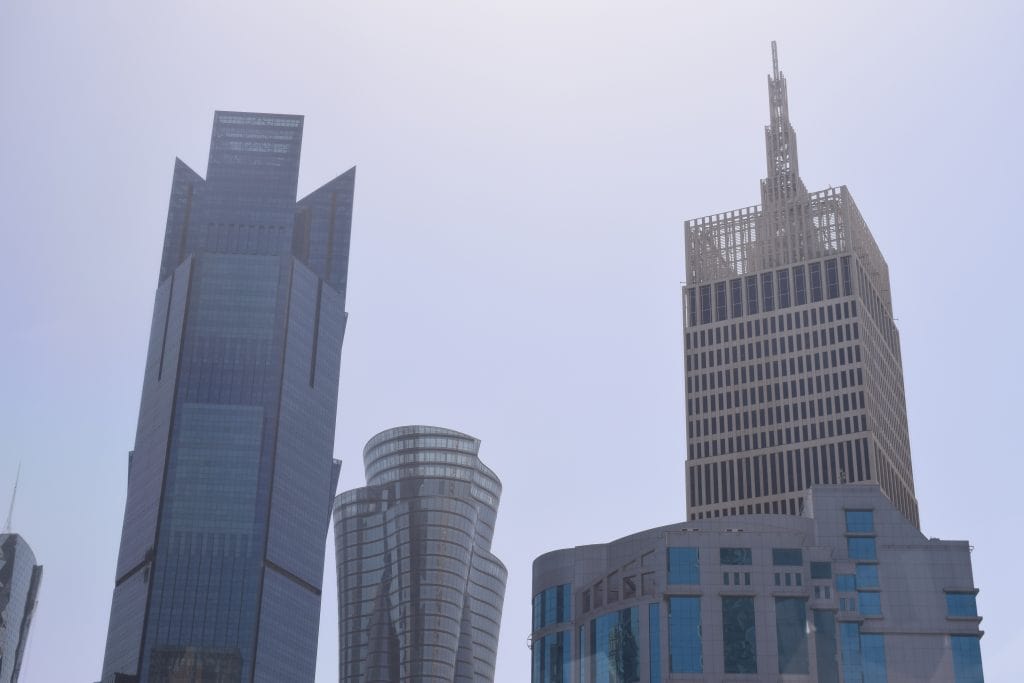
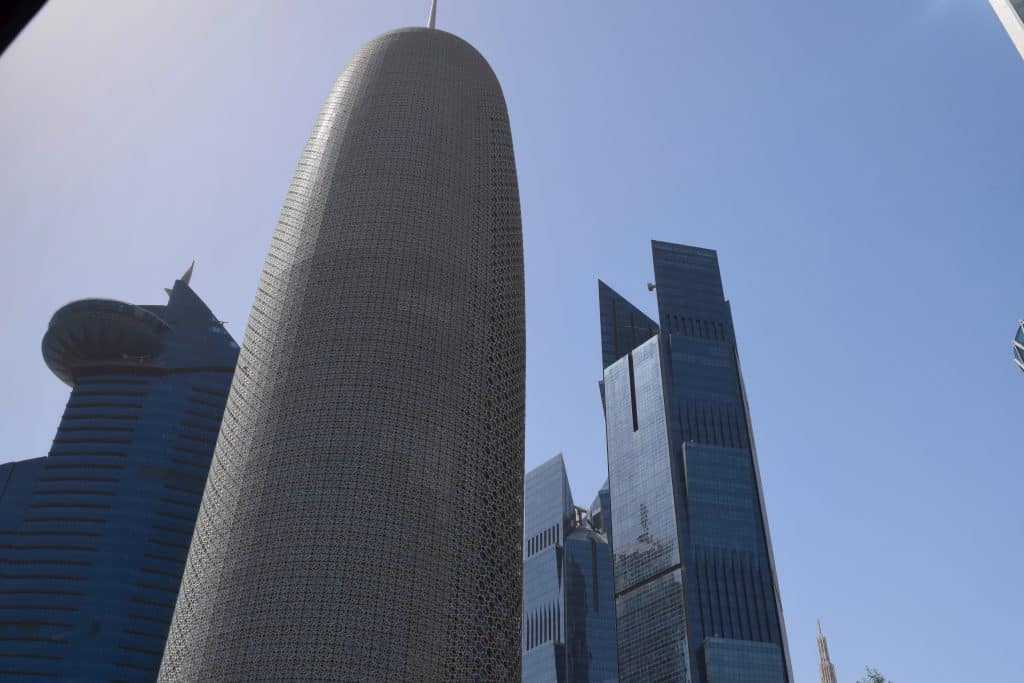
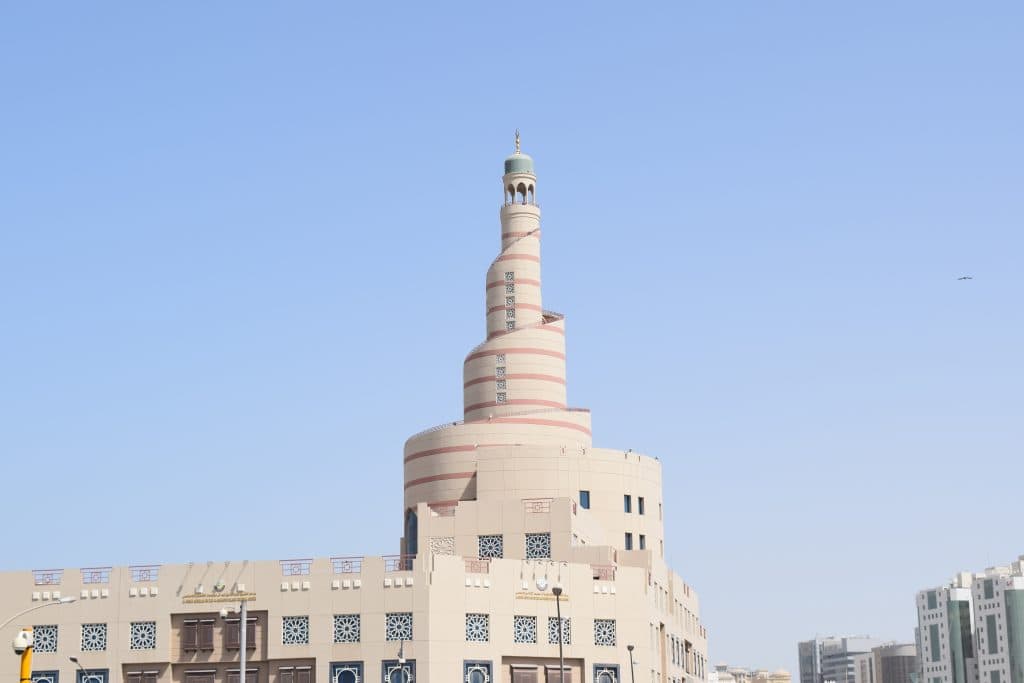
The character of Doha is defined by a striking contrast between its ultra-modern architecture and its deep-rooted cultural heritage. The city’s skyline is dominated by futuristic skyscrapers in the West Bay business district, which stand near traditional markets like the Souq Waqif. This blend of old and new is a central theme of the city’s identity. The development of large-scale cultural projects, such as the Museum of Islamic Art and the National Museum of Qatar, reflects the country’s ambition to become a major cultural destination.
As the economic engine of Qatar, Doha’s growth has been fueled by the country’s vast natural gas reserves. The city has invested heavily in world-class infrastructure, including a modern metro system and a major international airport that serves as a key transit hub between the East and West. Its role on the world stage was solidified when it hosted major international events, most notably the 2022 FIFA World Cup. Even though the decisions has been questioned and accused of sportswashing, it has placed Doha firmly on the map as a center for global sport and diplomacy.
Good to Know When Visiting Doha
To help with planning a visit, here are several practical points covering daily essentials, timing, and efficient exploration of the city. Understanding these details can make a trip to Doha more convenient and enjoyable. This information is intended to provide a general overview for travelers preparing to visit this major Middle Eastern capital.
The Daily Essentials
The official currency used in Doha is the Qatari Riyal (QAR), which is pegged to the US Dollar at a fixed rate. While credit and debit cards are widely accepted in hotels, malls, and major restaurants, it is advisable to carry some cash for smaller shops or traditional souqs. The official language is Arabic, but English is extremely widely spoken and is the primary language used in business and the service industry. Tipping is not always expected but is appreciated for good service, with 10-15% being a standard amount.
The tap water in Doha is considered safe to drink as it is desalinated and treated, but many residents and visitors prefer bottled water. The electrical system uses Type G sockets (the same as in the UK) with a standard voltage of 240V. Doha is a very safe city with very low crime rates. Visitors should be aware of local customs regarding dress; while not strictly enforced for tourists, modest dress (covering shoulders and knees) is recommended, especially when visiting religious sites or government buildings.
Planning Your Calendar
Doha has a desert climate with two main seasons: a hot season and a mild season. The summer months, from May to September, are extremely hot and humid, with temperatures often exceeding 40°C (104°F). This makes extensive outdoor activities during the day very challenging. The winter months (November to April) are the most popular time to visit. The weather during this period is mild and sunny, with comfortable temperatures suitable for exploring the city. Key public holidays include Qatar National Day on December 18th and the Eid al-Fitr and Eid al-Adha holidays, the dates of which vary each year according to the Islamic calendar. For a first visit, three to five days is generally sufficient to see the main sights, explore the cultural attractions, and experience a desert excursion.
A Tourist’s Toolkit for Exploration
The central areas of Doha, such as the Corniche and Souq Waqif, are best explored on foot. However, due to the heat and the distances between districts, using public transport or taxis is essential for getting around the wider city. The Doha Metro is a modern and efficient way to travel between key areas. A reusable travel card can be purchased at stations. Ride-sharing apps like Uber and Karwa (the official taxi app) are widely used and are often the most convenient way to travel. It is highly advisable to book tickets for major museums like the National Museum of Qatar online in advance. Many museums offer excellent facilities, including air conditioning, cafes, and restaurants, making them good places to visit during the hottest parts of the day.


A Short History of Doha
The history of Doha is a story of rapid transformation from a small pearl diving and fishing village into a modern global metropolis. For much of its history, it was a minor settlement on the coast of the Qatar peninsula. Its fortunes were tied to the traditional economies of the Persian Gulf. The discovery of oil and, more importantly, natural gas in the 20th century completely reshaped its destiny. This has led to several decades of state-funded development that has created the futuristic city seen today.
Early History and Pearl Diving
The settlement that would become Doha was founded in the 1820s and was originally known as Al-Bida. For much of the 19th century, it was one of several small, often competing, coastal villages in the region. Its economy was almost entirely dependent on the sea. The primary industries were pearl diving, which was a difficult and dangerous occupation, and fishing. The village consisted of a small number of simple buildings and was a minor player in the wider politics of the Persian Gulf.
During the 19th century, the Al Thani family, who would become the ruling family of modern Qatar, began to consolidate their power. The town was involved in several regional conflicts. It was also under the influence of the Ottoman Empire for a period in the late 19th century. Its importance grew slowly as a small port, but it remained a modest settlement until the 20th century.
The 20th Century and Oil Discovery
The decline of the global pearl market in the early 20th century had a major negative impact on Doha’s economy. The period was one of significant hardship for the local population. In 1916, Qatar became a British protectorate, with the United Kingdom overseeing its foreign affairs. The major turning point in the city’s history came with the discovery of oil in the late 1930s. Export of oil began after World War II and provided the country with its first major source of revenue.
This new wealth began the process of modernization in Doha, though it was still a relatively small town. On September 3, 1971, Qatar formally declared its independence from the United Kingdom, with Doha as its capital. The early years of independence saw the start of urban planning and the development of basic infrastructure. The city began to grow beyond its historic core.
The Modern Era of Natural Gas
The most significant period of transformation began in the late 20th and early 21st centuries. This was fueled by the development of Qatar’s immense North Field, the world’s largest non-associated natural gas field. The enormous revenues generated from the export of liquefied natural gas (LNG) funded a massive and rapid development program. This transformed Doha from a small capital into a major global city.
This era saw the construction of the city’s futuristic skyline in the West Bay district, the creation of large-scale land reclamation projects like The Pearl-Qatar, and the establishment of world-class cultural institutions. The city also invested heavily in modern infrastructure, including the state-of-the-art Hamad International Airport and the Doha Metro system. Hosting the 2022 FIFA World Cup was a culmination of this period of development, with the construction of numerous new stadiums and a complete modernization of the country’s infrastructure.


Things to Do and See
Doha’s sights offer a combination of modern architectural landmarks, world-class museums dedicated to art and culture, and preserved heritage sites that reflect the country’s past. The city’s main attractions are concentrated along the waterfront of the Corniche, in the redeveloped Msheireb district, and at the Katara Cultural Village. These sights showcase the rapid transformation of the city from a small port town to a modern global hub.
A visit to Doha allows for an exploration of both traditional Qatari culture and contemporary global architecture. The historic Souq Waqif provides a look into the past, while the modern museums present art from across the Islamic world. The city’s investment in culture and architecture has created a range of points of interest for visitors. This makes Doha a destination for more than just business and transit.
Museum of Islamic Art
The Museum of Islamic Art (MIA) is a major cultural institution in Doha. The building was designed by the renowned architect I. M. Pei. It is located on its own purpose-built island just off the Doha Corniche. The museum’s design is influenced by traditional Islamic architecture, particularly the Ibn Tulun Mosque in Cairo. It opened in 2008. The museum’s collection spans 1,400 years of Islamic art from across three continents. The collection includes metalwork, ceramics, jewelry, woodwork, textiles, and glass. The museum is a key part of Doha’s cultural landscape.
National Museum of Qatar
The National Museum of Qatar is dedicated to the history of the country, from its geological formation to the present day. The museum’s building was designed by the architect Jean Nouvel. Its design is inspired by the desert rose, a crystal formation found in the Qatari desert. The museum is built around the original palace of Sheikh Abdullah bin Jassim Al Thani. The exhibitions are presented as a chronological journey through the country’s history. It uses a combination of historical artifacts, films, and interactive displays to tell the story of Qatar.
Souq Waqif
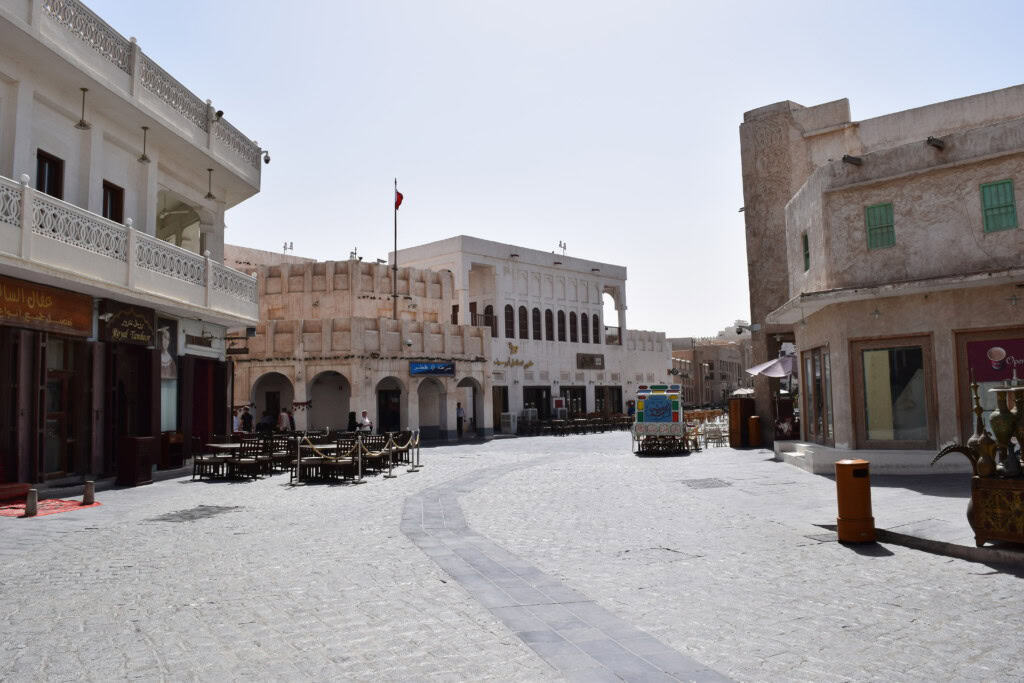
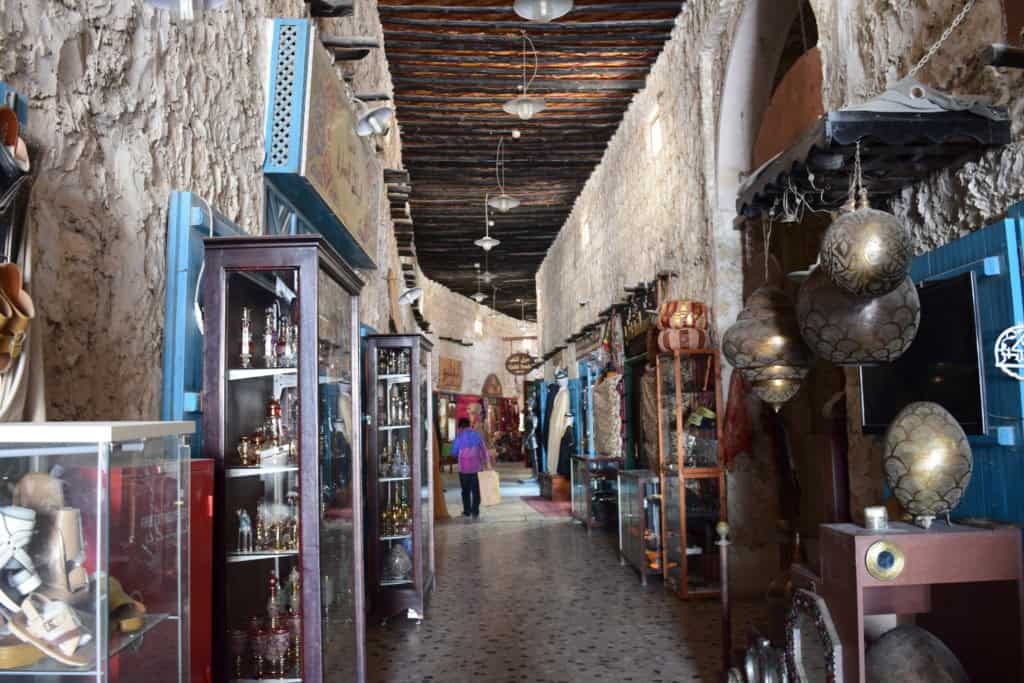
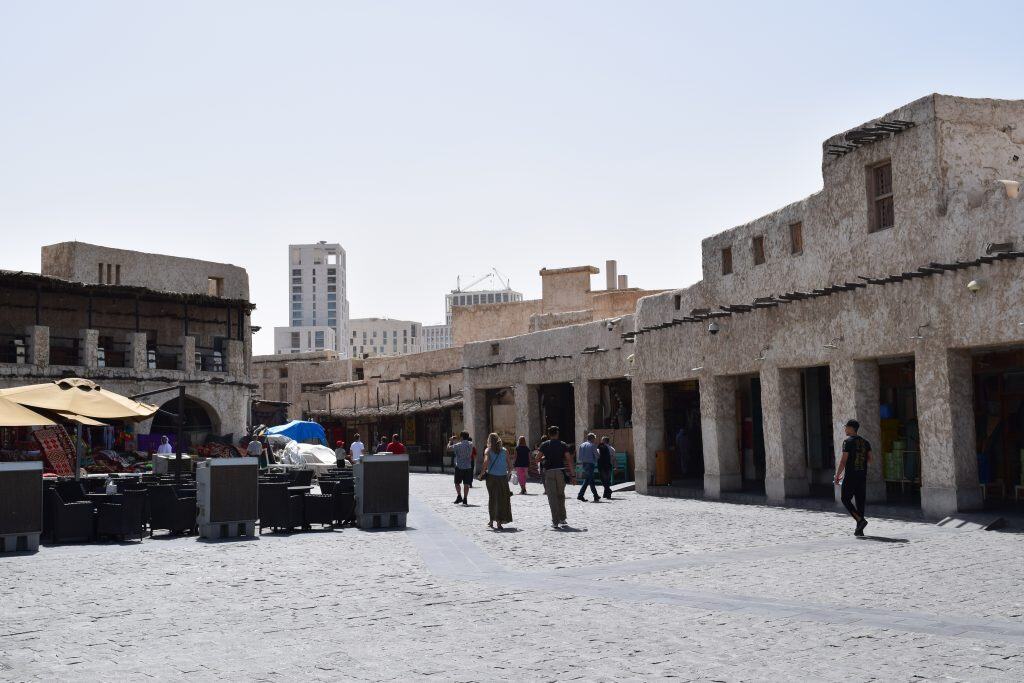
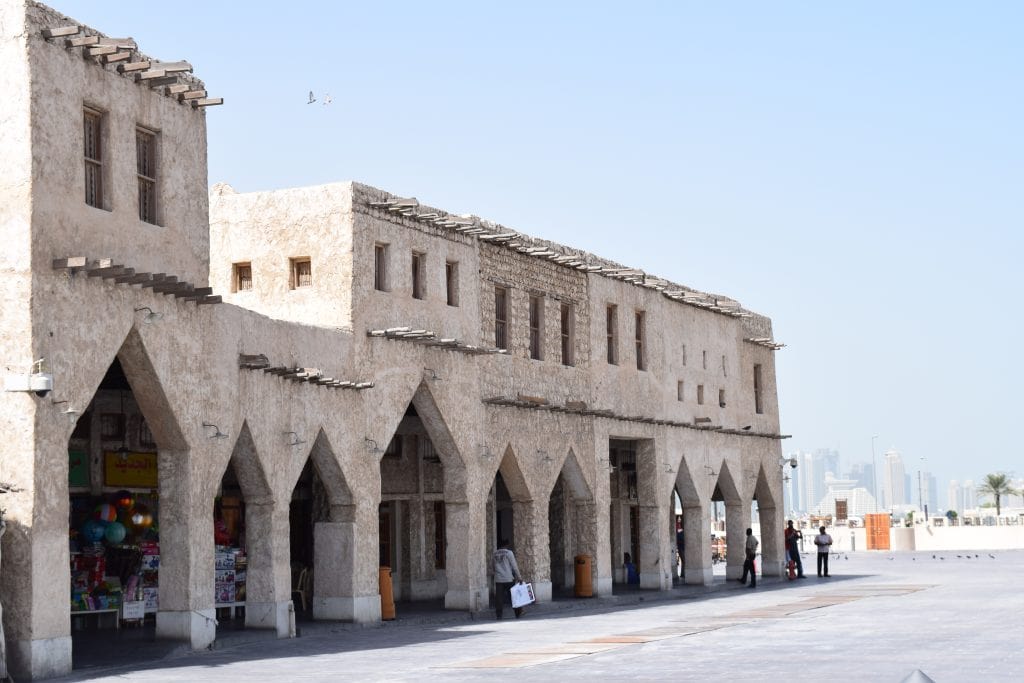
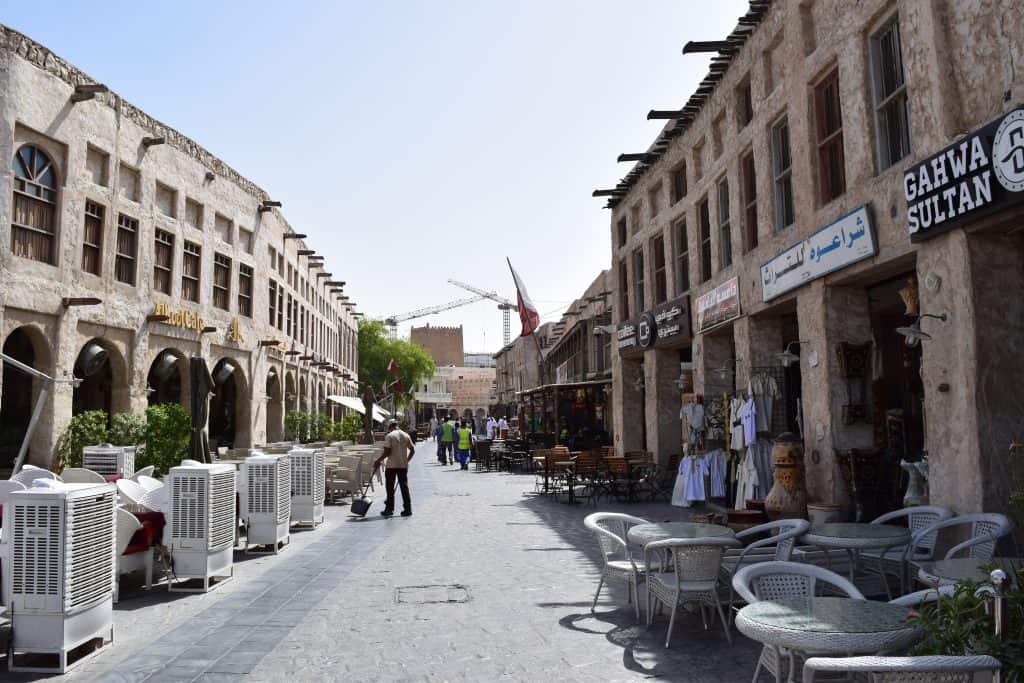
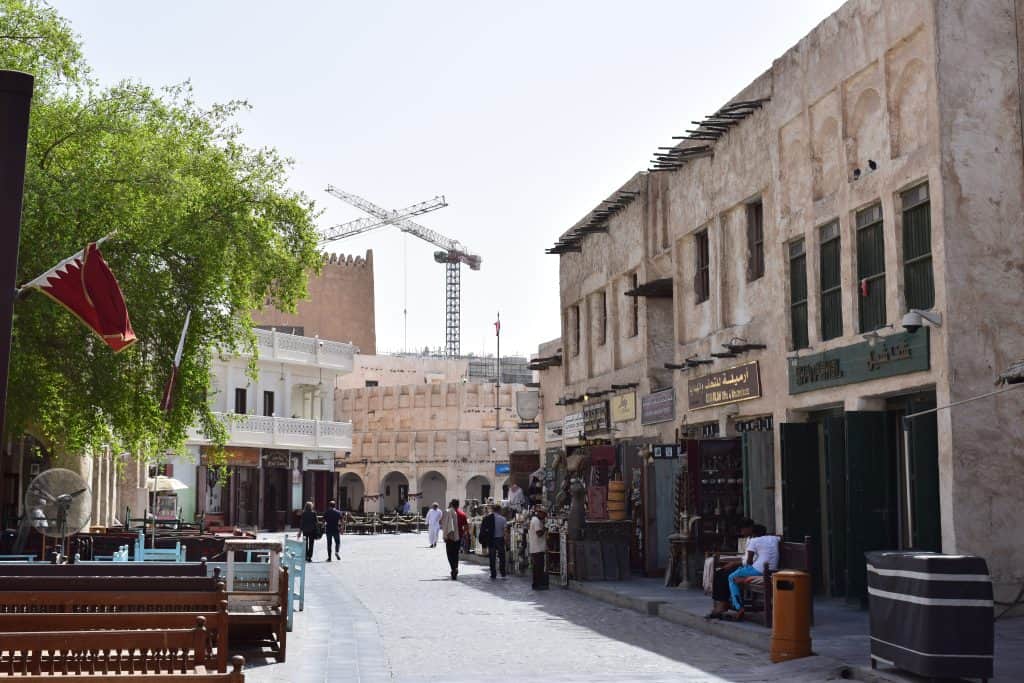
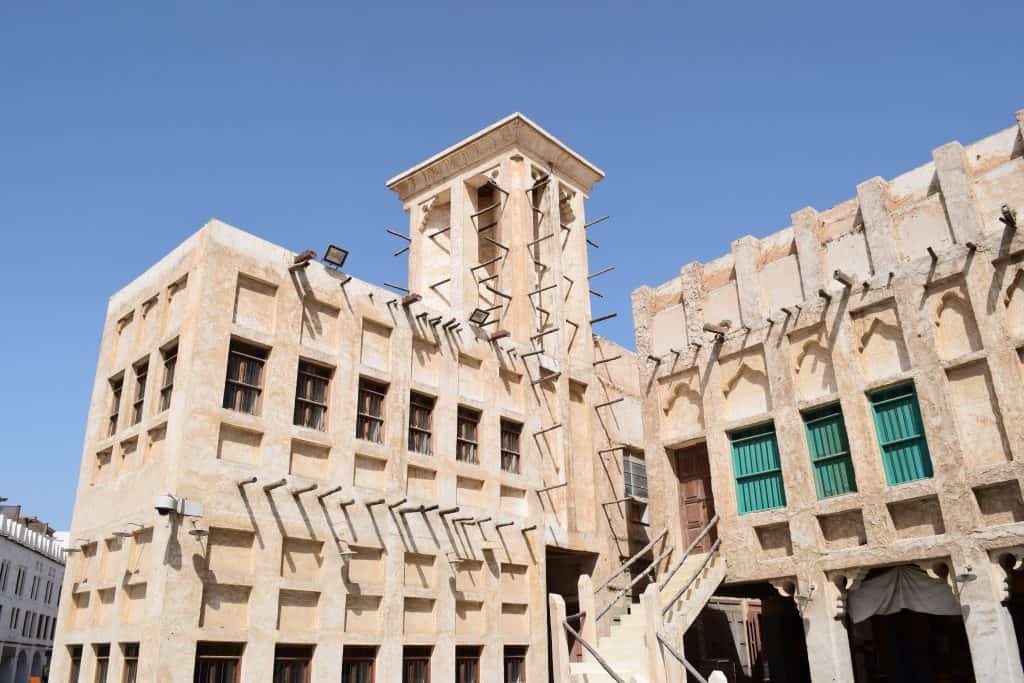
Souq Waqif is a large, traditional marketplace located in the heart of Doha. While the current buildings were restored in the early 2000s, the market has been a center of commerce for over a century. The souq is designed to resemble a traditional 19th-century market, with mud-rendered shops and exposed timber beams. Its winding alleyways are filled with shops selling spices, perfumes, textiles, and traditional Qatari goods. It is also home to numerous restaurants and cafes. A section of the souq is dedicated to a falcon hospital and shops selling falcons, which are an important part of Qatari heritage.
The Pearl-Qatar
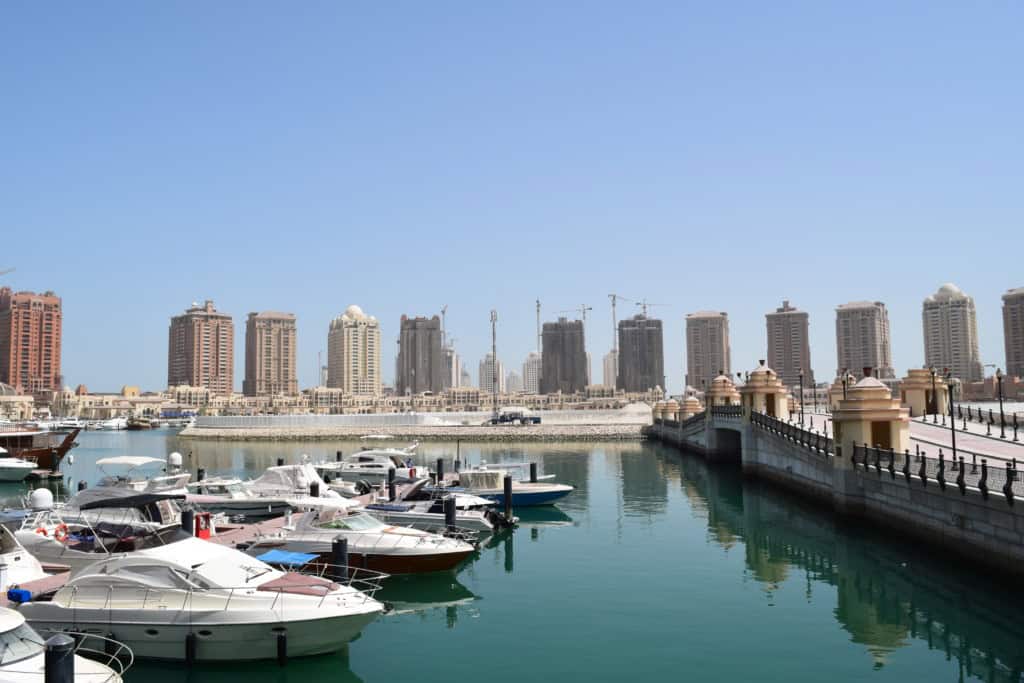
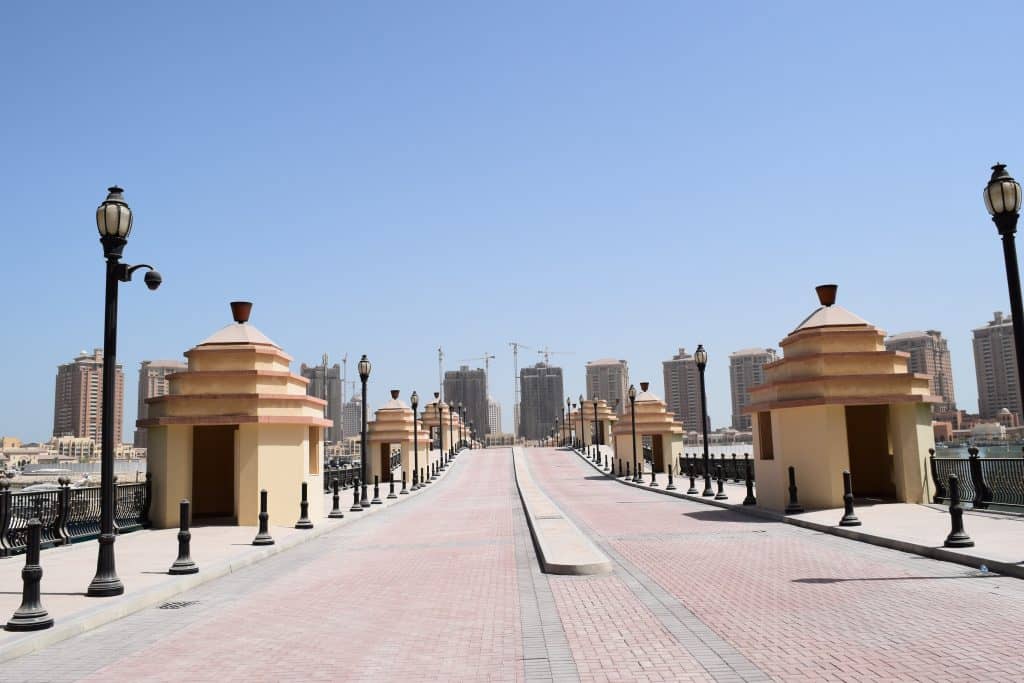
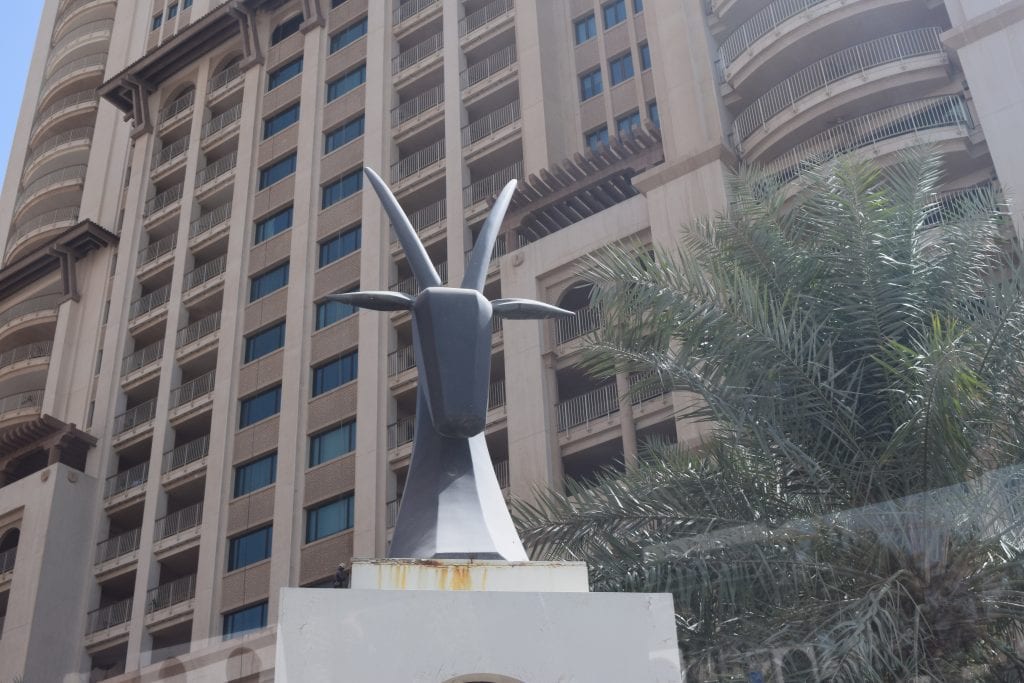
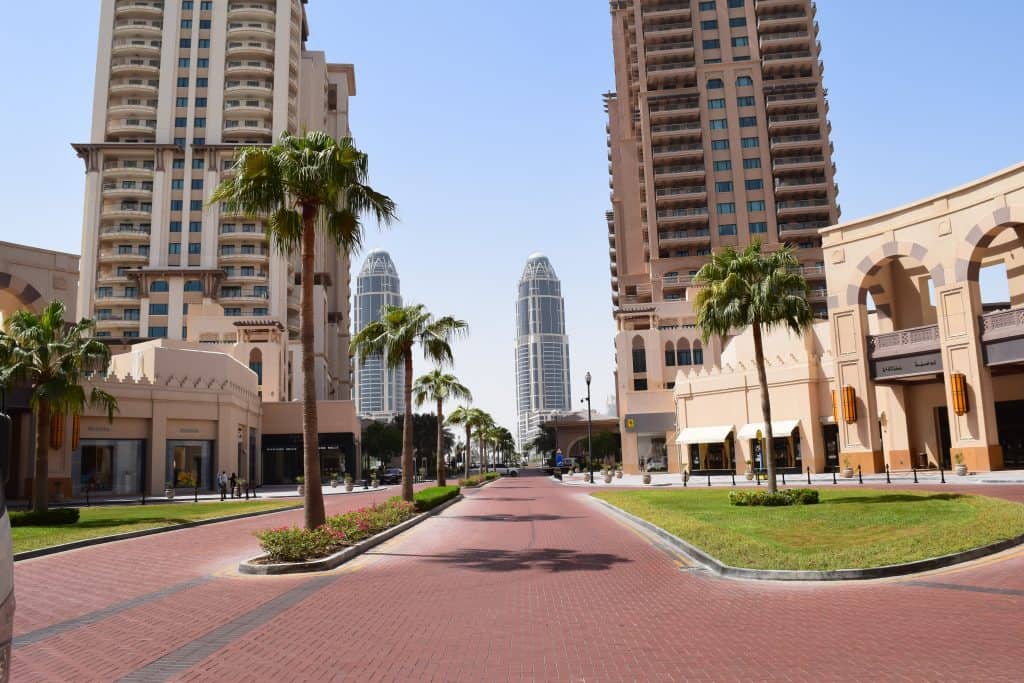
The Pearl-Qatar is a large artificial island located off the coast of Doha’s West Bay. The island was built on a former pearl diving site. It is one of the largest real estate developments in the Middle East. The Pearl is divided into several districts, each with its own architectural style. The most well-known is the Qanat Quartier, which is designed to resemble Venice with its colorful buildings, canals, and bridges. The Porto Arabia district features a large marina surrounded by high-end apartments, shops, and restaurants.
Katara Cultural Village
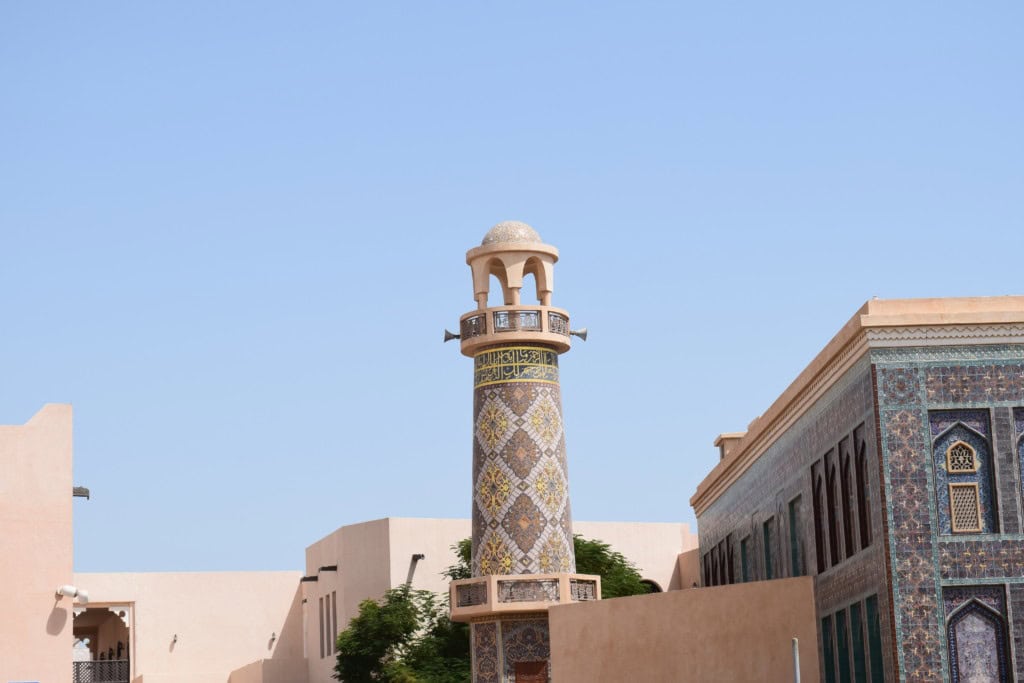
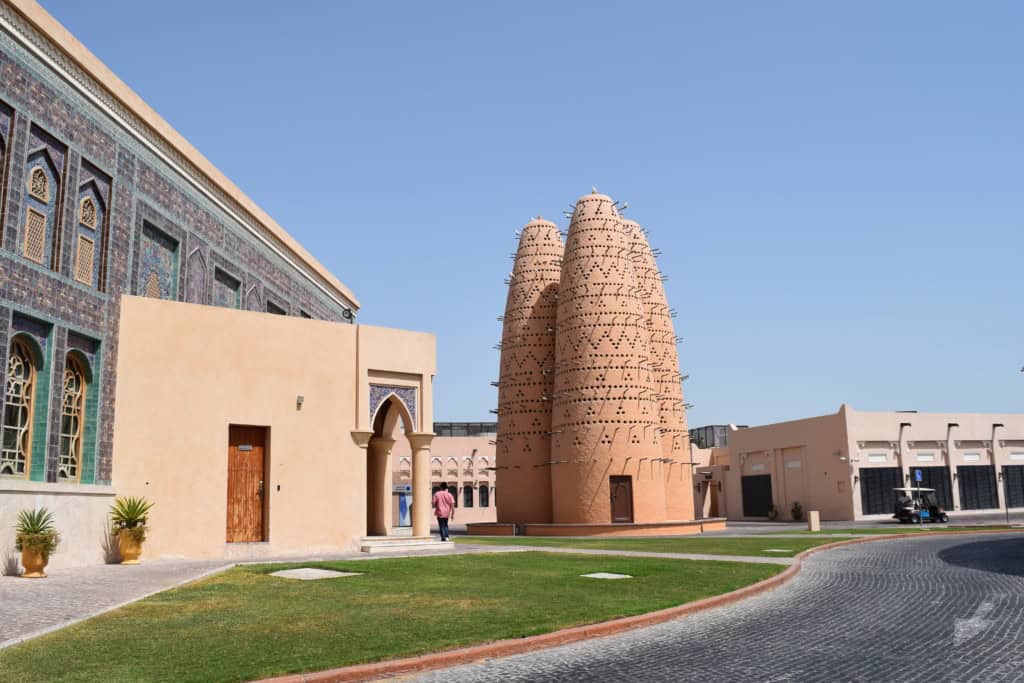
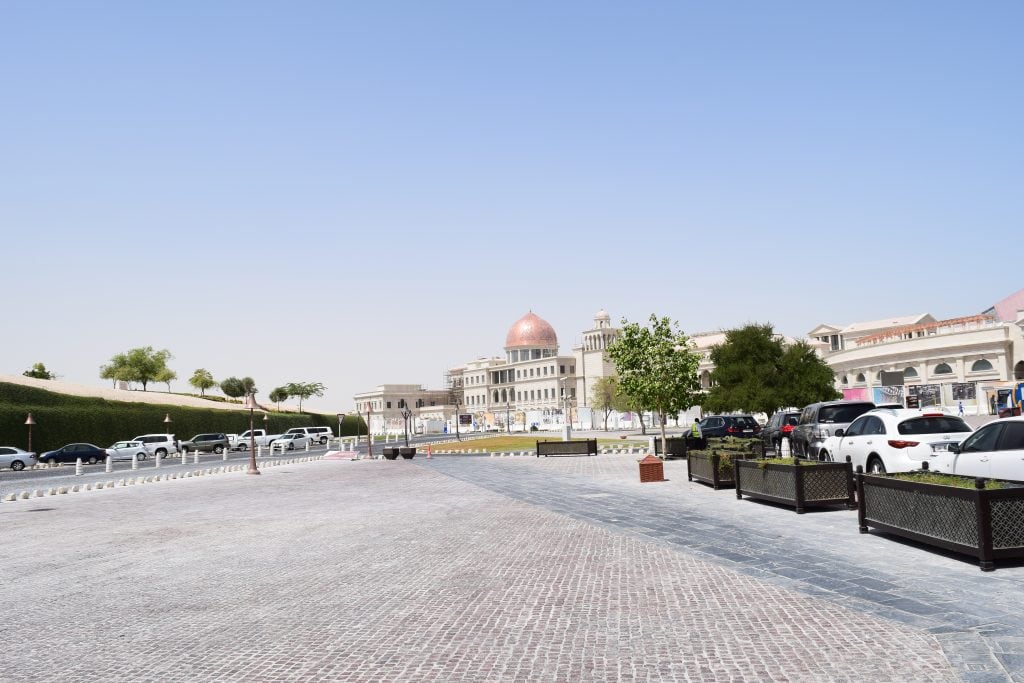
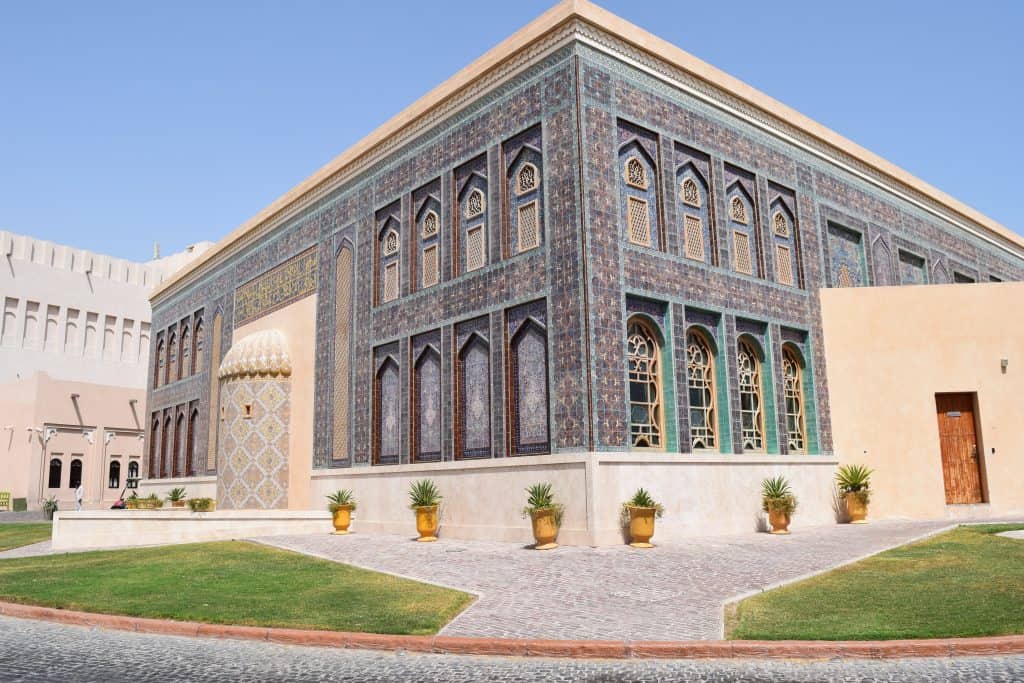
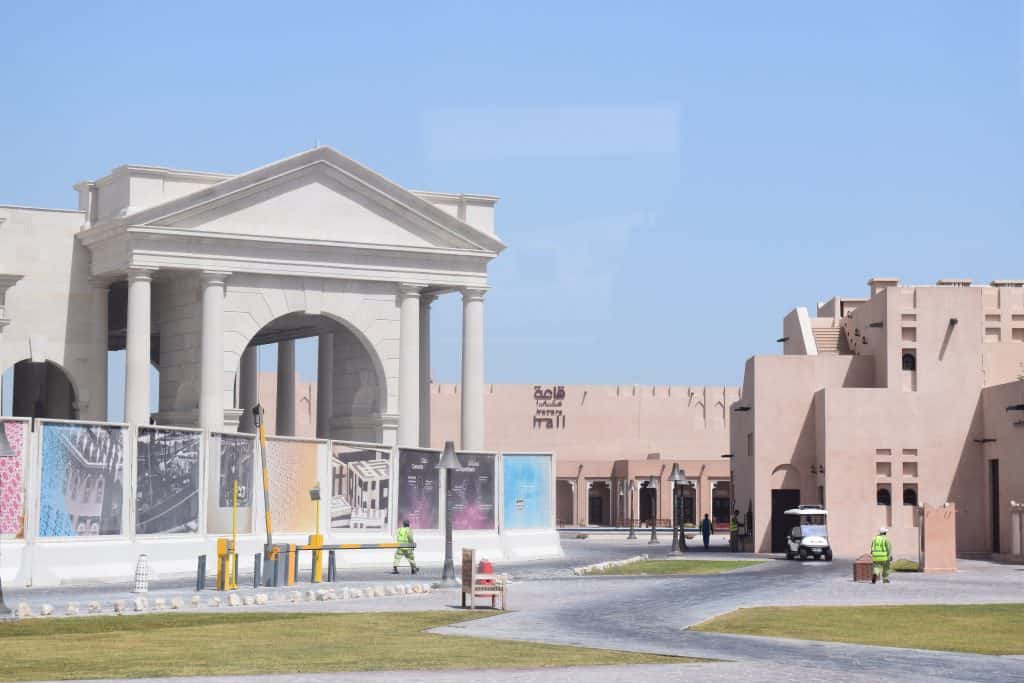
The Katara Cultural Village is a large cultural complex located on the coast between West Bay and The Pearl. The village was built to host a wide range of cultural events and activities. It features a large, open-air amphitheater built in a classical Greek style. It also contains several art galleries, workshops, and two mosques, one of which is decorated with traditional Persian and Turkish tile work. The complex also has a large public beach and numerous restaurants.
Doha Corniche
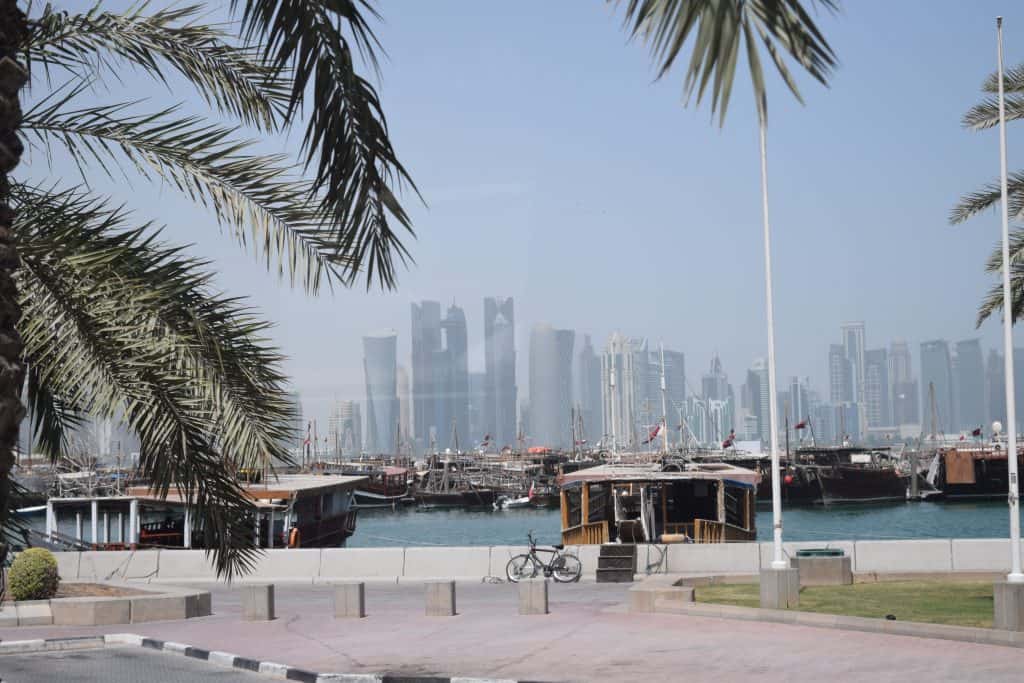
The Doha Corniche is a waterfront promenade that stretches for seven kilometers along Doha Bay. The palm-lined promenade is a popular public space for walking, running, and cycling. It offers views of the city’s modern skyline, particularly the skyscrapers of the West Bay district. The Corniche connects many of the city’s main landmarks, including the Museum of Islamic Art and the National Museum. Traditional wooden boats, known as dhows, are moored along the Corniche and offer tourist cruises in the bay.
Msheireb Downtown Doha
Msheireb Downtown Doha is a large-scale urban regeneration project located next to Souq Waqif. The project has rebuilt the historic commercial heart of the city with a focus on sustainable and modern architecture that is inspired by traditional Qatari design. The district features a mix of residential, commercial, and cultural buildings. It is home to the Msheireb Museums, a collection of four historic heritage houses that have been restored and converted into museums. These museums explore the history and social development of Qatar.
Abdul Wahhab Mosque
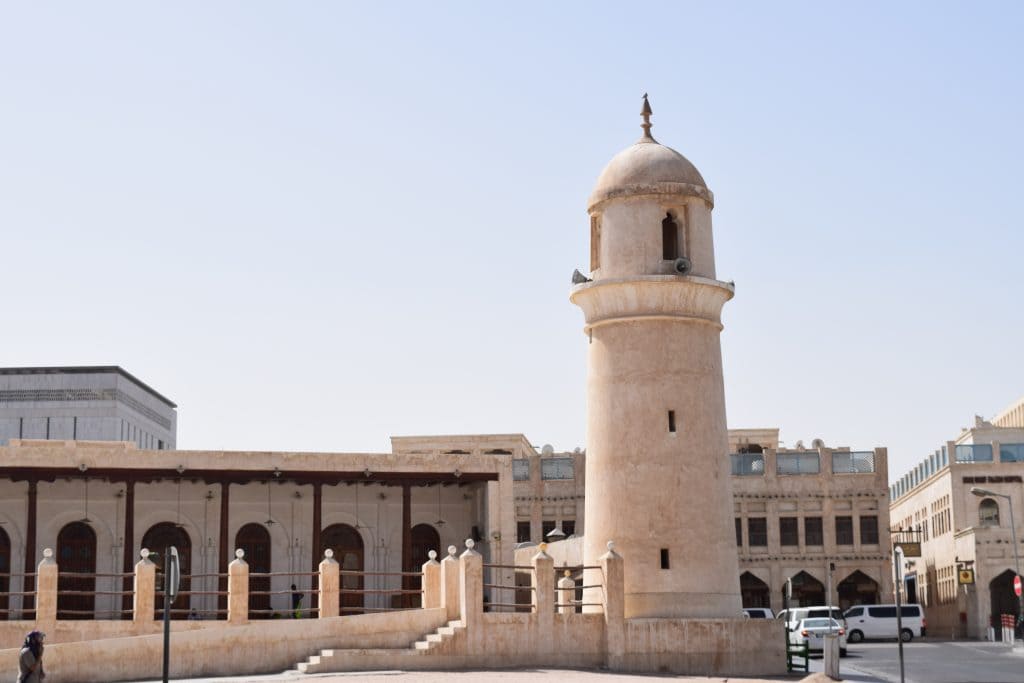
The Imam Muhammad ibn Abd al-Wahhab Mosque, also known as the Qatar State Grand Mosque, is the national mosque of Qatar. Opened in 2011, it is a large and impressive building. The mosque’s design is a blend of modern and traditional Arabic and Qatari architectural styles. It features a large central dome and numerous smaller domes, as well as a single tall minaret. The mosque can accommodate tens of thousands of worshippers. It is located on a hill overlooking the West Bay district.

Sports in Doha
Doha has established itself as a major international center for sport. The city has invested heavily in state-of-the-art sporting infrastructure, which has allowed it to host numerous world championship events. The most significant of these was the 2022 FIFA World Cup, for which several new stadiums were built in and around the city. This has given the city a legacy of modern sporting venues. The country also hosts major annual international events in tennis, athletics, and motorsports.
Football is the most popular sport in the country, and Doha is home to the top clubs in the Qatar Stars League. These clubs compete for the national championship and participate in the AFC Champions League. Beyond football, the city has a growing interest in a range of other sports. The Aspire Zone is a large sports complex that includes stadiums, training facilities, and a sports medicine hospital, serving as a hub for athletic development in the country.
Football
Football is the most followed sport in Qatar. The country’s successful bid to host the 2022 FIFA World Cup led to a massive investment in football infrastructure. Several new, state-of-the-art stadiums were built in Doha and its surrounding municipalities. This includes the Lusail Stadium, which hosted the final match, and the Khalifa International Stadium, the country’s national stadium. The local professional league, the Qatar Stars League, is the top level of football in the country.
Al Sadd SC
Al Sadd SC is one of the most successful and popular football clubs in Qatar. Based in Doha, the club was founded in 1969. They compete in the Qatar Stars League and have won the league championship a record number of times. The club has also had significant success at the continental level, having won the AFC Champions League twice, in 1989 and 2011. They play their home games at the Jassim bin Hamad Stadium. The club has been home to several famous international players, including the Spanish footballer Xavi, who later coached the team.
Tennis
Doha is a prominent stop on the international professional tennis circuit. The city hosts two major tournaments each year, one for men and one for women. These events attract many of the world’s top-ranked players. The tournaments are held at the Khalifa International Tennis and Squash Complex. This modern facility features a center court stadium and numerous other courts. These events are a key part of the city’s annual sporting calendar.
Qatar Open
The Qatar Open, currently known as the Qatar ExxonMobil Open for sponsorship reasons, is an annual professional men’s tennis tournament. It is part of the ATP Tour 250 series. The tournament is held in early January on outdoor hard courts. It often serves as a key warm-up event for the Australian Open. Many of the world’s top male players have competed and won the tournament over its history.
Athletics
Doha has become a major destination for international athletics. The city has hosted the IAAF World Athletics Championships, most recently in 2019. The main venue for athletics is the Khalifa International Stadium. This stadium is equipped with a world-class running track and facilities for all athletic disciplines. The city’s investment in these facilities has made it a regular host for top-level track and field events.
Doha Diamond League
The Doha Diamond League is an annual, elite track and field meeting. It is part of the prestigious Diamond League, which is the top tier of international one-day athletics competitions. The event is typically held in May at the start of the international athletics season. It regularly attracts a field of Olympic and World champions from across the globe. The meet takes place at the Suheim bin Hamad Stadium.
Motorsports
Motorsports are another key part of Doha’s sporting landscape. The country has a modern, purpose-built circuit that has hosted a range of international racing events. This includes races for both cars and motorcycles. The circuit is equipped with extensive lighting, which allows it to host races at night in cooler temperatures.
Lusail International Circuit
The Lusail International Circuit is located just north of Doha. The circuit has hosted the Formula 1 Qatar Grand Prix. It is also a permanent fixture on the MotoGP calendar, the premier class of motorcycle road racing. The circuit is known for its fast and flowing layout. The ability to host night races under floodlights is a key feature of the venue.
Getting Around in Doha
Navigating Doha is best done using the city’s modern public transport system or private hire vehicles. The city has invested heavily in a new metro network, which is complemented by a bus system. The city is large and spread out, and the hot climate for much of the year makes extensive walking challenging. Understanding the transport options is key to exploring the different districts.
The public transport system uses a reusable and rechargeable travel card. This card can be used on both the metro and the bus network, making transfers simple. Ride-sharing apps are also a very popular and convenient way to get around the city. The road network is modern, but traffic can be heavy during peak hours.
Riding the Metro
The Doha Metro is a modern and efficient rapid transit system. It is the quickest way to travel between key districts of the city. The network consists of three lines: the Red, Green, and Gold lines. The metro is fully automated and driverless. The stations are known for their modern design. The Red Line connects Hamad International Airport with the city center, Katara Cultural Village, and Lusail. The Gold Line connects to the National Museum and Souq Waqif. The Msheireb station is the main interchange hub for all three lines.
A Network Above Ground: Buses
Doha has a comprehensive bus network operated by Karwa. The buses serve all parts of the city and its suburbs, including areas not reached by the metro. The bus network is an economical way to travel, though it can be slower than the metro due to traffic. The main bus station is the Al Ghanim Bus Station, located near Souq Waqif. The same travel card used for the metro can also be used on the buses.
A Quick Ride: Taxis and Ride-Sharing
Taxis and ride-sharing services are a very popular and convenient way to get around Doha. The official turquoise-colored taxis are operated by Karwa and can be hailed on the street or booked via an app. International ride-sharing apps like Uber also operate extensively throughout the city. These services offer a convenient door-to-door option. They are particularly useful for reaching destinations that are not directly on a metro line or for traveling late at night.
On Foot: The Corniche and Souqs
While Doha is not a fully walkable city due to its scale and climate, some areas are best explored on foot. The Doha Corniche is a long waterfront promenade that is ideal for a walk, especially in the cooler evening hours. The historic Souq Waqif is a large pedestrianized market area with a network of alleyways. The modern Msheireb Downtown Doha district and the Pearl-Qatar also have extensive pedestrian-friendly areas. Comfortable footwear is recommended.

How to Get to Doha
Reaching Doha is straightforward, as the city is a major international travel hub. It is served by one of the world’s busiest and most modern airports. This makes arriving by air the primary method for almost all international visitors. The city is also accessible by road from its only neighboring country and is a growing destination for cruise ships.
Arriving by Air: Hamad International Airport
The primary and sole international gateway to the country is Hamad International Airport (HIA). Opened in 2014, it is a major global transit hub and the base for the national carrier, Qatar Airways. The airport is known for its modern architecture and extensive passenger facilities. It handles flights from hundreds of destinations across six continents, connecting Qatar directly with major cities in Europe, Asia, North America, Africa, and Oceania. The airport is connected to the city center by the Doha Metro’s Red Line, as well as by buses and taxis.
The Open Road: Driving from Saudi Arabia
Qatar shares a single land border with Saudi Arabia to the south. The main border crossing is at Abu Samra. This crossing is used for road travel between the two countries. Its accessibility for foreign travelers can be subject to the prevailing political situation in the region and visa requirements for Saudi Arabia. It is primarily used for commercial transport and by residents of the Gulf Cooperation Council (GCC) countries. There are no other land routes into Qatar.
The Sea Route: Arriving by Cruise
The Port of Doha is a growing destination for international cruise ships. The city has developed a new Grand Cruise Terminal to accommodate large vessels. Many cruise lines operating in the Persian Gulf region include Doha as a key port of call on their itineraries. This provides a way for travelers to arrive by sea as part of a wider regional tour. There are no regular international passenger ferry services to Qatar from other countries.
Driving Distances
The driving distance from 10 regional cities, according to Google Maps:
- Dammam, Saudi Arabia – 413 kilometers (4 h 20 min)
- Manama, Bahrain – 432 kilometers (4 h 30 min)
- Riyadh, Saudi Arabia – 583 kilometers (6 h 10 min)
- Abu Dhabi, UAE – 587 kilometers (5 h 50 min)
- Dubai, UAE – 694 kilometers (7 h 00 min)
- Kuwait City, Kuwait – 901 kilometers (9 h 20 min)
- Muscat, Oman – 1,148 kilometers (11 h 30 min)
- Amman, Jordan – 2,130 kilometers (20 h 40 min)
- Beirut, Lebanon – 2,332 kilometers (23 h 20 min)
- Cairo, Egypt – 2,746 kilometers (1 d 7 h 00 min)
Looking to Explore more of Qatar?