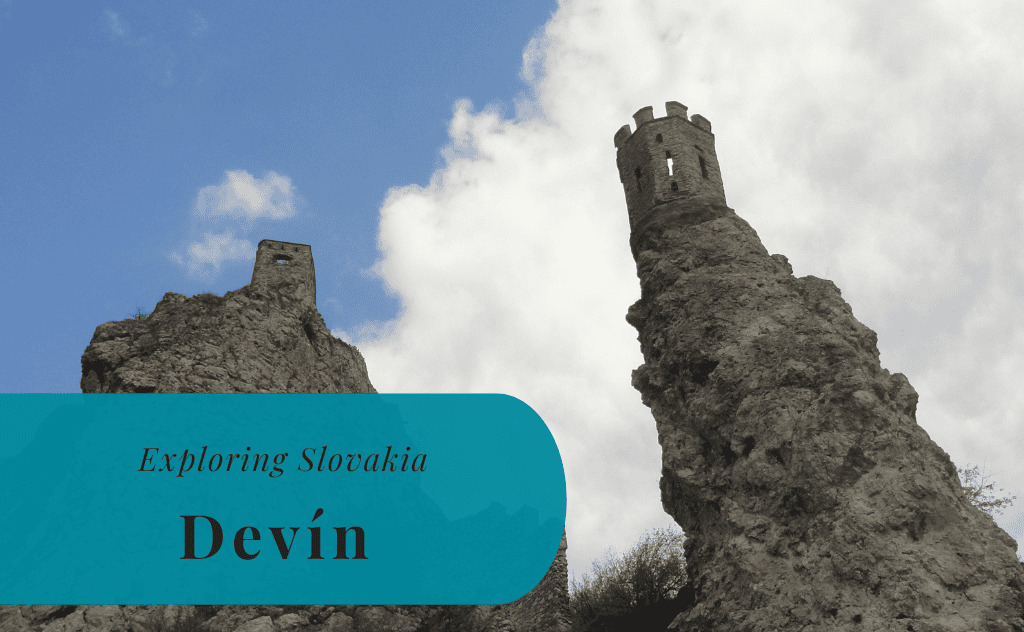
Devín | Exploring Slovakia
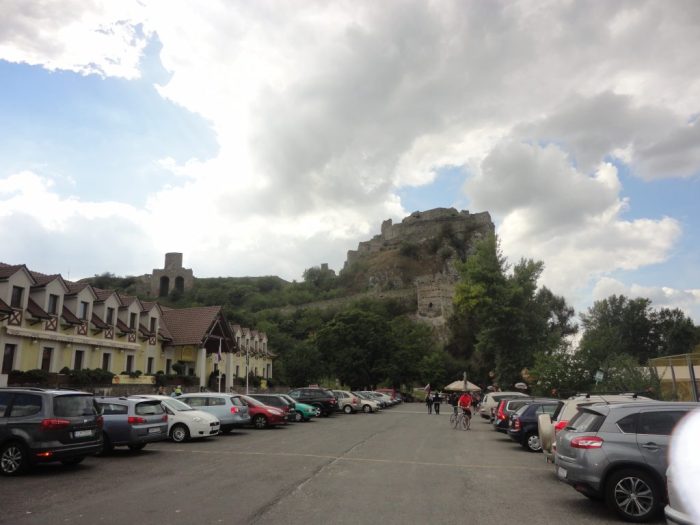
Devín is a borough of Bratislava, the capital of Slovakia, and it is located in the Bratislava IV district. The area is situated at the confluence of the Danube and Morava rivers. Originally a separate village, Devín was incorporated into Bratislava in 1946 but has retained its rural character. With a population of just over 2,000 inhabitants, it is one of the smallest boroughs of the capital city by population. The area is a significant archaeological site and is dominated by the historic ruins of Devín Castle.
The identity of Devín is defined by its strategic location and its rich history. The borough is situated at the Devín Gate, a narrow section of the Danube River that was historically the western gateway to the Kingdom of Hungary. The area lies directly on the border between Slovakia and Austria, and during the Cold War it was a heavily fortified part of the Iron Curtain. Today, Devín is a popular destination for recreation and tourism. It offers a combination of a famous ancient castle, numerous hiking trails, and a peaceful riverside atmosphere for visitors to the region.

History of Devín
The history of Devín is a long and varied one that stretches back to prehistoric times. The area’s strategic location at the confluence of two major rivers has made it a site of continuous human settlement for thousands of years. The Celts and the Romans both fortified the area, and later it became a major stronghold of the Great Moravian Empire in the 9th century. For many centuries, Devín Castle served as a key border fortress for the Kingdom of Hungary. Napoleon’s army destroyed the castle in the 19th century, which ended its military importance. It has since become a powerful symbol of Slovak national history.
Prehistory and Roman Times
People first settled at Devín during the Neolithic period. The prominent cliff overlooking the rivers has always been an important strategic place. The Celts later established a fortified settlement, or “oppidum,” here during the Late Iron Age. In the Roman era, the Danube River formed the northern frontier of the Roman Empire, which was known as the Limes Romanus. The Romans recognized the value of the Devín cliff, so they built a watchtower on the site. This outpost was part of their extensive border defense system. Archaeological work has uncovered the foundations of several Roman buildings, and this Roman presence ended around the 4th century AD.
The Great Moravian Empire
In the 9th century, Devín became one of the most important centers of the Great Moravian Empire. This was a powerful Slavic state. The first written mention of a fortress at Devín comes from the Annals of Fulda in the year 864, where it is referred to as “Dowina“. During this period, the inhabitants built a large fortress and a church on the castle hill. This construction showed its role as a major political, military, and religious center. The castle played a key role in defending the empire against the Franks and was a symbol of the state’s power. Its location gave it control over important trade and military routes, which helped the empire to prosper.
The Hungarian Border Fortress
After the Great Moravian Empire fell, the Kingdom of Hungary incorporated Devín into its territory. Here, it served as a key border fortress. A new stone castle was built on the site in the 13th century. The Hungarians expanded and strengthened this medieval structure over the following centuries. The castle played a crucial role in defending the kingdom’s western frontier from rivals such as the Austrians and the Czechs. Powerful noble families owned the castle over the years, including the Counts of Svätý Jur and Pezinok, the Báthory family, and finally, the Pálffy family. Its military life ended in 1809 when soldiers from the French Emperor Napoleon’s army destroyed the castle with explosives.



Sights at Devín
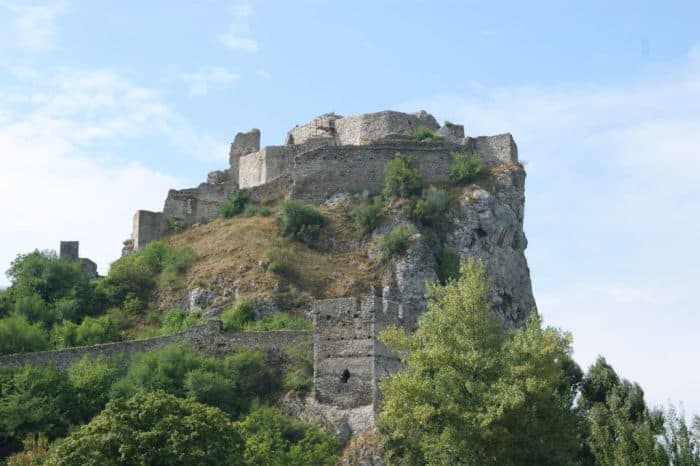
The sights in Devín are centered around its castle ruins and its natural setting at the confluence of the Danube and Morava rivers. The main attraction is Devín Castle, which is one of the most important archaeological and historical sites in Slovakia. The area around the castle is a public park that offers views of the rivers and the surrounding landscape. For those interested in more recent history, the Iron Curtain Memorial is a monument on the riverbank. The village of Devín itself also contains historic elements and provides a peaceful atmosphere for visitors to explore.
Devín Castle
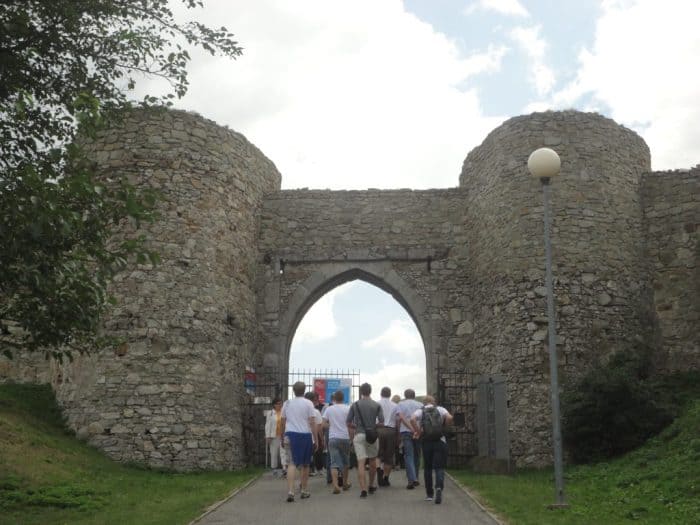
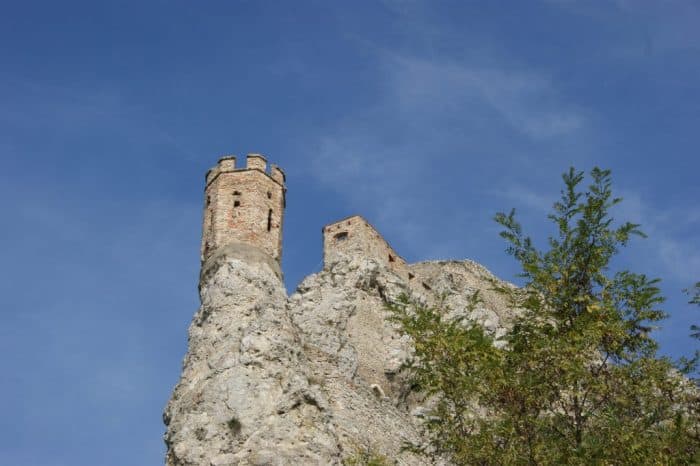
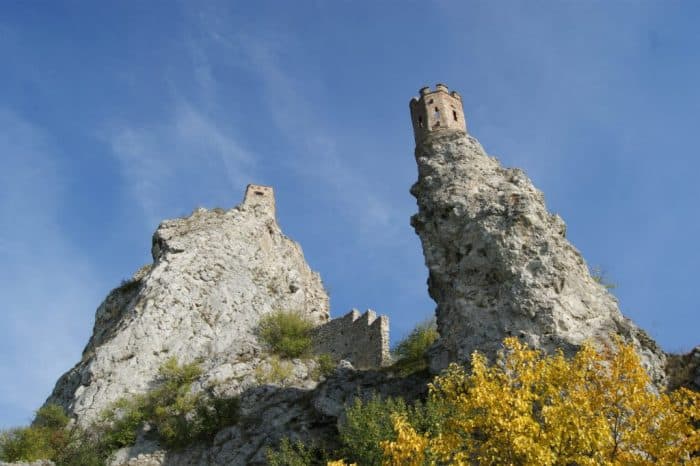
Devín Castle is one of the most important historical and archaeological sites in Slovakia. The castle ruins are situated on a large cliff that rises directly above the confluence of the Danube and Morava rivers. People have settled this site since the Neolithic Age, and the Celts and the Romans later built fortifications here. The medieval castle that stands in ruins today was first built in the 13th century. For many years, it served as a key border fortress of the Kingdom of Hungary. Napoleon’s troops destroyed the castle in 1809. Today, the extensive ruins function as a national cultural monument and a major museum.
The Maiden Tower
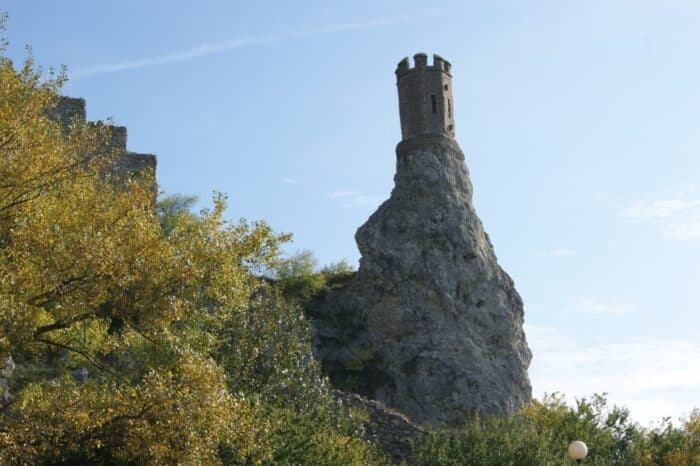
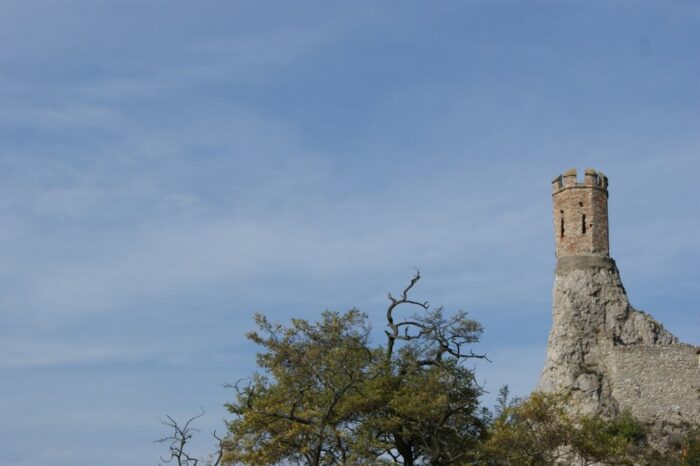
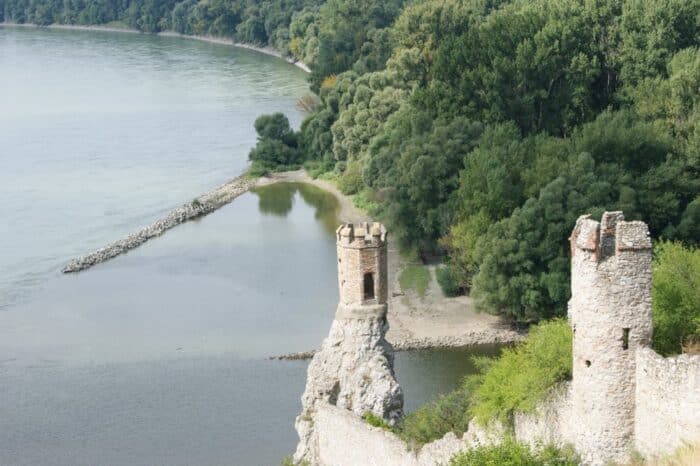
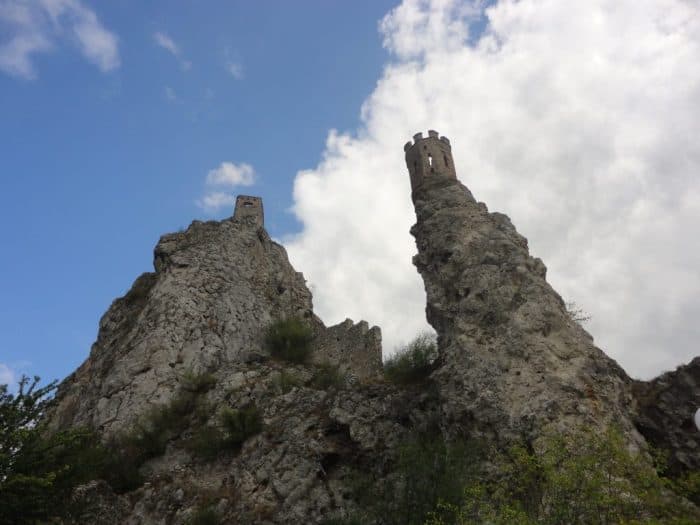
The most picturesque part of the Devín Castle complex is the slender watchtower known as the Maiden Tower (Panenská veža). This small tower is perched on a separate, high rock pinnacle that stands directly over the meeting point of the rivers. The tower is the subject of numerous local legends, and most of these stories tell of a tragic young woman. The tower’s dramatic and isolated location makes it the most photographed part of the castle. It has become a symbol of Devín and is instantly recognizable to visitors.
Confluence of the Danube and Morava Rivers
The confluence of the Danube and Morava rivers is a significant natural and historical sight in the region. The two major rivers meet directly below the Devín Castle cliff, which creates a distinct natural border. The Morava River forms the official border between Slovakia and Austria. For 40 years during the Cold War, this riverbank was the site of the heavily fortified Iron Curtain. Today, it is a peaceful and scenic area. Visitors can walk along the river and enjoy the views of the two rivers and the Austrian countryside on the other side.
Iron Curtain Memorial
On the riverbank below the castle, there is a memorial dedicated to the victims of the Iron Curtain. This monument commemorates the hundreds of people who were killed while trying to escape from Communist Czechoslovakia to the West between 1948 and 1989. The main part of the memorial is a large gate that is riddled with bullet holes. This symbolizes the violent suppression of freedom during that era. The names of the victims are inscribed on the monument, and it stands as an important reminder of the area’s Cold War history.
The Village of Devín
The village of Devín itself is a quiet and pleasant place to explore. It has kept much of its rural character, and there are vineyards and gardens on the slopes of the Devínska Kobyla hill. The village has a number of traditional houses and a small, historic church. The main street leads from the bus stop up to the entrance of the castle. It is lined with small guesthouses and restaurants that serve local food and wine. A walk through the peaceful streets of the village provides a glimpse into a more traditional way of life, away from the bustle of the main city of Bratislava.

How to Get to Devín?
Devín is a borough of the city of Bratislava, and it is located in the westernmost part of the city. The main gateway for all international visitors is Bratislava Airport (BTS), also known as M. R. Štefánik Airport. From the city center of Bratislava, the journey to Devín is short and easy. It can be made by public transport, by car, or even by boat. The village’s location on the edge of the capital makes it an accessible destination for a day trip. The village itself is small and is best explored on foot, as the main sights are all within a short walking distance of each other.
Driving to the Borough
Driving to Devín is very straightforward. From the city center of Bratislava, you follow the main road that runs along the left bank of the Danube River in a westerly direction. The journey by car takes approximately 15-20 minutes, depending on traffic conditions. There is a large public parking area located directly at the base of the castle hill, which is very convenient for visitors. The road to Devín is well-signposted from all the main routes in the city, making it an easy destination to reach for those with a private vehicle.
Connecting by Bus
The public transport system in Bratislava provides a regular and efficient bus connection to Devín. The Route 29 bus runs from the Most SNP bus terminal, which is located under the “UFO” bridge in the city center, directly to the village of Devín. The journey is scenic, as the bus follows the course of the Danube River. The trip takes approximately 20-25 minutes. This is the most common and practical way for visitors to reach the castle and the village using public transport.
Arriving by River Cruise
A popular and scenic way to travel to Devín during the summer season is by taking a river cruise boat. Several companies operate regular boat services from the main passenger port in the center of Bratislava. The boats travel up the Danube River to a landing stage directly below Devín Castle. The journey by boat takes approximately 90 minutes and offers views of the Bratislava skyline. The return journey downstream is faster, taking about 30 minutes.
On Two Wheels
The journey from the center of Bratislava to Devín is also a very popular route for cyclists. A dedicated and well-maintained cycle path runs along the left bank of the Danube River all the way from the city center to Devín. The path is mostly flat, and it is a scenic and enjoyable ride. The journey by bike takes approximately 45-60 minutes. This is a great option for those who enjoy active recreation and want to experience the riverside scenery at a slower pace.
Driving Distances
The driving distance from 20 regional cities, according to Google Maps:
- Bratislava, Slovakia – 12 kilometers (0 h 20 min)
- Trnava, Slovakia – 50 kilometers (0 h 40 min)
- Vienna, Austria – 70 kilometers (1 h 00 min)
- Győr, Hungary – 80 kilometers (1 h 00 min)
- Nitra, Slovakia – 95 kilometers (1 h 10 min)
- Brno, Czech Republic – 130 kilometers (1 h 30 min)
- Trenčín, Slovakia – 130 kilometers (1 h 20 min)
- Budapest, Hungary – 200 kilometers (2 h 10 min)
- Žilina, Slovakia – 200 kilometers (2 h 00 min)
- Graz, Austria – 260 kilometers (2 h 40 min)
- Linz, Austria – 270 kilometers (2 h 50 min)
- Prague, Czech Republic – 330 kilometers (3 h 30 min)
- Zagreb, Croatia – 400 kilometers (4 h 00 min)
- Kraków, Poland – 400 kilometers (4 h 20 min)
- Ljubljana, Slovenia – 460 kilometers (4 h 30 min)
- Munich, Germany – 550 kilometers (5 h 30 min)
- Belgrade, Serbia – 580 kilometers (5 h 40 min)
- Nuremberg, Germany – 640 kilometers (6 h 10 min)
- Warsaw, Poland – 670 kilometers (6 h 50 min)
- Berlin, Germany – 680 kilometers (6 h 50 min)
Looking to Explore more of Slovakia and Europe?