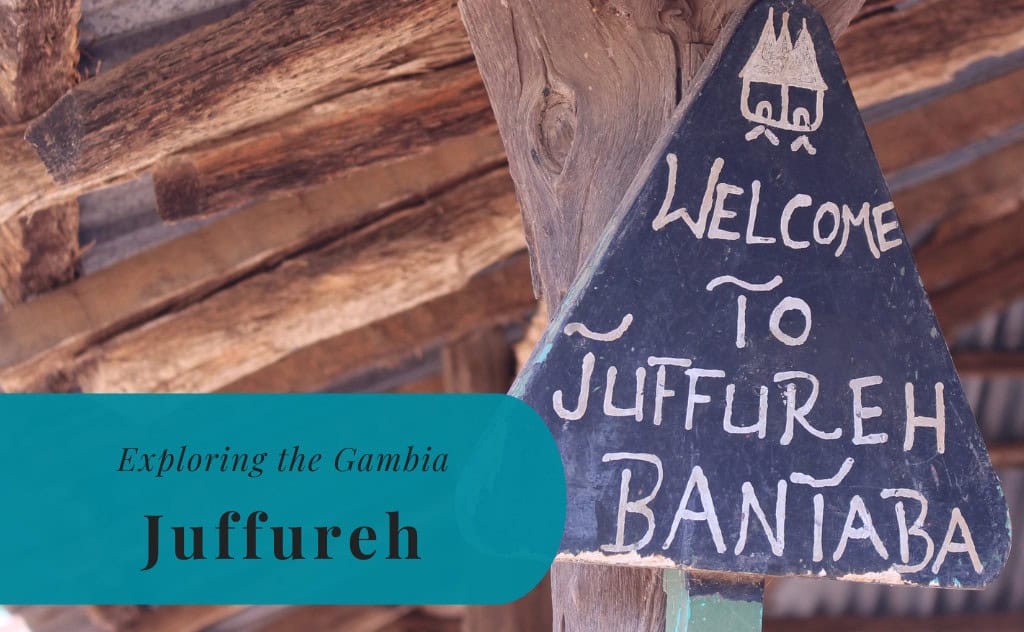
Juffureh | Exploring The Gambia
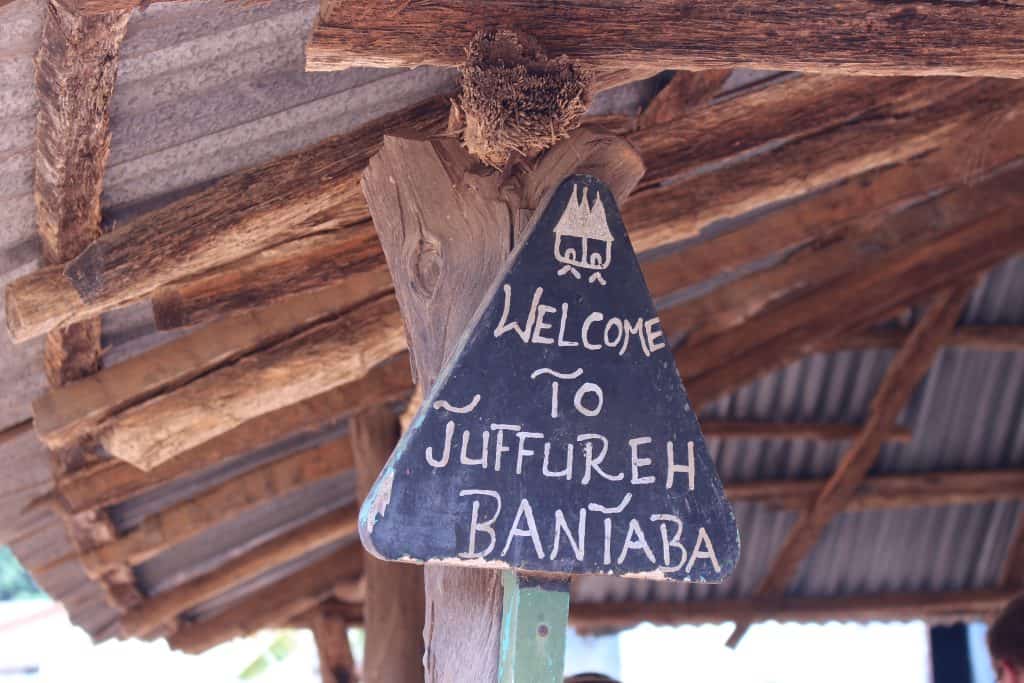
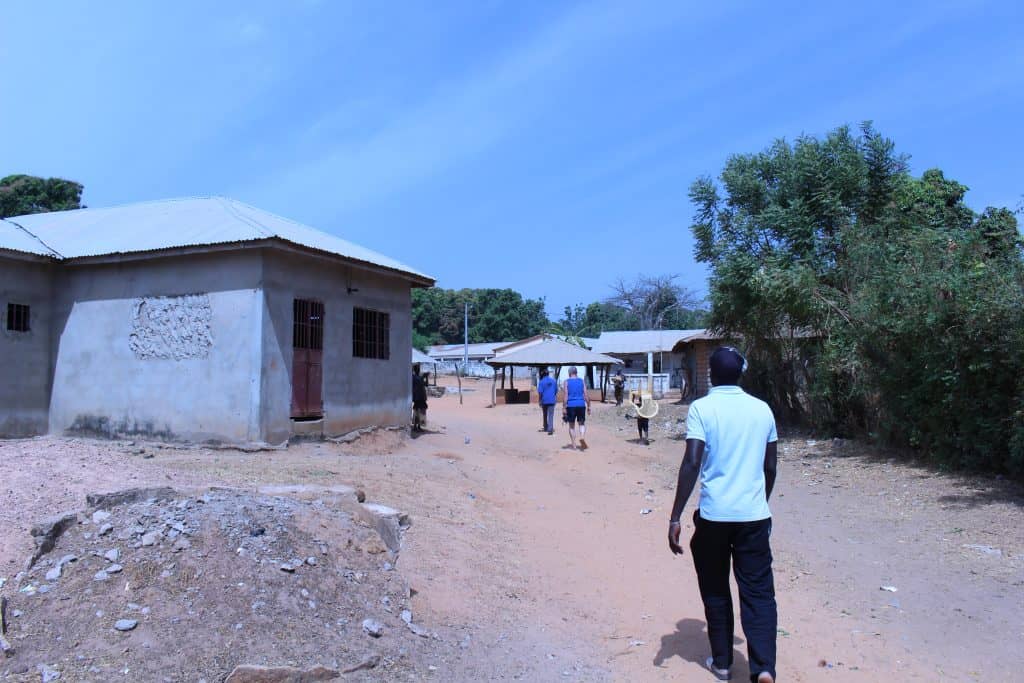
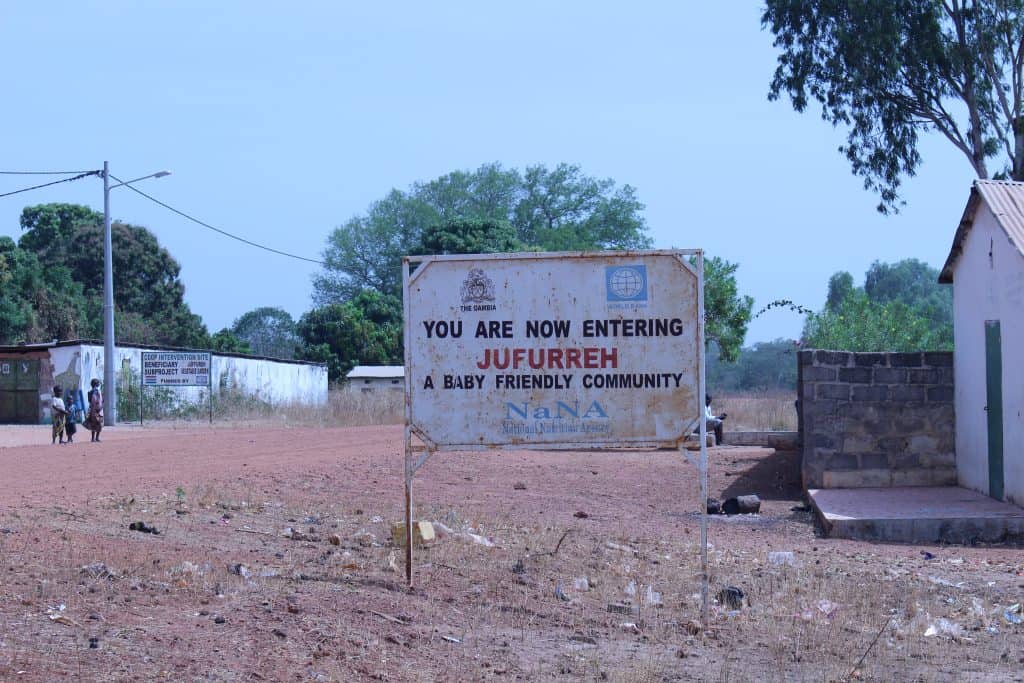
Juffureh, also spelled Juffure, is a town located in the North Bank Division of The Gambia. It is situated approximately 30 kilometers inland from the coast, on the north bank of the Gambia River. The village forms a twin settlement with its immediate neighbor, Albreda, and the two communities are connected by a short path. Juffureh is known throughout the world for its connection to the famous novel “Roots: The Saga of an American Family” by the American author Alex Haley. The town is a key part of a UNESCO World Heritage Site that also includes Albreda and the nearby Kunta Kinteh Island.
The identity of Juffureh is defined by its role as the ancestral home of Kunta Kinte, the main character in the “Roots” saga. The publication of the book in 1976 transformed this small farming village into a major international tourist destination. It became particularly important for African Americans seeking to connect with their ancestral past. The story of Kunta Kinte, a young man captured and sold into slavery, became a powerful symbol of the transatlantic slave trade. This narrative brought the history of the Gambia River to a global audience.
This connection has made Juffureh a place of pilgrimage. Visitors come from all over the world to see the village described in the book, and they often arrive at the jetty in the neighboring village of Albreda before making the short walk over. The “Roots” phenomenon has had a profound impact on the village. It has brought both economic opportunities and the challenges of managing cultural tourism. Today, Juffureh remains a powerful and emotional destination, offering a journey into the history of the slave trade.


History of Juffureh
The history of Juffureh is the story of a small Mandinka village that became a globally recognized symbol of the African diaspora. For centuries, the village was a part of the local Kingdom of Niumi, and its inhabitants were primarily farmers. Its location on the banks of the Gambia River placed it at the center of the transatlantic slave trade for a long period. The village’s modern history has been completely shaped by its association with Alex Haley’s “Roots,” an association that has brought both opportunities and challenges.
A Village on the River
For most of its history, Juffureh was a small and traditional farming community. Its people belonged to the Mandinka ethnic group. The village’s location on the north bank of the Gambia River was of strategic importance. This part of the river was a major route for European traders, including those involved in the slave trade, who traveled into the interior of the continent. The nearby island, Kunta Kinteh Island, was a major European fortification, and the lives of the people in Juffureh were directly impacted by the activities on this island.
The “Roots” Phenomenon
The major turning point in the history of Juffureh came in the 1970s. The American author Alex Haley traced his ancestry back to this small village. He claimed that his ancestor, Kunta Kinte, was born in Juffureh and was captured and sold into slavery from here in 1767. His book, “Roots,” became a massive international bestseller, and the subsequent television series was a global phenomenon. This brought worldwide attention to Juffureh and turned it into a major destination for cultural tourism.
A Modern Tourist Destination
In the modern era, Juffureh has developed a tourism infrastructure to cater to the many visitors who come to see the ancestral home of Kunta Kinte. The village now has a museum, a small market, and improved roads. The connection to “Roots” has brought economic benefits to the community. It has also created a unique and sometimes complex relationship between the villagers and the many tourists who come here seeking an authentic connection to their African heritage. The village remains a powerful symbol of the legacy of the slave trade.

Sights in Juffureh
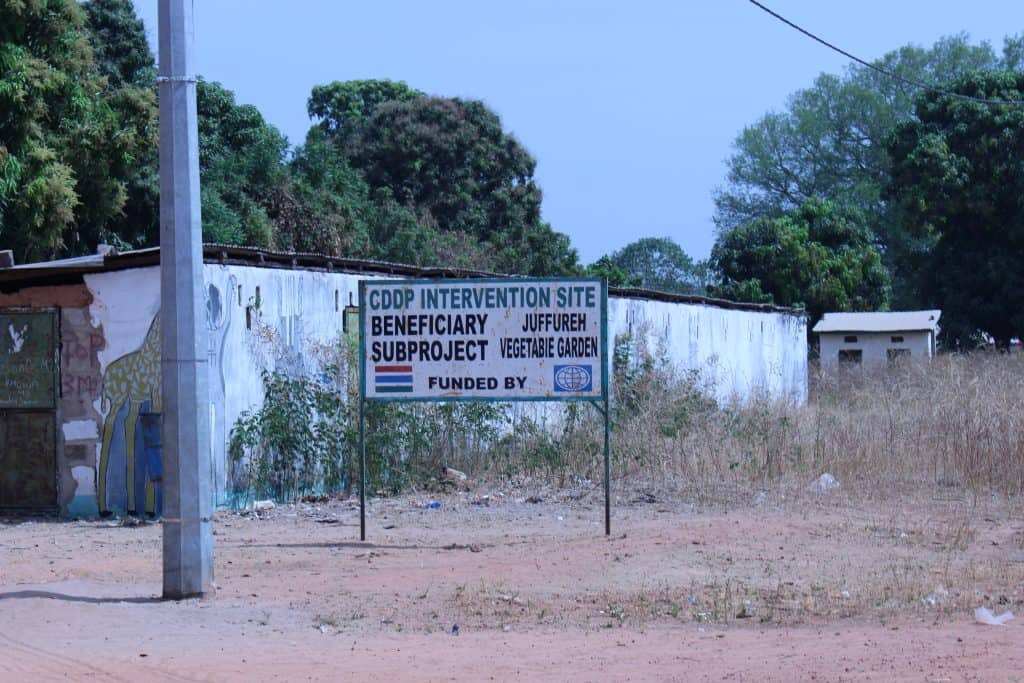
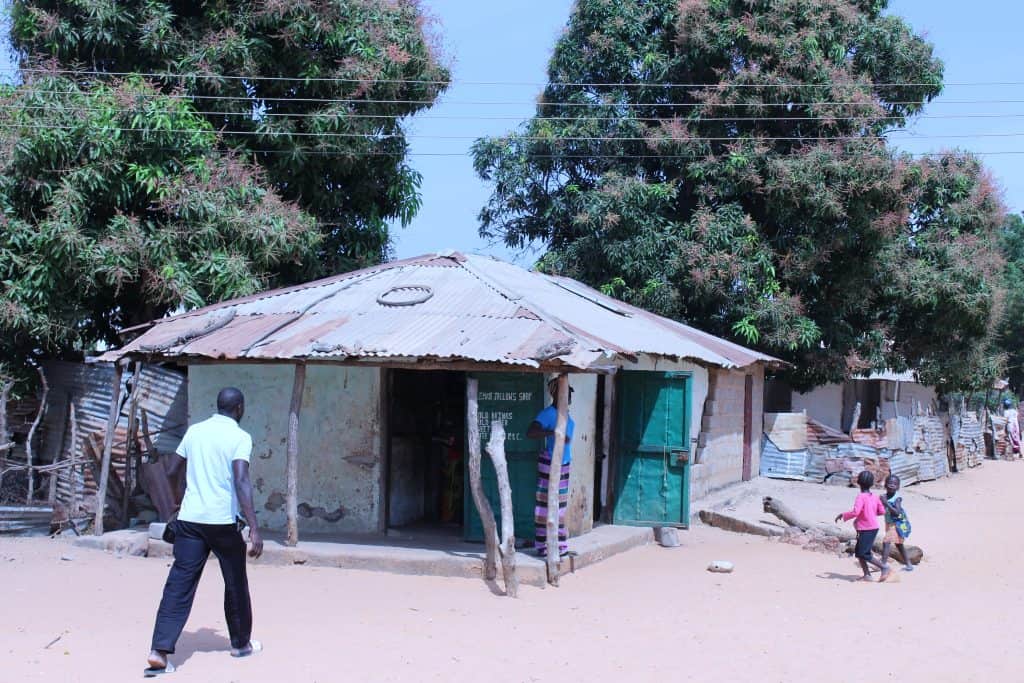
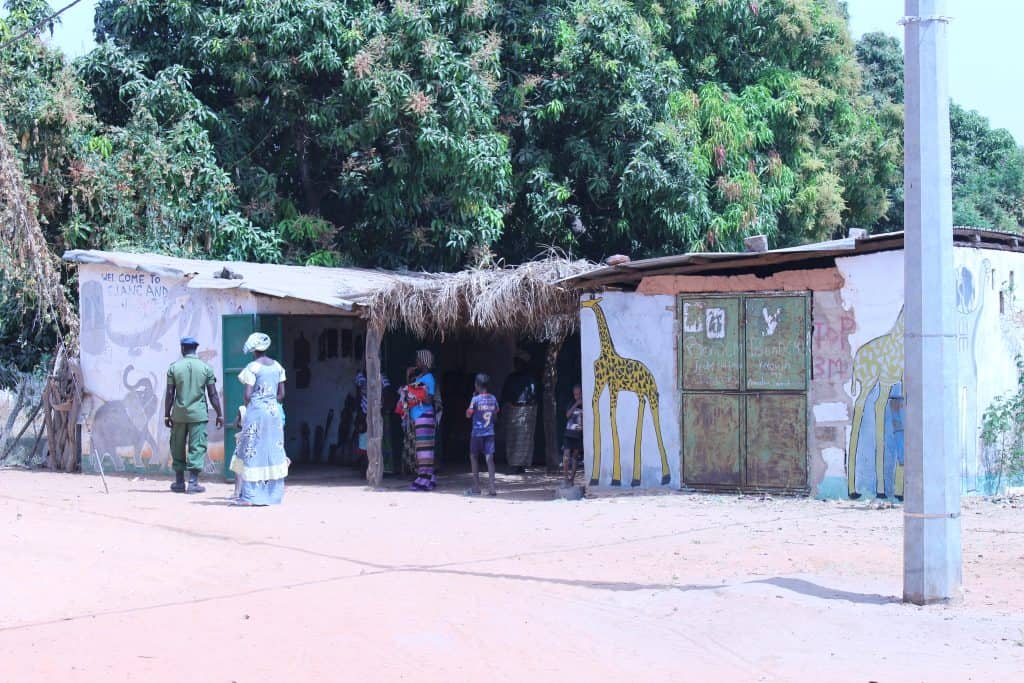
The sights in Juffureh are centered around its connection to the “Roots” saga and the history of the slave trade. The main attraction is the village itself, where visitors can meet the descendants of the Kinteh clan. The nearby Slavery Museum in the neighboring village of Albreda is an essential part of the experience. A short boat trip from the village takes you to the historic ruins of the fort on Kunta Kinteh Island.
The Kinteh Clan Homestead
The main sight in the village of Juffureh is the homestead of the Kinteh clan. Visitors can meet the local elders and the family members who claim to be the descendants of the famous Kunta Kinte. A visit to the homestead is a personal and often emotional experience, and it provides a direct connection to the story that was made famous by Alex Haley. It is the central point of the “Roots” pilgrimage.
The Slavery Museum at Albreda
Located in the neighboring village of Albreda, which is connected to Juffureh by a short walk, is the Slavery Museum. This small but powerful museum is housed in a historic trading post. The museum’s exhibits detail the history of the transatlantic slave trade in the Gambia River region. The displays include historical artifacts, such as shackles and other restraints, and a replica of a slave ship. The museum provides an important and sobering context for the history of the area.


Getting Around in Juffureh
The village of Juffureh and the neighboring village of Albreda are very small and are explored entirely on foot. To reach the area, which is located on the north bank of the Gambia River, the most common method is by a boat trip from the capital city of Banjul. It is also possible to reach the area by road, which involves taking a ferry across the river and then driving on dirt roads.
Exploring by Foot
Once you have arrived at the jetty in Albreda, the only way to get around is by walking. A short, sandy path connects the village of Albreda with Juffureh. All the main sights, including the museum and the Kinteh clan homestead, are within a very short and easy walking distance of each other.
The River Boat to Kunta Kinteh Island
To visit the historic Kunta Kinteh Island, which is a key part of the “Roots” experience, you must take a small boat. These boats, which are often traditional pirogues, depart from the jetty at Albreda. The boat ride to the island is short and scenic, and it offers beautiful views of the Gambia River.
How to Get to Juffureh?
Juffureh is located in the North Bank Division of The Gambia. The most common and popular way to get there is on an organized boat tour from the capital city of Banjul or from the main tourist resorts on the Atlantic coast. This full-day excursion is known as the “Roots Tour.” It is also possible to travel to the area independently by road, but this is a more challenging journey.
The “Roots” River Tour
The most popular way to visit Juffureh is on a “Roots Tour.” Several local tour companies offer this full-day excursion by boat. The boat trip takes you up the Gambia River from Banjul to the village of Albreda. The journey takes a few hours and is a beautiful and relaxing way to see the river and its wildlife. The tour typically includes a guided visit to Juffureh, the slavery museum, and the nearby Kunta Kinteh Island.
Driving to the Village
It is also possible to reach Juffureh by road. From the capital, Banjul, you would first need to take the public ferry across the Gambia River to the town of Barra. From Barra, it is then a drive of about 30 kilometers on a dirt road to reach Juffureh. This journey can be slow and dusty, but it provides a more authentic experience of the countryside of The Gambia.
Driving Distances
The driving distance from 20 regional cities, according to Google Maps:
- Barra, The Gambia – 30 kilometers (0 h 45 min)
- Banjul, The Gambia – 35 kilometers (2 h 00 min, plus ferry)
- Serekunda, The Gambia – 45 kilometers (2 h 15 min, plus ferry)
- Kaolack, Senegal – 120 kilometers (2 h 00 min)
- Ziguinchor, Senegal – 180 kilometers (3 h 30 min)
- Dakar, Senegal – 300 kilometers (5 h 00 min, plus ferry)
- Bissau, Guinea-Bissau – 330 kilometers (5 h 30 min)
- Nouakchott, Mauritania – 780 kilometers (12 h 30 min)
- Conakry, Guinea – 830 kilometers (14 h 30 min)
- Bamako, Mali – 1130 kilometers (18 h 30 min)
- Freetown, Sierra Leone – 1230 kilometers (20 h 30 min)
- Monrovia, Liberia – 1630 kilometers (25 h 30 min)
- Abidjan, Ivory Coast – 2030 kilometers (30 h 30 min)
- Ouagadougou, Burkina Faso – 2330 kilometers (35 h 30 min)
- Accra, Ghana – 2430 kilometers (36 h 30 min)
- Lomé, Togo – 2630 kilometers (40 h 30 min)
- Niamey, Niger – 3030 kilometers (45 h 30 min)
- Lagos, Nigeria – 3230 kilometers (48 h 30 min)
- N’Djamena, Chad – 4530 kilometers (65 h 30 min)
- Cairo, Egypt – 6030 kilometers (85 h 30 min)
Looking to Explore more of The Gambia and Africa?