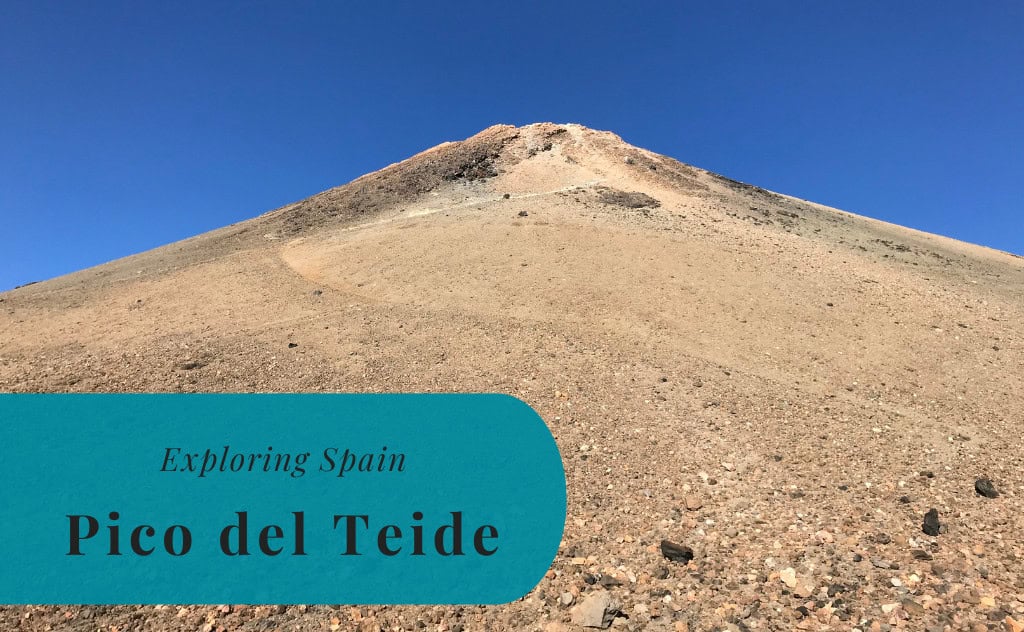
Pico del Teide, Tenerife | Exploring Spain
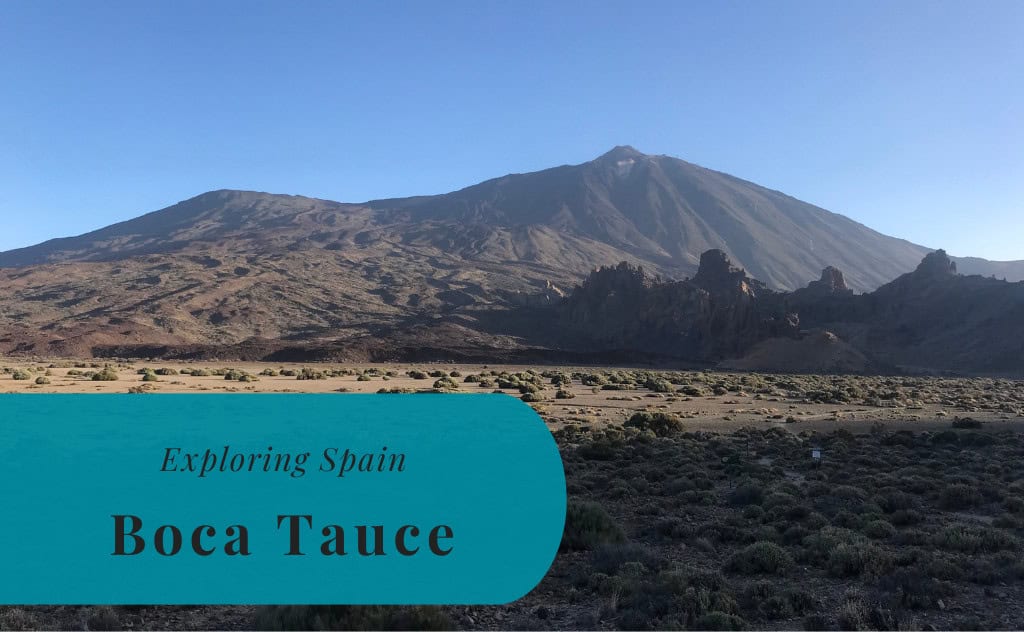
Pico del Teide, or Mount Teide, is a volcano on the island of Tenerife, one of the Canary Islands of Spain. At an elevation of 3,715 meters, its summit is the highest point in all of Spain, and it is also the highest point on any island in the Atlantic Ocean. The volcano and its vast surroundings make up the Teide National Park, which is a UNESCO World Heritage Site. With a population of over 900,000 on the island of Tenerife, the peak of Teide is a constant and dramatic presence in the lives of its inhabitants. We find ourselves drawn to its silhouette, a symbol of the raw power of nature that has shaped this entire archipelago.
The identity of Teide is that of a geological wonder and a sacred mountain. If measured from its base on the ocean floor, it is the third-tallest volcanic structure in the world. The landscape within the national park is often described as “lunar” or “Martian,” with its vast calderas, its strange and eroded rock formations, and its fields of solidified lava. For the ancient aboriginal inhabitants of the island, the Guanches, Teide was a sacred mountain, a place of myths and legends that was both feared and revered. It was the home of their main deity, and it was the center of their spiritual world.
Today, Teide is the most visited national park in all of Europe, and it attracts millions of visitors each year who come to experience its unique scenery. It is a major center for scientific research, and its clear skies make it one of the best places in the world for astronomical observation. We have often felt that a visit to Teide is like a journey to another planet. Its combination of natural beauty, profound geological history, and deep cultural significance makes it one of the most compelling destinations in the world.


Good to Know When Visiting Teide
To fully appreciate a visit to Pico del Teide, it is useful to understand some of the unique aspects that define the experience of being in this high-altitude environment. The most common way to ascend the volcano is by using the Teide Cable Car, an experience that requires some planning. For those who wish to reach the absolute summit, a special permit system is in place to protect the fragile environment. Finally, the national park is one of the premier destinations in the world for stargazing, offering a completely different but equally spectacular experience after the sun has set.
The Teide Cable Car
The most popular way to ascend Mount Teide is by using the Teide Cable Car (Teleférico del Teide). The base station is located at an altitude of 2,356 meters and is easily accessible by road. The cable car takes you on a spectacular eight-minute journey up the steep slopes of the volcano to the upper station, La Rambleta, which is located at an altitude of 3,555 meters. The views from the cable car are expansive. We highly recommend booking tickets online in advance, especially during the peak season, as the queues can be very long.
It is also important to check the weather and the operational status of the cable car before you go, as it can close due to strong winds. The experience at the top is greatly influenced by the weather conditions. The air is thin at this altitude, and the temperature can be much colder than at sea level, even in the summer. We have always found it wise to bring warm clothing, regardless of the weather on the coast. This preparation ensures a more comfortable and enjoyable visit to the high-altitude environment of the volcano.
The Summit Permit (Pico del Teide)
The upper station of the cable car, La Rambleta, is not the absolute summit of the volcano. To climb the final 200 meters to the very peak of Pico del Teide, you must hike the Telesforo Bravo Trail (Trail No. 10). Access to this trail is restricted, and you need to obtain a special permit from the National Park authorities to proceed. This system is in place to protect the fragile crater environment from the impact of mass tourism. It ensures that the experience of being at the highest point in Spain remains a special one.
The permit is free of charge, but it must be booked online, often several months in advance, as the number of visitors allowed on the summit each day is strictly limited. We have found that planning well in advance is essential if you wish to reach the peak. The hike from La Ramblet is short but steep, and the high altitude makes it challenging. The reward for this effort is an unforgettable panoramic view and the unique experience of standing on the summit of this active volcano.
Stargazing in the National Park
The Teide National Park is recognized as one of the best places in the world for stargazing. Its high altitude, its clean, dry air, and its distance from the light pollution of the main urban centers create exceptionally clear night skies. The park has been designated as a “Starlight Tourist Destination” by the Starlight Foundation. On a clear night, the view of the Milky Way is absolutely spectacular. We have often been amazed by the sheer number of stars that are visible from this vantage point.
Several local companies offer guided stargazing tours in the national park. These tours include the use of powerful telescopes and expert guides who can explain the constellations and other celestial objects. The experience of seeing the craters of the moon or the rings of Saturn through a telescope in this pristine environment is a memorable one. Even without a tour, a simple drive up into the park on a clear, moonless night offers a celestial spectacle that is hard to forget. It is a completely different way to experience the magic of the park.


History of Pico del Teide
The history of Pico del Teide is a story of immense geological power, of ancient myths, and of modern scientific discovery. The volcano was formed over hundreds of thousands of years through a series of massive eruptions and catastrophic landslides. For the indigenous Guanche people, it was a sacred mountain and the center of their mythology. In the age of exploration, it was a crucial landmark for sailors. Today, it is a major center for volcanology and astronomy, and it continues to be a source of fascination and study for scientists from all over the world.
A Volcanic Giant is Born
The formation of Mount Teide as we see it today began approximately 170,000 years ago. It was created following the giant collapse of a former, even larger volcanic edifice. This catastrophic landslide created the massive Las Cañadas caldera, a huge crater that is 16 kilometers wide. The twin volcanoes of Teide and its sister peak, Pico Viejo, then began to grow inside this caldera through successive eruptions. The stratovolcanoes grew as the viscous lava flows settled one on top of another. The most recent eruption within the national park was from the Narices del Teide vents on the side of Pico Viejo in 1798.
Teide is still an active volcano, although it is currently dormant. The most recent eruption on the island of Tenerife was from the El Chinyero vent in 1909. This vent is located on the Santiago rift, just outside the boundaries of the national park. The United Nations has designated Teide as a Decade Volcano. This is a designation for volcanoes that are worthy of particular study due to their history of destructive eruptions and their proximity to large population centers. The geological history of the park is a powerful reminder of the forces that have shaped our planet.
A Sacred Mountain for the Guanches
For the aboriginal inhabitants of Tenerife, the Guanche people, Mount Teide was a sacred and mythological mountain, much like Mount Olympus was for the ancient Greeks. They called the volcano “Echeyde,” which is believed to mean “hell.” According to their mythology, the evil deity Guayota lived inside the volcano. Legend has it that Guayota kidnapped Magec, the god of light and the sun, and imprisoned him inside the mountain, plunging the world into darkness. The Guanches prayed to their supreme god, Achamán, who fought and defeated Guayota. Achamán then plugged the crater of the volcano with a cone, which is the final peak that we see today.
The Guanches believed that the mountain held up the sky. During eruptions, it was customary for them to light bonfires on the slopes of the mountain to scare away the evil spirits. Archaeologists have found numerous ritual deposits in caves within the national park. These contain stone tools and pottery, and they are believed to have been offerings to counter the influence of the evil spirits that were thought to live inside the volcano. We have always found that these ancient stories add a powerful layer of human history and mythology to the raw, natural beauty of the landscape.
The Age of Exploration and Science
In the era of European expansion, the peak of Teide was a crucial landmark for sailors in the Atlantic Ocean. It was considered to be the highest mountain in the world by many for a long time. It was used as a key navigation beacon by Spanish, Portuguese, and British seafarers on their long journeys to the Americas and around Africa. In 1492, the explorer Christopher Columbus reported seeing a great fire in the Orotava Valley as he sailed past Tenerife on his first voyage to the New World, and this was likely a volcanic eruption.
In the centuries that followed, the volcano became a major subject of scientific interest. The Teide National Park was established in 1954, making it one of the oldest national parks in Spain. In 2007, it was declared a UNESCO World Heritage Site in recognition of its unique natural and geological value. The park is home to the Teide Observatory, a major international astronomical observatory that takes advantage of the clear, dark skies. The volcano and the national park continue to be a living laboratory for the study of geology, botany, and astronomy.


Sights at Pico del Teide
The sights in the Teide National Park are a spectacular showcase of volcanic geology and unique natural beauty. The undisputed centerpiece is the peak of the Mount Teide volcano itself, which can be ascended by a dramatic cable car ride. The vast Las Cañadas caldera is a stunning landscape in its own right, and it is filled with a variety of bizarre and beautiful rock formations, such as the famous Roques de García. For a different kind of experience, the Teide Observatory offers a fascinating look into the world of astronomy.
A journey through the park is a journey through a constantly changing landscape. The park is crossed by a single main road, the TF-21, which is lined with numerous “miradores,” or viewpoints, each offering a different perspective of the volcanic scenery. From the dark lava fields of the Samara volcano to the colorful, mineral-streaked rocks of Los Azulejos, the park offers a feast for the eyes. We have always felt that the best way to experience the park is to take a slow drive, stopping at as many of these viewpoints as possible.
The Teide Cable Car
The Teide Cable Car (Teleférico del Teide) is the most popular attraction in the national park. The base station is located at an altitude of 2,356 meters. From here, the cable car takes you on a spectacular eight-minute journey up the steep slopes of the volcano to the upper station, La Rambleta, at 3,555 meters. The views from the cable car are breathtaking. From the upper station, there are three walking trails that lead to different viewpoints. One of these, the Telesforo Bravo Trail, leads to the absolute summit of the volcano, but it requires a special permit.
Roques de García
The Roques de García are a collection of spectacular and bizarrely eroded rock formations that are located in the Las Cañadas caldera, directly opposite the main Parador de Turismo hotel. These rock towers are the remains of the ancient volcanic edifice that existed before the formation of the modern Teide. The most famous of these is the Roque Cinchado, which is also known as the “Stone Tree” or the “Finger of God.” This iconic rock formation has become one of the most famous symbols of the island of Tenerife. An easy circular hiking trail leads around the base of the rock formations.
Teide Observatory
The Teide Observatory, located at an altitude of 2,390 meters, is a major international astronomical observatory. It is one of the most important in the world. The observatory takes advantage of the incredibly clear, dark, and stable skies of the Teide National Park. It is home to a large collection of solar and nocturnal telescopes that are operated by various international scientific institutions. The observatory is a major center for the study of the sun. It is possible to take a guided tour of the observatory during the day to learn about the work of the astronomers and to see the magnificent telescopes up close.
Samara Volcano
The Samara Volcano is a small but beautiful volcanic cone located in the western part of the Teide National Park. An easy and very popular circular hiking trail leads up to the summit of the Samara cone and around its crater. The trail offers spectacular panoramic views of the Mount Teide and Pico Viejo volcanoes on one side and the western coast of the island and the neighboring island of La Gomera on the other. The landscape here is covered in a beautiful mix of black volcanic gravel and the unique, high-altitude vegetation of the park.
Pico Viejo Viewpoint
The Pico Viejo Viewpoint (Mirador de Pico Viejo) is one of the three viewpoints that are accessible from the upper station of the Teide Cable Car. A short and relatively easy walking trail leads to this viewpoint. From here, you have a spectacular view of the massive crater of the Pico Viejo volcano, which is over 800 meters in diameter. The crater is filled with a beautiful mosaic of different colored lava flows from its past eruptions. On a clear day, the view from here also takes in the southern coast of Tenerife and the islands of La Gomera, El Hierro, and La Palma.


How to Get to Pico del Teide?
The Pico del Teide is located in the Teide National Park, in the very center of the island of Tenerife. The main gateways to the island for international visitors are the two international airports, Tenerife South (TFS) and Tenerife North (TFN). The national park is accessible by a network of high-quality mountain roads from all the main towns and resorts on the island. The journey up to the park is a spectacular scenic drive in itself.
Arriving by Air
The island of Tenerife has two international airports. Tenerife South Airport (TFS), also known as Reina Sofía Airport, is the larger of the two and handles most of the international and charter flights. Tenerife North Airport (TFN), also known as Ciudad de La Laguna Airport, handles most of the inter-island and domestic flights. From either airport, the easiest way to reach the Teide National Park is to rent a car. The drive from the south airport takes about one hour, and from the north airport, it takes about one and a half hours.
Driving into the Park
There are four main roads that provide access to the Teide National Park. From the north, the TF-21 road from the town of La Orotava is a beautiful and very scenic route. From the east, the TF-24 road from the city of La Laguna is another spectacular drive that runs along a high mountain ridge. While from the south, the main route is the TF-21 road from the town of Vilaflor. From the west, the TF-38 road from the town of Chío provides another access route. All of these roads are paved and in good condition, but they are winding mountain roads that require careful driving. We have always enjoyed the drive up through the pine forests.
Connecting by Bus
The public bus company, TITSA, operates two daily bus services to the Teide National Park. Route 348 departs from Puerto de la Cruz in the north, and Route 342 departs from Costa Adeje in the south. These services are primarily designed for tourists and provide a convenient way to visit the park without a car. The buses make stops at several of the main sights within the park, including the Teide Cable Car and the Roques de García. The service is limited, with only one return journey per day on each route.
Driving Distances
The driving distance from 20 regional cities, according to Google Maps:
- Vilaflor, Tenerife – 20 kilometers (0 h 25 min)
- Guía de Isora, Tenerife – 28 kilometers (0 h 35 min)
- Granadilla de Abona, Tenerife – 35 kilometers (0 h 45 min)
- Santiago del Teide, Tenerife – 35 kilometers (0 h 50 min)
- Arona, Tenerife – 38 kilometers (0 h 45 min)
- Los Cristianos, Tenerife – 45 kilometers (0 h 55 min)
- La Orotava, Tenerife – 45 kilometers (1 h 00 min)
- Puerto de la Cruz, Tenerife – 45 kilometers (1 h 00 min)
- Playa de las Américas, Tenerife – 46 kilometers (0 h 55 min)
- Icod de los Vinos, Tenerife – 48 kilometers (1 h 05 min)
- Costa Adeje, Tenerife – 48 kilometers (1 h 00 min)
- Tenerife South Airport (TFS) – 50 kilometers (1 h 00 min)
- Güímar, Tenerife – 50 kilometers (1 h 05 min)
- Los Gigantes, Tenerife – 50 kilometers (1 h 05 min)
- Los Realejos, Tenerife – 50 kilometers (1 h 10 min)
- Candelaria, Tenerife – 55 kilometers (1 h 05 min)
- El Médano, Tenerife – 55 kilometers (1 h 05 min)
- San Cristóbal de La Laguna, Tenerife – 55 kilometers (1 h 10 min)
- Garachico, Tenerife – 58 kilometers (1 h 20 min)
- Santa Cruz de Tenerife, Tenerife – 65 kilometers (1 h 15 min)
Looking to Explore more of Spain and Europe?