Banja Luka | Exploring Bosnia and Herzegovina
Banja Luka is a city in the northern part of Bosnia and Herzegovina. It is the largest city and de facto capital of Republika Srpska, one of the two main political entities that make up the country. The city is situated on the banks of the Vrbas River, which is known for its green waters and the canyons it has carved through the landscape. With a population of approximately 185,000 residents, it is the second-largest city in Bosnia and Herzegovina. It serves as a key administrative, economic, and cultural center.
The character of Banja Luka is defined by its wide boulevards, extensive green spaces, and numerous parks, which has earned it the nickname “the City of Greenery.” Its urban layout was significantly shaped by the Austro-Hungarian period and by large-scale reconstruction following a devastating earthquake in the 20th century. This has resulted in a blend of historic buildings, modernist architecture, and large public spaces. The Vrbas River is a central feature of city life, providing a focus for recreation and events.
As the primary hub for the northwestern region of Bosnia and Herzegovina, Banja Luka is home to major governmental, educational, and cultural institutions for Republika Srpska. This includes the University of Banja Luka and the National Theatre. The city’s location places it at a crossroads within the western Balkans, with strong transport links to neighboring countries like Croatia and Serbia.


Good to Know When Visiting Banja Luka
To help with planning a visit, here are several practical points covering daily essentials, timing, and efficient exploration of the city. Understanding these details can make a trip to Banja Luka more convenient. This information is intended to provide a general overview for travelers preparing to visit this major regional city.
The Daily Essentials
The official currency used in Banja Luka is the Bosnia and Herzegovina Convertible Mark (BAM), which is pegged to the Euro at a fixed rate. While credit and debit cards are accepted in larger hotels, restaurants, and shops, many smaller cafes, bakeries, and market stalls operate on a cash-only basis, so it is highly advisable to have cash on hand. The official languages are Serbian, Bosnian, and Croatian, with the Serbian language using both the Cyrillic and Latin alphabets being most common in Banja Luka. English is spoken in most hotels and by younger generations, but less so in smaller local establishments. Tipping is not obligatory but is appreciated; rounding up the bill or leaving around 10% for good service is a common practice. The tap water is generally considered safe to drink. The electrical system uses Type F sockets with a standard voltage of 230V.
Planning Your Calendar
Banja Luka experiences four distinct seasons. The summer months (June-August) are typically very warm and are a popular time for enjoying the city’s many outdoor cafes and the recreational activities on the Vrbas River. The spring and autumn months offer mild and pleasant weather, which is ideal for exploring the city on foot. The winter can be cold with occasional snowfall. Key public events include the “Ljeto na Vrbasu” (Summer on the Vrbas) festival, which features traditional sports and cultural events, and various music festivals held throughout the year. For a first visit, two to three full days is generally sufficient to see the main sights in the city center and explore the area around the Kastel Fortress.
A Tourist’s Toolkit for Exploration
The center of Banja Luka is relatively compact and can be explored on foot. The main pedestrian street, Gospodska Ulica, the Kastel Fortress, and the main cathedrals and mosques are all within a reasonable walking distance of each other. For traveling to other parts of the city, the local bus network is the primary mode of public transport. Tickets must be purchased from kiosks or from the driver. It is advisable to have exact change if buying from the driver. Ride-sharing apps are not as prevalent as in some other European cities, so local taxis are a common option. It is recommended to use a reputable taxi company and ensure the meter is used. Many of the city’s main attractions do not require advance booking, but it is always a good idea to check the opening hours for museums.
A Short History of Banja Luka
The history of Banja Luka is a story of its strategic importance as a military and administrative center at a key river crossing. Its development has been shaped by the Roman, Ottoman, and Austro-Hungarian empires, each leaving a distinct architectural and cultural mark on the city. The 20th century brought further dramatic changes, with a devastating earthquake that led to large-scale reconstruction, and a period of conflict that redefined its modern political role. This long and often turbulent history is reflected in the city’s landmarks today.
Roman Origins and Ottoman Foundation
The history of settlement in the Banja Luka area dates back to Roman times. The site of the Kastel Fortress shows evidence of a Roman military camp, likely from the 1st century AD, which was part of the defensive system for the province of Illyricum. Slavic tribes settled the area in the 7th century. The first written mention of the name Banja Luka dates to a document from 1494.
The city gained its primary importance under Ottoman rule, especially after its capture in 1528. In the 16th century, it became the seat of the Bosnian Pashaluk (province) under the administration of the influential pasha Ferhat-paša Sokolović. This period saw the construction of significant Islamic architecture, including the famous Ferhadija Mosque, as well as bridges, markets, and other public works. The city flourished as a key military and administrative center for the Ottomans in this part of the Balkans for over 350 years.
Austro-Hungarian Modernization
After the long period of Ottoman rule, Banja Luka, along with the rest of Bosnia and Herzegovina, came under Austro-Hungarian administration in 1878. This event brought significant modernization to the city. The new administration invested heavily in infrastructure, constructing new roads, railway lines, and public buildings. This period gave the city a more Central European architectural style, with many neoclassical and Art Nouveau buildings constructed.
This era saw the establishment of new industries and the growth of the city as a commercial center. The Austro-Hungarians built schools, hospitals, and administrative buildings, many of which are still in use today. The wide, tree-lined boulevards and the layout of the modern city center are largely a product of this period of development. This transformed Banja Luka from a provincial Ottoman town into a more modern European-style city.
The 20th Century and Modern Capital
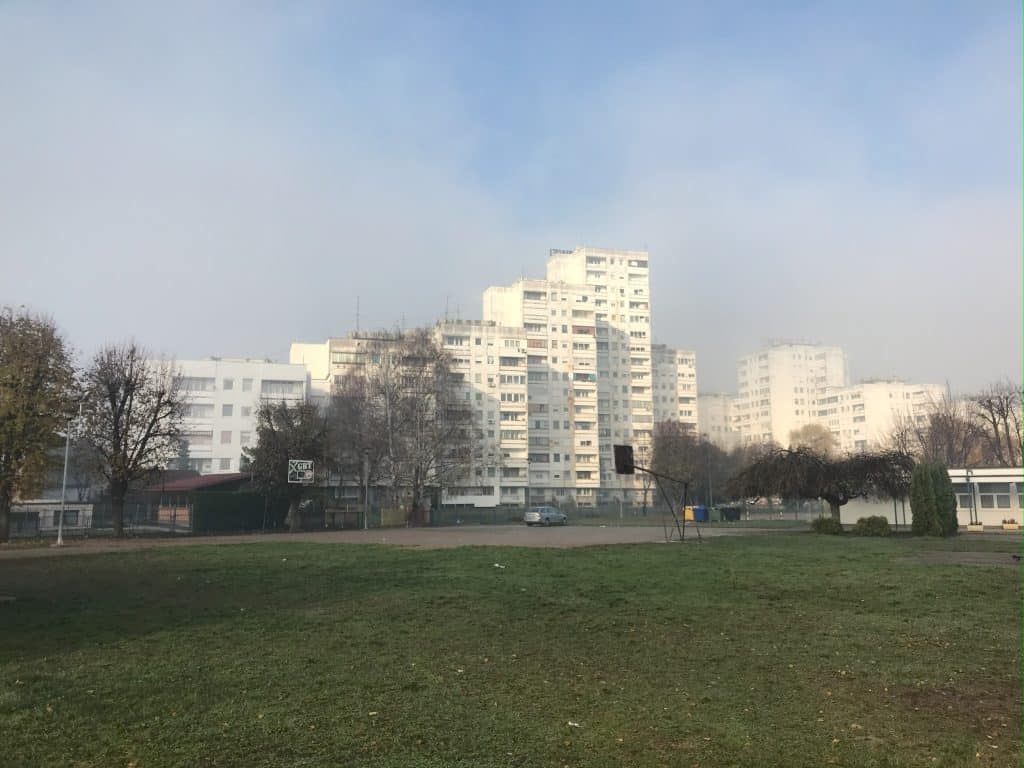
In the 20th century, Banja Luka became part of the Kingdom of Yugoslavia and later the Socialist Federal Republic of Yugoslavia. A pivotal moment in its modern history was the devastating earthquake of 1969. The earthquake destroyed much of the city’s historic center and left thousands homeless. A massive reconstruction effort followed, with aid from across Yugoslavia. This led to the construction of many modernist buildings from that era.
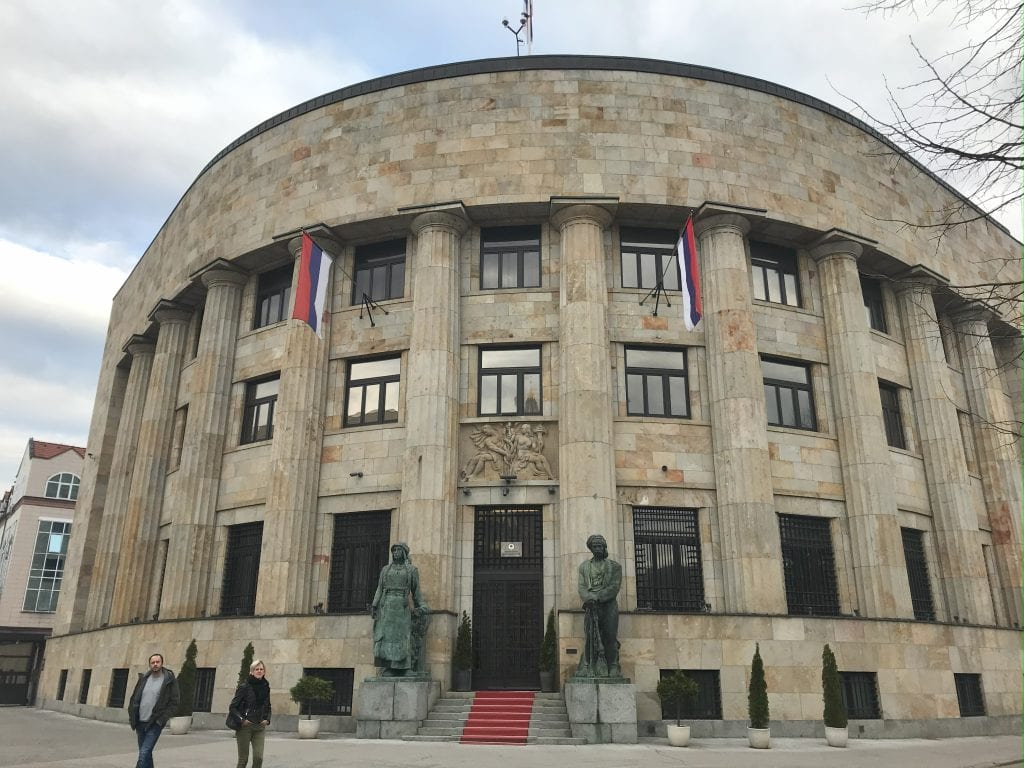
During the Bosnian War in the 1990s, the city experienced significant demographic shifts and the destruction of its historic mosques, including the Ferhadija. Following the war and the Dayton Agreement, Banja Luka became the de facto capital of Republika Srpska, one of the two entities of Bosnia and Herzegovina. This new political role has led to further development and the construction of new government buildings, cementing its status as a major administrative center.
Things to Do and See
Banja Luka offers a range of attractions that showcase its layered history, with landmarks from the Roman, Ottoman, Austro-Hungarian, and Yugoslav eras. The city’s main sights are concentrated in the city center, along the banks of the Vrbas River. The Kastel Fortress is the oldest and most significant landmark. The city is also known for its major religious buildings, which represent the Orthodox Christian and Muslim communities.
The city’s main public squares and pedestrian streets are hubs of social life. Museums provide insight into the region’s history and art. The Vrbas River itself is a key natural feature that runs through the heart of the city. These sights collectively tell the story of Banja Luka’s development from an ancient fortress to a modern regional capital.
Tvrđava Kastel
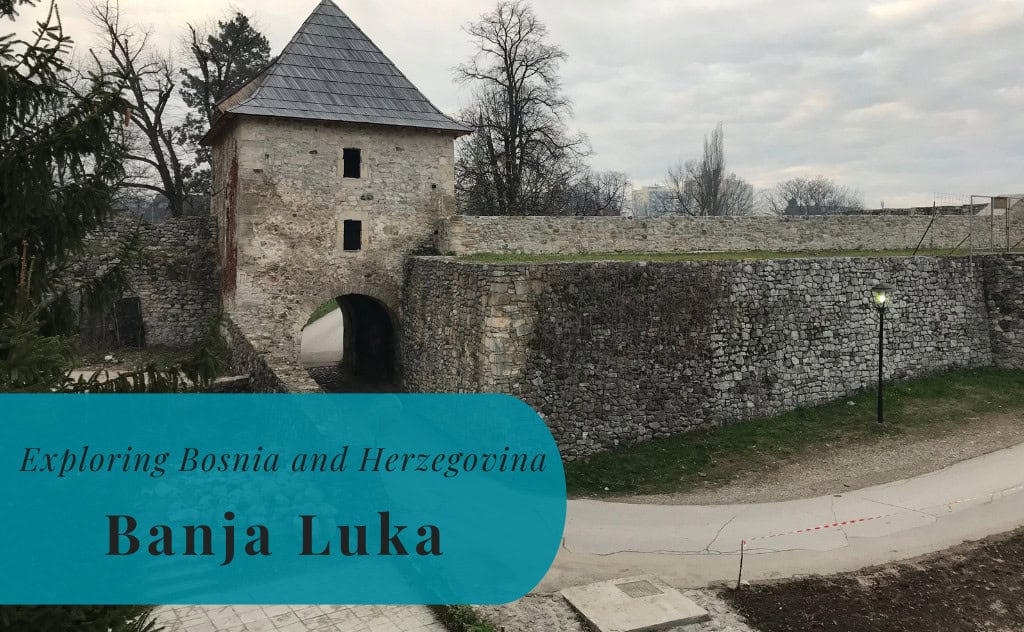
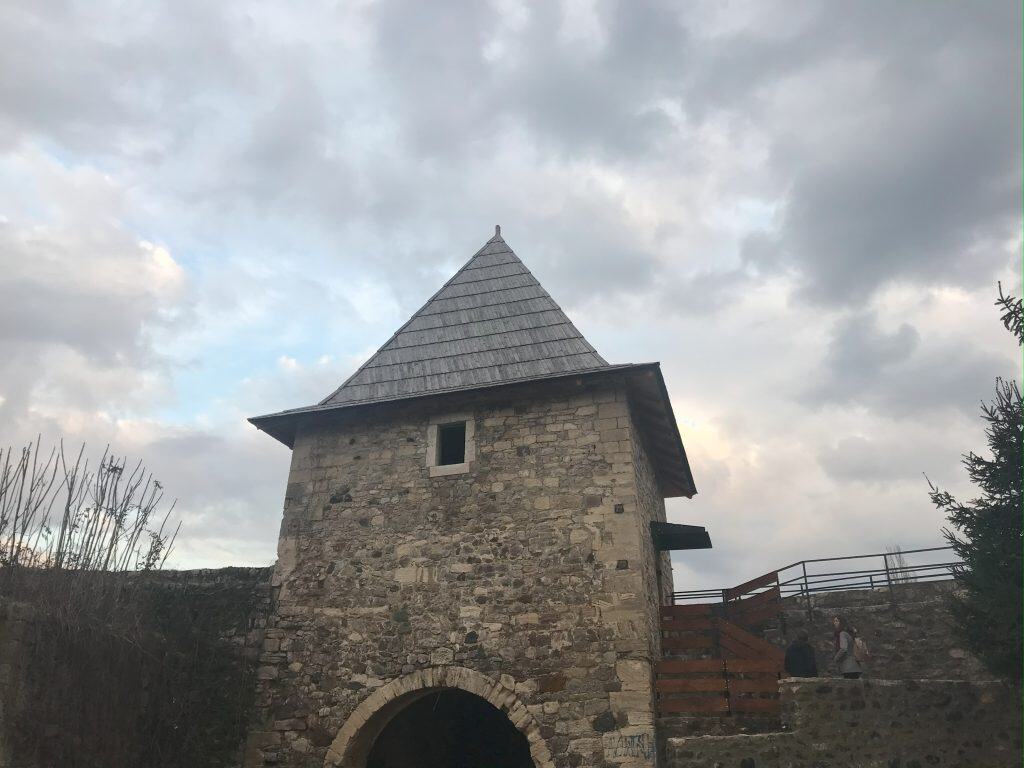
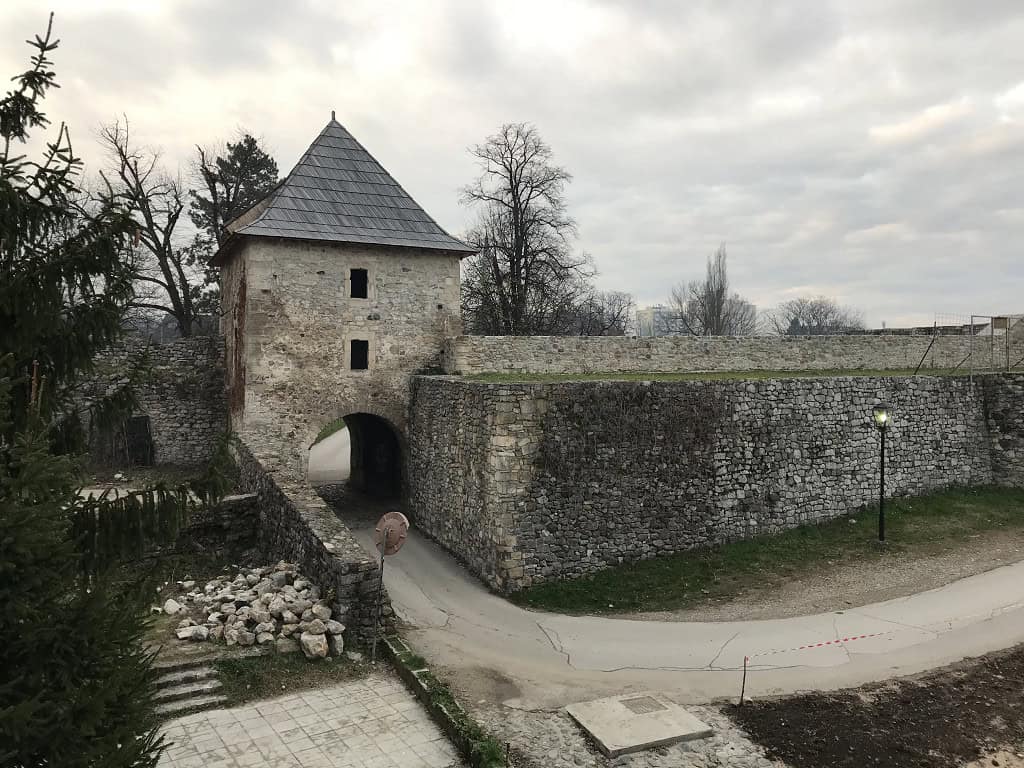
The Kastel Fortress (Tvrđava Kastel) is Banja Luka’s most prominent historical landmark. It is located at the confluence of the Vrbas and Crkvena rivers. Its origins date back to Roman times, where it served as a military camp. The current stone fortifications were largely built during the Ottoman and Austro-Hungarian periods. The fortress features massive stone walls, towers, and bastions. Archaeological excavations continue to reveal layers of history within its walls. Today, the fortress grounds are a public space where visitors can walk along the ramparts and enjoy views of the Vrbas River. It also serves as a venue for concerts and cultural events.
Ferhadija Mosque
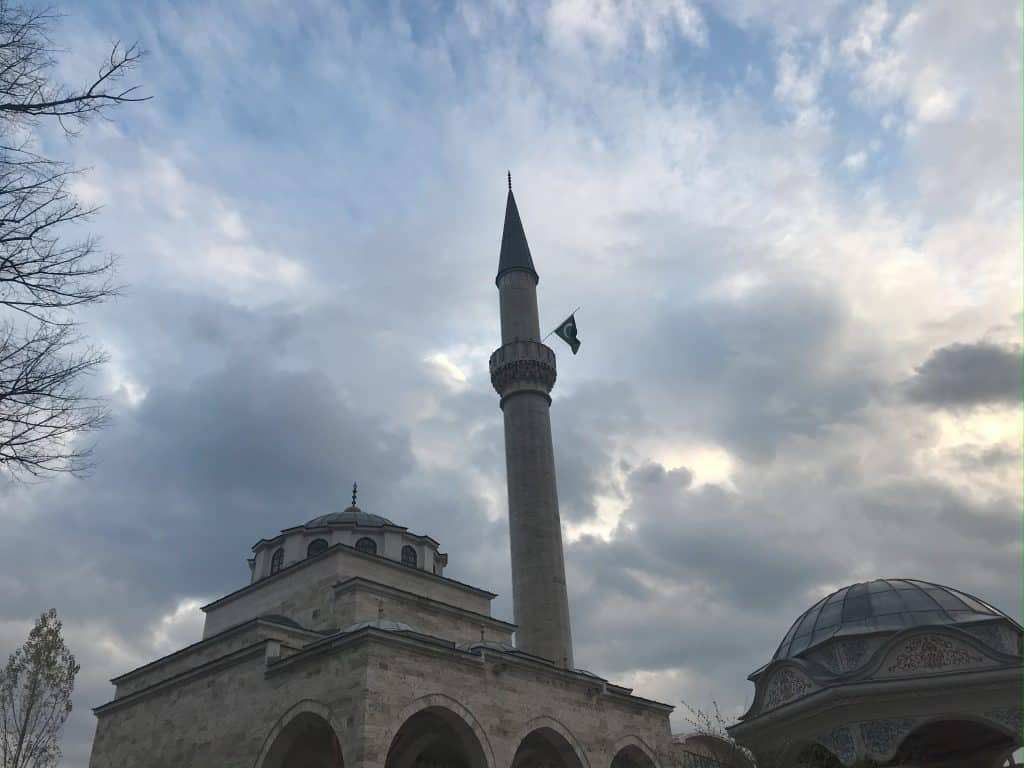
The Ferhadija Mosque is a key example of Ottoman Islamic architecture in Bosnia and Herzegovina. It was built in 1579 by the order of Ferhat-paša Sokolović, the local Ottoman governor. The mosque was considered one of the finest examples of 16th-century Ottoman mosques in the region. It was tragically destroyed by explosives in 1993 during the Bosnian War. After the war, a painstaking and lengthy reconstruction effort was undertaken, using original salvaged materials where possible. The mosque, with its elegant dome and minaret, officially reopened in 2016. It is now a protected National Monument.
Cathedral of Christ the Saviour
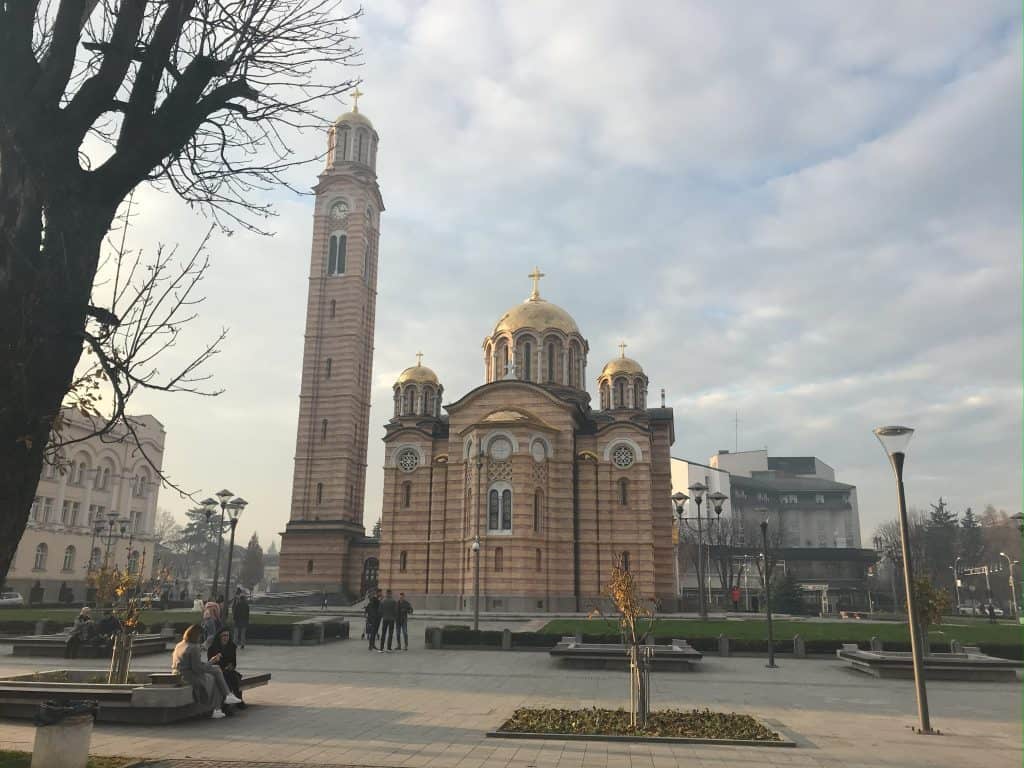
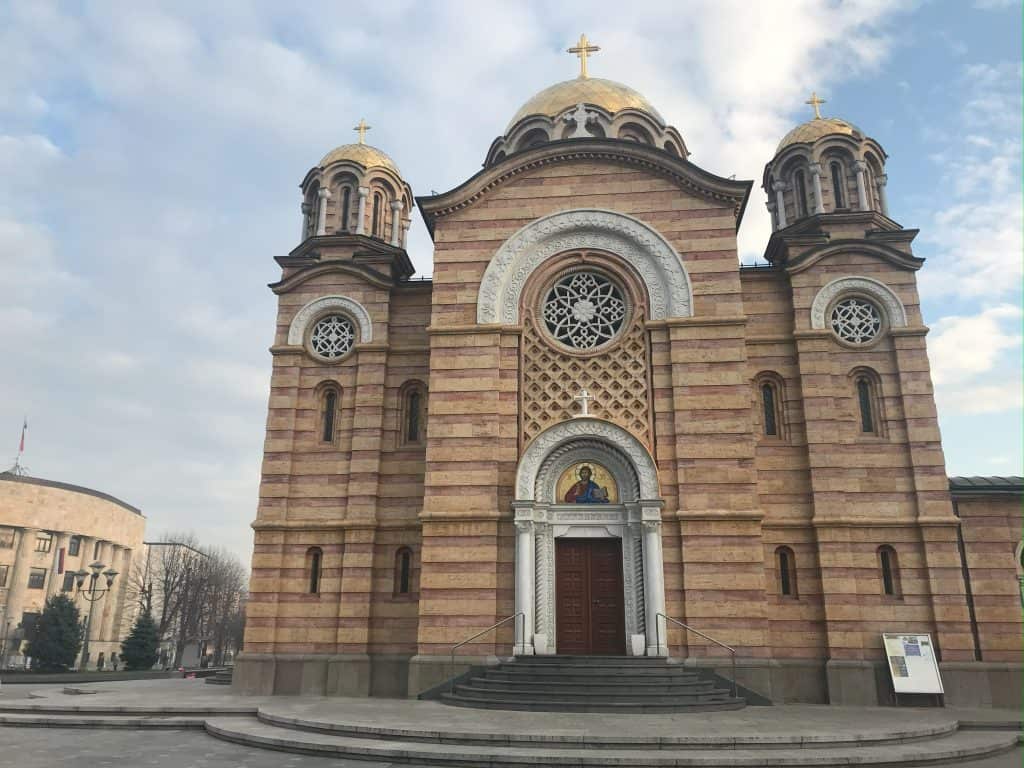
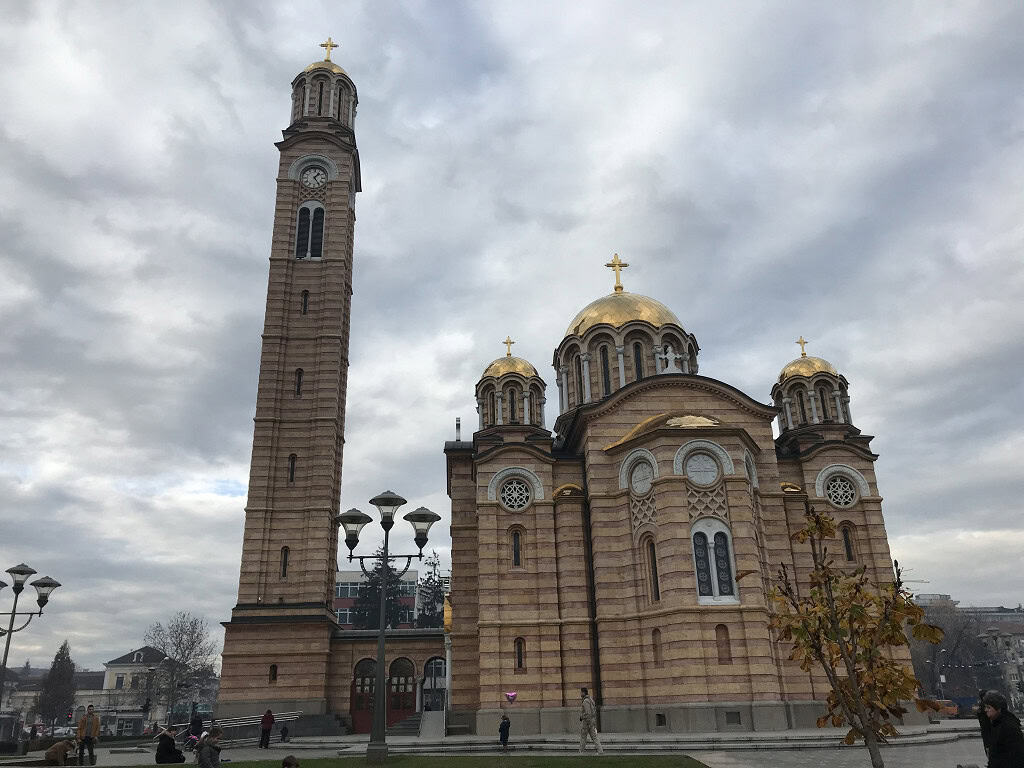
The Cathedral of Christ the Saviour (Hram Hrista Spasitelja) is a Serbian Orthodox cathedral in the center of Banja Luka. This large church was built between 1993 and 2004. It is a reconstruction of a previous cathedral of the same name that was built in the 1920s and destroyed by bombing during World War II. Its design is based on the traditional Serbian-Byzantine style. It features prominent golden domes and intricate facades made from red and yellow travertine stone. The interior is richly decorated with frescoes and icons. It is a central place of worship for the Orthodox community.
Banski Dvor Cultural Centre
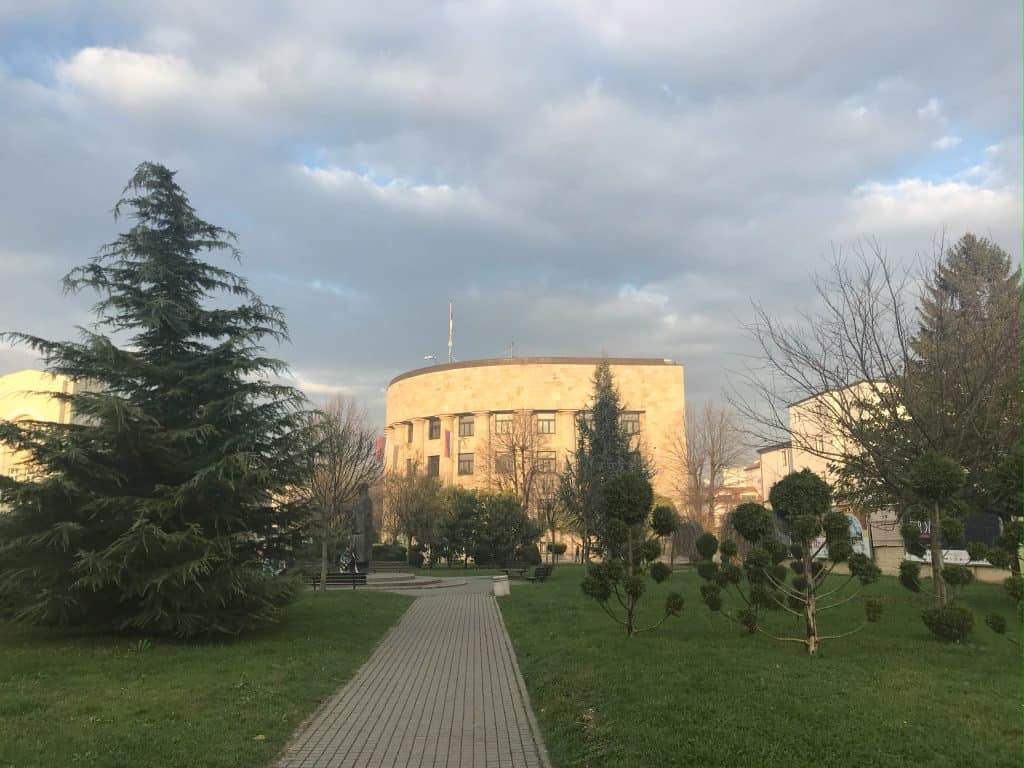
The Banski Dvor Cultural Centre is an architectural landmark in central Banja Luka. The building was constructed between 1931 and 1932. It originally served as the residence and administrative seat of the Ban (governor) of the Vrbas Banovina in the Kingdom of Yugoslavia. Its design blends elements of classicism and modernism. Today, it functions as a major cultural institution for the city and the region. It hosts a full calendar of concerts, art exhibitions, and theatrical performances. Its grand halls and elegant exterior make it a key public venue.
Gospodska Ulica
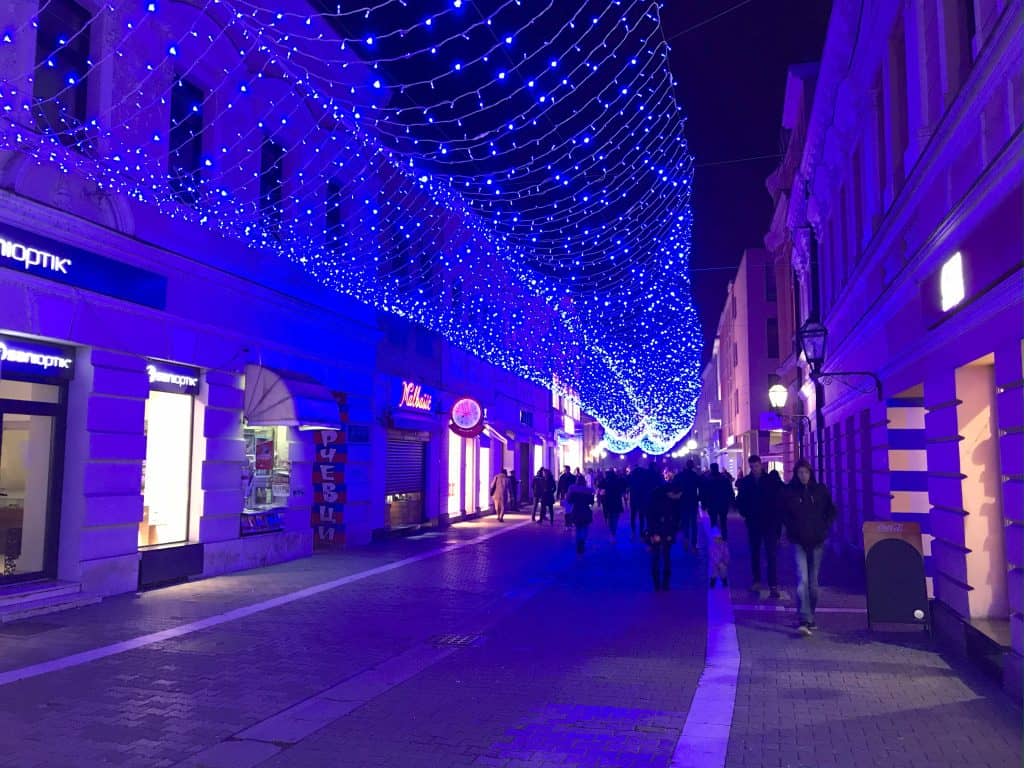
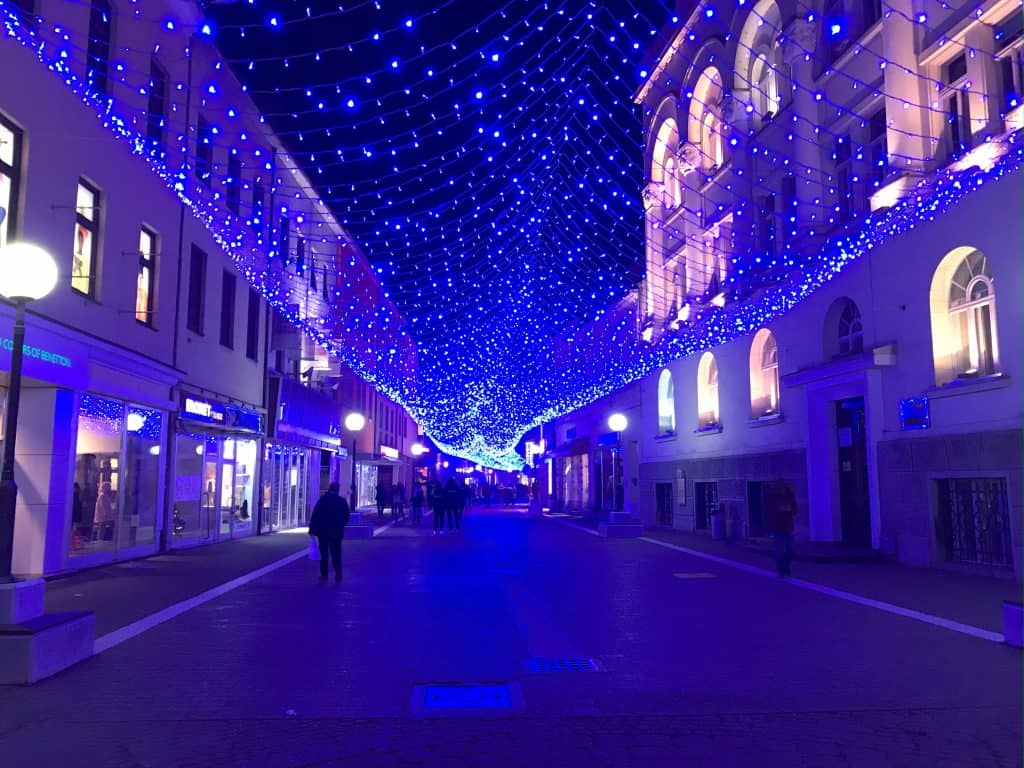
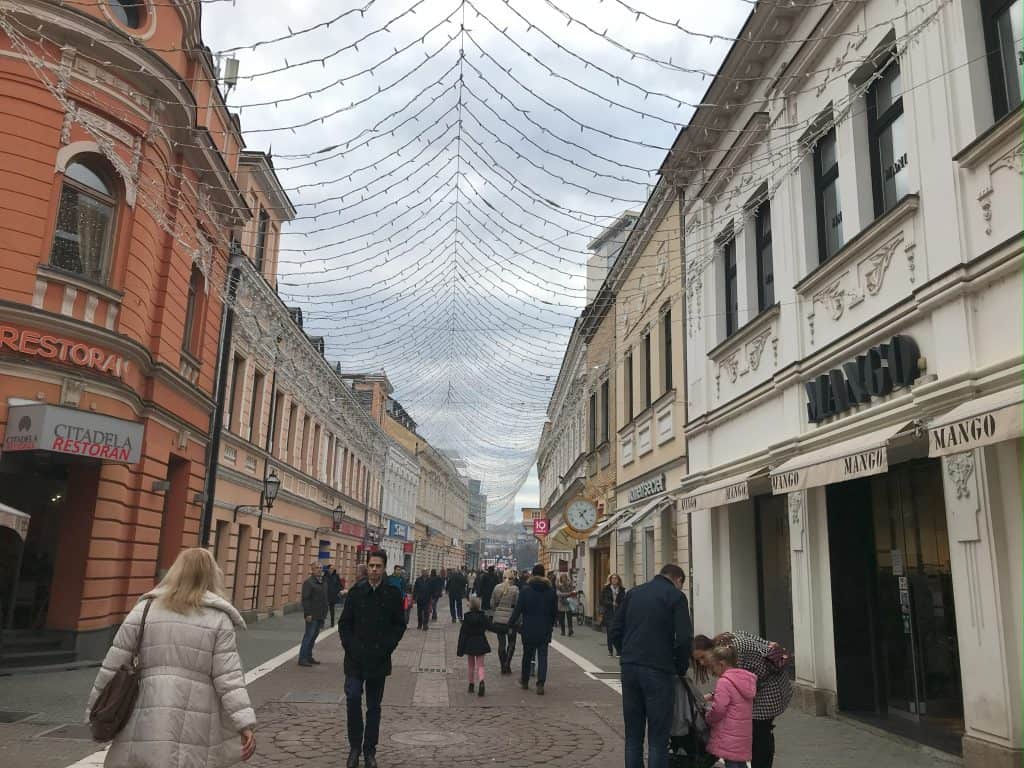
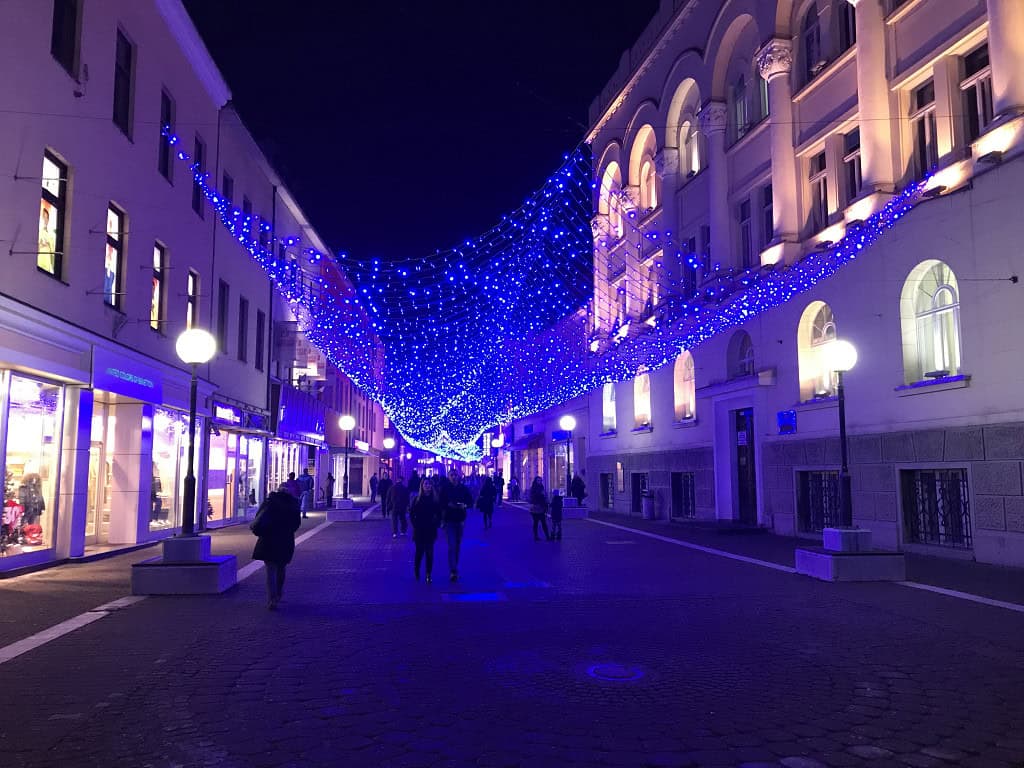
Gospodska Ulica, which officially has the name Veselin Masleša Street, is Banja Luka’s main pedestrian and shopping street. The street is lined with buildings from the Austro-Hungarian period, showcasing the architectural style of the late 19th and early 20th centuries. The street offers a lively atmosphere with numerous shops, cafes, and restaurants. Its name, which can be translated as “The Lord’s Street” or “Gentlemen’s Street,” dates back to the Austro-Hungarian era when it was the city’s most elegant promenade. It remains the heart of the city’s commercial life.
Museum of Republika Srpska
The Museum of Republika Srpska is the main museum dedicated to the history and heritage of the region. The museum’s collections cover archaeology, history, ethnology, and natural history. The archaeological collection includes artifacts from the Neolithic period up to the Middle Ages. The historical exhibitions focus on the development of the region through the Ottoman, Austro-Hungarian, and Yugoslav periods. It provides a comprehensive overview of the cultural heritage of this part of Bosnia and Herzegovina.
Museum of Contemporary Art of Republika Srpska
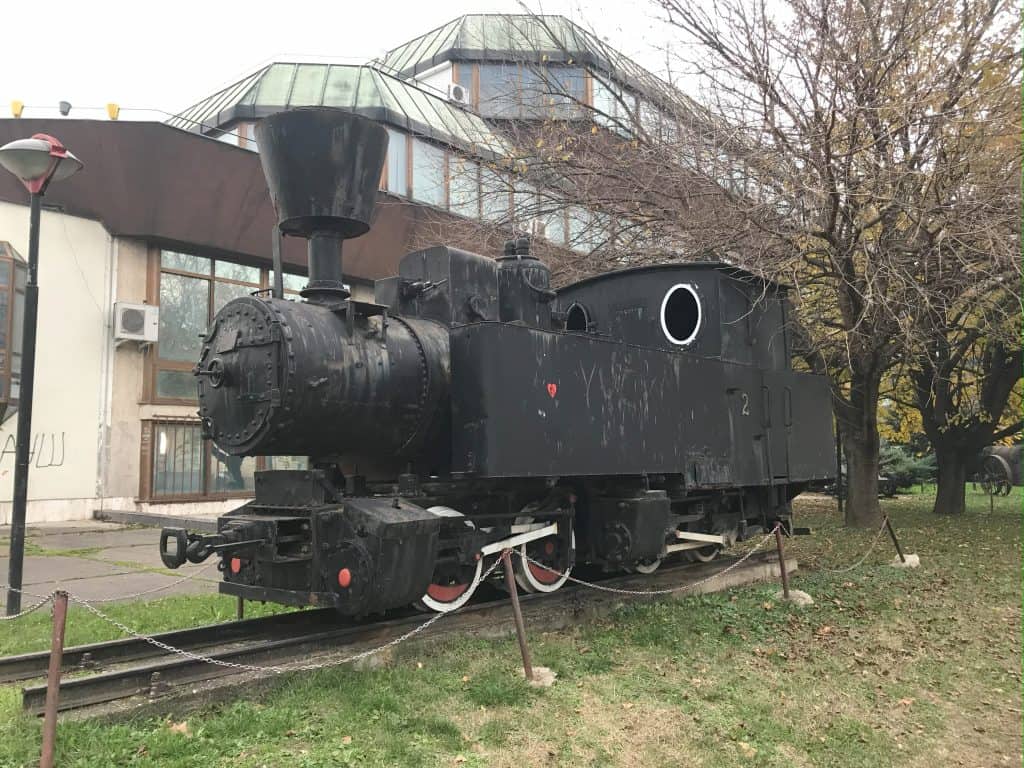
The Museum of Contemporary Art of Republika Srpska is a key institution for modern art. It is housed in the city’s historic old railway station building. The museum’s collection features works by artists from the former Yugoslavia and from around the world. It focuses on art from the second half of the 20th century to the present day. The museum hosts a regular program of temporary exhibitions, showcasing both established and emerging contemporary artists.
Sports in Banja Luka
Banja Luka has a strong sports culture, with a particularly successful tradition in team handball. The city is home to several professional clubs with long histories of competing at the highest levels of both the former Yugoslav and modern Bosnian leagues. Football is also a very popular sport, with a club that commands a loyal local following. The city’s main indoor venue, the Borik Sports Hall, is the primary hub for handball and basketball. The Vrbas River also provides opportunities for water sports.
Football
Football holds a significant place in Banja Luka’s community. The city’s primary football club has a long history and commands a loyal following. Matches are social events that foster a strong sense of belonging among fans. The club’s performance often draws significant local attention. The team represents the city in the top tier of football in Bosnia and Herzegovina.
FK Borac Banja Luka:
The city’s most prominent football club is Fudbalski klub Borac Banja Luka. Founded in 1926, they play their home matches at the Gradski stadion Banja Luka (City Stadium), which has a capacity of around 10,000 spectators. FK Borac has won the Bosnian Premier League multiple times, most recently in 2021 and 2024. They have also won the Bosnia and Herzegovina Cup. The club is a central point for local sports identity and pride in Bosnian football.
Handball
Handball holds a highly significant and successful presence in Banja Luka, particularly in the men’s professional game. The city has a strong tradition in this sport, with its main club being one of the most successful in the history of the former Yugoslavia. This legacy has made Banja Luka a major center for handball in the region. The club’s European successes are a major point of civic pride. The sport has a dedicated following, with home games drawing large and enthusiastic crowds.
RK Borac Banja Luka
The professional men’s handball club is Rukometni klub Borac Banja Luka. Founded in 1950, they play their home matches at the Borik Sports Hall. RK Borac has a rich history, having won numerous Yugoslav and Bosnian national championships. Their greatest success came in 1976, when they won the European Champions Cup (now the EHF Champions League), the highest honor in European club handball. They also won the IHF Cup in 1991. The club is a source of immense local pride and has produced many international players.
Basketball
Basketball contributes to Banja Luka’s diverse sports scene. The city is home to a professional team that competes at a high level in the national league. The sport has a dedicated local following. It provides another major indoor sporting spectacle for residents. The club continues the city’s tradition of successful team sports.
KK Borac Banja Luka
The city’s main professional basketball club is Košarkaški klub Borac Banja Luka. They compete in the Basketball Championship of Bosnia and Herzegovina, which is the top tier of the sport in the country. They also participate in the regional ABA League 2. The club plays its home games at the Borik Sports Hall. KK Borac has a dedicated fan base and contributes to the city’s vibrant sports landscape.
Water Sports
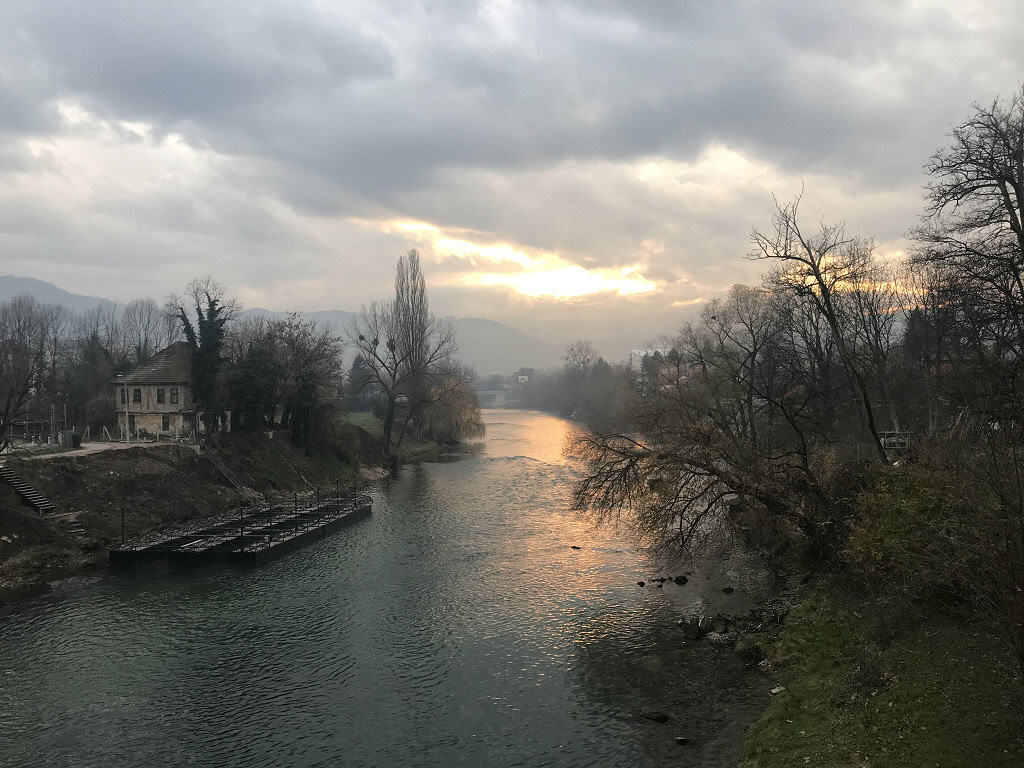
The Vrbas River, which flows directly through the center of Banja Luka, is a major venue for water sports. The river is known for its green water and its canyon section just south of the city. This makes it a popular destination for white-water rafting and kayaking. The city has hosted major international competitions in these sports, including the European and World Championships in rafting. Several local clubs and companies offer guided rafting trips on the river.

Getting Around in Banja Luka
Navigating Banja Luka is relatively straightforward. The city center is compact and flat, making it easy to explore on foot. For destinations in the wider city area, there is a local public transport network of buses. Taxis are also a common and affordable way to get around. The main boulevards and the large number of parks make the city a pleasant environment for walking.
The local bus system is the primary mode of public transport. It connects the city center with all the surrounding residential districts. Tickets can usually be purchased directly from the driver upon boarding the bus. It is advisable to have small change available for payment. The bus network is primarily used by local residents for commuting, but it can be useful for visitors wishing to reach areas outside the immediate city center.
On Foot: The City Center
Walking is the best way to explore the central part of Banja Luka. The main pedestrian street, Gospodska Ulica, the Kastel Fortress, and the main religious buildings are all within a short walking distance of each other. The paths along the bank of the Vrbas River also provide a pleasant route for a stroll. The city’s grid of wide, tree-lined avenues in the center makes navigation simple. Comfortable shoes are recommended for exploring the city this way.
Local Buses
Banja Luka has a comprehensive public bus network that serves the entire urban area. The buses are a key mode of transport for local residents. The main bus hubs are located near the central market and other key points in the city. The bus routes connect the city center with all the main residential neighborhoods. It is the most common way to travel longer distances within the city. Schedules and route maps can be found online or at major bus stops.
How to Get to Banja Luka
Reaching Banja Luka is convenient by air and road. As the main city in the northern part of Bosnia and Herzegovina, it is a key transport hub for the region. It is well-connected by road to neighboring countries like Croatia and Serbia. The city has its own international airport and major bus and train stations.
Arriving by Air: Banja Luka Airport
Banja Luka has its own international airport, Banja Luka International Airport (BNX). It is located approximately 23 kilometers north of the city center. The airport offers connections to several European cities, primarily through low-cost carriers like Ryanair and Wizz Air. There are also seasonal charter flights. From the airport, shuttle bus services provide direct connections to the Banja Luka city center. For wider international connections, Zagreb Airport (ZAG) in Croatia is a viable alternative, with extensive onward bus connections to Banja Luka.
The Open Road: Driving to Banja Luka
Driving to Banja Luka offers flexibility for exploring the region. The city is accessible via a network of major roads. The E661 European route is a key artery that connects Banja Luka with Croatia to the north. Main roads like the M4 and M16 link it to other Bosnian cities like Sarajevo and Jajce. The drive from the Croatian capital, Zagreb, is approximately 190 kilometers and takes about 2.5 hours. Parking facilities are available in the city center.
Connecting by Coach
Bus services provide an economical and popular way to reach Banja Luka. The main bus station, Autobuska stanica Banja Luka, is well-connected. Companies like Centrotrans and Eurolines operate frequent domestic and international routes. These connect Banja Luka with major Bosnian cities like Sarajevo and Mostar. International services also run from Belgrade, Zagreb, and various other European countries. The bus station is located near the railway station.
On Track: A Journey by Rail
Traveling to Banja Luka by train is an option, though less frequent than bus services for some routes. The Banja Luka Railway Station is the city’s main train hub. The Railways of Republika Srpska (ŽRS) operate services. Direct trains connect Banja Luka to other cities within Bosnia and Herzegovina, such as Doboj. International train connections are also available to Zagreb, Croatia. The journey from Sarajevo to Banja Luka by train can take around 4.5 to 5 hours. The station is located a short distance from the city center.
Driving Distances
The driving distance from 10 regional cities, according to Google Maps:
- Tuzla, Bosnia and Herzegovina – 151 kilometers (2 h 30 min)
- Zagreb, Croatia – 188 kilometers (2 h 30 min)
- Sarajevo, Bosnia and Herzegovina – 188 kilometers (3 h 10 min)
- Mostar, Bosnia and Herzegovina – 238 kilometers (4 h 00 min)
- Split, Croatia – 285 kilometers (3 h 50 min)
- Ljubljana, Slovenia – 325 kilometers (3 h 30 min)
- Belgrade, Serbia – 345 kilometers (3 h 40 min)
- Budapest, Hungary – 463 kilometers (4 h 40 min)
- Vienna, Austria – 554 kilometers (5 h 40 min)
- Munich, Germany – 718 kilometers (7 h 40 min)
Looking to Explore more of Bosnia and Herzegovina and Europe?