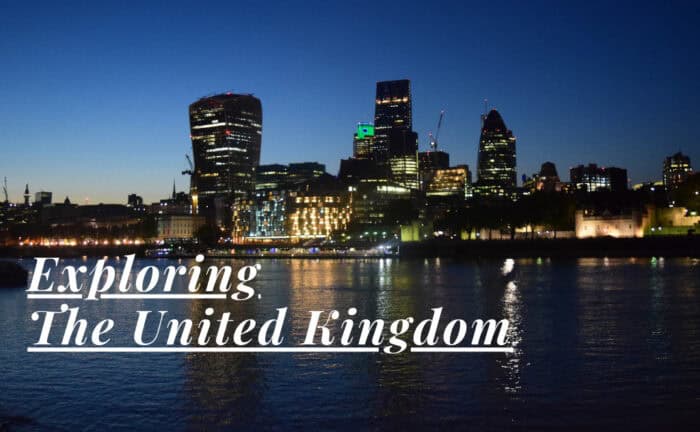

London, England | Exploring the United Kingdom
London is the capital and largest city of the United Kingdom. This sprawling metropolis is located in southeastern England, on the banks of the River Thames. With a population of approximately 9.8 million residents in the metropolitan area, it is the UK’s largest urban center and one of the largest cities in Europe. London stands as a major global hub for finance, culture, and politics, exerting a significant influence on an international scale. Its location in the Thames basin provides a generally low-lying geography.
The city’s character is defined by its collection of distinct neighborhoods and its extensive history. The historic heart of government is in Westminster, which is home to the Houses of Parliament and Buckingham Palace. The ancient City of London, often called “The Square Mile,” is the primary financial district. Other areas like Kensington and Chelsea are known for their museums and residential architecture, while the South Bank is a major cultural hub. The eclectic neighborhoods of East London, including Shoreditch, are known for their street art and nightlife.
As one of the world’s most visited cities, London’s identity is also shaped by its role as a global crossroads. It is a diverse and multicultural city, with hundreds of languages spoken by its residents. This blend of historical depth, cultural dynamism, and global importance gives the city its specific character. Its temperate climate is characterized by mild winters and moderate summers. The city is a major transport hub, with six international airports and a comprehensive public transport system.



Good to KnowWhen Visiting London
To help with planning a visit, here are several practical points covering daily essentials, timing, and efficient exploration of the city. Understanding these details can make a trip to London more convenient. This information is intended to provide a general overview for travelers preparing to visit this major global city.
The Daily Essentials
The official currency used in London is the Pound Sterling (GBP). Credit and debit cards with chip and PIN are accepted almost everywhere, and contactless payments are the standard for most small transactions. While it is possible to get by without cash, it can be useful for smaller market stalls or some traditional pubs. The official language is English. Tipping is customary but not as standardized as in the United States; a service charge of 12.5% is often automatically added to restaurant bills, but if not, a tip of 10-15% is standard. The tap water in London is safe to drink. The electrical system uses Type G sockets with a standard voltage of 230V, so visitors from outside the UK will need an adapter. London is generally a safe city, but visitors should be mindful of their belongings in crowded tourist areas and on public transport.
Planning Your Calendar
London is a year-round destination, with four distinct seasons. The spring (April-June) and autumn (September-October) months offer mild weather suitable for exploring. The summer (July-August) is the peak tourist season with warm weather and many outdoor events, but also the largest crowds. The winter is cool and often damp, but the city is known for its festive decorations and Christmas markets in December. Key public events include the Notting Hill Carnival in August, the world’s second-largest carnival, and the Trooping the Colour parade for the King’s official birthday in June. For a first-time visitor, a minimum of four to five days is recommended to see the main sights. A week or more allows for a deeper exploration of different neighborhoods and museums.
A Tourist’s Toolkit for Exploration
The historic core of London is vast, but many sights within a specific area like Westminster are walkable. For traveling between neighborhoods, the public transport system, known as Transport for London (TfL), is essential. The most efficient way to pay for transport is with a contactless debit/credit card or a reusable Oyster card. Both options have daily and weekly price capping. The London Pass is another option, offering access to over 80 attractions for a single price. It is crucial to book tickets for major attractions like the London Eye, the Tower of London, and the Warner Bros. Studio Tour well in advance, as they often sell out. Many of London’s major national museums, such as the British Museum and the National Gallery, offer free admission to their permanent collections.


A Short History of London
The history of London spans over two millennia, from its origins as a Roman trading post to its modern status as a global financial and cultural capital. Its development was shaped by its strategic location on the River Thames, which provided access to the sea. The city has endured plagues, fires, civil wars, and aerial bombing, consistently rebuilding and transforming itself. This long history is visible in its streets, where Roman walls stand near medieval churches and modern skyscrapers.
Roman Foundation and Medieval Growth
The history of London began as the Roman settlement of Londinium in approximately 43 AD. It was established shortly after the Roman conquest of Britain. Its location on the River Thames made it a convenient port and a hub for the Roman road network, and it rapidly became a thriving commercial center. After the Roman withdrawal in the 5th century, the city was largely abandoned. It was later re-established as an Anglo-Saxon settlement.
The city’s importance grew after the Norman Conquest in 1066. William the Conqueror’s victory at the Battle of Hastings solidified Norman rule. He began the construction of the Tower of London in 1078, a stone fortress intended to control the city and serve as a symbol of royal power. Throughout the Middle Ages, London grew as the commercial and political heart of England. The city developed a system of guilds and a powerful corporation to govern itself.
Plague, Fire, and Imperial Power
The city faced numerous challenges, including the Great Plague of 1665, which killed a significant portion of its population. This was followed by the devastating Great Fire of London in 1666. The fire destroyed much of the medieval city, including St. Paul’s Cathedral and over 13,000 houses. This catastrophe led to a widespread rebuilding effort, much of which was overseen by the architect Sir Christopher Wren. He was responsible for designing the new St. Paul’s Cathedral and over 50 other churches.
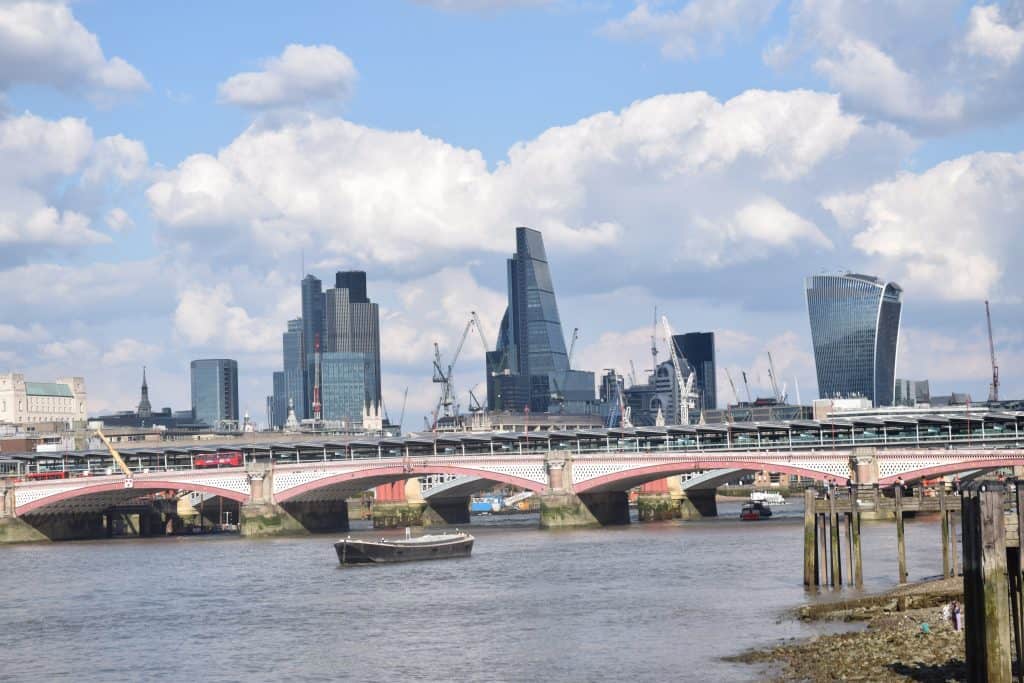
The Industrial Revolution in the 18th and 19th centuries transformed London into a global commercial and imperial powerhouse. The city’s population grew rapidly, and its port became the busiest in the world. The construction of canals and railways cemented its role as a hub for trade and finance. The city became the capital of the vast British Empire. This period saw the construction of many of London’s famous landmarks, including Tower Bridge and the Houses of Parliament.
The 20th Century and Modern London
In the 20th century, London endured the Blitz during World War II. The city was subjected to intense bombing raids by the German Luftwaffe between 1940 and 1941, which caused widespread destruction and loss of life. After the war, the city began a long period of reconstruction. In the later 20th century, London faced challenges from the decline of its port and manufacturing industries. However, it successfully reinvented itself as a global financial center.
The city has continued to evolve in the 21st century. Major regeneration projects, such as the development of the Docklands area and the construction of Canary Wharf, have created new business districts. The city successfully hosted the 2012 Summer Olympics, which led to the regeneration of the Stratford area in East London. Today, London stands as a testament to historical preservation and modern innovation, a major world city with a diverse and dynamic population.


Things to Do and See
London offers a wealth of attractions, showcasing its layered history, architecture, and cultural scene. Visitors can explore historic royal sites, world-class museums, and iconic modern landmarks. The city’s main attractions are spread across several districts, from the royal and political heart of Westminster to the ancient City of London and the cultural hubs of the South Bank. This guide focuses on some of the most globally recognized landmarks.
These sights provide a journey through the different chapters of British and world history. The Tower of London reflects its medieval past as a fortress. Buckingham Palace is a symbol of the modern monarchy. The British Museum contains artifacts from across the globe. Modern additions like the London Eye provide new perspectives on the historic skyline. The city’s large Royal Parks also offer green spaces for recreation in the heart of the metropolis.
Tower of London
The Tower of London, officially His Majesty’s Royal Palace and Fortress, is a historic citadel on the River Thames. Originally built by William the Conqueror in 1078, it has served as a royal residence, a notorious prison, and a treasury for the Crown Jewels. The central White Tower is the original Norman keep. The iconic Yeoman Warders, or “Beefeaters,” have guarded the Tower since the 16th century and provide guided tours. The ancient Ceremony of the Keys has locked the Tower’s gates every night for over 700 years without fail. The Tower is a UNESCO World Heritage Site.
Buckingham Palace
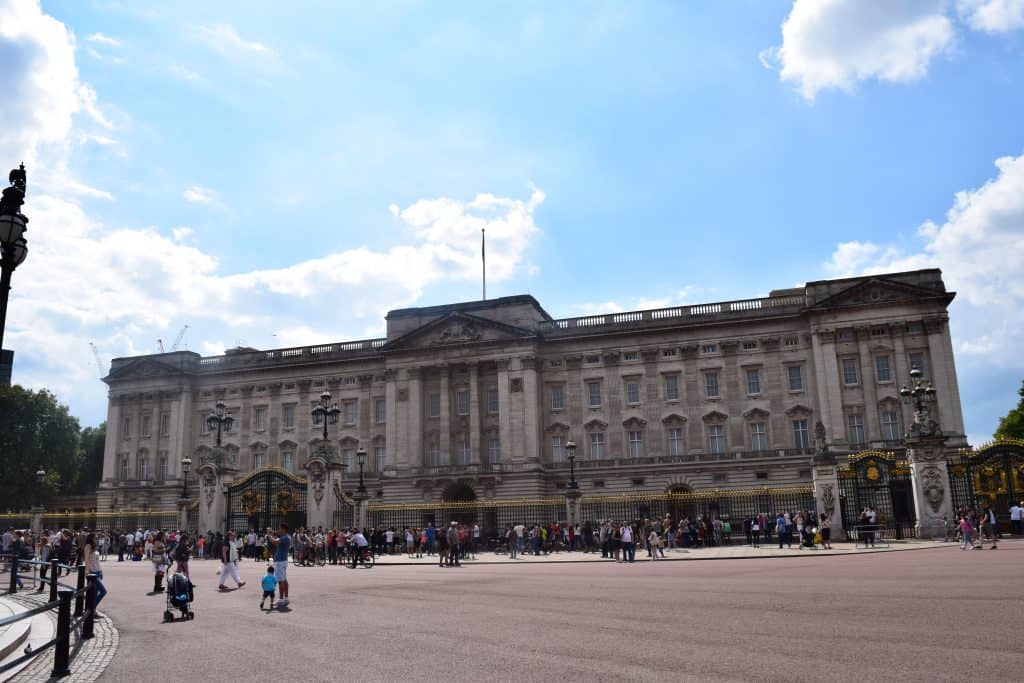
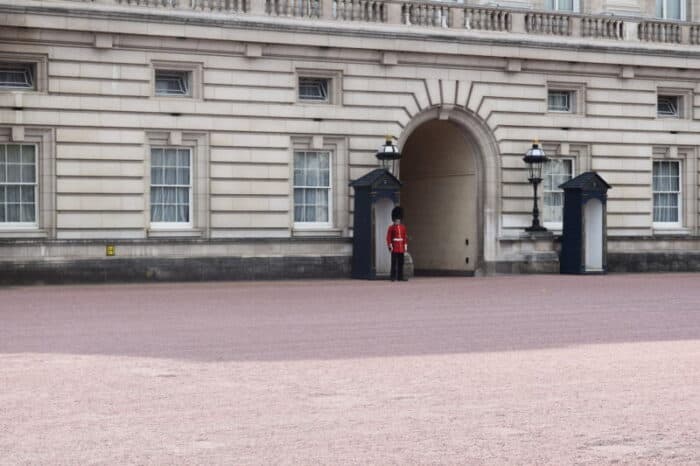
Buckingham Palace is one of the few working royal palaces in the world and the official London residence of the monarch. Originally a townhouse built in 1703 for the Duke of Buckingham, it was acquired by King George III and later transformed into a palace by architect John Nash. The palace boasts 775 rooms, including 19 State Rooms, which are open to the public for about 10 weeks each summer. Its extensive gardens span 39 acres. The palace was hit directly by bombs nine times during World War II. The Changing of the Guard ceremony is a popular public spectacle that takes place on the forecourt.
The British Museum
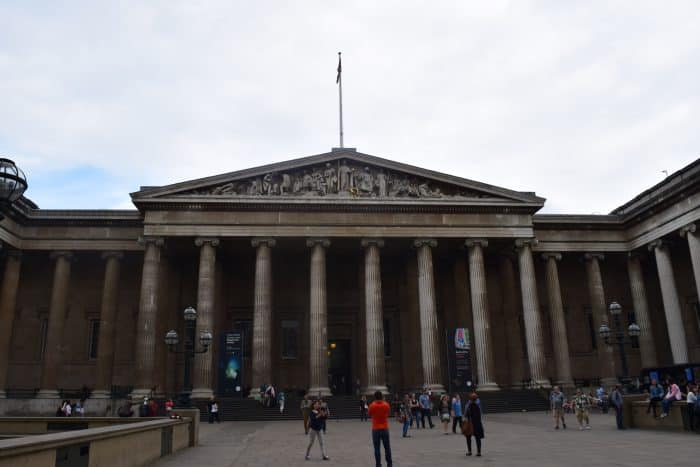
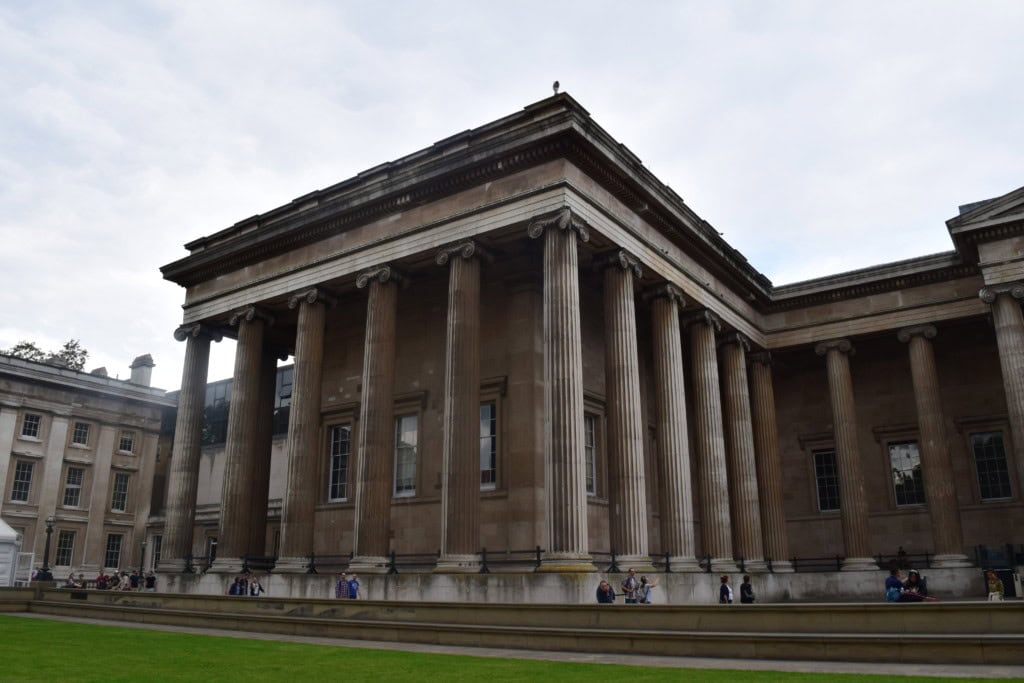
The British Museum is a world-renowned institution dedicated to human history, art, and culture. Founded in 1753, it was the first national public museum globally. Its vast collection spans over two million years of human history and contains around eight million objects. Notable artifacts include the Rosetta Stone, the Parthenon Sculptures from Athens, and the extensive collection of Egyptian mummies. The impressive Great Court, designed by architect Norman Foster and opened in 2000, is Europe’s largest covered public square. General admission to the museum’s permanent collection is free.
Houses of Parliament and Big Ben
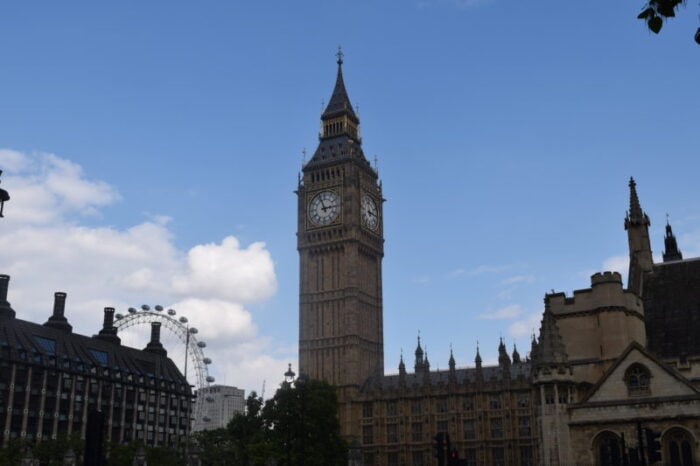
The Houses of Parliament, officially the Palace of Westminster, is the seat of the UK Parliament. This iconic Gothic Revival building stands on the River Thames. The current building was constructed in the mid-19th century after a fire destroyed most of the previous palace. The Elizabeth Tower, popularly known as Big Ben, houses the Great Bell. The tower stands 96 meters tall with 11 floors. Its four clock dials are each 7 meters in diameter. The Great Bell weighs 13.7 tonnes. The tower and its famous chimes have been a symbol of London since its completion in 1859.
Westminster Abbey
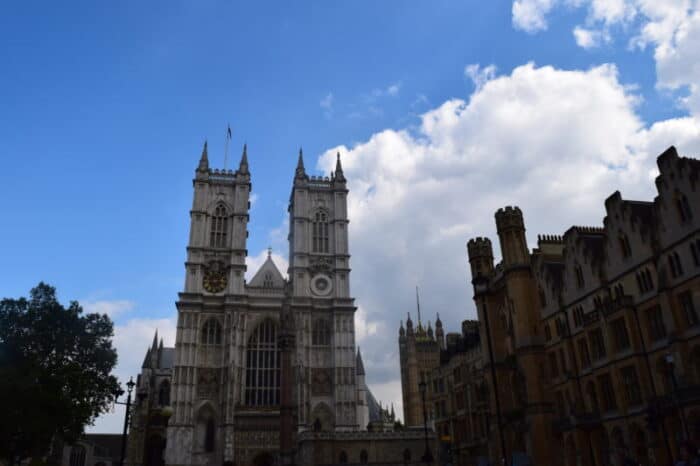
Westminster Abbey is a large, mainly Gothic abbey church located just west of the Palace of Westminster. The church has been the coronation site for every English and British monarch since 1066. It is also the final resting place for 17 monarchs. The current church was begun by Henry III in 1245. Over 3,500 people are buried or commemorated here. This includes prominent figures like Isaac Newton, Charles Darwin, and Stephen Hawking, as well as numerous writers in “Poets’ Corner.” It is a UNESCO World Heritage Site along with the Palace of Westminster.
The London Eye
The London Eye is a large cantilevered observation wheel on the South Bank of the River Thames. Opened in March 2000 to mark the millennium, it stands 135 meters tall. It has 32 glass capsules, each holding up to 25 people. A full rotation takes about 30 minutes, offering panoramic views of London. The wheel’s design was a major engineering feat. It quickly became one of London’s most popular paid tourist attractions, illuminating the skyline with its LED lights at night. It provides views that can extend up to 40 kilometers on a clear day.
Tate Modern
Tate Modern is the UK’s national gallery of international modern and contemporary art. It is housed in the former Bankside Power Station. The converted building, originally designed by Sir Giles Gilbert Scott, was opened as a museum in 2000 by the architects Herzog & de Meuron. It is renowned for its vast Turbine Hall, a massive central space often used for large-scale art installations. The museum’s collection features works from 1900 to the present day by artists like Picasso, Dali, and Warhol. Admission to the permanent collection displays is free. Tate Modern is one of the world’s most visited art museums.
Hyde Park
Hyde Park is one of London’s largest and most famous Royal Parks. It spans 350 acres (140 hectares) in central London. The park is divided by the Serpentine and the Long Water lakes. It features Speakers’ Corner, a historic site for public speeches and debates, located near Marble Arch. Recreational facilities include the Serpentine Lido for open-air swimming and various sports pitches. Hyde Park has hosted major events, including the Great Exhibition of 1851, for which the Crystal Palace was built here. It offers a vast green escape in the heart of the city.
St. Paul’s Cathedral
St. Paul’s Cathedral is an Anglican cathedral located on Ludgate Hill in the City of London. It is the seat of the Bishop of London. The current structure was designed in the English Baroque style by Sir Christopher Wren. It was completed in 1710 after the Great Fire of London destroyed its medieval predecessor. Its large dome is one of the highest in the world and has dominated the city’s skyline for centuries. Visitors can explore the Whispering Gallery inside the dome, as well as the Stone and Golden Galleries for external views. The cathedral has hosted many significant events, including royal weddings and state funerals.
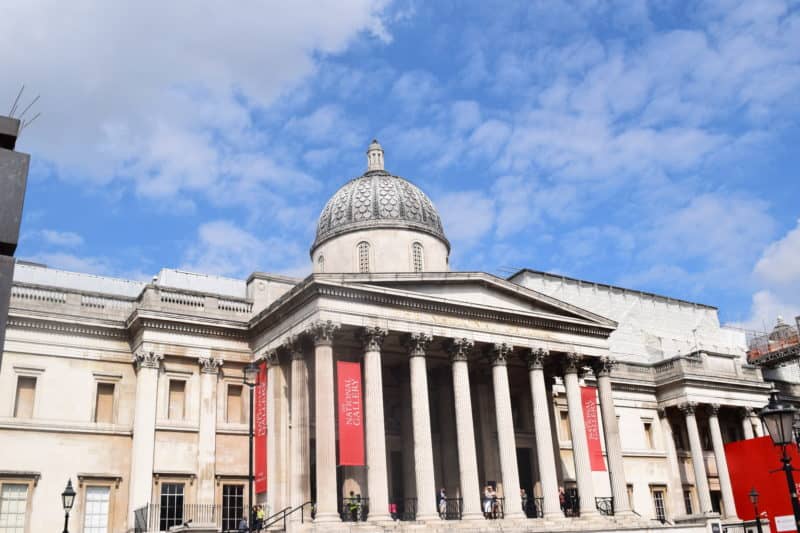
The National Gallery
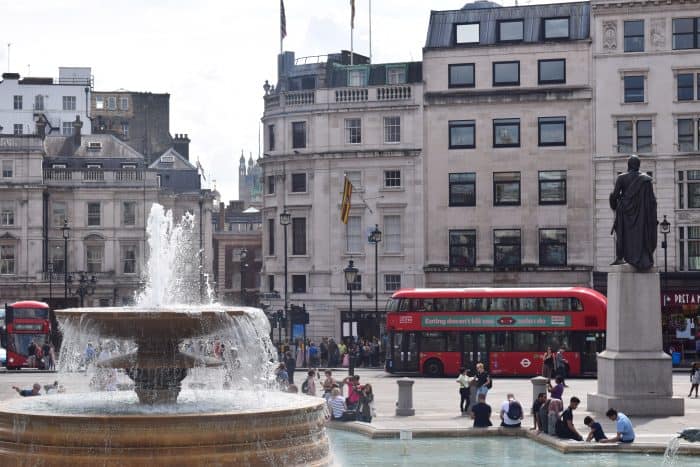
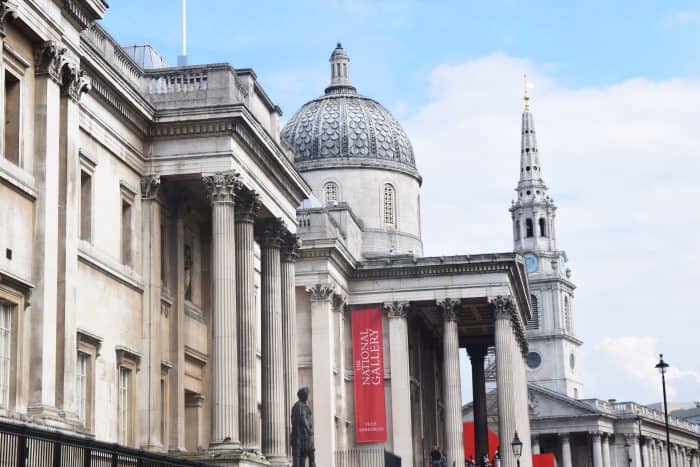
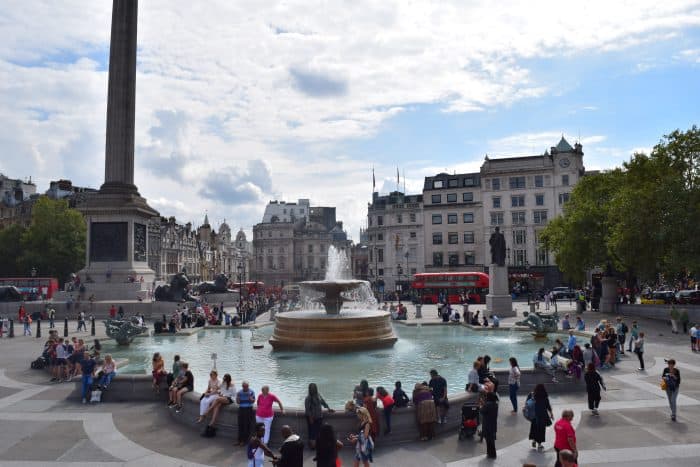
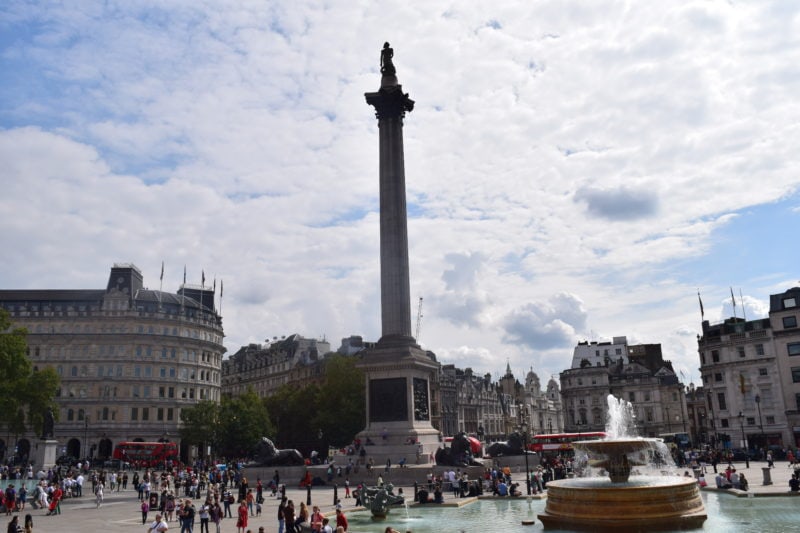
The National Gallery is a prominent art museum located in Trafalgar Square. It houses a collection of over 2,300 paintings. The collection dates from the mid-13th century to 1900. It is one of the most visited art museums globally. The museum contains masterpieces by artists such as Leonardo da Vinci, Vincent van Gogh, Claude Monet, and J.M.W. Turner. Admission to the main collection is free of charge. The gallery provides an extensive overview of the history of Western European painting. Its location on Trafalgar Square makes it a central point in the city’s cultural life.
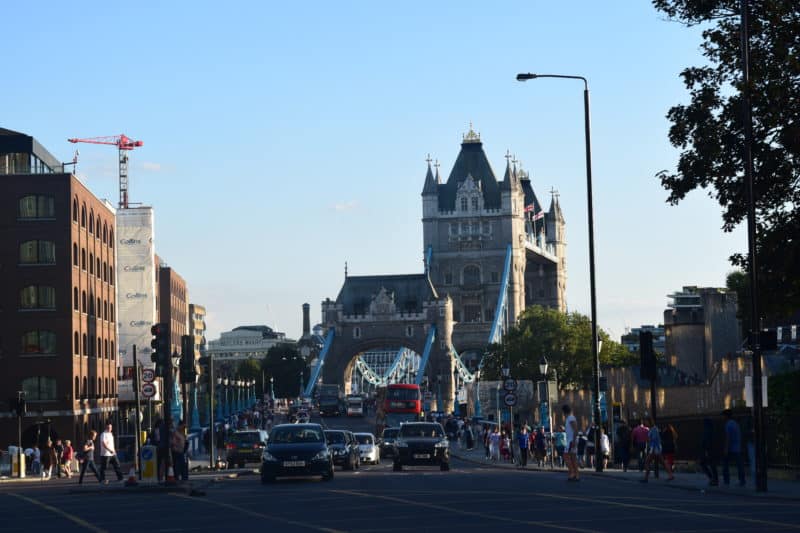
Tower Bridge
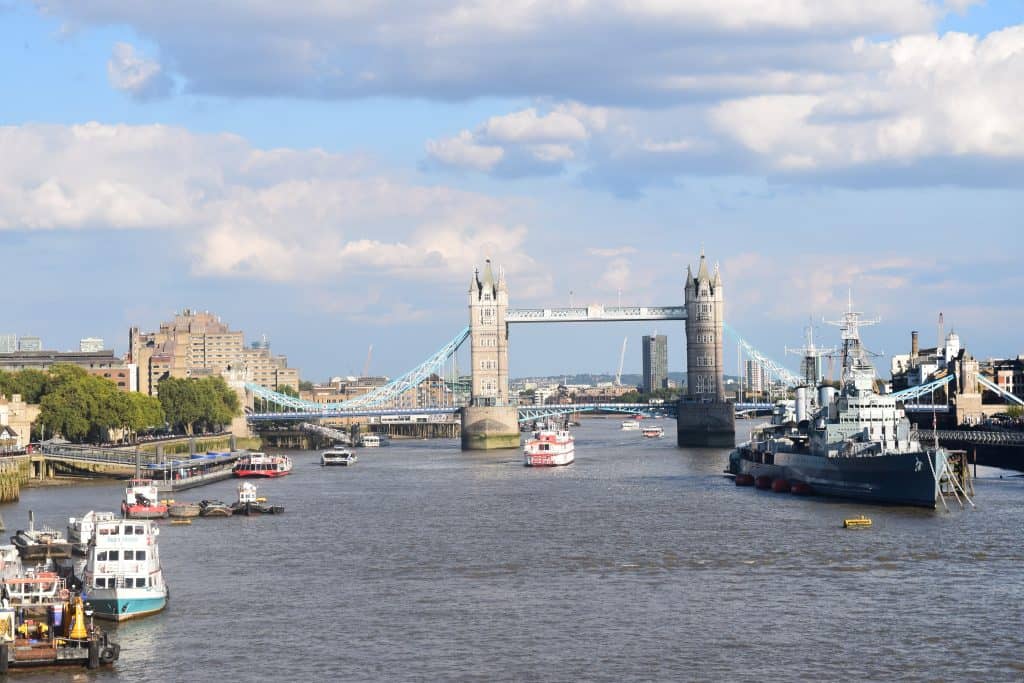
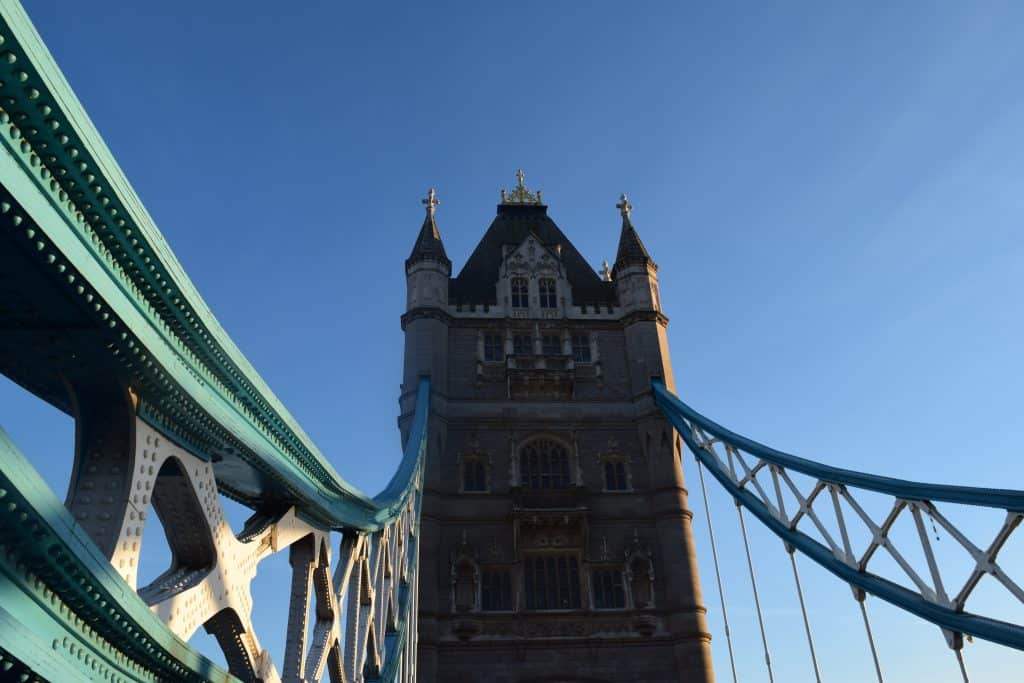
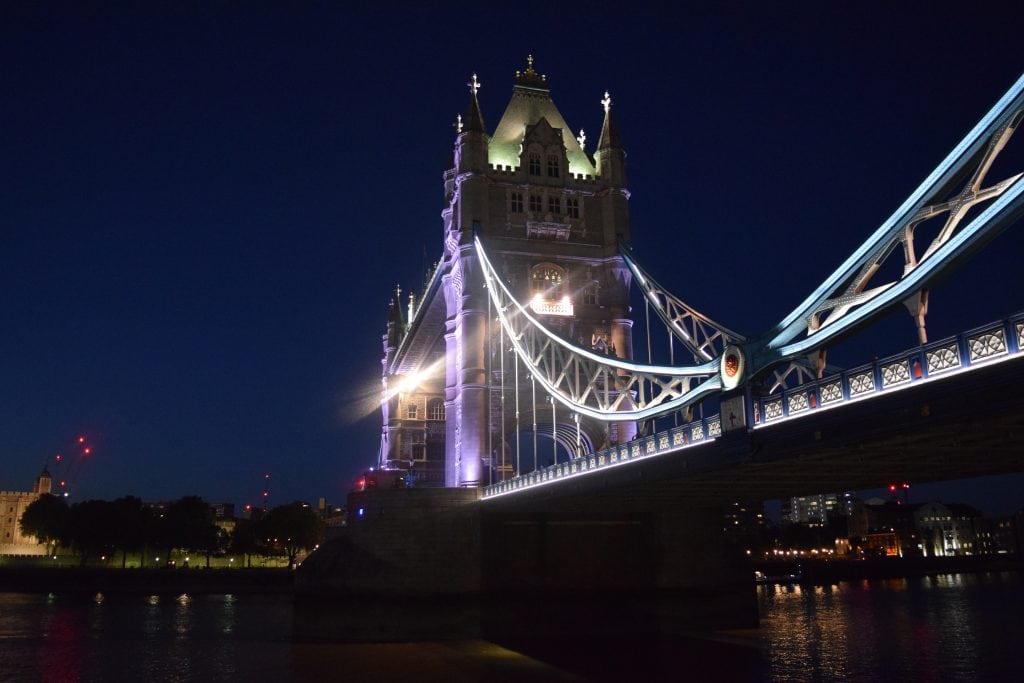
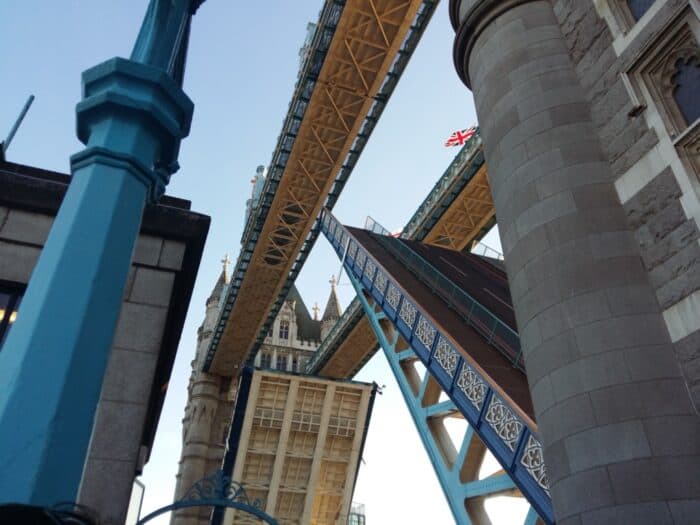
Tower Bridge is a recognizable landmark crossing the River Thames. Built between 1886 and 1894, it combines a bascule and suspension bridge. The bridge is 244 meters long and has two 65-meter towers. Its central sections, known as bascules, can be raised in just five minutes to allow tall river traffic to pass. The Tower Bridge Exhibition allows visitors to explore the Victorian engine rooms that once powered the bridge lift. Visitors can also walk along the high-level walkways, which feature a glass floor section, offering views of the river and the city.
Natural History Museum
The Natural History Museum is a major museum located in South Kensington. It houses a vast collection of specimens spanning various fields of natural history. Its building, often referred to as a “cathedral of nature,” is a prime example of Romanesque revival architecture and opened in 1881. The museum’s collections include some 80 million items across five main collections: botany, entomology, mineralogy, palaeontology, and zoology. Highlights include the dinosaur skeletons, a large blue whale model, and an earthquake simulator. Admission to the permanent galleries is free.

Sports in London
London has a dynamic sporting culture, with passions for its numerous professional teams. The city fosters strong community ties through its sports franchises and prestigious events. It engages both participants and fervent supporters across a wide array of sports, often leading to championships. The city is a global hub for several major sports, including football, rugby, cricket, and tennis.
The city’s sporting infrastructure is extensive. It includes historic venues like Wembley Stadium, Twickenham Stadium, and Lord’s Cricket Ground, as well as modern arenas. The Queen Elizabeth Olympic Park, a legacy of the 2012 Olympic Games, provides world-class facilities for various sports. This combination of historic professional franchises, major annual international events, and modern facilities makes London a key sporting capital.
Football
Football is a deeply ingrained passion in London. The city is a global footballing powerhouse, with numerous professional clubs calling it home. The city has more teams in the top tiers of the English football league system than any other. Matches are significant social events, uniting generations of fans and fostering intense local rivalries. The performance of London clubs often dominates national sports discussions. The English national team plays its home games at Wembley Stadium in London.
Arsenal & Emirates Stadium
Arsenal Football Club, one of London’s most successful clubs, is based in North London. They play their home matches at the Emirates Stadium, which has a capacity of over 60,000. Founded in 1886, Arsenal has won 13 league titles. They also hold the record for the most FA Cup wins, with 14 triumphs. The club is renowned for its attractive attacking style of play and its strong global fanbase. One of their most famous achievements was the “Invincibles” season of 2003-04, when they went the entire Premier League season without a single defeat.
Chelsea & Stamford Bridge
Chelsea Football Club is a prominent West London club with a history of major success. They play their home matches at Stamford Bridge, their historic ground since the club’s founding in 1905. Chelsea has achieved significant success both domestically and in Europe. They have won the Premier League multiple times and are one of only two English clubs to have won the UEFA Champions League twice, in 2012 and 2021. The club is known for its passionate fanbase and its strong youth academy system.
Tottenham Hotspur & Tottenham Hotspur Stadium
Tottenham Hotspur Football Club is another major North London club, with a strong rivalry with Arsenal known as the North London Derby. They play at the state-of-the-art Tottenham Hotspur Stadium, which opened in 2019 and has a capacity of over 62,000. Founded in 1882, Tottenham has won two league titles, eight FA Cups, and was the first British club to win a major European trophy, the UEFA Cup Winners’ Cup in 1963. They are consistently a competitive force in the Premier League.
West Ham United & London Stadium
West Ham United Football Club is a historic East London club with a dedicated and vocal fanbase. They play their home matches at the London Stadium, the former Olympic Stadium, which has a football capacity of 62,500. Founded in 1895, West Ham are known as “The Hammers” and have a proud tradition of developing talented players from their “Academy of Football.” They have won the FA Cup three times and, more recently, the UEFA Europa Conference League in 2023.
Crystal Palace & Selhurst Park
Crystal Palace Football Club is a South London club with a vibrant atmosphere on match days. They play their home matches at Selhurst Park, a traditional English football stadium with a capacity of 25,486. Founded in 1905, Crystal Palace has a loyal following known for their passionate support. The club has competed in the top flight of English football for many seasons.
Fulham & Craven Cottage
Fulham Football Club is London’s oldest professional football club, founded in 1879. They are based in West London and play their home matches at Craven Cottage, a charming riverside stadium with a capacity of 22,384. Fulham has a loyal and long-standing fanbase. They have competed in the Premier League for various seasons and have a history of developing notable players.
Brentford & Gtech Community Stadium
Brentford Football Club is a West London club known for its modern data-driven approach. They play their home matches at the Gtech Community Stadium, which opened in 2020 and has a capacity of 17,250. Brentford has enjoyed a resurgence in recent years, achieving promotion to the Premier League in 2021 for the first time. The club is admired for its shrewd recruitment and strategic planning.
Rugby
Rugby Union holds a significant place in London’s sporting landscape, particularly in West London. The sport has a strong following, with major clubs and the national stadium located within the capital’s vicinity. The annual Premiership Rugby final and major international matches are key events in the city’s sporting calendar.
Twickenham Stadium
Known as the “Home of English Rugby,” Twickenham Stadium is the largest dedicated rugby union venue in the world. It is located in Twickenham, in southwest London, and has a capacity of 82,000 spectators. It is owned by the Rugby Football Union (RFU). The stadium hosts England’s national team home matches, including games in the Six Nations Championship. It also hosts the final of the domestic Premiership Rugby competition and various international rugby events. The World Rugby Museum is also located at the stadium.
Harlequins
This Premiership Rugby team is based in Twickenham. They play their home matches at The Stoop, adjacent to Twickenham Stadium. Harlequins are one of England’s oldest rugby clubs, founded in 1866. They regularly compete at the highest level of English club rugby.
Saracens
Though based just outside the very centre of London, in Hendon (Barnet borough), Saracens are a major Premiership Rugby club. They play at StoneX Stadium (capacity 10,500). Saracens have won multiple Premiership titles and European Rugby Champions Cups, establishing themselves as a dominant force in English and European rugby.
Cricket
Cricket has a long and storied history in London, which is home to two of the world’s most famous cricket grounds. The sport is integral to the English summer, drawing passionate crowds and embodying traditional British sports culture. The city hosts international Test matches, One Day Internationals, and Twenty20 matches every year.
Lord’s Cricket Ground
Often called the “Home of Cricket,” Lord’s is located in the St John’s Wood area of London. It is owned by the Marylebone Cricket Club (MCC), a prestigious organization that was formerly the governing body of the sport and remains the guardian of its laws. This historic ground hosts international Test matches, including one per summer for the England team. Its iconic Pavilion, which dates to 1889, and the modern Media Centre are key architectural features. The ground also houses the MCC Museum, which contains the famous Ashes urn.
Tennis
London is synonymous with one of the most prestigious tennis tournaments globally. This event embodies tradition and sporting excellence. The city is the center of the tennis world for two weeks every summer, drawing top international players and a global audience.
Wimbledon Championships
Held annually at the All England Lawn Tennis and Croquet Club (AELTC) in Wimbledon, South West London, this tournament is the oldest and most famous tennis tournament in the world. It was first held in 1877. It remains the only Grand Slam tournament played on grass courts. The tournament maintains a strict all-white dress code for players. Wimbledon is known for its unique traditions, including the consumption of strawberries and cream by spectators and patronage by the Royal Family. The retractable roof on Centre Court ensures play can continue even in unpredictable British weather.
Athletics
London has a legacy of hosting major athletic events and offers world-class multi-sport facilities, promoting both elite performance and community participation.
London Marathon
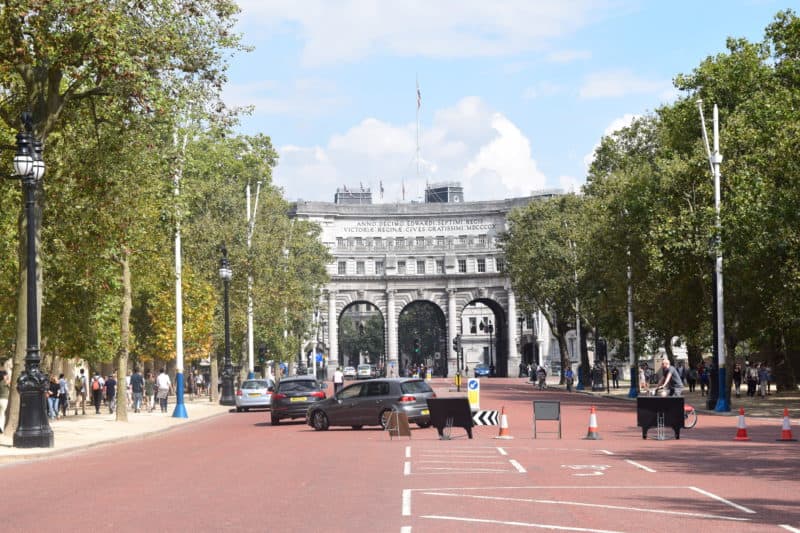
The London Marathon is a major annual international running event. It is one of the six World Marathon Majors. The event, held in the spring, attracts elite athletes and thousands of charity runners. The route, which is 26.2 miles long, passes many of London’s iconic landmarks. It starts in Greenwich Park and finishes on The Mall in front of Buckingham Palace. It is renowned for its incredible atmosphere and has raised over £1 billion for charity since its inception in 1981, making it the world’s largest annual fundraising event.
Queen Elizabeth Olympic Park
A lasting legacy of the 2012 Olympic and Paralympic Games, located in East London. It now houses multiple state-of-the-art sporting venues, including the London Aquatics Centre, the Lee Valley VeloPark (for cycling), and the Copper Box Arena. The London Stadium, once the Olympic Stadium, is now home to West Ham United but continues to host major athletics events, including Diamond League meetings. This park provides world-class facilities for various sports and recreation, benefiting both professional athletes and the local community.



Getting Around in London
Navigating London is efficient due to its extensive public transport network, which connects every corner of the vast city. Whether you prefer swift underground journeys or scenic bus rides, various options are available. Understanding London’s transport system, managed by Transport for London (TfL), helps you explore its iconic landmarks and vibrant neighborhoods with ease.
The city’s public transport relies heavily on integrated payment. An Oyster card (a reusable smart card) or a contactless bank card are the primary methods of payment. Simply tap in at the start of your journey and, for Tube and rail services, tap out at the end. Fares are automatically calculated with daily and weekly price capping. This ensures you never pay more than the equivalent of a daily or weekly Travelcard. Paper tickets are still available but are generally more expensive. Remember to always check official sources for the latest rules.
On Foot: Exploring London’s Core
Walking is often the best way to experience London’s central areas. Many famous landmarks are close to each other. The Freedom Trail, a 4-kilometer (2.5-mile) marked path, connects 16 historically significant sites. Neighborhoods like Beacon Hill, with its cobblestone streets and gas lamps, and the North End, with its narrow, winding streets, are best explored on foot. The Back Bay offers elegant Victorian brownstones and tree-lined streets. Walking allows you to discover hidden gems and vibrant urban life up close. Wear comfortable shoes, as you will cover significant distances and some streets are uneven.
Riding “The T”: London’s Subway
The London Underground, famously known as “The Tube,” is the quickest way to traverse the city. This extensive subway network consists of 11 lines. It covers most of central London and extends far into the suburbs. The Tube is the oldest underground railway in the world. Operating hours typically run from around 5 AM until midnight, with many lines now offering a 24-hour “Night Tube” service on Fridays and Saturdays. Look for the distinctive red circle logo. Tube maps are clear and color-coded. Avoid peak hours if possible, as the trains can be very crowded.
A Network Above Ground: Buses and Commuter Rail
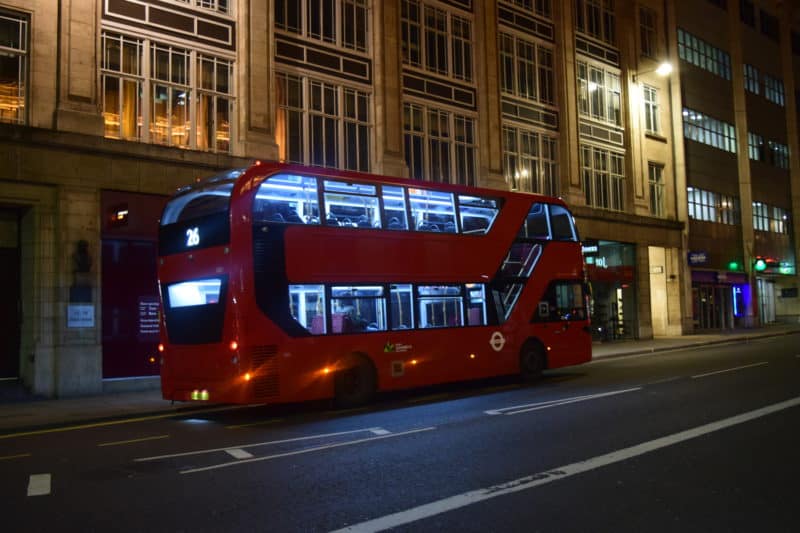
London boasts an extensive bus network. Its iconic red double-decker buses offer a different perspective on the city. Buses are slower than the Tube but provide excellent city views and serve areas not covered by the underground. You cannot pay with cash on buses; you must use an Oyster card or a contactless payment method. The London Overground and the Docklands Light Railway (DLR) cover many inner and outer London areas. National Rail services connect London’s main terminals to commuter towns and the wider UK.
A Lift at Your Fingertips: Taxis and Ride-Sharing
London’s famous black cabs are highly regulated and safe. They can be hailed on the street when their yellow “TAXI” light is on. All drivers must pass a rigorous test of their knowledge of London’s streets, known as “The Knowledge.” Ride-sharing apps like Uber, Bolt, and Free Now also operate throughout the city and provide a convenient alternative. Private hire vehicles (minicabs) must be pre-booked and cannot be hailed on the street. Taxis offer door-to-door convenience but can be an expensive option, especially in heavy traffic.
On Two Wheels: Cycling in London
Cycling in London is an increasingly popular option. Santander Cycles is the city’s public bike-sharing scheme, with thousands of bikes and hundreds of docking stations across central London. Many new segregated cycle lanes have been built in recent years, which makes cycling safer. Helmets are recommended but not mandatory. Be aware of traffic and other road users. Cycling is a great way to explore parks like Hyde Park and Regent’s Park, as well as the paths along the River Thames.





How to Get to London
Reaching London, the capital of the United Kingdom, is exceptionally convenient. This global city is one of the world’s most connected. Whether you prefer the speed of a plane, the comfort of a train, or the extensive reach of public transport, London is highly accessible. Its status as a major hub for international travel means there are numerous options available for arriving in the city from across the globe.
Arriving by Air: A Choice of Six Airports
London is served by six major international airports. Heathrow (LHR) is the busiest and offers vast global connections. Gatwick (LGW) is another major hub, especially for European routes. Stansted (STN) and Luton (LTN) primarily serve low-cost carriers. London City Airport (LCY) is the closest to the city center and is popular with business travelers. Southend (SEN) also caters to some flights. All airports have excellent public transport links, including express trains like the Heathrow Express and Gatwick Express, as well as the Tube and bus services.
The Open Road: Driving to London
Driving to London offers flexibility, but requires careful planning. Major motorways like the M1, M4, and M25 (the London Orbital Motorway) lead directly to the city. However, central London operates a Congestion Charge zone on weekdays. In addition, the Ultra Low Emission Zone (ULEZ) covers all London boroughs. Most vehicles must meet strict emission standards or pay a daily charge to drive within this zone. Parking is often expensive and limited in the city center. Consider using “Park & Ride” facilities on the outskirts.
Connecting by Coach: A National Hub
Bus services provide an economical way to reach London. Victoria Coach Station is the city’s main hub for national and international routes. Companies like National Express and FlixBus operate extensive connections across the UK and Europe. Direct services run from major cities like Manchester, Edinburgh, and Paris. Long-distance coaches often provide amenities like Wi-Fi and comfortable seating. Within London, an extensive network of red double-decker buses serves every neighborhood.
On Track: Acela and Commuter Rail
Traveling to London by train is efficient for both domestic and international visitors. Several major railway stations serve central London, including King’s Cross, St Pancras International, Euston, Paddington, and Waterloo. Eurostar high-speed trains connect St Pancras International directly to Paris, Brussels, and Amsterdam in just a few hours. Domestically, operators like LNER and Avanti West Coast provide frequent services from across the UK. Many stations offer direct connections to the London Underground.
The Channel Route: Arriving by Ferry
For those traveling from mainland Europe, ferries offer a sea-based option. The closest major ferry port is Dover, which has frequent services to Calais and Dunkirk in France, operated by P&O Ferries and DFDS. Harwich offers connections to the Netherlands with Stena Line. From these ports, train or bus services provide onward travel to London. The Eurotunnel Le Shuttle vehicle train from Calais to Folkestone is another popular option for those arriving by car.
Driving Distances
The driving distance from 10 regional cities, according to Google Maps:
- Cardiff, UK – 242 kilometers (3 h 10 min)
- Manchester, UK – 338 kilometers (4 h 20 min)
- Brussels, Belgium – 374 kilometers (5 h 20 min, includes ferry/tunnel)
- Paris, France – 456 kilometers (6 h 10 min, includes ferry/tunnel)
- Amsterdam, Netherlands – 587 kilometers (7 h 20 min, includes ferry/tunnel)
- Dublin, Ireland – 597 kilometers (9 h 50 min, includes ferry)
- Luxembourg City, Luxembourg – 618 kilometers (7 h 00 min, includes ferry/tunnel)
- Cologne, Germany – 622 kilometers (7 h 20 min, includes ferry/tunnel)
- Edinburgh, UK – 647 kilometers (7 h 20 min)
- Glasgow, UK – 663 kilometers (7 h 30 min)
Looking to Explore more of the United Kingdom and Europe?