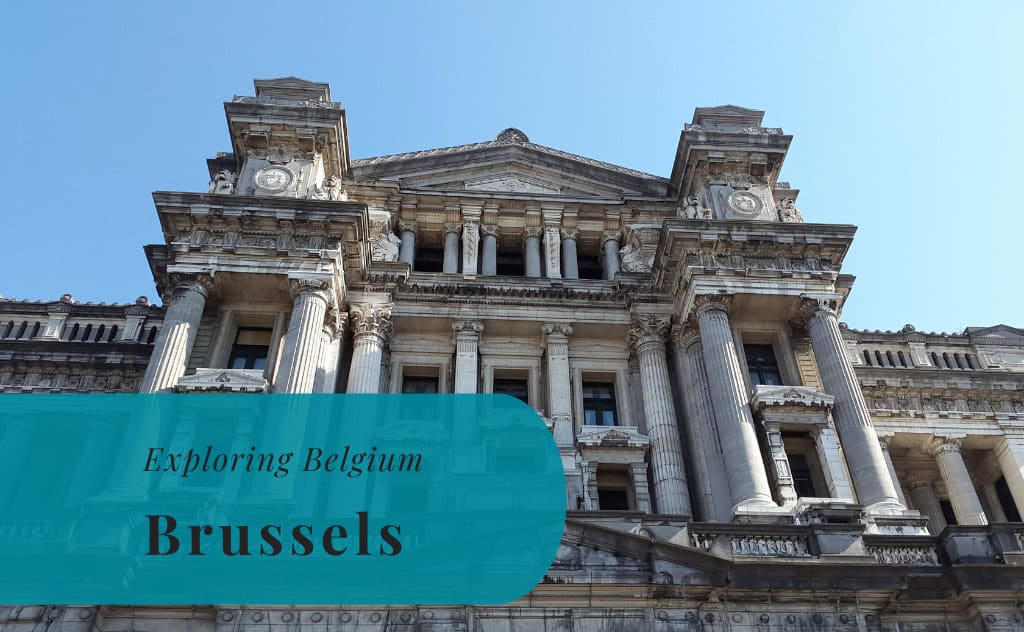
Brussels | Exploring Belgium
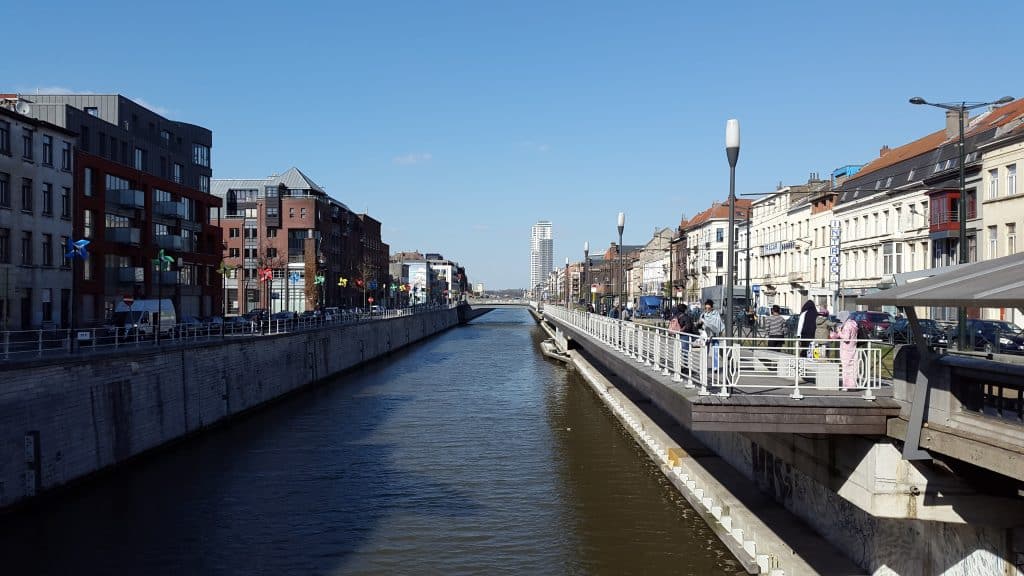
Brussels, the capital of Belgium, is a major international hub for global politics and culture. Officially the Brussels-Capital Region, the city is bilingual, using both French and Dutch in daily life and for all public signage. Situated centrally within Belgium, the city was built around the now-covered Senne River. With a population of over 1.2 million residents, it is a highly multicultural city due to its significant international community and large diplomatic presence.
The city’s geography is characterized by a division between the lower town, the historic commercial heart located in the Senne valley, and the upper town, which sits on higher ground to the east and is the site of major government buildings and residential areas. Beyond its urban core, Brussels contains numerous green spaces, including the large Sonian Forest on its southern edge. Its location makes it a key crossroads for travel in Western Europe, with major capitals like Paris, Amsterdam, and Cologne all located a short train journey away.
This strategic position has cemented its role as the de facto capital of the European Union, as it hosts the official seats of the European Commission, the Council of the European Union, and the European Council. It is also the political seat of the North Atlantic Treaty Organization (NATO). This concentration of international institutions gives the city a unique administrative and diplomatic character, separate from its identity as the capital of Belgium.




Good to Know When Visiting Brussels
To help with planning a visit, here are several practical points covering daily essentials, timing, and efficient exploration of the city. Understanding these details can make a trip to Brussels more convenient. This information is intended to provide a general overview for travelers preparing to visit this major European capital.
The Daily Essentials
The official currency used in Brussels is the Euro (EUR). Credit and debit cards are accepted almost everywhere, and contactless payments are standard. The official languages are French and Dutch. While French is more widely spoken in the central city, most public services and transport information are available in both. English is very widely spoken in all tourist areas, hotels, and restaurants. Tipping is not generally expected, as a service charge is included in restaurant bills, but it is common to round up the bill or leave a small additional amount for good service. The tap water in Brussels is safe to drink. The electrical system uses Type E sockets with a standard voltage of 230V. Brussels is generally a safe city, but visitors should be mindful of their belongings in crowded tourist areas and major train stations.
Planning Your Calendar
Brussels is a year-round destination with a temperate maritime climate, which brings moderate summers and cool winters with regular rainfall. The spring and autumn months are often considered the best time to visit, with pleasant weather for exploring the city’s parks and streets. The summer is the peak tourist season, with many outdoor festivals and events. The winter is known for its large Winter Wonders Christmas market, which takes over the city center. A key event is the Flower Carpet, which takes place for a few days in August every two years, where the Grand Place is covered in a large carpet made of begonias. For a first visit, two to three full days is generally sufficient to see the main sights.
A Tourist’s Toolkit for Exploration
The historic center of Brussels, particularly the area around the Grand Place, is compact and best explored on foot. For traveling between different neighborhoods, the city has an efficient public transport system of metro, trams, and buses. The Brussels Card can be an economical option for tourists. It offers free admission to dozens of museums and discounts on other attractions and tours. An option to include unlimited travel on the public transport network is also available. It is advisable to book tickets for popular attractions like the Atomium online in advance to avoid queues. Many of the national museums in Brussels offer free admission on the first Wednesday or Sunday of the month, though they can be very crowded on these days.
A Short History of Brussels
The history of Brussels is that of its development from a small marsh settlement into a major European capital. Its story tracks its rise as a center for trade and craftsmanship, its role as a ducal court capital, its pivotal position in the birth of the Belgian nation, and its modern establishment as a key center for international diplomacy. The city’s identity has been shaped by centuries of different cultural influences, including Burgundian, Spanish, Austrian, and French rule. This long history is reflected in its architecture, which ranges from medieval guildhalls to modern glass-and-steel institutional buildings.
Foundation and Ducal Capital
The origins of Brussels trace back to a small settlement on an island in the Senne River, which was established around 979 AD. The city rapidly grew into a fortified commercial hub due to its location on the trade route between Bruges and Cologne. During the medieval period, it became a significant manufacturing center. Its textile industry, particularly the production of luxury tapestries, gained wide renown. The city was one of the key seats of power for the Dukes of Brabant.
In the 15th century, Brussels came under the control of the Dukes of Burgundy. This period was a golden age for the city. It became a prosperous administrative and commercial center. Many significant buildings, including the magnificent Town Hall on the Grand Place, were constructed during this time. The city later passed to the Habsburg dynasty and served as a vital regional capital under both Spanish and Austrian rule for several centuries.
A Center of Revolution
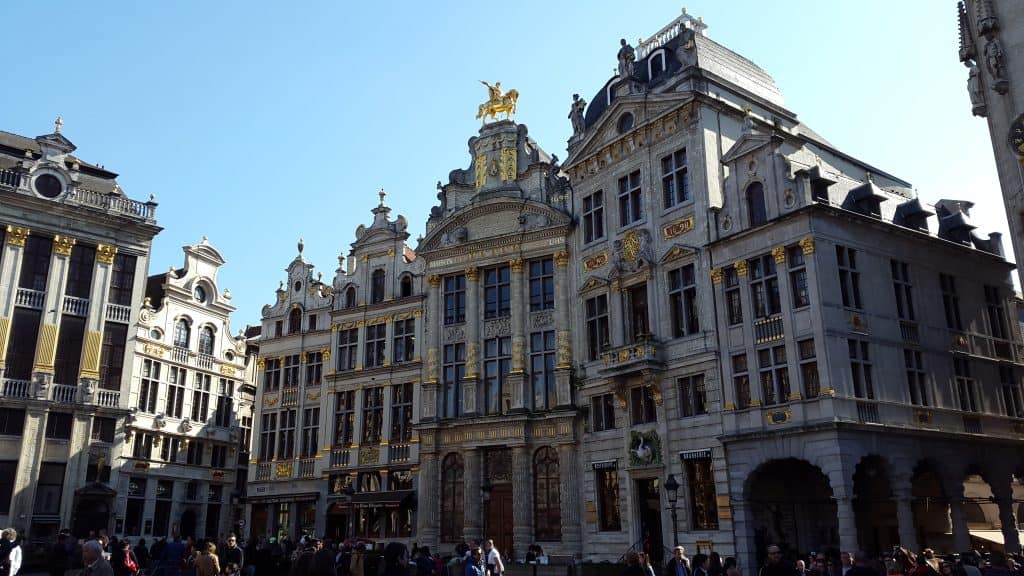
The city witnessed the impact of major European events. In 1695, during the Nine Years’ War, a large part of the city center was destroyed by bombardment from French troops. The Grand Place was almost entirely rebuilt in the following years, creating the harmonious Baroque ensemble seen today. The city also experienced the influence of the French Revolution in the late 18th century.
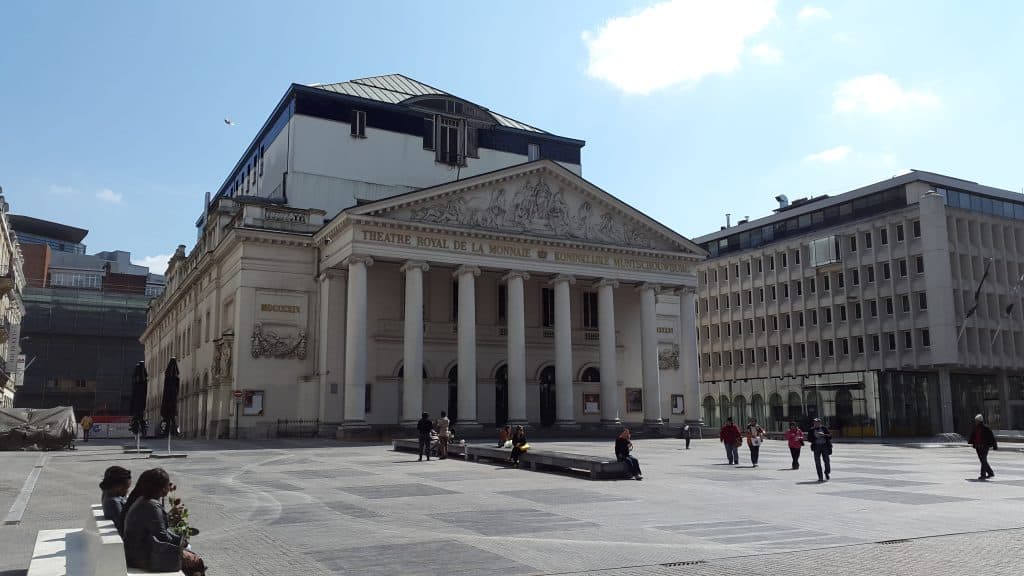
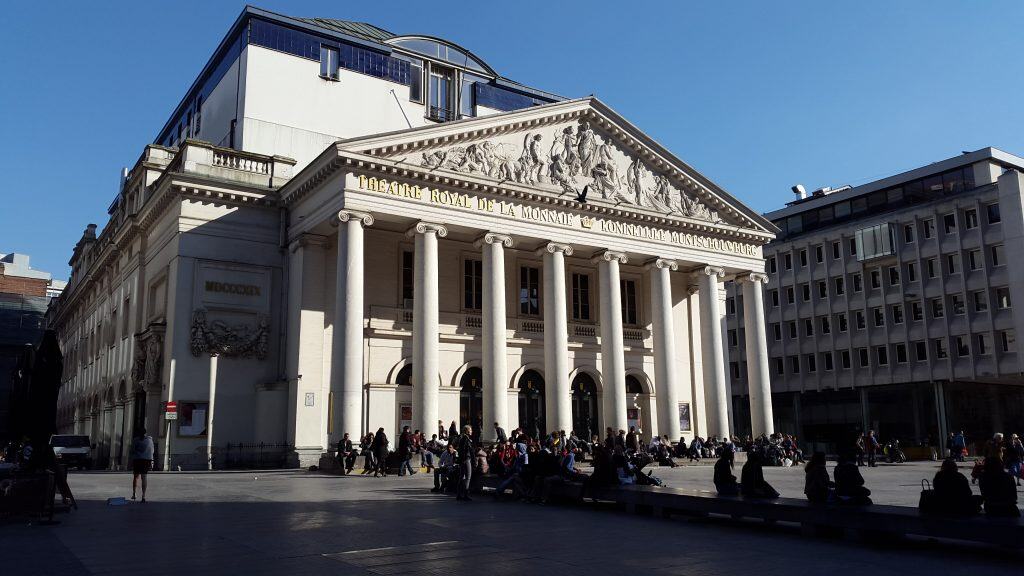
Brussels played the central role in the Belgian Revolution of 1830. This uprising, which began after a performance of an opera at the La Monnaie theater, led to the separation of the southern provinces from the United Kingdom of the Netherlands. This resulted in the creation of the independent state of Belgium. Brussels was then proudly named its new capital. This new status spurred significant growth and construction throughout the 19th century, with the covering of the Senne river and the construction of new boulevards and public buildings.
The 20th Century and the European Capital
The 20th century brought the challenges of two World Wars, with the city enduring German occupation in both conflicts. Unlike many other European cities, the historic center of Brussels was not heavily damaged by bombing during World War II. After the war, Brussels embraced a new geopolitical significance. It was chosen as a provisional seat for the institutions of the European Economic Community (EEC), the precursor to the European Union, in the 1950s.
This decision was pivotal in shaping modern Brussels. The city developed a new district, the European Quarter, to house the growing number of international institutions. NATO also moved its political headquarters to the city in 1967. This solidified Brussels’ enduring international importance. Today, the city is often referred to as the “Capital of Europe” due to its role as the home of the primary institutions of the European Union.


Things to Do and See
Brussels offers a range of attractions that showcase its layered history, from the ornate guildhalls of the Grand Place to the modern buildings of the European Quarter. The city’s museums hold vast collections of art, from the Flemish Old Masters to the surrealist works of René Magritte. Its architectural heritage includes Gothic cathedrals, Art Nouveau townhouses, and the unique structure of the Atomium.
These sights are located in several distinct districts. The historic core is centered on the Grand Place. The Royal Quarter contains the main palaces and museums. The European Quarter is the administrative hub of the EU. Further out, the Atomium is located at the Heysel Plateau. This variety of attractions provides a rich journey through the history, art, and culture of both Belgium and Europe.
Grand Place
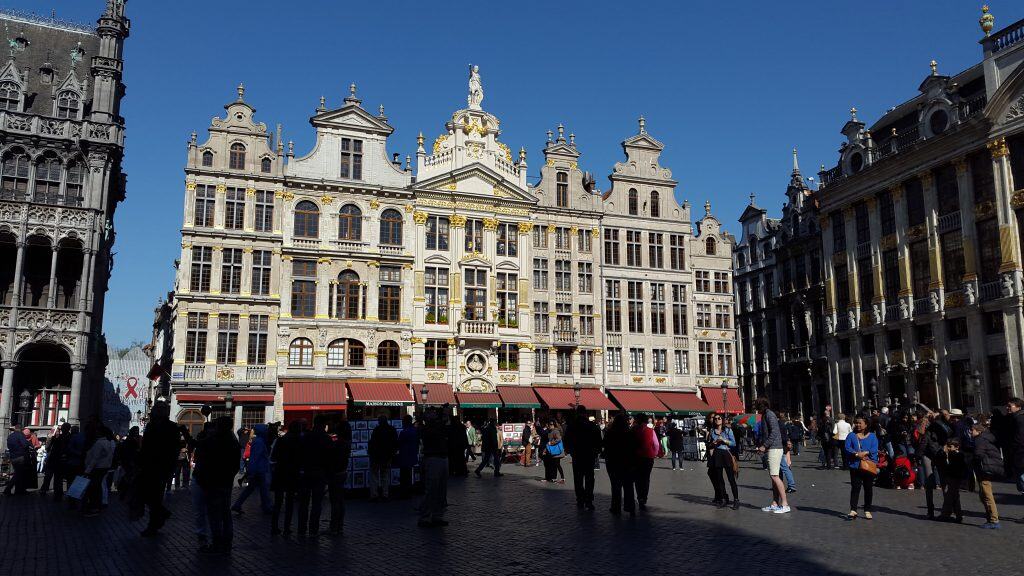
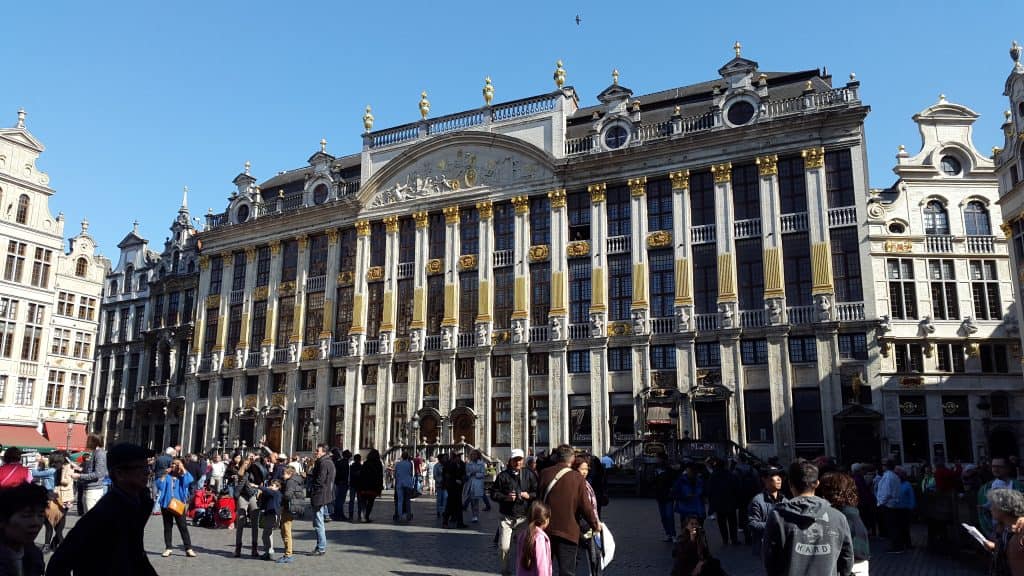
The Grand Place is the central square of Brussels and a UNESCO World Heritage Site. The square is surrounded by ornate guildhalls, the city’s Town Hall, and the Maison du Roi (King’s House), which contains the Brussels City Museum. Many of the buildings were reconstructed in the late 17th century in the Baroque style after the original square was destroyed by French bombardment in 1695. The square is known for its intricate gold-leaf details and architectural harmony. It has hosted markets and public events for centuries and remains the heart of Brussels. Every two years in August, it is covered by a giant Flower Carpet.
Atomium
The Atomium is a landmark building originally constructed for the 1958 Brussels World’s Fair (Expo 58). It was designed by the engineer André Waterkeyn and architects André and Jean Polak. The structure stands 102 meters tall and represents a unit cell of an iron crystal magnified 165 billion times. Its nine spheres are connected by tubes with escalators and elevators. Visitors can explore exhibitions inside some of the spheres, which are dedicated to science and the history of the building. The top sphere contains a restaurant and offers panoramic views of the city.
Manneken Pis
The Manneken Pis is a famous small bronze statue located in the heart of Brussels. The small fountain statue depicts a naked boy urinating into the basin. The current statue dates from the early 17th century. It is a beloved city icon and a symbol of the rebellious spirit of the people of Brussels. He is often dressed in one of his many costumes, which number over 1,000. These outfits, which reflect special events, historical figures, or modern themes, are displayed in a nearby museum, the GardeRobe MannekenPis.
Royal Palace of Brussels
The Royal Palace of Brussels (Palais Royal de Bruxelles) is the official palace of the King and Queen of the Belgians. It is located in front of Brussels Park. It is not used as a royal residence but is the monarch’s administrative and ceremonial workplace, where state visits and official receptions are held. The current facade was built in the early 20th century, but the palace itself is a combination of several older buildings. The palace is typically open to the public for several weeks each summer. Visitors can admire its grand state rooms, including the Throne Room and the Hall of Mirrors.
European Quarter
The European Quarter is the district that hosts the main institutions of the European Union. This includes the Berlaymont building, which is the headquarters of the European Commission, and the Justus Lipsius building, the seat of the Council of the European Union. The European Parliament also has its main chamber here, the Hemicycle. Visitors can explore the Parlamentarium, a modern visitor center that explains the workings of the European Parliament through interactive multimedia displays. The district is a center of international politics and diplomacy.
Royal Museums of Fine Arts of Belgium
The Royal Museums of Fine Arts of Belgium are a group of art museums in Brussels. They hold a vast collection of over 20,000 drawings, sculptures, and paintings. The museums are divided into several distinct sections. The Oldmasters Museum showcases European art from the 15th to the 18th centuries, with a focus on Flemish masters like Pieter Bruegel the Elder and Peter Paul Rubens. The popular Magritte Museum, which is part of this complex, is dedicated to the works of the Belgian surrealist artist René Magritte.
Musical Instruments Museum
The Musical Instruments Museum (MIM) is housed in the former Old England department store, a key example of Art Nouveau architecture. The distinctive building was designed by Paul Saintenoy in 1899. The museum displays a vast collection of over 8,000 instruments from around the world. Visitors receive headphones for an immersive audio guide. As you approach a particular instrument, you can hear the sound it makes. The museum offers a journey through the history of music and instrument making. The rooftop cafe provides views of the city.
Notre-Dame du Sablon
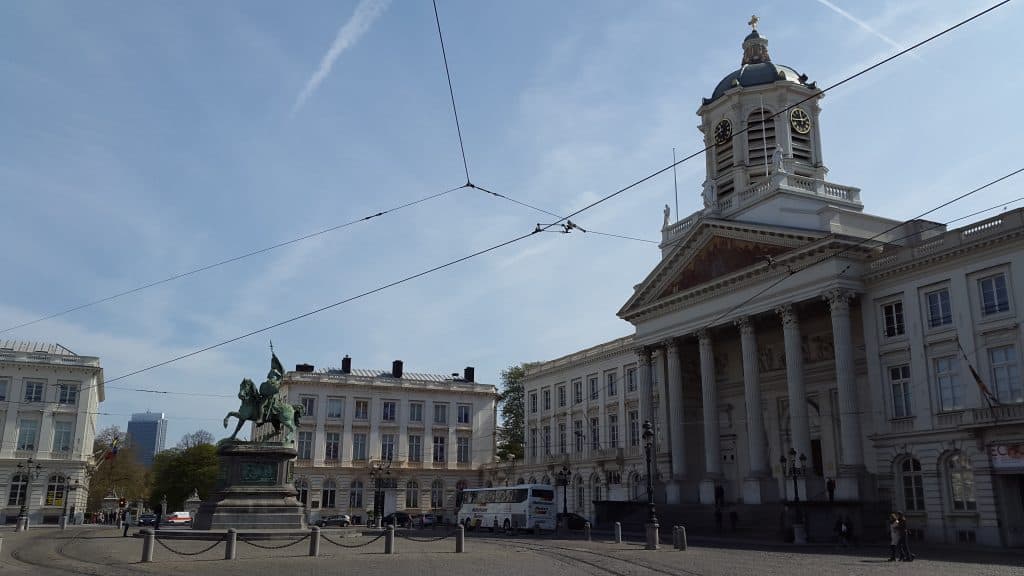
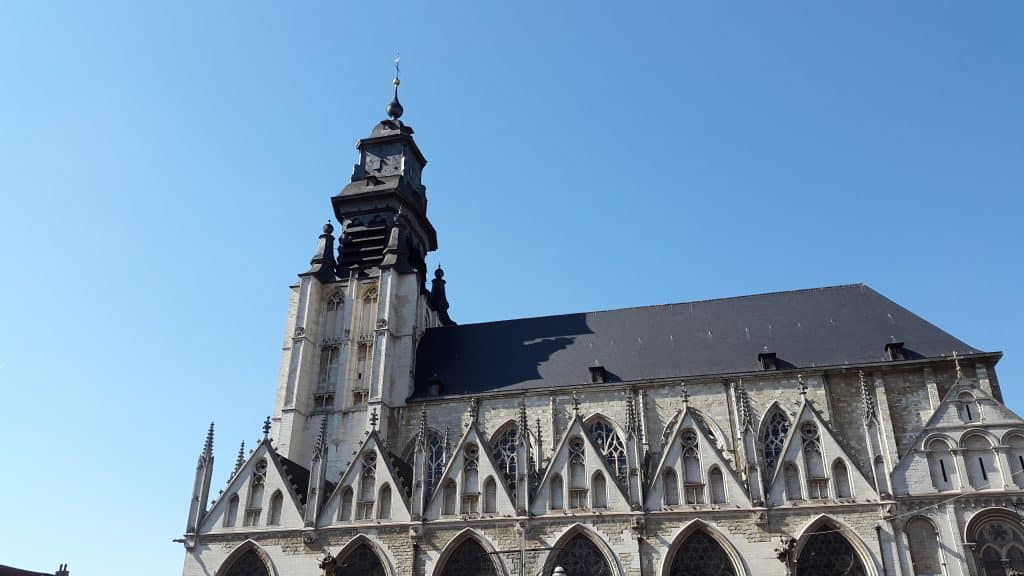
The Church of Our Lady of the Sablon (Église Notre-Dame du Sablon) is a Gothic church that dates from the 15th century. It is located in the elegant Sablon district, which is known for its antique shops and chocolatiers. The church showcases impressive stained glass windows that illuminate the interior. Its Brabantine Gothic style is notable. The interior features elegant arches and detailed chapels. It is considered one of the finest examples of this late Gothic architectural style in Belgium.
Parc du Cinquantenaire
The Parc du Cinquantenaire is a large urban park located in the eastern part of the European Quarter. The park was created for the 1880 National Exhibition, which celebrated the 50th anniversary of Belgian independence. A grand Triumphal Arch dominates the park. The park also contains several major museums. These include the Royal Military Museum, the Art & History Museum, and Autoworld, a museum dedicated to vintage cars. The park is a popular spot for recreation.
Mini-Europe
Located at the Heysel Plateau, next to the Atomium, Mini-Europe is an amusement park that offers a miniature tour of the continent. The park features over 350 famous European sights and monuments, recreated in detail at a scale of 1:25. Landmarks like the Eiffel Tower, the Acropolis, and the Grand Place of Brussels itself are on display. Interactive exhibits provide insights into the history and culture of the EU member states. The park offers an educational and entertaining experience, particularly for families.
Horta Museum
Situated in the Saint-Gilles district, the Horta Museum celebrates the Art Nouveau style. The museum is dedicated to Victor Horta, a pioneering Belgian architect and a key figure in the Art Nouveau movement. The museum is housed in Horta’s former home and studio. This building, designed by Horta himself, is a UNESCO World Heritage site. It showcases his groundbreaking designs, with their emphasis on flowing lines, natural light, and the integration of art and architecture.
Sports in Brussels
Brussels has a dynamic sporting culture, with a strong focus on football. The city is home to several professional football clubs with long and successful histories. The rivalry between these clubs is a key part of the city’s social fabric. Beyond football, Brussels is a major international center for athletics, hosting one of the world’s most prestigious annual track and field meetings.
The city’s sporting infrastructure includes major venues like the King Baudouin Stadium (formerly Heysel Stadium) and the home grounds of its main football clubs. These facilities allow Brussels to host major national and international events. The city also has a strong culture of recreational running and cycling, with numerous parks and a large forest on its outskirts providing space for these activities.
Football
Football holds a special place in the hearts of Brussels residents. The city boasts several prominent clubs. The passion for the sport is palpable throughout the capital, from grassroots youth teams to the professional leagues. Match days bring vibrant energy to stadiums across the region. The Belgian national football team plays its home games at the King Baudouin Stadium in Brussels.
R.S.C. Anderlecht
Founded in 1908, R.S.C. Anderlecht is Belgium’s most successful football club. They compete in the Belgian Pro League. They have won a record number of Belgian league championships. The team have also had significant success in European competitions, winning the UEFA Cup Winners’ Cup twice and the UEFA Cup once. Their home ground is Lotto Park, a modern stadium in the Anderlecht district. The club is renowned for its strong youth academy system.
Royale Union Saint-Gilloise
This historic club, Royale Union Saint-Gilloise, was established in 1897. After a long period in the lower divisions, the club has enjoyed a remarkable resurgence in recent years. They were promoted back to the Belgian Pro League in 2021 and immediately began competing for the national title. They were once a dominant force in Belgian football, winning 11 national titles before World War II. The team play at the historic Stade Joseph Marien, which is known for its authentic atmosphere.
R.W.D. Molenbeek (2015)
The club Racing White Daring Molenbeek, often referred to as RWD Molenbeek, represents a continuation of the rich footballing tradition in the Molenbeek area of Brussels. The club was refounded in 2015 and has climbed through the divisions since then. They have competed in the Belgian Pro League. The club plays its matches at the Edmond Machtens Stadium. They have a growing and dedicated local following.
Basketball
Basketball is another well-loved sport in Brussels, enjoying significant popularity. The city has a strong professional presence and a dedicated fanbase for the sport. The fast-paced action and dynamic play draw many spectators to local games. The city’s main professional club competes in the unique cross-border BNXT League.
Brussels Basketball
The city’s main professional club is Brussels Basketball. The team competes in the BNXT League, a cross-border competition involving the top-tier teams from both Belgium and the Netherlands. Their home games are held at the Sports Complex Neder-Over-Heembeek, a modern facility that provides an excellent atmosphere for fans. The club aims for consistent performance in the league, challenging for playoff spots and national recognition. They are committed to growing the sport within the Brussels region.
Ice Hockey
Ice hockey has a niche but dedicated following in Brussels. The sport is steadily growing in popularity. The speed, skill, and physicality of ice hockey attract a passionate fanbase, particularly during the colder months. Local rinks often buzz with activity from local clubs and recreational skaters.
Brussels Capitals
The club Brussels Capitals competes in the Belgian Hockey League, representing the city in national competitions. They play their home games at local ice rinks, providing an exciting spectacle for fans. The Brussels Capitals are actively working to develop the sport at both youth and adult levels. They aim to foster local talent and build a stronger presence in Belgian ice hockey.
Athletics
Athletics thrives in Brussels, with numerous clubs and events catering to all levels of participation. The city is home to one of the most prestigious international track and field meetings in the world. This event is a key part of the global athletics calendar. The city’s main stadium provides a world-class venue for these competitions.
Memorial Van Damme
The Memorial Van Damme is a major annual track and field meeting. It is part of the prestigious Diamond League, the top tier of international one-day athletics competitions. For many years, it has served as the final event of the Diamond League season. The meeting is held at the King Baudouin Stadium. The event was first held in 1977 in memory of the Belgian athlete Ivo Van Damme. It regularly attracts Olympic and World champions from across the globe.
Running
Running is an immensely popular activity in Brussels, drawing thousands of participants and spectators year-round. The city’s scenic parks, extensive green spaces like the Sonian Forest, and well-maintained urban paths offer ideal environments for all forms of running. From casual jogs to competitive road races, Brussels caters to runners of every ability.
Brussels 20km
The 20 km of Brussels is a hugely popular annual road running race. It attracts tens of thousands of participants from Brussels and beyond, making it one of Belgium’s largest running events. The race takes runners through scenic parts of the city. The course passes by iconic landmarks such as the Royal Palace and the European Quarter. The event is a major highlight in the Brussels sporting calendar, known for its festive atmosphere and strong community spirit.
Brussels Airport Marathon & Half Marathon
The Brussels Airport Marathon & Half Marathon is an annual event that offers full marathon, half marathon, and shorter distances. It attracts both elite runners and recreational participants. The course typically starts near the Atomium and finishes in the heart of the city, providing a unique tour of Brussels’ landmarks. It is a significant fixture in the Belgian running calendar, drawing international attention and celebrating athletic endurance.
Cycling
Cycling is a deeply ingrained part of Belgian culture, and Brussels is no exception. The city offers a mix of urban cycling routes for commuters and challenging climbs in its surrounding areas for road cyclists. Both competitive and recreational cycling thrive in the capital, with numerous clubs and events fostering a strong cycling community.
Brussels Cycling Classic
The Brussels Cycling Classic is a professional road cycling race that is one of the oldest cycling races in the world. It was first held in 1893. The race is a semi-classic on the European professional calendar. It starts and finishes in Brussels, with a course that often features cobbled sections and short climbs in the surrounding countryside. The event attracts top professional teams and riders from around the world.
BXL Tour
The BXL Tour is an annual cyclosportive event that allows amateur cyclists to ride a significant route through Brussels on closed or semi-closed roads. It typically offers different distances, catering to various fitness levels, from recreational riders to more experienced amateur racers. The BXL Tour provides a unique opportunity to experience the city from a cyclist’s perspective, enjoying the freedom of car-free sections and the support of a large cycling community.





Getting Around in Brussels
Navigating Brussels is efficient due to its extensive and integrated public transport network. This system connects the historic neighborhoods with the modern districts and the wider metropolitan area. Whether you prefer swift metro journeys, scenic tram rides, or convenient buses, various effective options are available. The public transport system is operated by STIB-MIVB (Société des Transports Intercommunaux de Bruxelles).
An integrated ticketing system is used across the network. A single ticket is valid for one hour after the first validation, allowing for unlimited transfers between the metro, trams, and buses. Multi-trip tickets and day passes offer better value for frequent travel. The Brupass ticket includes travel on STIB-MIVB as well as on regional De Lijn, TEC, and SNCB train services within the Brussels zone. You can buy tickets at metro stations, from vending machines, or via the STIB-MIVB app. Remember to validate your ticket immediately upon boarding.
On Foot: Exploring the Historic Core
Walking is often the best way to experience Brussels’ historic core. The areas around the Grand-Place, the Manneken Pis, and the Royal Palace are easily walkable. The city center is relatively compact, although it is hilly in places. The Sablon district, with its antique shops, and the Marolles district, with its famous flea market, are also best explored on foot. Walking allows you to discover hidden alleys, charming cafes, and architectural details. Comfortable shoes are highly recommended.
Riding the Metro
The Brussels Metro is the quickest way to travel longer distances across the city. The system has four main metro lines (Lines 1, 2, 5, and 6). Lines 1 and 5 run east-west, connecting key areas like the European Quarter with the city center. Lines 2 and 6 form a loop around the central part of the city. The metro is modern and efficient, with trains running frequently from around 5:30 AM until midnight. Key stations include Gare Centrale (Central Station), De Brouckère (city center), and Schuman (European Quarter).
A Network Above Ground: Buses and Trams
Brussels boasts an extensive network of buses and trams that covers areas not reached by the Metro. The tram system is one of the largest in the world and offers a more scenic route through the city. Several tram lines run underground in the city center, a system known as the premetro. The bus network is essential for connecting suburban areas and providing fine-grained coverage of the city. Night buses (Noctis) operate on a limited network after midnight on weekends.
A Quick Ride: Taxis and Ride-Sharing
Official taxis are widely available in Brussels. They are recognizable by the blue and yellow license plate. You can find them at designated taxi stands or book them by phone. All official taxis use meters. Ride-sharing apps like Uber also operate throughout the city. These provide a convenient alternative to taxis and are often booked via smartphone apps. Taxis can be more expensive than public transport, but they offer door-to-door convenience.
On Two Wheels: Cycling in the City
Cycling is a popular way to explore Brussels. The city has a public bike-sharing scheme called Villo!. Numerous stations are located throughout the city, allowing for short-term rentals. The city has been expanding its network of dedicated cycle lanes to make cycling safer. However, be mindful of traffic and the city’s cobblestone streets. Electric scooters are also widely available for rent via various apps.
How to Get to Brussels
Reaching Brussels, a central European hub, offers several excellent transportation choices. As the de facto capital of the European Union, the city is one of the most well-connected in the world. For air travel, flights land at Brussels Airport (BRU), providing global connections. A convenient train links the airport directly to the city center. The city is also a major hub for the European high-speed rail network. Driving is an option via the extensive motorway network that converges on the city.
Arriving by Air: Brussels Airport
Brussels Airport (BRU) is Belgium’s largest international airport. It is located approximately 12 kilometers northeast of the city center. The airport serves as a major hub for Brussels Airlines and handles flights from numerous cities across Europe, North America, Africa, and Asia. Upon arrival, the airport train station is conveniently located directly below the terminal. This provides swift train links to Brussels’ three main train stations (North, Central, and Midi) in about 20 minutes. Public buses also provide connections to the city. Another option is Brussels South Charleroi Airport (CRL), which is located further away but is a major hub for low-cost carriers.
The Open Road: Driving the Ring
Driving to Brussels offers flexibility. Belgium has an excellent road network. The city is surrounded by a major ring road, the R0. This motorway connects to numerous other highways leading to all parts of Belgium and neighboring countries. The E40 motorway connects Brussels to the coast and to Germany. The E19 connects to Amsterdam and Paris. Be aware of the Low Emission Zone (LEZ) that covers the entire Brussels-Capital Region. You must check if your vehicle meets the requirements and register it online before entering the zone.
Connecting by Coach
Bus travel to Brussels is a budget-friendly option. Major European bus companies like FlixBus and BlaBlaCar Bus operate frequent routes. They connect Brussels with many cities across the continent. The main long-distance bus stations are located at the Brussels-North and Brussels-Midi train stations. This allows for easy transfers to the local public transport network. Direct bus services are available from cities like Paris, Amsterdam, London, and Cologne.
On Track: A High-Speed Rail Hub
Brussels is a major European rail hub. High-speed trains make reaching the city very convenient. The main station for international high-speed trains is Brussels-Midi (Bruxelles-Midi/Brussel-Zuid). Eurostar trains connect Brussels directly to London, Paris, Amsterdam, and Cologne. TGV and ICE trains also serve the station. The journey from Paris takes about 1.5 hours, while from London it is around 2 hours. From Brussels-Midi, frequent connecting trains run to Brussels-Central, the closest station to the Grand Place.
The North Sea Route: Arriving by Ferry
While Belgium is not an island, it has a short North Sea coastline with ferry ports. The main port for passenger travel is Zeebrugge. From Zeebrugge, it is possible to take a train or drive to Brussels. For those traveling from the UK, ferry services run to nearby ports in France, such as Calais and Dunkirk. From these French ports, the journey to Brussels can be completed by car, bus, or train. The Eurotunnel Le Shuttle vehicle train from Folkestone to Calais is another popular option for those arriving by car from the UK.
Driving Distances
The driving distance from 10 regional cities, according to Google Maps:
- Antwerp, Belgium – 54 kilometers (1 h 00 min)
- Ghent, Belgium – 56 kilometers (1 h 00 min)
- Namur, Belgium – 65 kilometers (1 h 00 min)
- Liège, Belgium – 98 kilometers (1 h 10 min)
- Lille, France – 113 kilometers (1 h 30 min)
- Cologne, Germany – 209 kilometers (2 h 30 min)
- Amsterdam, Netherlands – 209 kilometers (2 h 40 min)
- Luxembourg City, Luxembourg – 213 kilometers (2 h 30 min)
- Paris, France – 312 kilometers (3 h 40 min)
- London, UK – 374 kilometers (5 h 20 min, includes ferry/tunnel)
Looking to Explore more of Belgium and Europe?