Kaltenkirchen, Schleswig-Holstein | Exploring Germany
Kaltenkirchen is a town in the district of Segeberg, located in the state of Schleswig-Holstein, Germany. The town is situated approximately 35 kilometers north of Hamburg, placing it within the larger Hamburg Metropolitan Region. With a population of approximately 23,000 residents, Kaltenkirchen serves as a key residential and commercial center for the surrounding area. It is positioned in the southern part of Schleswig-Holstein, on the North German Plain.
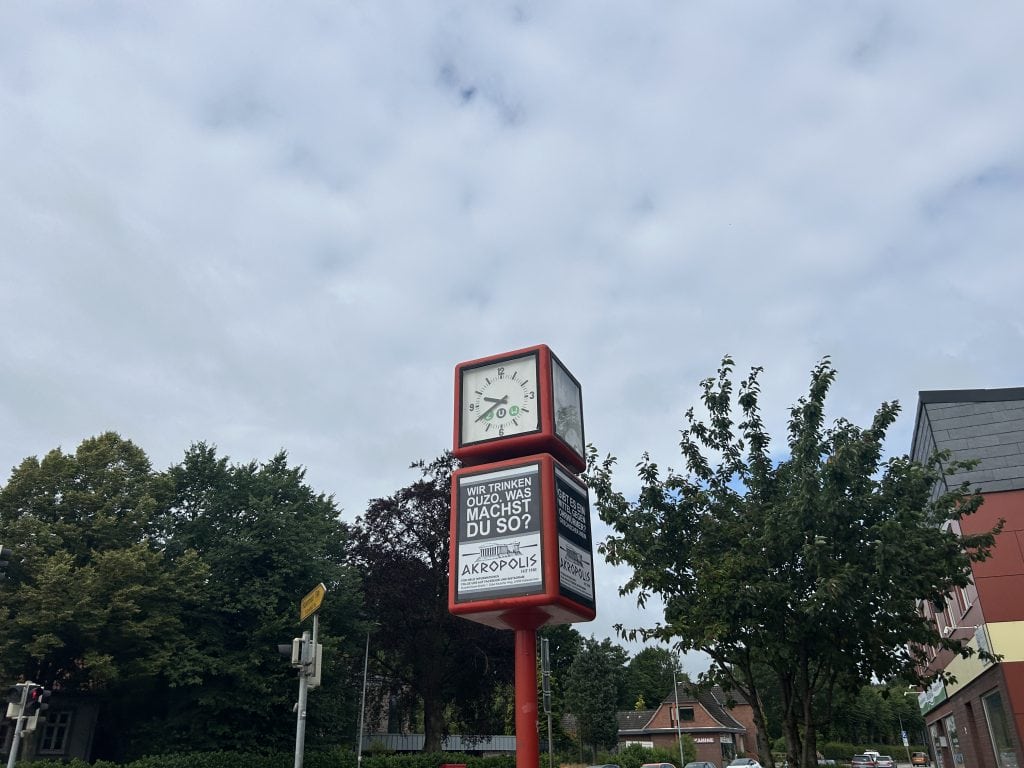
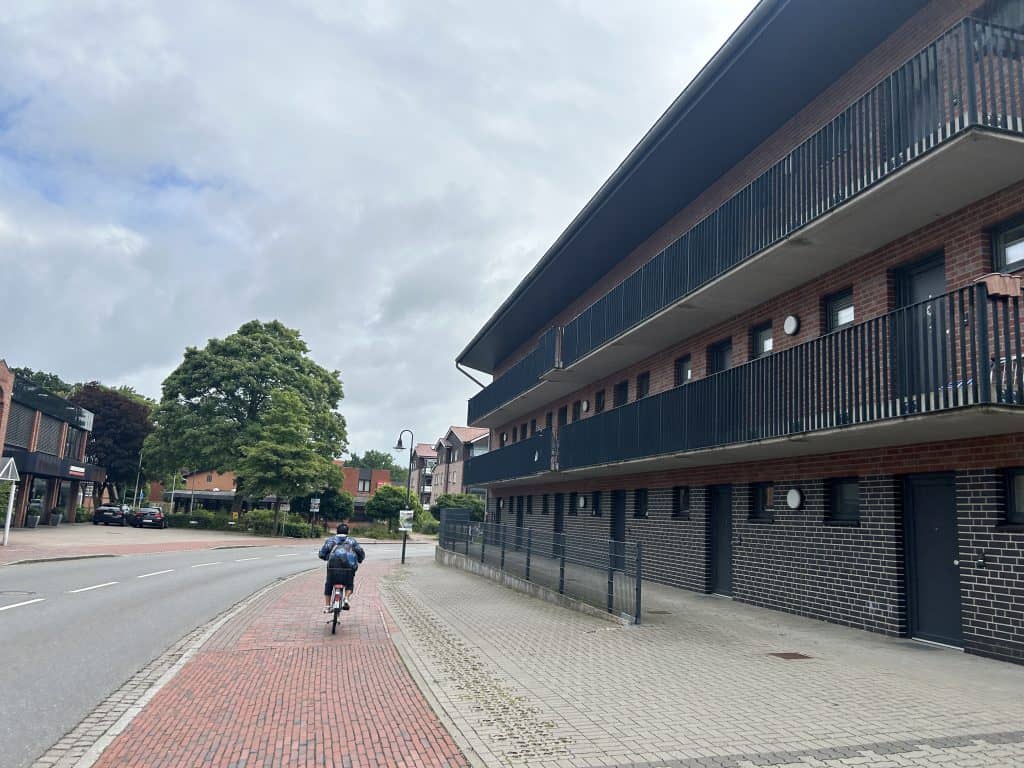
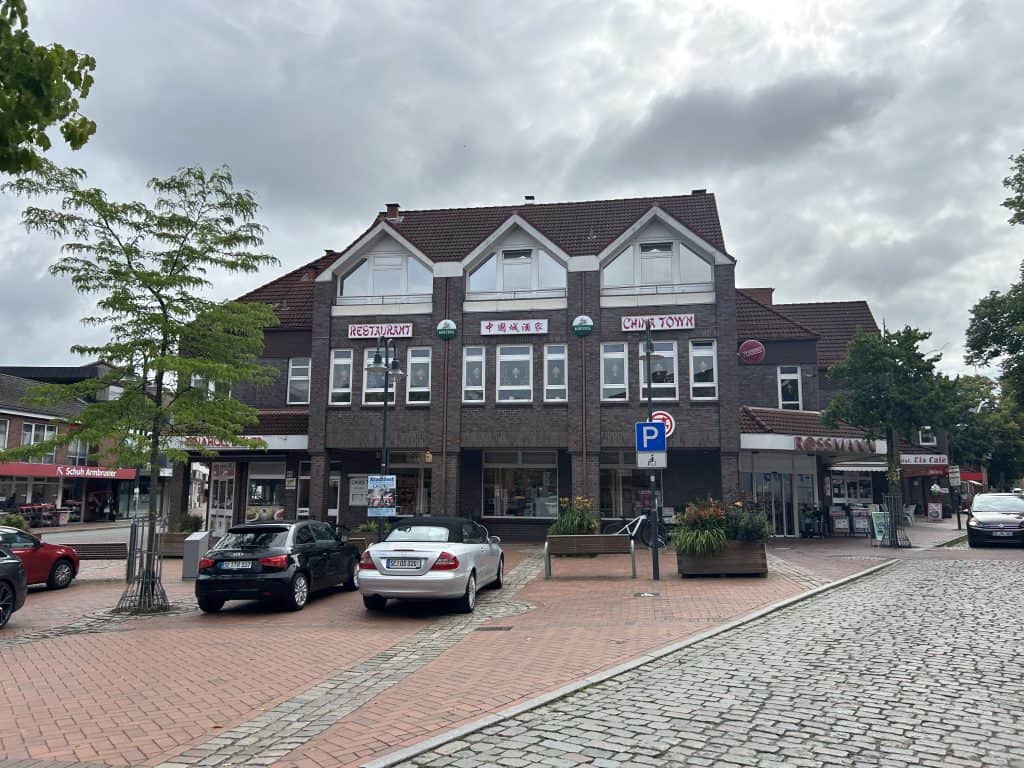
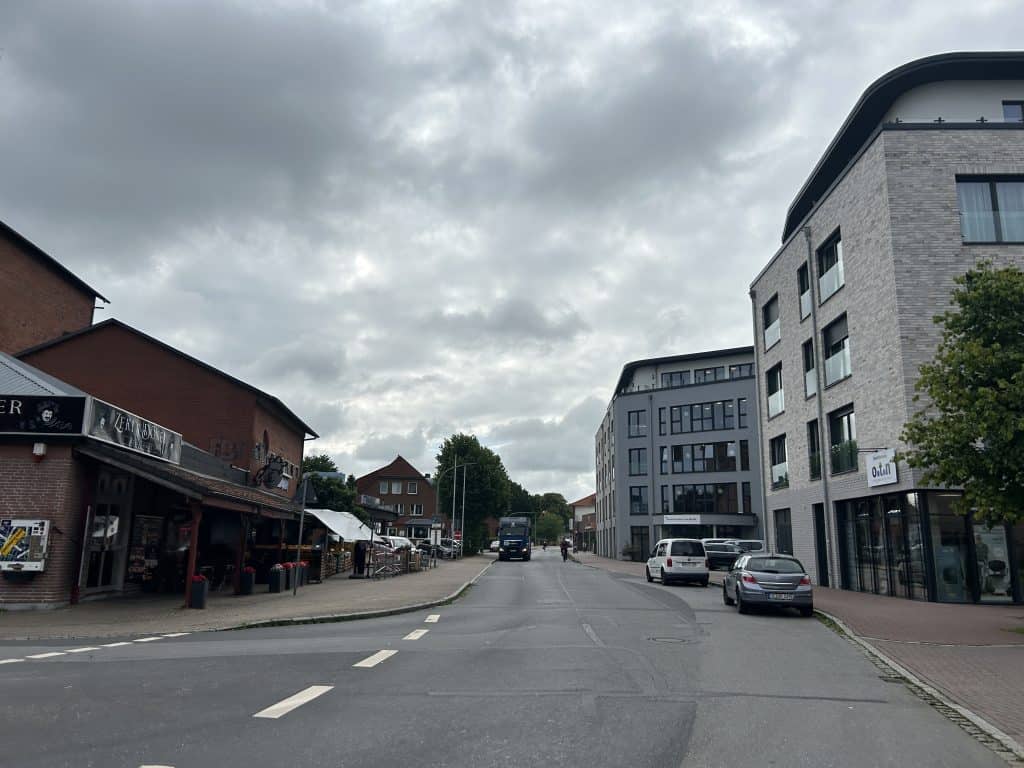
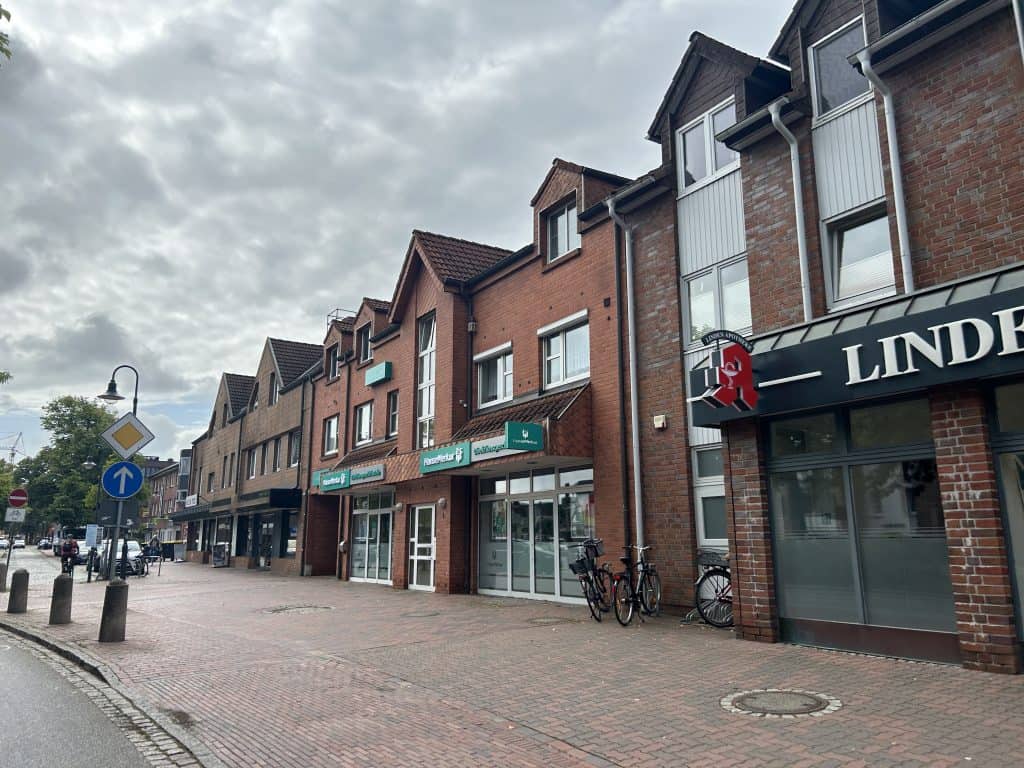
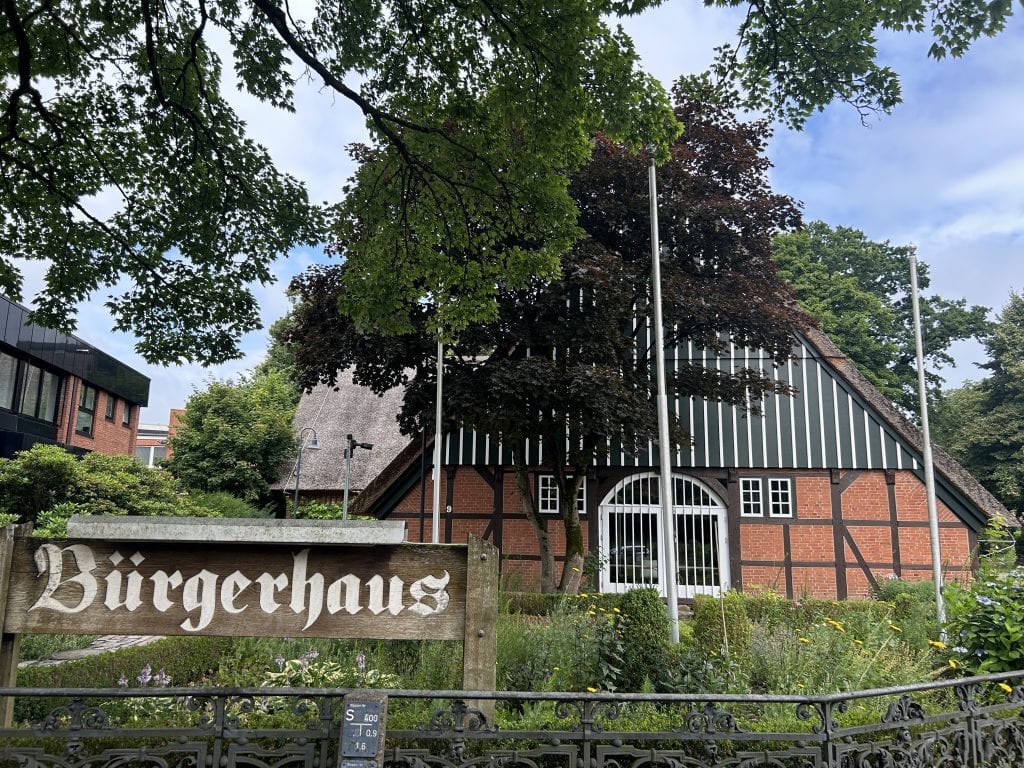
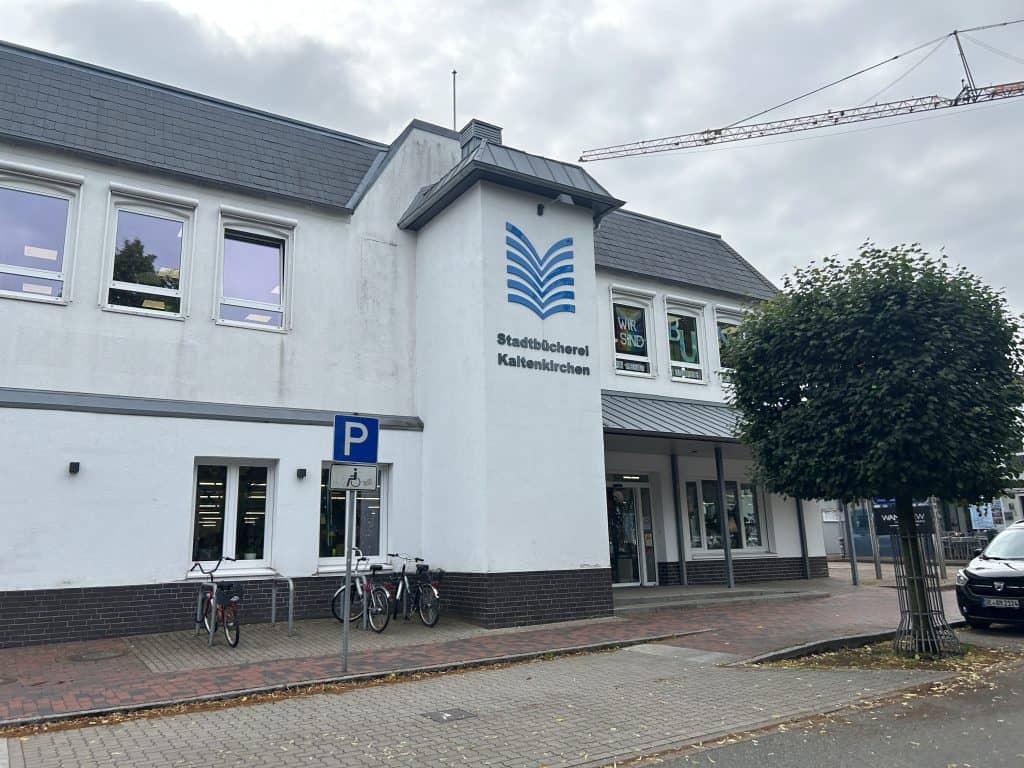
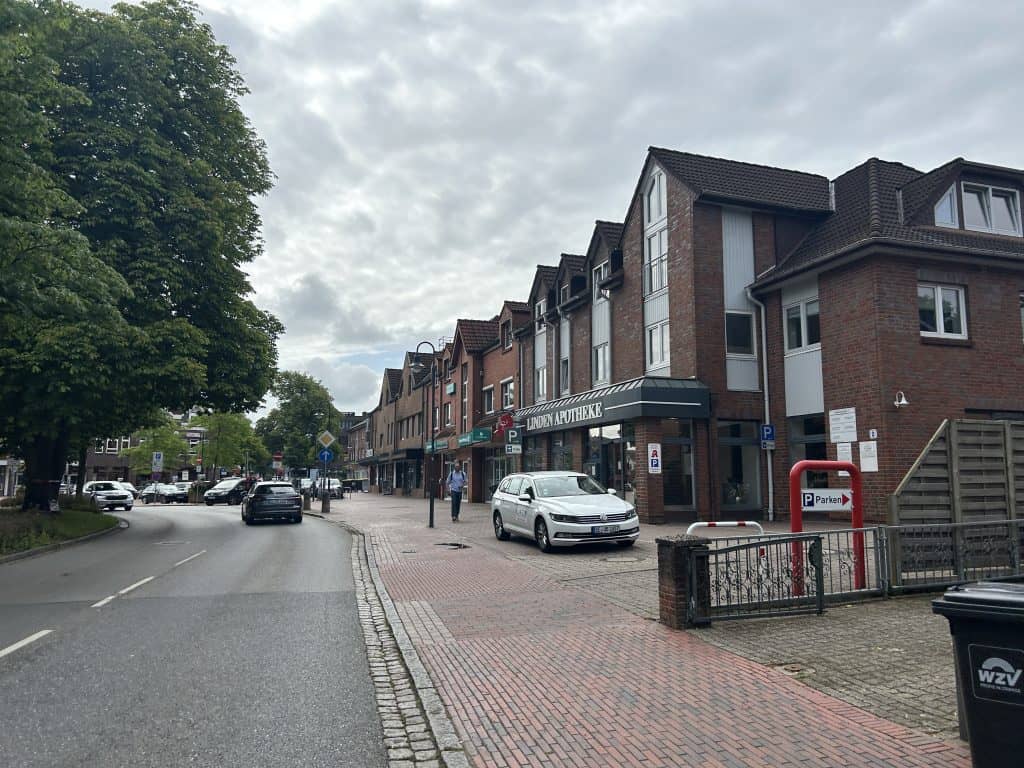
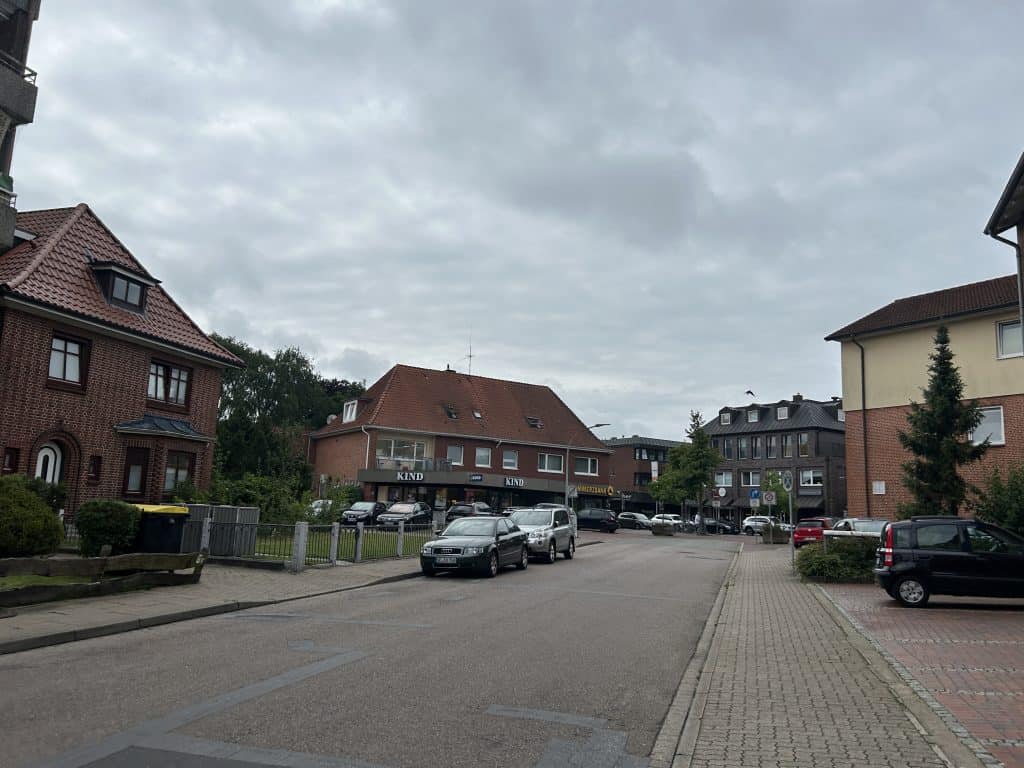
The character of Kaltenkirchen is that of a modern, growing town whose identity has been significantly shaped by its post-World War II development. It functions primarily as a commuter town for people working in Hamburg, a role made possible by its direct railway connection. The town center is modern and functional, with a mix of shops and services catering to its residents. The presence of a major historical memorial site related to World War II also adds a significant layer to the town’s character.


A Short History of Kaltenkirchen
The history of Kaltenkirchen is one of a small rural village that was transformed into a modern suburban town by the arrival of the railway and by the events of the 20th century. For centuries, it was a minor settlement in the Holstein region. Its rapid growth in the post-war era reflects the major demographic and economic shifts that occurred in northern Germany. The town’s past includes a dark chapter during World War II, which is now commemorated by a major memorial site.
Early Origins and a Parish Village
The history of settlement in the Kaltenkirchen area is long, but the town itself was first mentioned in historical documents in the 14th century. For most of its history, it remained a small agricultural village and the center of a local parish. Its life was defined by the local church and the rhythm of farming on the surrounding plains. It was one of many similar small villages in the region, located on the trade routes heading north from Hamburg.
The Railway and Early Growth
The first major change in the town’s development came in the late 19th century with the construction of the railway. The Altona-Kaltenkirchen-Neumünster Railway Company (AKN) opened its line in 1884. This provided a direct transport link to the major port city of Hamburg. The arrival of the railway spurred the first phase of growth for the town. It became easier to transport goods, and the town began to develop as a small commercial center for the surrounding rural area.
World War II and Modern Development
During World War II, a satellite concentration camp of the main Neuengamme concentration camp was established on the outskirts of Kaltenkirchen. The prisoners were forced to work at a nearby military airfield. This period is a significant and somber part of the town’s history. After the war, Kaltenkirchen experienced rapid population growth. It became a new home for many refugees and displaced persons. Its convenient rail link to Hamburg also made it an attractive residential town for commuters, a role it continues to fulfill today.
Things to Do and See
The sights in and around Kaltenkirchen reflect its modern character as well as its significant 20th-century history. The main points of interest include a major historical memorial, a large recreational spa complex, and the natural landscapes that surround the town. These sights provide a look into both the difficult history of the region and its modern focus on leisure and recreation.
Kaltenkirchen Concentration Camp Memorial
The Kaltenkirchen Concentration Camp Memorial (KZ-Gedenkstätte Kaltenkirchen) is the most significant historical site in the area. It is located just outside the town on the site of the former satellite camp of Neuengamme. The memorial was established to honor the memory of the prisoners who suffered and died here between 1944 and 1945. The site includes educational exhibits that detail the history of the camp and the lives of the prisoners. The memorial serves as an important place of remembrance and historical education.
HolstenTherme
The HolstenTherme is a large, modern thermal spa and water park located in Kaltenkirchen. It is a major regional attraction, drawing visitors from across Schleswig-Holstein and Hamburg. The complex features numerous indoor and outdoor swimming pools, water slides, and an extensive sauna and wellness area. The spa has a Caribbean theme, with palm trees and warm water pools. It is a popular destination for families and for those seeking relaxation.
St. Michaelis Church
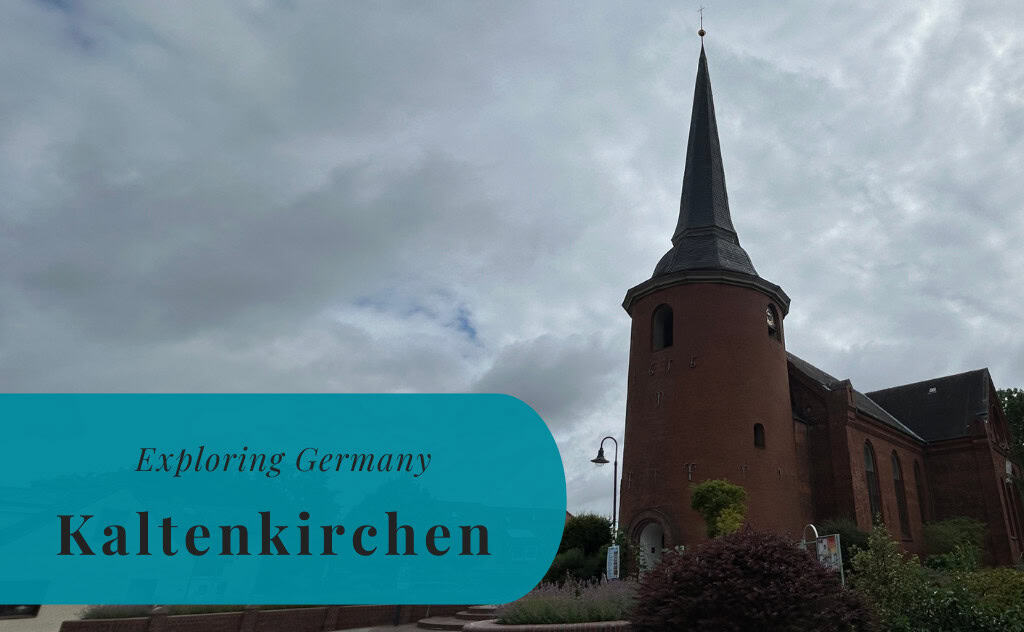
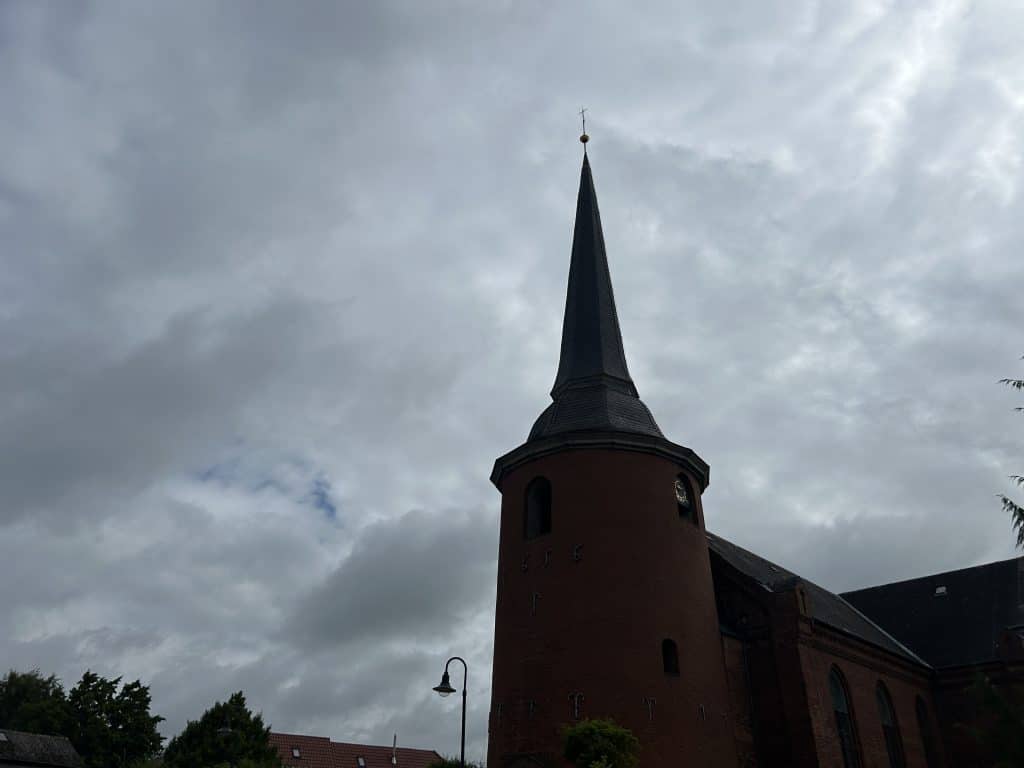
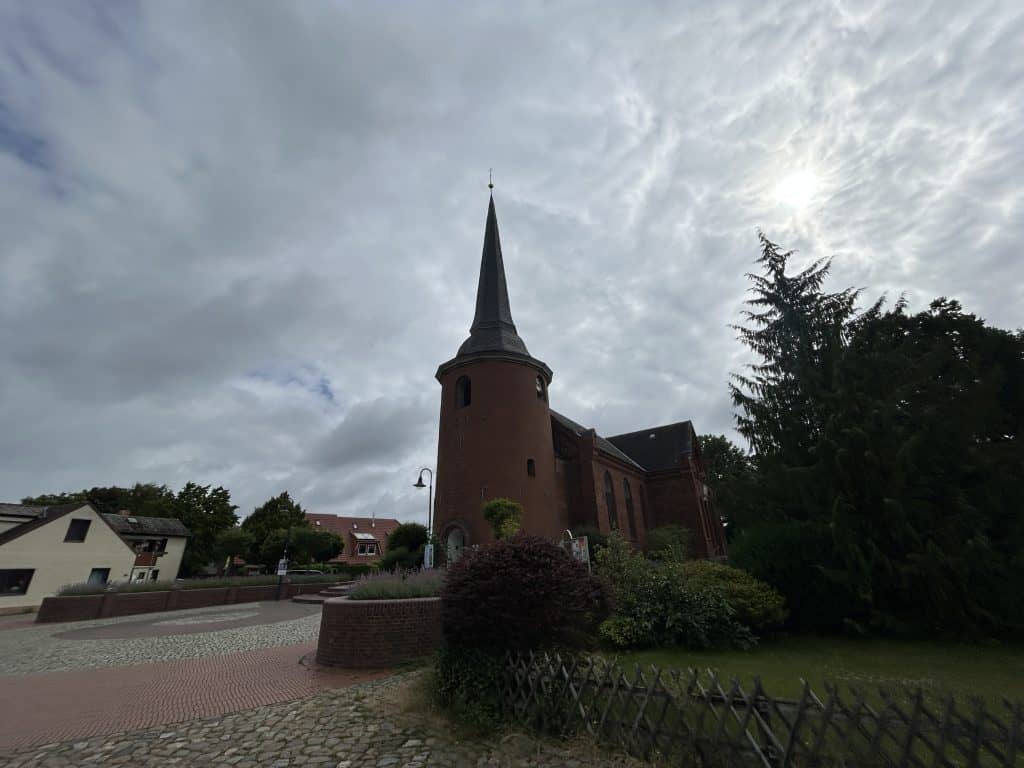
The St. Michaelis Church (Michaeliskirche) is the main historic church in Kaltenkirchen. The church is a key landmark in the town center. While the current building has been renovated and expanded over the years, the history of a church on this site dates back centuries. The church’s tower is a prominent feature of the town’s skyline. It serves as the spiritual center for the local Evangelical Lutheran community.
Kaltenkirchener Heide
The Kaltenkirchener Heide is a nearby nature reserve. This area of heathland and forest provides opportunities for outdoor recreation. It is a remnant of the large heath landscapes that once covered much of this part of northern Germany. The reserve has marked trails for hiking and walking. It is a place to experience the natural environment of the region, away from the developed areas of the town.
Sports in Kaltenkirchen
The sporting life in Kaltenkirchen is centered on its large community sports clubs. These organizations provide opportunities for residents of all ages to participate in a variety of sports. The most popular and widely followed sport in the town is football. The main local club plays a significant role in the social fabric of the community. Its facilities serve as a hub for both training and local league competitions throughout the year.
Football
Football is the primary team sport in Kaltenkirchen, with a local club that has a long history in the town. The club is a key part of the community, with a strong focus on youth development. It provides a platform for hundreds of young players to learn and compete in the sport. The senior team represents the town in the regional league system of Schleswig-Holstein. Home matches are important local events for sports enthusiasts in the area.
Kaltenkirchener TS
The town’s main sports club is the Kaltenkirchener Turnerschaft von 1898 e.V., commonly known as Kaltenkirchener TS or KT. While it is a large multi-sport association with departments for other sports like handball and athletics, its football section is the most prominent. The senior football team competes in the lower tiers of the German football league system, such as the Landesliga. They play their home games at a local sports ground in the town. The club is a key institution for community sports, with a significant number of youth teams for different age categories.

Getting Around in Kaltenkirchen
Navigating Kaltenkirchen is straightforward. The town center is compact and can be explored on foot. The primary mode of public transport is the regional railway, which connects the town to Hamburg. A local bus network also serves the area.
On Foot: The Town Center
Walking is a suitable way to explore the central part of Kaltenkirchen. The main shopping streets, the train station, and the St. Michaelis Church are all within a short walking distance of each other. This allows visitors to see the town center at a relaxed pace. The HolstenTherme is also located near the center.
The AKN Railway
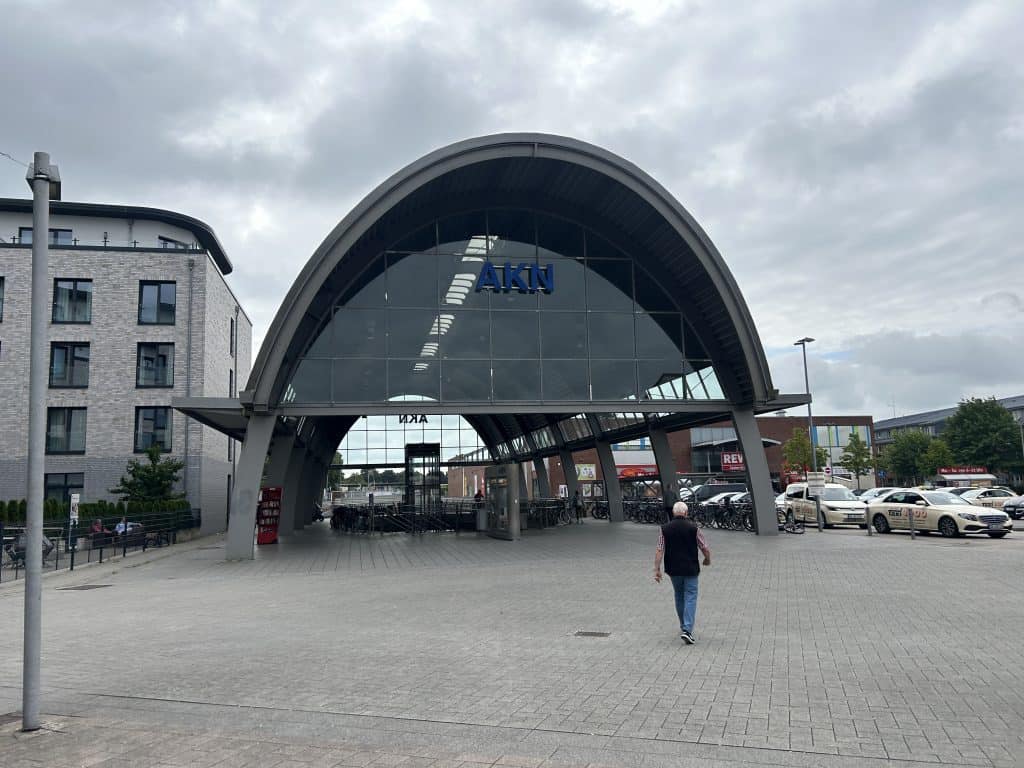
The backbone of public transport in Kaltenkirchen is the AKN railway. This private railway company operates the A1 line, which provides a direct and frequent connection from Kaltenkirchen to Hamburg. This makes commuting and travel between the two locations very convenient. The AKN trains are a key part of the regional transport network within the Hamburg Metropolitan Region.
Local Buses
A network of local buses serves Kaltenkirchen and the surrounding towns and villages. These buses provide connections to areas not served by the railway. The bus services are integrated with the wider public transport network of the Hamburg region (HVV). The buses are primarily used by local residents for short journeys.
How to Get to Kaltenkirchen
Reaching Kaltenkirchen is convenient due to its location within the Hamburg Metropolitan Region and its excellent transport links. It is situated directly on a major motorway and has a direct rail link to Hamburg.
The Open Road: Driving the Autobahn
Driving to Kaltenkirchen is very efficient. The town is located directly on the A7 motorway (Autobahn). This is the main north-south highway in Germany, connecting Hamburg with the Danish border. This makes the town highly accessible by car. The drive from central Hamburg is approximately 35 kilometers and takes about 30-40 minutes, depending on traffic.
Arriving by Air: Hamburg Airport
The closest and most convenient major airport is Hamburg Airport (HAM). It is located approximately 25 kilometers south of Kaltenkirchen. HAM is a major international airport with extensive connections. From the airport, the most practical way to reach Kaltenkirchen is by rental car or taxi. It is also possible to take the S-Bahn from the airport to the Hamburg city center and then transfer to the AKN railway line.
On Track: A Direct Rail Link
Traveling to Kaltenkirchen by train is very efficient. The town is served by the AKN railway. The A1 line runs from the Eidelstedt station in Hamburg directly to Kaltenkirchen. From other parts of Hamburg, a simple transfer from the S-Bahn network to the AKN line is required. The train journey provides a reliable connection for commuters and visitors.
Connecting by Coach
There are limited direct long-distance bus services to Kaltenkirchen itself. Travel by coach would typically involve taking a service from a company like FlixBus to the main bus station (ZOB) in Hamburg. From Hamburg, travelers would then need to transfer to the AKN railway or a regional bus service to complete the journey to Kaltenkirchen.
Driving Distances
The driving distance from 10 regional cities, according to Google Maps:
- Hamburg, Germany – 38 kilometers (0 h 40 min)
- Kiel, Germany – 68 kilometers (1 h 00 min)
- Lübeck, Germany – 71 kilometers (0 h 50 min)
- Bremen, Germany – 156 kilometers (1 h 40 min)
- Berlin, Germany – 327 kilometers (3 h 30 min)
- Copenhagen, Denmark – 359 kilometers (4 h 40 min, includes ferry)
- Szczecin, Poland – 472 kilometers (5 h 00 min)
- Amsterdam, Netherlands – 491 kilometers (4 h 50 min)
- Gothenburg, Sweden – 588 kilometers (8 h 00 min, includes ferry)
- Aarhus, Denmark – 400 kilometers (4 h 20 min, includes ferry)
Looking to Explore more of Germany and Europe?