Vilijampolė, Kaunas | Exploring Lithuania
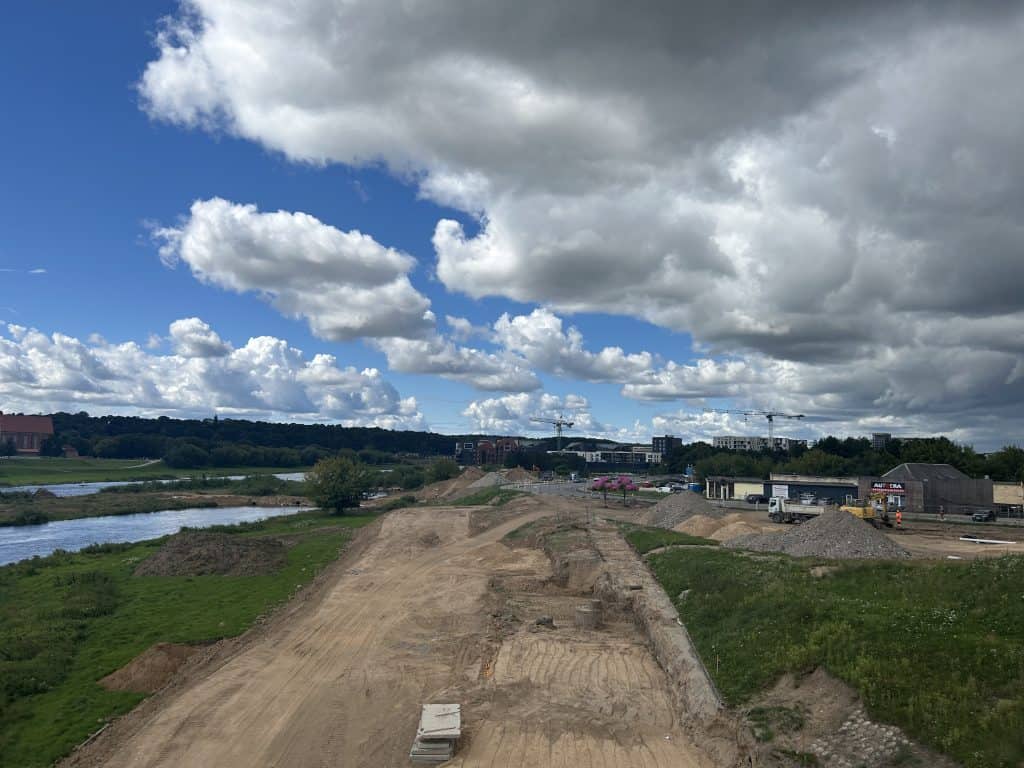
Vilijampolė is a large residential neighborhood and an eldership in the city of Kaunas, Lithuania. The district is located on the right bank of the Neris and Nemunas rivers, near their confluence. With a population of over 23,000 inhabitants, Vilijampolė has a long and complex history that is distinct from that of the main city of Kaunas. For centuries, it was a separate town and a major center of Jewish life, and it was known by its popular nickname, Slobodka.
The identity of Vilijampolė is defined by its rich Jewish heritage and its tragic history during the Holocaust. For hundreds of years, the area was a vibrant center of Jewish religious and cultural life, and it was home to the world-famous Slabodka Yeshiva, a major institution of Jewish learning. During World War II, the neighborhood became the site of the Nazi-established Kaunas Ghetto. Today, Vilijampolė is a diverse residential and industrial area, and it is a place of historical importance and remembrance.
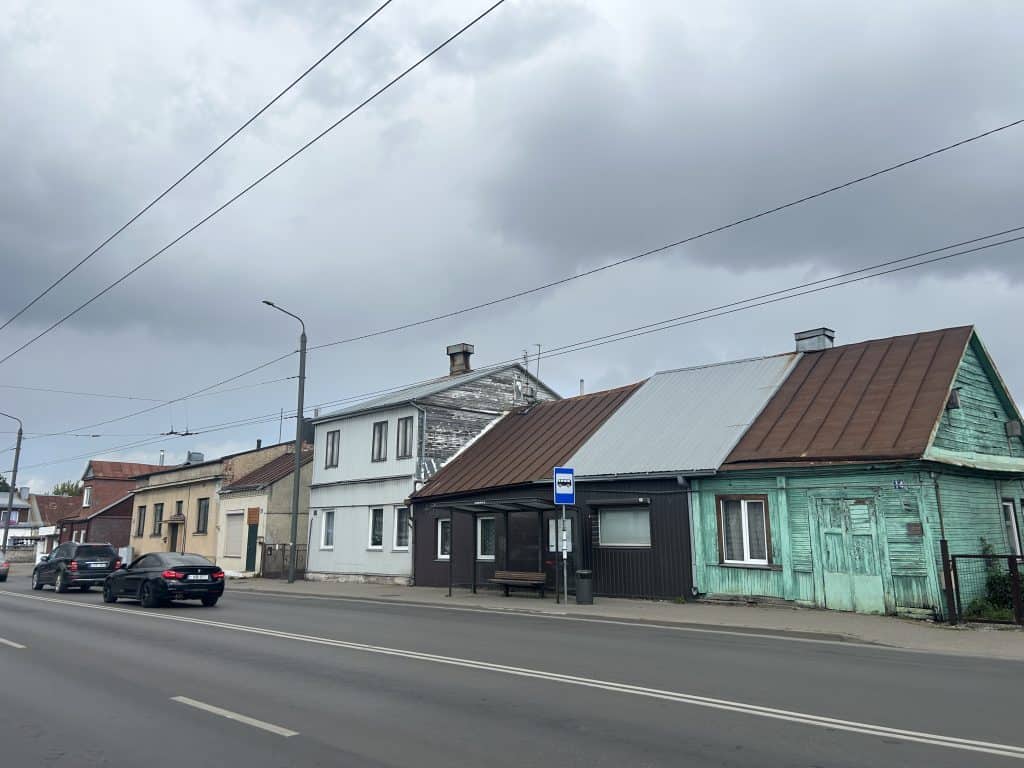


History of Vilijampolė
The history of Vilijampolė is a story of a town that was for centuries the heart of Jewish life in the Kaunas region, before its community was almost entirely destroyed during the Holocaust. For a long time, Jews were not permitted to live in the main city of Kaunas, so they settled across the river in Vilijampolė. This led to the development of a vibrant and autonomous Jewish community. This long history came to a tragic end during World War II, when the neighborhood was turned into a ghetto.
A Jewish Slobodka
For a long period of Kaunas’s history, Jews were forbidden from residing within the city walls. As a result, a large Jewish community developed in the private suburb of Vilijampolė, which was located just across the Neris River. The area became known as Slobodka, a Slavic word that means a “free settlement,” because it was a place where Jews were free to live. The first official mention of the settlement as “Sloboda Wiliampolska” is found in documents from 1663. The neighborhood grew rapidly in the 19th century and became a major center of Jewish life.
The most famous institution in the neighborhood was the Slabodka Yeshiva, which was one of the most important and influential Jewish religious academies in all of Europe. Founded in 1881, the yeshiva was a major center of the Musar movement, a Jewish ethical and spiritual movement. The yeshiva attracted students from all over the world, and it made the name of Slobodka famous throughout the Jewish world. The neighborhood was a vibrant and thriving community, with numerous synagogues, schools, and cultural institutions.
The Kaunas Ghetto
The vibrant Jewish life in Vilijampolė came to a brutal and tragic end during World War II. After the Nazi invasion of Lithuania in 1941, the German occupation authorities established a ghetto in the neighborhood of Vilijampolė. The entire Jewish population of Kaunas, around 29,000 people, was forced into this small, overcrowded area, which was sealed off with barbed wire. The conditions in the ghetto were horrific, and its inhabitants were subjected to forced labor, starvation, and constant terror.
The Kaunas Ghetto was the site of numerous massacres. On October 29, 1941, in an event known as the “Great Action,” approximately 10,000 Jews were taken from the ghetto to the Ninth Fort and murdered in a single day. In 1943, the ghetto was converted into the Kaunas concentration camp. In July 1944, as the Soviet army approached, the Germans liquidated the ghetto, deporting most of the remaining inhabitants to concentration camps in Germany and burning the ghetto to the ground. Only a small fraction of the Jewish population of Kaunas survived the Holocaust.
Sights in Vilijampolė
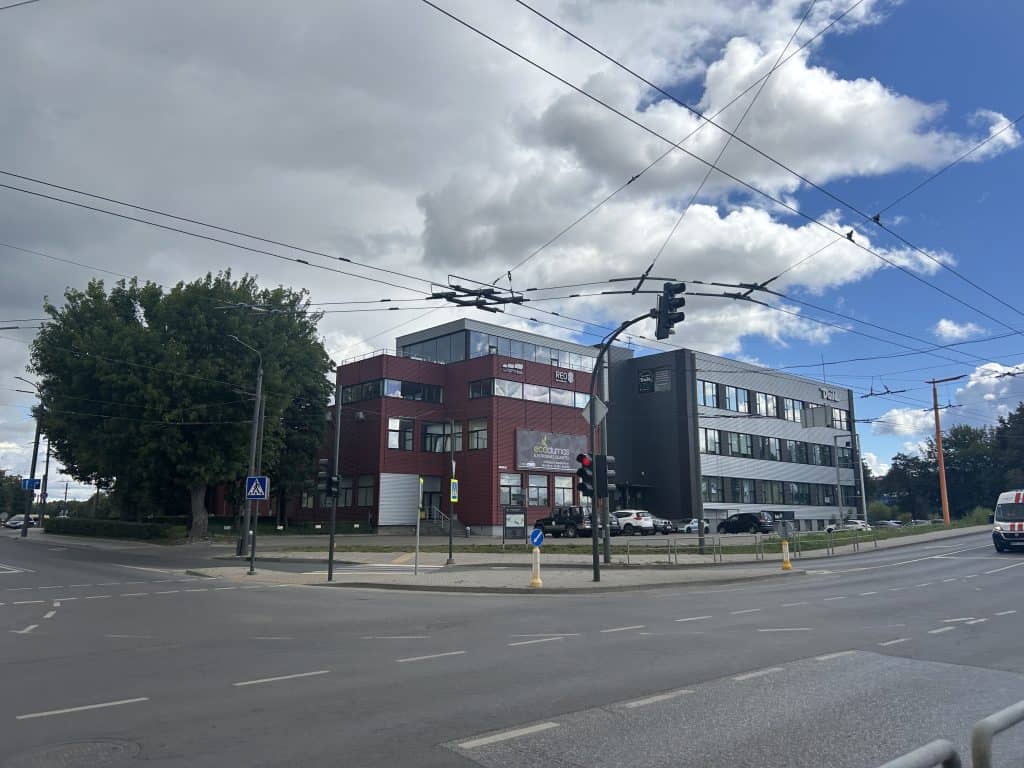
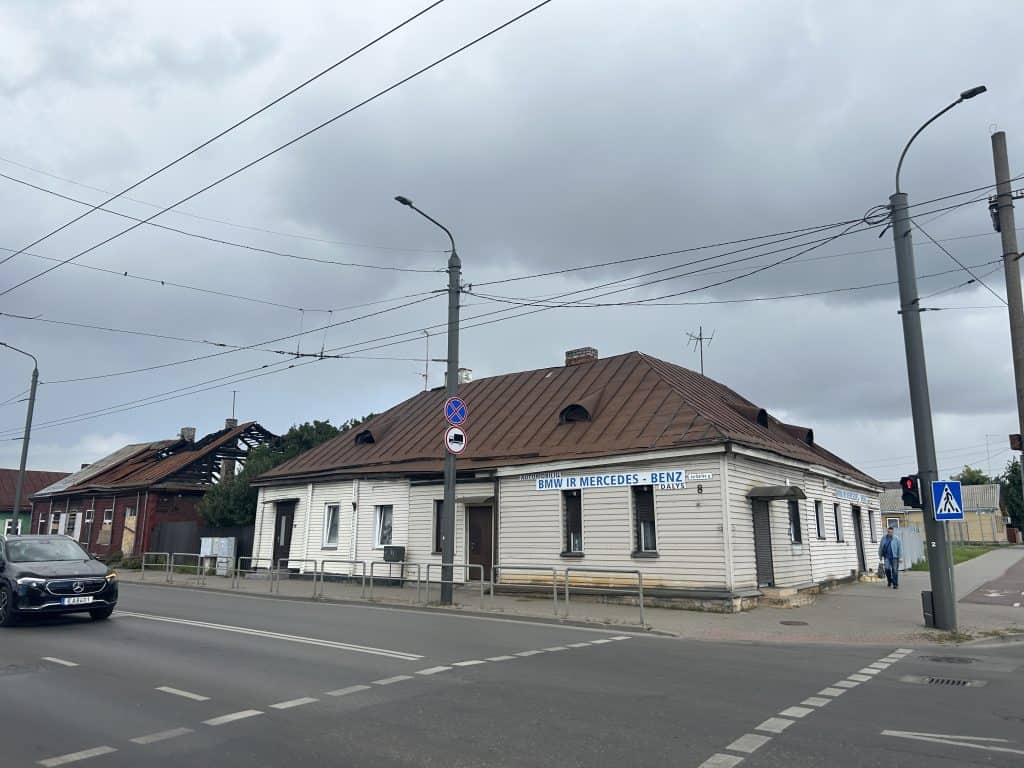
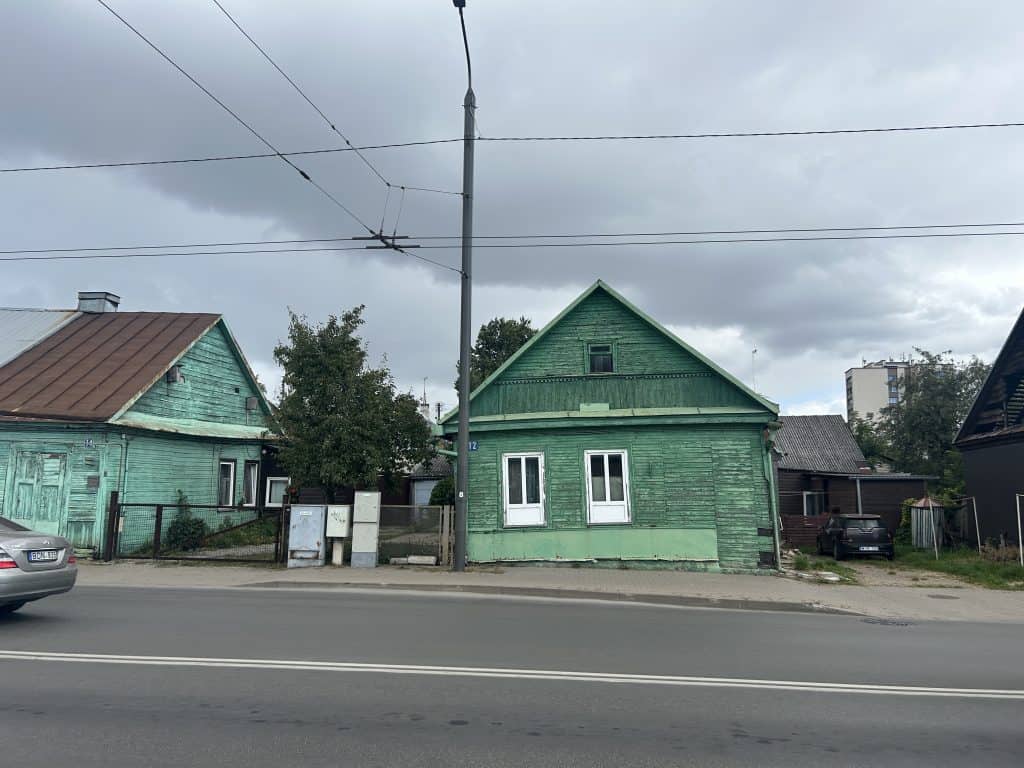
The sights in Vilijampolė are primarily focused on its significant Jewish heritage and its history during the Holocaust. The neighborhood does not have the same concentration of tourist attractions as the Old Town of Kaunas. However, for those interested in history, a visit to Vilijampolė is a powerful and moving experience. The main sights include the site of the former Slabodka Yeshiva and the various memorials that mark the location of the former Kaunas Ghetto.
Site of the Slobodka Yeshiva
The Slabodka Yeshiva was one of the most famous and important Jewish religious academies in the world. The historic yeshiva was located in Vilijampolė. While the original buildings of the yeshiva did not survive the destruction of World War II, a new building for the yeshiva was constructed in 1934. This building, which is located at Paneriai Street 51, still stands today. Although it is now used for other purposes, a memorial plaque on the wall commemorates the famous yeshiva and its tragic fate.
Kaunas Ghetto Memorials
The entire neighborhood of Vilijampolė was the site of the Kaunas Ghetto during World War II. While most of the original ghetto buildings were destroyed, there are several memorials in the area that commemorate the victims of the Holocaust. These memorials are located at key sites within the former ghetto, such as the site of the ghetto gate and the location of the Jewish hospital. A walk through the streets of Vilijampolė is a somber and powerful reminder of the tragic history that unfolded here.
How to Get to Vilijampolė?
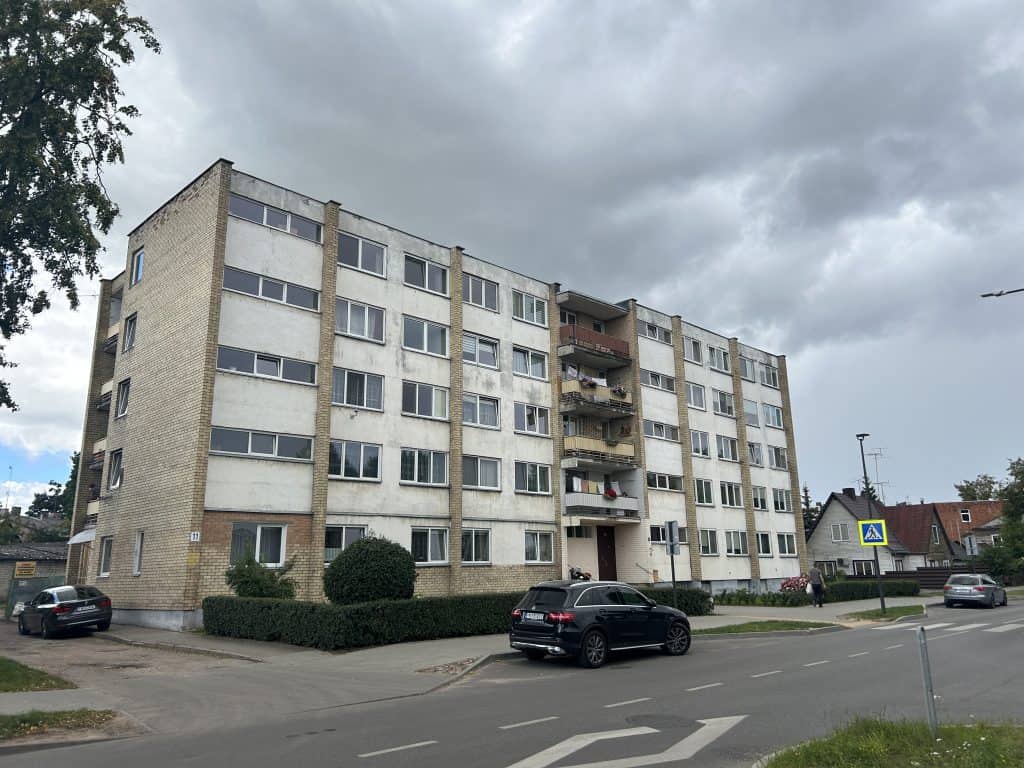
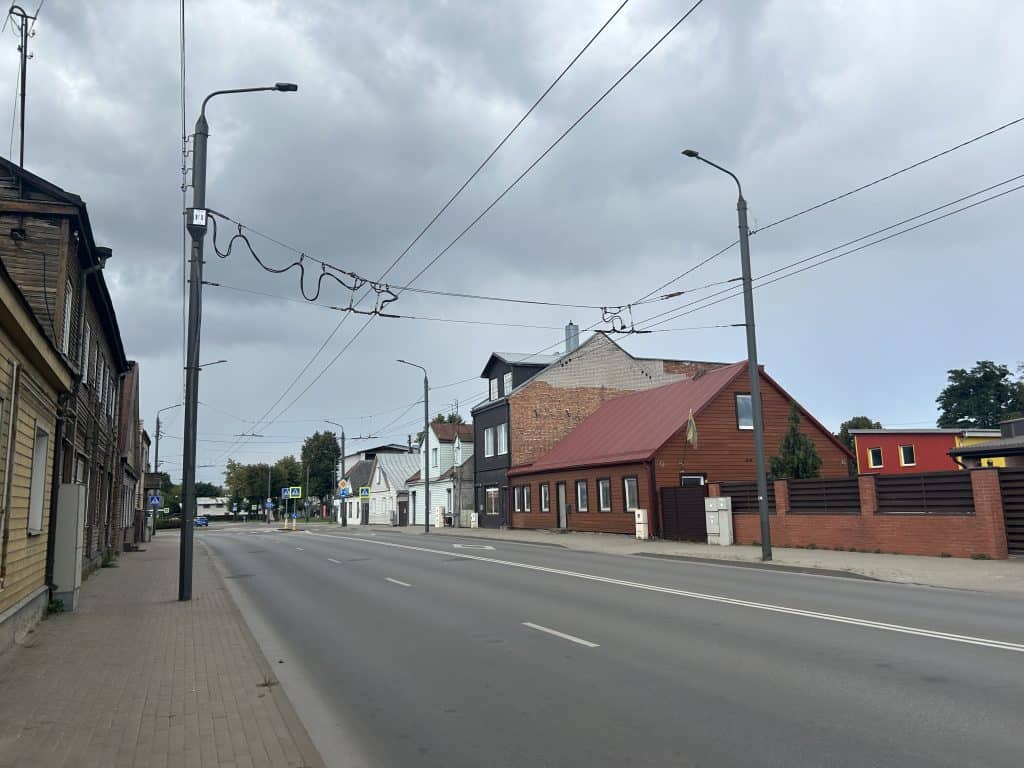
Vilijampolė is a central neighborhood in the city of Kaunas. The main gateway for international visitors is Kaunas International Airport (KUN), which is located in the nearby town of Karmėlava. From the main city center and the Old Town of Kaunas, the journey to Vilijampolė is very short and easy. The neighborhood is well-served by the city’s public transport system, and it is also easily accessible by car or on foot.
From the City Center
From the main city center and the Old Town of Kaunas, the easiest way to reach Vilijampolė is by crossing one of the two main bridges over the Neris River. The Petras Vileišis Bridge provides a direct connection to the Old Town. Numerous city bus and trolleybus routes run from the city center to the Vilijampolė neighborhood. The journey is very short, taking only about 5-10 minutes. It is also possible to walk from the Old Town, which takes about 20-30 minutes.
Driving into the Neighborhood
Driving to Vilijampolė is very straightforward. The neighborhood is located directly to the north of the main city center, across the Neris River. The main roads leading into the area are well-maintained and clearly signposted. A car provides flexibility for exploring the different parts of this large and varied district.
Driving Distances
The driving distance from 10 regional cities, according to Google Maps:
- Vilnius, Lithuania – 100 kilometers (1 h 10 min)
- Panevėžys, Lithuania – 110 kilometers (1 h 20 min)
- Suwałki, Poland – 125 kilometers (1 h 30 min)
- Šiauliai, Lithuania – 160 kilometers (2 h 10 min)
- Klaipėda, Lithuania – 215 kilometers (2 h 00 min)
- Kaliningrad, Russia – 250 kilometers (3 h 30 min)
- Riga, Latvia – 260 kilometers (3 h 30 min)
- Minsk, Belarus – 280 kilometers (3 h 20 min)
- Warsaw, Poland – 400 kilometers (4 h 10 min)
- Tallinn, Estonia – 570 kilometers (7 h 00 min)
Looking to Explore more of Lithuania and Europe?