
Groot Constantia | Exploring South Africa
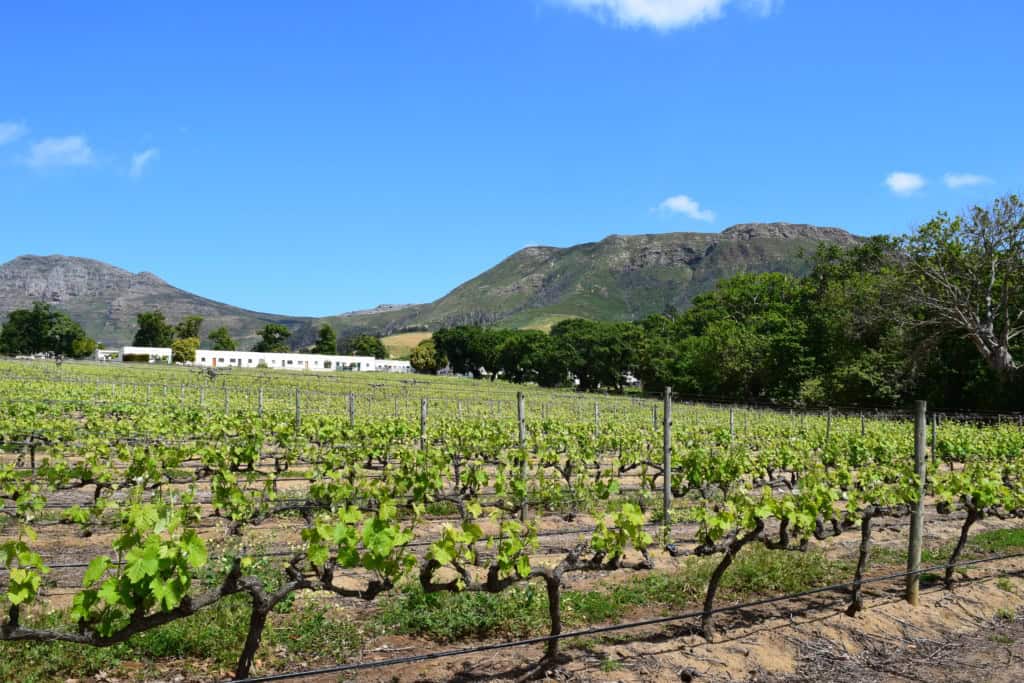
Groot Constantia is a historic wine estate located in the Constantia valley, in the suburbs of Cape Town, South Africa. It is the oldest wine-producing estate in the country. The estate is not a town but a major historical and cultural landmark, and it is a protected part of the Western Cape’s heritage. It is known for its well-preserved Cape Dutch architecture and its long history of producing high-quality wines.
The identity of Groot Constantia is defined by its role as the cradle of the South African wine industry. The estate was founded in the late 17th century, and its sweet dessert wine became famous throughout Europe in the 18th and 19th centuries. Today, it is a fully operational wine estate that is open to the public. It offers a combination of wine tasting, museum exhibits, and restaurants, and it provides a journey into the history of winemaking at the Cape.

History of Groot Constantia
The history of Groot Constantia is a story of a pioneering wine estate that has survived for over 300 years. The estate was founded in 1685, and its early history was shaped by its influential owners, who established its reputation for producing world-class wine. The estate has been a working farm for its entire history, and it has played a key role in the development of the South African wine industry. In the 20th century, the estate was saved from decline and is now managed by a non-profit trust that preserves its unique heritage.
The Founding by Simon van der Stel
The history of Groot Constantia began in 1685, and the estate was founded by Simon van der Stel. He was the first governor of the Dutch Cape Colony. He chose the location in the beautiful and fertile Constantia valley for his farm. Simon van der Stel named the estate “Constantia,” and he built the original manor house and began to plant vineyards. Under his ownership, the estate became a center for viticulture, and he was one of the first to produce wine on a large scale at the Cape.
The Cloete Era and International Fame
After van der Stel’s death, the estate was divided and sold. The main part of the estate, which is now Groot Constantia, was purchased by the Cloete family in 1778. It was under the ownership of the Cloete family that the estate’s famous sweet dessert wine, Grand Constance, became internationally renowned. The wine was sought after by the royalty and aristocracy of Europe, and it was even mentioned in the works of authors like Jane Austen and Charles Dickens. This period was the golden age of the estate, and it cemented its place in wine history.

Sights at Groot Constantia
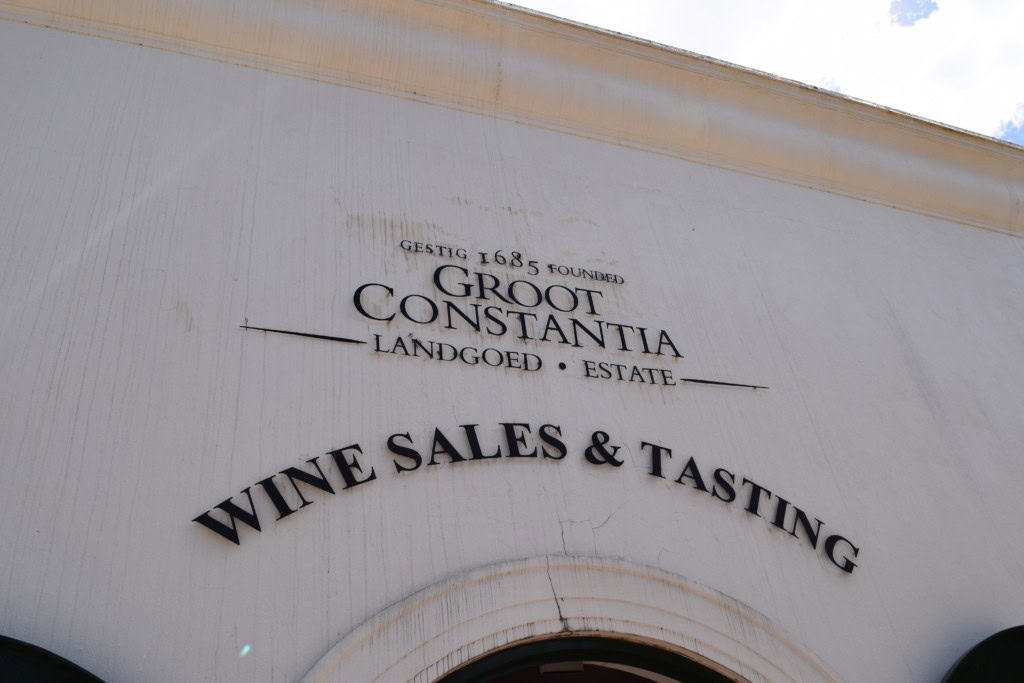
The sights at Groot Constantia are centered around its beautifully preserved historic core and its operational wine-making facilities. The main attraction is the magnificent Manor House, which is a prime example of Cape Dutch architecture and now serves as a museum. The historic Cloete Cellar is another key sight, and it houses a wine museum. A visit to the estate also includes a tour of the modern production cellar and a tasting of the estate’s award-winning wines.
The Manor House
The historic Manor House is the centerpiece of the Groot Constantia estate. The original house was built by Simon van der Stel, but it was rebuilt and enhanced in the classic Cape Dutch style by the Cloete family in the late 18th century. The house, with its distinctive white walls, ornate gables, and thatched roof, is a magnificent example of this unique architectural style. Today, the Manor House is a museum, and its interior is furnished with beautiful period furniture and art that shows the life of a wealthy Cape landowner.
The Cloete Cellar and Wine Museum
The historic Cloete Cellar is another of the most important buildings on the estate. This beautiful building was the original wine cellar where the famous Grand Constance wine was produced. The building is famous for the beautiful, ornate pediment above its entrance, which was created by the sculptor Anton Anreith. Today, the historic cellar houses a wine museum that showcases the history of winemaking on the estate. It has a collection of historic wine-making equipment and old bottles of the famous Constantia wine.
Getting Around in Groot Constantia
The Groot Constantia wine estate is a large but very walkable property. The main historic buildings, including the Manor House, the Cloete Cellar, and the restaurants, are all located in a central area that is easily explored on foot. For travel to the estate, which is located in a suburb of Cape Town, a car or the City Sightseeing hop-on-hop-off bus are the most convenient options.
Exploring by Foot
Once you have arrived at the estate, walking is the best way to explore. A self-guided tour, known as the Visitors Route, takes you through all the main historical buildings and includes a wine tasting. The beautiful grounds of the estate, with their ancient oak trees and rolling vineyards, are also a wonderful place for a leisurely stroll. The different parts of the estate are connected by pleasant, shaded paths.
Using the City Sightseeing Bus
A very convenient and popular option for tourists is the red City Sightseeing hop-on-hop-off bus. The Blue Mini Peninsula Tour route and the Purple Wine Tour route both have a dedicated stop directly at the Groot Constantia estate. This is a very easy and popular way for visitors to reach the site without needing their own transport. The bus provides an audio guide with information about the city’s sights along the way.
How to Get to Groot Constantia?
Groot Constantia is located in the Constantia valley, a suburb of Cape Town. It is approximately 15 kilometers from the city center. The main gateway for international visitors is Cape Town International Airport (CPT). From the airport and the central city, the estate is easily accessible by car, by the City Sightseeing tourist bus, or by a combination of public transport and a short walk or taxi ride.
Driving to the Estate
Driving to Groot Constantia is straightforward. From the city center of Cape Town, you would take the M3 highway south in the direction of Muizenberg. You then take the exit for the M41 towards Constantia. The estate is well-signposted from the main roads. There is a large, free parking area located at the entrance to the estate.
Connecting by Bus
The City Sightseeing hop-on-hop-off bus is the most direct public transport option. For standard public buses, you would need to take a bus from the center of Cape Town to the southern suburbs of Wynberg or Constantia Nek. From there, it is a relatively long walk or a short taxi ride to the estate itself.
Driving Distances
The driving distance from 20 regional cities, according to Google Maps:
- Cape Town, South Africa – 15 kilometers (0 h 25 min)
- Stellenbosch, South Africa – 40 kilometers (0 h 40 min)
- Paarl, South Africa – 60 kilometers (0 h 50 min)
- Hermanus, South Africa – 115 kilometers (1 h 30 min)
- Swellendam, South Africa – 210 kilometers (2 h 15 min)
- Cape Agulhas, South Africa – 215 kilometers (2 h 35 min)
- Mossel Bay, South Africa – 385 kilometers (3 h 55 min)
- Oudtshoorn, South Africa – 415 kilometers (4 h 25 min)
- George, South Africa – 425 kilometers (4 h 25 min)
- Beaufort West, South Africa – 455 kilometers (4 h 40 min)
- Plettenberg Bay, South Africa – 515 kilometers (5 h 15 min)
- Springbok, South Africa – 555 kilometers (5 h 25 min)
- Graaff-Reinet, South Africa – 665 kilometers (6 h 40 min)
- Gqeberha, South Africa – 745 kilometers (7 h 25 min)
- Upington, South Africa – 795 kilometers (7 h 55 min)
- Kimberley, South Africa – 945 kilometers (9 h 25 min)
- Bloemfontein, South Africa – 995 kilometers (9 h 55 min)
- East London, South Africa – 1045 kilometers (10 h 25 min)
- Johannesburg, South Africa – 1395 kilometers (13 h 25 min)
- Pretoria, South Africa – 1445 kilometers (13 h 55 min)
Looking to Explore more of South Africa and Africa?