Tongeren, Flanders | Exploring Belgium
Tongeren, recognized as Belgium’s oldest city, is located in the province of Limburg, in the Flemish Region. The historic city sits along the River Jeker. It holds a position as a gateway to the broader Haspengouw region, an area known for its rolling hills and fruit orchards. With a population of approximately 31,000 residents, Tongeren’s compact size makes it highly walkable. It is situated near major cities like Hasselt and Liège, and also close to Maastricht in the Netherlands.
The character of Tongeren is defined by its extensive history, which dates back to the Roman era. The city’s layout and architecture reflect its long past as a Roman administrative center, a medieval trade hub, and a religious center. Its preserved Roman walls, medieval fortifications, and a large basilica are key features. Today, Tongeren combines its function as a major historical and tourist destination with its role as a regional center for commerce and services.


A Short History of Tongeren
The history of Tongeren spans over two millennia, giving it the prestigious title of Belgium’s oldest city. Its development was shaped by its strategic importance during the Roman Empire and its subsequent role as an early center of Christianity in the region. The city has endured numerous invasions and transitions, yet it has preserved significant elements from its long past. This rich history is evident today in its archaeological sites and its collection of historic buildings.
The Roman City of Aduatuca Tungrorum
The history of Tongeren began as the Roman settlement of Aduatuca Tungrorum in the 1st century BC. This was originally a military encampment established after the campaigns of Julius Caesar. It quickly grew into a significant Roman administrative and military center, serving as the capital of the Roman province of Germania Inferior. The city was a crucial stronghold on the important Roman road that connected Cologne and Bavay. Evidence of its Roman past is abundant, including impressive sections of the original Roman wall, which was built in the 2nd century AD.
Medieval Growth and Religious Importance
Following the decline of the Roman period, Tongeren endured numerous invasions by Germanic tribes. Despite this, it became an important early Christian center. According to tradition, the city’s first church was founded in the 4th century. The city later flourished as a medieval trade hub, surrounded by a strong defensive wall constructed in the 13th century. The construction of the current Basilica of Our Lady also began in the 13th century, solidifying its religious importance as a major chapter of the Prince-Bishopric of Liège.
Conflicts and Modern Preservation
Tongeren’s strategic location meant it was often involved in regional conflicts. The city was destroyed by the Normans in 881 and faced sieges and fires in later centuries, including a major fire in 1677. Despite these challenging periods, the city continuously rebuilt and preserved its unique heritage. Following Belgian independence in 1830, Tongeren became an important legal and educational center for the region. Today, it is known for its well-preserved historical sites and its major antique market.


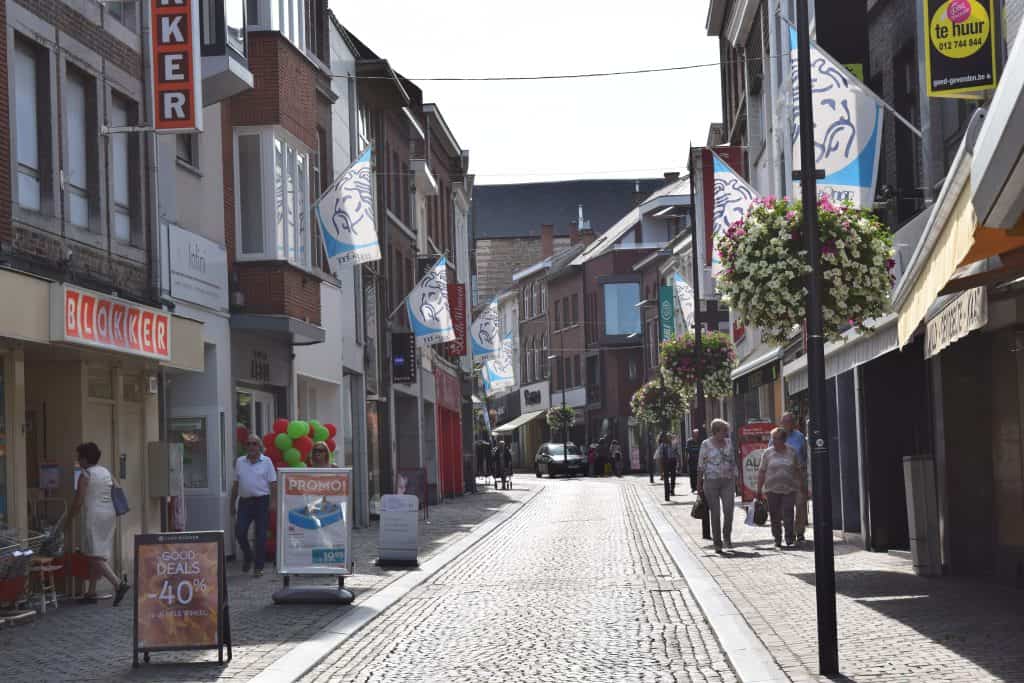


Things to Do and See
Tongeren offers a range of attractions that invite visitors to explore its long history. Its rich past is palpable through its Roman and medieval fortifications, its world-class museum dedicated to its Gallo-Roman past, and its major religious sites. The city’s main landmarks are concentrated within its historic core, making them easy to explore on foot.
Gallo-Roman Museum
The Gallo-Roman Museum is a major institution that showcases Tongeren’s extensive Roman and prehistoric past. The museum houses a large collection of artifacts, including tools, pottery, jewelry, and statues. These items provide deep insights into daily life in ancient Aduatuca Tungrorum. The museum’s modern, interactive displays have won awards, including the European Museum of the Year Award in 2011. It is considered one of Belgium’s premier archaeological museums.
Basilica of Our Lady
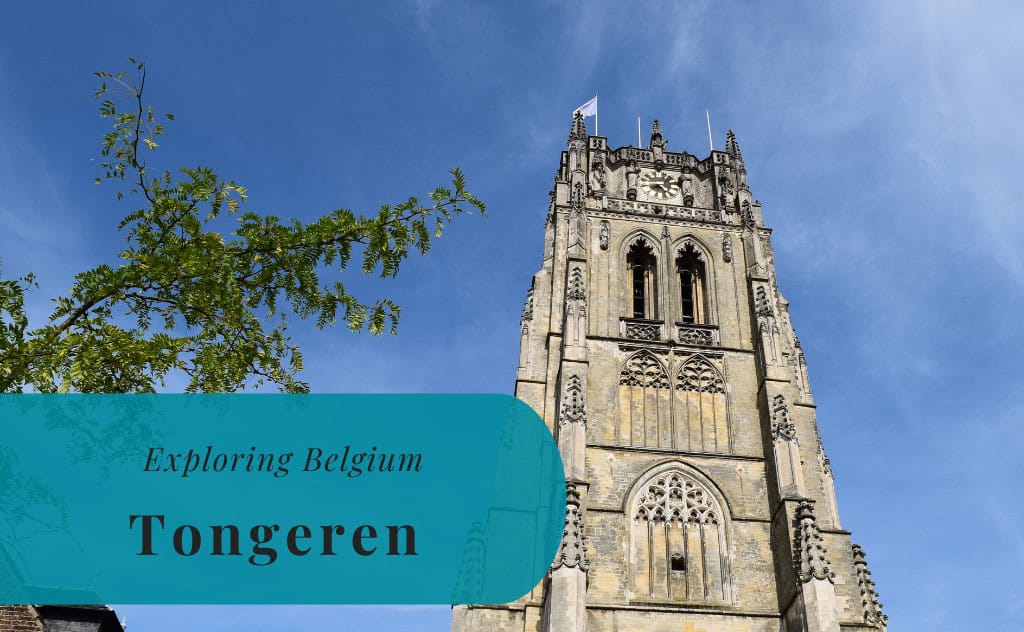
The Basilica of Our Lady (Onze-Lieve-Vrouwe Basiliek) dominates Tongeren’s skyline. Construction on the current Gothic building began in the 13th century on the site of earlier Roman and Merovingian structures. It features impressive architecture, stained-glass windows, and a rich collection of religious art in its treasury. The basilica is particularly famous for housing the venerated statue of Our Lady of Tongeren, which has made it a site of pilgrimage since the Middle Ages. Its belfry is a designated UNESCO World Heritage site.
Tongeren Belfry
The Tongeren Belfry is located adjoining the Basilica of Our Lady. It is one of 56 belfries in Belgium and France collectively designated as a UNESCO World Heritage site. The current tower was constructed in the 16th century. Historically, belfries were symbols of civic power and independence, separate from the religious authority of the church. This tower served as a watchtower for the city guard and housed the official city bells. The belfry contains a carillon with 49 bells that are still played regularly.
City Walls
Tongeren’s ancient past is tangible through its well-preserved fortifications. Remnants of the original Roman Wall, built in the 2nd century AD, are visible in several parts of the city. These massive stone structures offer a direct link to Aduatuca Tungrorum. Later, a new medieval wall was constructed in the 13th century, encircling a larger area of the expanding city. Sections of both walls can be explored, providing a unique walk through different historical periods of urban defense.
Begijnhof (Beguinage)
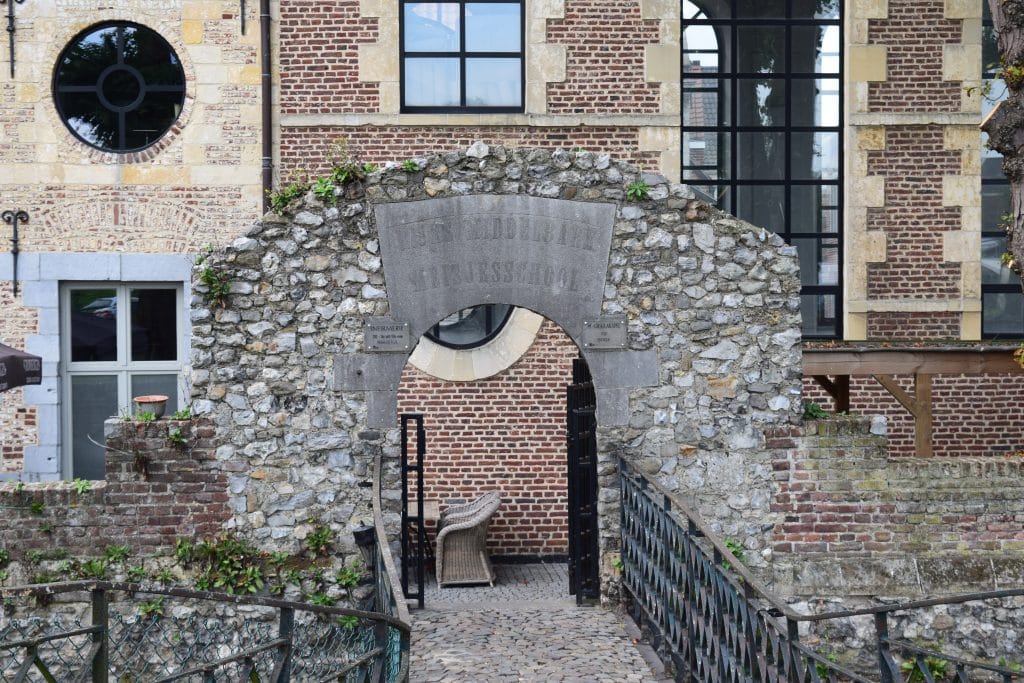
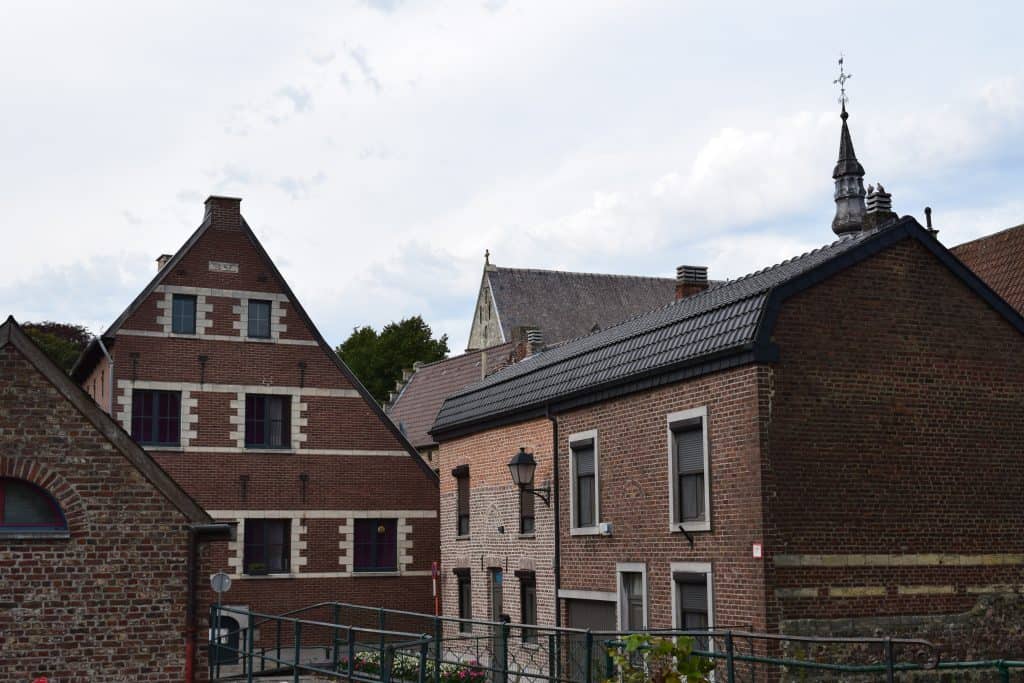
The Tongeren Begijnhof (Begijnhof van Tongeren) is a historic complex located in the city center. It was founded in 1257 to house Beguines, who were lay religious women living in a community without taking formal vows. The current site, which is also part of a collective UNESCO World Heritage site, is a walled-in area that provided a safe and quiet environment. It consists of small, traditional houses arranged around a central church, the St. Agnes Beguinage Church. A walk through its cobblestone streets and courtyards provides a direct look into this specific form of medieval and early modern female communal life.
The Ambiorix Statue
In the heart of Tongeren’s main market square stands the Ambiorix Statue. The monument commemorates the chieftain of the Eburones, a local Gallic tribe, who led a famous rebellion against Julius Caesar’s legions in 54 BC. The large bronze statue was sculpted by Jules Bertin and unveiled in 1866. It portrays Ambiorix as a heroic figure and has become a symbol of the city. It represents local pride and Tongeren’s direct connection to its pre-Roman origins.
Sports in Tongeren
The sporting life in Tongeren is focused on its local community clubs, with a particularly strong tradition in handball. The city also supports a local football club. The surrounding Haspengouw region provides many opportunities for recreational cycling.
Handball
Handball holds an exceptionally strong and successful presence in Tongeren. The city’s main club has a long history of competing at the highest level of Belgian handball. The sport has a dedicated local following. Home games are major events that draw large crowds to the main sports hall in the city.
United HC Tongeren
The city’s most prominent sports team is the handball club United HC Tongeren. The club was formed from a merger of several local teams. They have a long history of success, having won the Belgian national championship multiple times. They have also won the Belgian Cup. The team competes in the top tier of Belgian handball and has participated in European competitions.
Football
Football is a popular sport in the city, with a club that has a long history and is a key part of the local community. The club provides a platform for local players and has an extensive youth development system. The team’s matches are a focus of local sporting interest.
K.S.K. Tongeren
The local football club is K.S.K. Tongeren. The club has a long history, having been founded in the early 20th century. They have experienced periods of competing at higher levels of the Belgian football league system, including seasons in the top division. They play their home games at a local stadium in the city. The club is an important institution for community sports.



Getting Around in Tongeren
Navigating Tongeren is straightforward due to its compact size. The historic city center, enclosed by the old ring road, is highly walkable. This makes it easy for visitors to explore the main sights on foot.
On Foot: The Historic Center
Walking is the best way to explore Tongeren. All the main sights, including the Basilica, the Gallo-Roman Museum, and the main market square, are located within a short walking distance of each other. The city has a “step-by-step” walking route marked by nails in the pavement that guides visitors past the main landmarks. Comfortable shoes are recommended for the cobblestone streets.
Local Buses
Tongeren is served by a local and regional bus network operated by De Lijn. These buses connect the city center with the surrounding villages and nearby cities like Hasselt and Liège. The bus station is located next to the main train station, creating an integrated transport hub. The buses are the primary mode of public transport for traveling within the wider region.
How to Get to Tongeren
Reaching Tongeren is convenient by road and rail. Its location in the province of Limburg makes it accessible from major cities in Belgium, the Netherlands, and Germany.
Arriving by Air: Nearby Gateways
Tongeren does not have its own airport. The closest international airport is Maastricht Aachen Airport (MST) in the Netherlands, located approximately 25 kilometers away. Other nearby options include Liège Airport (LGG), about 35 kilometers away, and Brussels Airport (BRU), which is Belgium’s main international hub, located about 80 kilometers away. From any of these airports, the journey to Tongeren must be completed by train, bus, or rental car.
The Open Road: Driving the Motorways
Driving to Tongeren offers flexibility for exploring the Haspengouw region. The city is located near the E313 motorway, which connects Antwerp and Liège. The E40 motorway, connecting Brussels and Cologne, also passes nearby. From Brussels, the drive is approximately 90 kilometers and takes about one hour. Parking facilities are available in public car parks just outside the historic center.
Connecting by Coach
Direct long-distance international bus services to Tongeren are limited. Travel by coach typically involves taking a service from a company like FlixBus to a larger nearby city, such as Liège, Hasselt, or Maastricht. From these cities, travelers would then need to transfer to a regional bus service operated by De Lijn to complete the journey to Tongeren.
On Track: A Regional Rail Link
Traveling to Tongeren by train is an efficient option. The Tongeren railway station is located just outside the old city walls, a short walk from the center. The Belgian National Railway Company (SNCB/NMBS) operates frequent services. There are direct hourly trains to major Belgian cities like Antwerp and Hasselt. Connections to Brussels and Liège are also frequent but usually require a transfer at a major hub.
Driving Distances
The driving distance from 10 regional cities, according to Google Maps:
- Liège, Belgium – 22 kilometers (0 h 30 min)
- Maastricht, Netherlands – 24 kilometers (0 h 30 min)
- Hasselt, Belgium – 20 kilometers (0 h 30 min)
- Aachen, Germany – 50 kilometers (0 h 50 min)
- Brussels, Belgium – 90 kilometers (1 h 10 min)
- Antwerp, Belgium – 95 kilometers (1 h 10 min)
- Cologne, Germany – 125 kilometers (1 h 30 min)
- Ghent, Belgium – 146 kilometers (1 h 40 min)
- Luxembourg City, Luxembourg – 156 kilometers (1 h 50 min)
- Lille, France – 246 kilometers (2 h 40 min)
Looking to Explore more of Belgium and Europe?