Dénia | Exploring Spain
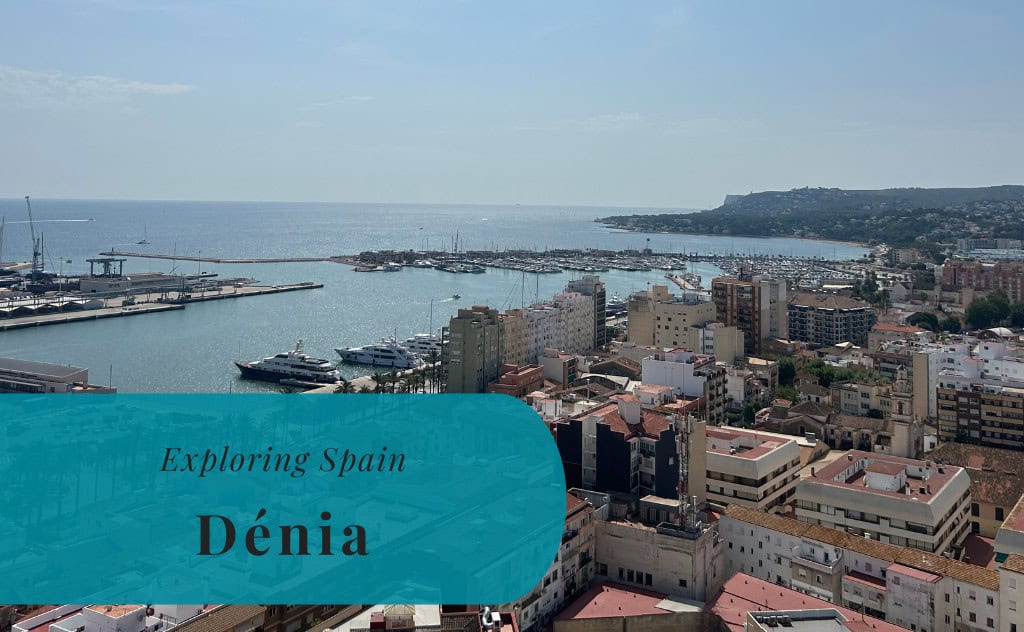
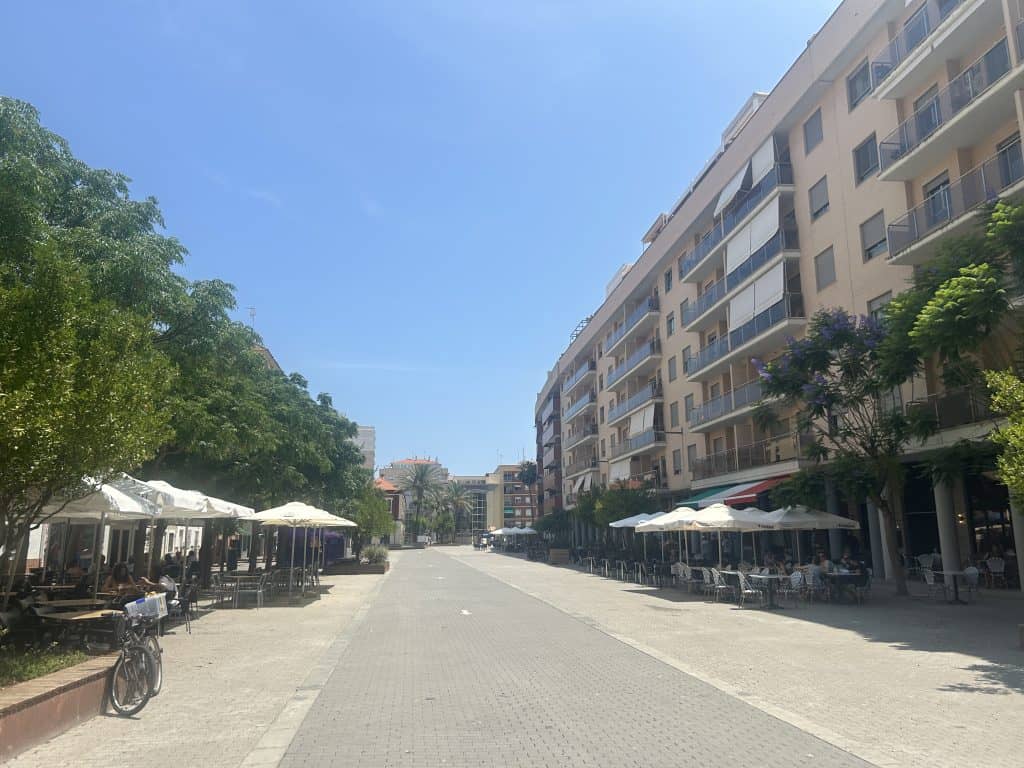
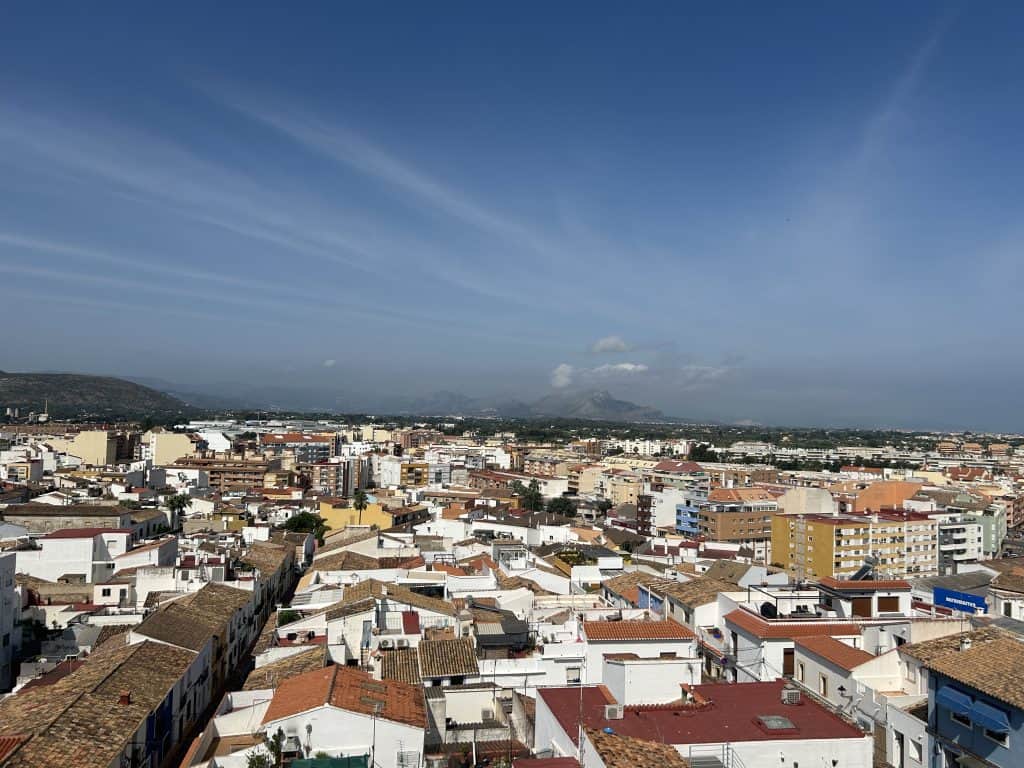
Dénia is a city on the eastern coast of Spain, located in the province of Alicante within the Valencian Community. The city is situated on the Mediterranean coast along the Costa Blanca, positioned midway between the larger cities of Alicante and Valencia. According to 2023 data, the municipality has a population of approximately 45,000 residents. The city is a historically important port and is overlooked by a large castle fortress that has been a strategic point for millennia. This location has made it a desirable and contested area throughout its history.
The city’s character is defined by its four distinct areas: the old town (casco antiguo), the port, the tourist-focused Las Marinas area, and the rocky Las Rotas coastline. It functions as a significant commercial center for the region, a busy fishing port, and a popular tourist destination. Its geography is marked by the presence of the Montgó Massif, which shelters the city from southerly winds and is a protected natural park. This combination of a working Spanish town, a historical center, and modern tourist infrastructure gives Dénia a varied character. It has also been recognized by UNESCO as a “Creative City of Gastronomy”.


A Short History of Dénia
The history of Dénia spans over two millennia, reflecting its strategic importance as a port city on the Mediterranean. It has been shaped by Iberian, Roman, Muslim, and Christian cultures, each leaving a distinct mark on the town. Its past as a Roman naval base, a flourishing Taifa kingdom, and a major center for agricultural trade has defined its development. This long and varied history is visible today in its castle, its old town, and its museums. The city’s journey through these different eras has created the unique cultural landscape that exists today.
Roman Origins and Muslim Rule
While early Iberian settlements existed in the area, the city’s formal history began as the Roman town of Dianium. The Romans recognized its value as a natural port and established a naval station here, which was an important point on the shipping routes of the ancient Mediterranean. After the fall of the Roman Empire, the city came under the influence of various powers, including the Visigoths. In the early 8th century, it was conquered by Muslim forces. It later flourished as the capital of its own emirate, the Taifa of Dénia, in the 11th century. During this period, the large castle fortress that still dominates the city was constructed, solidifying its role as a regional power.
The Kingdom of Valencia and Raisin Trade
In 1244, Christian forces under King James I of Aragon conquered Dénia, incorporating it into the newly formed Kingdom of Valencia. For centuries, it remained a key fortified port on the coast, playing a role in various conflicts and trade networks. The city’s economy during this time was primarily based on agriculture and fishing. From the 18th century onwards, Dénia experienced a period of major economic growth due to the raisin trade. The city became a leading international exporter of raisins, which brought significant wealth and led to the establishment of a large British merchant community.
Modern Development and Tourism
The prosperity from the raisin trade declined in the early 20th century, primarily due to a phylloxera pest that destroyed the vineyards across Europe. Following this decline, the city’s economy transitioned towards other industries, including fishing and toy manufacturing. From the 1960s onwards, Dénia developed into a major tourist destination on the Costa Blanca, driven by its climate and beaches. Today, its economy is based on a mix of tourism, services, and its function as a commercial port. The port also provides important ferry connections to the Balearic Islands.


Things to Do and See
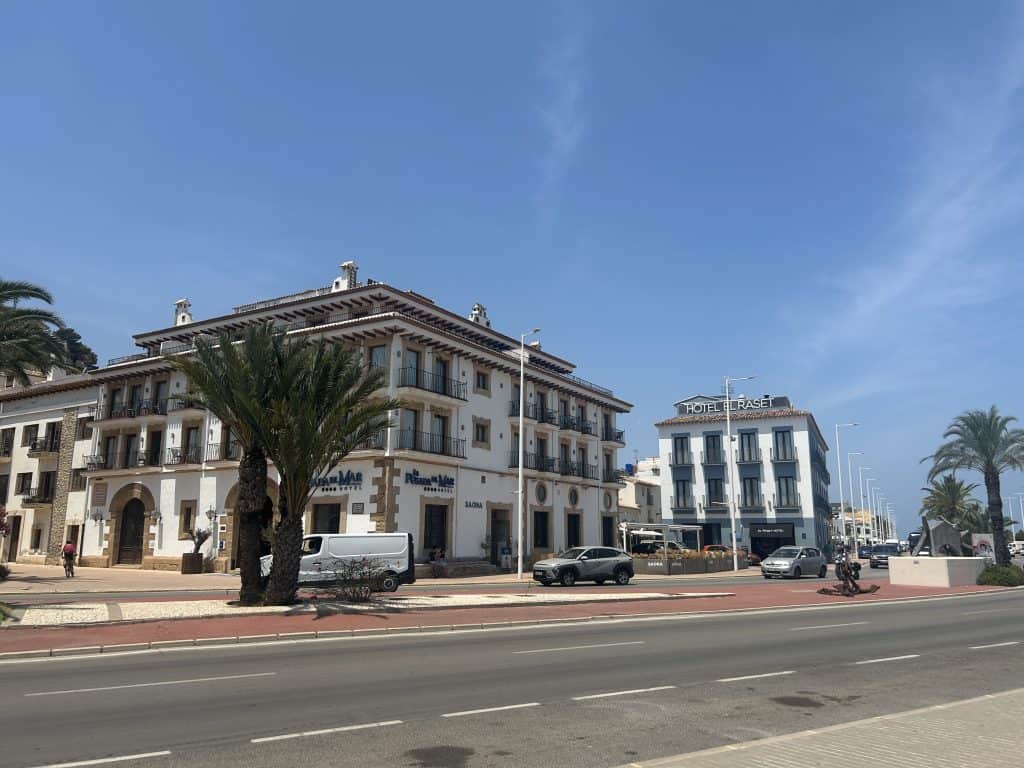
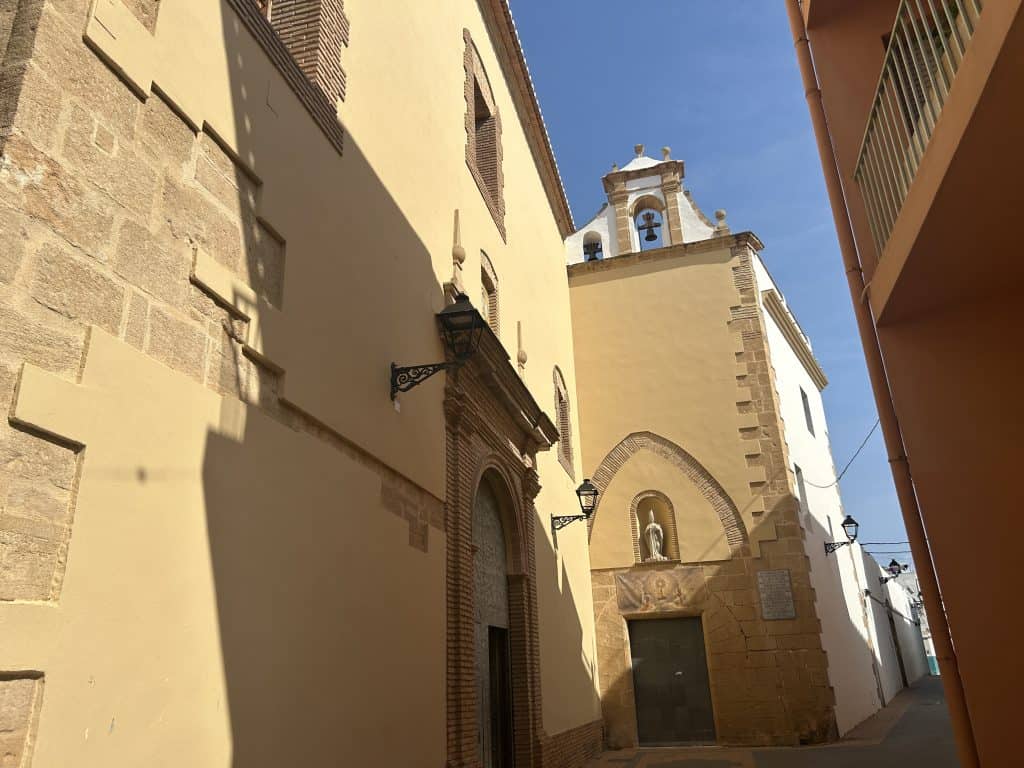
Dénia’s sights are a reflection of its history as a fortress port and its natural coastal setting. The main points of interest are concentrated in the old town and along the coastline, all under the watch of the city’s castle. The city offers a range of historical monuments, museums, and natural parks for visitors to explore. These attractions provide insight into the different eras that have shaped the city. This includes its Roman past, its period as a Moorish Taifa, and its 19th-century economic boom.
Dénia Castle
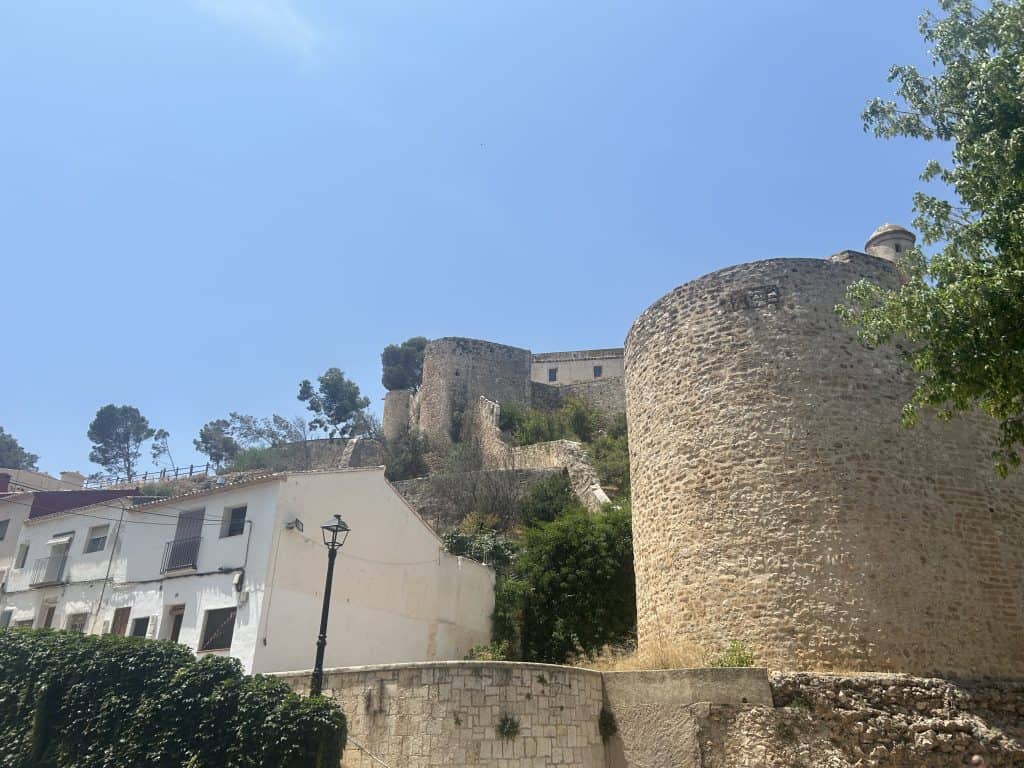
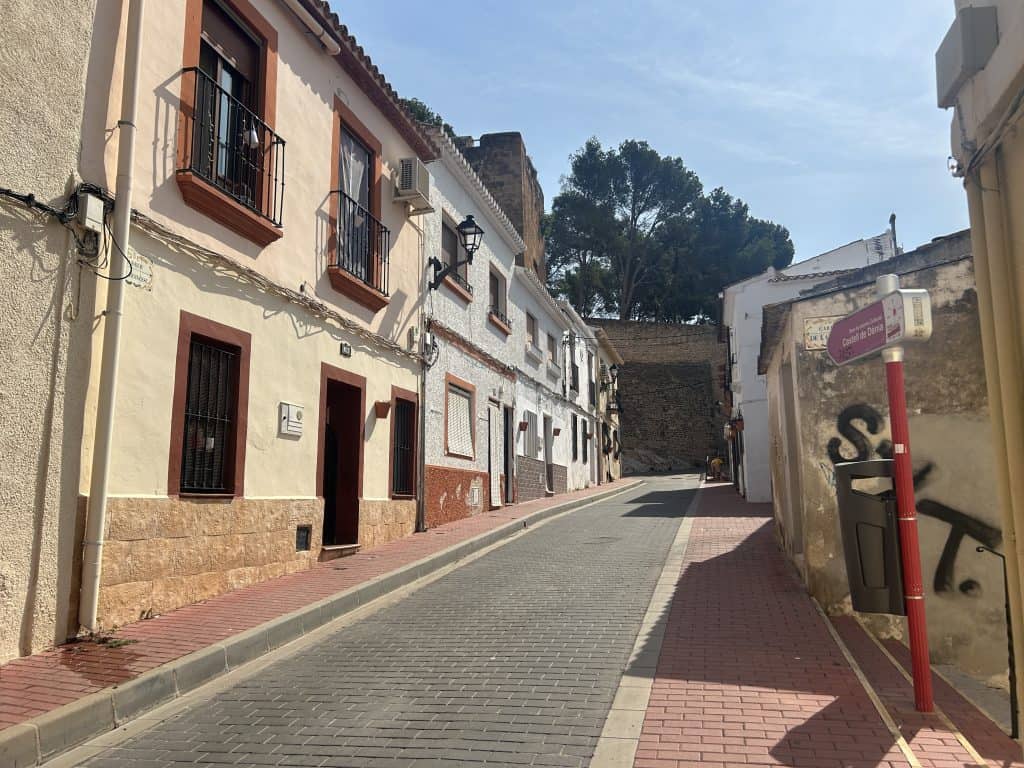
The Dénia Castle (Castell de Dénia) is the city’s primary historical landmark. The fortress, which is of Islamic origin from the 11th and 12th centuries, sits on a hill overlooking the port and the old town. The structure has been modified many times over the centuries by its various inhabitants. Inside its walls is the Archaeological Museum, which details the history of the city from its Iberian origins to the 18th century. The grounds of the castle offer panoramic views of the city, the sea, and the Montgó mountain. It is the most recognizable feature of the city’s skyline.
Les Roques Neighborhood
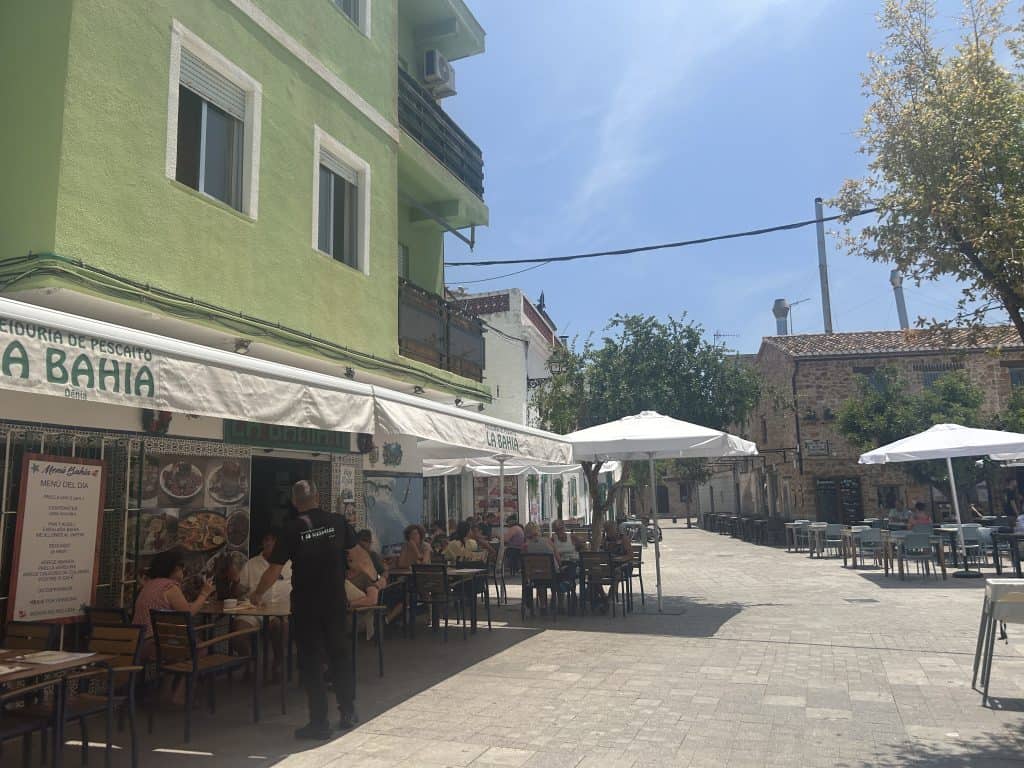
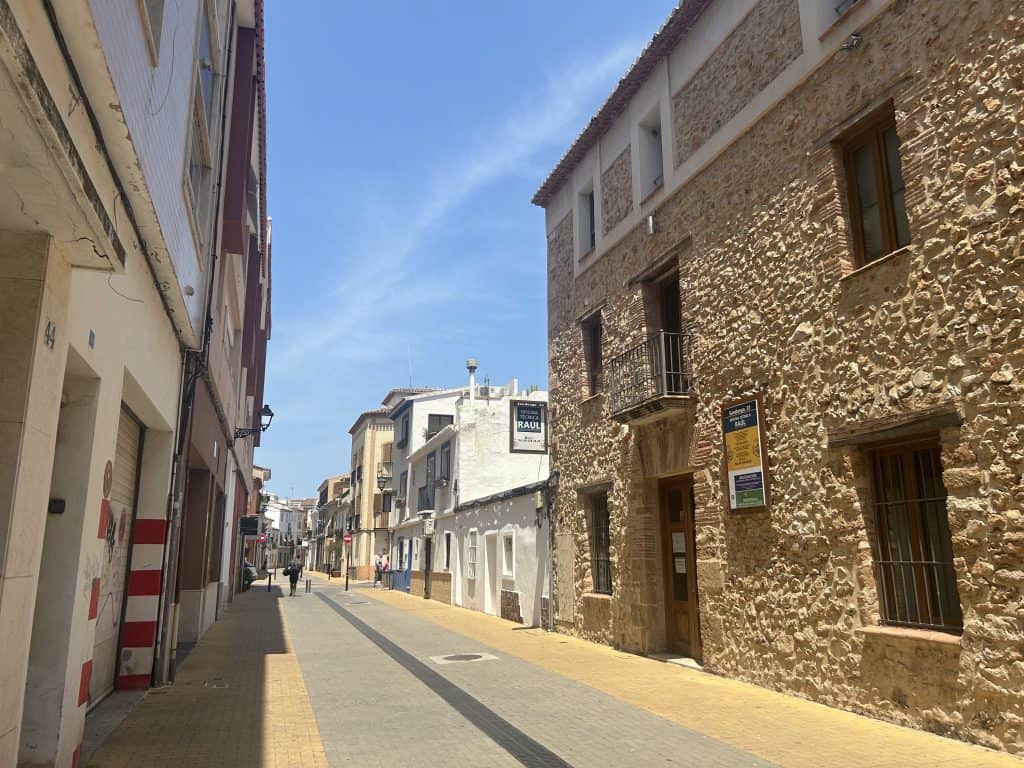
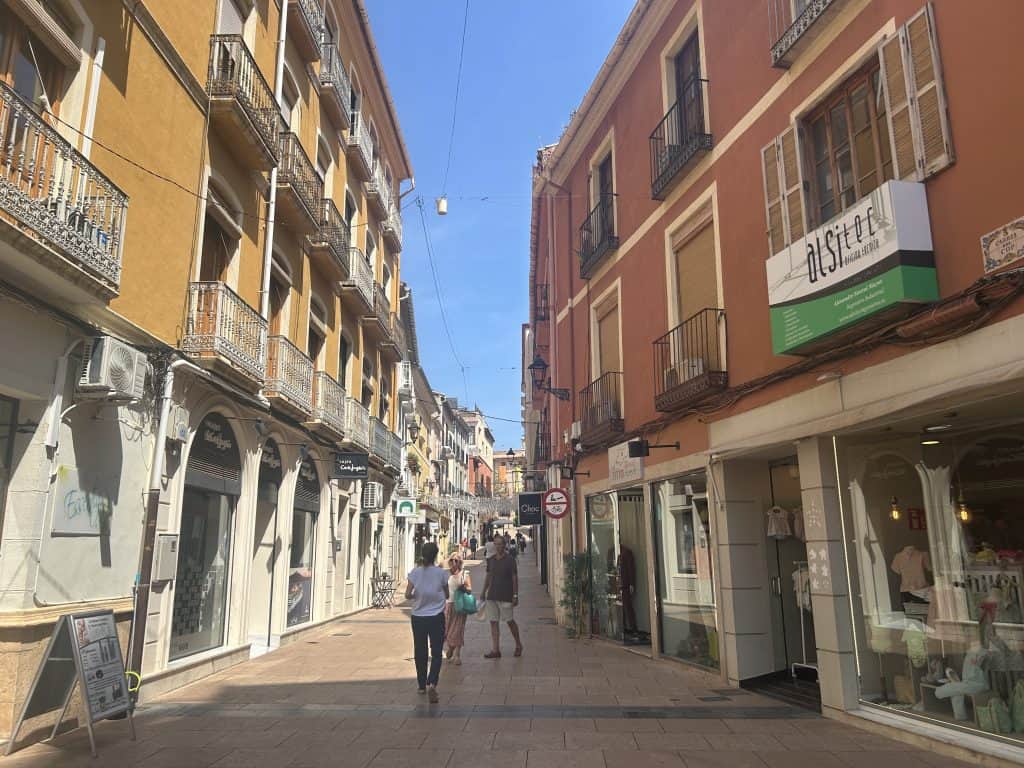
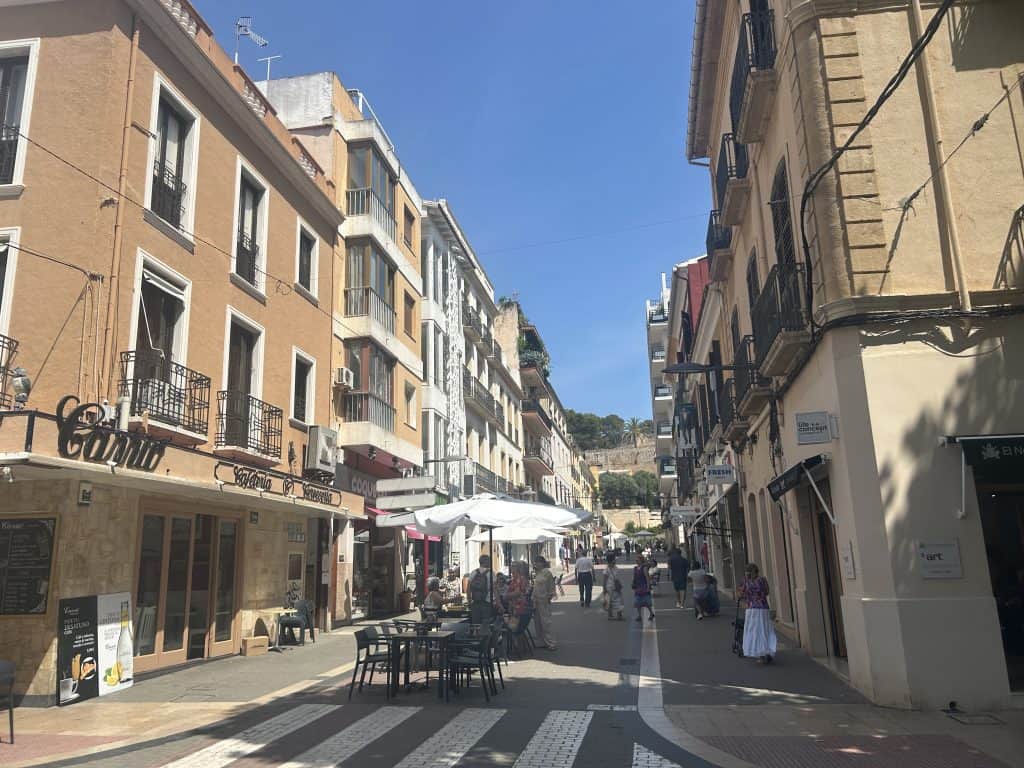
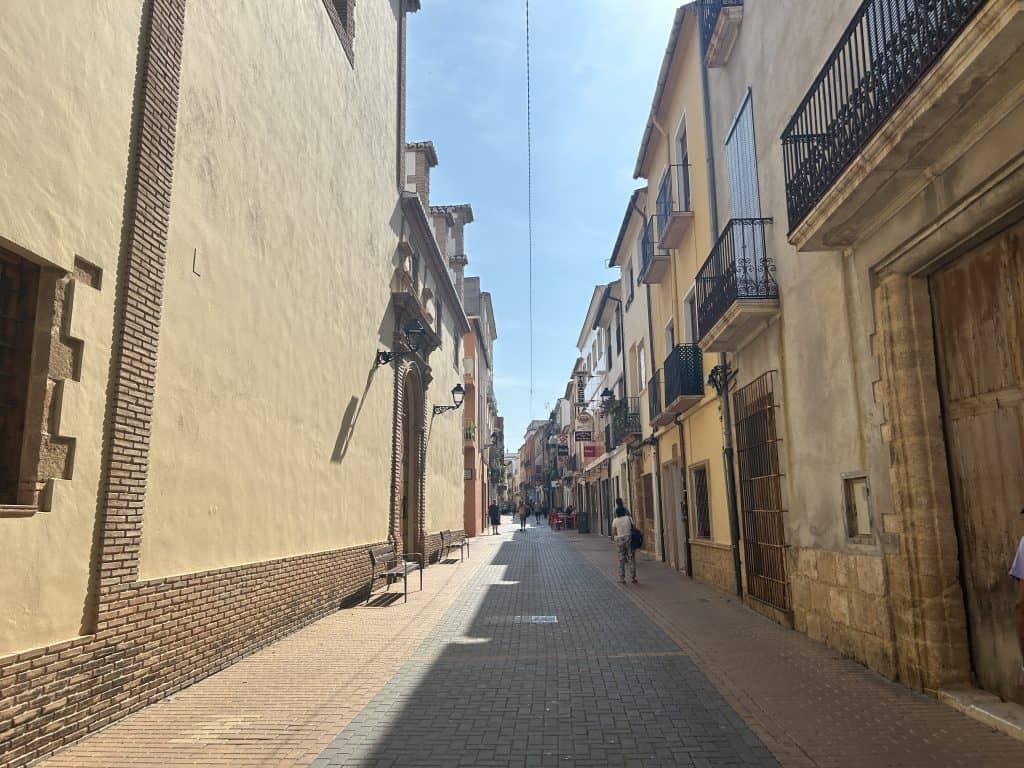
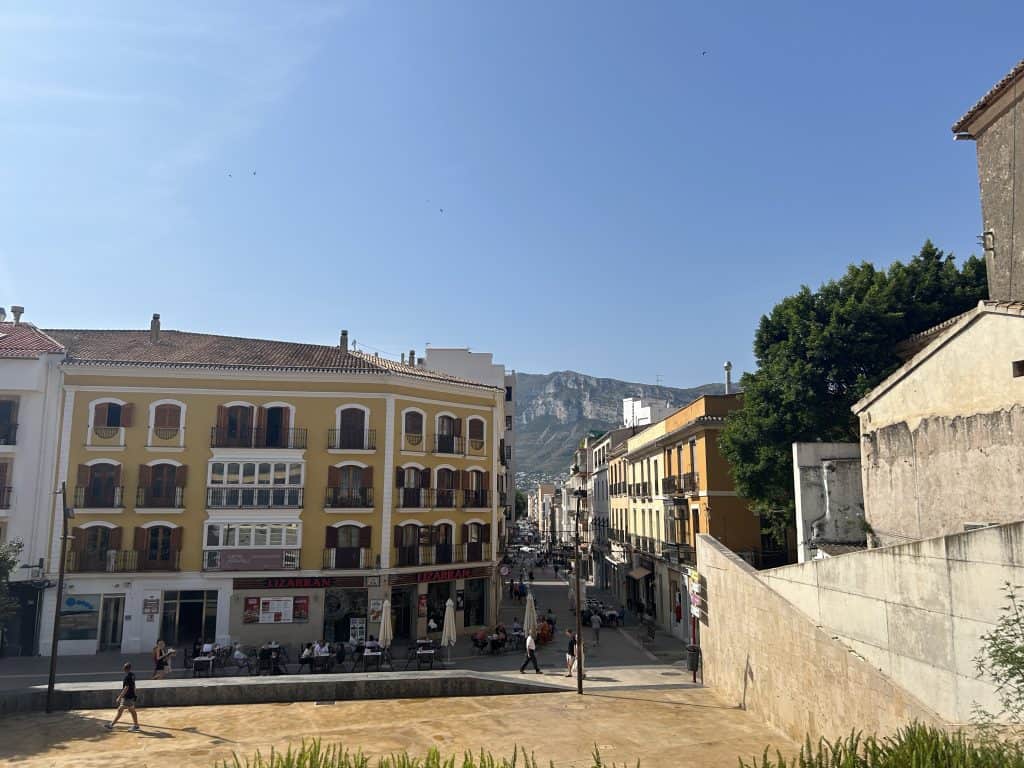
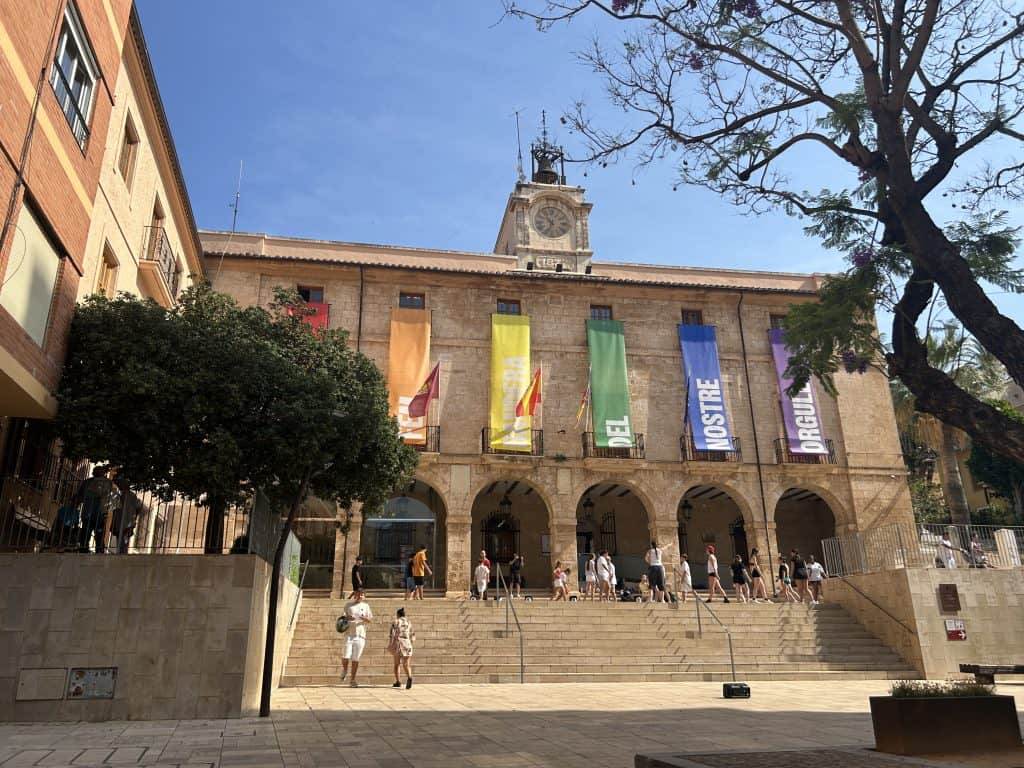
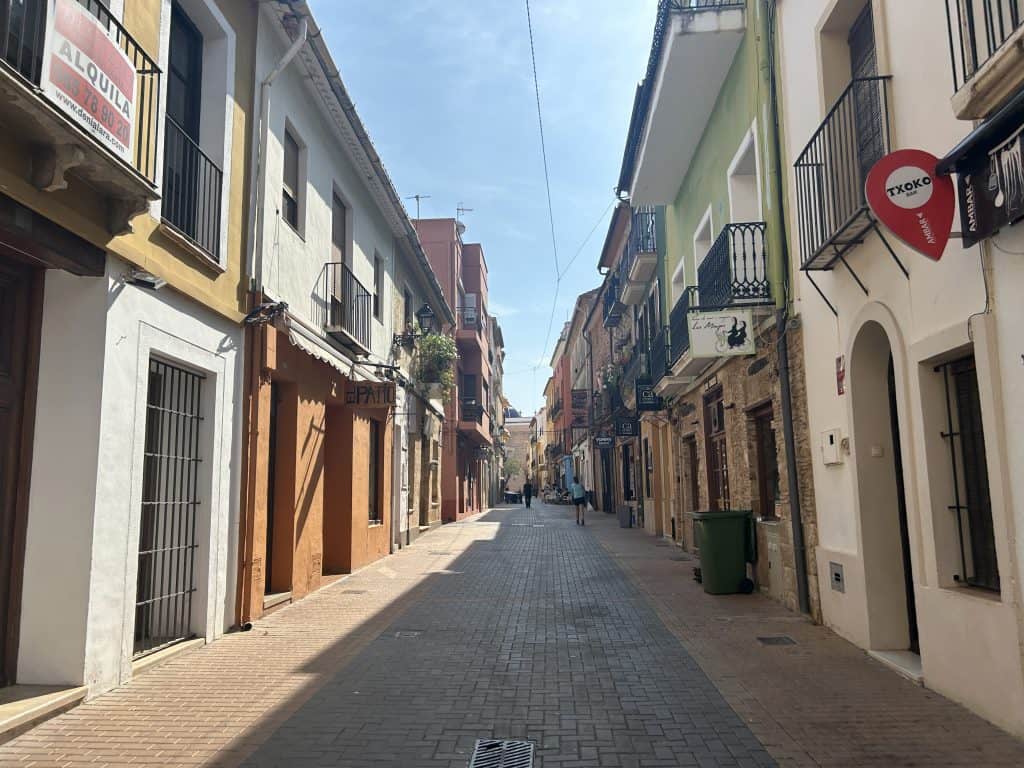
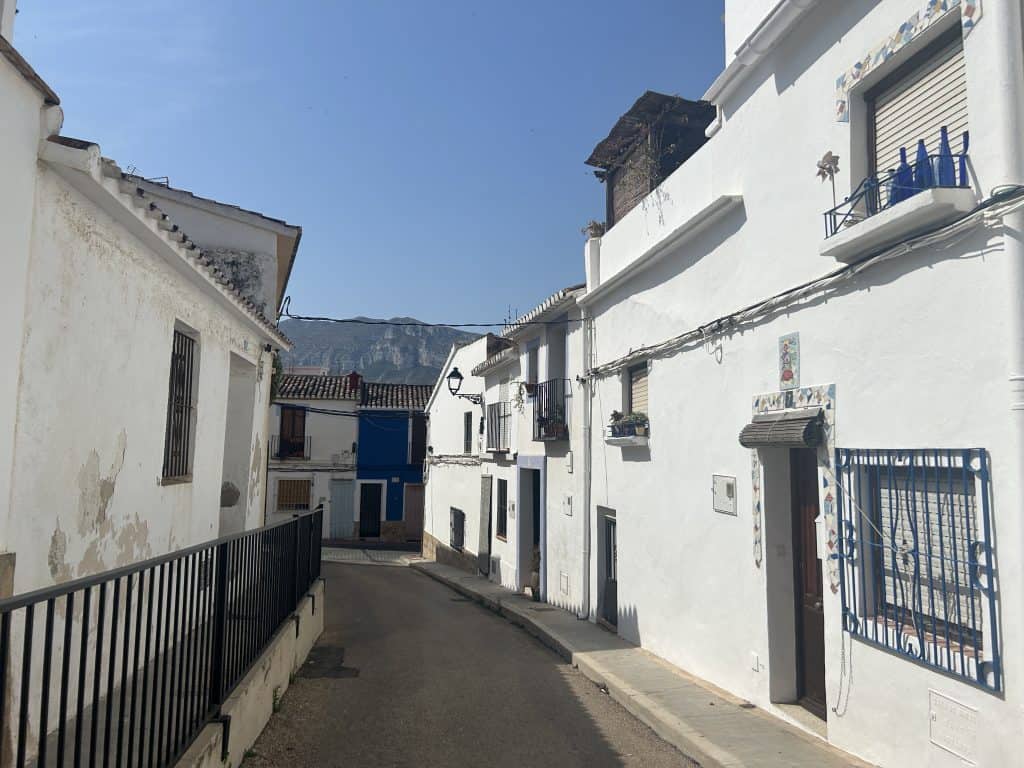
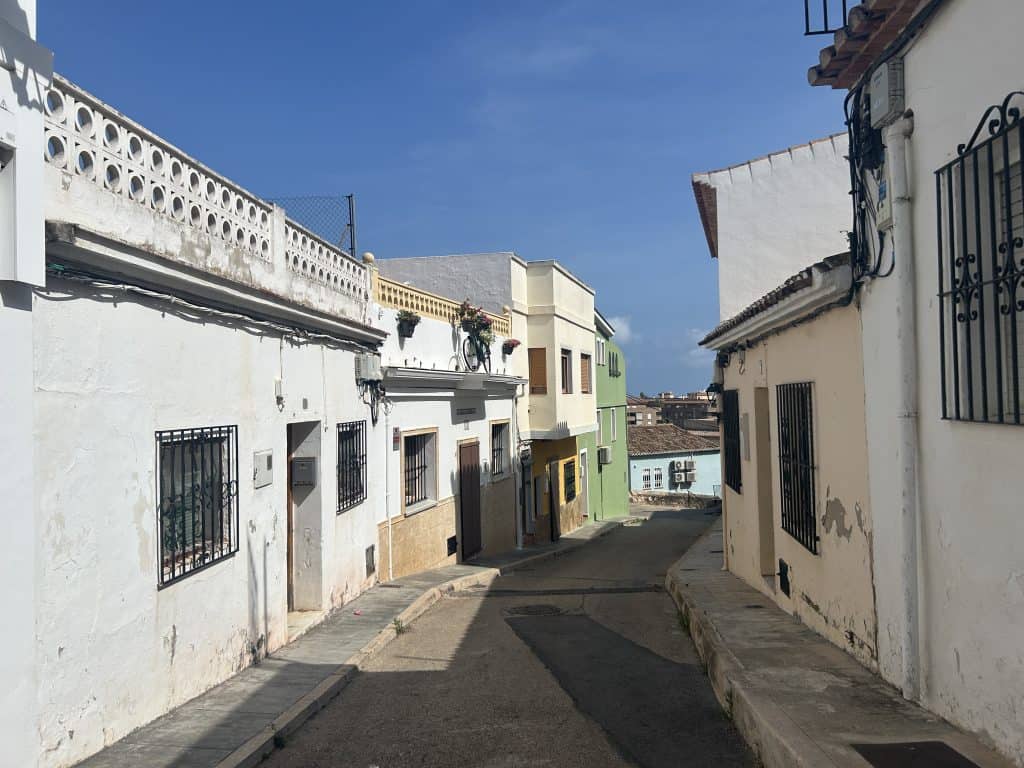
The Les Roques neighborhood (Barrio de Les Roques) is located at the foot of the castle hill. This is the traditional old town of Dénia. It is characterized by its narrow, winding streets and small, low-rise houses, many of which are painted in bright colors. The layout of the neighborhood reflects the historic urban plan of the city when it was contained within the castle walls. A walk through its streets provides a look at a quieter, more residential part of the historic center.
Montgó Natural Park
The Montgó Natural Park (Parque Natural del Montgó) is a large protected area that dominates the landscape south of Dénia. The Montgó mountain rises to 753 meters above sea level and is a key feature of the region’s geography. The park is home to over 650 species of flora, including many endemic plants. It also provides a habitat for various forms of wildlife. There are numerous marked trails for hiking for different skill levels, with paths that offer views of the coastline.
The Beaches
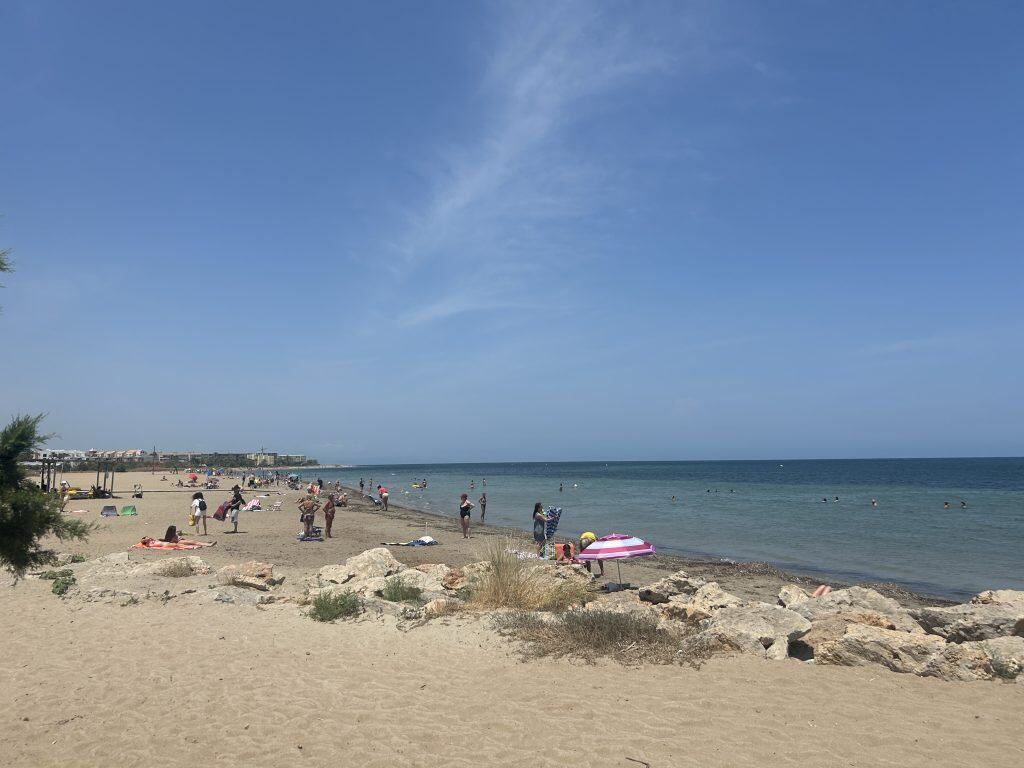
Dénia has approximately 20 kilometers of coastline, which is divided into two distinct sections. To the north, the Las Marinas area features long, wide beaches with fine sand that are popular for sunbathing and family activities. To the south, the Las Rotas area is a rocky coastline with small coves and clear water. This southern section is a designated marine reserve, making it a popular location for snorkeling and diving. Both areas have promenades for walking.
Ethnological Museum
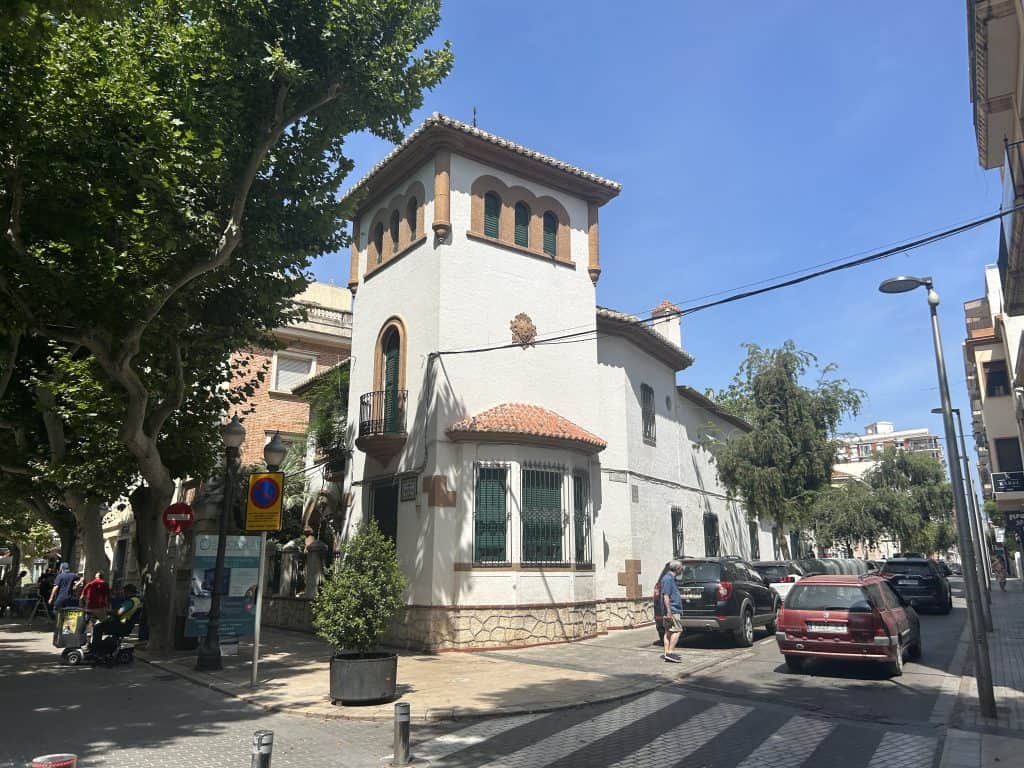
The Ethnological Museum (Museo Etnológico) is located in a 19th-century townhouse in the historic center on Cavallers street. The museum is dedicated to detailing the period of prosperity Dénia experienced during the 19th-century raisin trade. The exhibits showcase the tools, clothing, and social customs of that era. It explains the entire process, from the cultivation of grapes to their export from the port. The museum provides context for the economic boom that shaped much of the modern city.




Sports in Dénia
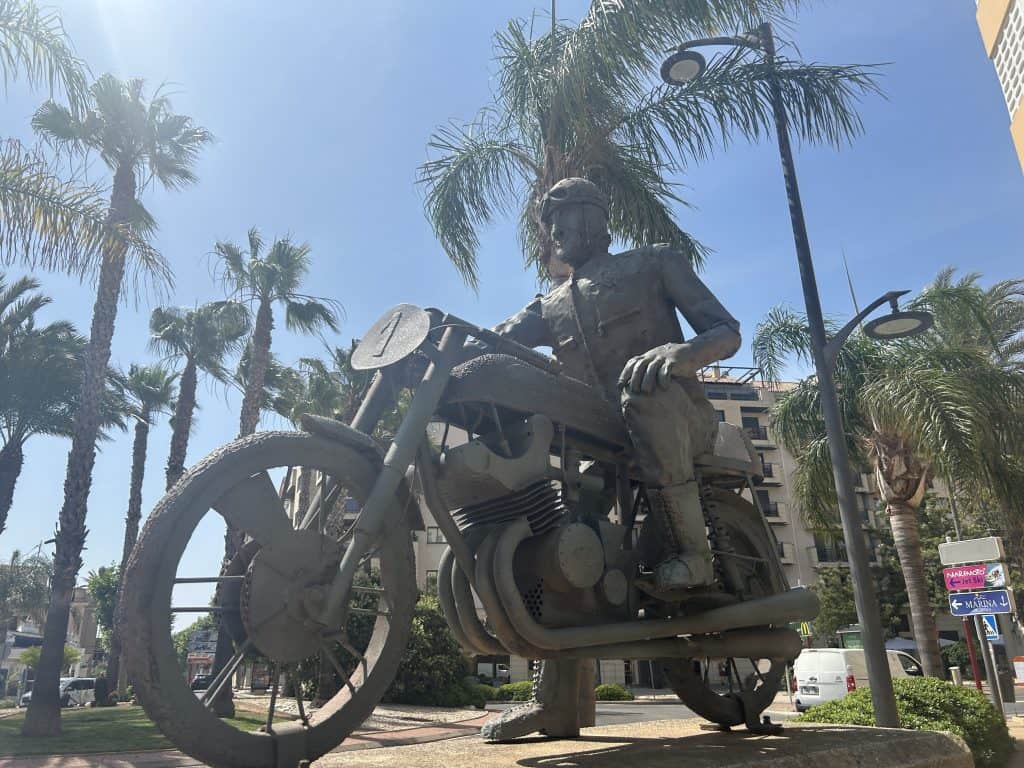
Dénia’s sports culture is strongly influenced by its coastal location and its mountainous natural park. Water sports are very popular, with the city’s large marina serving as a major hub for sailing and other activities. The surrounding natural landscape also provides extensive opportunities for land-based activities like hiking and cycling. Football is also a key community sport in the town. These factors make Dénia a destination for a wide range of sports and recreation.
Sailing and Water Sports
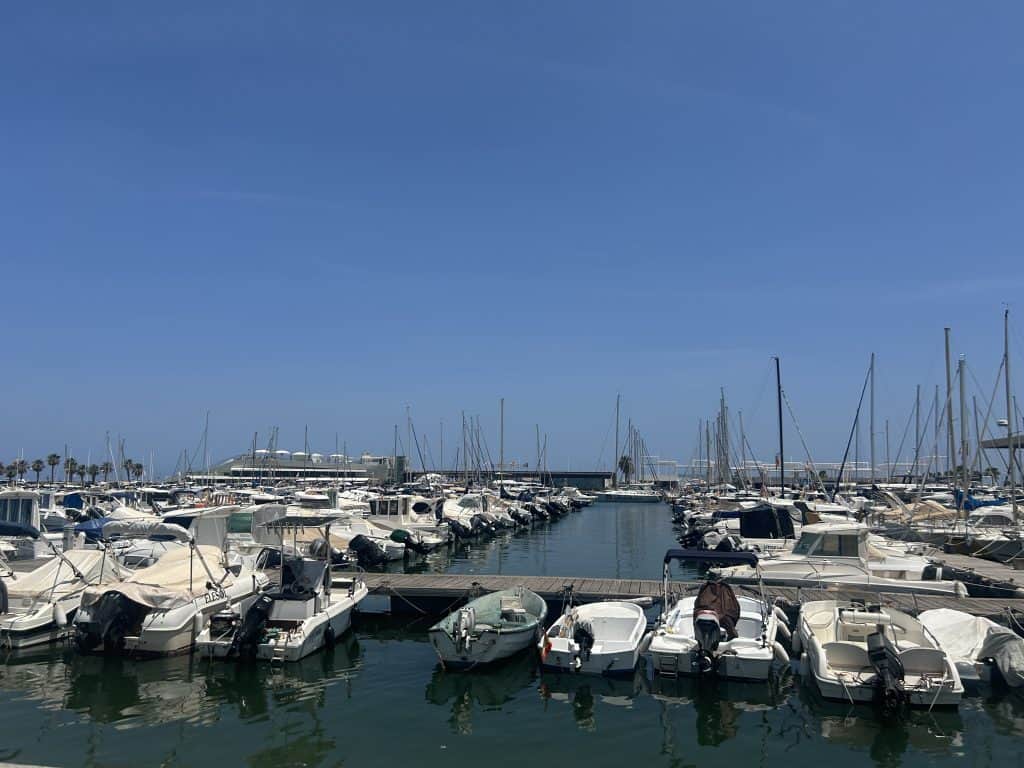
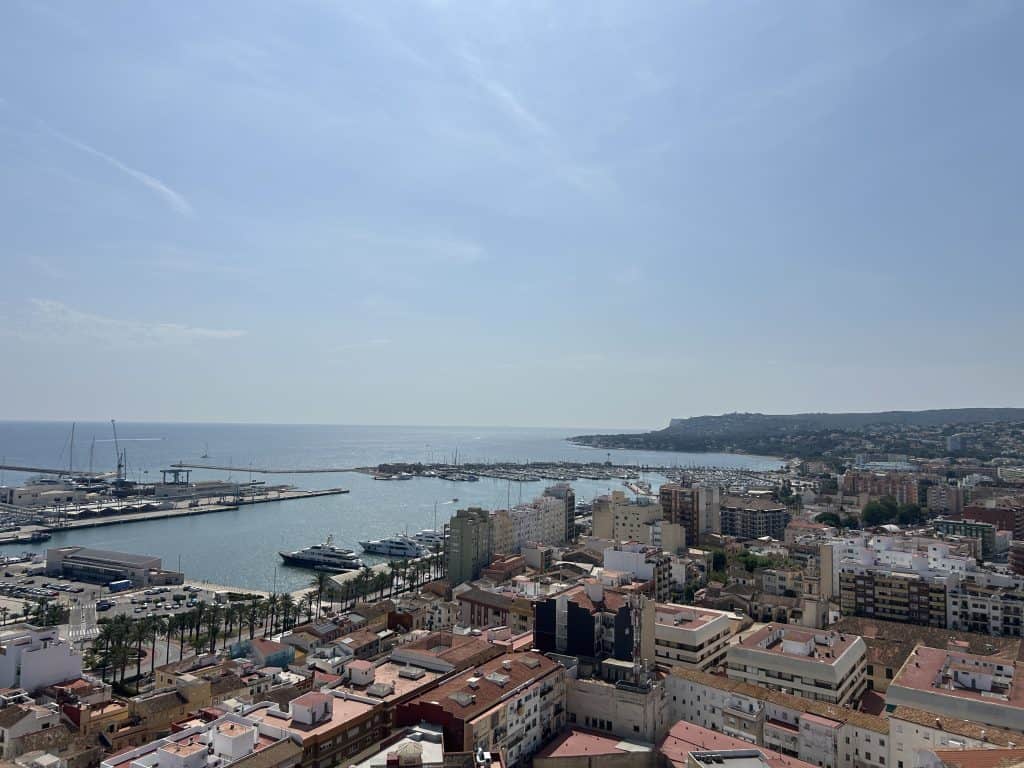
Sailing is a central sport in Dénia, which is home to a large marina, the Real Club Náutico Dénia. The club hosts regattas and sailing schools. The marina provides facilities for hundreds of boats. Other popular water sports in the area include windsurfing, kitesurfing, kayaking, and stand-up paddleboarding. Rental facilities and schools for these activities are widely available, especially in the Las Marinas area during the tourist season.
Hiking
The Montgó Natural Park is the primary destination for hiking in Dénia. The park offers a network of well-marked trails of varying difficulty. Routes range from gentle walks along the base of the mountain to challenging hikes to the summit. The views from the higher elevations are a key reward for hikers. The trails provide a way to experience the region’s natural flora and fauna. Hiking is a popular activity year-round due to the mild climate.
Football
Football is a popular sport in Dénia, with a local club that represents the city in the Spanish football league system. The club provides a focal point for the local sports community. It has a long history in the city. The team’s matches are a social event for local residents. The club also has an extensive youth system.
Club Deportivo Dénia
The city’s main football club is Club Deportivo Dénia. Founded in 1927, the club has a long history of competing in the regional and national lower leagues of Spanish football. They have played many seasons in the Tercera División (the former fourth tier). They play their home games at a local stadium in the city. The club is a key institution for the local sports community.



Getting Around in Dénia
Navigating Dénia is straightforward due to its relatively compact size. The main areas, including the port, the old town, and the main beach, are all accessible on foot. For longer distances along the coast or to other towns, local buses and a light rail service are available. A car can be useful for exploring the wider area but is not essential for a visit focused on the town itself.
On Foot: The Central Core
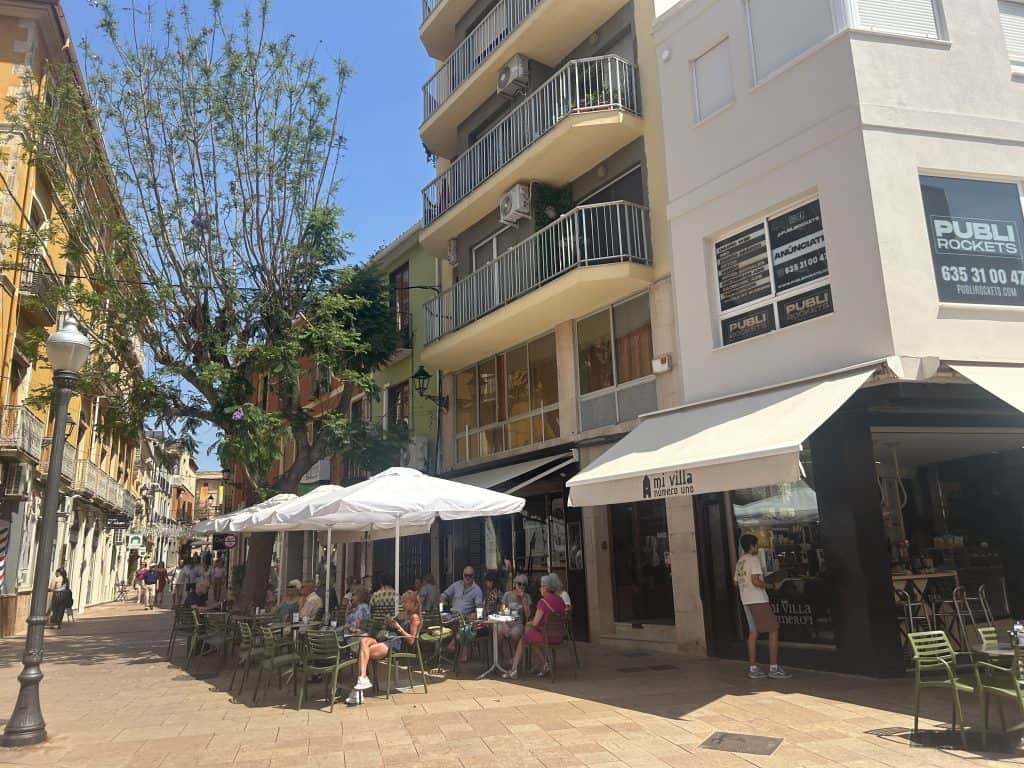
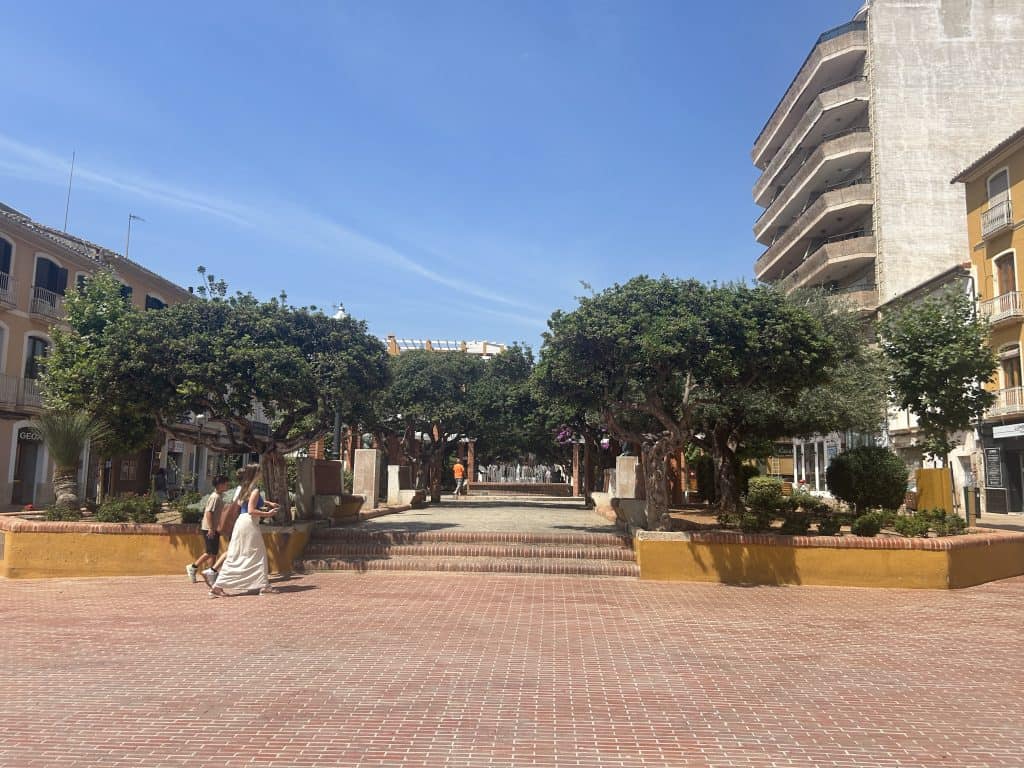
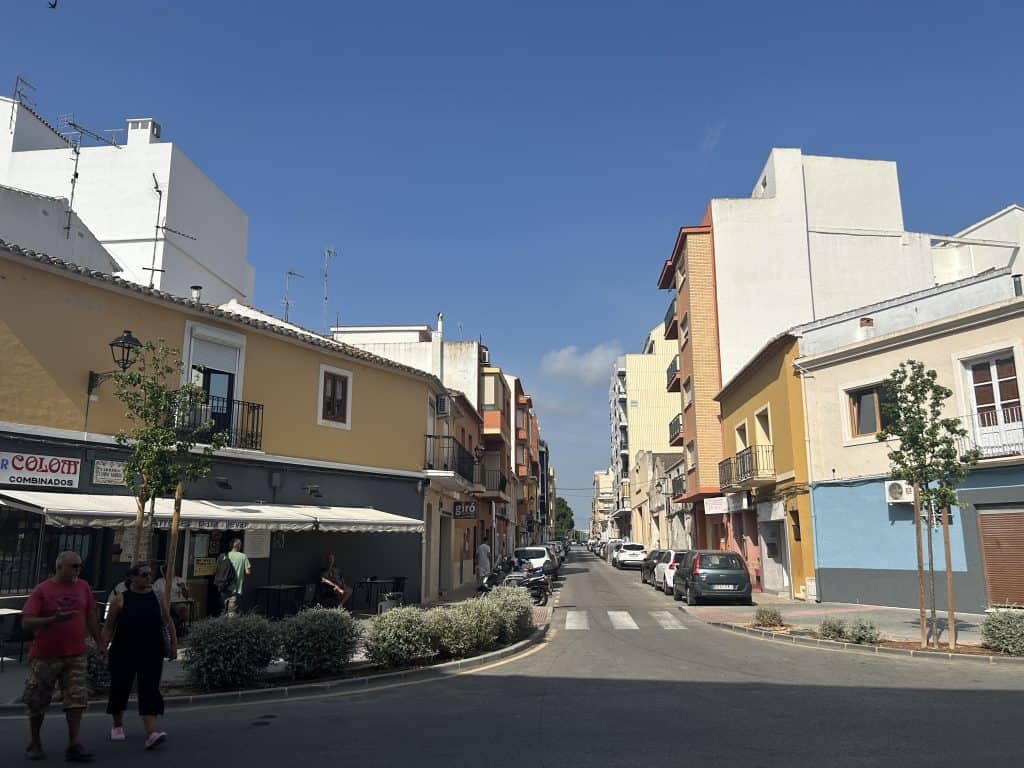
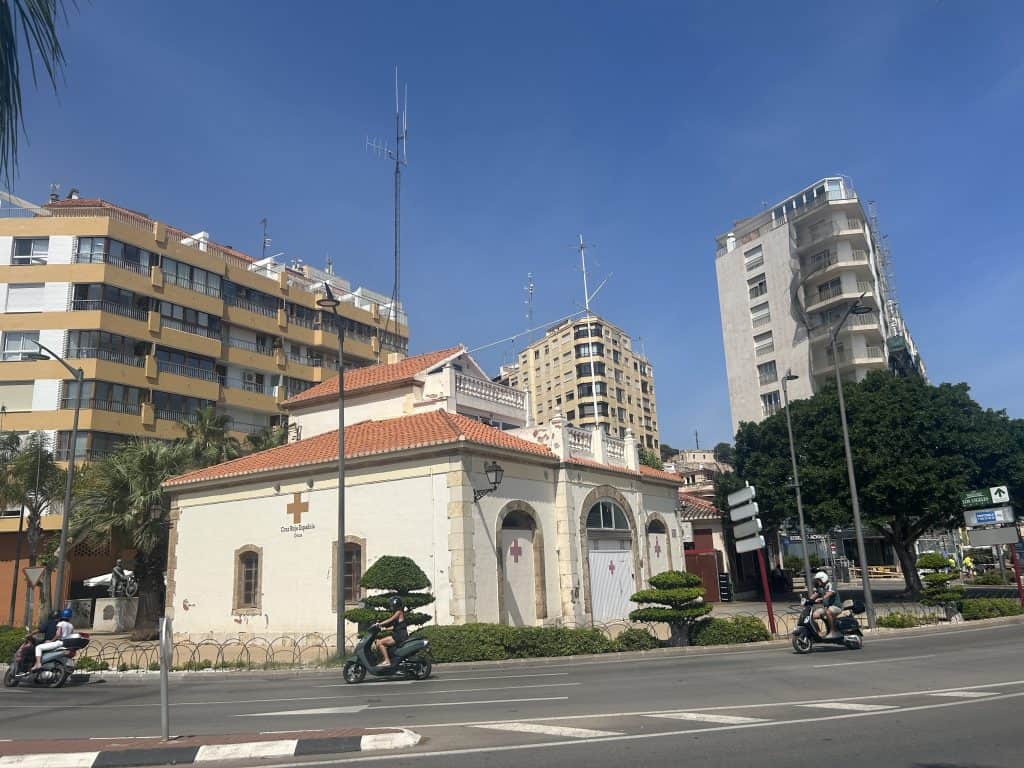
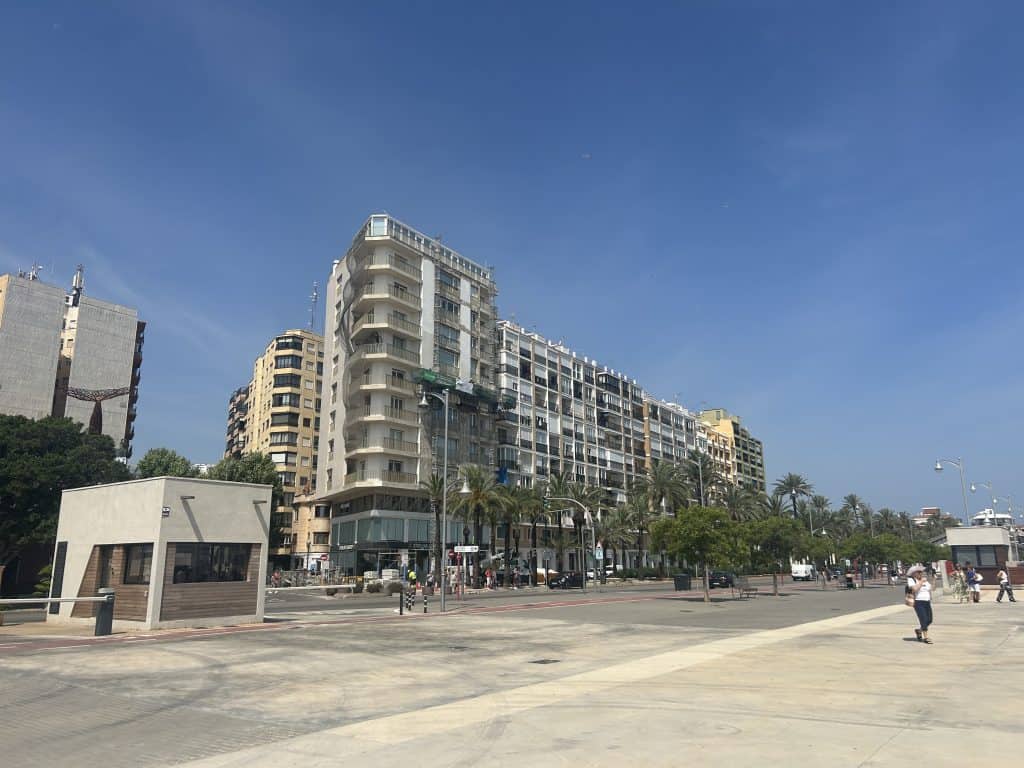
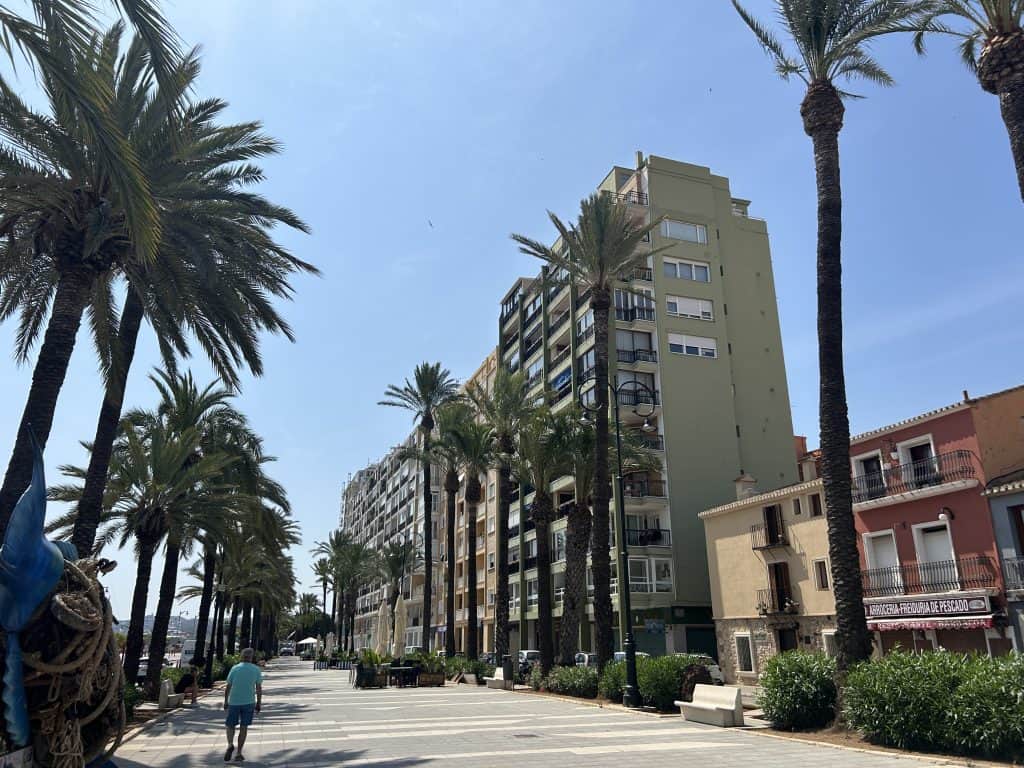
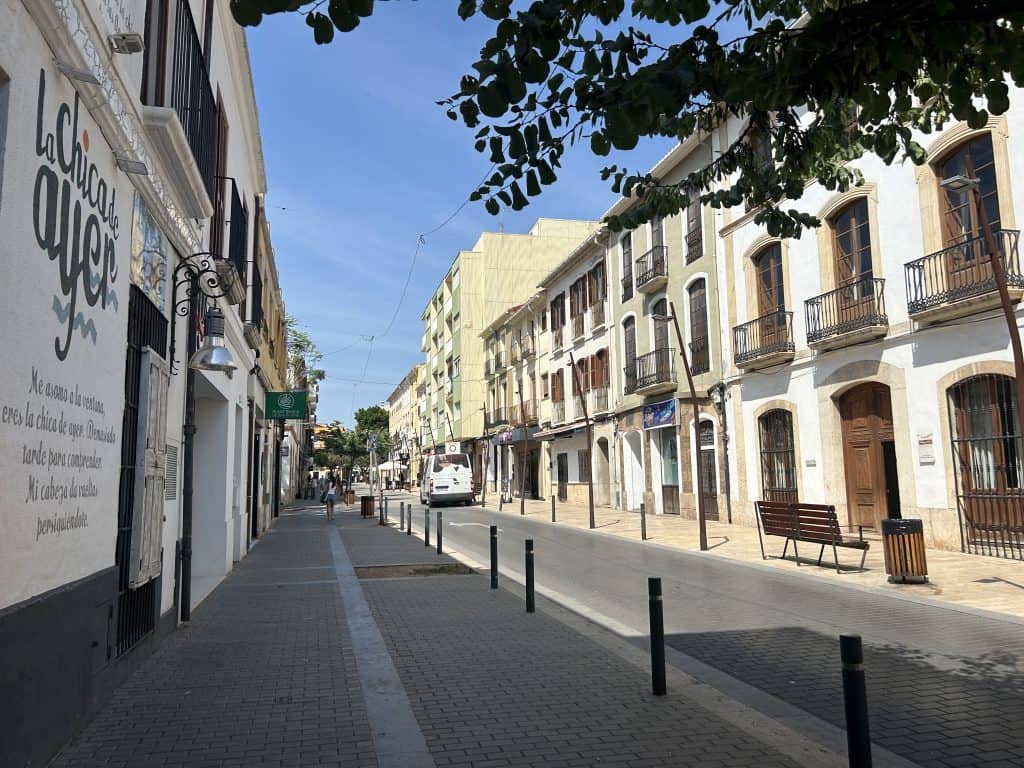
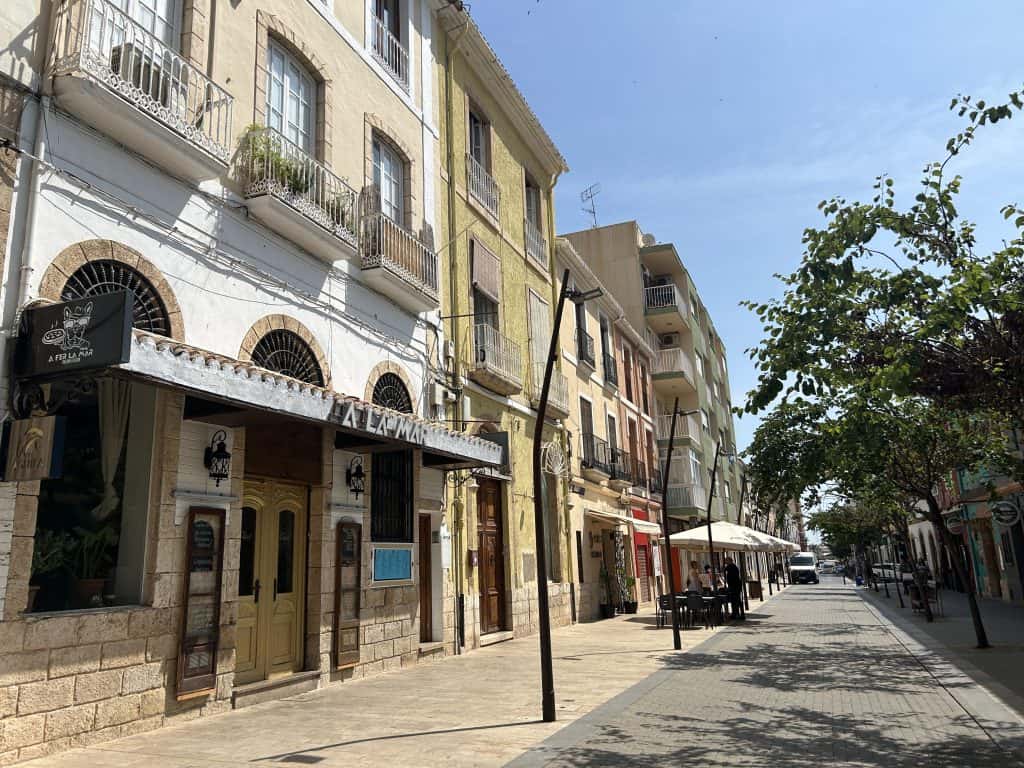
Walking is the best way to explore Dénia’s central core. The main street, Carrer del Marquès de Campo, the old town, the castle, and the port area are all within a short walking distance of each other. The beachfront promenade also provides a long, flat route for walking. This allows visitors to move easily between the main points of interest without needing a vehicle. This makes the central part of the town highly accessible for pedestrians.
Local Buses
A local bus service operates in Dénia. It connects the city center with the further reaches of the Las Marinas and Las Rotas coastal areas. This is useful for visitors staying in accommodations that are not in the central area. The buses run regularly, especially during the summer tourist season. The service allows for easy access to the different beaches along the city’s long coastline.
The TRAM
Dénia is the final stop on Line 9 of the TRAM Metropolitano de Alicante. This light rail service connects Dénia with other towns along the northern Costa Blanca, including Altea, Calp, and Benidorm. While it does not function as transport within Dénia itself, it is a key mode of transport for arriving in the city from other parts of the region. The station is located a short walk from the city center.


How to Get to Dénia
Reaching Dénia is straightforward due to its location between two major airports and its good road and sea connections. It is a key transport hub on the northern Costa Blanca, making it accessible from other parts of Spain and from across Europe. The city’s transport links are a key part of its function as a major tourist destination. The combination of road, rail, and sea connections provides a variety of options for travelers.
Arriving by Air: Two Airport Options
Dénia is located approximately halfway between two major international airports. Alicante Airport (ALC) to the south and Valencia Airport (VLC) to the north are both about a 100-kilometer drive away. Both airports serve numerous airlines with connections across Europe. They are among the busiest airports in Spain. From either airport, travelers can continue to Dénia by direct bus service, rental car, or private transfer.
The Open Road: Driving to the Coast
Driving to Dénia is efficient thanks to the AP-7 motorway, which runs along the Spanish Mediterranean coast. This toll road provides a direct and fast connection from both Valencia and Alicante. An alternative toll-free national road, the N-332, also runs parallel to the coast but has more local traffic and a slower speed limit. The drive from either major city typically takes about one hour. A car is a popular option for visitors wishing to explore the wider region.
Connecting by Coach
Regular bus services connect Dénia with both Alicante and Valencia, including direct services from their respective airports. The main bus company operating these routes is ALSA. The bus station in Dénia is centrally located, making it a convenient arrival point. Bus travel is an economical option for reaching the city from other parts of Spain. The network provides extensive connections along the coast.
On Track: A Journey by Light Rail
While there is no main national train line directly to Dénia, the city is served by the TRAM Metropolitano de Alicante. Line 9 of this light rail network terminates in Dénia. This provides a connection from coastal towns to the south, such as Benidorm and Altea. For travel from major cities like Madrid, a high-speed train can be taken to Alicante. From there, a transfer to the TRAM or a direct bus is required to complete the journey.
The Balearic Route: Arriving by Ferry
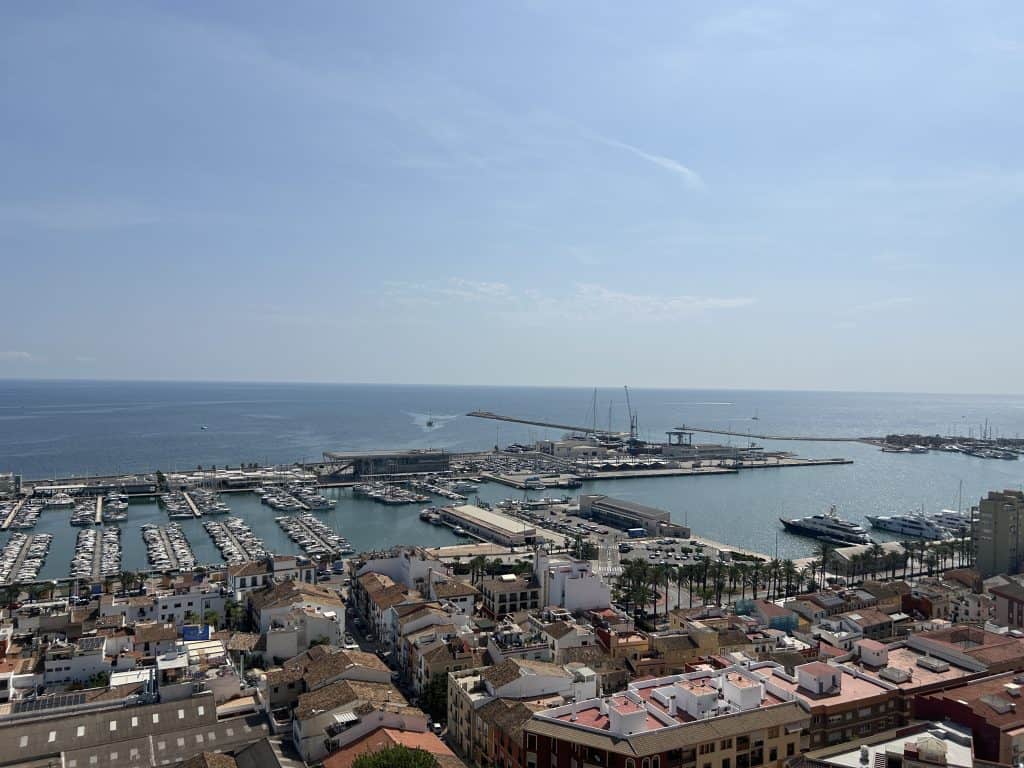
Dénia has a major ferry port with regular, year-round services to the Balearic Islands. The company Baleària operates daily crossings from Dénia. Ferry services connect the city directly with Ibiza, Formentera, and Palma de Mallorca. The journey to Ibiza is the shortest, making Dénia a primary gateway to the islands from the Spanish mainland. The port is a key part of the city’s economy and transport infrastructure.
Driving Distances
The driving distance from 10 regional metropolises, according to Google Maps:
- Valencia, Spain – 107 kilometers (1 h 20 min)
- Madrid, Spain – 444 kilometers (4 h 30 min)
- Barcelona, Spain – 474 kilometers (4 h 50 min)
- Seville, Spain – 663 kilometers (6 h 50 min)
- Bilbao, Spain – 736 kilometers (7 h 20 min)
- Toulouse, France – 821 kilometers (7 h 50 min)
- Lisbon, Portugal – 979 kilometers (9 h 30 min)
- Geneva, Switzerland – 1,154 kilometers (11 h 10 min)
- Paris, France – 1,510 kilometers (14 h 20 min)
- Rome, Italy – 1,847 kilometers (18 h 20 min)
Looking to Explore more of Spain and Europe?