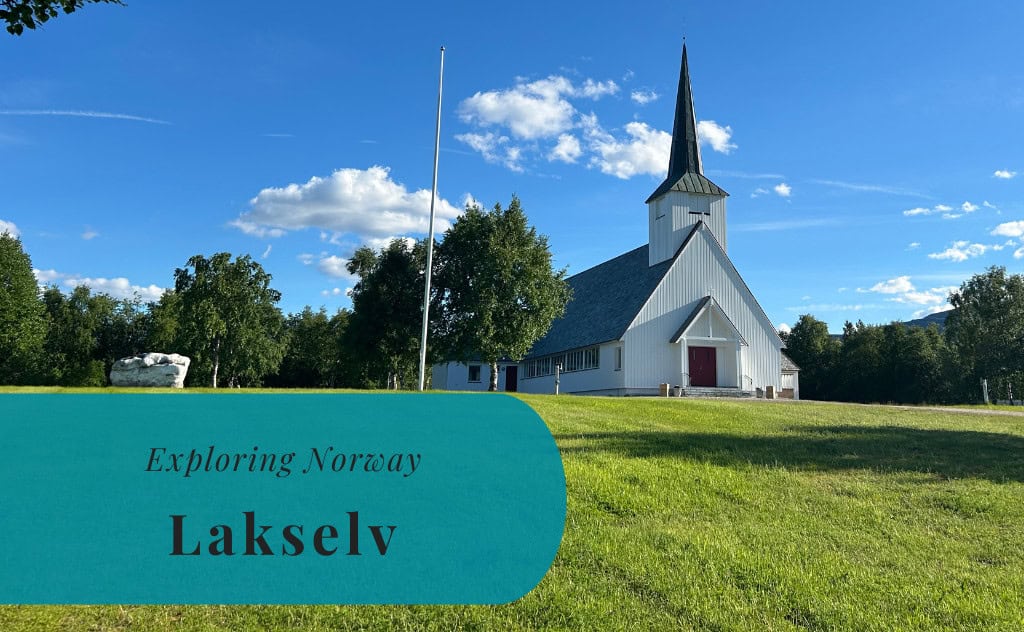
Lakselv, Vest-Finnmark | Exploring Norway
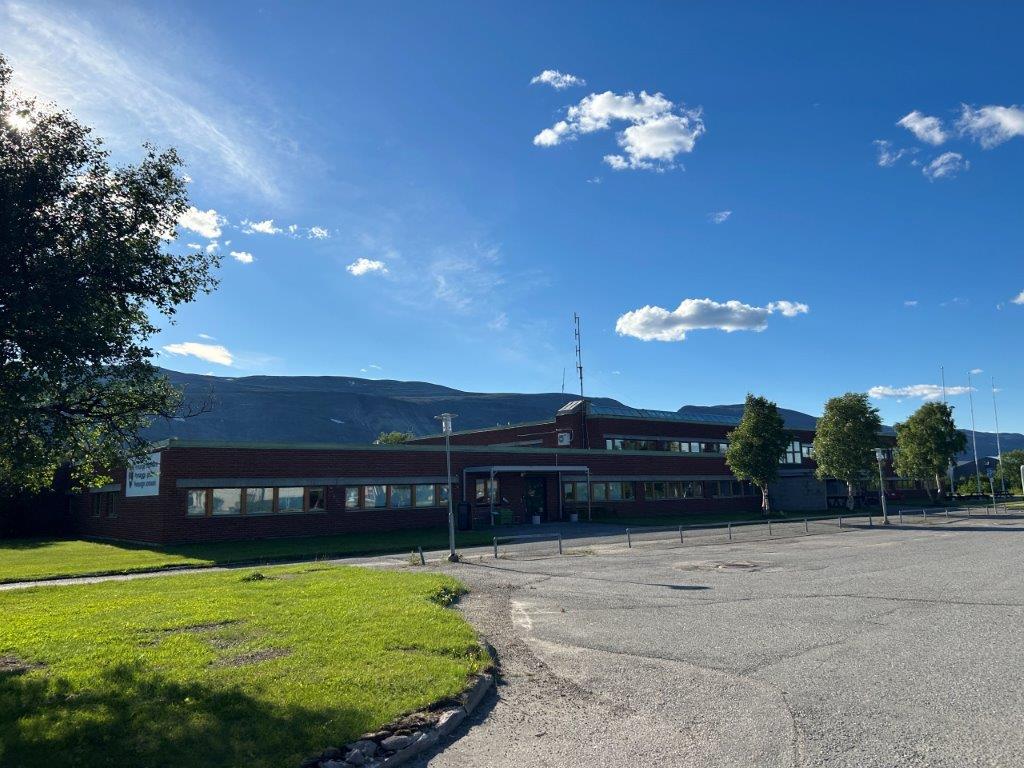
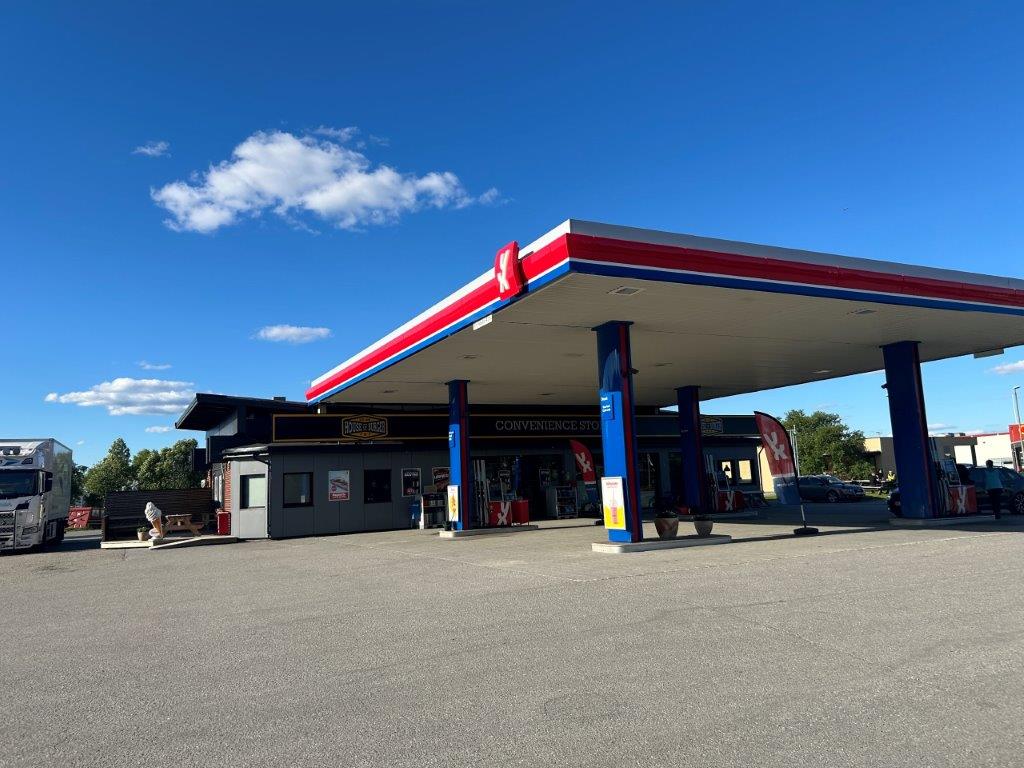
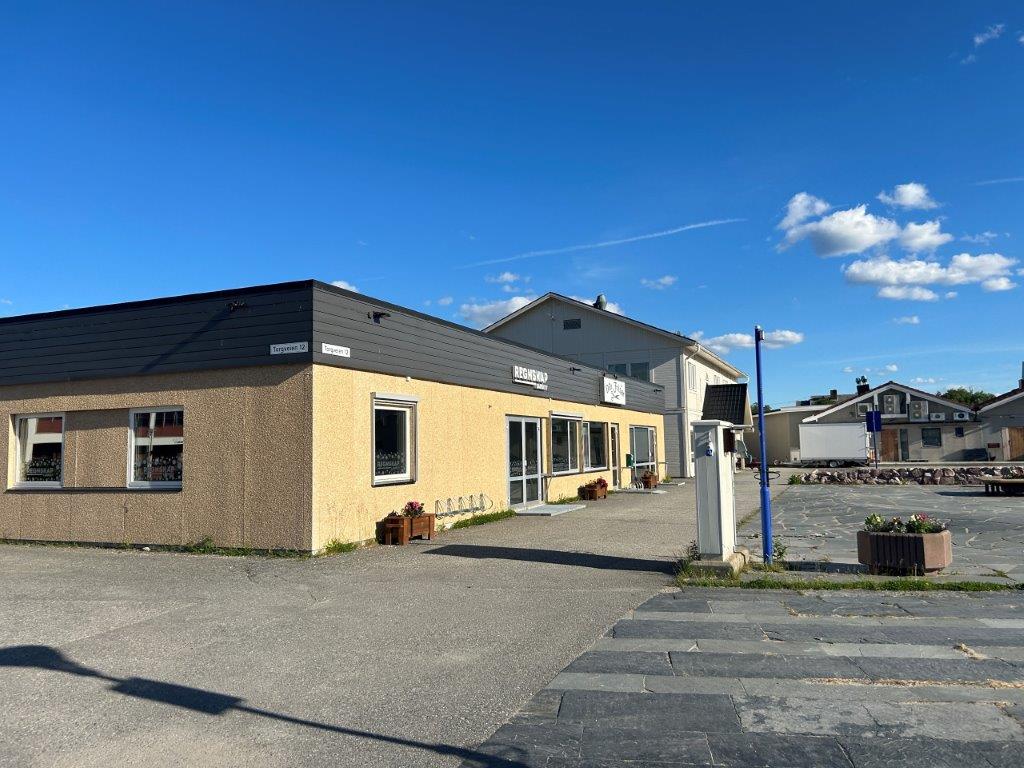
Lakselv is a village in Finnmark county, northern Norway. It serves as the administrative center of the Porsanger Municipality. Situated at the head of the Porsangerfjord, one of Norway’s longest fjords, Lakselv functions as a key service and communication hub in the region. The village has a population of approximately 2,200 residents, making it the largest settlement in Porsanger. It is located directly on the E6 highway, which is the main road artery for Arctic Norway.
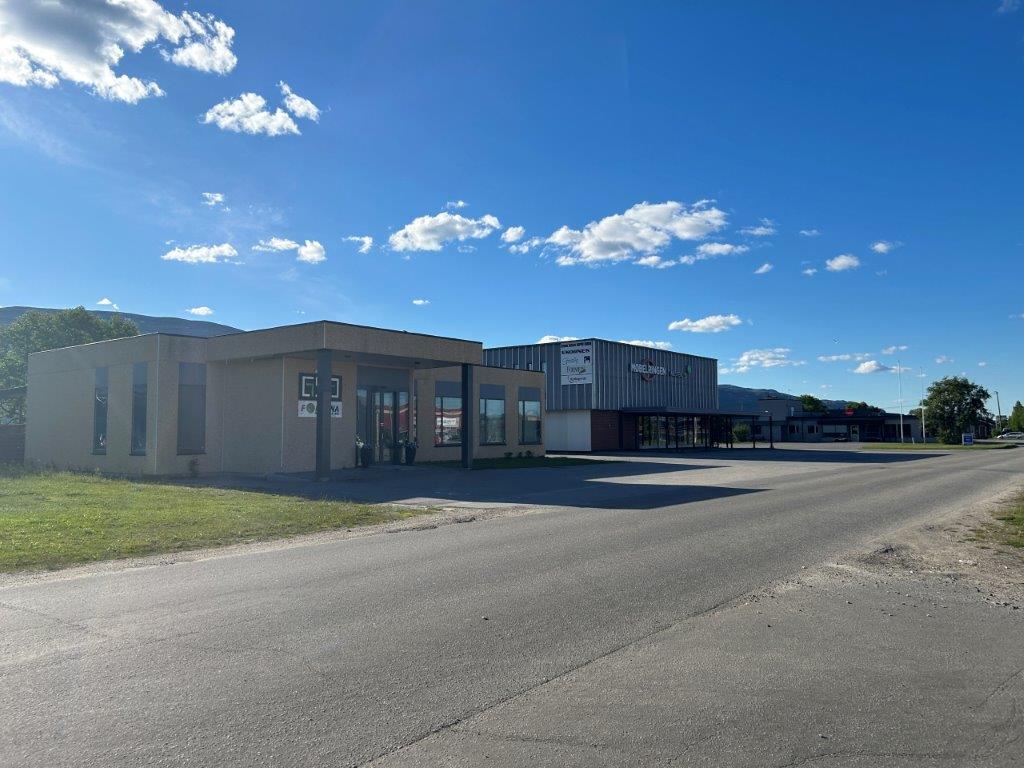
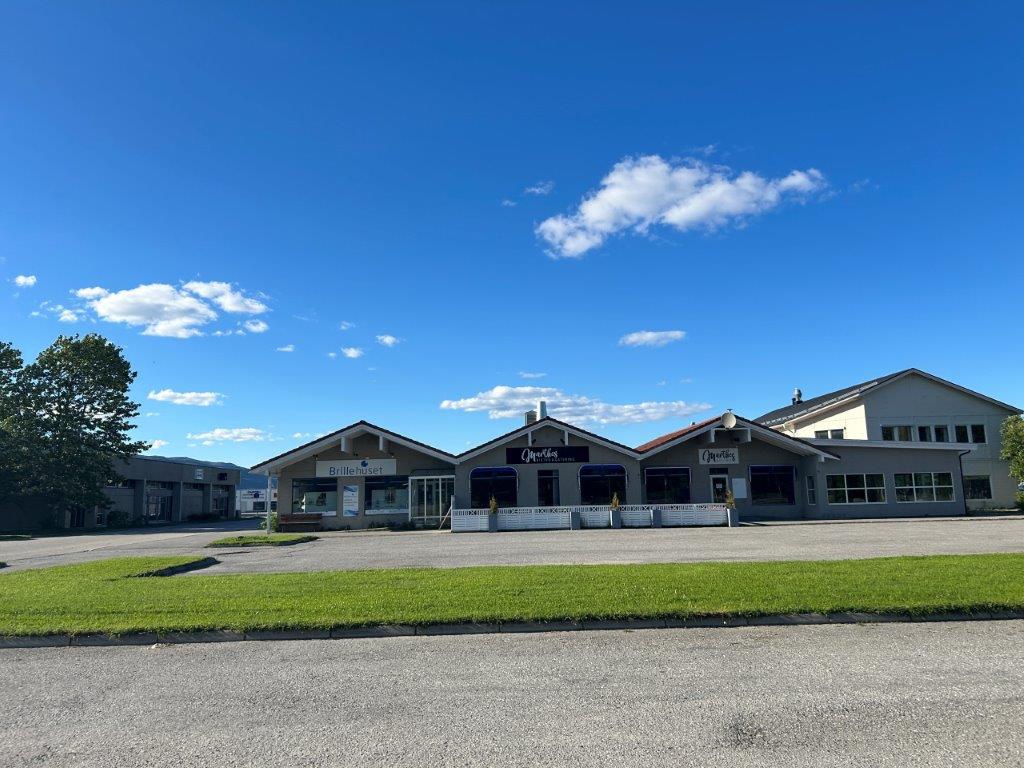
The character of Lakselv is defined by its subarctic environment and its role as a gateway to the Finnmark wilderness. The village itself is a small, functional center providing services to a large and sparsely populated area. It has a multi-ethnic history, with Sámi, Kven, and Norwegian populations all contributing to the local culture. Its proximity to national parks, major rivers, and the fjord makes it a center for outdoor and nature-based activities.




A Short History of Lakselv
The history of Lakselv is that of a multi-ethnic settlement shaped by its natural resources, its strategic importance during World War II, and its post-war reconstruction. Its development reflects the broader history of the Finnmark region.
A Multi-Ethnic Heritage
The area around the Porsangerfjord has long been home to the indigenous Sámi people. The region was also settled by Kvens, who were descendants of Finnish immigrants, and by Norwegians. For centuries, the communities lived off the land and water, with fishing and hunting providing the primary livelihoods. The river, Lakselva, which means “Salmon River,” indicates the historical importance of salmon fishing. The village of Lakselv developed as a trading and service point for the scattered settlements in the Porsanger region.
World War II and Destruction
During the German occupation of Norway in World War II, a major airfield was constructed at Banak, next to Lakselv. This made the area a significant military installation. In late 1944, as German forces retreated from Finnmark during the Lapland War, they applied a scorched-earth policy. Nearly all buildings in Lakselv and the surrounding region were systematically burned down to prevent their use by advancing Soviet forces. This act of destruction left the local population without homes or infrastructure at the start of the harsh arctic winter.
Post-War Reconstruction and Modern Role
Following the war, the community faced the daunting task of rebuilding from almost nothing. This period of reconstruction shaped much of the modern village of Lakselv. The pre-war airfield was developed into a permanent civilian airport and a military station for the Royal Norwegian Air Force. This infrastructure solidified Lakselv’s modern role as an important regional center for transport and administration. Today, it serves as a gateway to the broader Finnmark wilderness and its national parks.
Things to Do and See
Lakselv’s sights are centered on its arctic environment and its local cultural history. The main attractions are the vast fjord, a national park containing the world’s northernmost pine forest, a river known for salmon fishing, and a museum dedicated to the region’s multi-ethnic heritage.
Porsangerfjord
The Porsangerfjord (Porsangerfjorden) is one of Norway’s longest fjords, stretching approximately 123 kilometers from the Barents Sea. Lakselv is situated at its innermost point. The fjord offers arctic coastal scenery, with vast, open waters meeting the shorelines of the tundra. It is known for its diverse birdlife, particularly on the protected islands and nature reserves within the fjord. The area is a key destination for ornithologists and nature lovers.
Stabbursdalen National Park
Located a short drive from Lakselv, Stabbursdalen National Park (Stabbursdalen nasjonalpark) is a key natural attraction. This national park is home to the world’s northernmost pine forest. The park protects a unique and fragile ecosystem at the very edge of the tree line. It offers well-marked hiking trails of varying difficulty. Visitors can walk among old pine trees, traverse river valleys, and engage in birdwatching.
Stabburselva River
The Stabburselva River flows through Stabbursdalen National Park and into the Porsangerfjord. This river is known for its Atlantic salmon fishing. It is considered one of the most productive salmon rivers in the Finnmark region, attracting anglers from across Norway and other countries. Even for non-anglers, its clear waters and natural course make it a central feature of the national park’s landscape.
Porsanger Museum
Situated in the village of Skoganvarre, south of Lakselv, the Porsanger Museum (Porsáŋggu Musea/Porsanger Museum/Porsangin Museet) details local heritage. The museum showcases the history and culture of the Porsanger municipality. It places a special focus on the three main ethnic groups that have historically inhabited the area: the indigenous Sámi, the Kvens, and the Norwegians. The museum provides information on their traditional ways of life, clothing, crafts, and shared history.
Báhkkajávri Lake
The Báhkkajávri Lake is a large freshwater lake located north of Lakselv. It is a known destination in the Porsanger region for both fishing and hiking. The landscape surrounding the lake is characterized by typical Finnmark tundra, with low-lying vegetation and open vistas. Several small local roads and trails provide access to the lake’s shoreline. It is a location for outdoor recreation and experiencing the open environment of the region.
Midnight Sun and Northern Lights
Depending on the season, two major natural phenomena are primary attractions. From mid-May to late July, the Midnight Sun is visible, meaning the sun does not set below the horizon. This provides 24 hours of continuous daylight. Conversely, in winter, from late September to late March, the Northern Lights (Aurora Borealis) can often be seen in the sky. Lakselv’s northern latitude and low light pollution make it a suitable viewing location for both.



How to Get to Lakselv
Reaching Lakselv, located in the far north of Norway, is most often done by air or by road via the main E6 highway. The village serves as a key transport hub for the central Finnmark region.
Arriving by Air
Lakselv has its own airport, Lakselv Airport, Banak (LKL), which is a vital air link for the region. The airline Widerøe operates daily flights to Lakselv. These flights typically connect from Tromsø (TOS), which is a larger hub with connections to Oslo and other Norwegian cities. Flying is often the quickest and most practical way to reach this part of Finnmark from southern Norway.
The Arctic Road Trip: Driving
Driving to Lakselv is a common method for those exploring the region by car, particularly during the summer. The village is located directly on European Route E6. This is Norway’s main north-south highway, which extends all the way from the south of the country to Kirkenes in the east. The E6 provides direct road access from both southern Norway and other parts of Finnmark. Winter driving conditions can be challenging and may require studded tires.
Connecting by Coach
Regional bus services connect Lakselv with neighboring towns and communities in Finnmark. The regional public transport company, Snelandia, operates these routes. You can find bus connections to places like Karasjok (the Sámi capital), Honningsvåg (for the North Cape), and Alta. These buses often coordinate with flight arrivals at the local airports.
A Coastal Voyage: The Ferry Connection
Lakselv itself is not a direct stop for major ferry services like the Hurtigruten coastal steamer. The Hurtigruten stops at several coastal towns in Finnmark, with the closest major ports being Honningsvåg and Kjøllefjord. From any of these coastal towns, you would need to take a connecting bus or car journey overland to reach Lakselv. This multi-modal approach allows one to combine a coastal voyage with a visit to the interior of Finnmark.
Driving Distances
The driving distance from 10 regional cities, according to Google Maps:
- Oslo, Norway – 1804 kilometers (22 h 10 min)
- Trondheim, Norway – 1468 kilometers (18 h 50 min)
- Narvik, Norway – 696 kilometers (9 h 10 min)
- Kirkenes, Norway – 340 kilometers (4 h 40 min)
- Tromsø, Norway – 438 kilometers (6 h 10 min)
- Helsinki, Finland – 1184 kilometers (14 h 40 min)
- Rovaniemi, Finland – 434 kilometers (5 h 20 min)
- Luleå, Sweden – 678 kilometers (8 h 20 min)
- Stockholm, Sweden – 1595 kilometers (19 h 00 min)
- Copenhagen, Denmark – 2200 kilometers (25 h 20 min)
Looking to Explore more of Norway and Europe?