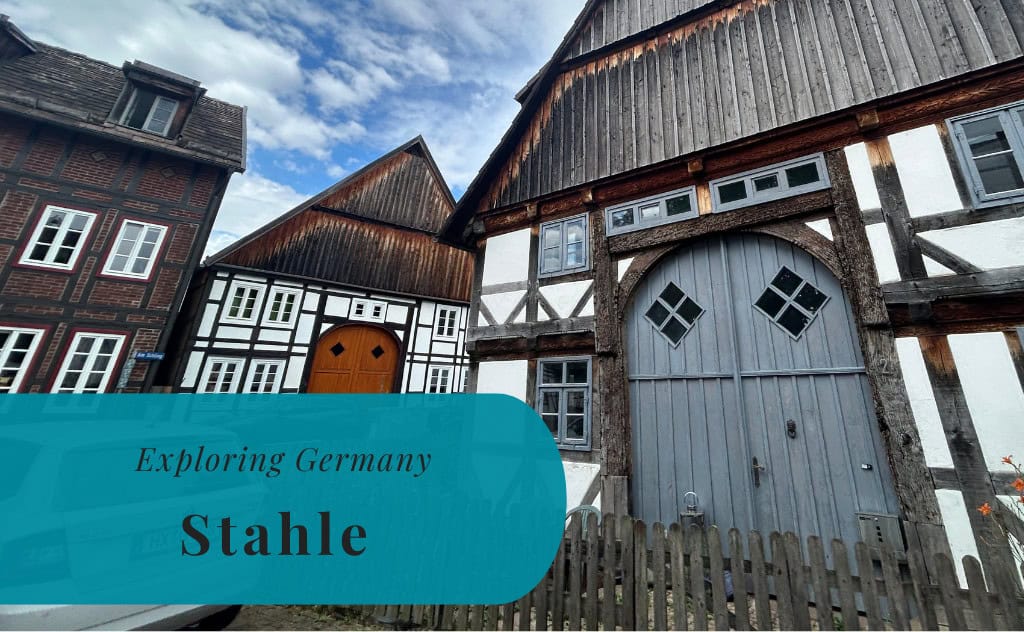
Stahle, North Rhine-Westphalia | Exploring Germany
Stahle is a locality and district (Ortsteil) of the town of Höxter, located in the state of North Rhine-Westphalia, Germany. The village is situated directly on the western bank of the Weser River, which at this point forms the border with the state of Lower Saxony. With a population of approximately 2,400 residents, Stahle is one of the larger villages that make up the municipality of Höxter. It is located just a few kilometers north of the main town of Höxter and is directly opposite the historic Corvey Abbey. It is also located directly across the Weser River from the larger town of Holzminden in Lower Saxony.
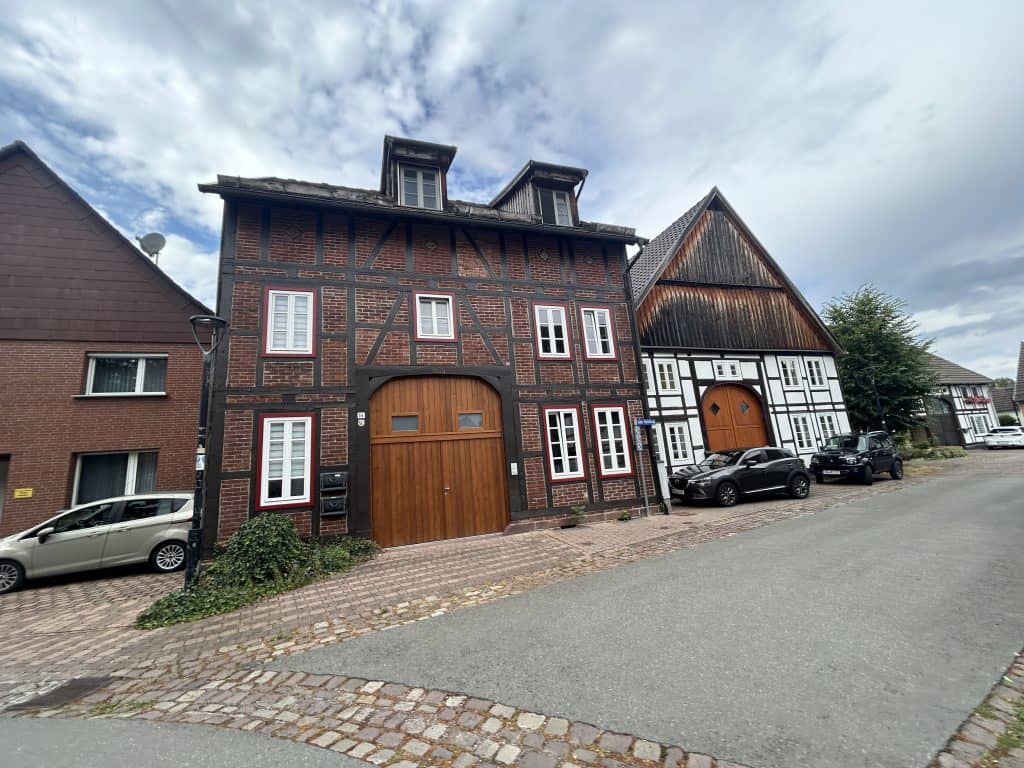
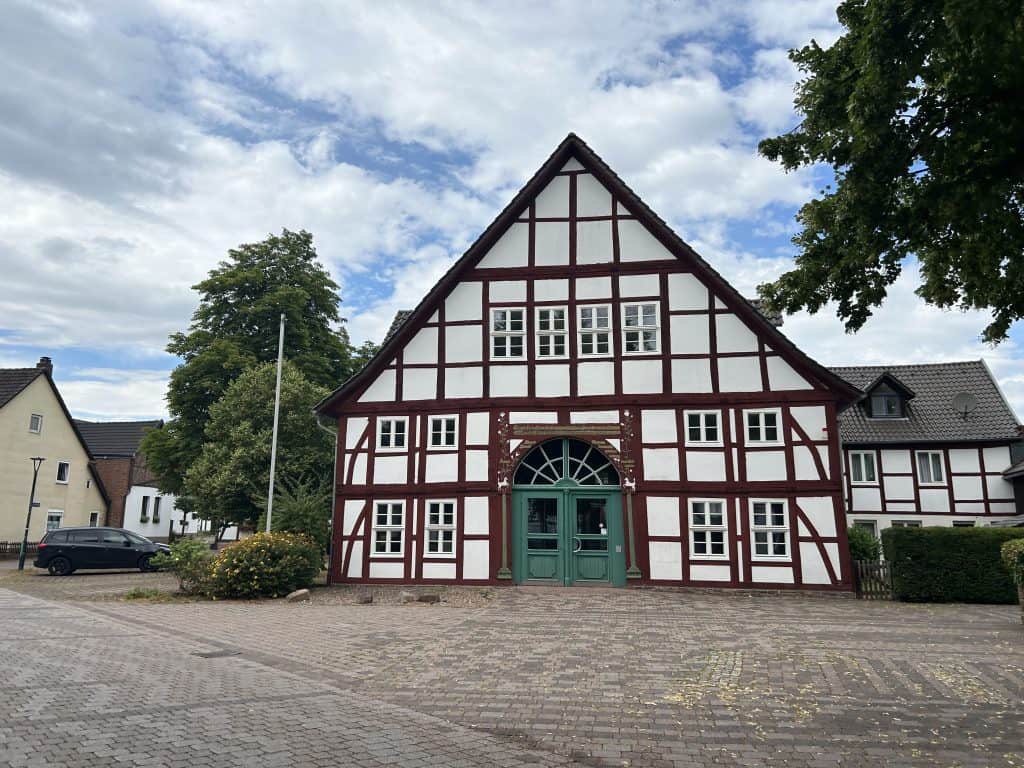
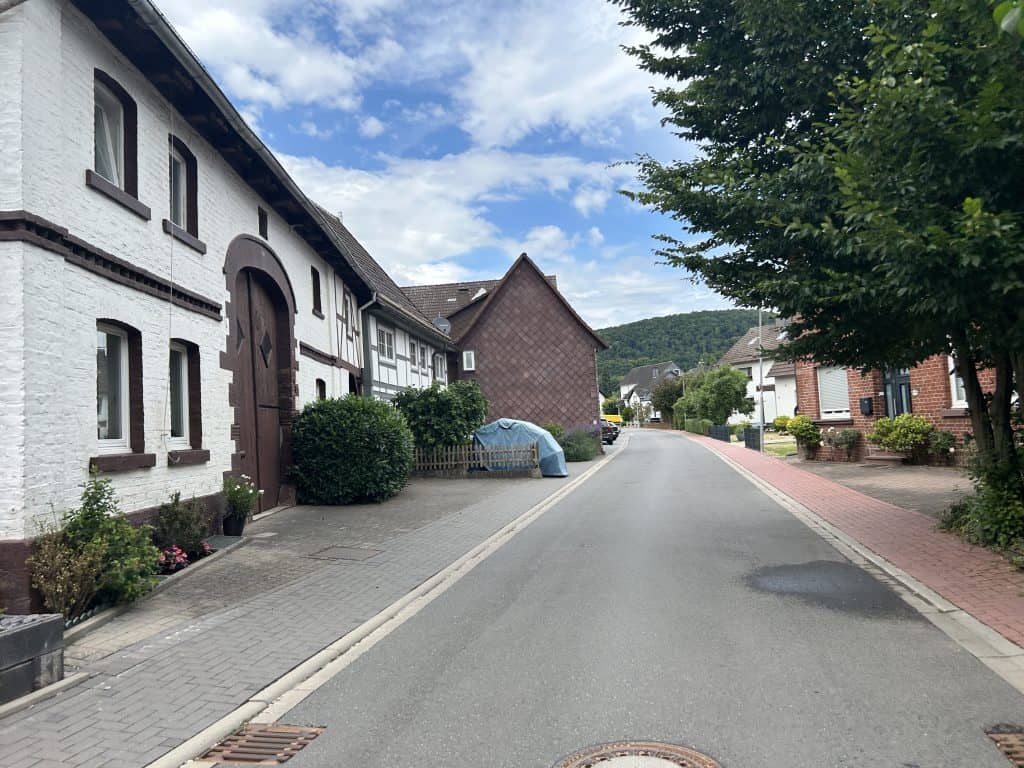
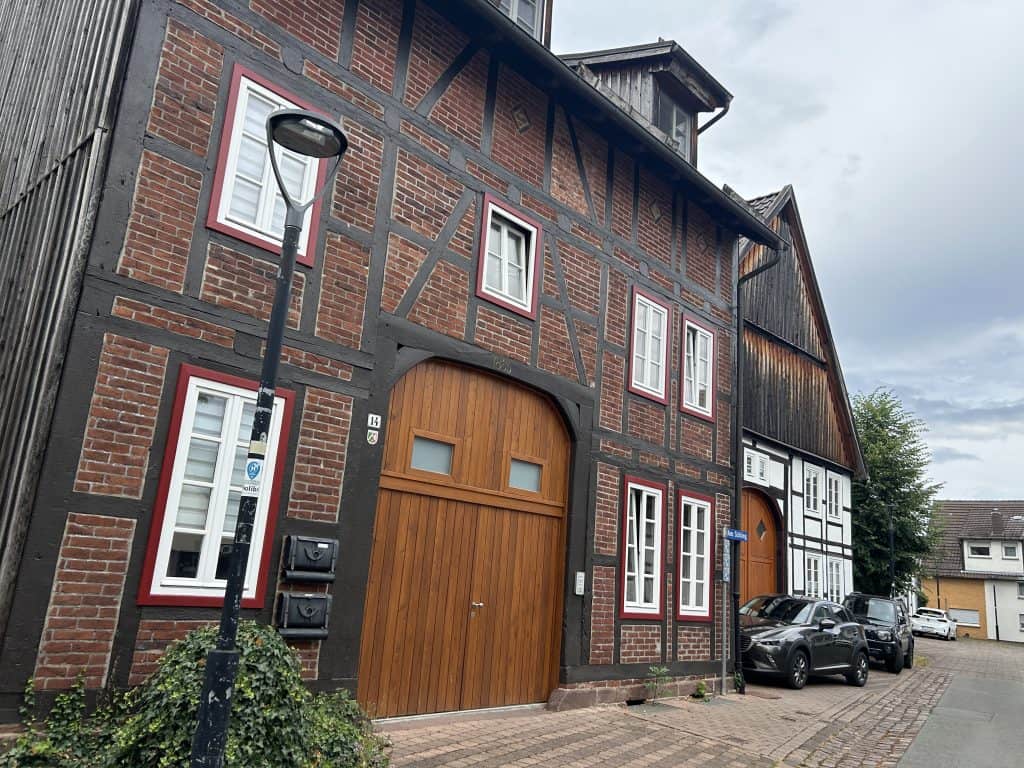
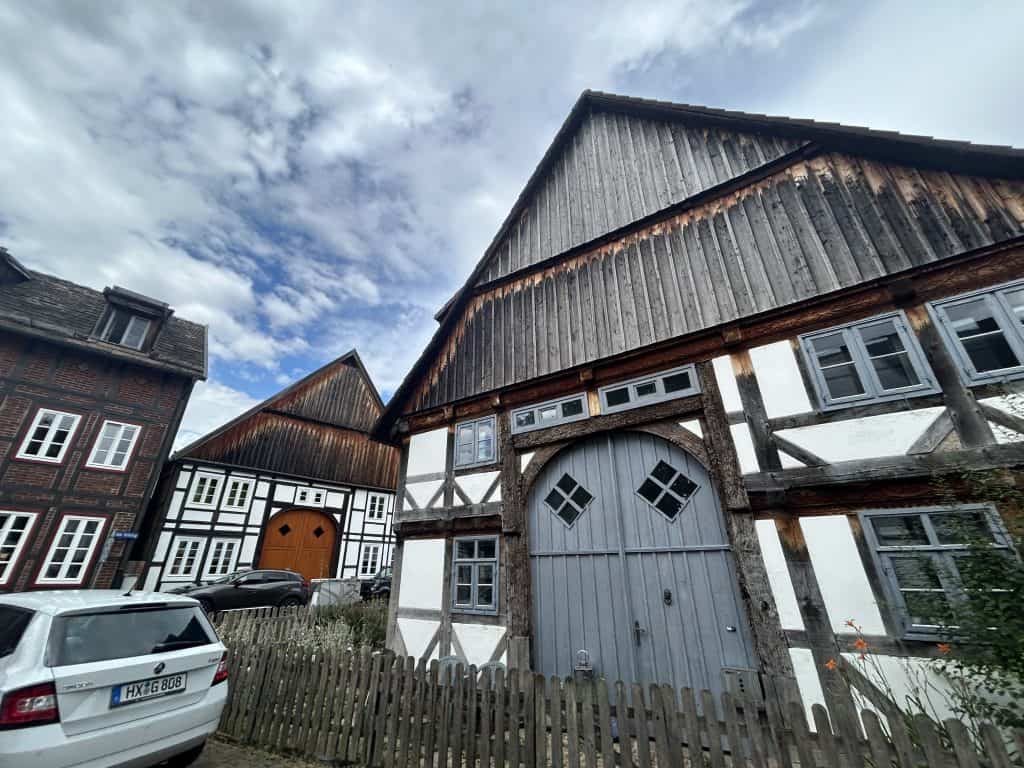
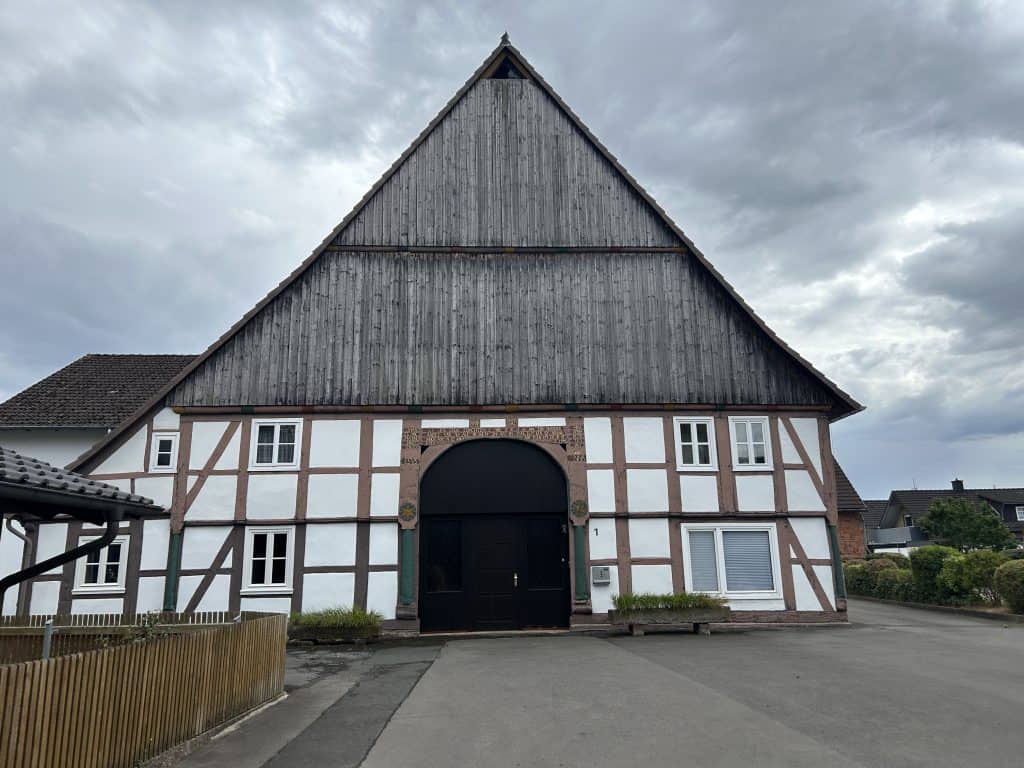
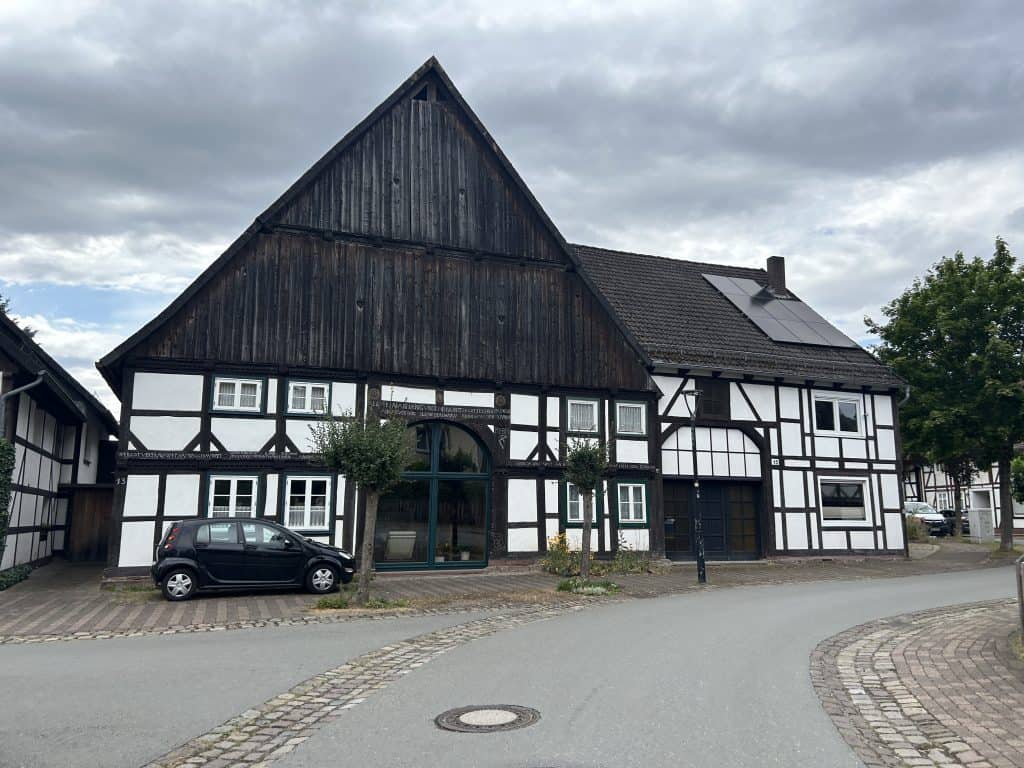
The character of Stahle is that of a quiet riverside village that serves as a residential community for the larger town of Höxter. Its identity is closely tied to its location on the Weser River, which has been the center of life for centuries. The village has a well-preserved core with traditional half-timbered houses. Its position on the popular Weser Cycle Path also makes it a stopping point for tourists exploring the Weser Uplands region. The surrounding landscape is characterized by the river valley and the wooded hills of the Solling on the opposite bank.
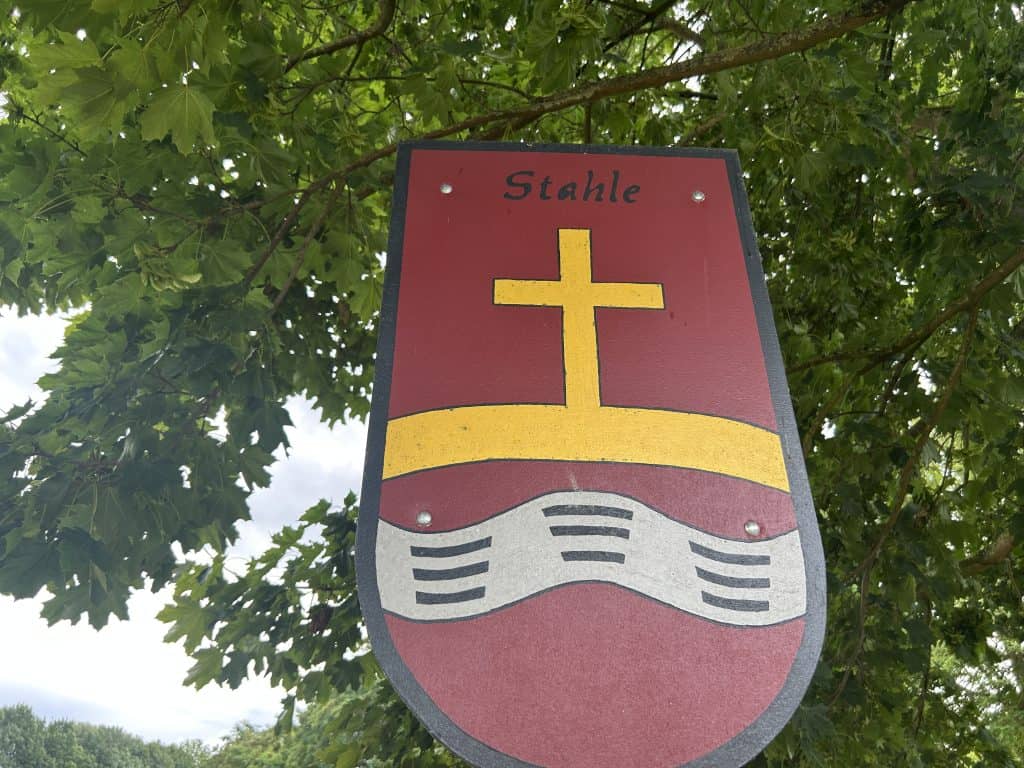
A Short History of Stahle
The history of Stahle is that of a small river village whose fortunes have been linked for centuries to the powerful Imperial Abbey of Corvey located just across the river. For most of its existence, it was a modest agricultural and fishing community. The story of Stahle reflects the long history of this part of the Weser valley, from its early medieval origins to its modern integration into the town of Höxter. Its proximity to both the ecclesiastical center of Corvey and the commercial town of Holzminden shaped its development.
Medieval Origins and Corvey Abbey
The history of settlement in the Stahle area dates back to the early Middle Ages. The village was first mentioned in historical documents in the 11th century. Its development was directly connected to the Imperial Abbey of Corvey, a major Benedictine monastery and political power that was founded in the 9th century. The village of Stahle was located on lands owned by the abbey. The residents were subjects of the Prince-Abbots of Corvey for much of the medieval and early modern period.
A River Village and Modern Integration
For centuries, the life of the village was defined by its relationship with the Weser River. Fishing and agriculture were the primary economic activities. The river also served as a transport route, although the main commercial hubs were the nearby towns of Höxter and Holzminden. The village was part of the Prince-Bishopric of Corvey until the Napoleonic era. After this, it was incorporated into the Kingdom of Prussia. A key moment in its modern history was the administrative reform of 1970, when the formerly independent municipality of Stahle was incorporated into the town of Höxter.
Things to Do and See
The sights in and around Stahle are focused on its historic village core and its proximity to major regional landmarks. The main points of interest include its historic church, the riverfront, and the world-famous Corvey Castle. The Weser Cycle Path, a major recreational route, also passes directly through the village. The nearby town of Holzminden also provides additional points of interest.
St. Anna Church
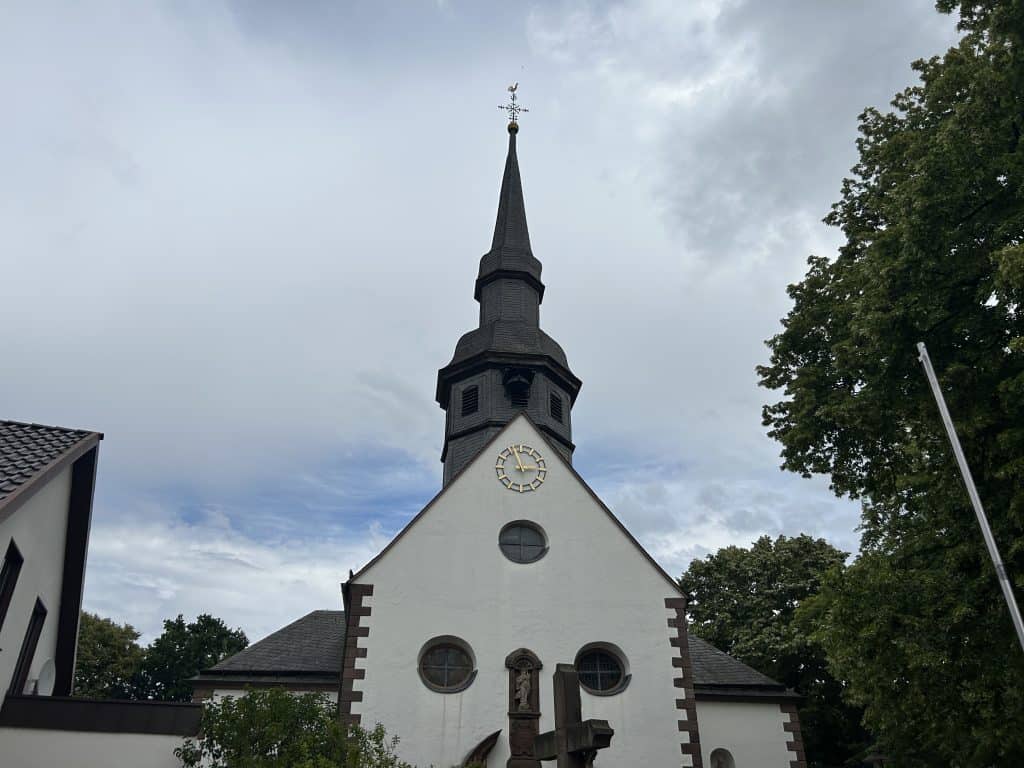
The St. Anna Church (St. Anna-Kirche) is the main historic landmark in the village of Stahle. The church is a small, single-nave building with a Romanesque tower that dates back to the 12th century. The main nave of the church was rebuilt in the 18th century in the Baroque style. The church stands in the center of the old village and serves as the spiritual heart of the community. Its historic tower is a key feature of the village’s skyline as seen from the river.
The Weser Riverfront
The Weser Riverfront is a key feature of the village. A path runs along the bank of the river, providing a pleasant route for walking. The riverfront offers direct views across the water to the large complex of Corvey Castle on the opposite bank. The river is an active waterway, with both commercial barges and recreational boats passing by. This area is a central part of the daily life and recreational activity in the village.
Corvey Castle and Westwerk
Located directly across the Weser River from Stahle is the former Imperial Abbey of Corvey. The main building is now known as Corvey Castle (Schloss Corvey). The most significant part of the complex is the Carolingian Westwerk, which dates to the 9th century. This is one of the very few Carolingian-era structures that still stands today. The entire complex, including the Westwerk and the former abbey, is a designated UNESCO World Heritage Site. It is the most important historical and cultural sight in the entire region.
The Town of Höxter
The historic town of Höxter is located just a few kilometers south of Stahle. The town has a well-preserved historic center with numerous half-timbered houses from the Weser Renaissance period. Key sights in Höxter include the old town hall, the Kilianikirche, and the remnants of the medieval town wall. A walk through the pedestrianized center of Höxter provides a look into the history of a prosperous medieval trading town on the Weser River.
The Town of Holzminden
The town of Holzminden in Lower Saxony is located directly across the Weser River from Stahle. The two settlements are connected by a bridge, making it very easy to travel between them. Holzminden is a larger town known for its history in the fragrance and flavor industry, earning it the nickname “City of Scents.” A visit to its historic center offers a look at more half-timbered houses and the architecture of the Weser Renaissance style. The town provides additional shops, restaurants, and services for the residents of Stahle.
Weser Cycle Path
The Weser Cycle Path (Weser-Radweg) is one of Germany’s most popular long-distance cycle routes. The path runs for approximately 500 kilometers along the Weser River, from its source to its mouth at the North Sea. The route passes directly through the village of Stahle, following the riverbank. This makes the village a common stopping point for cyclists who are touring the region. The path is well-maintained and relatively flat, making it suitable for all levels of cyclists.
Sports in Stahle
The sporting life in Stahle is centered on its local community sports club. Football is the primary organized sport in the village. The surrounding natural landscape of the Weser Uplands also provides extensive opportunities for outdoor recreational activities like hiking and cycling.
Football
Football is a popular sport in Stahle, with a local sports club that is a key part of the community. The club provides a platform for local players of all ages, from youth teams to a senior team. The team competes in the regional amateur leagues of Westphalia.
FC Stahle 30
The main local sports club is FC Stahle 30. The club was founded in 1930. The football section is the most prominent part of the club. The senior football team competes in the local amateur leagues (Kreisliga) of the Höxter district. They play their home games at the local sports ground in the village. The club is a key institution for community life and youth sports.
Getting Around in Stahle
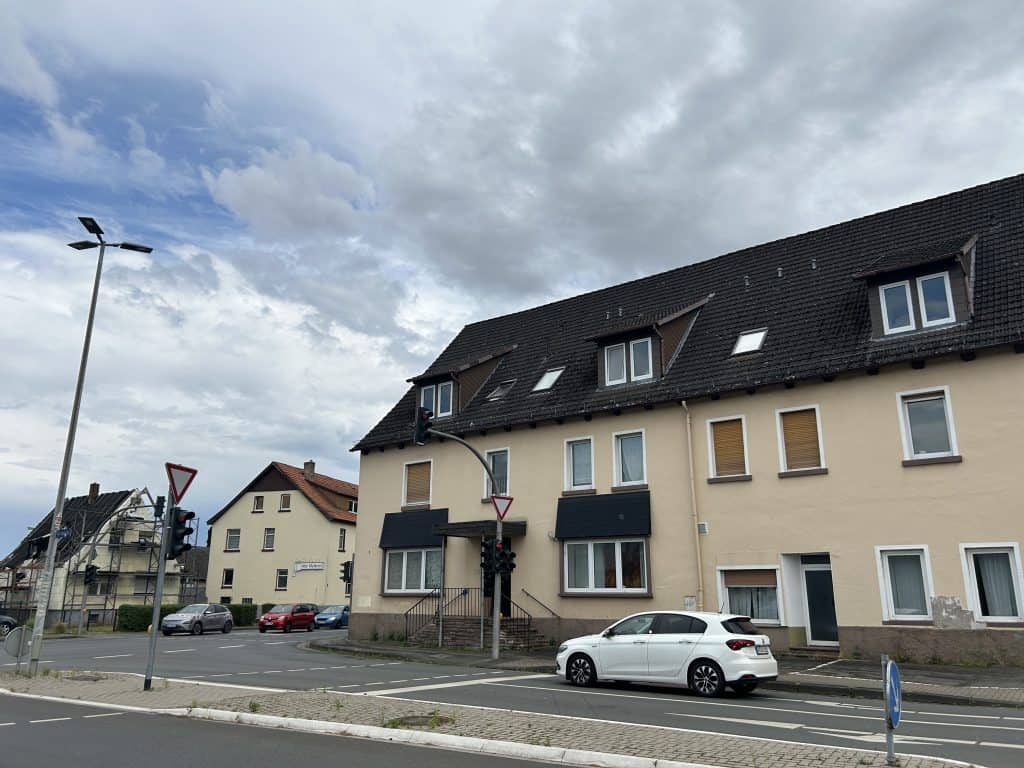
Navigating the village of Stahle is straightforward and is best done on foot. The village is very small, and all its central points are within a short walking distance of each other. For travel to the nearby town of Höxter and other surrounding areas, a local bus network is available. A pedestrian and cyclist bridge also provides a direct connection to the state of Lower Saxony on the other side of the river.
On Foot: The Village
Walking is the best way to explore Stahle. The St. Anna Church, the Weser Riverfront, and the main streets of the village can all be easily seen on foot. A pedestrian and cyclist bridge also provides a direct connection across the river to the Corvey Castle complex. Comfortable shoes are recommended for walking along the river paths. The flat terrain makes it very accessible.
Local Buses
The public transport in the region is operated by Nahverkehrsverbund Paderborn/Höxter (NPH). A network of regional buses connects Stahle with the main town of Höxter. These buses are the primary mode of public transport for traveling between the village and the city’s main train station and services. These bus services may also provide connections across the river to the town of Holzminden. The services may be infrequent, especially on weekends, so it is advisable to check schedules in advance.


How to Get to Stahle
Reaching the village of Stahle requires travel to the Weser Uplands region of Germany. The village is accessible by road. The nearby town of Höxter serves as the main transport hub for the area, with a train station and connections to the wider region. Its location on the border between North Rhine-Westphalia and Lower Saxony makes it a crossroads.
The Open Road: Driving the Weser Valley
Driving is the most practical way to reach Stahle. The village is located on a local road that runs along the western bank of the Weser River. This road connects directly to the main federal roads (Bundesstraßen) that serve the town of Höxter, such as the B64 and B83. These roads provide connections to the German motorway network (Autobahn). A car provides the necessary flexibility for exploring the surrounding rural area.
Arriving by Air: Paderborn Lippstadt Airport
The closest and most convenient airport is Paderborn Lippstadt Airport (PAD). It is located approximately 70 kilometers to the west of Stahle. The airport offers some domestic and international connections. From the airport, a rental car or a combination of bus and train services via the city of Paderborn is required to complete the journey to Höxter and then to Stahle. The larger airport of Hanover (HAJ) is another option.
On Track: A Journey by Rail
Stahle does not have its own train station. The closest train station is located in the main town of Höxter. The Höxter Rathaus station is a stop on the Egge-Bahn railway line. This regional line connects the cities of Paderborn and Holzminden. The NordWestBahn railway company operates the RB 84 regional train service on this route. From the Höxter station, a local bus or a taxi is required to complete the short journey to Stahle.
Connecting by Coach
There are no direct long-distance bus services to the small village of Stahle. Travel by coach would typically involve taking a service from a company like FlixBus to a larger nearby city, such as Paderborn or Göttingen. From these cities, travelers would then need to transfer to a regional train service to reach Höxter, followed by a local bus to Stahle.
Driving Distances
The driving distance from 10 regional cities, according to Google Maps:
- Paderborn, Germany – 55 kilometers (1 h 00 min)
- Hanover, Germany – 86 kilometers (1 h 20 min)
- Dortmund, Germany – 156 kilometers (1 h 50 min)
- Cologne, Germany – 248 kilometers (2 h 50 min)
- Hamburg, Germany – 252 kilometers (2 h 50 min)
- Frankfurt, Germany – 261 kilometers (3 h 00 min)
- Berlin, Germany – 367 kilometers (3 h 50 min)
- Amsterdam, Netherlands – 369 kilometers (4 h 00 min)
- Luxembourg City, Luxembourg – 404 kilometers (4 h 40 min)
- Brussels, Belgium – 449 kilometers (4 h 40 min)
Looking to Explore more of Germany and Europe?