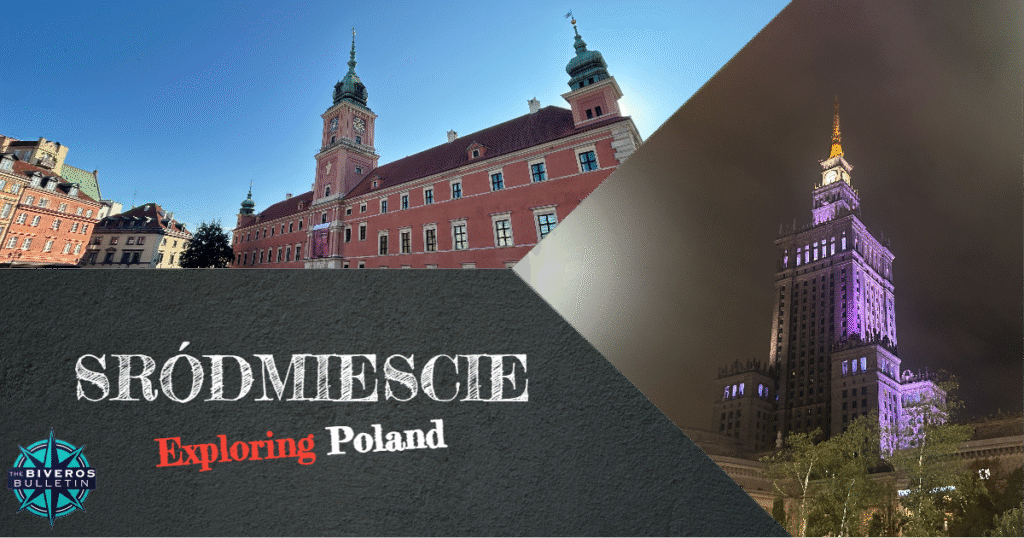
Śródmieście, Warsaw | Exploring Poland
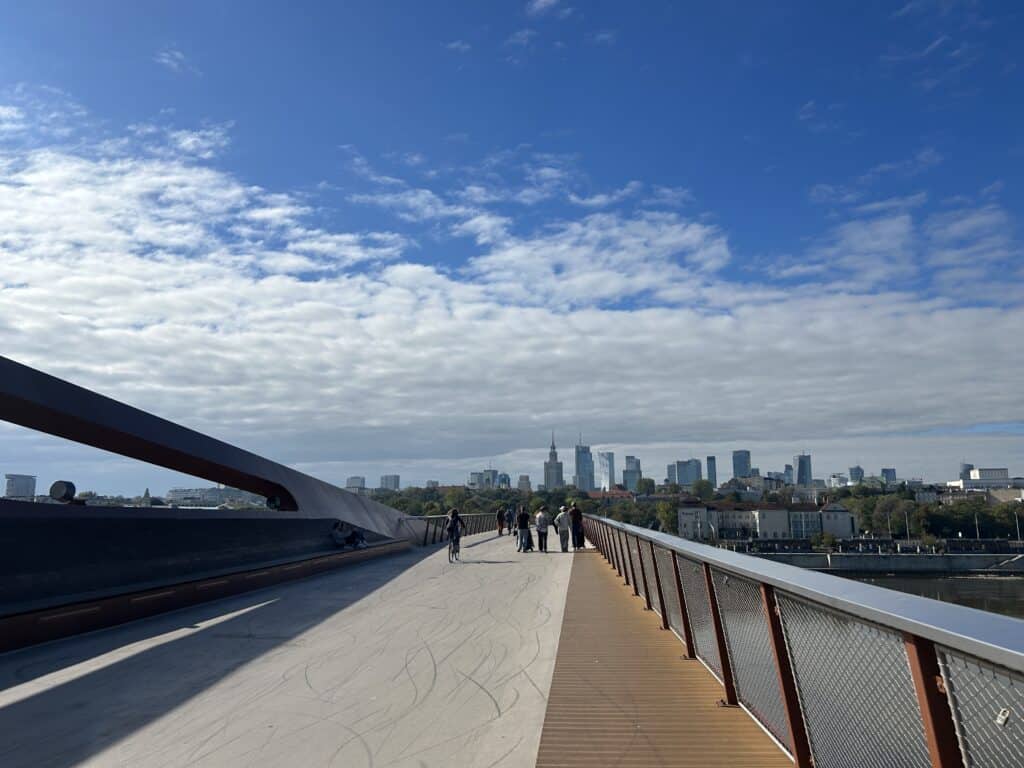
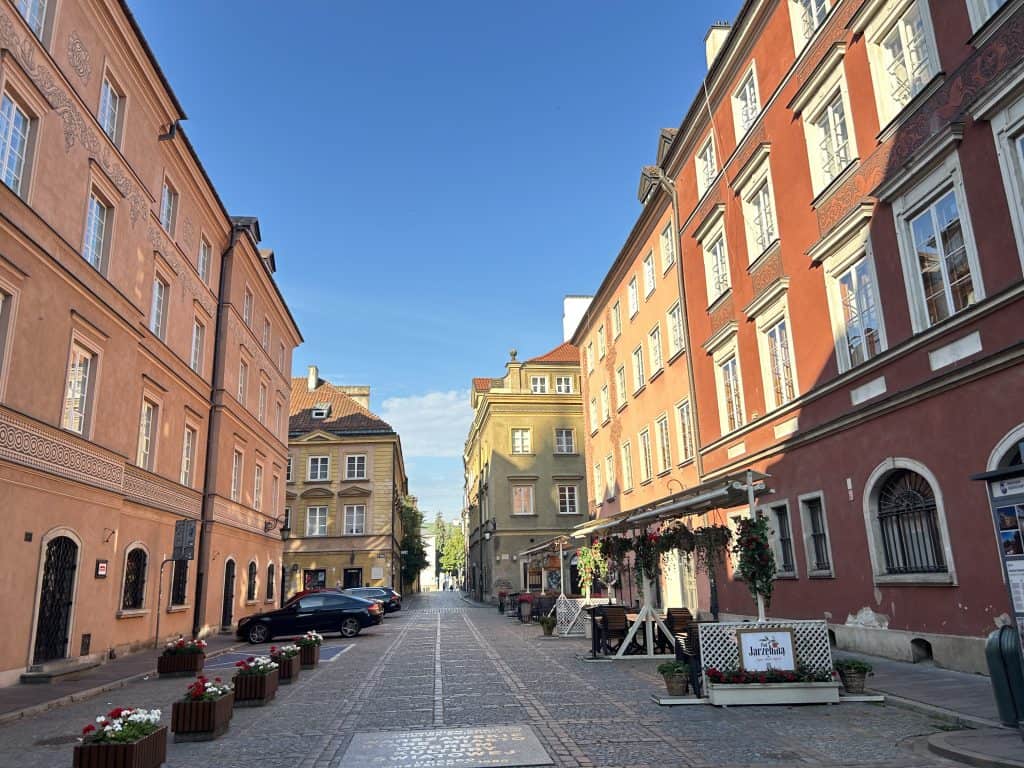
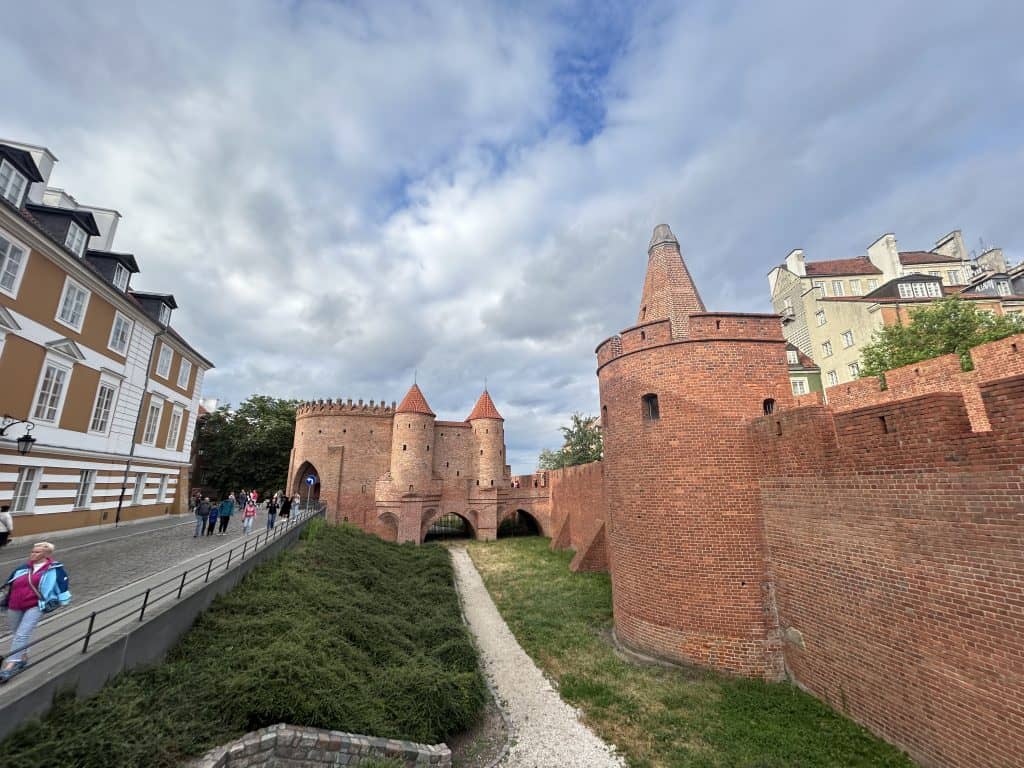
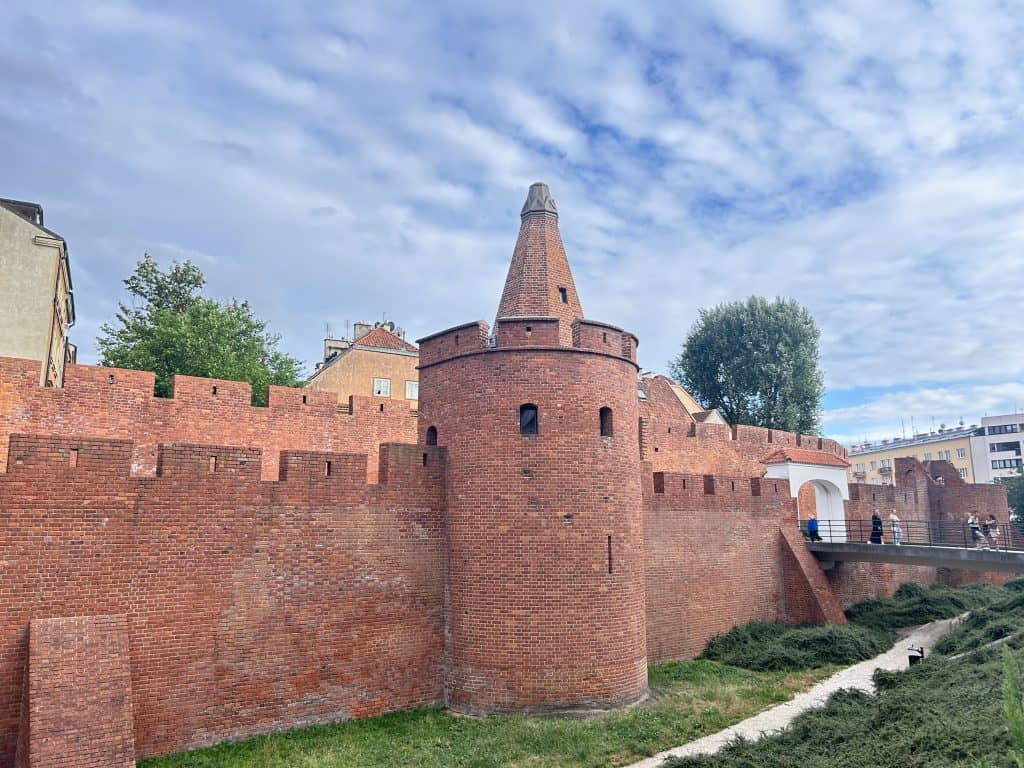
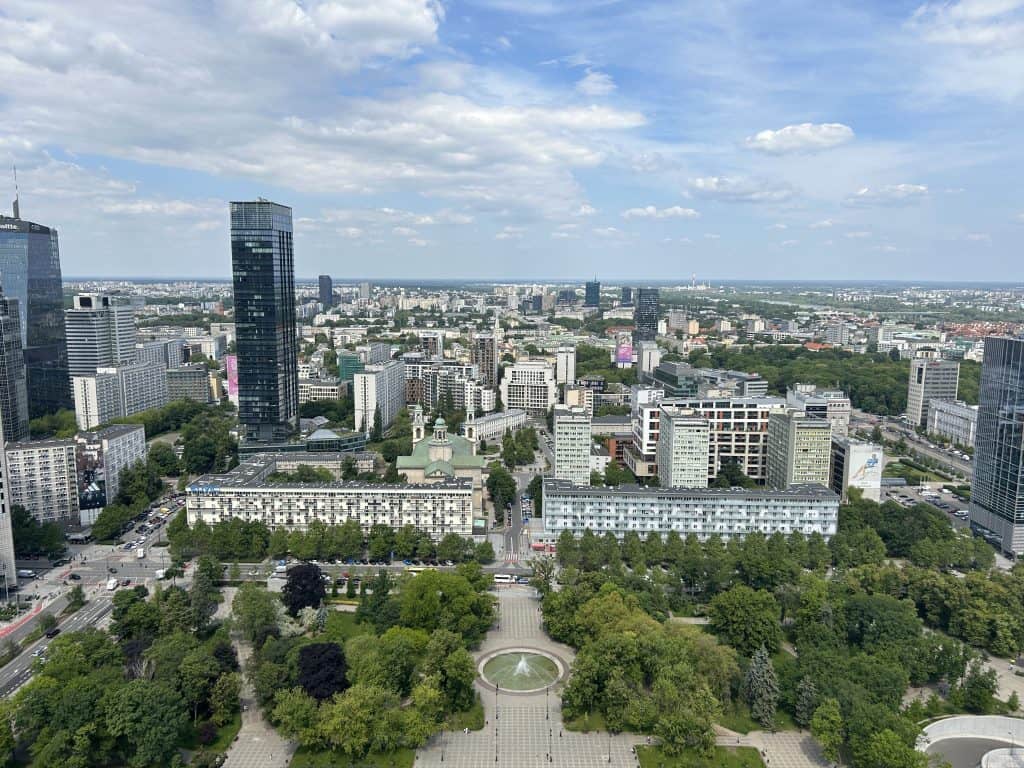
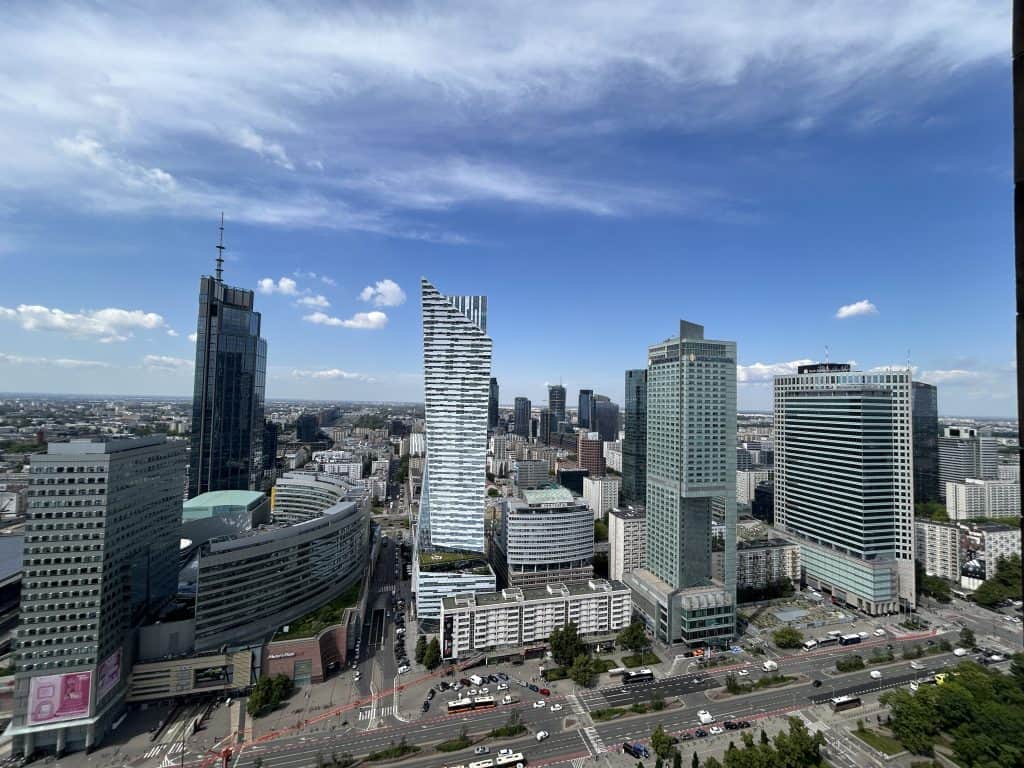
Śródmieście, with its official name Dzielnica Śródmieście m.st. Warszawy, is the absolute heart of Warsaw and the central district of Poland’s national, administrative, and cultural life. It is a district of profound contrasts, where the meticulously reconstructed, centuries-old Old Town—a UNESCO World Heritage site—stands just minutes away from a skyline of modern glass skyscrapers. The district is defined by iconic landmarks, from the monumental Palace of Culture and Science, a relic of the post-war era, to the elegant Royal Route that connects historic palaces and churches. This dense urban core is the engine of the city, bustling day and night with government officials, business professionals, students, and tourists from around the world.
Covering an area of 15.57 square kilometers, Śródmieście is geographically at the center of the capital, bordered by most of Warsaw’s other districts. As of the end of 2023, the district had a permanent population of around 100,000 residents, but this number swells dramatically each day with hundreds of thousands of commuters and visitors. Its demographics are the most diverse in the city, encompassing residents of the historic Stare Miasto (Old Town) and Nowe Miasto (New Town), the academic community around the University of Warsaw, and the residents of the post-war Muranów neighborhood. With its riverside Powiśle area and the governmental hub in its southern part, Śródmieście functions as a mosaic of distinct neighborhoods, each contributing to its role as the nation’s vibrant center.


History of Śródmieście
The history of Śródmieście is synonymous with the history of Warsaw itself, charting its rise as a royal capital, its near-total annihilation, and its extraordinary rebirth. From its origins as a small medieval settlement in the 13th century, the district grew around the Royal Castle and the Old Town, becoming the political center of the Polish-Lithuanian Commonwealth. For centuries, it witnessed the triumphs and turmoil of Polish history, growing into a grand European capital. This long and rich history was brought to a brutal end during World War II, which left the district as little more than a sea of rubble, setting the stage for one of the most ambitious reconstruction projects in human history.
The Royal Heart of Poland
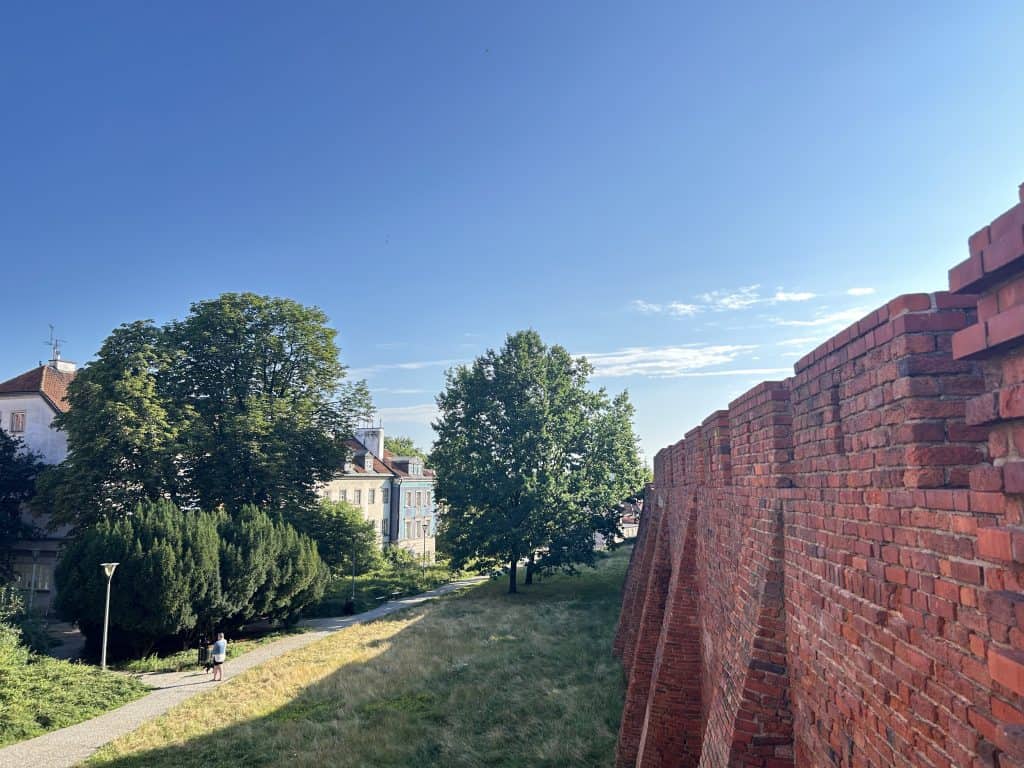
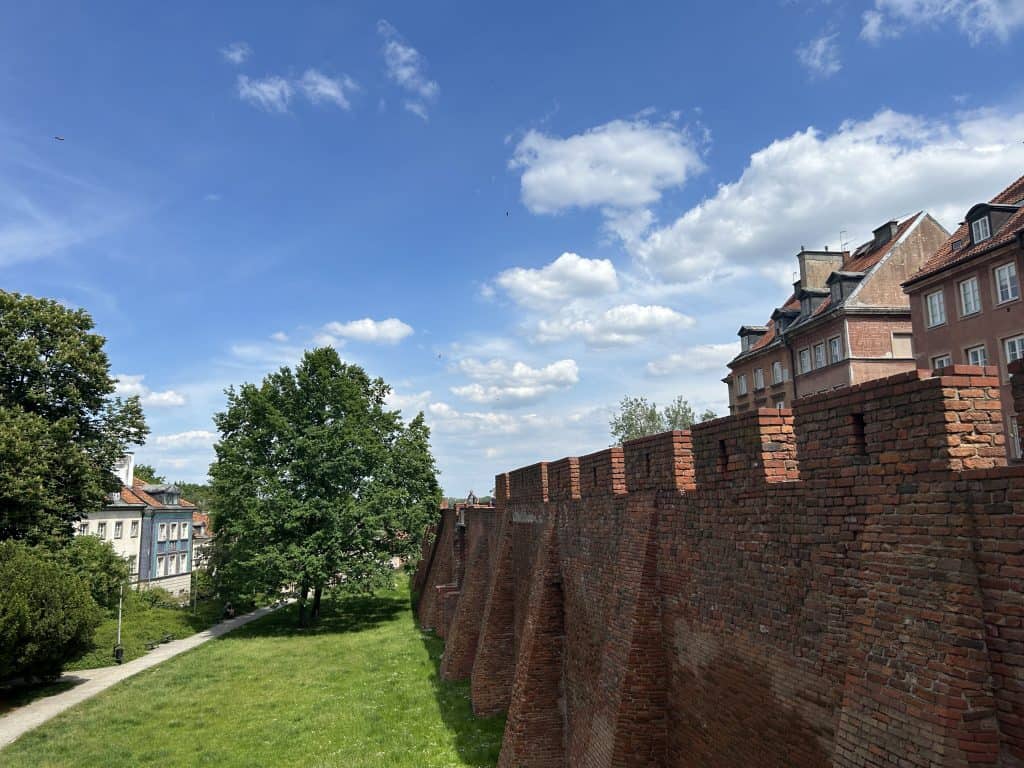
The origins of Warsaw are found in what is now the Old Town of Śródmieście, established as a fortified town in the 13th century by the Dukes of Masovia. Its importance grew exponentially after King Sigismund III Vasa moved the Polish capital from Kraków to Warsaw in 1596. The Royal Castle was expanded, and magnificent palaces and churches were built along the Royal Route. For over 350 years, Śródmieście was the undisputed center of Polish political power, culture, and science. It thrived as the heart of a vast Commonwealth and later endured the Partitions of Poland, retaining its status as the nation’s spiritual and cultural capital.
Annihilation and the Warsaw Ghetto
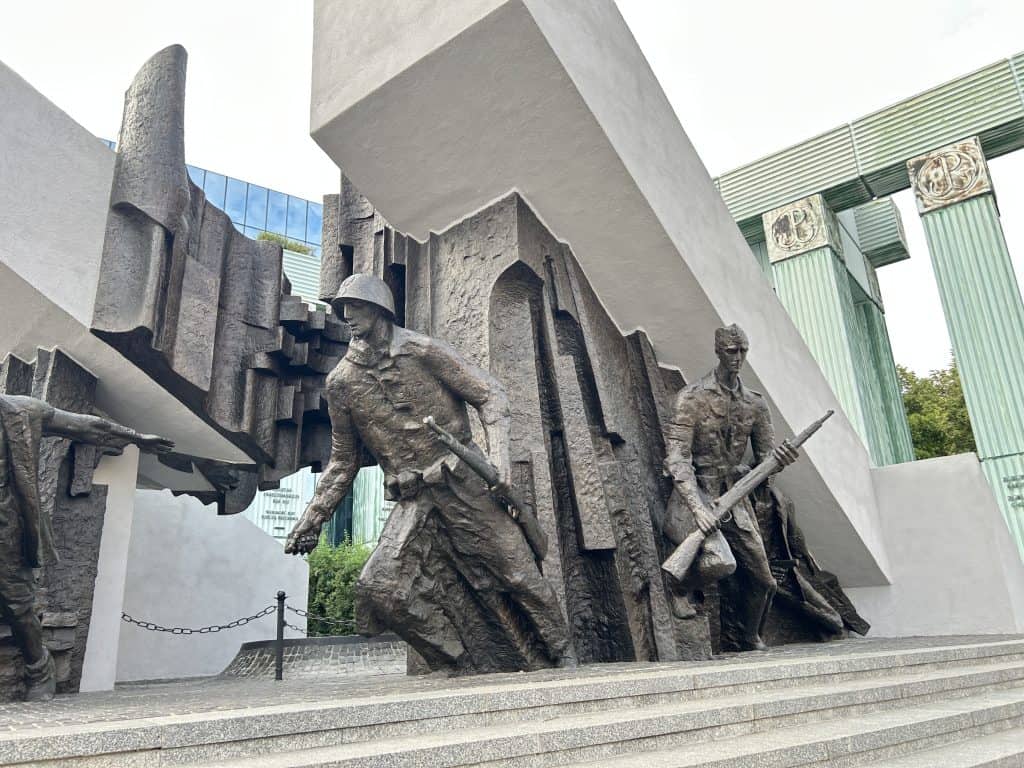
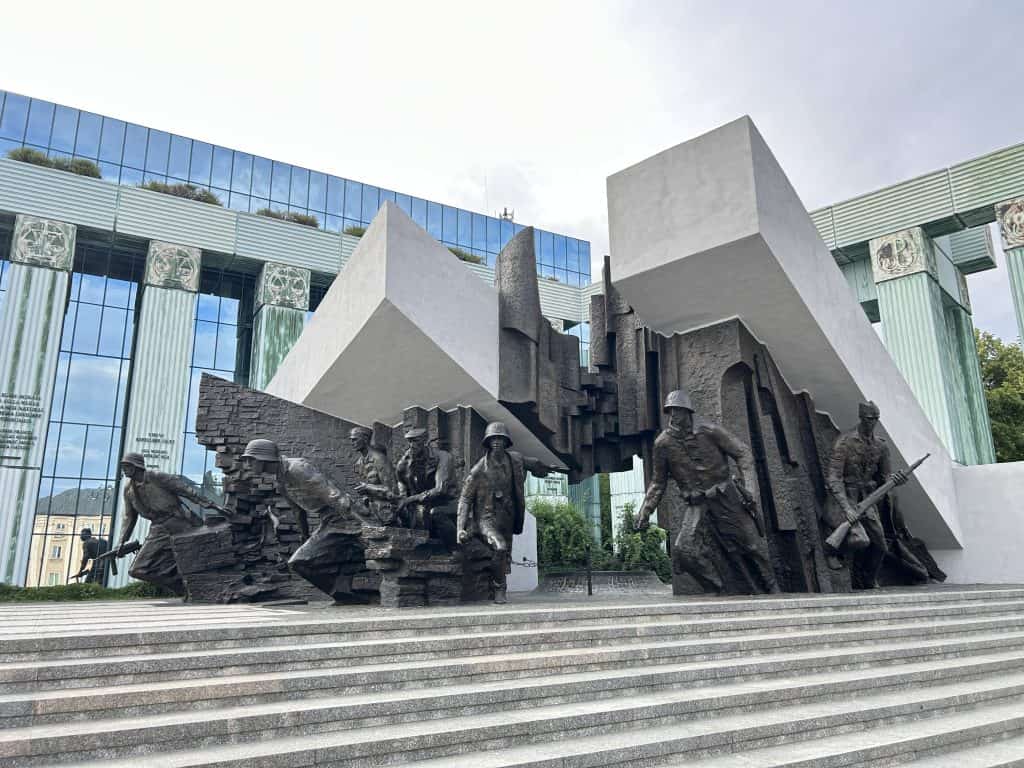
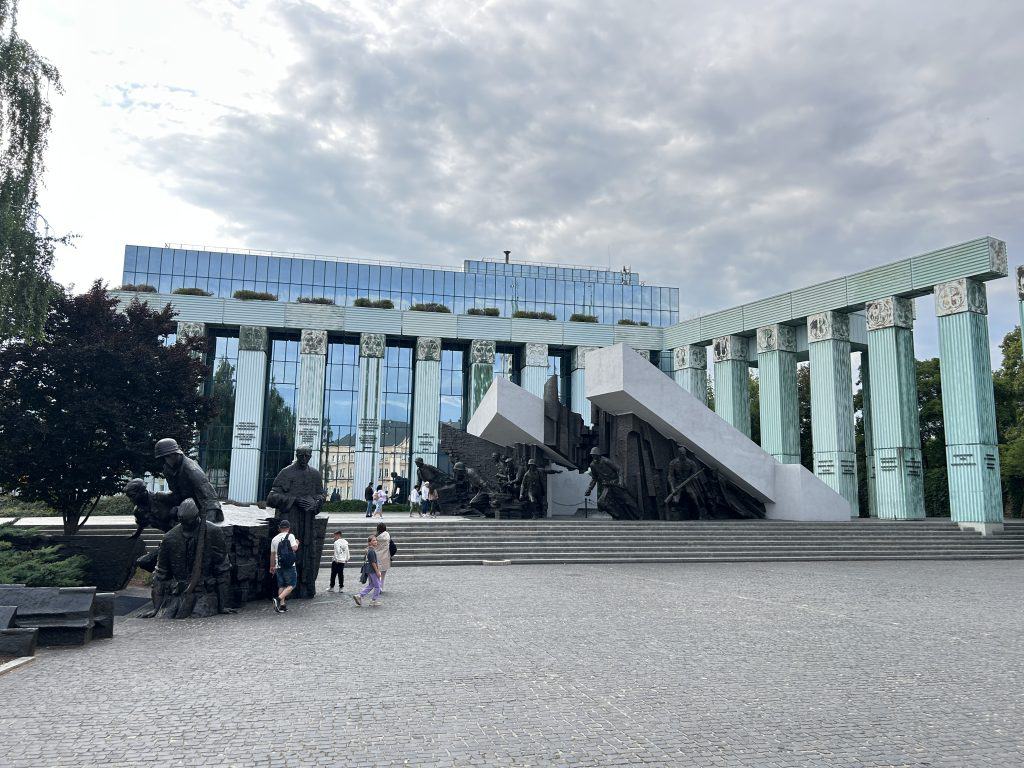
World War II brought an unprecedented level of destruction to Śródmieście. During the German occupation, a large part of the district, including the Muranów neighborhood, was walled off to create the Warsaw Ghetto, the largest in all of Nazi-occupied Europe. After the Ghetto Uprising in 1943, the area was systematically razed to the ground. The final blow came with the Warsaw Uprising in 1944; in retaliation for the insurgency, German forces deliberately burned and dynamited over 85% of the city’s buildings. By 1945, the vibrant heart of Poland had been almost entirely erased.
The Monumental Reconstruction
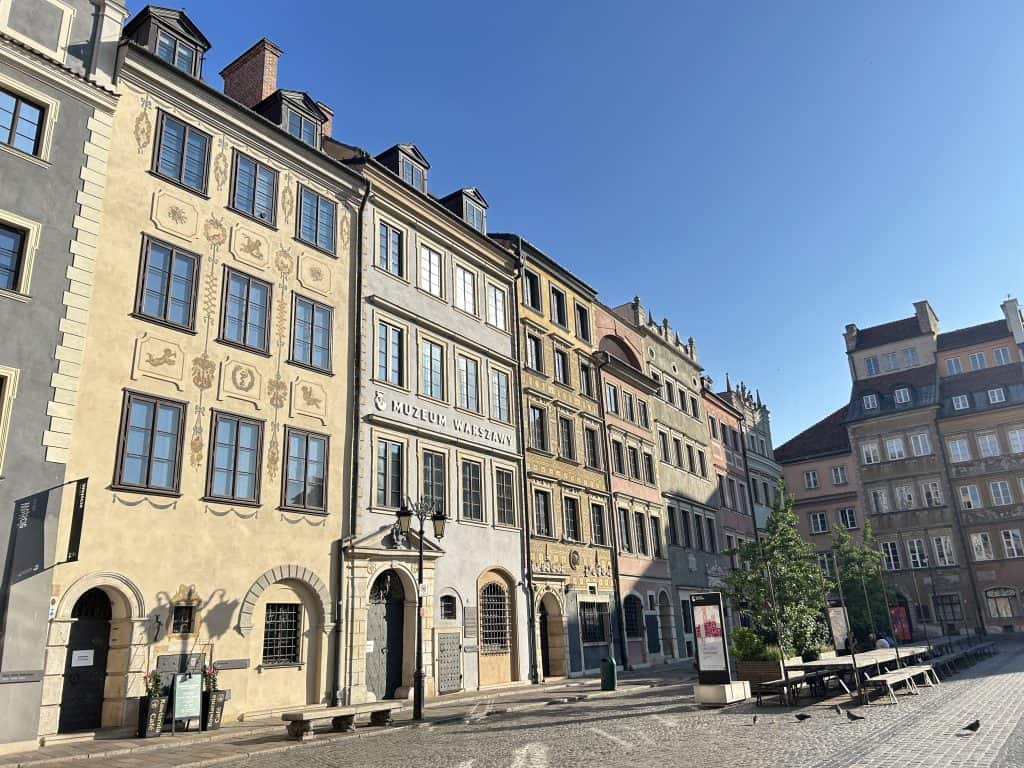
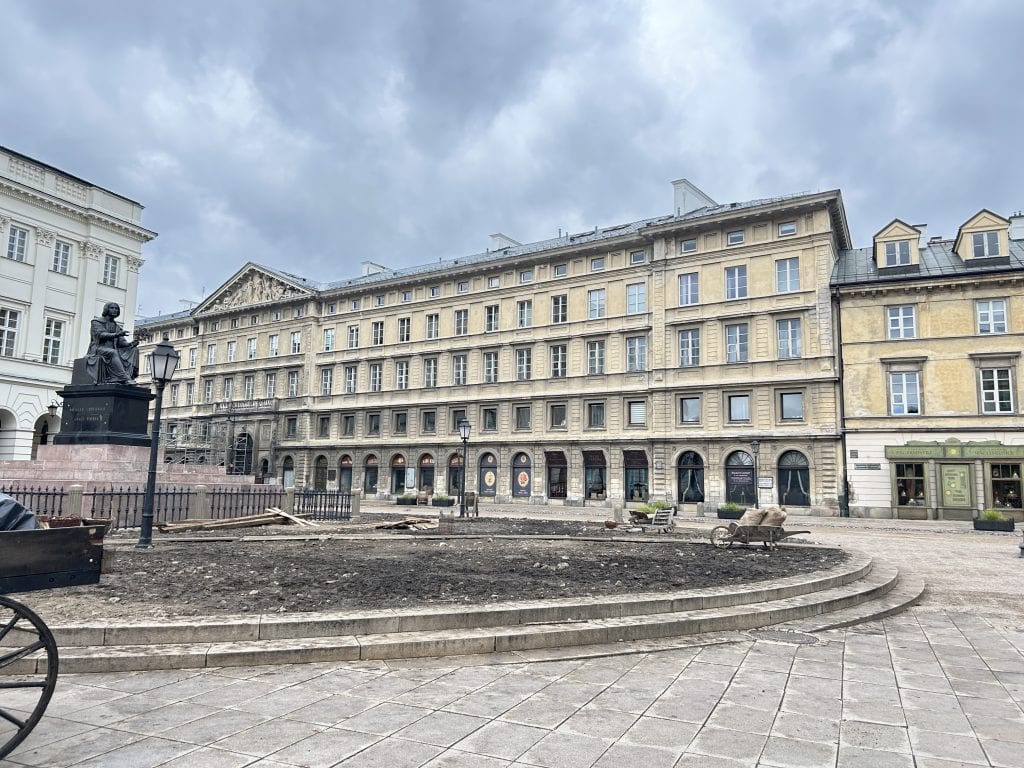
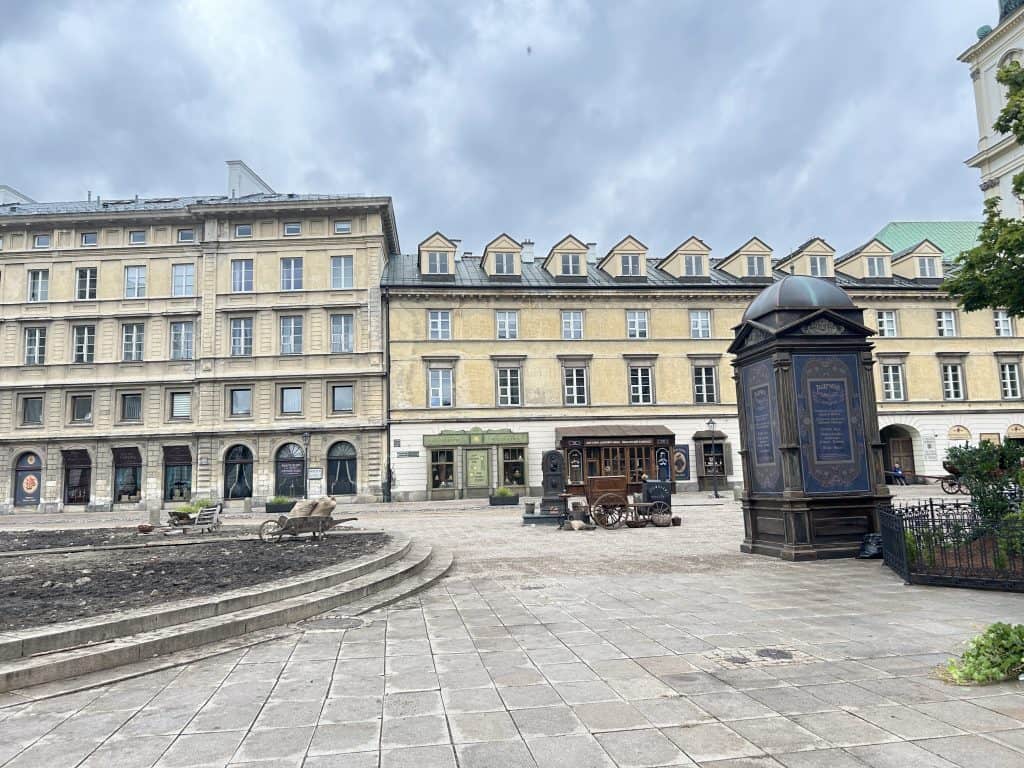
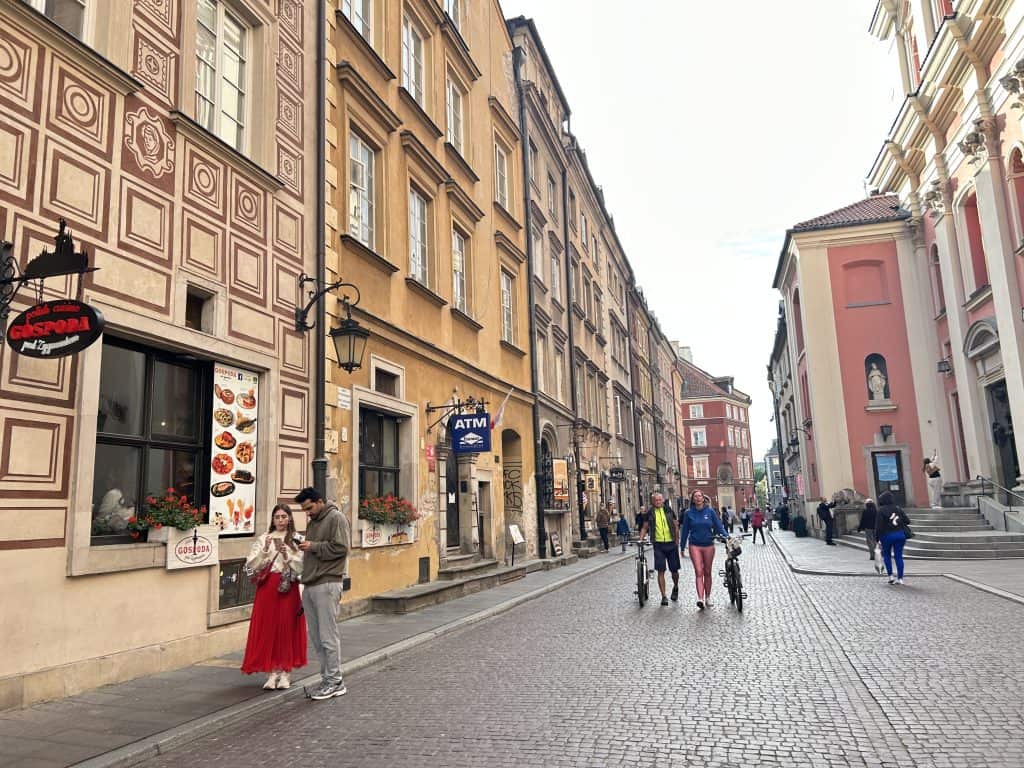
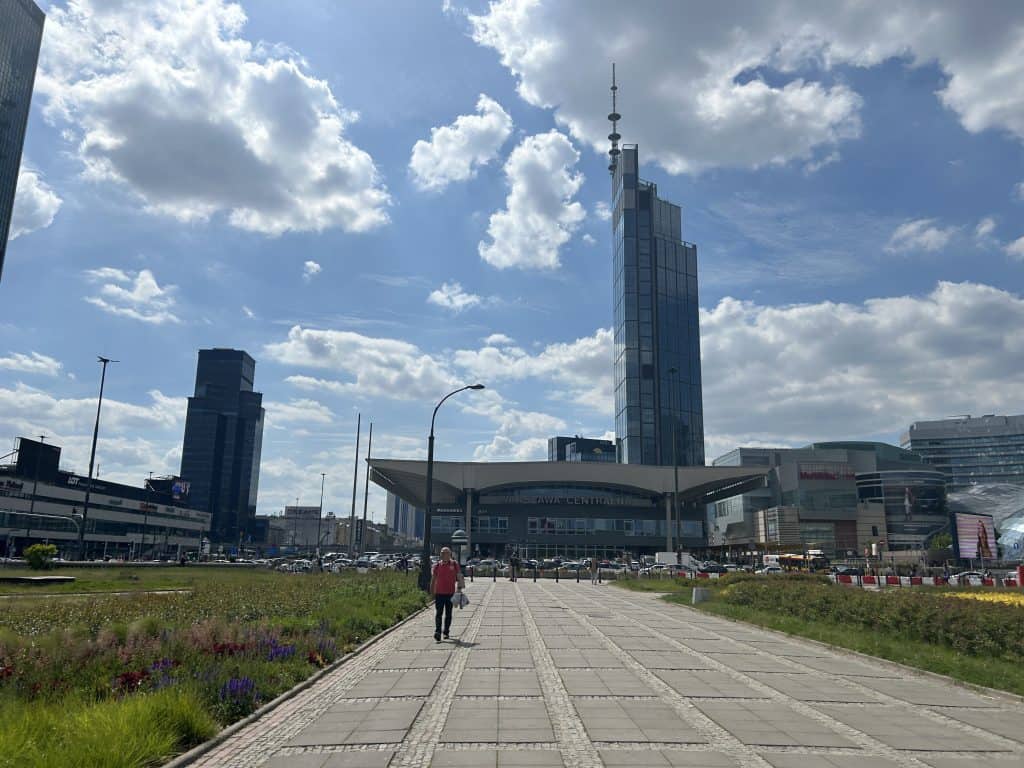
The post-war reconstruction of Śródmieście is a story of national pride and determination. In an unprecedented effort, the entire Old and New Towns were meticulously rebuilt over many years, using pre-war architectural plans and detailed paintings by artists like Canaletto. This remarkable achievement was recognized in 1980 when the Old Town was designated a UNESCO World Heritage site. Simultaneously, the Soviet Union gifted the monumental Palace of Culture and Science to the city, a controversial landmark that still dominates the skyline. In recent decades, a new wave of construction has added dozens of modern skyscrapers, creating the dramatic juxtaposition of old and new that defines Śródmieście today.




Sights in Śródmieście
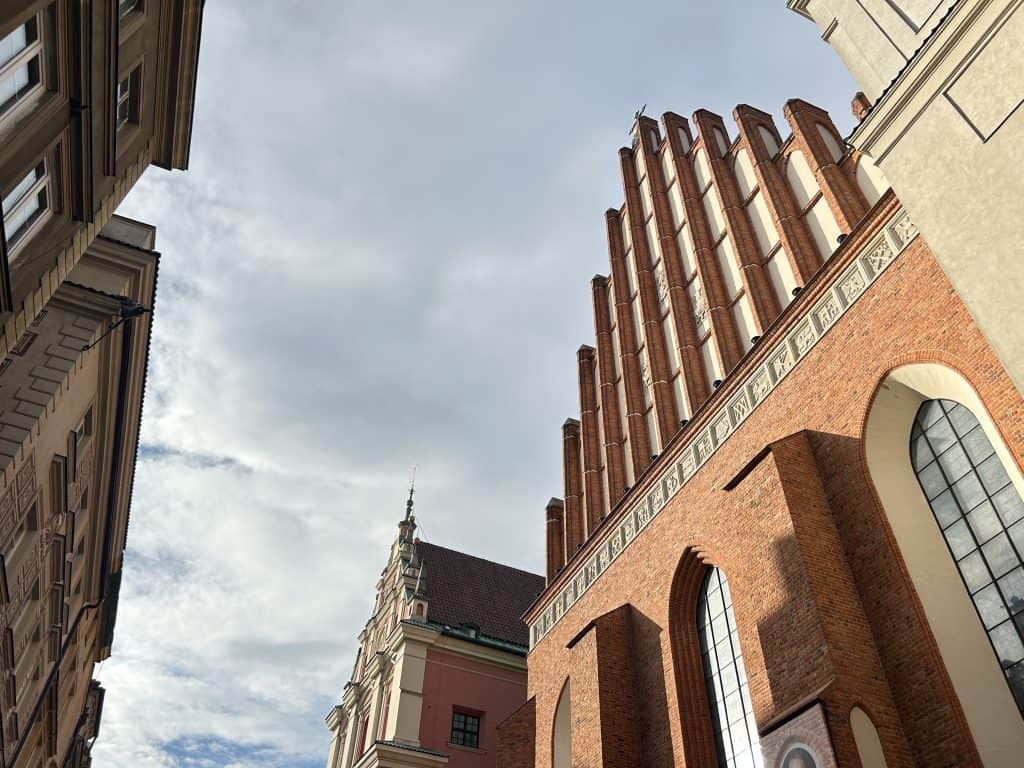
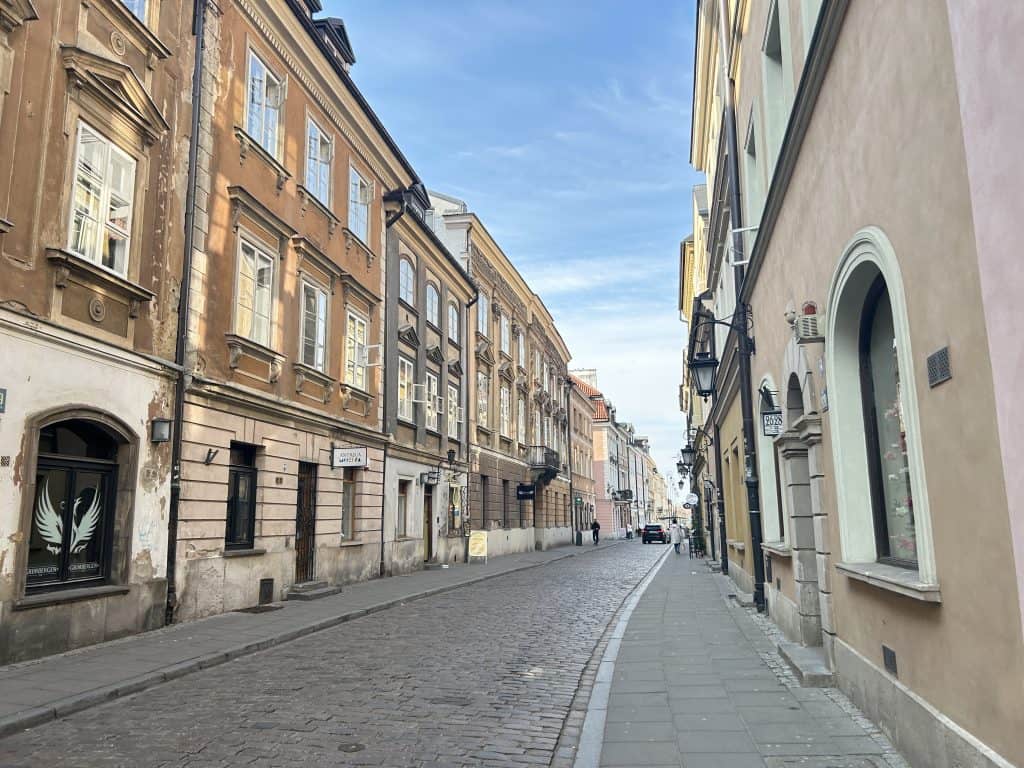
Śródmieście is the most sight-rich district in Poland, containing the nation’s most iconic landmarks, world-class museums, and beautiful historic parks. A journey through the district is a journey through the very soul of the country, from its royal past to its complex 20th-century history and its dynamic present. The sights are concentrated and often interconnected, allowing visitors to walk from the medieval alleyways of the Old Town, down the grand Royal Route, to the lush gardens of Łazienki Park. It is a district that can command days of exploration, with each street corner revealing a new layer of history, art, or culture.
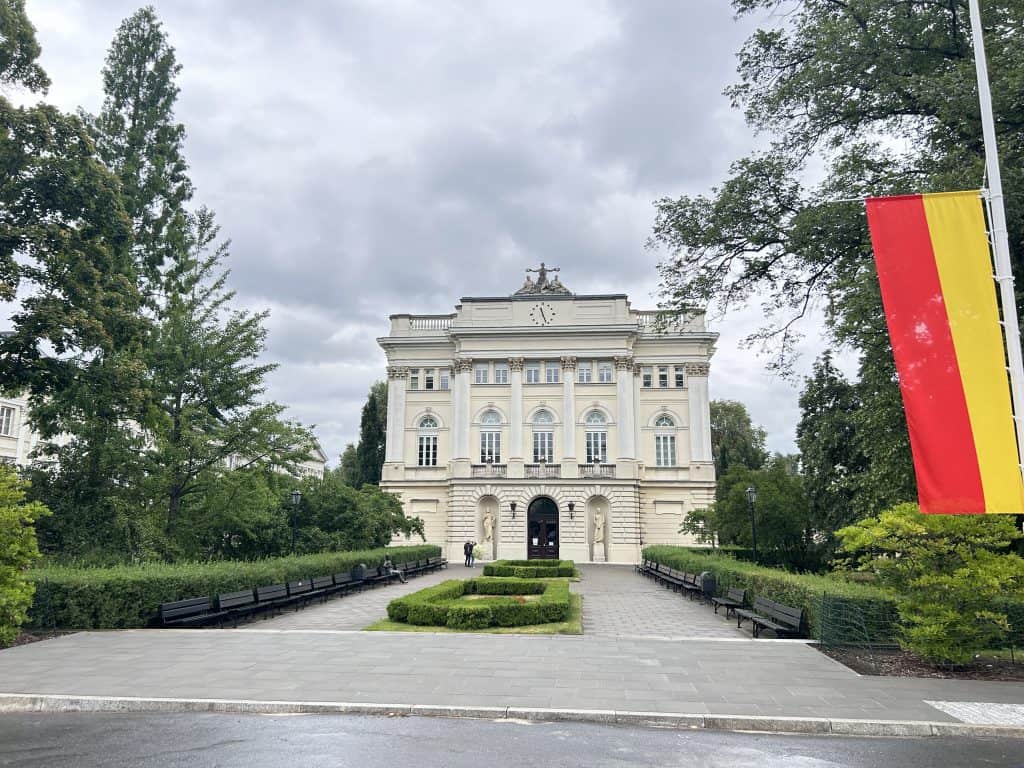
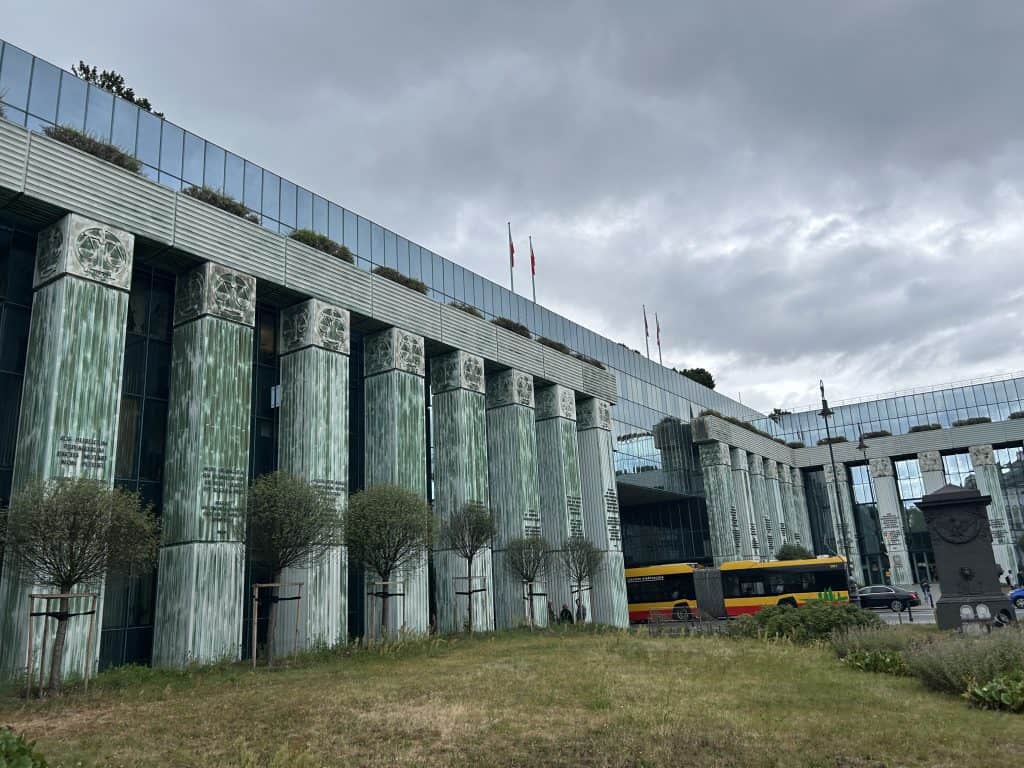
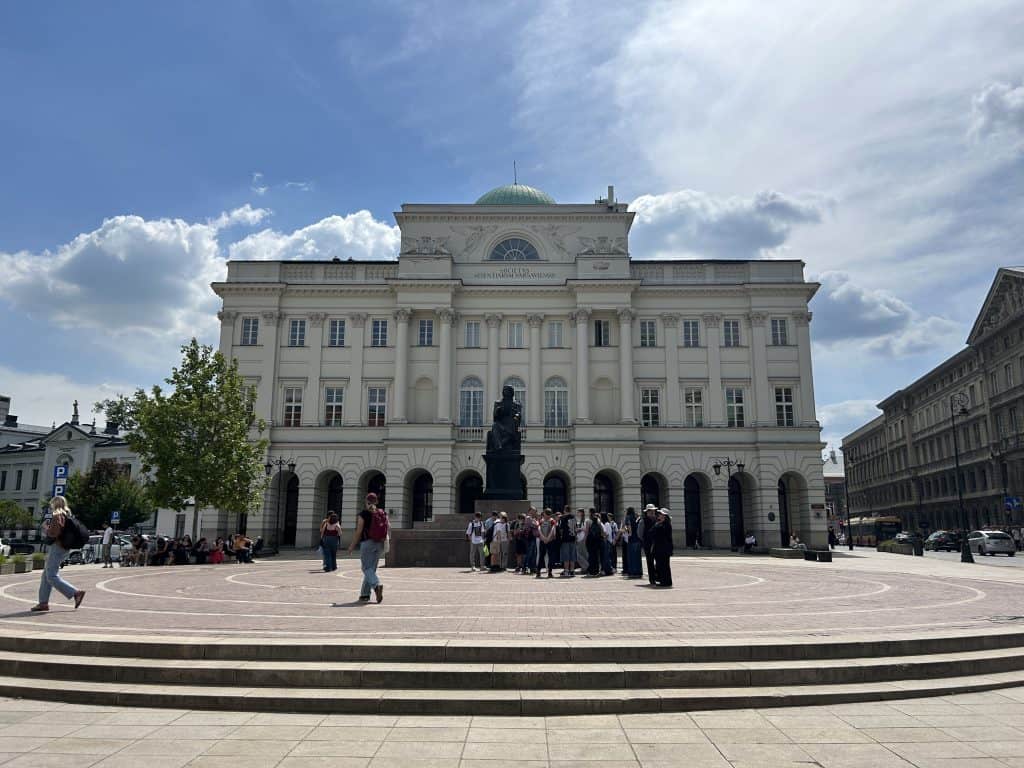
The sheer diversity of the attractions is astounding. Within a few square kilometers, one can tour a rebuilt Royal Castle, ascend a socialist-realist skyscraper, engage with interactive exhibits at a cutting-edge science center, and pay respects at the Tomb of the Unknown Soldier. The district is also home to the main campus of the University of Warsaw, the National Opera, and the Warsaw Philharmonic, making it the undeniable cultural heart of the nation. Whether one’s interest lies in history, art, music, or science, Śródmieście offers an unparalleled density of world-class experiences.
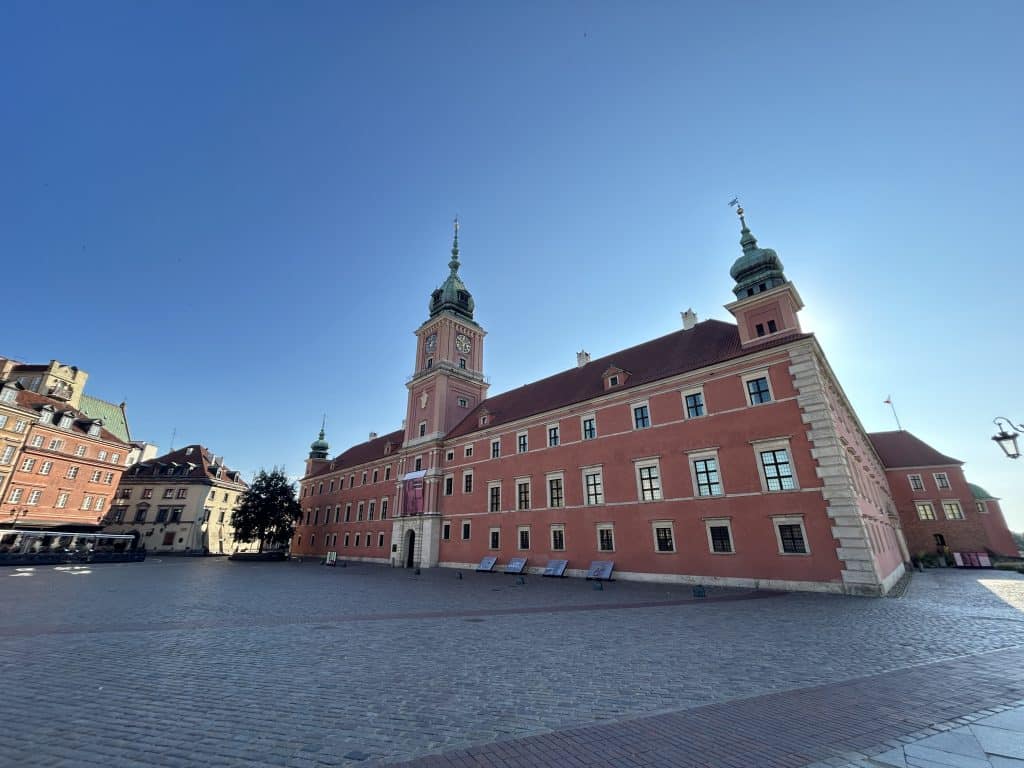
The Royal Castle
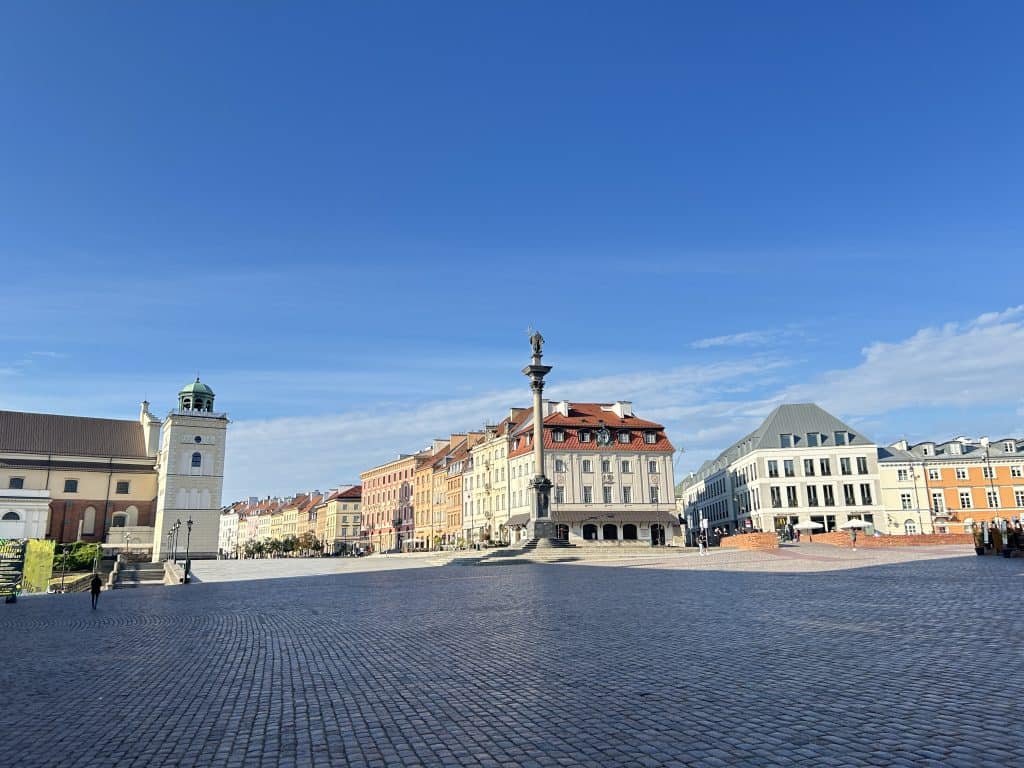
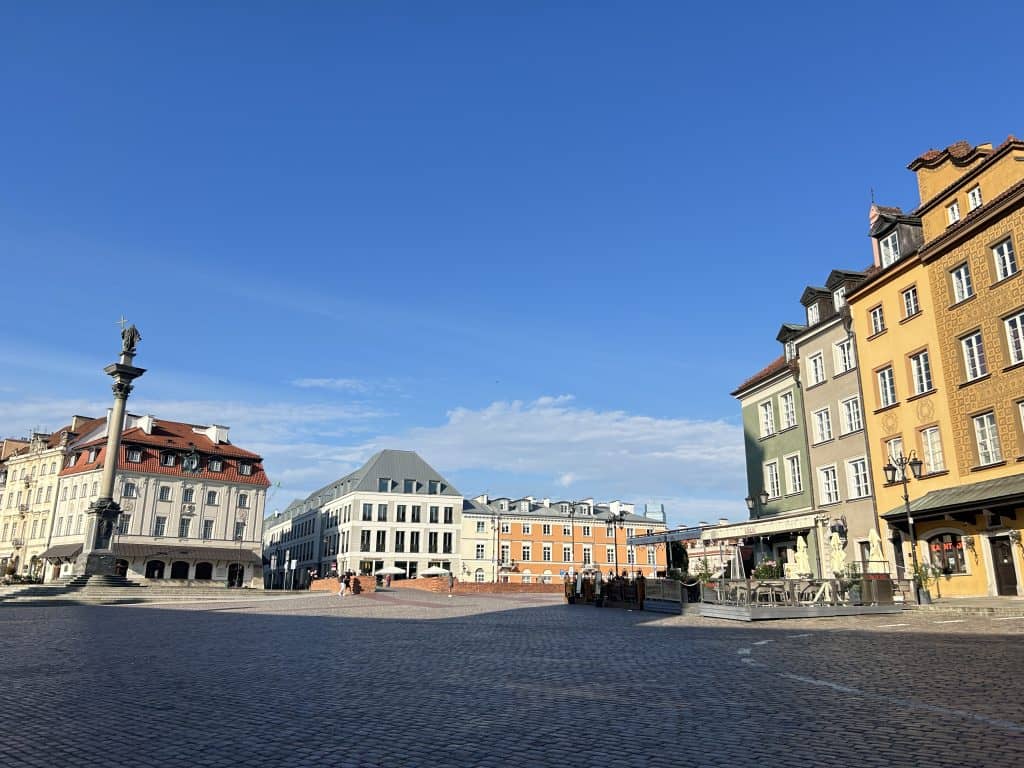
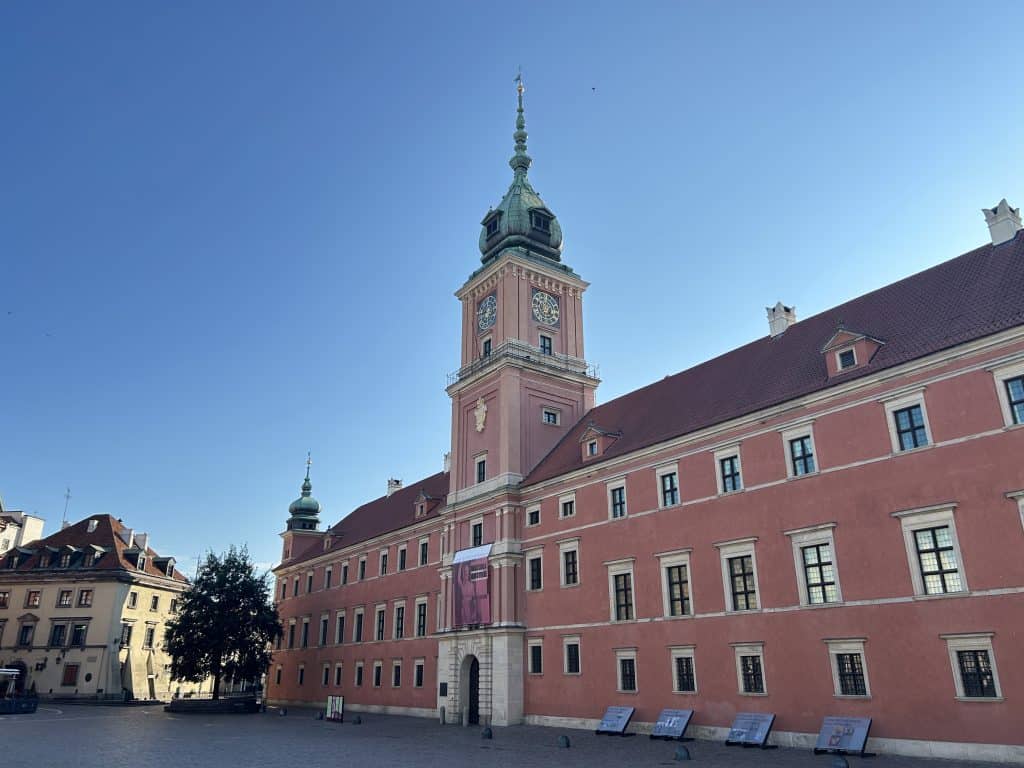
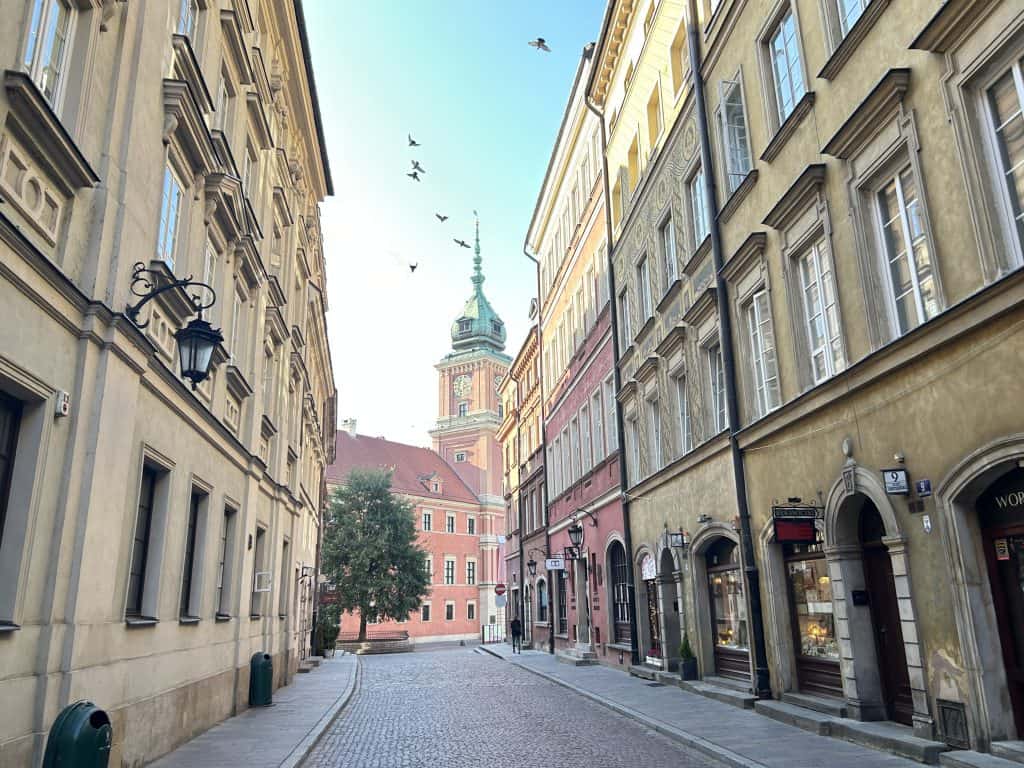
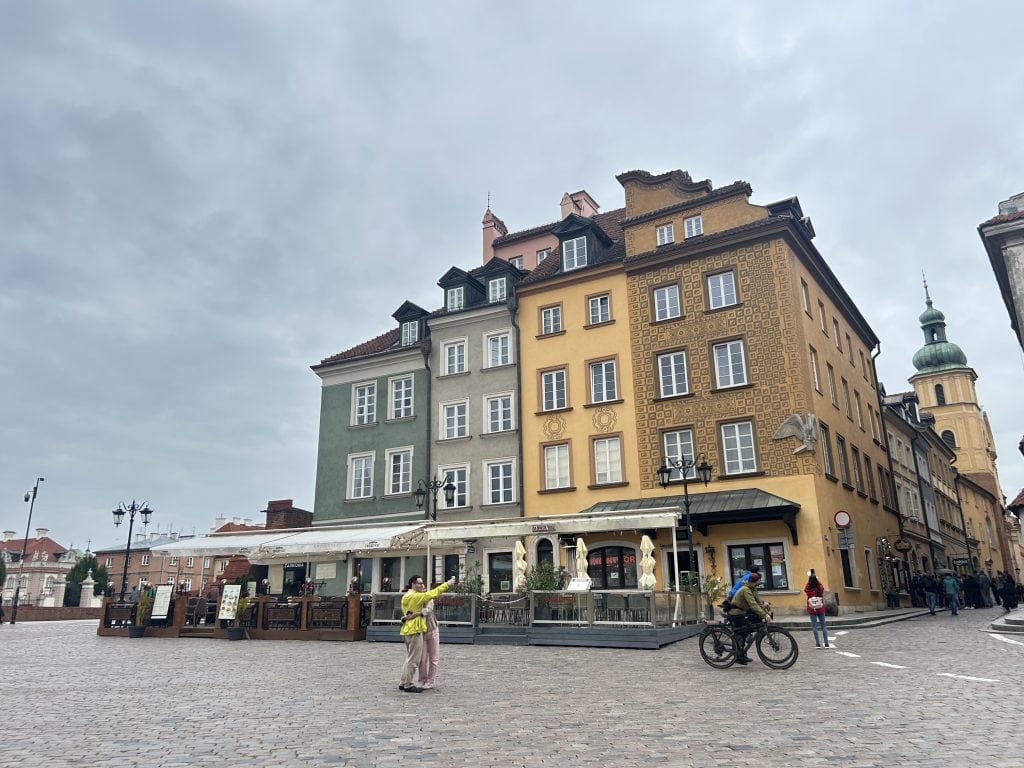
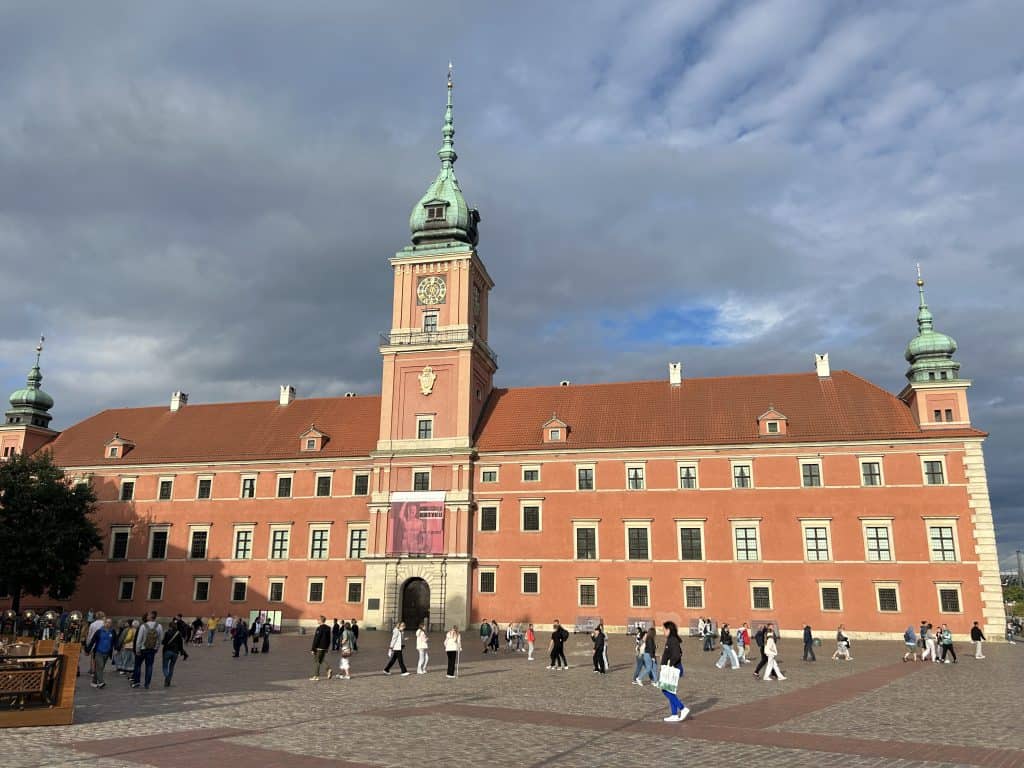
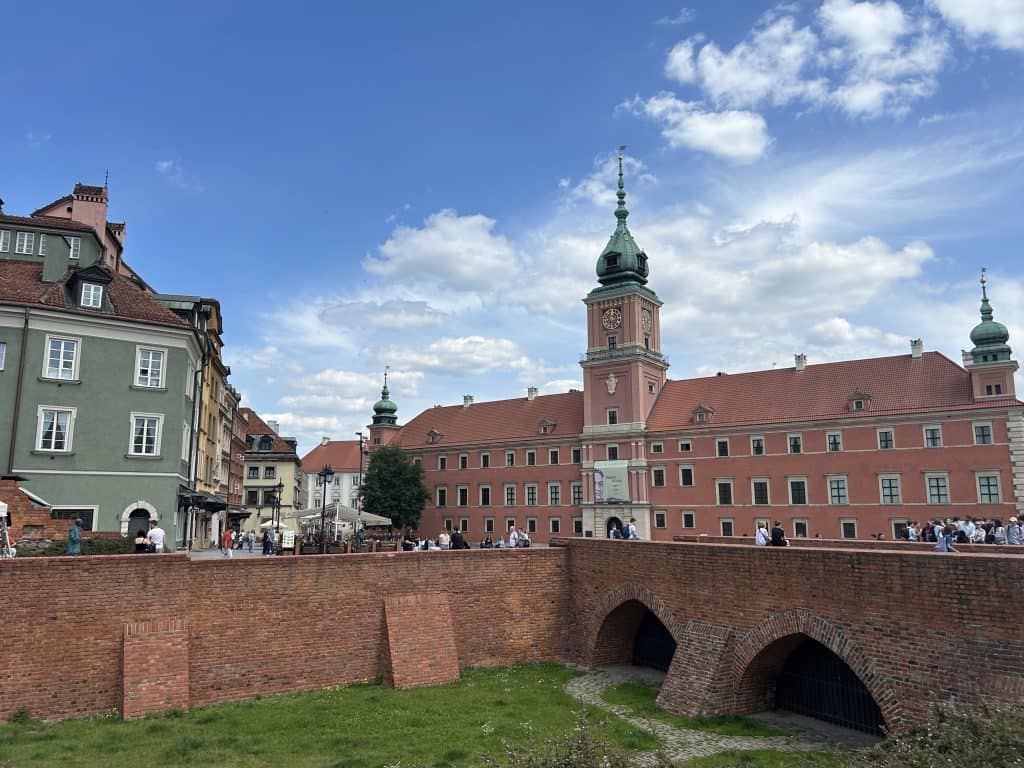
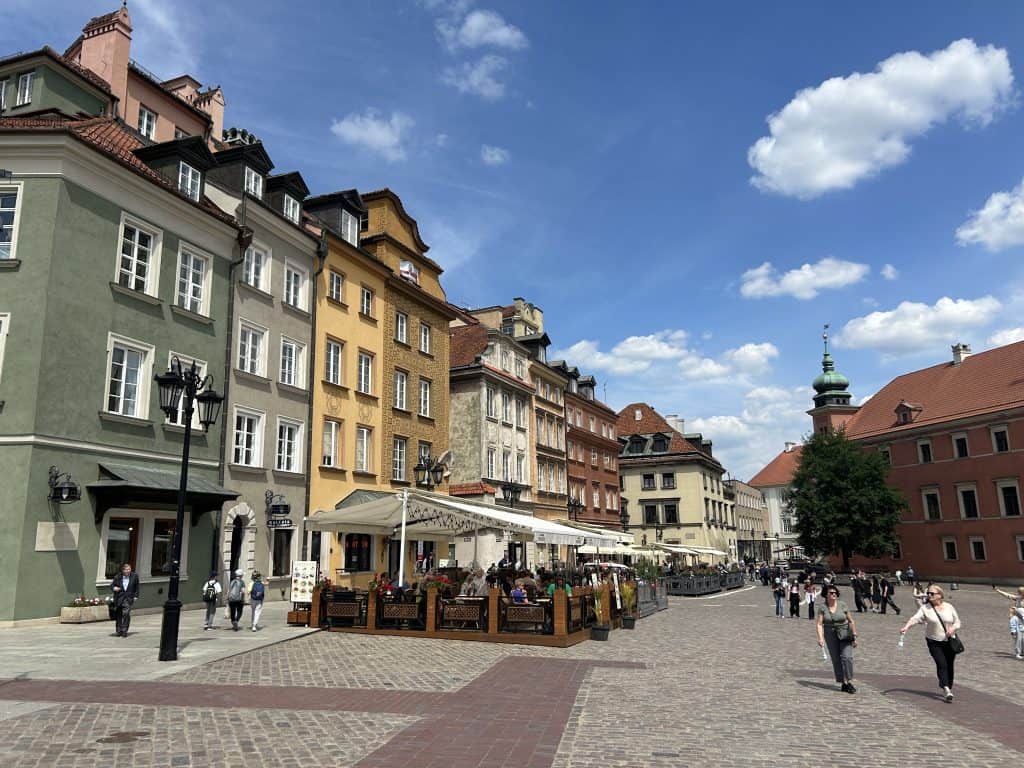
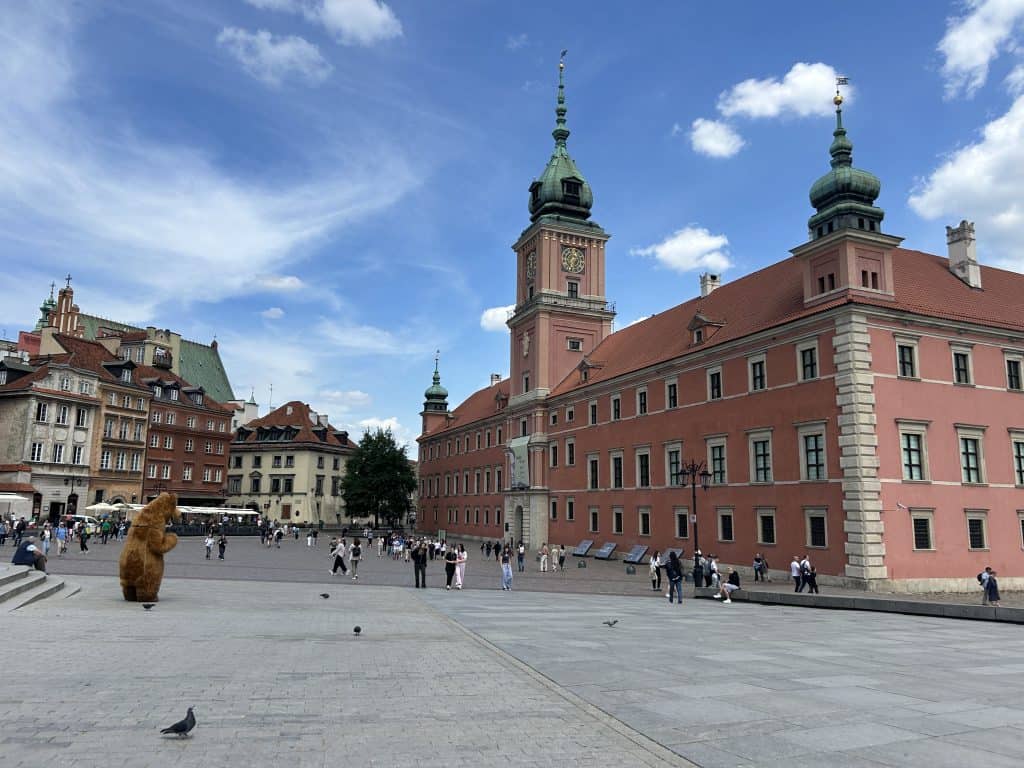
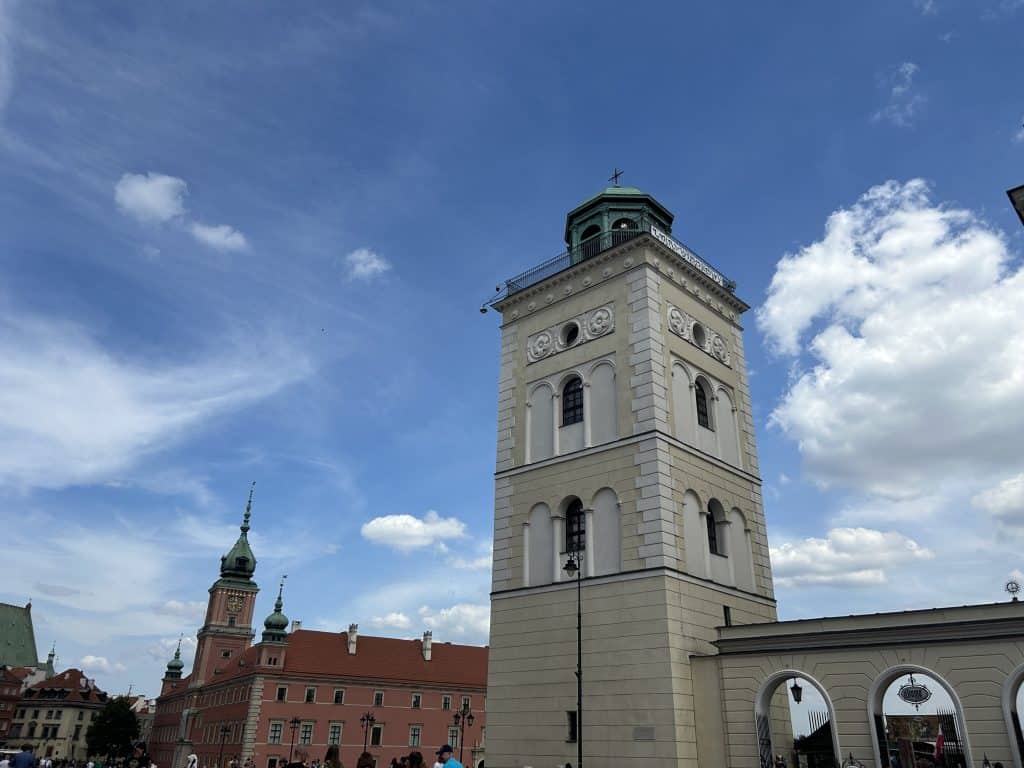
The Royal Castle (Zamek Królewski) in Warsaw, located at the entrance to the Old Town, was the official residence of Polish monarchs for centuries. The original structure was completely destroyed by German forces following the Warsaw Uprising in 1944. It was painstakingly rebuilt between 1971 and 1984 as a symbol of national heritage and endurance. Today, it serves as a museum, showcasing magnificent interiors, the royal apartments, and an outstanding collection of paintings, including two works by Rembrandt. The castle is the historic and symbolic starting point of the famous Royal Route.
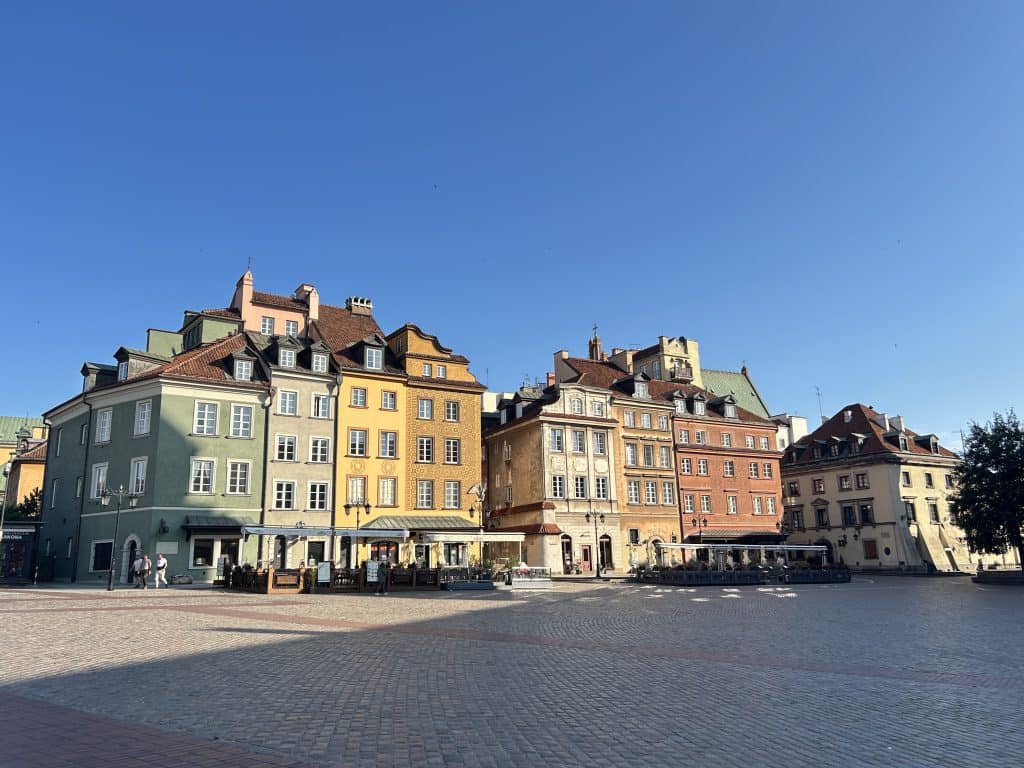
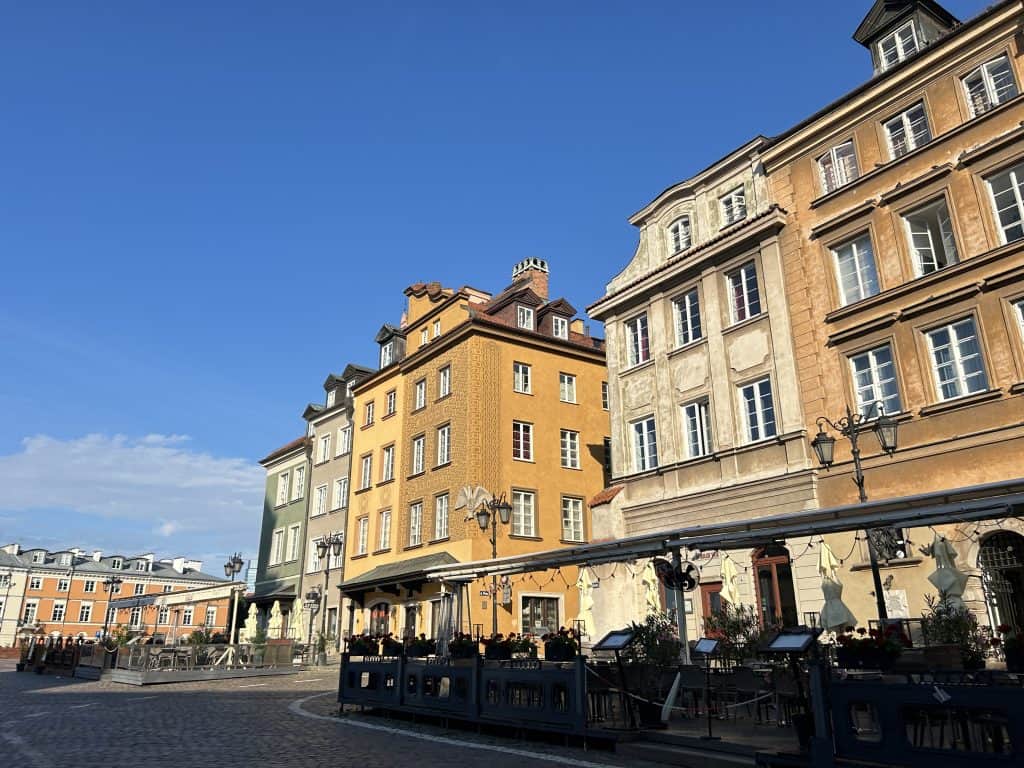
The Old Town Market Square
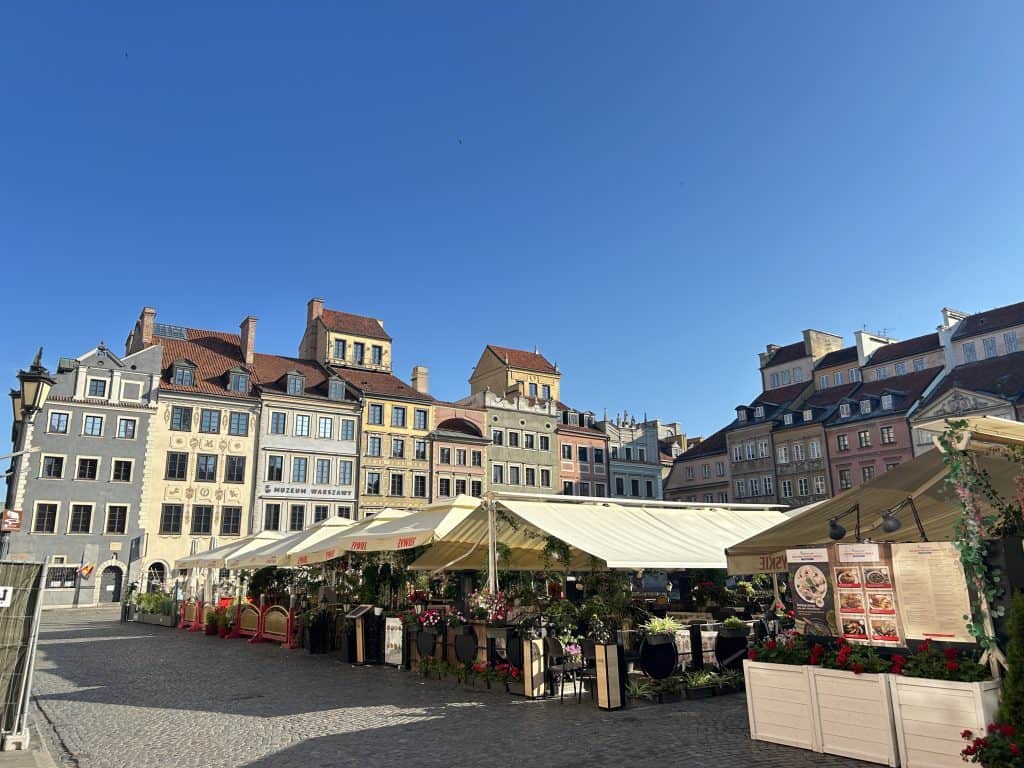
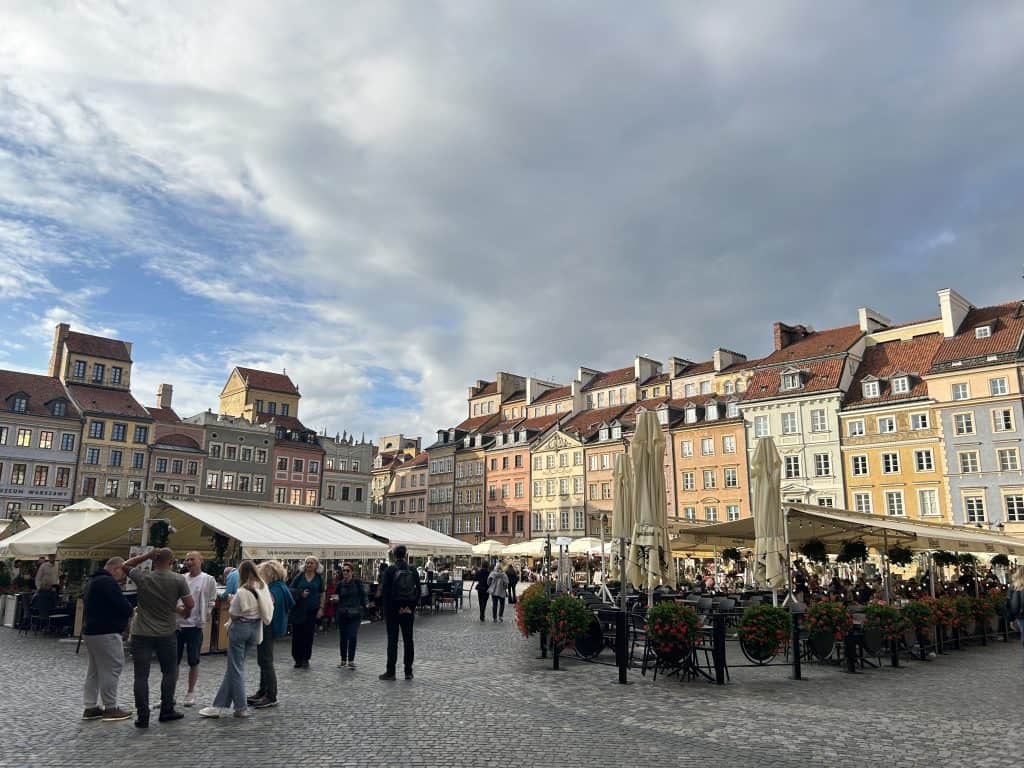
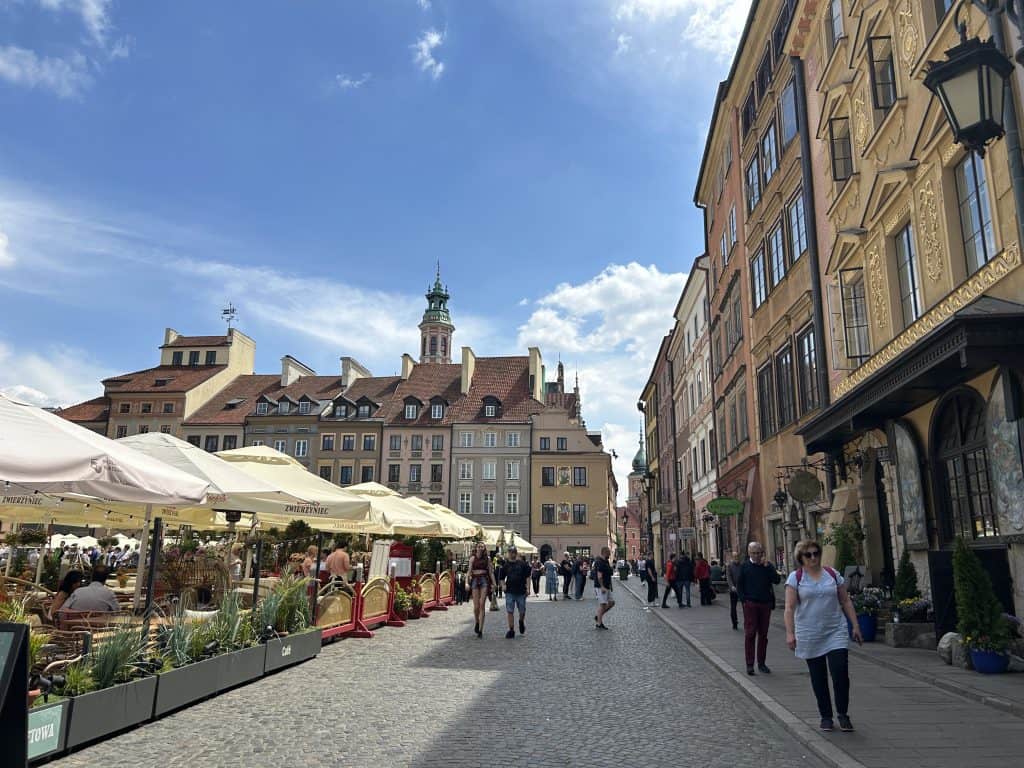
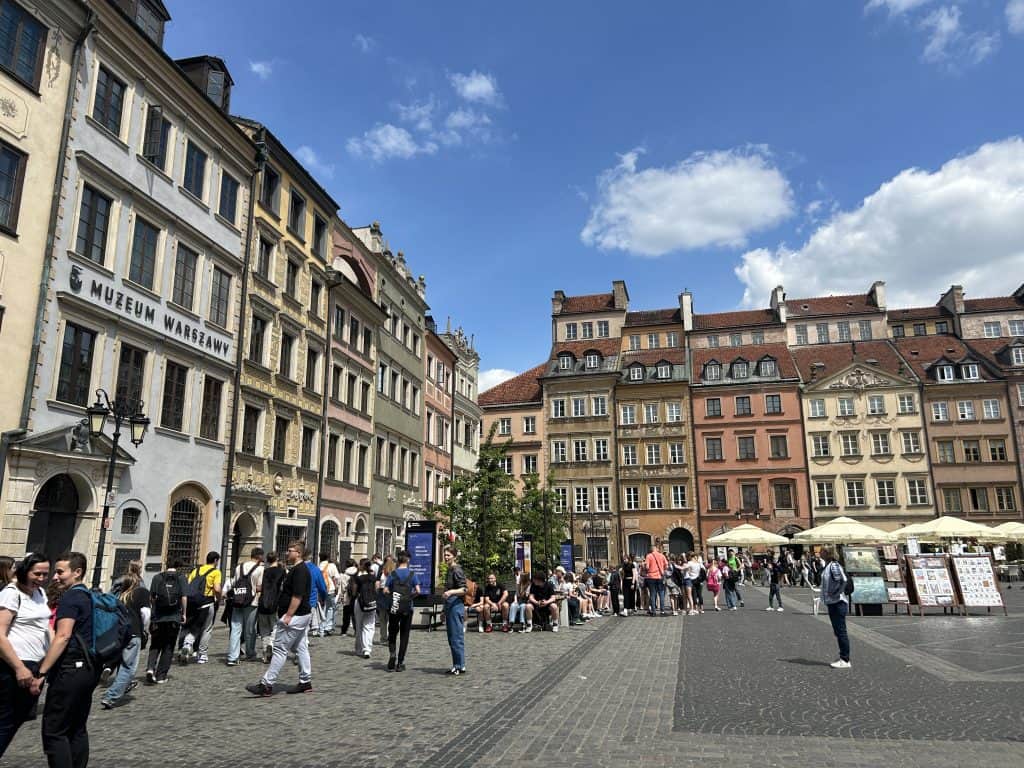
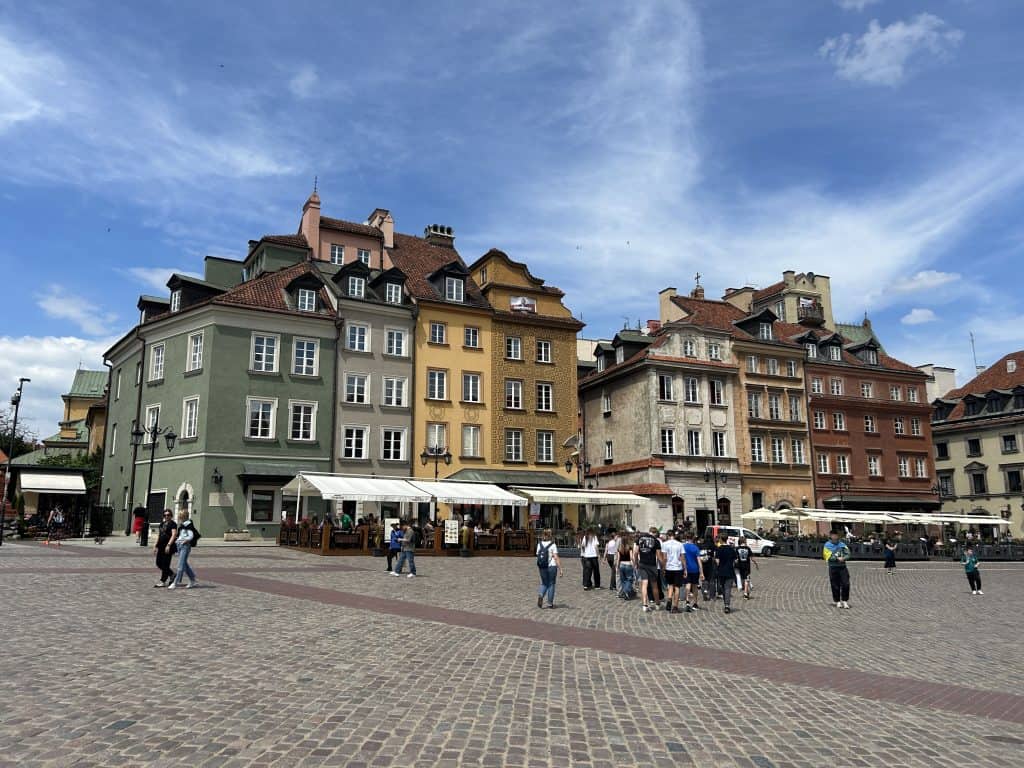
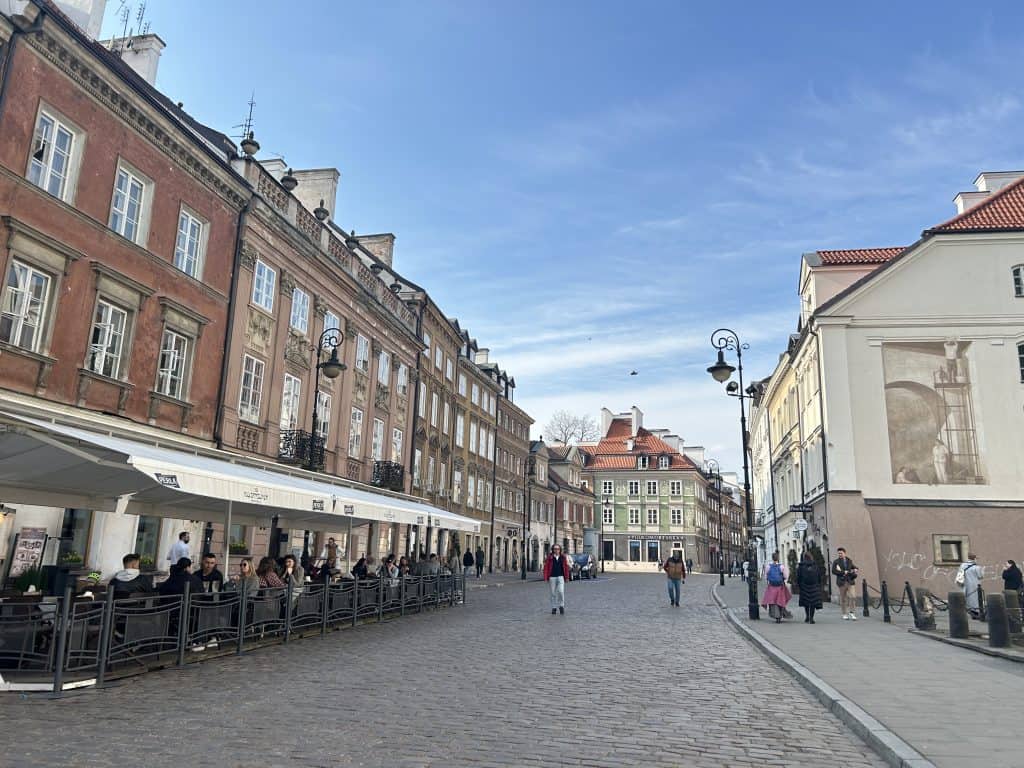
The Old Town Market Square (Rynek Starego Miasta) is the historic heart of Warsaw, characterized by its colorful, tall merchant houses. Like the rest of the Old Town, the square was reduced to rubble during World War II and was meticulously reconstructed after the war. At the center of the square stands the statue of the Warsaw Mermaid (Syrenka), the legendary protector of the city. The square is surrounded by restaurants and cafes and is a bustling hub of activity, filled with artists, street performers, and horse-drawn carriages, making it the most picturesque and popular destination in the capital.
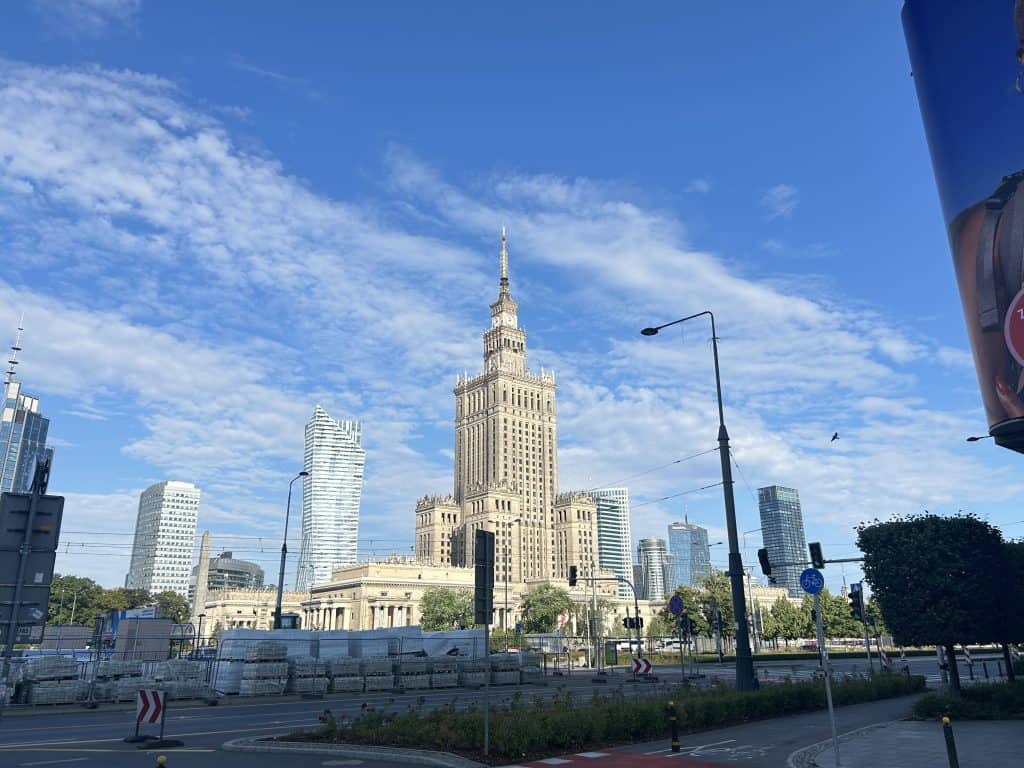
Palace of Culture and Science
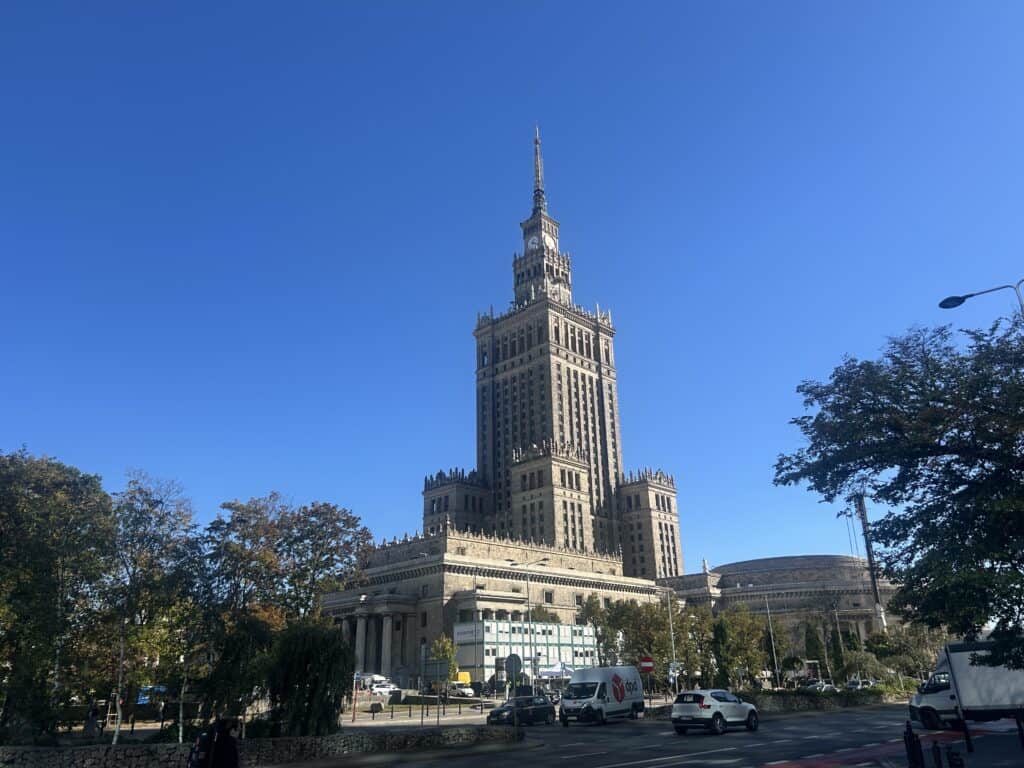
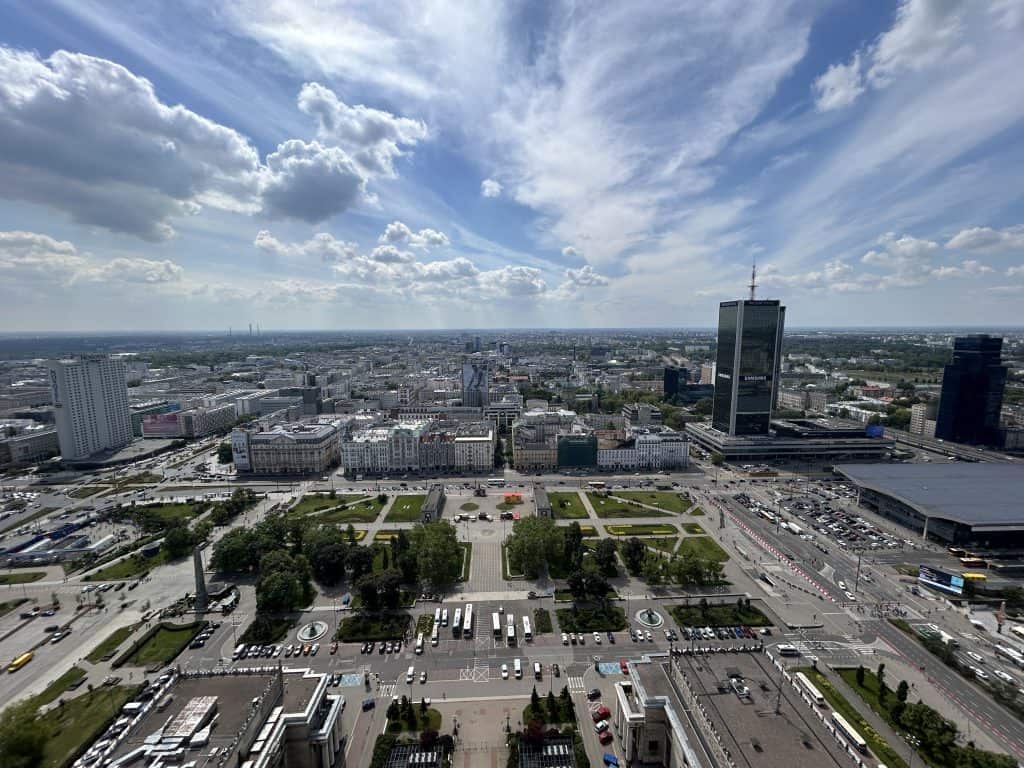
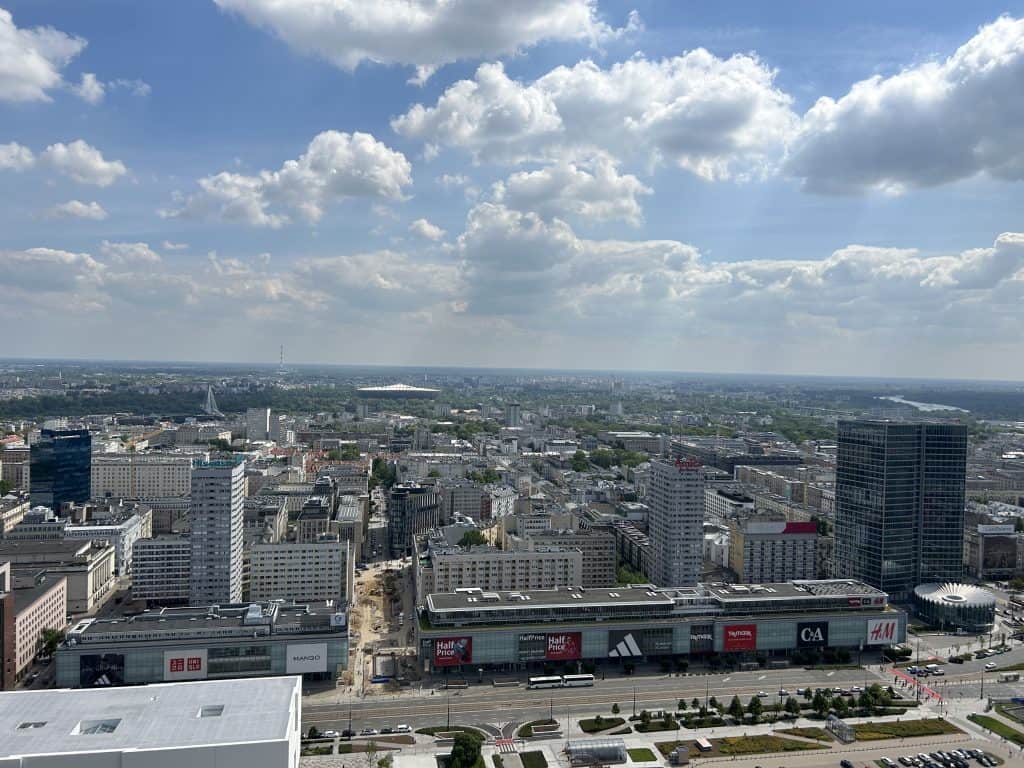
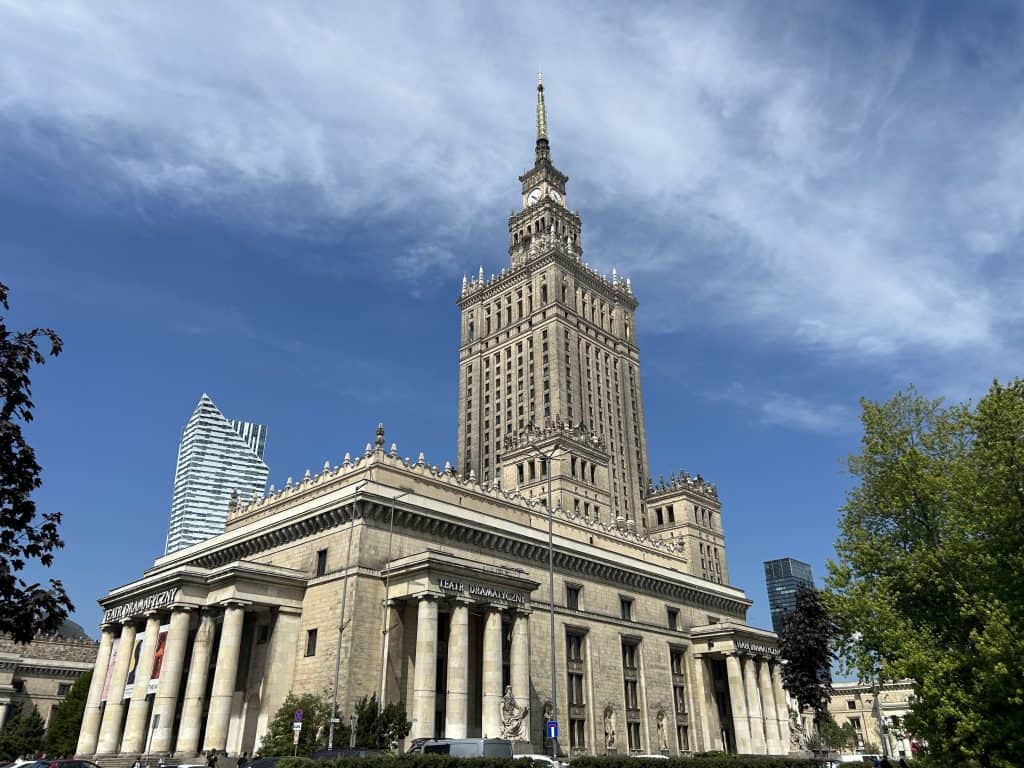
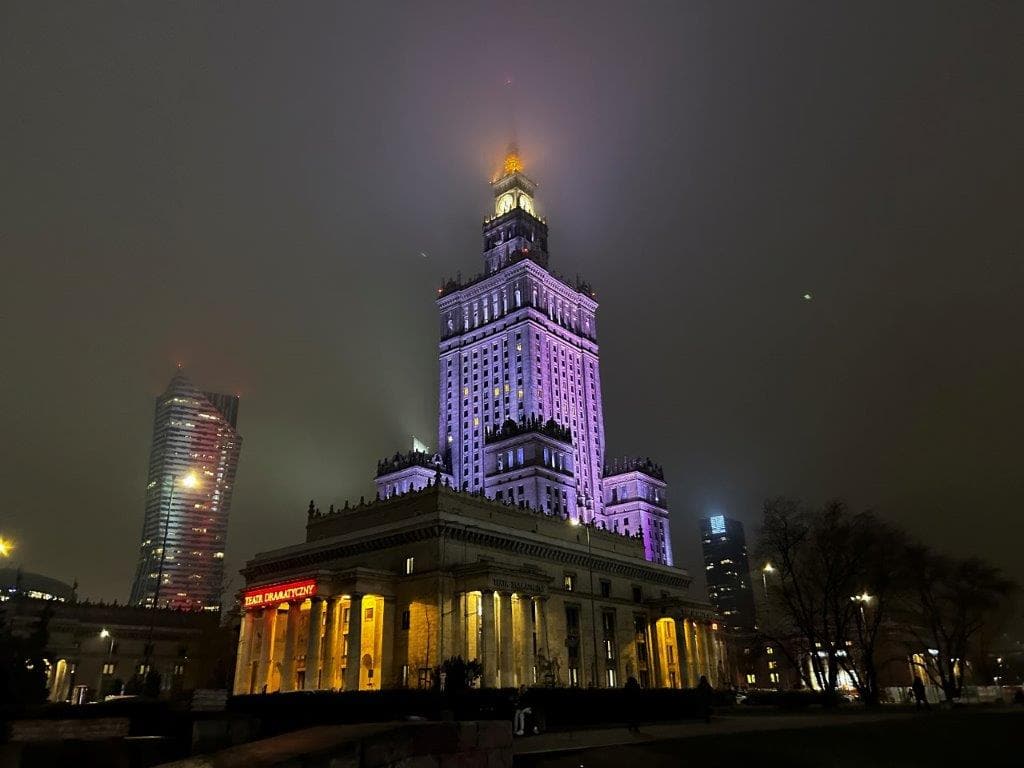
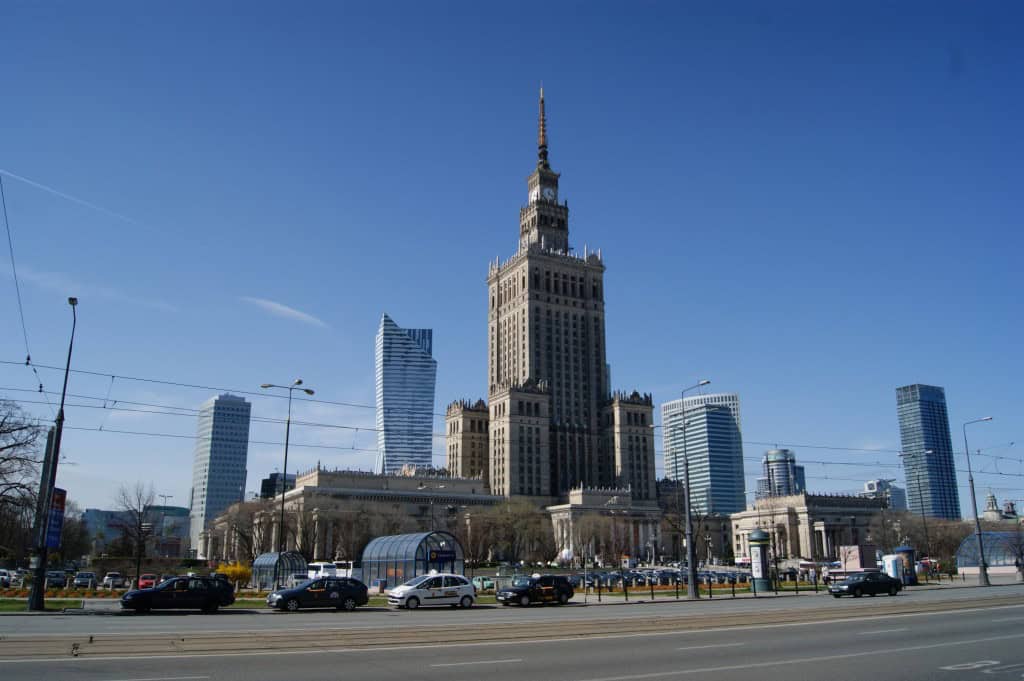
The Palace of Culture and Science (Pałac Kultury i Nauki) is Warsaw’s tallest and most iconic building, a controversial gift from Joseph Stalin and the Soviet Union in 1955. This colossal socialist-realist skyscraper houses theaters, cinemas, museums, and conference halls. For visitors, its main attraction is the observation deck on the 30th floor, which offers breathtaking panoramic views of the entire city. Despite its controversial origins, the Palace has become an undeniable symbol of Warsaw and a central point of reference on the city’s skyline.
The Royal Route
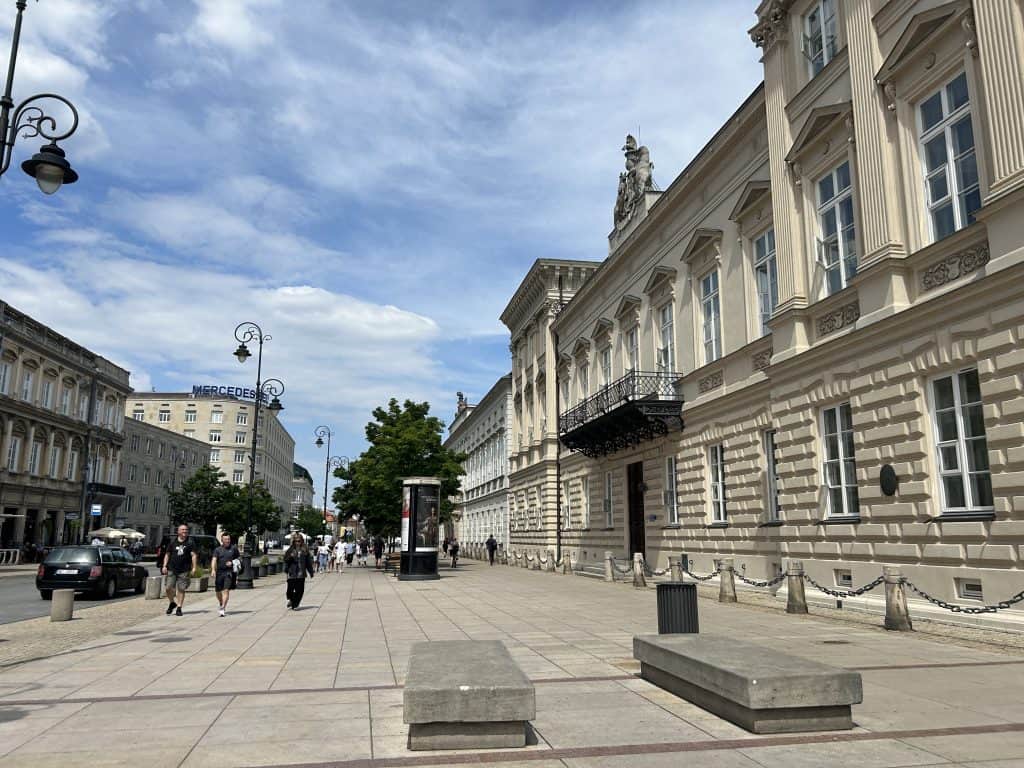
The Royal Route (Trakt Królewski) is a historic thoroughfare that connects the Royal Castle in the north with the royal residences of Łazienki and Wilanów in the south. Its most famous section runs through Śródmieście and consists of the streets Krakowskie Przedmieście and Nowy Świat. This elegant boulevard is lined with some of Warsaw’s most important landmarks, including the Presidential Palace, the University of Warsaw, historic churches, and aristocratic residences. Today, it is a bustling, semi-pedestrianized street filled with cafes, shops, and galleries.
Łazienki Park
Łazienki Park, also known as the Royal Baths Park, is the largest park in Warsaw, covering 76 hectares in the southern part of Śródmieście. This magnificent park and palace complex was designed in the 17th century as a bathing park and later became the summer residence of Poland’s last king, Stanisław August Poniatowski. It is famous for its stunning Palace on the Isle, a neoclassical amphitheater, and the iconic monument to Fryderyk Chopin. The park is home to peacocks and red squirrels and hosts free Chopin concerts every Sunday during the summer.
POLIN Museum of the History of Polish Jews
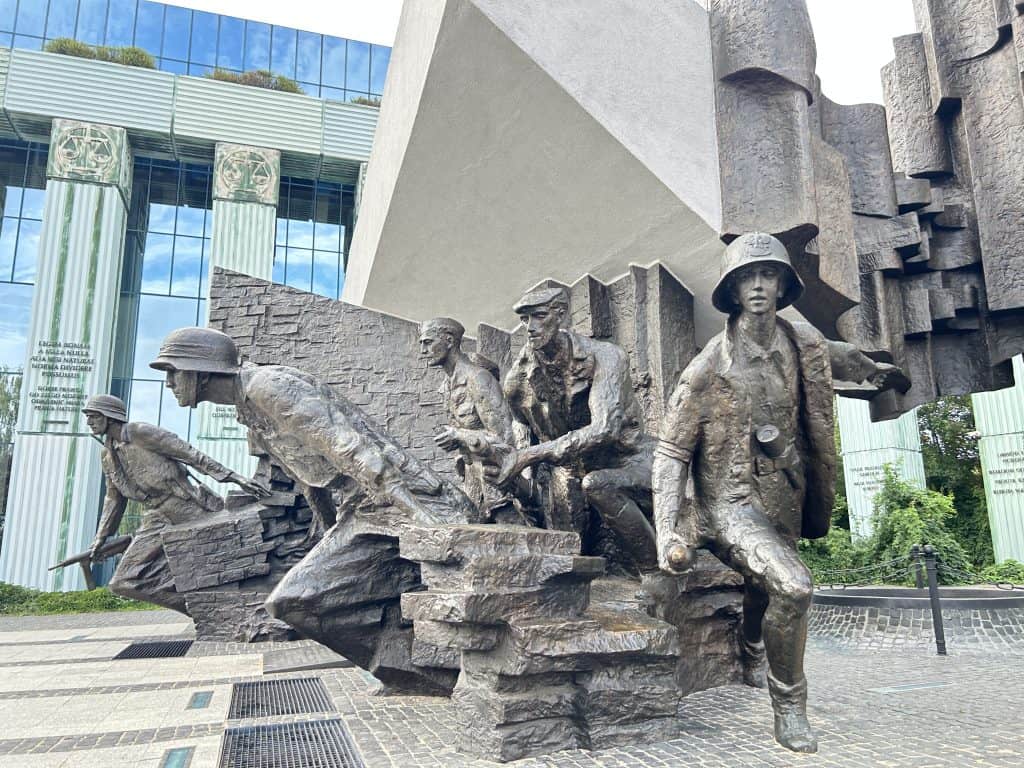
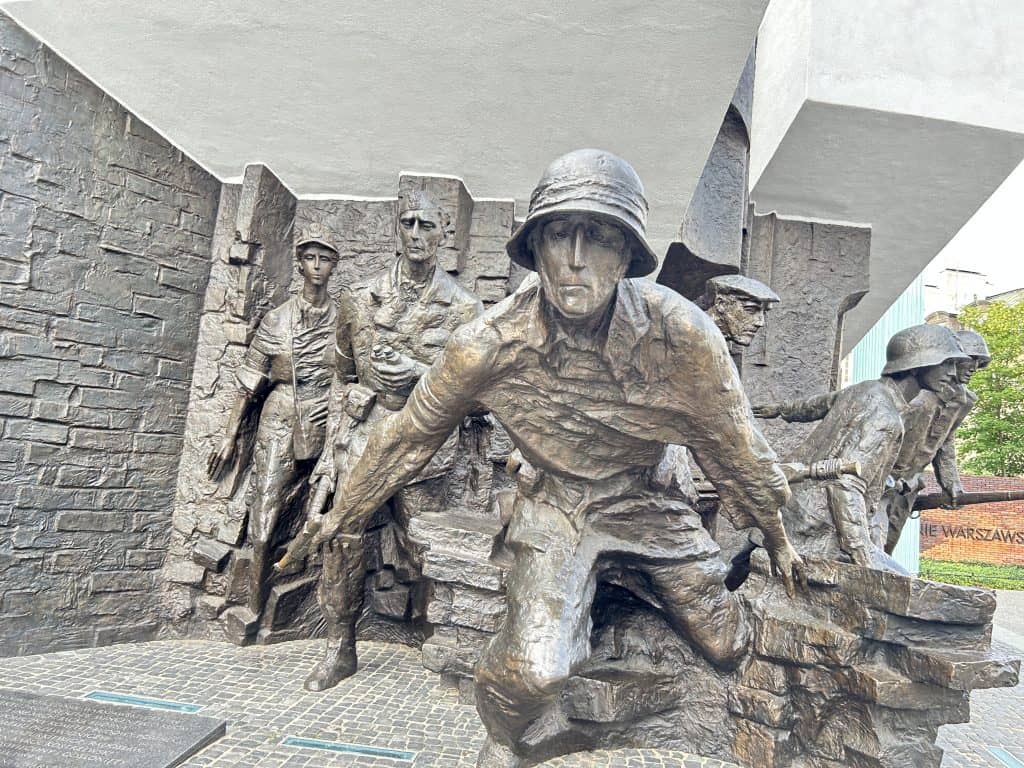
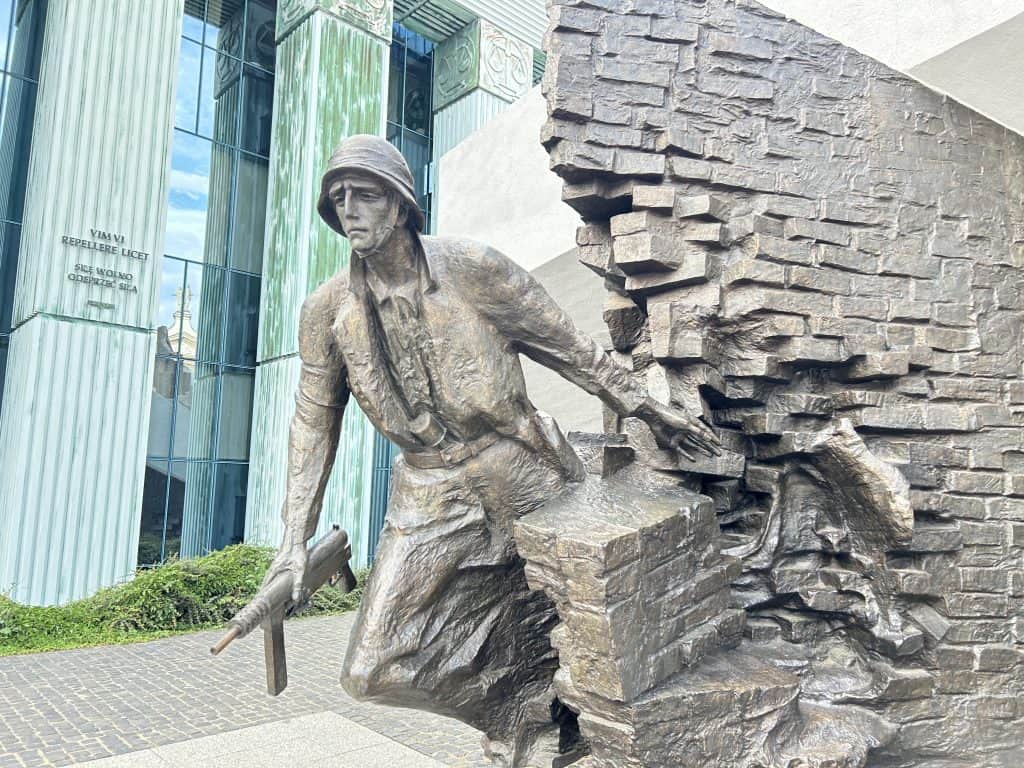
The POLIN Museum is a world-class institution dedicated to the thousand-year history of Jews in Poland. Located in the heart of the former Warsaw Ghetto, its stunning modern building stands opposite the Monument to the Ghetto Heroes. The museum’s core exhibition is an interactive journey through eight galleries that narrate the long, rich, and often tragic story of the Polish Jewish community, from the first settlers to the present day. It is a vital institution for understanding the deep Jewish heritage that is an inseparable part of Polish history.
Copernicus Science Centre
The Copernicus Science Centre (Centrum Nauki Kopernik) is a state-of-the-art science museum located on the banks of the Vistula River. It is one of the largest and most advanced science centers in Europe, offering hundreds of hands-on, interactive exhibits that allow visitors of all ages to experiment and discover the laws of science for themselves. The center also includes a high-tech planetarium, “The Heavens of Copernicus,” which hosts immersive shows about the cosmos. It is an incredibly popular destination for families and anyone with a curious mind.
The National Museum in Warsaw
The National Museum in Warsaw (Muzeum Narodowe w Warszawie) is the largest museum in the city and holds a vast collection of Polish and international art. Its collections span from antiquity to the modern era and include masterpieces of Polish painting, such as the enormous “Battle of Grunwald” by Jan Matejko. The museum also boasts an extensive collection of European art and is home to the Faras Gallery, the only collection of Nubian Christian art from the medieval period in Europe. It is the country’s foremost repository of artistic heritage.
Saxon Garden
The Saxon Garden (Ogród Saski) is the oldest public park in Warsaw, opened to the public in 1727. Located in the heart of the city, this beautiful Baroque-style garden offers a peaceful retreat with its grand central axis, historic sculptures, and a large fountain. On the edge of the park stands the Tomb of the Unknown Soldier, a monument dedicated to the unidentified soldiers who have died for Poland. The tomb is housed in the only remaining fragment of the Saxon Palace, which was destroyed in World War II, and is guarded by a permanent honor guard.
Fryderyk Chopin Museum
The Fryderyk Chopin Museum in Warsaw is a modern, multimedia museum dedicated to the life and work of Poland’s most famous composer. Housed in the historic Ostrogski Palace, the museum boasts the world’s largest collection of Chopin memorabilia. The interactive exhibits allow visitors to see his manuscripts, letters, and one of his last pianos, as well as listen to his music in state-of-the-art listening booths. It is an essential destination for music lovers and provides a deep insight into the world of the great Romantic composer.




Getting Around in Śródmieście
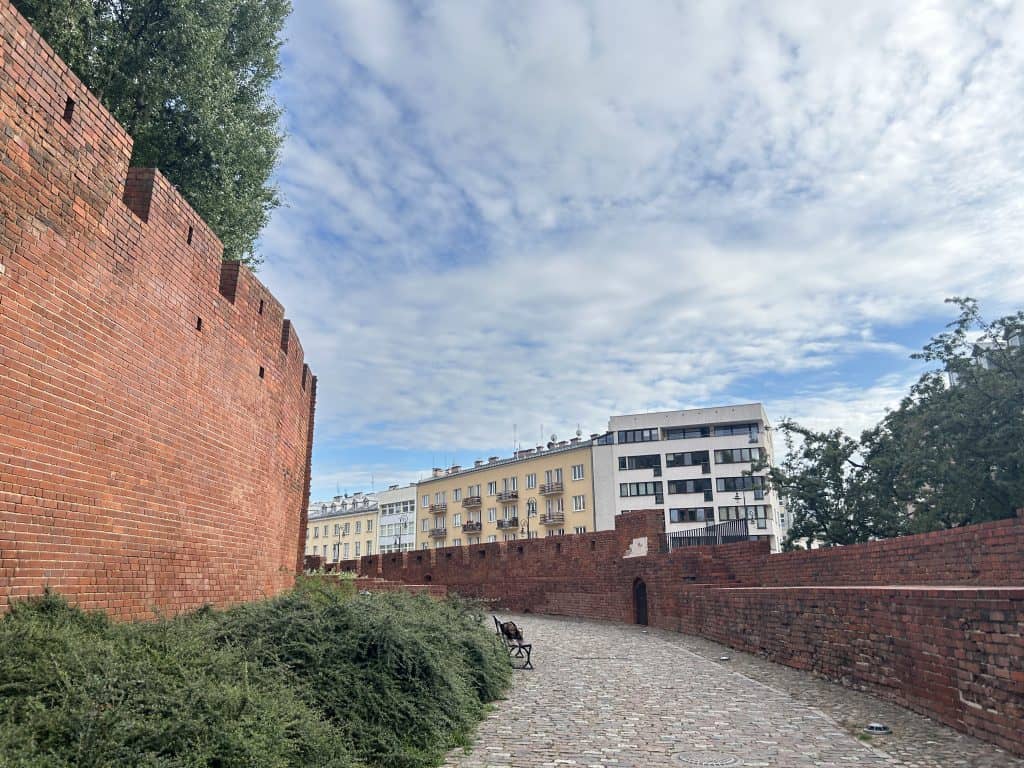
Navigating Śródmieście is exceptionally easy, as it serves as the central hub of Warsaw’s entire public transport system. The district is where the city’s two metro lines intersect and where the highest density of tram and bus routes can be found. For many journeys, however, the best way to get around is on foot. The main sights in the Old Town, along the Royal Route, and around the Palace of Culture are all within a reasonable walking distance of each other. The district’s flat terrain and increasingly pedestrian-friendly infrastructure make it ideal for exploration on foot.
Warsaw’s Central Interchange: Metro Lines M1 & M2
Śródmieście is the only district where Warsaw’s two metro lines, the north-south M1 and the east-west M2, cross. The Świętokrzyska station serves as the main transfer point between the two lines, making it one of the busiest stations in the country. Other key stations in the district include Centrum on the M1 line, which provides direct access to the central railway station and the Palace of Culture, and Nowy Świat-Uniwersytet on the M2 line, which opens onto the historic Royal Route. The metro provides the fastest way to travel between different parts of the district and to connect to the rest of the city.
Navigating by Tram and Bus
An incredibly dense network of tram and bus lines crisscrosses the entirety of Śródmieście, ensuring that no destination is more than a few minutes’ walk from a stop. Major arteries like Aleje Jerozolimskie, Marszałkowska, and Aleja Jana Pawła II function as major transport corridors, with trams and buses running every few minutes. Trams are particularly useful for navigating the main avenues, while buses provide more localized coverage, including direct routes to the Old Town. This comprehensive network operates 24 hours a day, with dedicated night bus routes converging in the city center.
Walking the Royal Route
For visitors, one of the most enjoyable ways to get around is by walking along the historic Royal Route. The main section, from the Royal Castle through Krakowskie Przedmieście and Nowy Świat, is largely pedestrianized or has very wide sidewalks, making for a safe and pleasant stroll. This route allows you to see a huge number of major sights in a single, linear journey of a few kilometers. The streets are lined with benches, cafes, and shops, inviting a leisurely pace of exploration and making walking the most practical and rewarding way to experience the historic heart of the city.







How to Get to Śródmieście?
As the central district of Warsaw, all transportation routes lead to Śródmieście, making it the most accessible part of Poland. It contains the country’s main railway station and is the focal point of the city’s public transport network. Arriving in Warsaw by any mode of transport—plane, train, bus, or car—ultimately involves a simple and direct final journey into the city center. This unparalleled connectivity is a key feature of the district, making it the natural starting point for any visit to the capital.
From Warsaw’s Airports to the City Center
Both of Warsaw’s airports are directly connected to Śródmieście. From Warsaw Chopin Airport (WAW), the S2 and S3 urban rail lines provide a fast, 20-minute journey to the central railway stations. The 175 bus route also offers a direct, albeit slower, connection to the heart of the district. From Warsaw Modlin Airport (WMI), dedicated shuttle buses and trains connect directly to Warszawa Centralna, placing arrivals right in the middle of the city. Taxis and ride-sharing services are also readily available from both airports for a direct trip.
Warszawa Centralna: The Nation’s Main Railway Hub
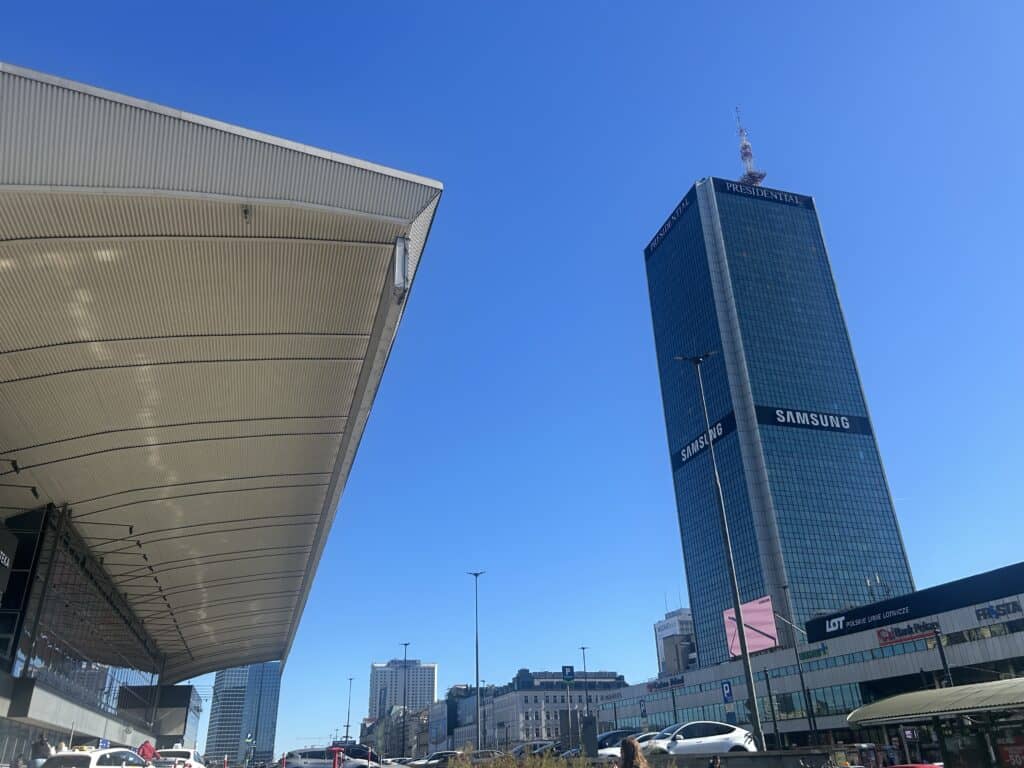
Warszawa Centralna, the main railway station in Poland, is located in the absolute heart of Śródmieście, directly opposite the Palace of Culture and Science. This station serves as the primary hub for all international and domestic express train services, including high-speed Pendolino trains to cities like Kraków, Gdańsk, and Wrocław. The station is seamlessly integrated with local transport, with numerous tram and bus stops, and the Centrum metro station located right outside, providing immediate access to the entire city upon arrival.
Driving into the Heart of the Capital
Major national roads and urban arteries converge on Śródmieście, making it theoretically easy to reach by car. Key routes like Aleje Jerozolimskie (east-west) and Marszałkowska (north-south) lead directly into the center. However, driving within the district is strongly discouraged for visitors. Traffic is extremely heavy, navigation can be complex, and parking is very scarce and expensive. Most of the historic Old Town is completely closed to unauthorized traffic. It is far more practical to park in an outer district or a designated garage and use public transport.
International Bus Terminals and City Access
The main international bus terminal, Dworzec Autobusowy Warszawa Zachodnia, is located just outside Śródmieście in the neighboring district of Wola. From this busy terminal, the city center is just a short journey away. Numerous local bus routes and the SKM urban rail line connect the bus station with Warszawa Centralna in approximately 10 minutes. This provides a quick and efficient transfer from long-distance coach services to the heart of the city’s public transport network.
Connecting from Baltic Sea Ferry Ports
For travelers arriving in Poland via ferry from Scandinavia to the Baltic Sea ports of Gdańsk, Gdynia, or Świnoujście, the final leg of the journey to Warsaw is best made by train. The express train service from the Tri-City area (Gdańsk, Gdynia, Sopot) to Warszawa Centralna is fast, comfortable, and takes approximately 3 hours. Arriving by train places you directly in Śródmieście, making it the most seamless and convenient way to travel from the coast to the capital after a sea journey.
Driving Distances
The driving distance from 20 regional cities, according to Google Maps:
- Pruszków, Poland – 18 kilometers (0 h 30 min)
- Piaseczno, Poland – 19 kilometers (0 h 35 min)
- Legionowo, Poland – 24 kilometers (0 h 40 min)
- Otwock, Poland – 25 kilometers (0 h 40 min)
- Grodzisk Mazowiecki, Poland – 32 kilometers (0 h 40 min)
- Łódź, Poland – 135 kilometers (1 h 35 min)
- Kraków, Poland – 295 kilometers (3 h 30 min)
- Poznań, Poland – 310 kilometers (3 h 00 min)
- Gdańsk, Poland – 340 kilometers (3 h 20 min)
- Wrocław, Poland – 350 kilometers (3 h 30 min)
- Lviv, Ukraine – 390 kilometers (5 h 20 min)
- Vilnius, Lithuania – 475 kilometers (5 h 40 min)
- Bratislava, Slovakia – 540 kilometers (5 h 50 min)
- Berlin, Germany – 575 kilometers (5 h 30 min)
- Prague, Czechia – 615 kilometers (6 h 10 min)
- Vienna, Austria – 675 kilometers (6 h 40 min)
- Budapest, Hungary – 860 kilometers (7 h 50 min)
- Copenhagen, Denmark – 1045 kilometers (10 h 40 min)
- Brussels, Belgium – 1370 kilometers (13 h 20 min)
- Rome, Italy – 1765 kilometers (17 h 30 min)
Looking to Explore more of Poland and Europe?