Soltau, Lower Saxony | Exploring Germany
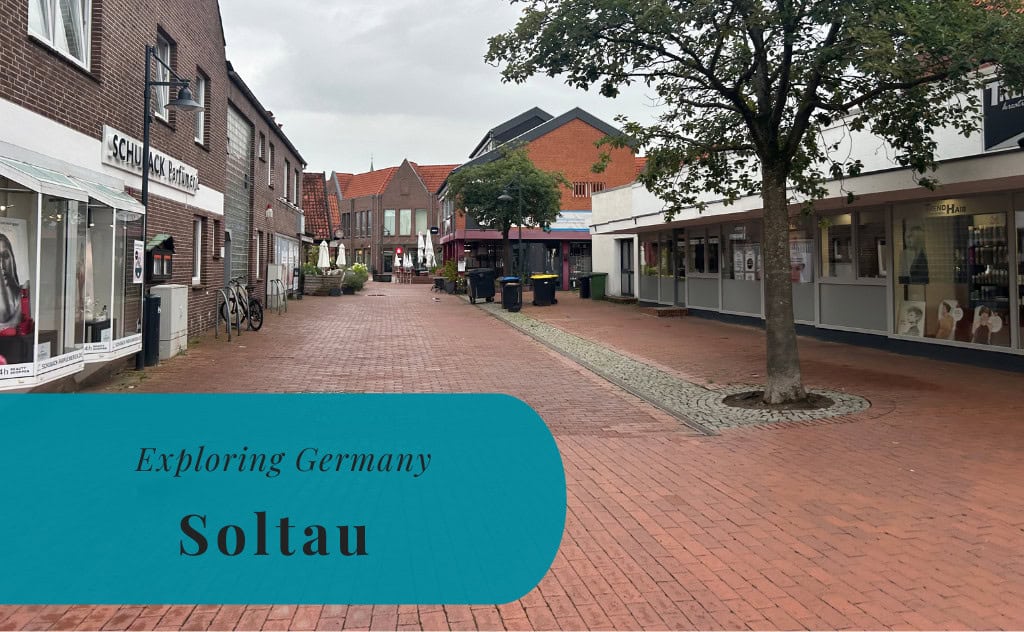
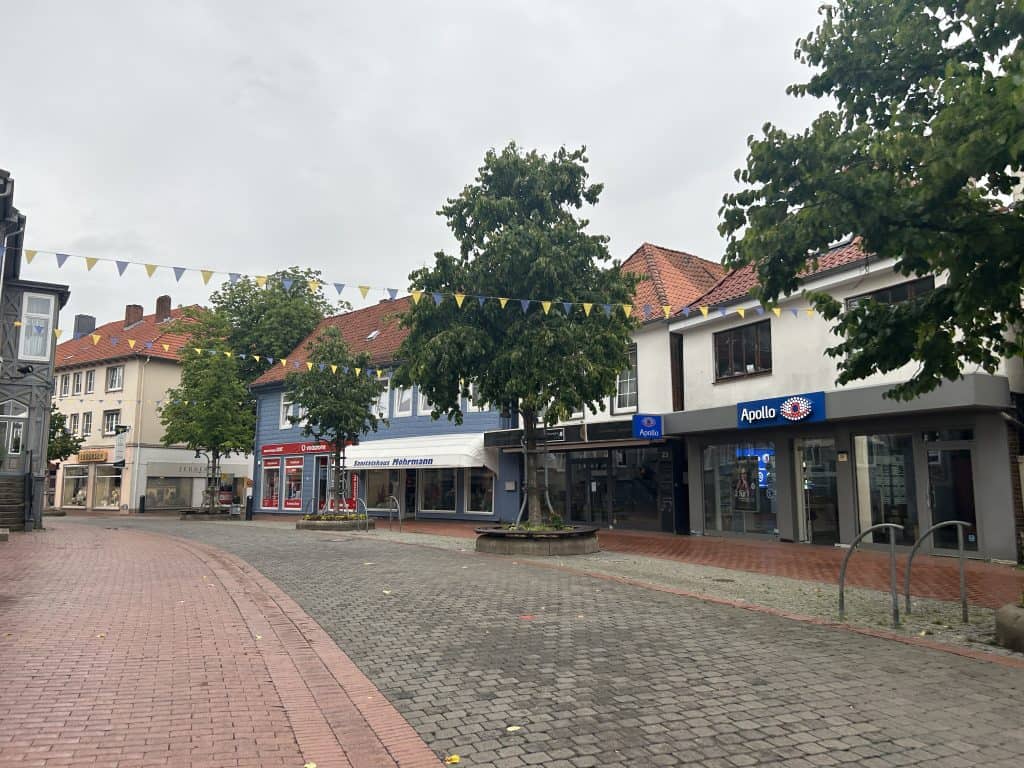
Soltau is a town in the Heidekreis district, located in the state of Lower Saxony, Germany. The town is situated in the central part of the Lüneburg Heath (Lüneburger Heide). It lies on the confluence of the Böhme and Soltau rivers. With a population of approximately 22,000 residents, Soltau serves as a key economic and tourist hub for the region. It is centrally located within the triangle formed by the major cities of Hamburg, Hanover, and Bremen.
The character of Soltau is defined by its role as a major tourist destination, which is primarily due to the presence of one of Germany’s largest theme parks, Heide Park. This modern function as an entertainment hub exists alongside its identity as a historic market town and a state-recognized brine spa resort. The town’s location in the heart of the Lüneburg Heath also makes it a base for exploring the surrounding natural landscape of heathland and forests. This combination of major attractions and a natural setting gives the town its specific character.

A Short History of Soltau
The history of Soltau is that of a small settlement on the salt trade routes that evolved into a regional market town, and later into a major modern tourist center. For centuries, its development was modest, shaped by its location in the rural landscape of the Lüneburg Heath. The town has experienced several destructive fires and conflicts throughout its history. Its transformation in the late 20th century, driven by the establishment of major tourist attractions, has defined its contemporary identity and economy.
Medieval Origins and the Salt Trade
The history of Soltau began with a settlement first mentioned in a document from 936 AD as “Curtis Salta” (Salt an der Aue). The name indicates the settlement’s early connection to the salt trade. Salt was transported through the area from the major salt-producing town of Lüneburg. For much of the medieval period, it remained a small village and parish center. The town was granted market rights in the 14th century, which formalized its role as a local commercial hub.
Conflicts and Development
Like many towns in the region, Soltau’s history was marked by periods of conflict and destruction. The most significant of these events was the Battle of Soltau in 1519, which was fought on the heath near the town during the Hildesheim Diocesan Feud. The town was also affected by several major fires, which destroyed the historic center multiple times. In the 19th century, with the arrival of the railway and industrialization, the town began to grow. It developed industries related to agriculture and textiles.
Modern Era and Tourism
In the 20th century, Soltau’s identity began to shift. It was developed as a spa town with the opening of a brine spa (Soltau Therme). After World War II, the area around Soltau became a major training area for British and Canadian forces stationed in Germany during the Cold War. The most significant transformation began in the 1970s with the establishment of major tourist attractions. The opening of Heide Park in 1978 was a pivotal moment, turning Soltau from a quiet heathland town into a major national tourist destination.
Things to Do and See
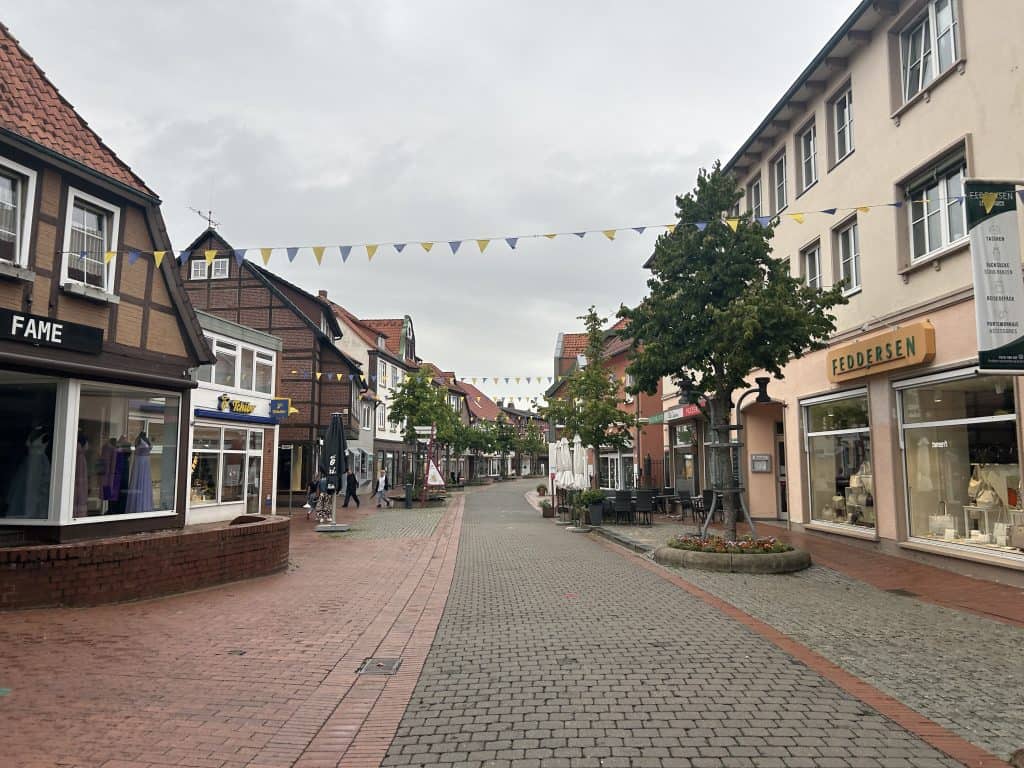
The sights in and around Soltau are primarily focused on its major theme parks and recreational facilities. The town itself has several museums and historic buildings, but its main attractions are the large-scale entertainment venues that draw visitors from across Germany and Europe. The surrounding Lüneburg Heath also provides a major natural point of interest.
Heide Park Resort
The Heide Park Resort is the most significant attraction in Soltau. It is one of the largest and most popular theme parks in Germany. Opened in 1978, the park covers a vast area and features over 40 rides and attractions. This includes several large roller coasters, such as “Colossos – Kampf der Giganten,” which is one of the tallest and fastest wooden roller coasters in Europe, and “Flug der Dämonen,” a wing coaster. The park is divided into several themed areas and also includes a hotel and holiday camp.
Soltau Therme
The Soltau Therme is the town’s modern brine spa and wellness center. It is a state-recognized brine spa (Solebad). The facility features a large indoor swimming pool with saltwater, as well as outdoor pools, saunas, and steam rooms. The spa offers a wide range of wellness treatments and therapies. Its focus on health and relaxation is a key part of Soltau’s identity as a spa town. It is a popular destination for both local residents and tourists.
Spielzeugmuseum Soltau
The Spielzeugmuseum Soltau (Toy Museum Soltau) is a well-known museum located in the town center. The museum showcases a large and diverse collection of toys from different eras. Its collection includes antique dolls, model trains, tin toys, and teddy bears. The exhibits are displayed over several floors in a historic building. The museum provides a look into the history of childhood and toy manufacturing over the last few centuries.
Felto – Filzwelt Soltau
The Felto – Filzwelt Soltau is a unique museum dedicated to the material felt. The museum is located in a historic salt-silo building in the town center. The interactive exhibitions explore the history, production, and diverse uses of felt, from traditional yurts to modern design and art. The museum provides an educational and hands-on experience for visitors of all ages. It is a specific-interest museum that is unique to the region.
The Lüneburg Heath
The town of Soltau is located in the heart of the Lüneburg Heath (Lüneburger Heide). This large and famous nature region is one of the most important tourist destinations in northern Germany. The heath is known for its vast expanses of heather, which bloom in late summer. It also contains forests of pine and birch. The area is a major destination for hiking, cycling, and experiencing nature. The heathland provides a scenic backdrop to the town and its attractions.


Sports in Soltau
The area around Soltau is a major center for outdoor recreation, particularly hiking and cycling. The extensive and well-marked trail network of the Lüneburg Heath provides the main setting for these activities. The town’s sports clubs also provide opportunities for organized sports.
Hiking and Cycling
The Lüneburg Heath Nature Park, which surrounds Soltau, offers hundreds of kilometers of marked trails for hiking and cycling. The landscape of gently rolling hills, heathland, and forests is ideal for these activities. Several long-distance trails, such as the Heidschnuckenweg, pass through the region. The area has a well-developed tourism infrastructure for outdoor activities, with numerous maps and signposted routes available.
Football
Football is a popular sport in Soltau, with a local sports club that is a key part of the community. The club provides a platform for local players of all ages. The team competes in the regional leagues of Lower Saxony.
MTV Soltau
The town’s main sports club is the MTV Soltau. While it is a large multi-sport association with departments for many different sports, its football section is the most prominent. The club was founded in 1864. The senior football team competes in the lower tiers of the German football league system, such as the Bezirksliga. They play their home games at a local sports ground in the town.
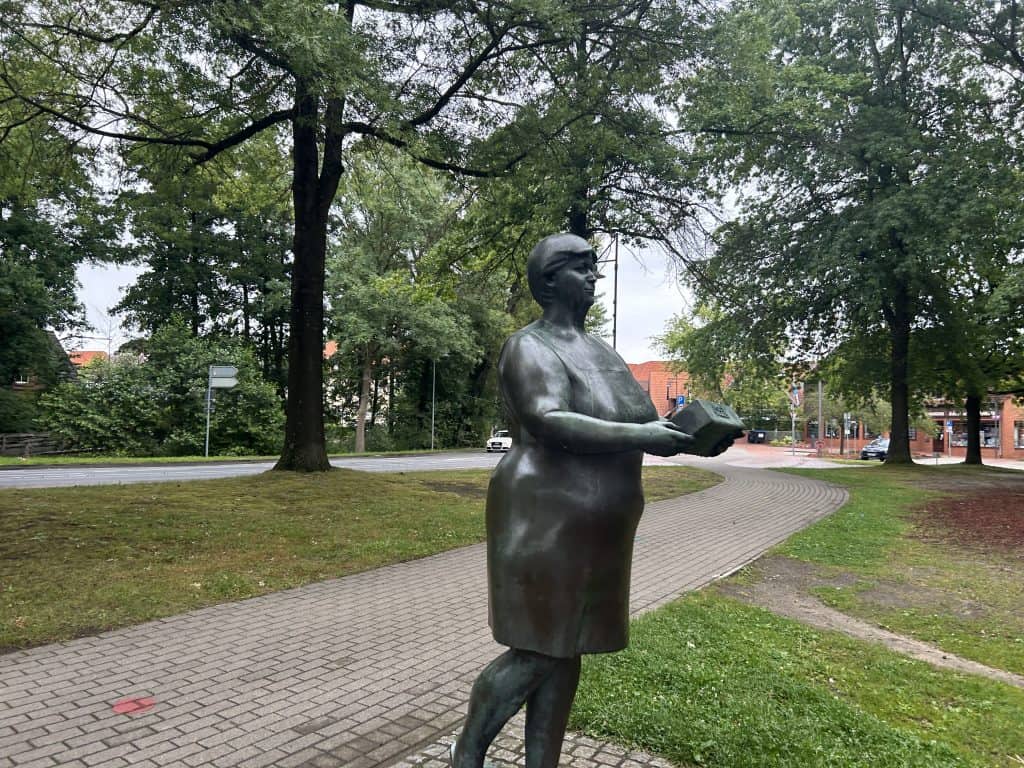
Getting Around in Soltau
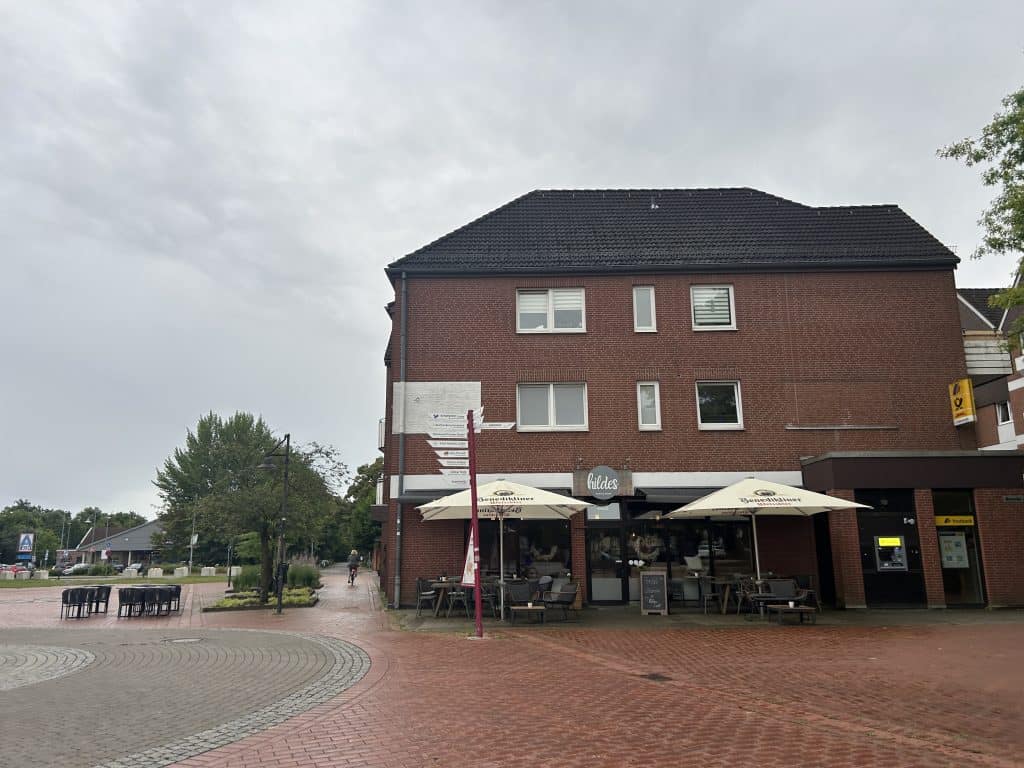
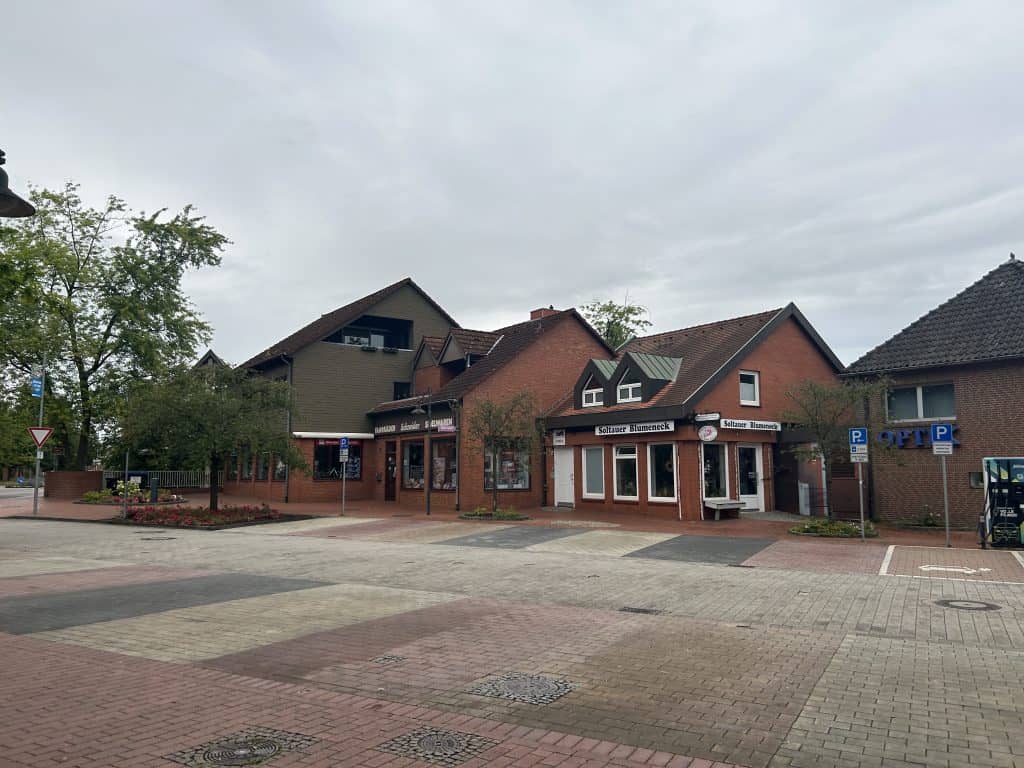
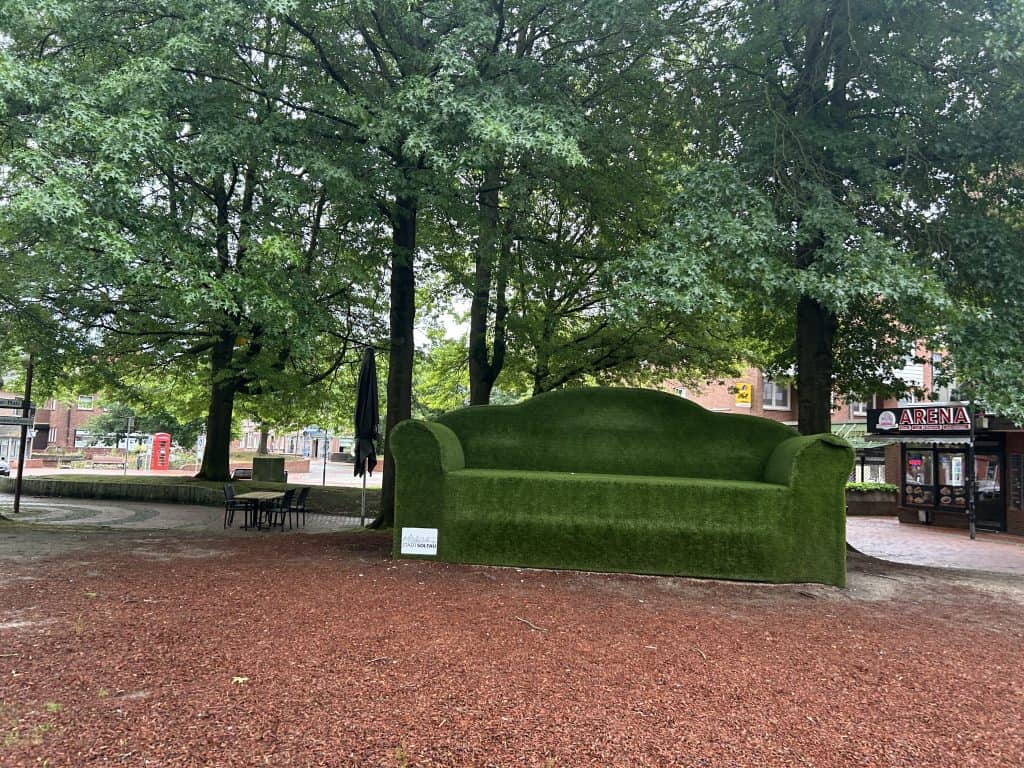
Navigating the town of Soltau is straightforward. The town center is compact and can be explored on foot. For travel to the surrounding attractions like Heide Park and the heathland, a local bus network and a seasonal tourist bus are available.
On Foot: The Town Center
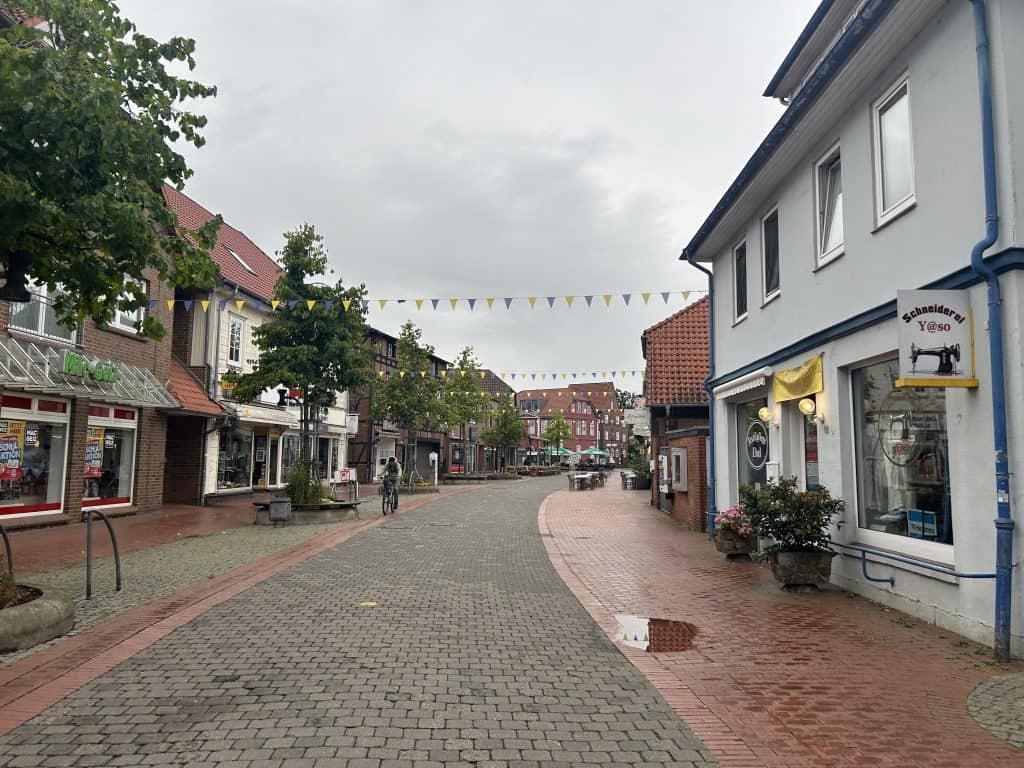
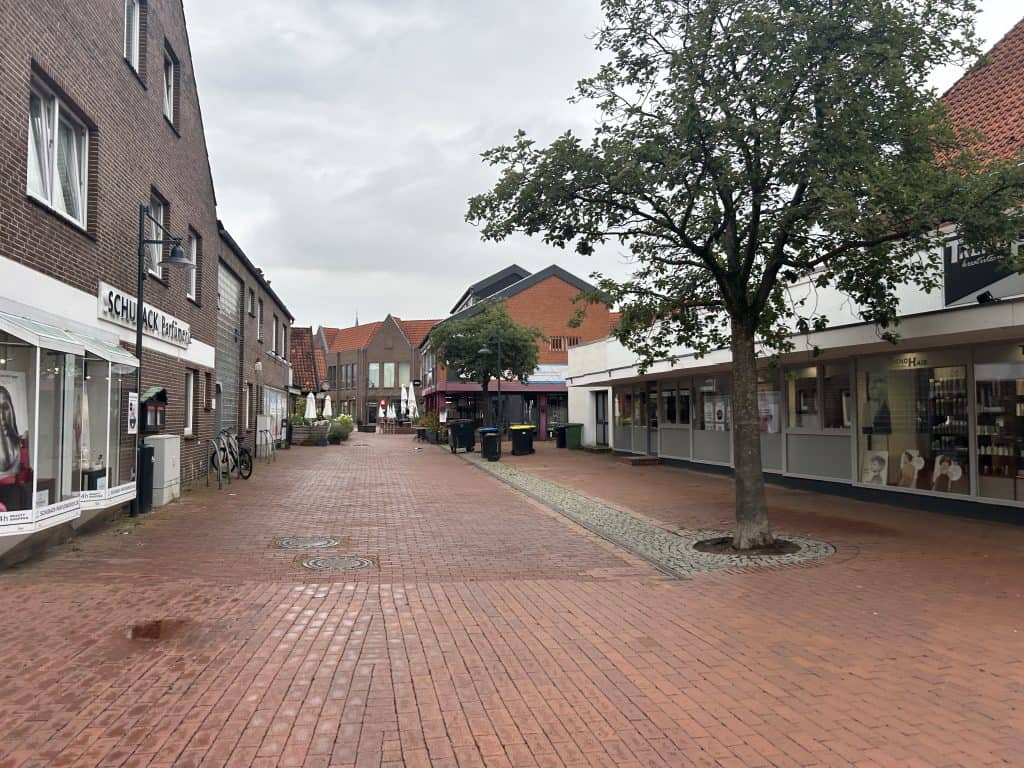
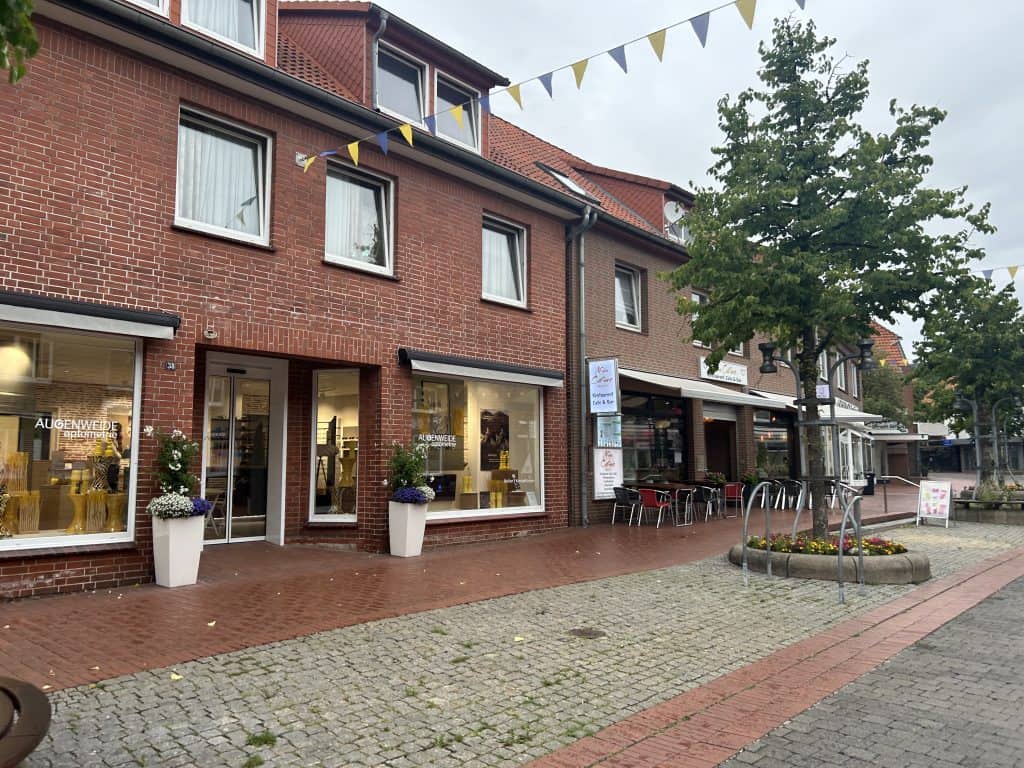
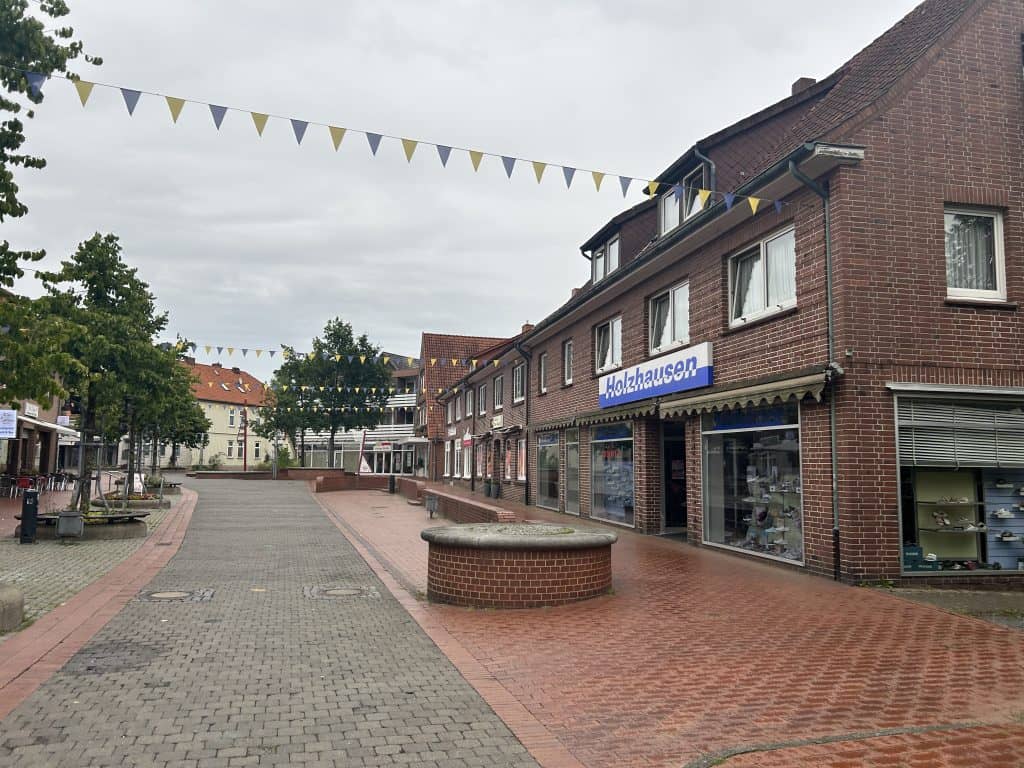
Walking is a suitable way to explore the central part of Soltau. The main pedestrian shopping street, the train station, and the Toy Museum are all within a short walking distance of each other. This allows visitors to see the town center at a relaxed pace. The Böhme River also has walking paths along its banks.
Local and Tourist Buses
A network of local buses serves Soltau and connects it with the surrounding villages. During the main tourist season (typically from spring to autumn), the Heide-Shuttle bus service operates. This is a free tourist bus that runs on several circular routes through the Lüneburg Heath Nature Park. It connects Soltau with other heathland villages and with the starting points for major hiking trails.
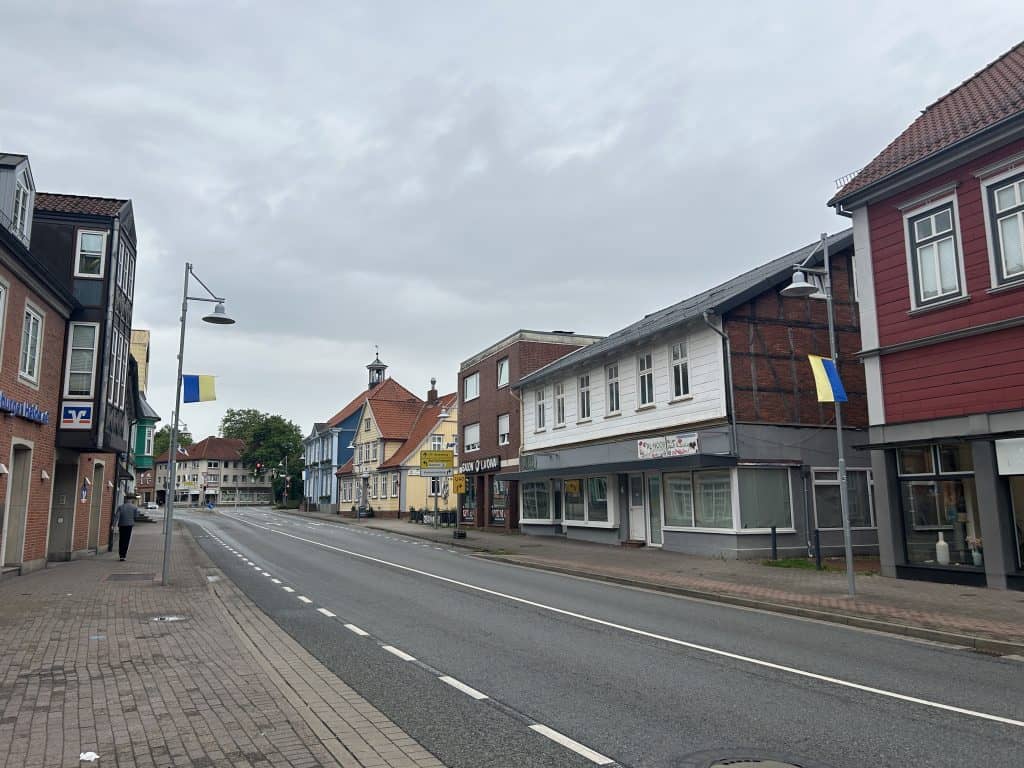
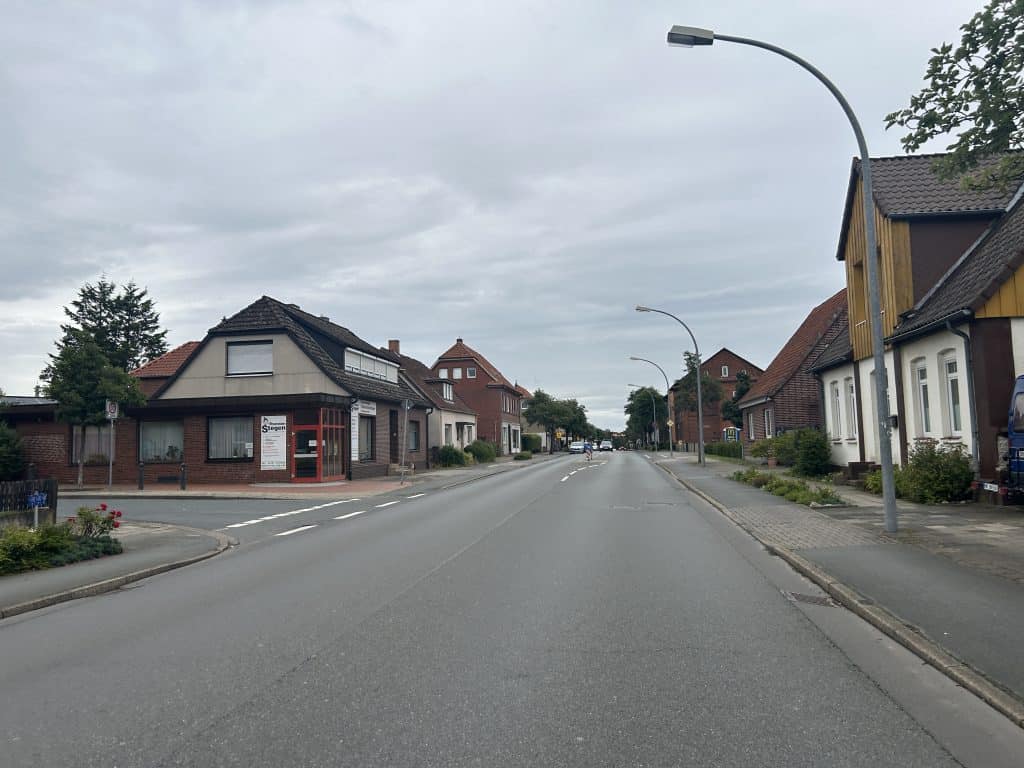

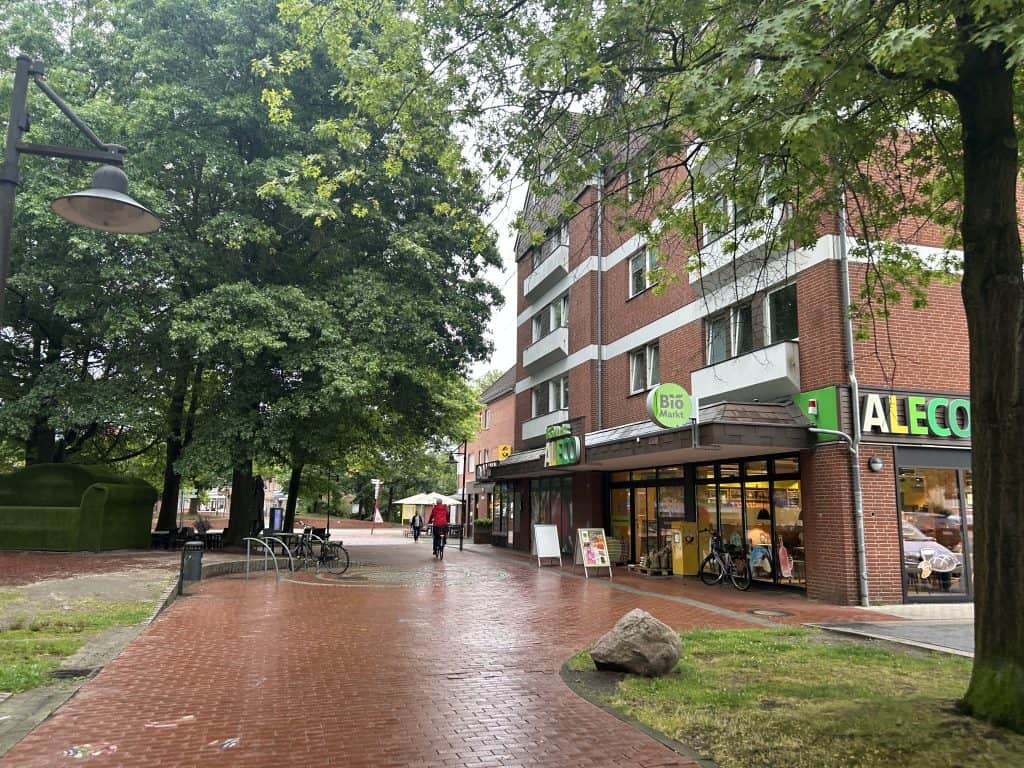
How to Get to Soltau
Reaching Soltau is convenient by road and rail, as it is located on a major transport corridor in northern Germany. The town’s proximity to the A7 motorway and its position on a key regional railway line make it highly accessible.
The Open Road: Driving the A7 Autobahn
Driving is the most common and practical way to reach Soltau. The town is located directly on the A7 motorway (Autobahn). This is the main north-south highway in Germany, connecting Hamburg with Hanover. This direct motorway access makes the town very easy to reach by car from all parts of Germany. The drive from Hamburg or Hanover takes approximately one hour.
Arriving by Air: Nearby Gateways
Soltau is located within easy reach of three major international airports. Hamburg Airport (HAM), Hanover Airport (HAJ), and Bremen Airport (BRE) are all approximately a one-hour drive away. These airports offer extensive connections to cities across Germany, Europe, and the world. From any of these airports, a rental car or a train journey is the most practical way to complete the journey to Soltau.
Connecting by Coach
Long-distance bus services from companies like FlixBus often have a stop in Soltau. This provides an economical option for reaching the town from major German cities like Hamburg and Berlin. The bus stop is typically located near the train station, allowing for easy transfers.
On Track: A Journey on the Heath Railway
Traveling to Soltau by train is efficient. The Soltau (Han) station is located on the Heath Railway (Heidebahn). This railway line connects the major cities of Hamburg and Hanover. Regional trains operated by the company Start provide an hourly service on this route. The journey from either Hamburg or Hanover takes approximately one hour. This makes the train a convenient option for visitors.
Driving Distances
The driving distance from 10 regional cities, according to Google Maps:
- Hanover, Germany – 77 kilometers (1 h 00 min)
- Hamburg, Germany – 82 kilometers (1 h 10 min)
- Bremen, Germany – 86 kilometers (1 h 00 min)
- Kiel, Germany – 176 kilometers (2 h 00 min)
- Berlin, Germany – 299 kilometers (3 h 10 min)
- Copenhagen, Denmark – 408 kilometers (5 h 10 min, includes ferry)
- Amsterdam, Netherlands – 436 kilometers (4 h 20 min)
- Szczecin, Poland – 443 kilometers (4 h 40 min)
- Aarhus, Denmark – 451 kilometers (5 h 00 min, includes ferry)
- Gothenburg, Sweden – 635 kilometers (8 h 40 min, includes ferry)
Looking to Explore more of Germany and Europe?