
Bastogne, Wallonia | Exploring Belgium
Bastogne is a town and municipality in the province of Luxembourg, located in the Wallonia region of Belgium. The town is situated in the heart of the Ardennes, a region of extensive forests and rolling hills. With a population of approximately 16,500 residents, Bastogne serves as a key commercial and administrative center for the surrounding area. It is located about 80 kilometers southeast of Liège and 50 kilometers north of the city of Luxembourg.
The character of Bastogne is defined by its pivotal role in the Battle of the Bulge during World War II. The town’s identity is inextricably linked to the events of the winter of 1944, particularly the siege of the town and the resistance of the American forces. This history has made it a major international center for historical remembrance and tourism. This commemorative function exists alongside its role as a traditional Belgian market town, serving the local agricultural and forestry industries.

A Short History of Bastogne
The history of Bastogne is that of a strategic crossroads that became a symbol of Allied resilience during World War II. For centuries, it was a quiet market town in the Ardennes. Its location at the hub of several major roads, however, gave it immense strategic importance during the German offensive of 1944. The town’s story is one of a peaceful community that was thrust into the center of one of the war’s most famous battles, a legacy that defines it to this day.
Early Origins as a Market Town
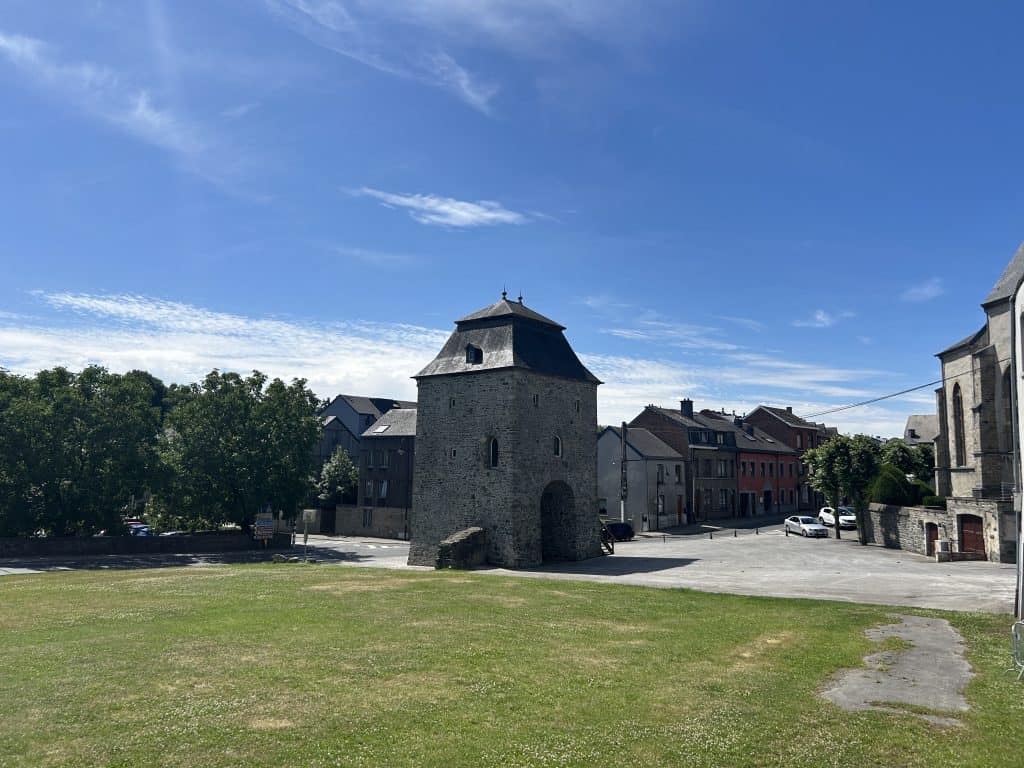
The history of settlement in the Bastogne area dates back to the Gallo-Roman period. The town itself was first mentioned in historical documents in the 7th century. During the Middle Ages, it developed as a regional market town. Its location at the junction of roads connecting the regions of the Rhine, the Meuse, and Champagne contributed to its commercial importance. The town was fortified with defensive walls, of which one tower, the Porte de Trèves, still remains. For centuries, it remained a quiet but important local hub.
The Siege of Bastogne
The defining event in the town’s history was the Siege of Bastogne in December 1944, during the Battle of the Bulge. The town’s position as a major road hub made it a critical objective for the German army’s surprise offensive. The town was surrounded and besieged by German forces. It was defended by the American 101st Airborne Division and other units. When the German commander demanded their surrender, the acting American commander, General Anthony McAuliffe, issued his famous one-word reply: “NUTS!”. This became a symbol of American determination.
The siege lasted for several days, with the American forces holding out in harsh winter conditions until they were relieved by General George S. Patton’s Third Army. The battle caused extensive damage to the town and resulted in heavy casualties on both sides. The successful defense of Bastogne was a key turning point in the Battle of the Bulge. It denied the Germans access to the crucial road network and helped to halt their advance. The town and its residents were officially recognized for their bravery by the Belgian government after the war.
Things to Do and See
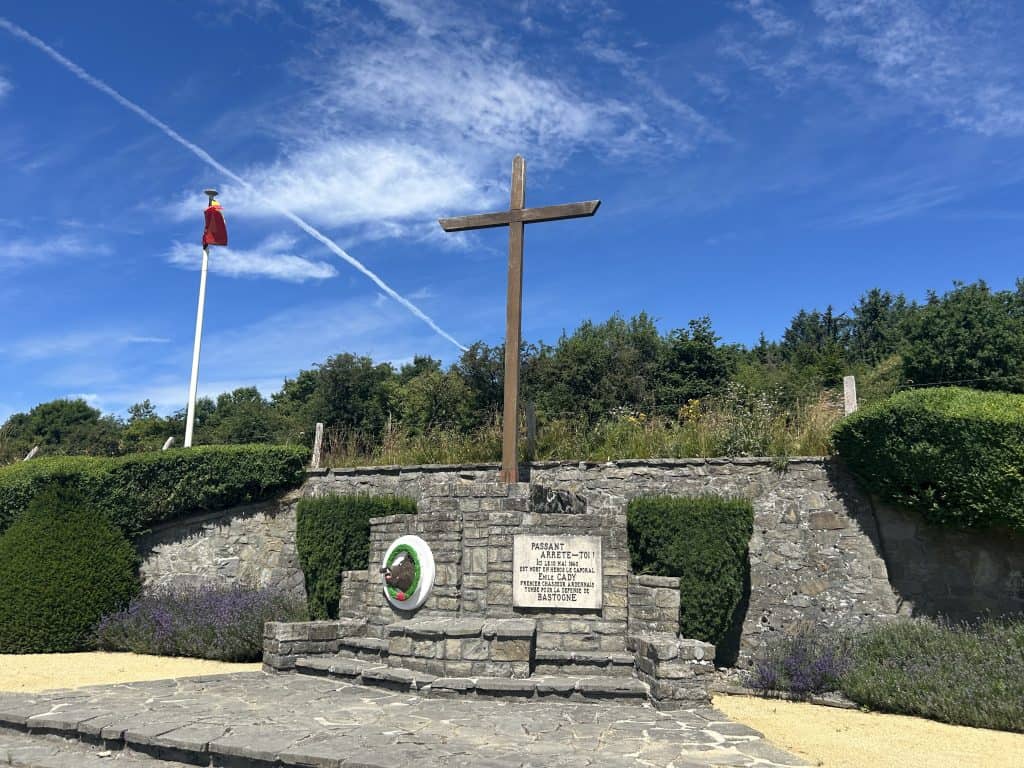
The sights in and around Bastogne are almost exclusively focused on its World War II history. The main points of interest are the major memorials, museums, and preserved battlefield sites that tell the story of the Battle of the Bulge. The surrounding Ardennes landscape, which was the setting for the battle, also provides a scenic backdrop for these historical sites. The city has also integrated recreational trails into its historical landscape.
Mardasson Memorial
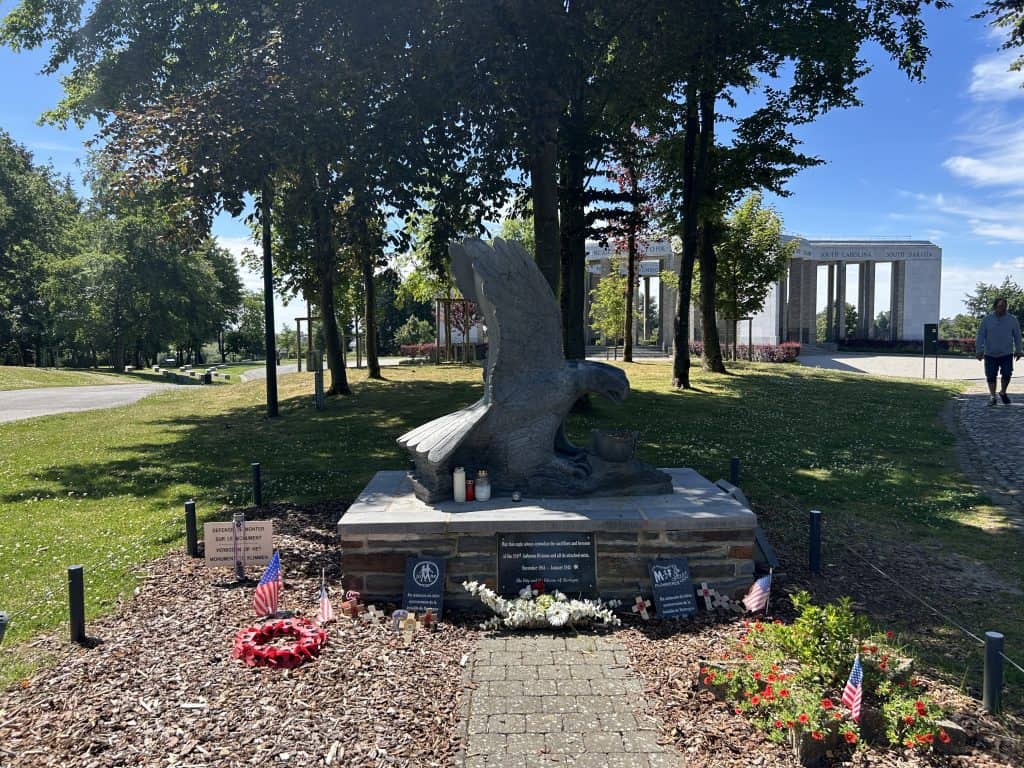
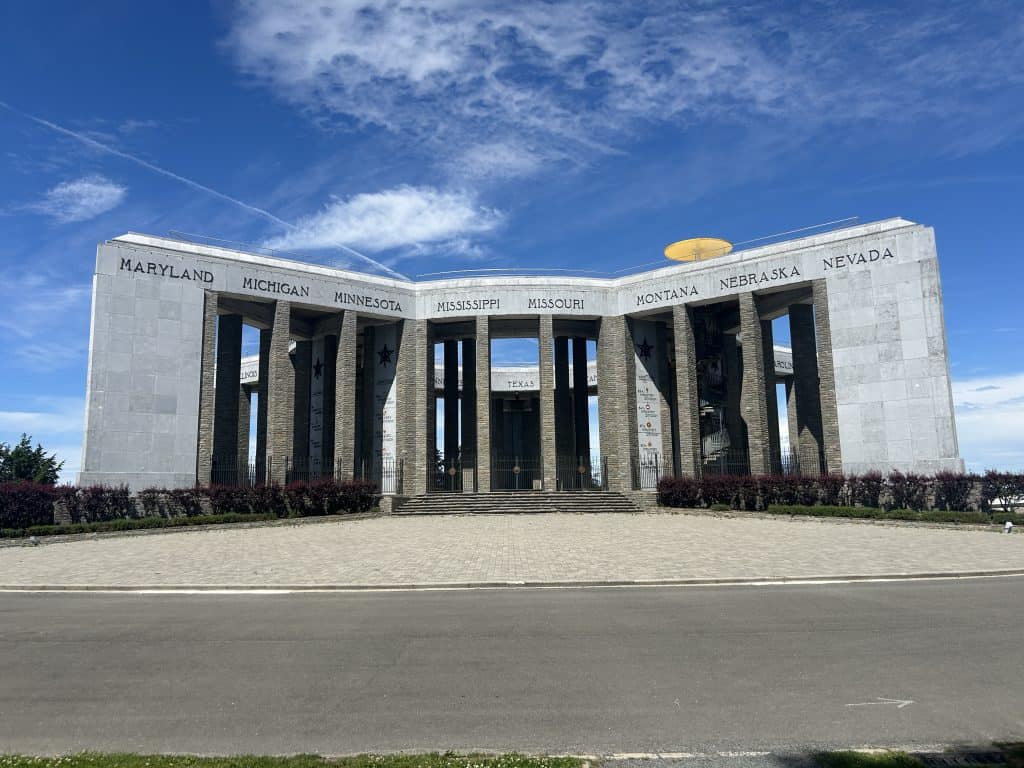
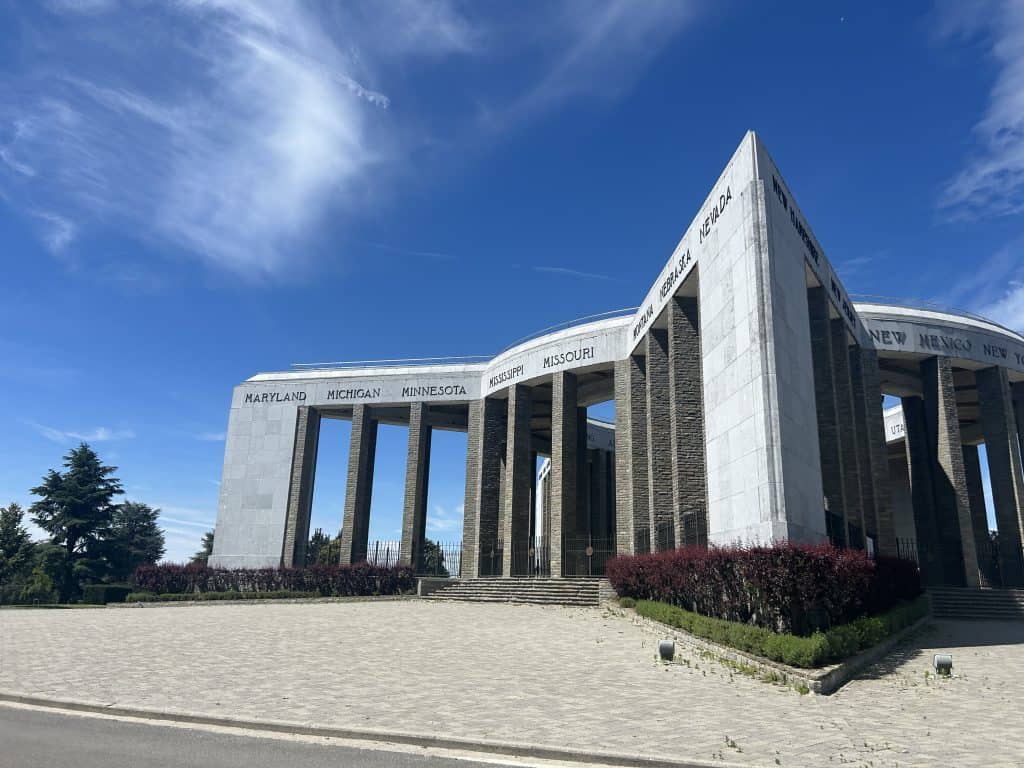
The Mardasson Memorial is the largest and most significant monument in the Bastogne area. It is located on a hill just outside the town. The monument is a large, star-shaped structure that was built to honor the memory of the American soldiers who were killed or wounded during the Battle of the Bulge. The names of the American states and the participating army units are inscribed on its walls. From the top of the memorial, there are panoramic views of the surrounding countryside. An underground crypt is located beneath the monument.
Bastogne War Museum
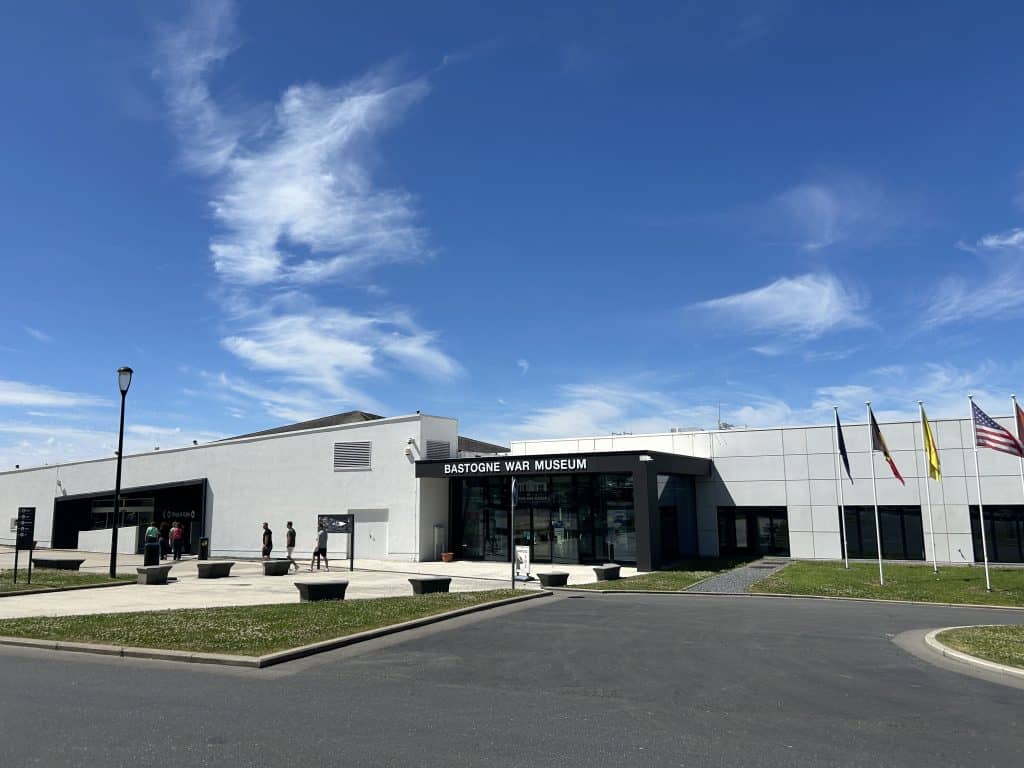
Located next to the Mardasson Memorial is the Bastogne War Museum. This modern museum provides a comprehensive overview of the causes, events, and consequences of the Battle of the Bulge. The museum uses a combination of historical artifacts, interactive displays, and immersive multimedia presentations to tell the story of the battle. The exhibits focus on both the military aspects of the conflict and the experiences of the civilians who were caught in the fighting. It is considered the main interpretive center for the battle in the region.
Bastogne Barracks
The Bastogne Barracks is a working Belgian military base that served as the headquarters of the 101st Airborne Division during the Siege of Bastogne. Today, a section of the barracks is open to the public as a museum run by the Belgian Army. It is here that General McAuliffe had his command post. Visitors can see the cellar where the famous “NUTS!” reply was issued. The barracks also houses a large collection of restored World War II military vehicles.
Place du Général McAuliffe
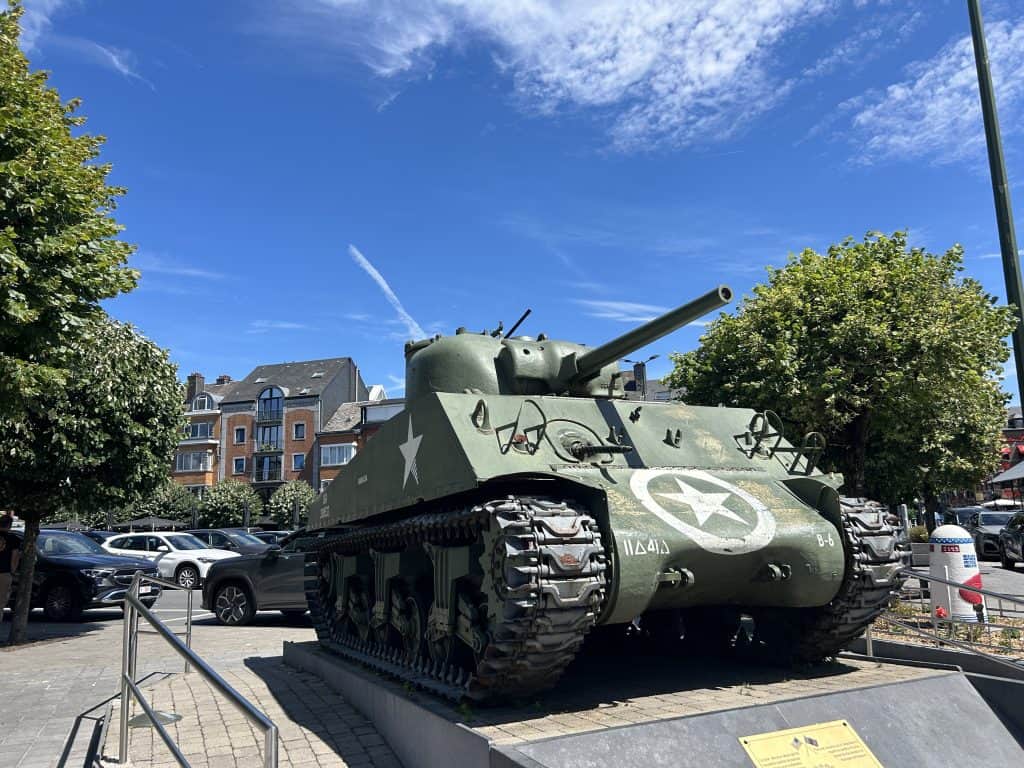
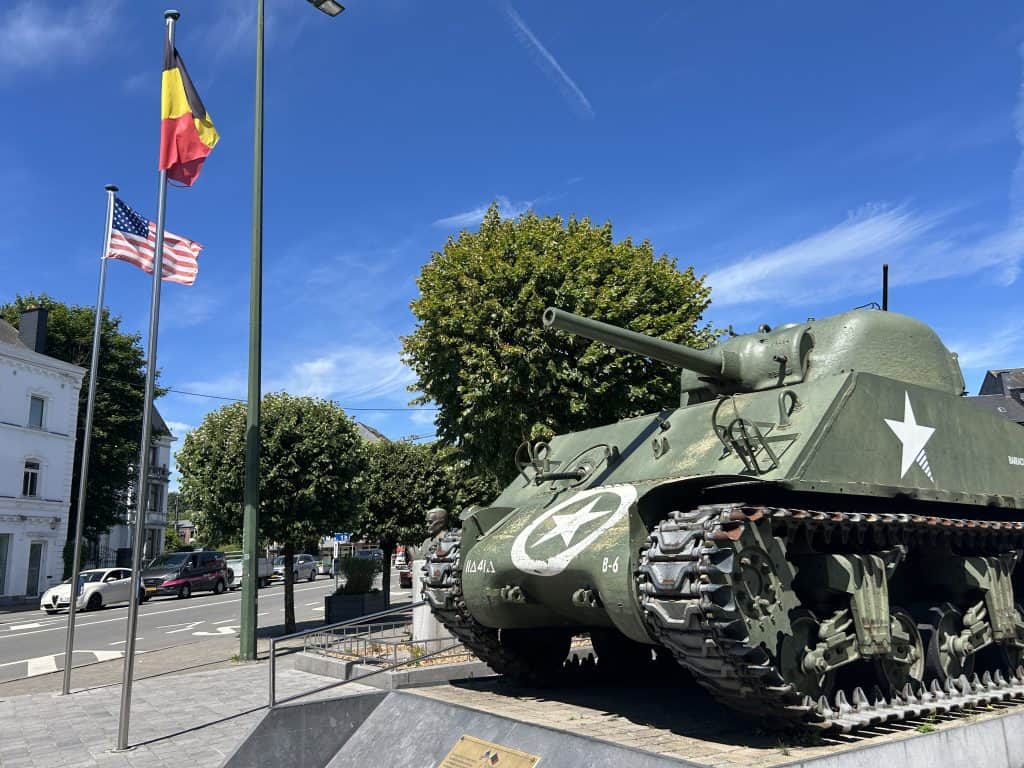
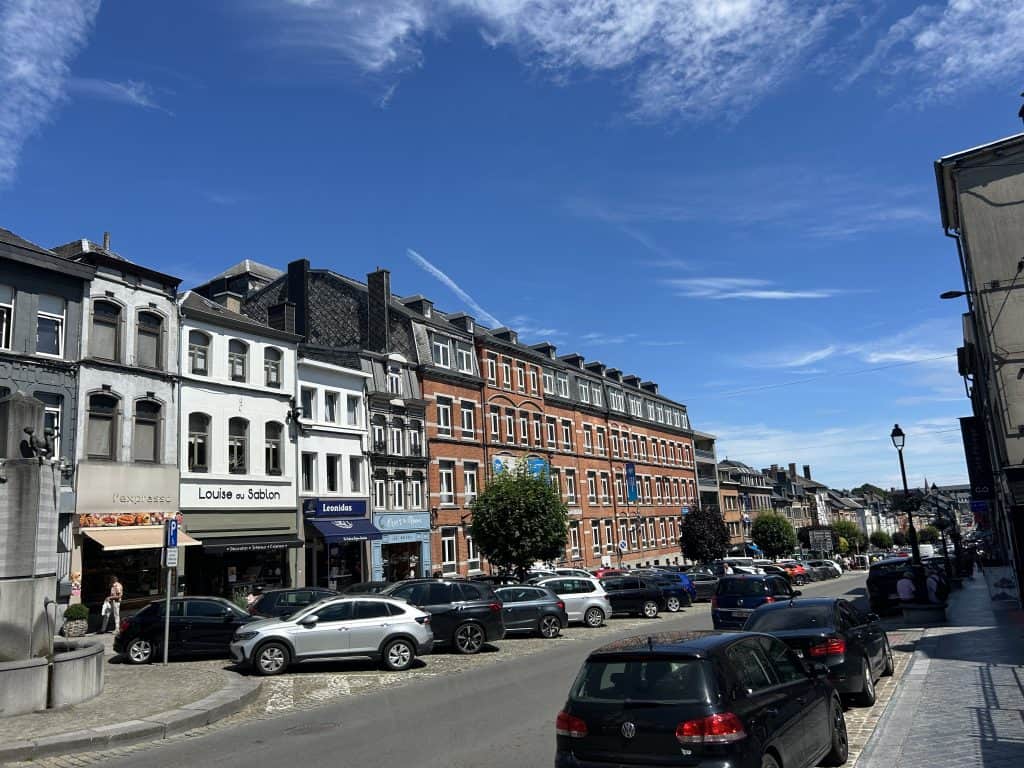
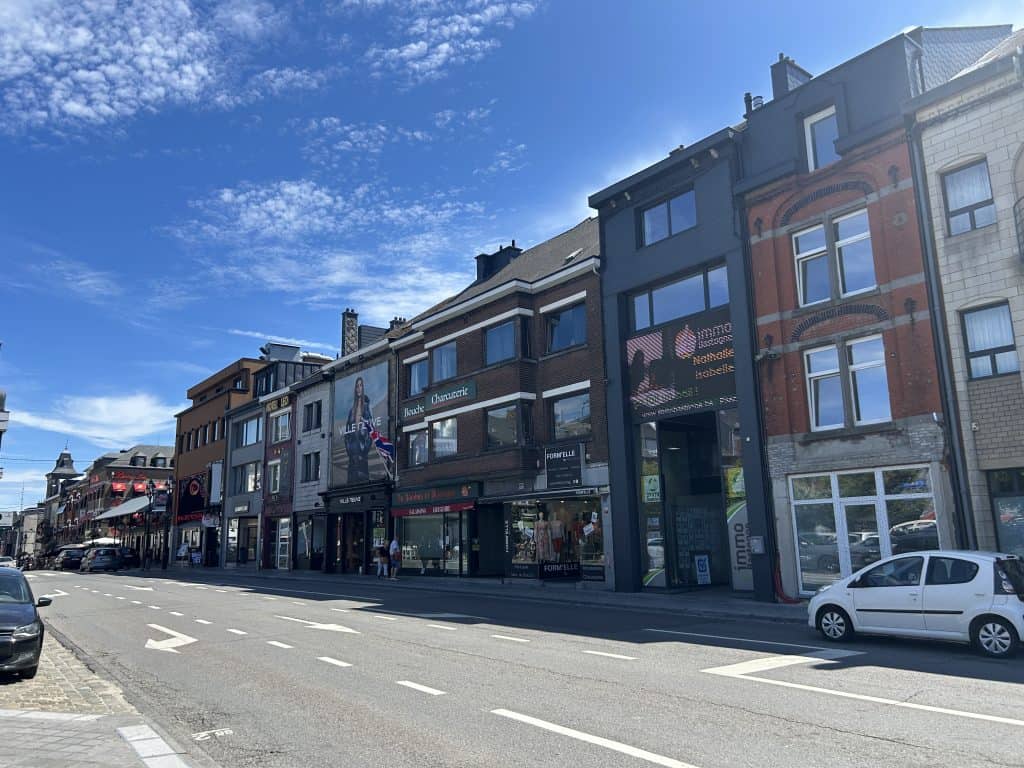
The Place du Général McAuliffe is the main public square in the center of Bastogne. The square is named in honor of the American general who commanded the defense of the town. A bust of General McAuliffe is located on the square. A key feature is a preserved M4 Sherman tank that took part in the battle, which now serves as a public monument. The square is the commercial heart of the town, surrounded by shops and cafes.
Porte de Trèves
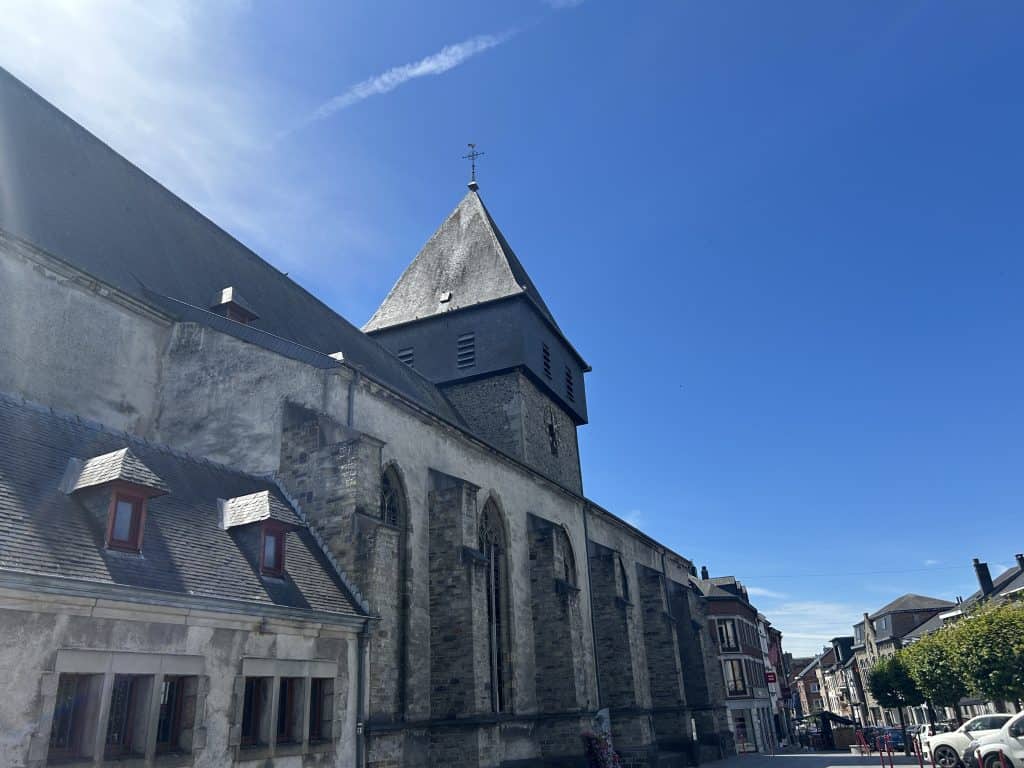
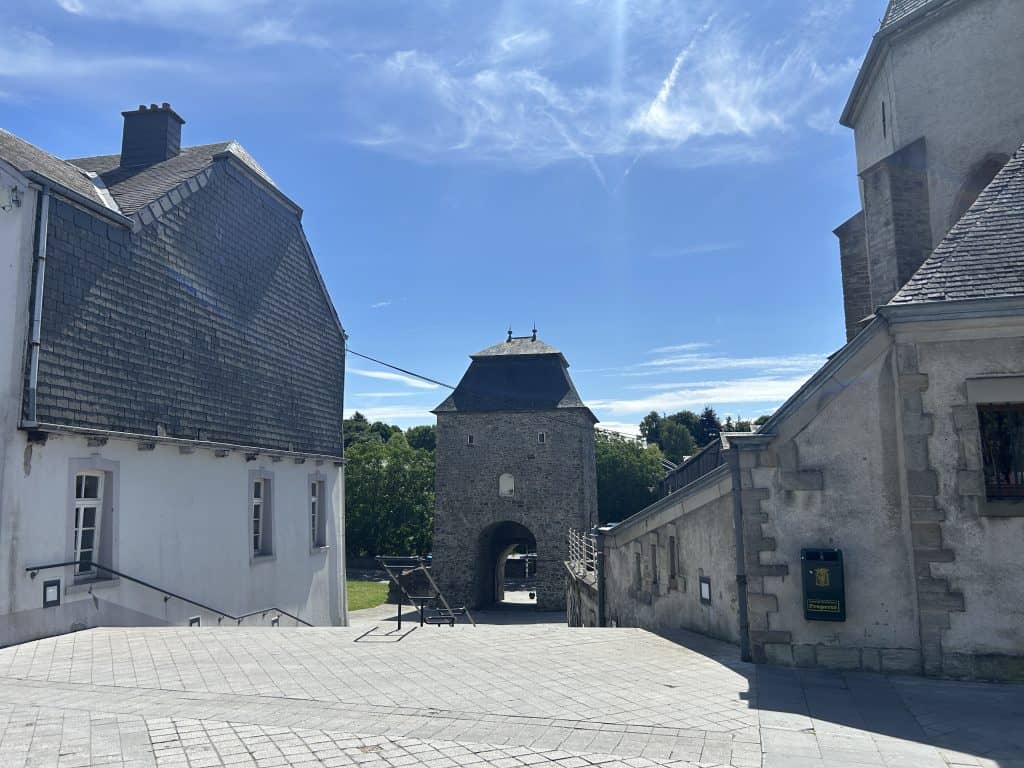
The Porte de Trèves is a historic tower located in the center of Bastogne. It is the last remaining part of the town’s medieval defensive walls, which were built in the 14th century. The stone tower stands as a reminder of the town’s long history before the events of World War II. It survived the heavy fighting of 1944. The tower is a protected historical monument.
Bois de la Paix (Peace Wood)
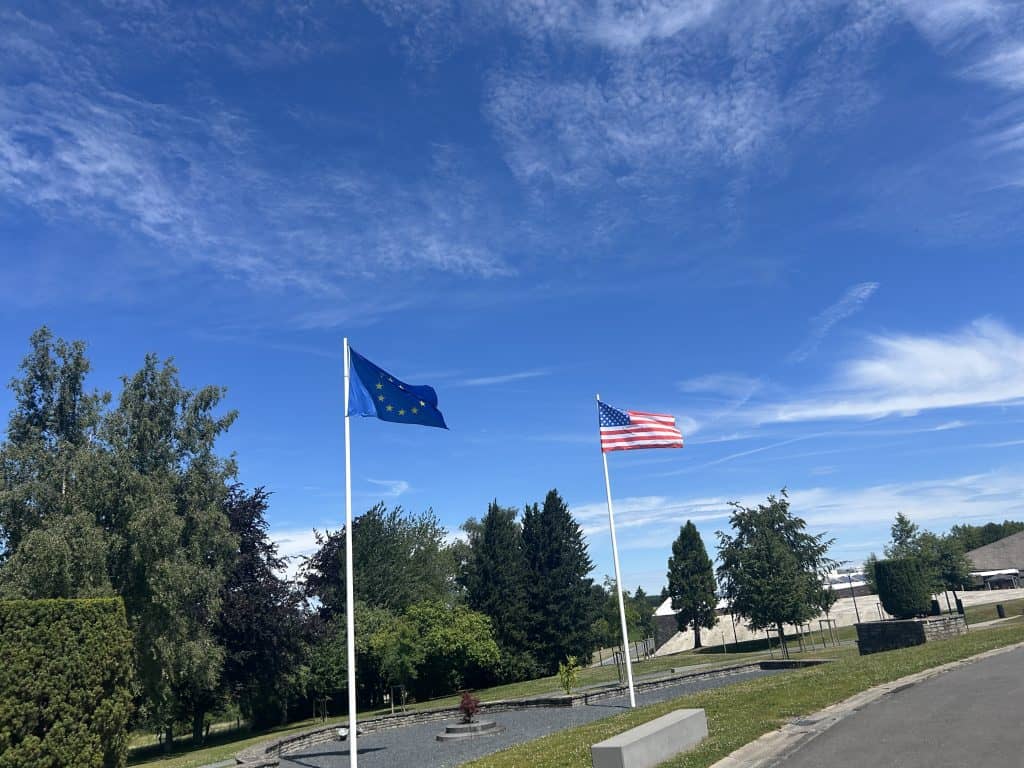
The Bois de la Paix is a memorial forest located near the Mardasson Memorial. The forest was planted in 1994 to commemorate the 50th anniversary of the Battle of the Bulge. It contains 4,000 trees that were planted in a design that resembles the UNICEF emblem of a mother and child. The forest is dedicated to the American veterans, Belgian combatants, and all the civilians and soldiers who fought for freedom. It serves as a living memorial and a place for quiet reflection.
RAVeL Ligne 613
The RAVeL Ligne 613 is a major recreational trail that runs through Bastogne. It is part of the RAVeL network of greenways in Wallonia, which are built on the paths of former railway lines. This specific route provides a flat and traffic-free path for cycling and hiking. The trail connects Bastogne with other towns and villages in the Ardennes. It offers a way to explore the scenic countryside that was once the battlefield.

Sports in Bastogne
The sporting life in Bastogne is centered on its local football club and its role in the world of professional cycling. The surrounding Ardennes region provides a challenging landscape that is used for major international sporting events.
Football
Football is a popular sport in Bastogne, with a local club that is a key part of the community. The club provides a platform for local players of all ages. The team competes in the regional leagues of Belgian football.
R.J.S. Entente Sportive de Bastogne
The town’s main football club is the R.J.S. Entente Sportive de Bastogne. The club has a long history in the town and is an important part of its social fabric. The senior team competes in the provincial amateur leagues of Luxembourg province. They play their home games at a local sports ground in the town. The club has an extensive youth development program.
Cycling
Bastogne is world-famous in the sport of professional cycling. The town is the traditional turning point for one of the oldest and most prestigious one-day professional races in the world. This has made the town a key location on the international cycling calendar.
Liège–Bastogne–Liège
The town is the southern turning point of the Liège–Bastogne–Liège professional cycling race. First run in 1892, it is the oldest of the five “Monuments” of cycling, which are the most prestigious one-day races. The race is known for its long distance and its numerous steep hills in the Ardennes, making it one of the most arduous races for the riders. The “Liège–Bastogne–Liège” name highlights the central role that the town plays in this major international sporting event.


Getting Around in Bastogne
Navigating the town of Bastogne is straightforward. The town center is compact and can be easily explored on foot. For travel to the surrounding memorials and museums, which are located outside the town center, a car or a local bus is necessary.
On Foot: The Town Center
Walking is the best way to explore the central part of Bastogne. The main square, the Place du Général McAuliffe, the Porte de Trèves, and the main shopping streets are all within a short walking distance of each other. The Bastogne Barracks are also located a reasonable walk from the town center. Comfortable shoes are recommended for exploring the town.
Local Buses
The public transport in the region is operated by TEC (Transport en Commun). A network of local and regional buses connects Bastogne with the surrounding villages and with larger nearby cities like Liège and Libramont. Buses are the primary mode of public transport for traveling within the region. The buses also provide access to the Mardasson Memorial and the Bastogne War Museum.
On Two Wheels: Cycling
The RAVeL network of cycle paths provides a safe and scenic way to explore the area around Bastogne by bicycle. The RAVeL Ligne 613 runs directly through the town. This allows for traffic-free cycling to other nearby communities. The surrounding Ardennes region, with its hilly terrain, is also a popular destination for road cycling.

How to Get to Bastogne
Reaching Bastogne requires travel to the Ardennes region of southeastern Belgium. The town is well-connected by the regional road network. It does not have its own train station, so the final part of the journey must be completed by road.
The Open Road: Driving through the Ardennes
Driving is the most common and practical way to reach Bastogne. The town is located directly on the E25 motorway (A26), which is a major north-south highway connecting Liège with Luxembourg City. This provides a direct and fast road link to the town. The N4, a major national road, also runs through Bastogne, connecting it with Namur. A car is highly recommended for visiting the various battlefield sites, which are spread out across the region.
Arriving by Air: Nearby Gateways
The two closest major international airports are Luxembourg Airport (LUX), located approximately 80 kilometers away, and Brussels South Charleroi Airport (CRL), about 120 kilometers away. Another nearby option is Liège Airport (LGG). From any of these airports, a rental car is the most practical option for completing the journey to Bastogne. It is also possible to take a combination of bus and train services.
On Track: A Journey by Rail and Bus
Bastogne does not have its own train station. The closest major train station is located in the town of Libramont, approximately 30 kilometers away. The Libramont station is on the main railway line that connects Brussels and Luxembourg City. From the Libramont station, a frequent connecting bus service, operated by TEC, runs directly to the center of Bastogne.
Connecting by Coach
There are limited direct long-distance international bus services to Bastogne itself. Travel by coach would typically involve taking a service from a company like FlixBus to a larger nearby city, such as Liège or Luxembourg City. From these cities, travelers would then need to transfer to a regional bus service to complete the journey to Bastogne.
Driving Distances
The driving distance from 10 regional cities, according to Google Maps:
- Luxembourg City, Luxembourg – 75 kilometers (1 h 00 min)
- Liège, Belgium – 84 kilometers (1 h 00 min)
- Namur, Belgium – 87 kilometers (1 h 00 min)
- Metz, France – 136 kilometers (1 h 40 min)
- Reims, France – 156 kilometers (2 h 00 min)
- Brussels, Belgium – 162 kilometers (1 h 50 min)
- Cologne, Germany – 171 kilometers (2 h 00 min)
- Frankfurt, Germany – 299 kilometers (3 h 30 min)
- Amsterdam, Netherlands – 382 kilometers (4 h 10 min)
- Paris, France – 402 kilometers (4 h 20 min)
Looking to Explore more of Belgium and Europe?