
Mirador de Juan Evora, Tenerife | Exploring Spain
Mirador de Juan Evora is a scenic viewpoint located in the high mountains of Tenerife, one of the Canary Islands of Spain. A “mirador” is a purpose-built lookout point, usually situated at a high elevation to offer expansive views of the surrounding landscape. This mirador is located on the main TF-21 road that crosses the magnificent Teide National Park. It is not a town but a designated stopping point that offers spectacular panoramic views of the volcanic landscape.
The identity of the Mirador de Juan Evora is defined by its role as a key viewpoint within the national park. It offers a classic and breathtaking view of the summit of the Mount Teide volcano and the vast, moon-like expanse of the Las Cañadas caldera. The site is also home to a small ethnographic museum, which is dedicated to the last person who was permitted to live within the park’s boundaries. Today, it is a popular and essential stop for anyone taking a scenic drive through the heart of this UNESCO World Heritage Site.

History of Mirador de Juan Evora
The history of the Mirador de Juan Evora is the story of the last inhabitant of the Las Cañadas del Teide caldera. The viewpoint and the small museum here are named after Juan Évora, who was the last person to be allowed to live permanently within the boundaries of the Teide National Park. His small stone house has been preserved and turned into a museum. This provides a unique and personal connection to the more recent human history of this wild and spectacular volcanic landscape.
The Last Inhabitant of Las Cañadas
Juan Évora was a goatherd and a lorry driver who lived his entire life in the high mountains of the Teide National Park. He lived in a small, rustic stone house at the foot of the volcano. When the area was declared a national park in 1954, most of the inhabitants were required to leave. However, due to his deep connection to the land, Juan Évora was given special permission to remain. He lived in his small house until his death in the 1980s, becoming a legendary figure in the history of the park.
A Modern Museum and Viewpoint
In the modern era, the park authorities decided to preserve the small stone house of Juan Évora as a tribute to the traditional way of life that once existed in these high mountains. The house was converted into a small ethnographic museum. The area around the house was developed into a formal viewpoint, or “mirador,” to allow visitors to safely stop and enjoy the magnificent scenery. Today, the site is a popular stopping point on the main road through the park, and it offers a unique combination of natural beauty and cultural history.
Sights in Mirador de Juan Evora
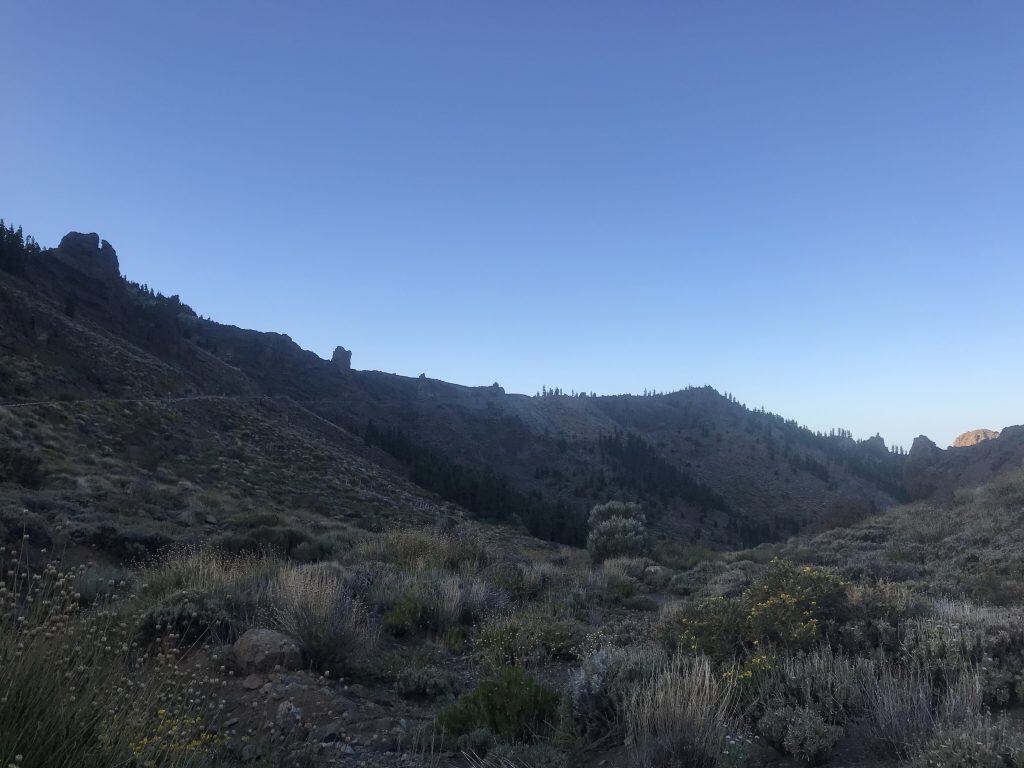
The sights at the Mirador de Juan Evora are centered around the spectacular volcanic landscape of the Teide National Park. The main attraction is the magnificent panoramic view of the Mount Teide volcano. The small Juan Évora Ethnographic Museum offers a glimpse into the traditional way of life in the mountains. The entire area is a geological wonder, with a variety of unique and bizarre rock formations and vast lava fields that create a moon-like landscape.
The View of Mount Teide
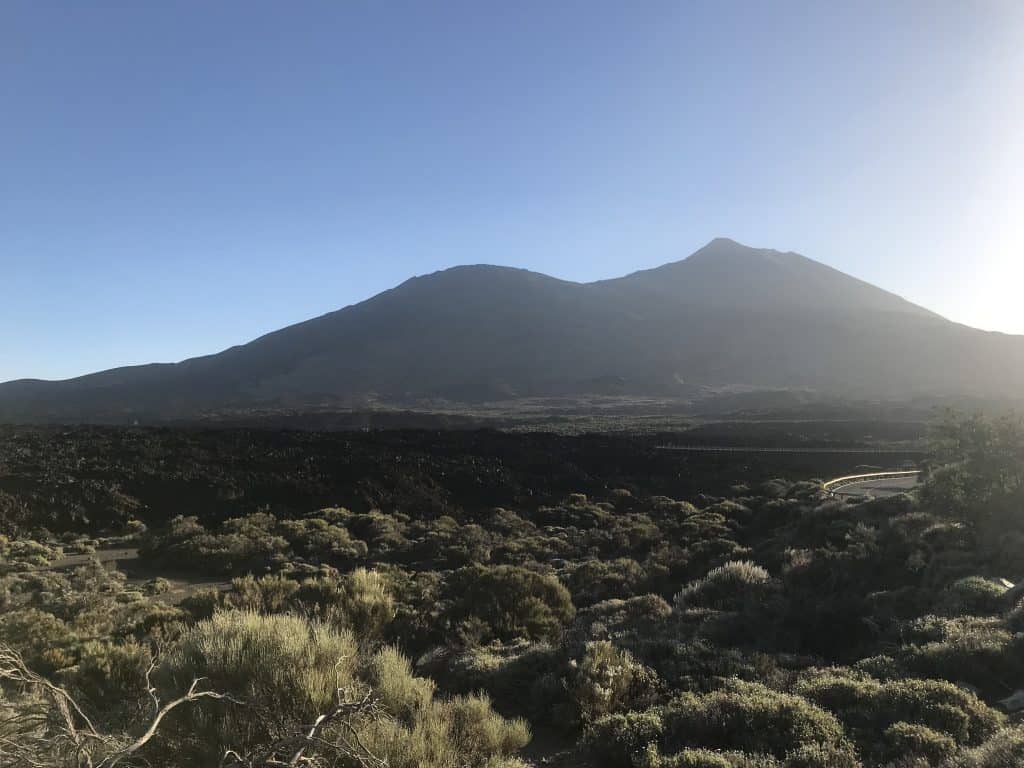
The main reason to visit the mirador is for the magnificent panoramic view of the Mount Teide volcano. From the viewpoint, you have a spectacular, unobstructed view of the southern face of the massive volcano, which is the highest peak in Spain. The view also takes in the vast, arid caldera of Las Cañadas del Teide, with its extensive lava fields and unique rock formations. It is one of the most classic and photographed views in the entire national park.
The Juan Évora Ethnographic Museum
The Juan Évora Ethnographic Museum is located in the small, historic stone house where the last inhabitant of the park lived. The museum has two small rooms, and it displays a collection of traditional farming tools, clothing, and household items that illustrate the simple and harsh way of life in these high mountains in the past. While the museum is very small, it provides a fascinating and personal insight into the human history of this wild and often inhospitable landscape.
The Volcanic Landscape
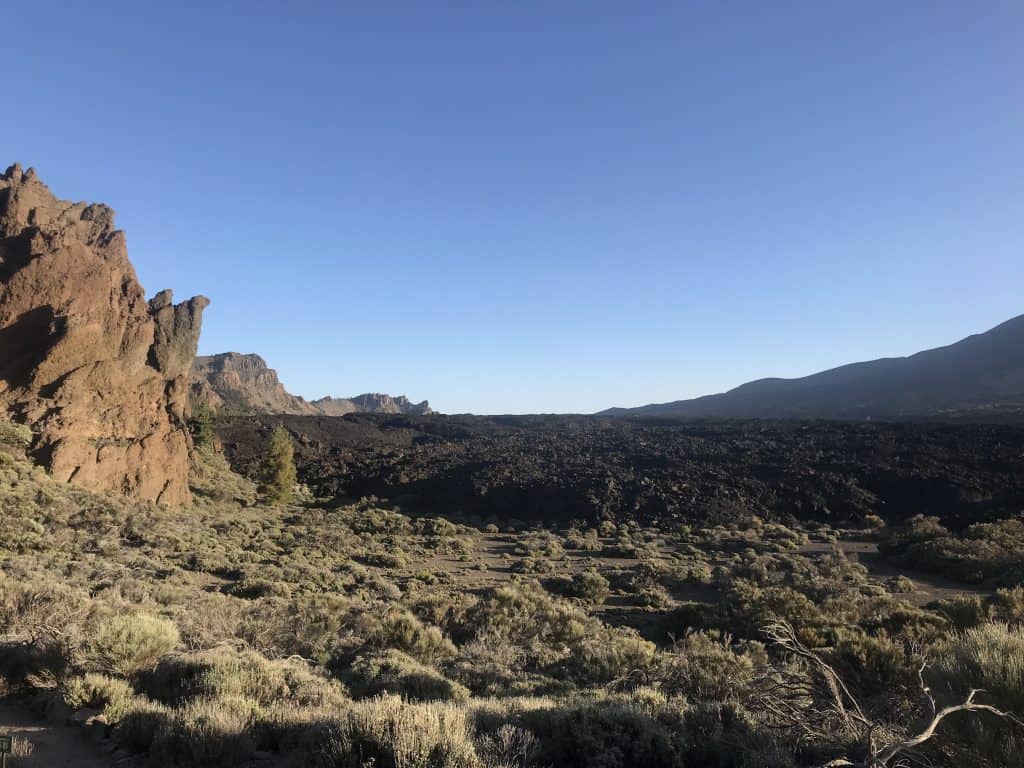
The entire area around the Mirador de Juan Evora is a spectacular geological landscape. The viewpoint is located in the middle of the Las Cañadas del Teide caldera, which is a massive volcanic crater. The landscape is characterized by vast, dark lava flows, strange and eroded rock formations, and a unique, high-altitude desert vegetation. The scenery is often described as being “lunar” or “Martian,” and it is a unique and unforgettable natural environment.
How to Get to Mirador de Juan Evora?
The Mirador de Juan Evora is located in the Teide National Park in the center of the island of Tenerife. The viewpoint is situated on the main TF-21 road, which is the main road that crosses the national park from north to south. The primary gateway for international visitors is Tenerife South Airport (TFS). From the airport and the main tourist resorts, the journey to the mirador is a scenic drive up into the high mountains.
Driving to the Viewpoint
Driving to the Mirador de Juan Evora is a spectacular journey. From the southern resorts like Costa Adeje and Playa de las Américas, you take the TF-21 road up through the town of Vilaflor, which is the highest village in Spain. The road then continues to climb up into the pine forests and then into the magnificent volcanic landscape of the national park. The drive from the south takes about one hour.
Arriving by Air
The closest airport to the Mirador de Juan Evora is Tenerife South Airport (TFS). From the airport, the drive to the mirador takes about 50 minutes. Tenerife North Airport (TFN) is located further away, and the drive from there takes about one and a half hours. From either airport, the easiest way to reach the area is to rent a car.
Driving Distances
The driving distance from 20 regional places, according to Google Maps:
- Vilaflor, Tenerife – 15 kilometers (0 h 20 min)
- Arona, Tenerife – 30 kilometers (0 h 40 min)
- Santiago del Teide, Tenerife – 30 kilometers (0 h 40 min)
- Granadilla de Abona, Tenerife – 35 kilometers (0 h 45 min)
- Adeje, Tenerife – 35 kilometers (0 h 45 min)
- Guía de Isora, Tenerife – 35 kilometers (0 h 40 min)
- Los Cristianos, Tenerife – 40 kilometers (0 h 50 min)
- Playa de las Américas, Tenerife – 41 kilometers (0 h 50 min)
- Costa Adeje, Tenerife – 43 kilometers (0 h 55 min)
- Los Gigantes, Tenerife – 45 kilometers (1 h 00 min)
- Icod de los Vinos, Tenerife – 45 kilometers (1 h 00 min)
- Tenerife South Airport (TFS) – 45 kilometers (0 h 50 min)
- La Orotava, Tenerife – 50 kilometers (1 h 10 min)
- El Médano, Tenerife – 50 kilometers (1 h 00 min)
- Puerto de la Cruz, Tenerife – 55 kilometers (1 h 15 min)
- Garachico, Tenerife – 55 kilometers (1 h 15 min)
- Candelaria, Tenerife – 60 kilometers (1 h 10 min)
- Santa Cruz de Tenerife, Tenerife – 75 kilometers (1 h 20 min)
- San Cristóbal de La Laguna, Tenerife – 80 kilometers (1 h 25 min)
- Tenerife North Airport (TFN) – 80 kilometers (1 h 25 min)
Looking to Explore more of Spain and Europe?