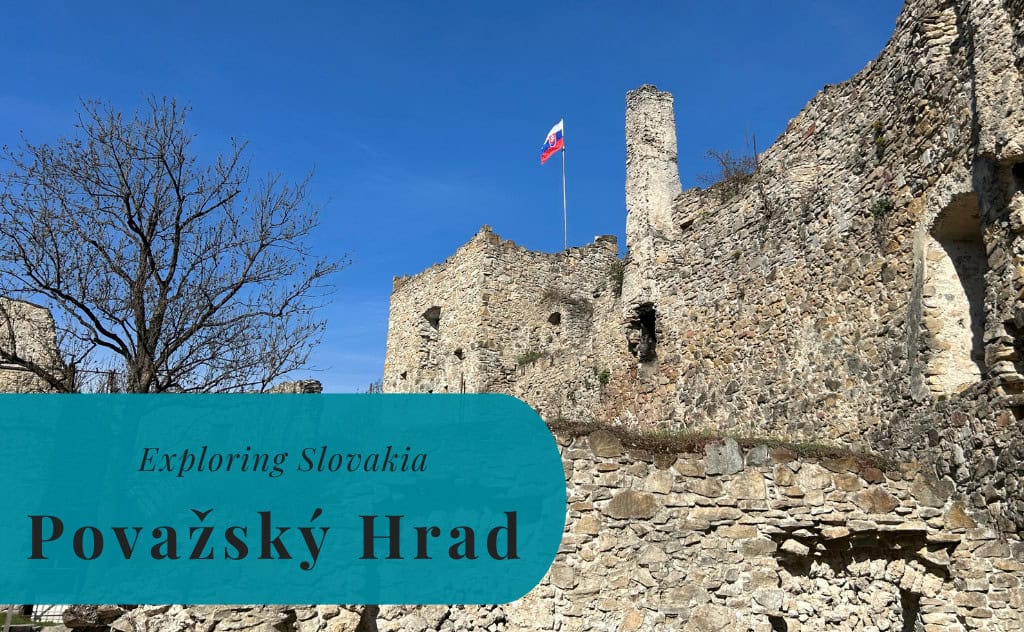
Považský Hrad | Exploring Slovakia
Považský Hrad, or Považský Castle, is a prominent castle ruin located in northwestern Slovakia. The castle stands on a steep cliff, rising dramatically above the Váh River and the nearby town of Považská Bystrica. For centuries, this fortress served as a key defensive stronghold and an administrative center for the region. Its strategic location provided control over the important trade routes that followed the river valley below. The castle is also known by its older name, Bystrica Castle.
Today, the castle is a popular destination for tourists and hikers. Its impressive ruins, which include large sections of the walls and palaces, create a memorable silhouette against the sky. The site offers a journey back into the medieval past of the Trenčín Region, telling the story of powerful noble families, battles, and eventual decline. Its combination of rich history and stunning panoramic views makes it one of the most significant and picturesque castle ruins in this part of Slovakia.

History of Považský Hrad
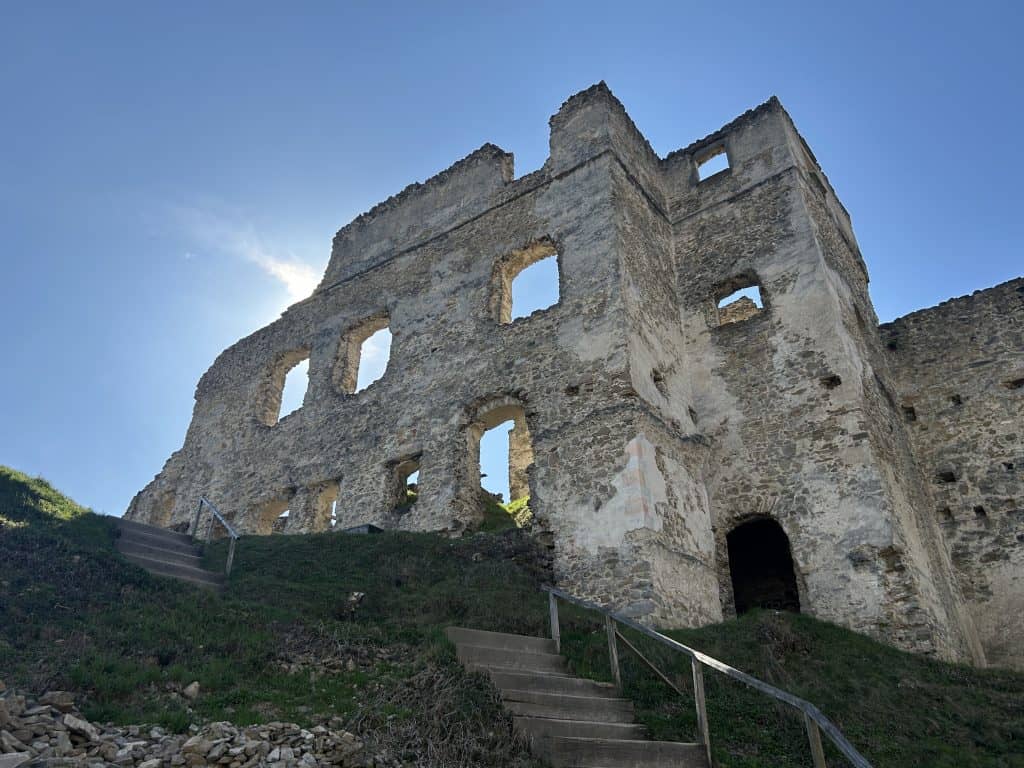
The history of Považský Hrad dates back to the 13th century, and it was likely built to protect the important trade route along the Váh River. For centuries, the castle’s fate was shaped by the powerful noble families who controlled it, most notably the notorious Podmanitzky brothers, who used it as a base for their raids. The fortress was expanded and rebuilt several times, but its military importance eventually waned. A final blow came at the end of the 17th century when imperial troops destroyed it, leaving it in the ruined state we see today.
The Era of the Podmanitzky Family
The castle’s most famous and infamous period was during the 15th and 16th centuries under the rule of the Podmanitzky family. The two robber baron brothers, János and Raffael Podmanitzky, were known for their ruthlessness and their conflicts with the Habsburg monarchy. They significantly expanded and strengthened the castle, turning it into a formidable fortress and a base for their extensive domains. During their time, the castle was a center of power feared throughout the region. Their story is a key part of the castle’s rich and often violent history.
Decline and Destruction
After the Podmanitzky era, the castle passed into the hands of other noble families, including the Balassa family. However, its importance began to decline. Living in a cold and remote cliffside fortress became less desirable for the aristocracy, and the family eventually moved to a more comfortable manor house in the nearby village of Orlové. The castle’s military fate was sealed at the end of the 17th century. It was occupied by the anti-Habsburg rebels of Imre Thököly. After the imperial army recaptured the castle in 1698, Emperor Leopold I ordered it to be destroyed to prevent it from being used by rebels in the future.
The Castle as a Ruin
Following its destruction by imperial troops in 1698, the castle was never rebuilt. It was abandoned and left to fall into ruin. Over the centuries, nature began to reclaim the site, and the once-mighty fortress became a silent monument overlooking the valley. The ruins have been the subject of romantic paintings and local legends for generations. In the modern era, efforts have been made to conserve the remaining walls and make the site safe for visitors. Today, the ruins are a protected national cultural monument and a major tourist attraction.

Sights in Považský Hrad
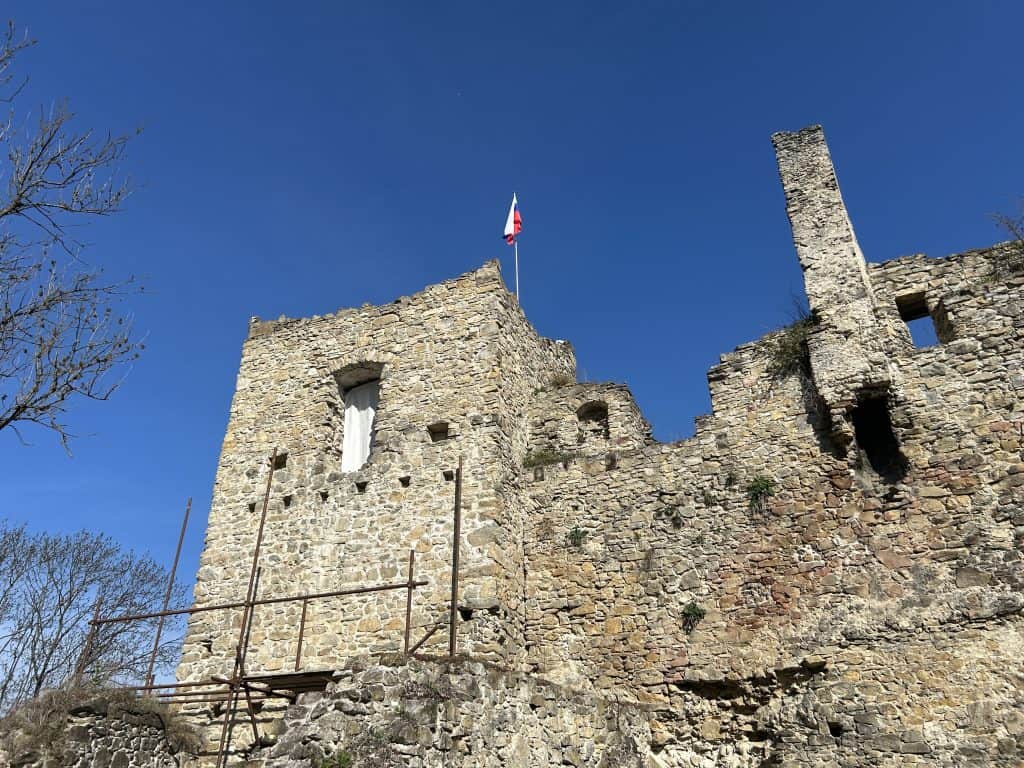
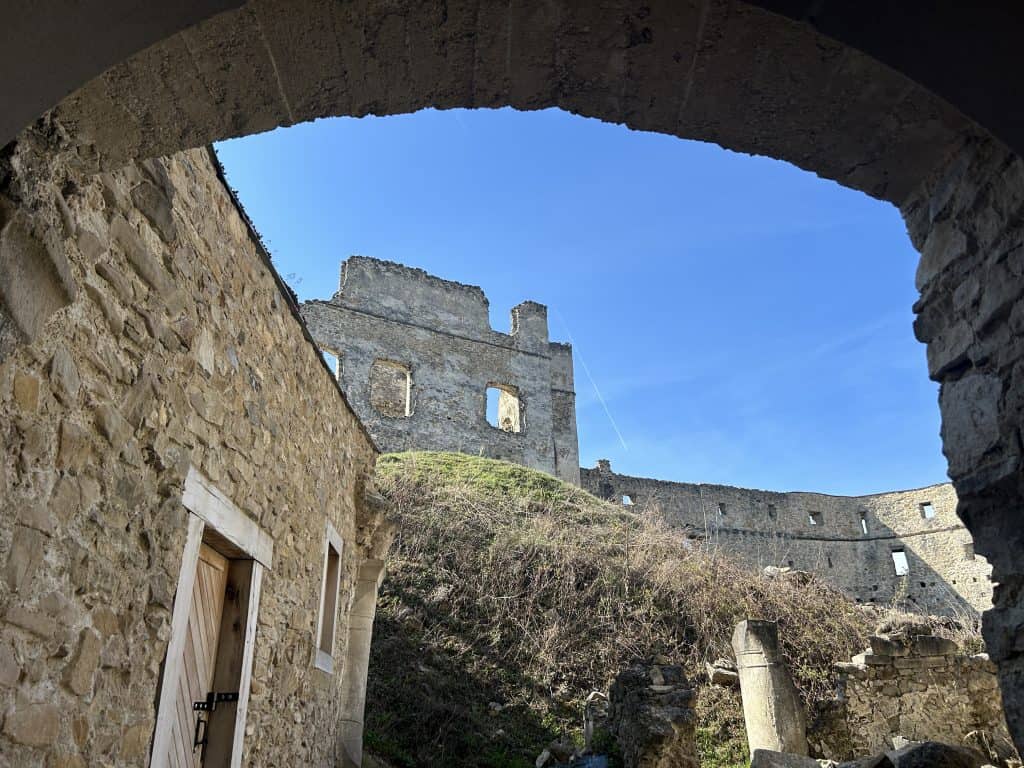
The sights at Považský Hrad are centered around its impressive medieval ruins and the spectacular natural scenery that surrounds them. The main attraction is the castle complex itself, which covers a large area on the top of the cliff. Visitors can explore the remains of the various palaces, towers, and defensive walls that made up the fortress. The site offers a tangible connection to the region’s past, allowing you to walk through the same courtyards as medieval knights and nobles. The panoramic views from the castle are another major highlight of any visit.
The Castle Ruins
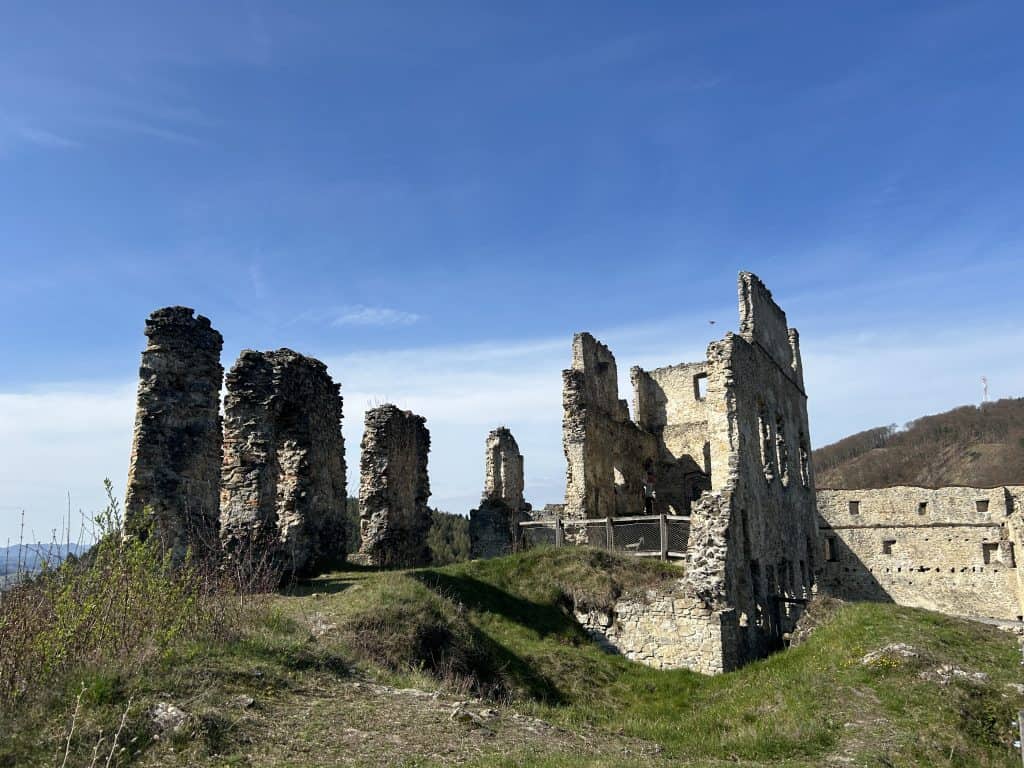
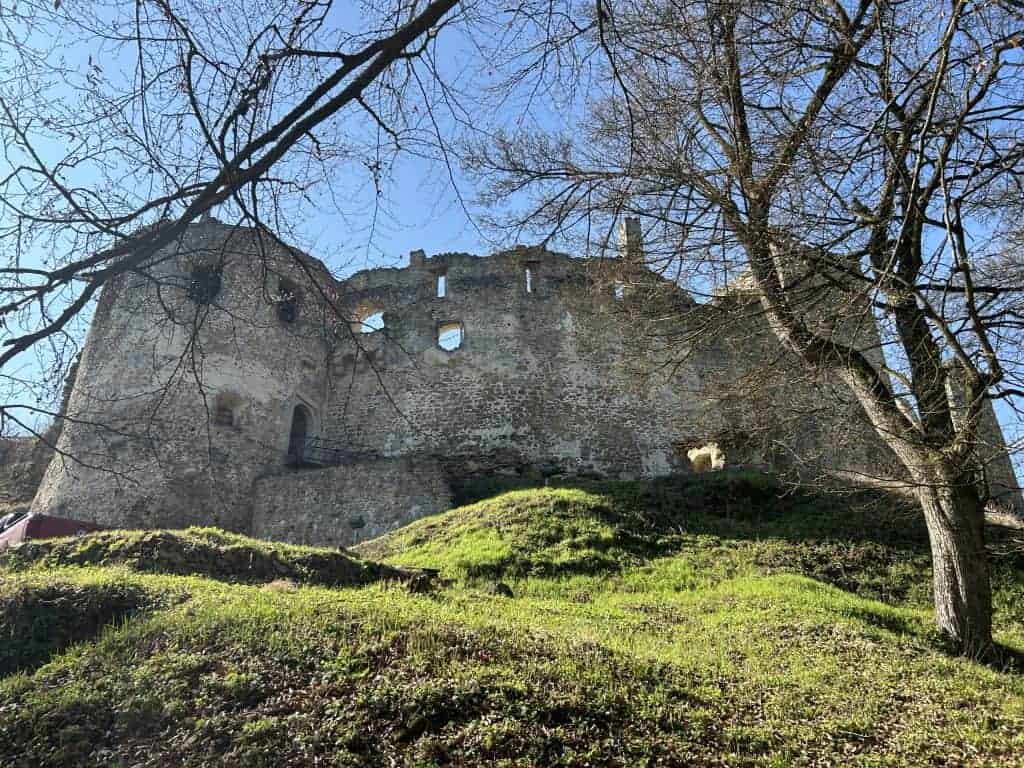
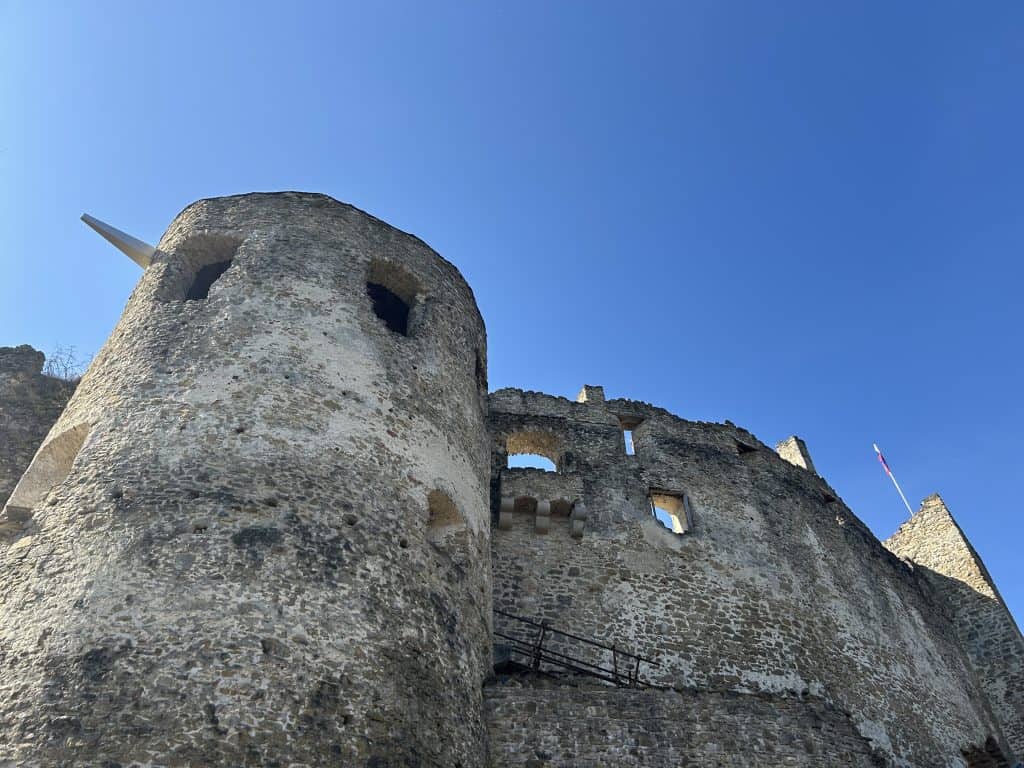
The ruins of Považský Hrad are extensive and impressive. Although the castle was destroyed centuries ago, large sections of the Gothic and Renaissance walls are still standing. Visitors can explore the remains of the upper and lower castles. The ruins of the main palace and the chapel are particularly interesting. The site has undergone conservation work to make it safe for visitors to walk through the different parts of the complex. Exploring the ruins provides a direct and atmospheric experience of a real medieval castle.
Panoramic Views
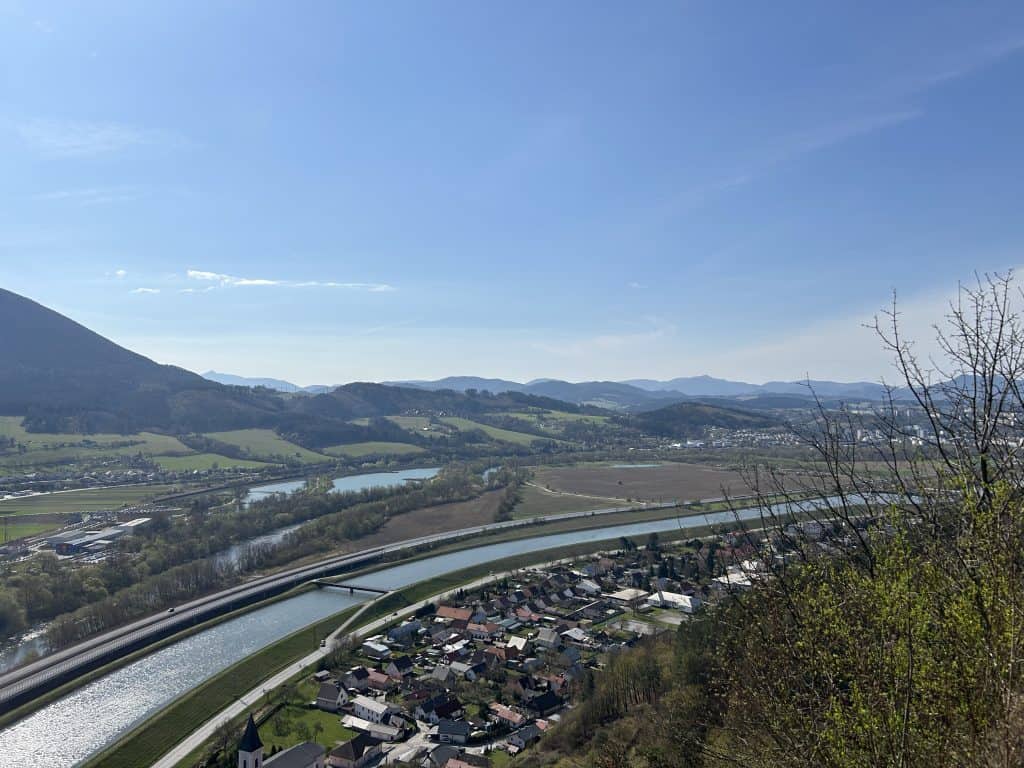
Due to its location high on a cliff above the Váh River, the castle offers some of the most spectacular panoramic views in the region. From the castle walls, you can look down on the river valley, the town of Považská Bystrica, and the surrounding mountains. The view of the Súľov Mountains is particularly beautiful. The strategic importance of the castle’s location becomes immediately clear when you see the vast area that it overlooks. It is a perfect spot for photography.
Hiking Trail to the Castle
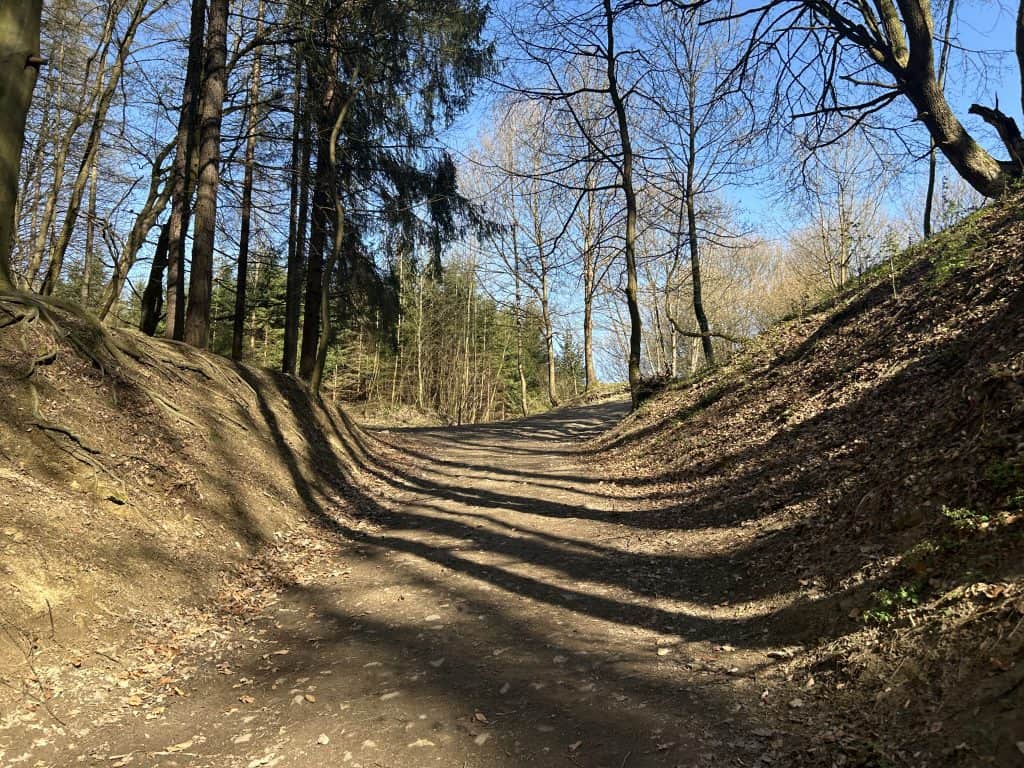
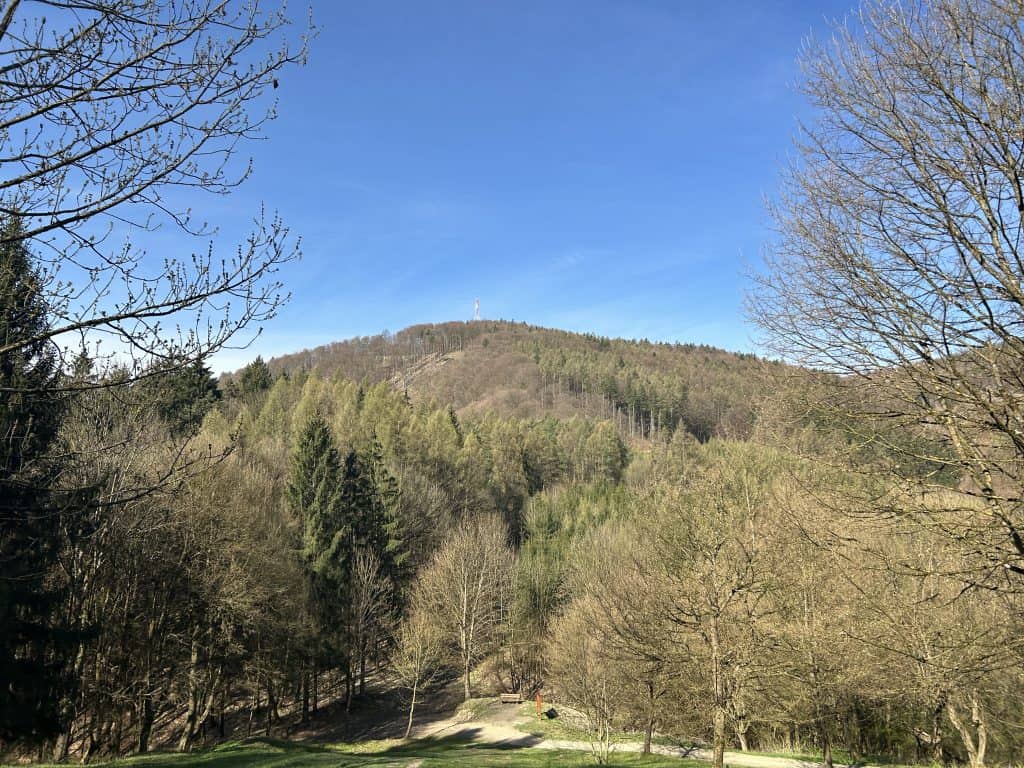
The journey to the castle is an attraction in itself. The ruins are accessible via a marked hiking trail that leads up the steep, forested hill from the village of Považské Podhradie. The hike is a rewarding experience, taking you through a beautiful natural environment. The trail is well-maintained but can be steep in places. As you climb higher, the views of the valley begin to open up, building anticipation for the spectacular panorama from the top.
Orlové Manor House
The Orlové Manor House, located in the nearby Orlové district of Považská Bystrica, is a beautiful Baroque manor house that is historically connected to the castle. It was built by the Balassa noble family in the 17th century after they decided to move from the older and less comfortable castle. The manor house is a fine example of aristocratic architecture from its era. Today, the historic building has been carefully restored and now houses a hotel and restaurant. It provides a glimpse into the lifestyle of the nobles who once ruled the region.
Getting Around at Považský Hrad
The ruins of Považský Hrad are best reached on foot via a dedicated hiking trail. The nearby town of Považská Bystrica is the main hub for transportation in the area, and it is served by a local bus system that can take you to the village of Považské Podhradie at the base of the castle hill. For exploring the wider region, a car is the most convenient option, as the town is located directly on the main motorway.
Exploring by Foot
The only way to reach the castle ruins is by walking up the hill from the village of Považské Podhradie. The hiking trail is well-marked and is a key part of the experience. Once at the top, the entire castle complex is also explored on foot. The historic village of Považské Podhradie below the castle is also a pleasant area for a short walk.
Using Local Buses
The public transport system in Považská Bystrica consists of a network of local city buses. These buses connect the main train and bus stations with the different residential districts of the town. A key route for visitors is the bus that runs to the village of Považské Podhradie, which is the starting point for the hike up to the castle. This makes it possible to reach the castle using public transport.
Navigating by Car
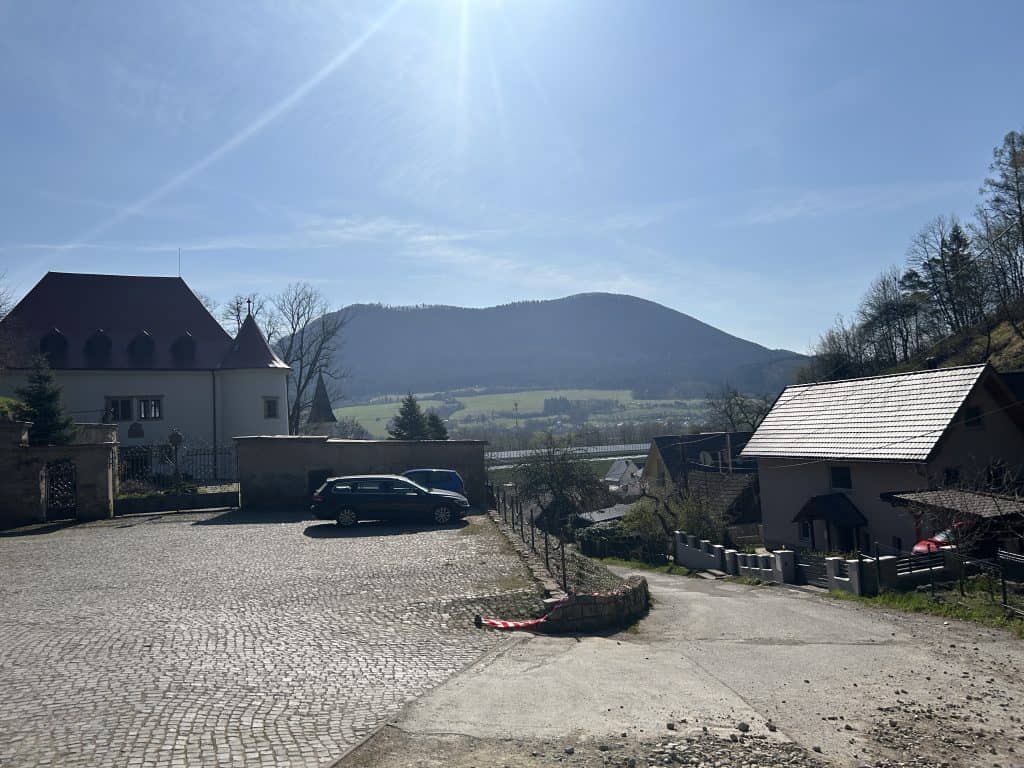
A car is the most convenient way to explore the region around Považský Hrad. The nearby town of Považská Bystrica is located directly on the main D1 motorway, which provides fast and easy access. Having a car makes it simple to take day trips to other major attractions in the area, such as the Súľov Rocks or the nearby city of Žilina. There is a small parking area in the village of Považské Podhradie where you can leave your car before hiking up to the castle.
How to Get to Považský Hrad?
Považský Hrad is located in an easily accessible part of Slovakia, with excellent transportation connections via the nearby town of Považská Bystrica. The town is situated directly on the main east-west motorway and railway line, making it straightforward to reach from both Bratislava and Žilina. While the area does not have its own major airport, several international airports are located within a reasonable driving distance.
Arriving by Air
There is no commercial airport in Považská Bystrica. The closest airport with some limited flights is in Žilina (ILZ). For a much broader range of year-round international connections, Bratislava Airport (BTS) or Vienna International Airport (VIE) in Austria are the main gateways for the western part of the country. Kraków John Paul II International Airport (KRK) in Poland is another good option. From any of these airports, you would need to continue your journey by car, bus, or train.
Driving to the Castle
The village of Považské Podhradie, at the base of the castle, is located directly next to the main D1 motorway (E50 / E75). This is the most important highway in Slovakia, connecting Bratislava with Žilina. This makes driving a very fast and convenient option for reaching the area. To reach the castle, you take the exit for Považská Bystrica and then follow the signs for the small village of Považské Podhradie.
Journey by Rail
Považská Bystrica is a key stop on the main railway line that connects Bratislava with Žilina and Košice. The national rail operator, Železničná spoločnosť Slovensko (ZSSK), runs frequent intercity and express train services that stop at the town’s main station. From the train station in Považská Bystrica, you would then need to take a short local bus ride or a taxi to the village of Považské Podhradie to begin the hike up to the castle.
Connecting by Bus
Považská Bystrica is also well-connected by a network of national and international bus routes. The main bus station is located next to the train station, allowing for easy transfers. Numerous bus companies operate services that link the town with other Slovak towns and with major cities in neighboring countries, such as the Czech Republic. The bus can be a cost-effective alternative to the train and often provides more direct connections to smaller towns and villages in the region.
Driving Distances
The driving distance from 25 regional cities, according to Google Maps:
- Považská Bystrica, Slovakia – 4 kilometers (0 h 10 min)
- Žilina, Slovakia – 30 kilometers (0 h 25 min)
- Trenčín, Slovakia – 48 kilometers (0 h 35 min)
- Martin, Slovakia – 61 kilometers (0 h 55 min)
- Ružomberok, Slovakia – 94 kilometers (1 h 10 min)
- Ostrava, Czech Republic – 108 kilometers (1 h 30 min)
- Liptovský Mikuláš, Slovakia – 119 kilometers (1 h 20 min)
- Trnava, Slovakia – 122 kilometers (1 h 15 min)
- Katowice, Poland – 153 kilometers (1 h 50 min)
- Brno, Czech Republic – 163 kilometers (1 h 40 min)
- Bratislava, Slovakia – 166 kilometers (1 h 30 min)
- Poprad, Slovakia – 167 kilometers (1 h 50 min)
- Kraków, Poland – 178 kilometers (2 h 30 min)
- Vienna, Austria – 247 kilometers (2 h 20 min)
- Budapest, Hungary – 272 kilometers (2 h 40 min)
- Košice, Slovakia – 279 kilometers (3 h 00 min)
- Wrocław, Poland – 328 kilometers (3 h 10 min)
- Prague, Czech Republic – 373 kilometers (3 h 40 min)
- Lviv, Ukraine – 458 kilometers (5 h 30 min)
- Warsaw, Poland – 468 kilometers (5 h 00 min)
- Zagreb, Croatia – 508 kilometers (4 h 50 min)
- Ljubljana, Slovenia – 598 kilometers (5 h 40 min)
- Berlin, Germany – 618 kilometers (6 h 00 min)
- Belgrade, Serbia – 623 kilometers (5 h 50 min)
- Munich, Germany – 683 kilometers (6 h 40 min)
Looking to Explore more of Slovakia and Europe?