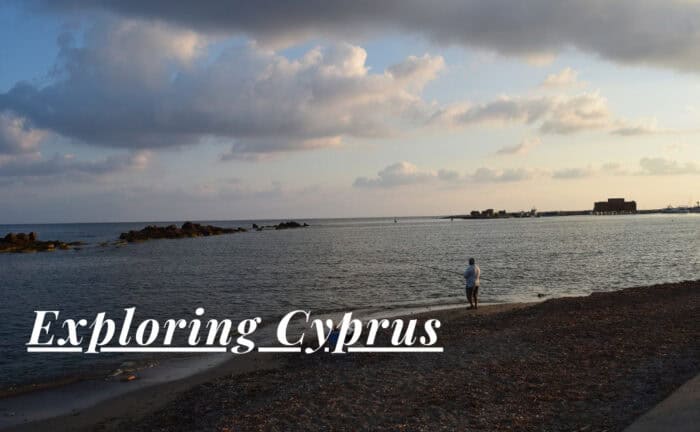
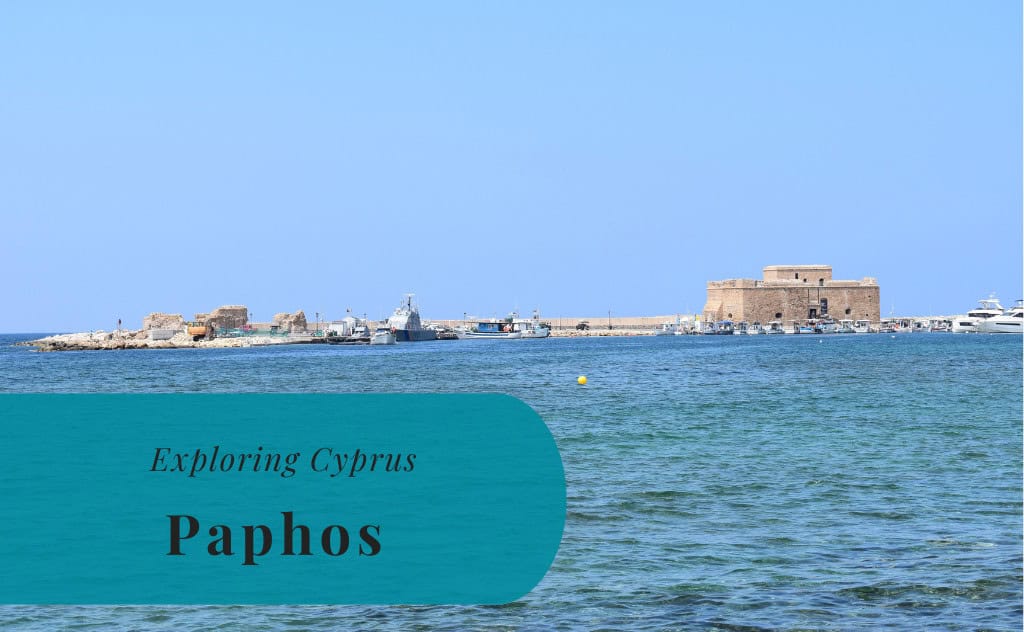
Paphos | Exploring Cyprus
Paphos is a coastal city on the southwest coast of Cyprus and the capital of the Paphos District. The city is situated on the Mediterranean Sea. With an urban area population of approximately 40,000 residents, it is a key economic and tourist center for the western part of the country. Paphos is known for its connection to ancient Greek mythology as the mythical birthplace of Aphrodite, the goddess of love. The entire city is a UNESCO World Heritage Site, designated in 1980 for its extensive ancient ruins.
The city’s character is defined by this rich archaeological landscape existing alongside a modern tourist infrastructure. It is divided into two main areas: Kato Paphos (Lower Paphos), which is the main tourist and archaeological area by the harbor, and Pano Paphos (Upper Paphos), which is the city’s commercial and administrative center. Its location provides access to the Akamas Peninsula to the north and the Troodos Mountains to the northeast.


A Short History of Paphos
The history of Paphos spans several millennia, from its origins as a center for a prehistoric fertility goddess to its status as the Roman capital of Cyprus. Its development was shaped by its religious importance in the ancient world, its role as an administrative center, and its eventual decline and modern revival. The city’s multi-layered past is evident in its archaeological sites, which contain remains from the Hellenistic, Roman, Byzantine, and Frankish periods. This long history has made Paphos one of the most important archaeological landscapes in the eastern Mediterranean.
Ancient Origins and Aphrodite’s Cult
The original settlement, known as Old Paphos (Palaepaphos), was located at the site of the modern village of Kouklia. This was a significant ancient Greek city-kingdom and a major religious center. Paphos gained prominence as the mythical birthplace of Aphrodite. Her cult flourished here for centuries, centered around a famous sanctuary that attracted pilgrims from across the Mediterranean. This sanctuary dates back to the 12th century BC, long before the arrival of the Greeks.
Roman Capital and the Advent of Christianity
In the Hellenistic period, a new city, Nea Paphos (New Paphos), was founded at the site of the modern harbor. Under Roman rule, Nea Paphos became the capital of the island in the 2nd century BC. This era saw the construction of grand public buildings and villas for the Roman elite, many of which contained intricate and well-preserved mosaic floors. The city also played a role in early Christian history when Saint Paul visited in 45 AD and converted the Roman proconsul, Sergius Paulus.
Decline and Modern Revival
Following a series of destructive earthquakes in the 4th century AD, the capital of Cyprus was moved to Salamis, and Paphos began a long period of decline. The city was further affected by Arab raids during the Byzantine period. After periods of Venetian and Ottoman rule, the city was a small harbor town. Its fortunes began to change with the arrival of British rule in 1878. In the late 20th century, Paphos experienced significant tourism development, and its archaeological sites were collectively designated a UNESCO World Heritage Site in 1980.
Things to Do and See
Paphos offers a range of attractions, showcasing its ancient history, rich mythology, and coastal setting. Visitors can explore the vast Paphos Archaeological Park, home to Roman mosaics and the Tombs of the Kings. The historic Paphos Castle guards the harbor. Ancient sanctuaries and a historic Old Town also provide a rich journey through time.
Paphos Archaeological Park
The Paphos Archaeological Park is a vast UNESCO World Heritage Site that encompasses most of the ancient Greek and Roman city. The park features exceptionally well-preserved ruins, particularly from the Roman period. Highlights include the magnificent mosaics in the House of Dionysus, the House of Aion, and the House of Theseus. These intricate floor mosaics depict scenes from Greek mythology. The park also contains the remains of an ancient odeon, an agora, and the Asklepieion sanctuary.
Tombs of the Kings
The Tombs of the Kings is a large necropolis and part of the main archaeological park. Dating from the 4th century BC, these impressive underground tombs were carved out of solid rock. They served as burial sites for Paphitic aristocrats and high officials, not for actual royalty. The tombs feature Doric columns and fresco remnants. The site is a testament to the wealth of ancient Paphos and provides insight into Hellenistic and Roman burial practices.
Paphos Castle
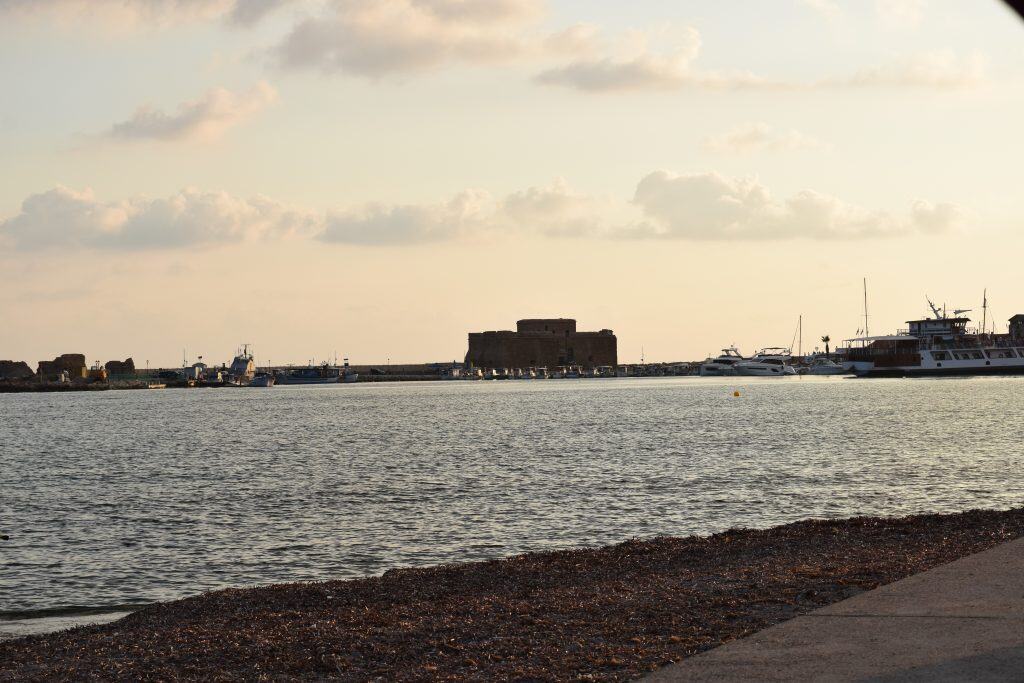
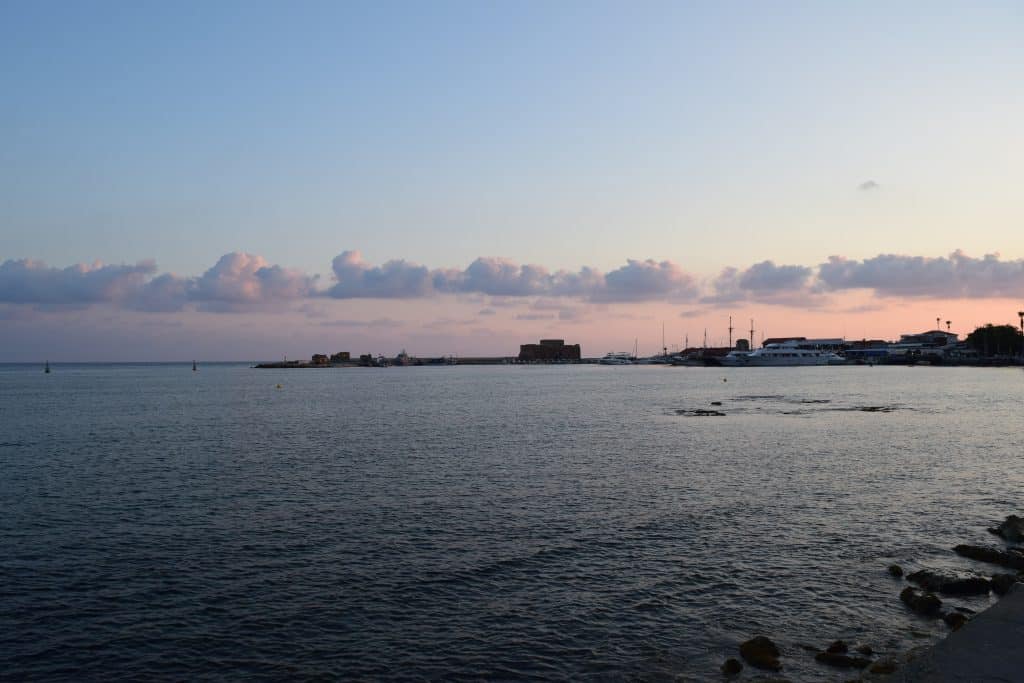
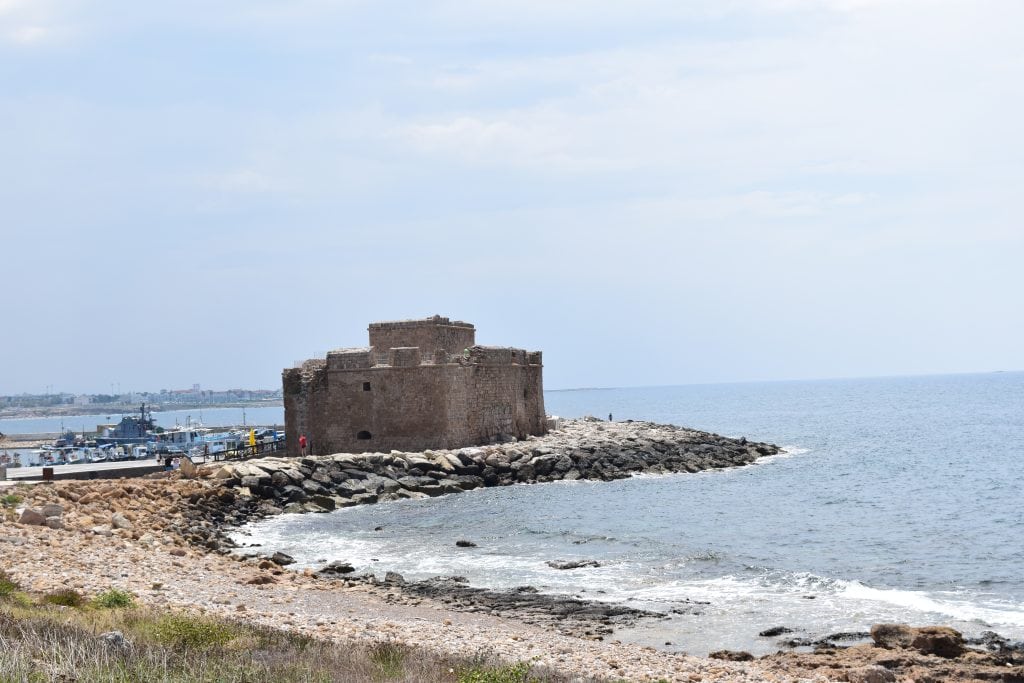
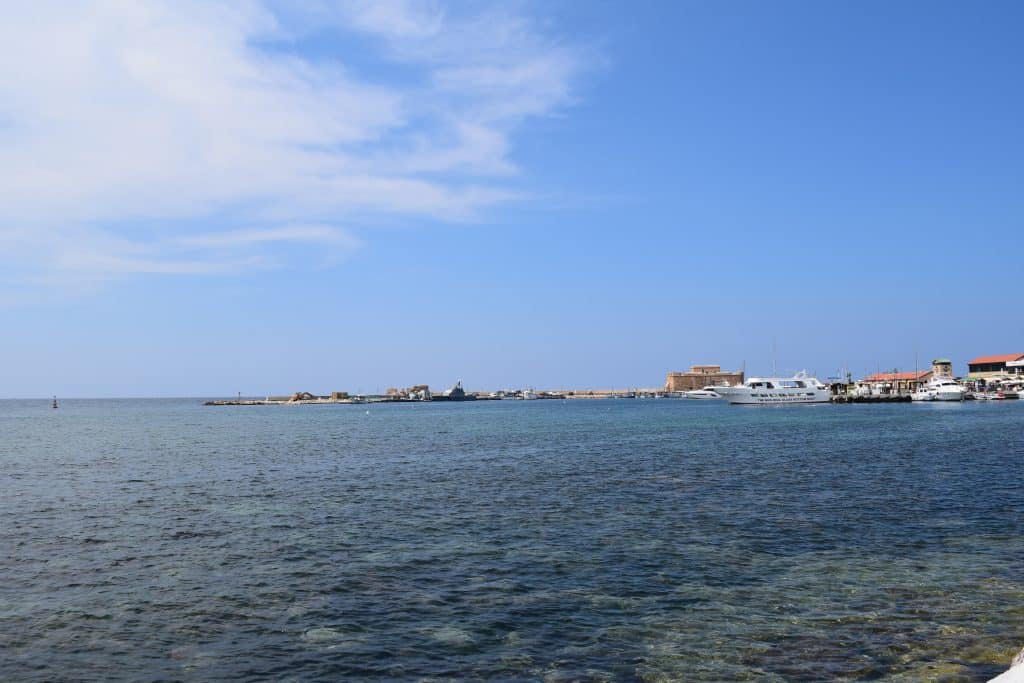
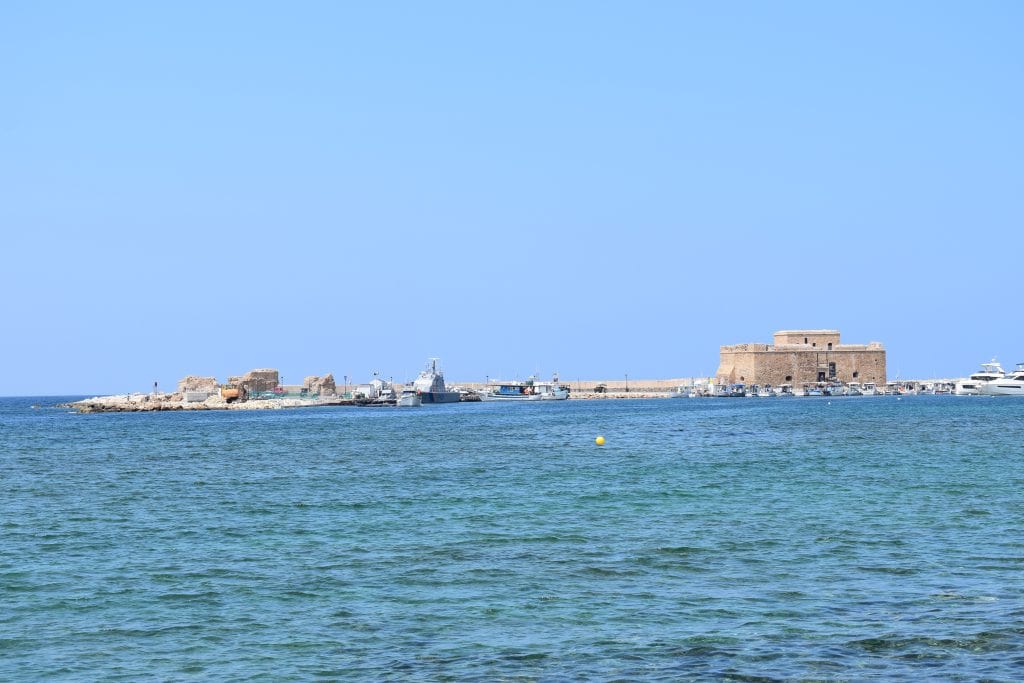
Paphos Castle is a medieval fort located at the entrance to Paphos Harbour. Originally a Byzantine fort built to protect the port, it was rebuilt by the Lusignans in the 13th century. It was later dismantled by the Venetians and then rebuilt by the Ottomans in the 16th century. The current rectangular fortress is the Ottoman version. It served as a prison and a salt warehouse during the period of British rule. Today, it hosts cultural events and offers views of the harbor.
Sanctuary of Aphrodite (Kouklia)
The Sanctuary of Aphrodite at Kouklia is a major archaeological site. Located at the site of Old Paphos (Palaepaphos), about 16 kilometers from the modern city, it was the most important ancient cult site of the goddess Aphrodite. Pilgrims from across the Mediterranean traveled here. The sanctuary dates back to the 12th century BC. Although primarily ruins today, it includes remnants of the Roman, Hellenistic, and Mycenaean periods. A small museum on site displays artifacts found at the sanctuary.
Paphos Lighthouse and Archaeological Site
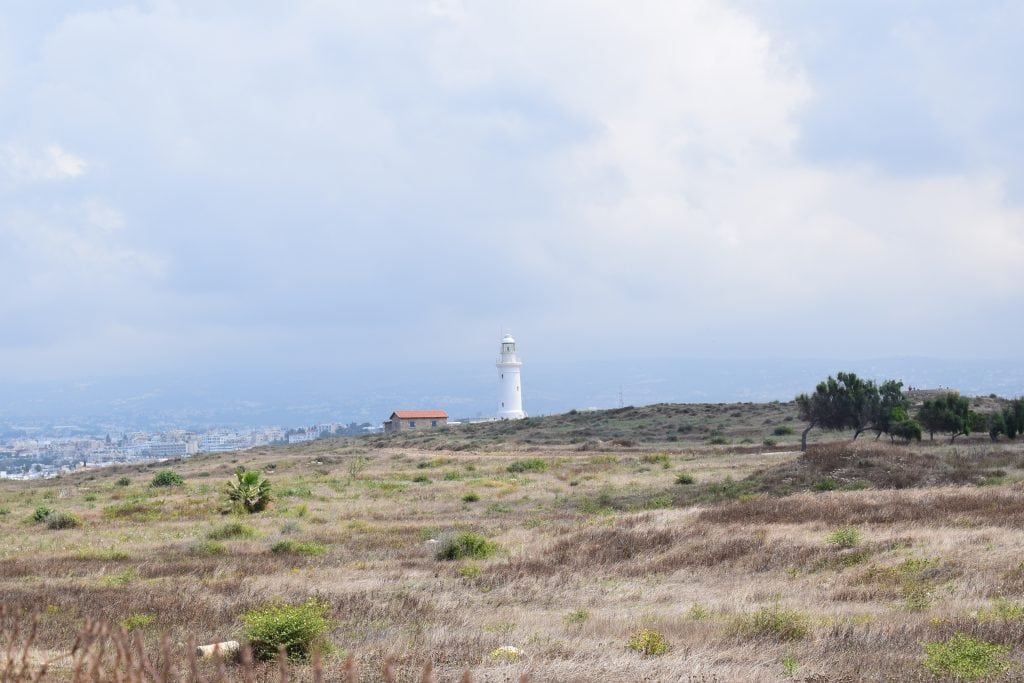
The Paphos Lighthouse stands within the Archaeological Park. The current lighthouse was built by the British in 1888. It stands 20 meters tall and is situated on a small hill. The lighthouse offers views of the surrounding ancient ruins and the Mediterranean Sea. The adjacent archaeological site includes the remains of the House of Orpheus and a Roman odeon. The lighthouse is still operational and is a key landmark on the Paphos coastline.
Paphos Old Town (Pano Paphos)
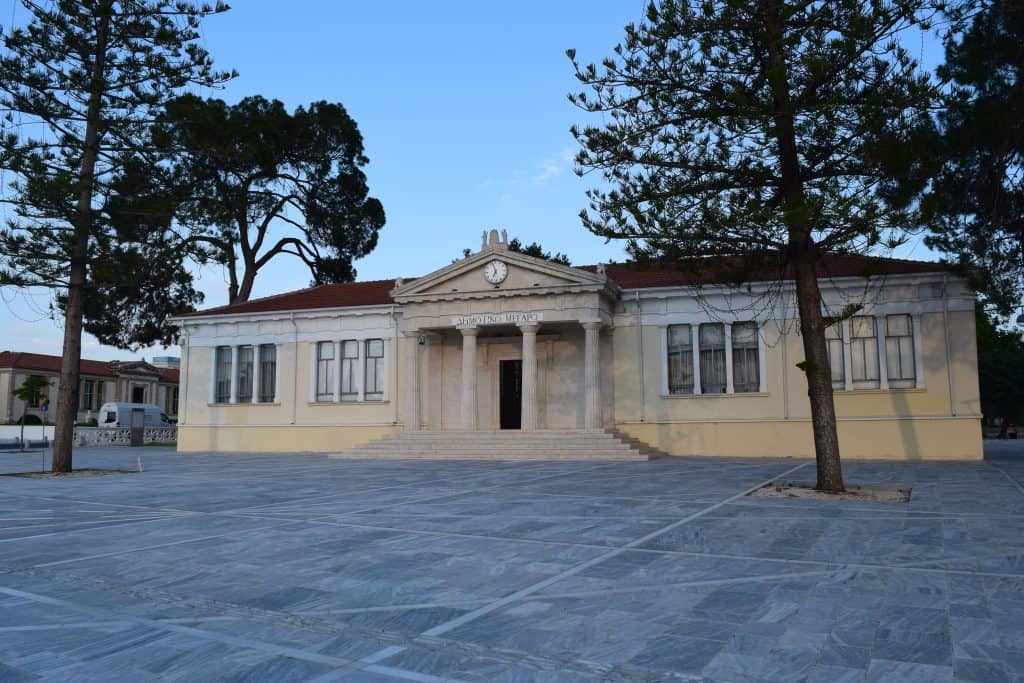
Paphos Old Town (Pano Paphos) sits on a hill above the modern tourist areas by the harbor. This area, also known as Ktima, offers a look into traditional Cypriot life. The district features narrow streets, historic neoclassical buildings, and local craft shops. It is home to the Municipal Market, a hub for local produce and goods. The Old Town provides a different atmosphere compared to the bustling tourist harbor.
Sports in Paphos
The sports scene in Paphos is focused on its professional football club and the numerous recreational activities offered by its coastal Mediterranean setting. The climate and landscape make it a year-round destination for water sports, golf, and running.
Football
Football is a widely followed sport in Paphos, as it is throughout Cyprus. The city is home to a professional football club that competes in the country’s top league. The team is a key part of the local community and sporting identity. Attending a home match is a popular activity for residents.
Pafos FC
The city’s main professional football club is Pafos FC. The club was formed in 2014 following a merger of several local teams. They compete in the Cypriot First Division, the top tier of Cypriot football. Pafos FC plays its home games at the Stelios Kyriakides Stadium, which has a capacity of over 9,000. The club has established itself as a competitive team in the league.
Water Sports
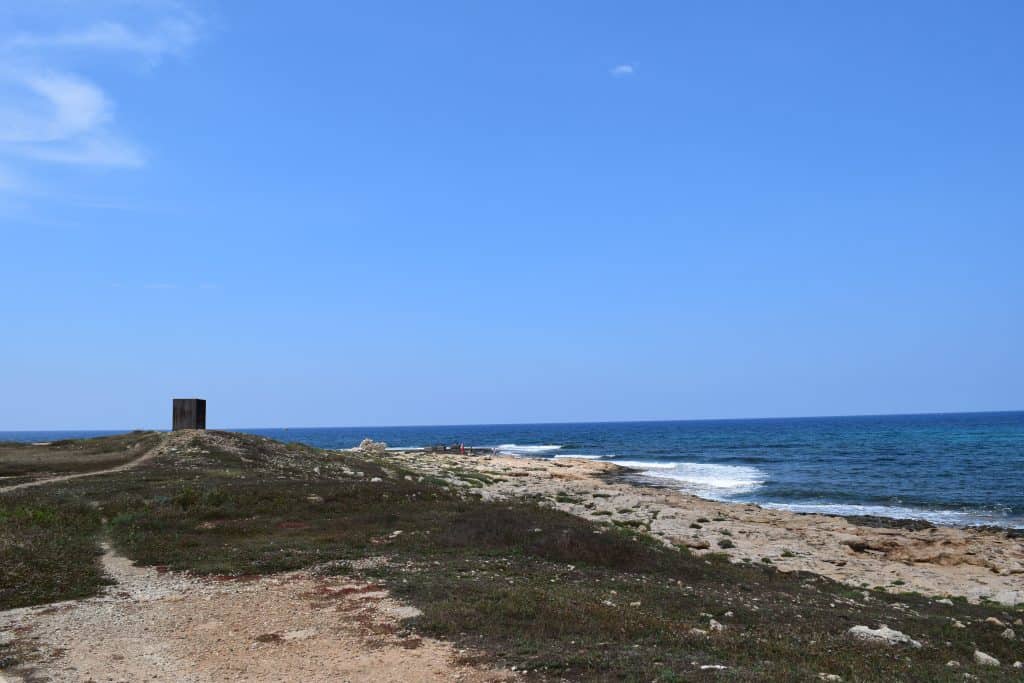
With its location on the Mediterranean coast, Paphos is a major center for water sports. The clear waters and numerous bays provide suitable conditions for a wide range of activities. These sports are popular with both tourists and local residents, particularly during the long summer season. Several schools and rental shops operate along the coastline.
Diving, Snorkeling, and Boating
The sea around Paphos is a destination for scuba diving and snorkeling. There are several dive sites, including underwater caves and shipwrecks, that attract divers. Boating and sailing are also very popular. The Paphos marina and the surrounding harbors provide mooring for private boats and are the starting point for numerous tourist boat trips and excursions along the coast.
Golf
The Paphos district is one of Cyprus’s main centers for golf. The region’s mild year-round climate makes it an ideal destination for the sport. There are several championship-level golf courses located in the hills surrounding the city. These courses were designed by internationally known golf architects. They attract golfers from across Europe, particularly during the spring and autumn months.



Getting Around in Paphos
Navigating Paphos is straightforward, with options for walking, public transport, and private vehicles. The main tourist area of Kato Paphos is compact and walkable, while local buses connect to the upper town and surrounding areas.
On Foot: The Harbor and Archaeological Park
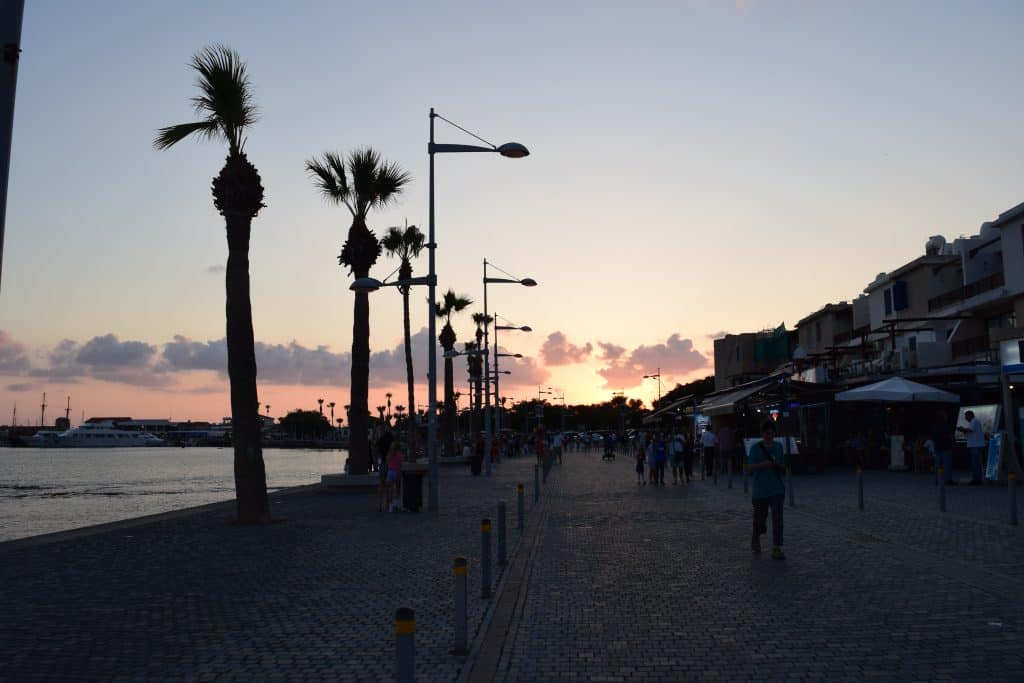
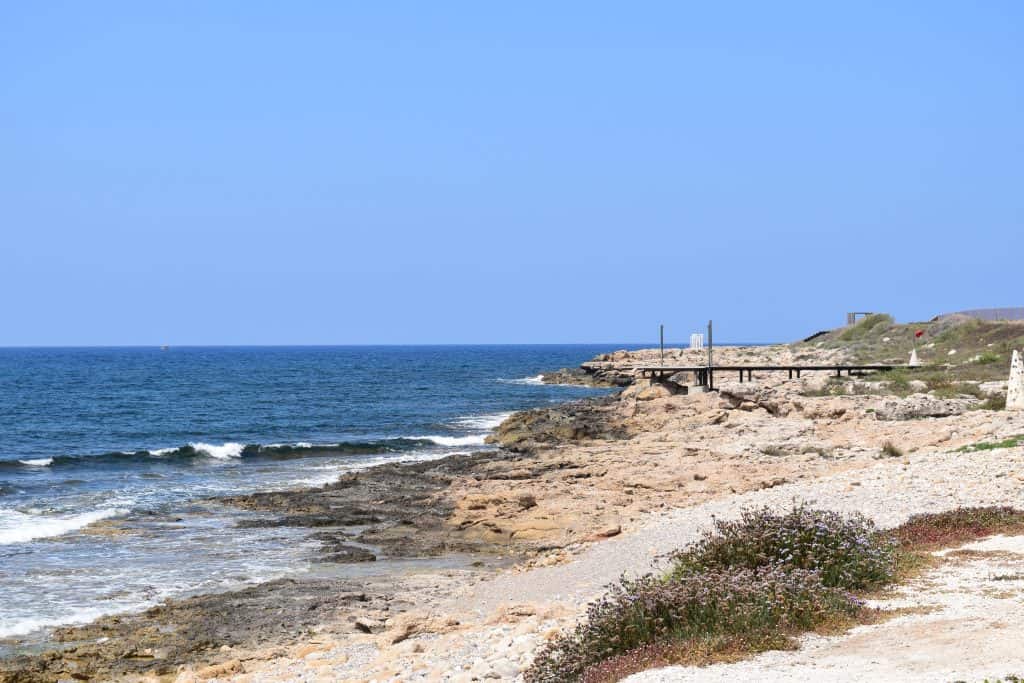
Walking is the best way to explore the main tourist area of Kato Paphos. The harbor, the Paphos Castle, and the entire Paphos Archaeological Park are all located within a large, interconnected, and pedestrian-friendly zone. The seaside promenade runs for several kilometers along the coast. This allows visitors to walk easily between hotels, restaurants, and the main historical sights.
Riding the Bus: The OSYPA Network
Paphos has a public bus network operated by OSYPA (Paphos Transport Organization). The buses connect the entire Paphos district. The two main bus stations are the Harbour Main Bus Station in Kato Paphos, which serves the tourist areas, and the Karavella Main Bus Station in the upper town, which serves as a hub for intercity routes. The buses are a practical way to travel between the lower and upper parts of the city.
How to Get to Paphos
Reaching Paphos is convenient, as the city has its own international airport and is well-connected to the rest of Cyprus by a modern motorway network. This makes it an easily accessible destination for international visitors.
Arriving by Air: Paphos International Airport
Paphos is served by its own international airport, Paphos International Airport (PFO). It is located approximately 15 kilometers southeast of the city center. PFO offers numerous direct flights, primarily from Europe. It is a major hub for low-cost carriers like Ryanair and easyJet, with many routes to the UK, Germany, and Eastern European countries. From the airport, regular public buses, such as line 612, provide direct connections to the Paphos Harbour area.
The Open Road: Driving the Motorway
Driving to Paphos offers flexibility for exploring the wider region. Cyprus has a modern road network, and traffic drives on the left side of the road. Paphos is easily accessible via the A6 motorway, which connects the city directly to Limassol. From Limassol, the A1 motorway continues to the capital, Nicosia, and to Larnaca. The drive from Limassol to Paphos takes approximately 50 minutes.
Connecting by Coach: Intercity Buses
Intercity bus services provide an economical way to reach Paphos from other major Cypriot cities. The company Intercity Buses operates frequent and reliable routes. These connect Paphos with Nicosia, Limassol, and Larnaca. Buses typically run on an hourly basis throughout the day. The main intercity bus station in Paphos is the Karavella Bus Station in the upper town.
An Island Voyage: Arriving by Ferry
As of recent years, there are no regular scheduled international passenger ferry routes directly to Paphos or any other port in Cyprus. Historically, there were ferry links to Greece and other Mediterranean countries, but these services have been discontinued for passenger travel. The port of Limassol is a major hub for cargo and cruise ships, but not for regular passenger ferry lines. Therefore, arriving by sea is generally not a standard travel option.
Driving Distances
The driving distance from 5 major Cypriotic cities, according to Google Maps:
- Limassol, Cyprus – 67 kilometers (0 h 50 min)
- Nicosia, Cyprus – 157 kilometers (1 h 50 min)
- Larnaca, Cyprus – 132 kilometers (1 h 30 min)
- Kyrenia, Cyprus – 186 kilometers (2 h 20 min)
- Famagusta, Cyprus – 200 kilometers (2 h 30 min)
Looking to Explore more of Cyprus and Europe?