Masca, Tenerife | Exploring Spain
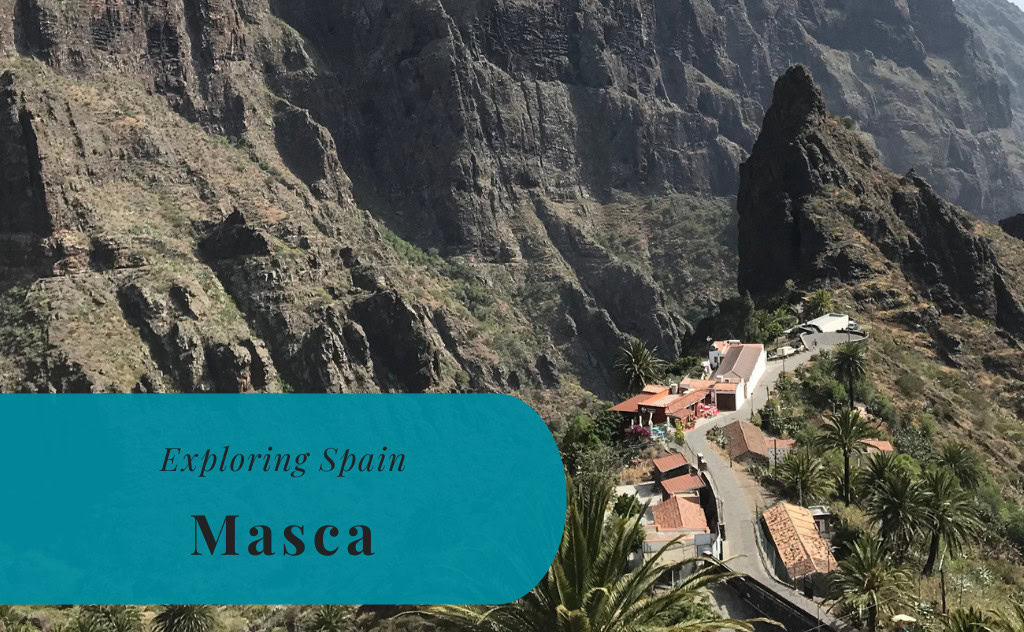
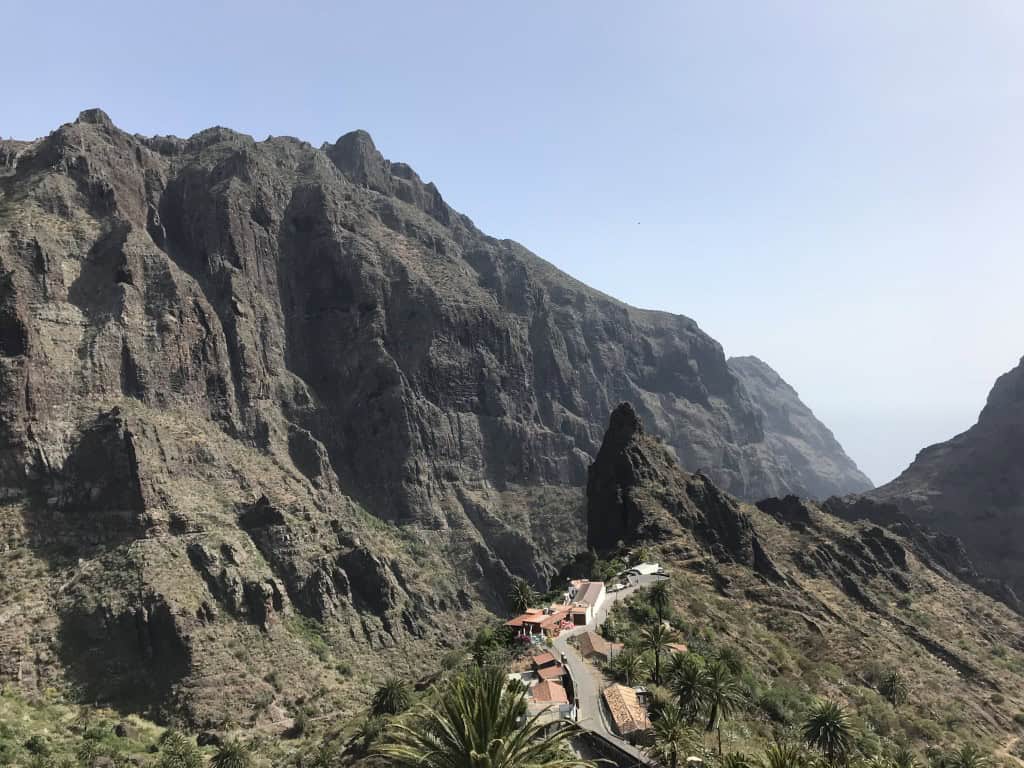
Masca is a small mountain village located on the island of Tenerife, one of the Canary Islands of Spain. It is a part of the municipality of Buenavista del Norte. With a small permanent population of around 90 inhabitants, Masca is renowned for its dramatic and picturesque setting. The village is situated at an altitude of 650 meters in a deep ravine within the magnificent Teno Mountains, in the northwestern part of the island.
The identity of Masca is that of a remote and beautifully preserved traditional Canarian village. For centuries, it was one of the most isolated settlements on the island, a fact that helped to preserve its unique character and architecture. The village is composed of a small cluster of rustic, stone houses with wooden balconies that cling to the narrow ridges of the gorge. Today, Masca is one of the most popular tourist attractions on Tenerife, offering visitors a journey back in time and some of the most spectacular scenery on the entire island.

History of Masca
The history of Masca is a story of an isolated mountain community that has survived for centuries in a dramatic and challenging landscape. The origins of the village are believed to date back to the time of the Guanches, the aboriginal inhabitants of the Canary Islands. Its remote location made it a perfect refuge. For a long time, the village was accessible only by a rough track, and this isolation was the defining feature of its history. The construction of a modern road in the 20th century finally connected Masca with the rest of the island.
A Guanche Settlement
The origins of the village of Masca are somewhat mysterious. It is believed to have been a Guanche settlement before the Spanish conquest of the island in 1496. The challenging and easily defensible terrain of the Masca gorge would have made it an ideal location for the indigenous people to live. The name “Masca” itself is believed to be of Guanche origin. The village’s remote location allowed it to remain a small but persistent settlement for centuries.
A Pirate Hideout?
There is a popular local legend that Masca was once a hideout for pirates. The story goes that pirates would use the secluded bay at the end of the Masca gorge to hide their ships, and they would then use the remote village as a base. While there is no historical evidence to support this claim, the romantic and mysterious story has become a key part of the folklore of the village and adds to its appeal for visitors.
The “Lost Village”
Until the 1980s, Masca was informally known as the “lost village” because it lacked a proper road connection to the rest of the island. The only way to reach the village was by a rough donkey track. This extreme isolation allowed Masca to preserve its traditional way of life and its unique architecture for a very long time. The construction of the modern, winding TF-436 road finally broke this isolation and opened the village up to the outside world.
Sights in Masca
The sights in Masca are centered around its spectacular natural setting and its charming, traditional architecture. The main attraction is the village itself, which is a beautifully preserved example of rural Canarian architecture. The view of the village, nestled in the deep gorge, is one of the most famous and photographed in all of the Canary Islands. The magnificent Masca Gorge is another major sight, and the hike through it is one of the most famous on the island.
The Village of Masca
The village of Masca is the main sight. It is a small cluster of traditional stone houses with red-tiled roofs that cling to the steep slopes of the ravine. The village is divided into several small hamlets. A walk through its narrow, cobbled paths reveals charming corners, beautiful old houses, and spectacular views at every turn. The central square of the village, with its small church and a massive ancient tree, is the heart of the community.
The Masca Gorge (Barranco de Masca)
The Masca Gorge, or the Barranco de Masca, is a spectacular and dramatic canyon that runs from the village down to the sea. The gorge is one of the most impressive natural landscapes on the island. It is famous for its towering rock walls, its unique vegetation, and its beautiful natural scenery. The famous hike through the gorge is a major attraction, but it is a very demanding and challenging trek that requires a good level of fitness.
Masca Beach (Playa de Masca)
At the end of the Masca Gorge is the beautiful and secluded Playa de Masca. This small, black sand and pebble beach is located in a beautiful, sheltered cove at the foot of the massive cliffs of Los Gigantes. The beach is the reward for those who complete the long and strenuous hike down the gorge. It is a wild and pristine beach with crystal-clear water, and it is a perfect place to relax after the long walk.
Traveling with Kids
A visit to Masca can be an exciting adventure for families with children, especially those who enjoy spectacular scenery. The drive to the village on the narrow, winding road is a thrilling experience in itself. The village itself, with its traditional houses and its dramatic setting, can feel like a lost world from a storybook. Children will enjoy exploring the narrow paths of the village and the sense of adventure that comes with being in such a remote and beautiful place.
However, parents should be aware that the famous hike down the Masca Gorge is very long and strenuous, and it is not recommended for families with young children. The village itself is built on a steep slope with many steps, so it may not be suitable for strollers. For families with older, active children, a visit to Masca can be a very memorable and rewarding experience.
Getting Around in Masca
Navigating the village of Masca is done entirely on foot. The village is very small and is built on a steep slope, with a network of narrow, cobbled paths. To reach the village, which is located in a very remote and mountainous part of the island, a car is the most convenient option. The public bus system also provides a limited service to the village.
Exploring by Foot
Once you have arrived in Masca, walking is the only way to get around. The village is a charming place to explore on foot, with its traditional houses and spectacular views. The famous hiking trail down the gorge also starts from the village. Comfortable shoes are essential for navigating the steep and uneven paths.
How to Get to Masca?
Masca is located in the Teno Rural Park in the northwestern part of the island of Tenerife. The village is situated on the spectacular TF-436 road that connects the towns of Buenavista del Norte and Santiago del Teide. The main gateways for international visitors are the two international airports on the island. The journey to Masca is a spectacular scenic drive through the mountains.
Driving to the Village
Driving to Masca is a beautiful and adventurous journey. From the south of the island, you would take the TF-1 motorway to the town of Santiago del Teide. From there, you take the very winding TF-436 road up into the mountains. While from the north of the island, you would drive to the town of Buenavista del Norte and then take the same TF-436 road.
Arriving by Air
The island of Tenerife has two international airports. Tenerife South Airport (TFS) is the larger of the two, and the drive from here to Masca takes about one and a half hours. Tenerife North Airport (TFN) is located closer, and the drive from here takes about one hour and fifteen minutes. From either airport, the easiest way to reach the area is to rent a car.
Connecting by Bus
The public bus system on Tenerife is operated by the company TITSA. There is a bus route (the 355) that connects the town of Buenavista del Norte with the village of Masca. This bus passes through the village. However, the service is very infrequent, with usually only two or three buses per day.
Driving Distances
The driving distance from 20 regional places, according to Google Maps:
- Santiago del Teide, Tenerife – 5 kilometers (0 h 10 min)
- Los Gigantes, Tenerife – 10 kilometers (0 h 20 min)
- Buenavista del Norte, Tenerife – 18 kilometers (0 h 30 min)
- Guía de Isora, Tenerife – 20 kilometers (0 h 30 min)
- Garachico, Tenerife – 25 kilometers (0 h 45 min)
- Adeje, Tenerife – 30 kilometers (0 h 40 min)
- Icod de los Vinos, Tenerife – 33 kilometers (0 h 55 min)
- Los Cristianos, Tenerife – 35 kilometers (0 h 45 min)
- Costa Adeje, Tenerife – 35 kilometers (0 h 45 min)
- Playa de las Américas, Tenerife – 36 kilometers (0 h 45 min)
- Vilaflor, Tenerife – 40 kilometers (0 h 55 min)
- Tenerife South Airport (TFS) – 50 kilometers (1 h 00 min)
- Puerto de la Cruz, Tenerife – 50 kilometers (1 h 05 min)
- La Orotava, Tenerife – 53 kilometers (1 h 10 min)
- Granadilla de Abona, Tenerife – 55 kilometers (1 h 05 min)
- El Médano, Tenerife – 55 kilometers (1 h 05 min)
- Tenerife North Airport (TFN) – 75 kilometers (1 h 25 min)
- San Cristóbal de La Laguna, Tenerife – 75 kilometers (1 h 25 min)
- Candelaria, Tenerife – 75 kilometers (1 h 20 min)
- Santa Cruz de Tenerife, Tenerife – 83 kilometers (1 h 35 min)
Looking to Explore more of Spain and Europe?