Hasselt, Flanders | Exploring Belgium
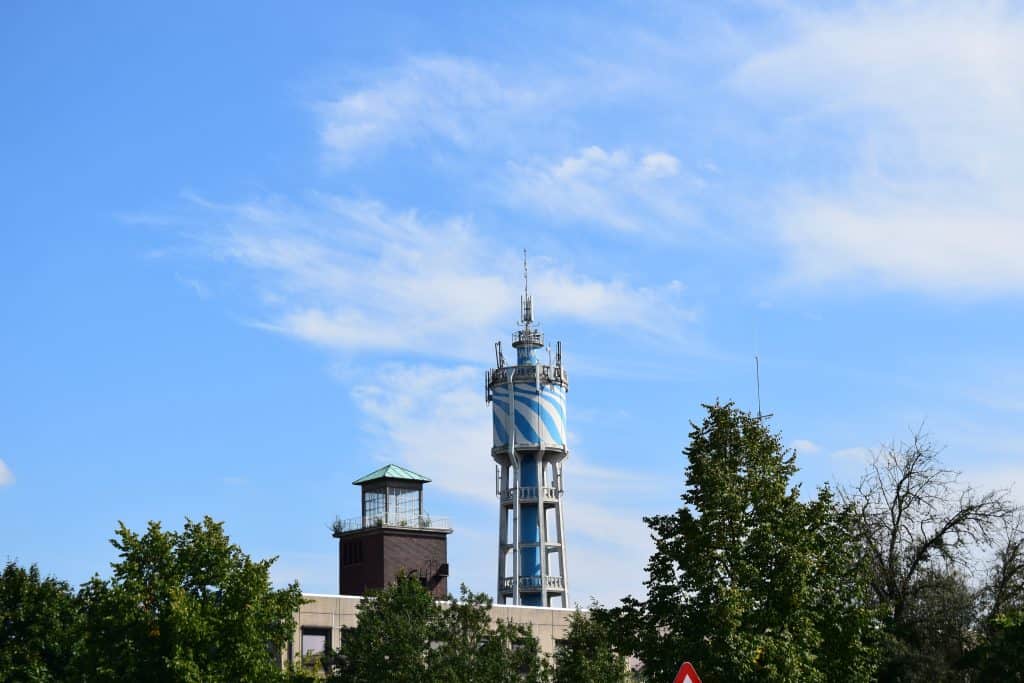
Hasselt is the capital of Limburg province in the Flemish Region of Belgium. The city is located on the Demer River, near the Albert Canal. With a population of approximately 79,000 residents, Hasselt serves as a key economic, administrative, and cultural hub for the region. Its compact city center is highly walkable. Nearby cities like Genk and Maastricht (in the Netherlands) are also easily accessible, making Hasselt a base for regional exploration.
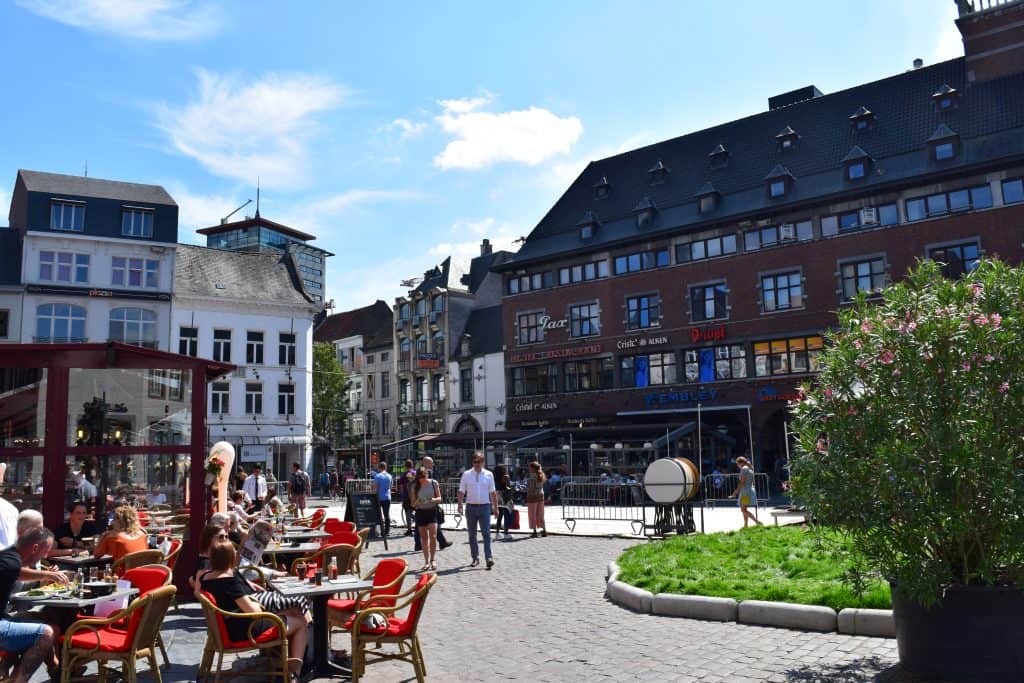
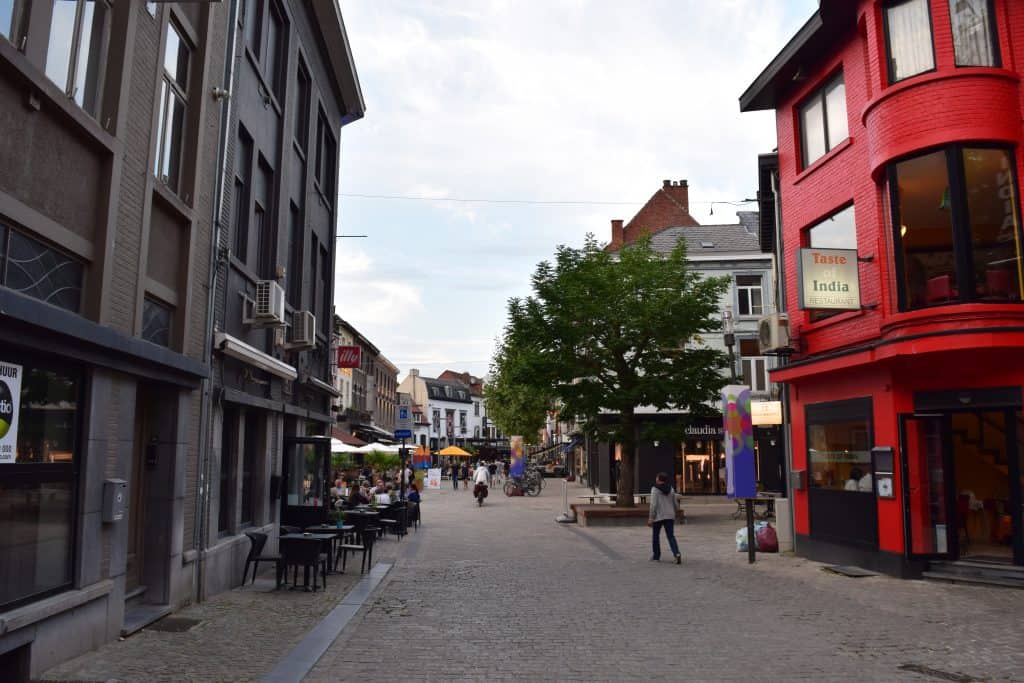
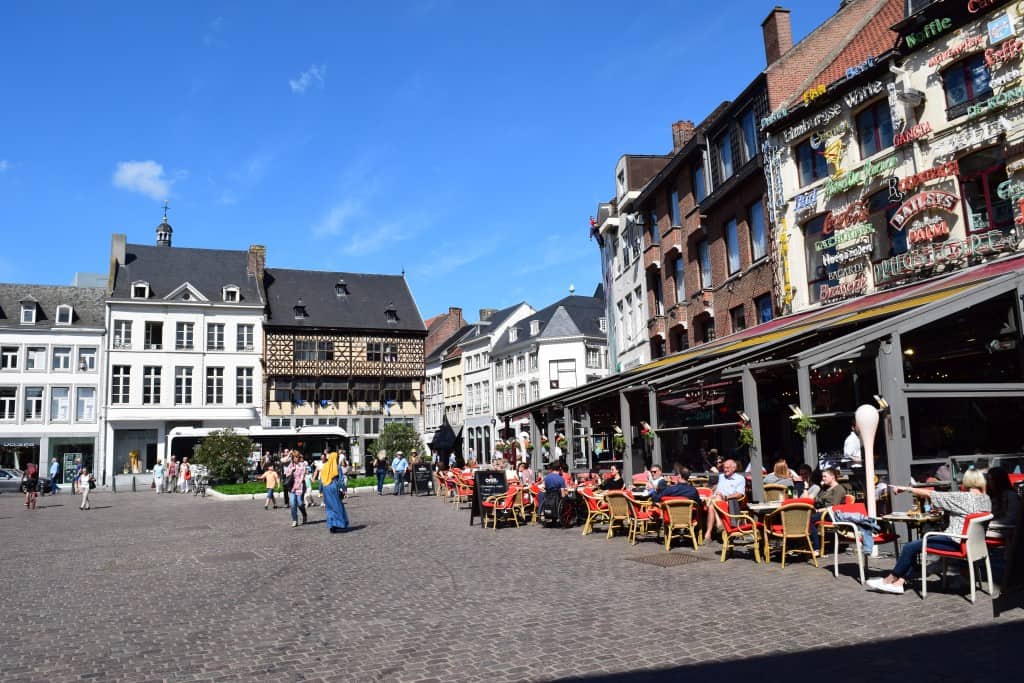
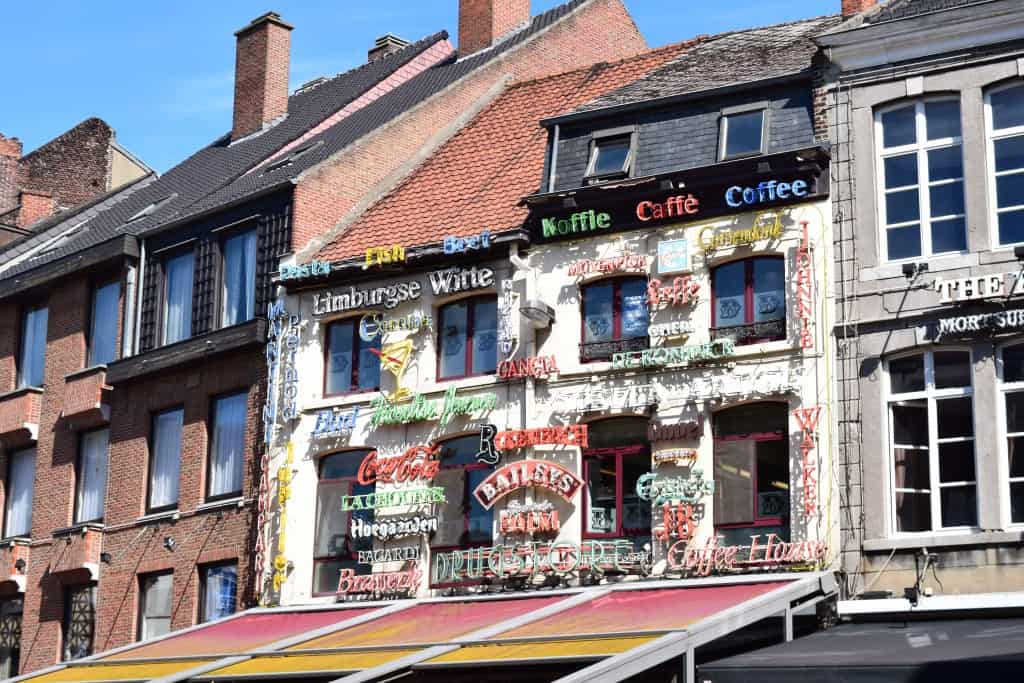
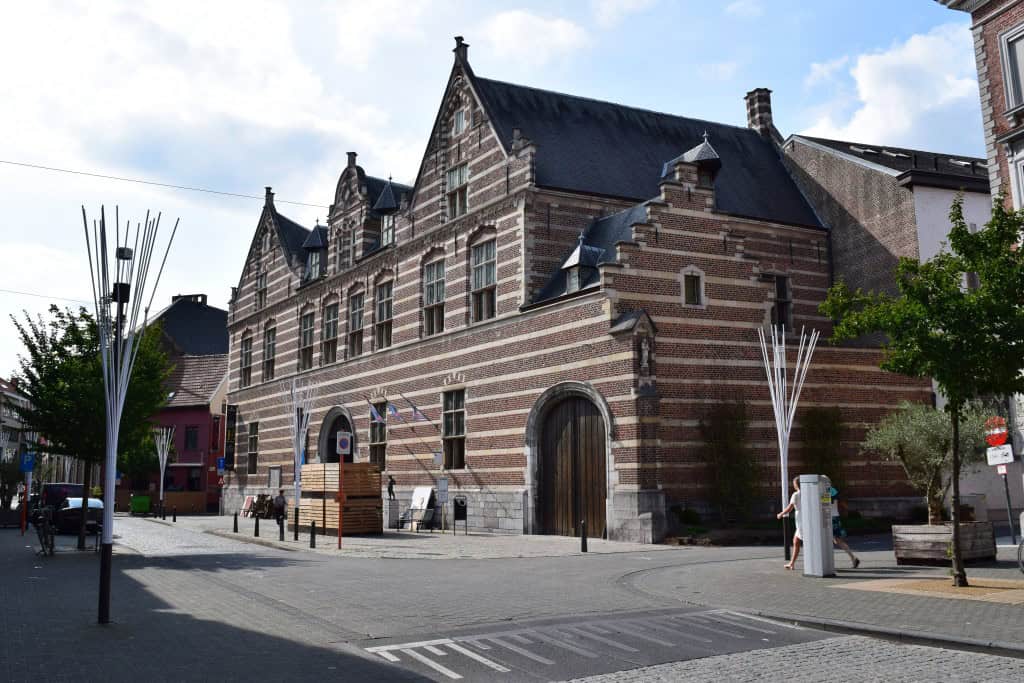
The character of Hasselt is defined by a blend of its historical core and its modern identity as a center for shopping, design, and culture. It is known for its extensive pedestrianized shopping streets and public squares, which create an active urban environment. The city also has a long history associated with the production of jenever (Belgian gin), which is a key part of its cultural heritage. This combination of historical architecture, modern amenities, and specific local traditions gives the city its distinct character. The presence of Hasselt University also contributes a youthful atmosphere to the city.


A Short History of Hasselt
The history of Hasselt tracks its development from a small settlement on the Helbeek river to an important market town in the County of Loon, and finally to the modern provincial capital it is today. Its story reflects centuries of commercial activity, religious life, and industrial growth. The city’s ability to adapt and reinvent itself is a key theme in its long history. It grew from a small medieval center into a hub for jenever production, and later into the administrative heart of the province. This journey has shaped the city’s urban and cultural landscape.
Medieval Origins and the County of Loon
The history of Hasselt’s roots trace back to the 7th century, when it began as a settlement on the Helbeek, a tributary of the Demer River. By 1165, the settlement, then named Hasselth, received its first official mention in historical documents. A pivotal moment in its development came in 1232, when Arnold IV, the Count of Loon, granted Hasselt the same city liberties as the much larger city of Liège. This solidified its position as a significant regional center within the county. For centuries, Hasselt thrived as an administrative hub and market town for the surrounding agricultural region.
Jenever Production and Industrialization
The city became renowned for its distilleries, producing the famous Hasselt Spirit gin, which is a type of jenever. This heritage is still celebrated today with a dedicated museum and an annual festival. Hasselt strategically avoided a 1601 ban on jenever production that affected other areas, which allowed its local industry to flourish. The city’s growth continued with the discovery of coal in the nearby Kempenland region after 1917, fostering industrial development. This period saw the city expand beyond its historical defensive walls, connecting to the national rail network and growing its population.
Modern Provincial Capital
After the establishment of Belgium in 1830, Hasselt continued to grow in importance as a regional center. Its religious significance also grew with the establishment of the Diocese of Hasselt in 1967 by the Pope. This act made the St. Quentin’s Church the city’s official cathedral. In the modern era, the city has focused on developing its service economy, its reputation as a shopping destination, and its cultural offerings. Its historical core, with buildings like the 11th-century St. Quentin’s Cathedral, reflects its enduring past, while new developments show its modern ambitions.
Things to Do and See
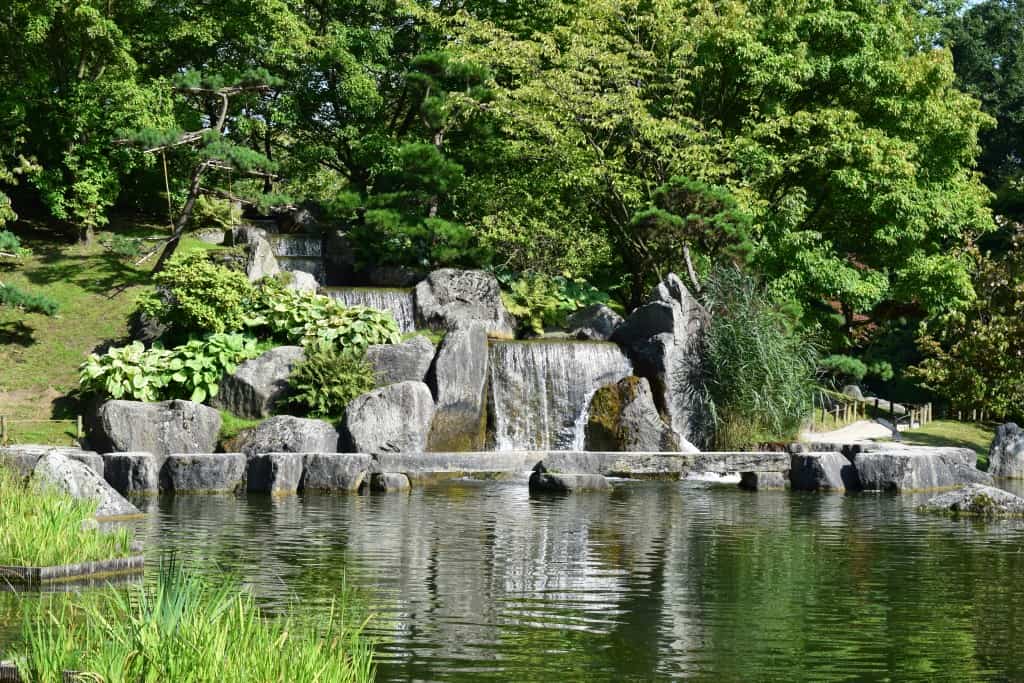
Hasselt offers a range of attractions that showcase its history, art, and connection to nature. Visitors can explore the largest Japanese garden in Europe and a museum dedicated to the history of Belgian gin. The city is also a hub for contemporary art and design. Nearby, a major open-air museum and a historic abbey provide further points of interest. These sights provide a comprehensive look at the cultural and historical heritage of the Limburg region.
Japanese Garden
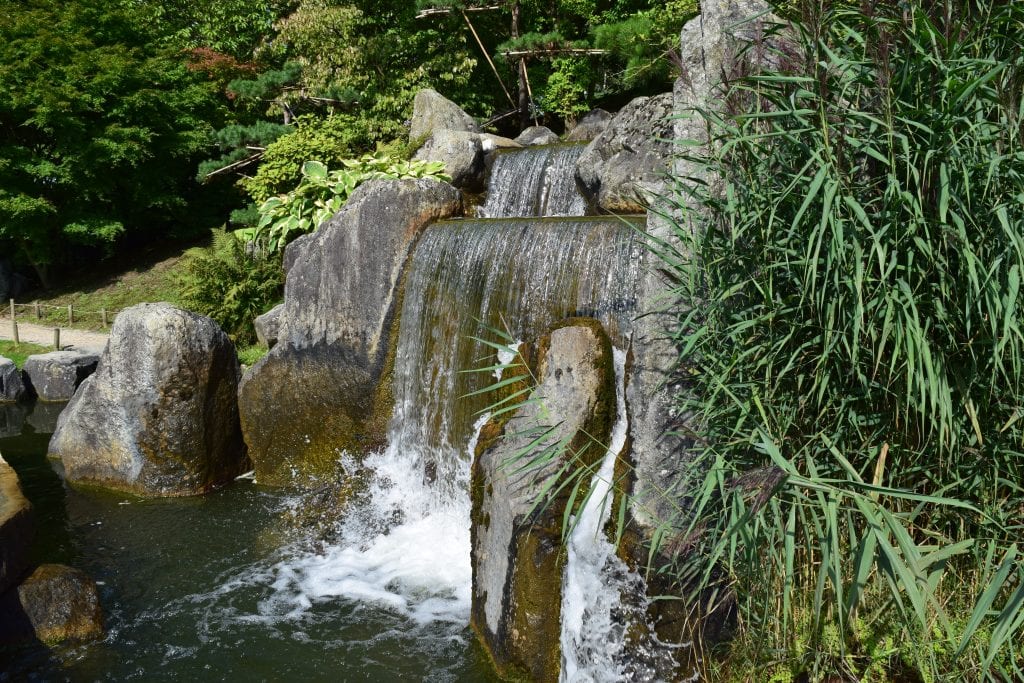
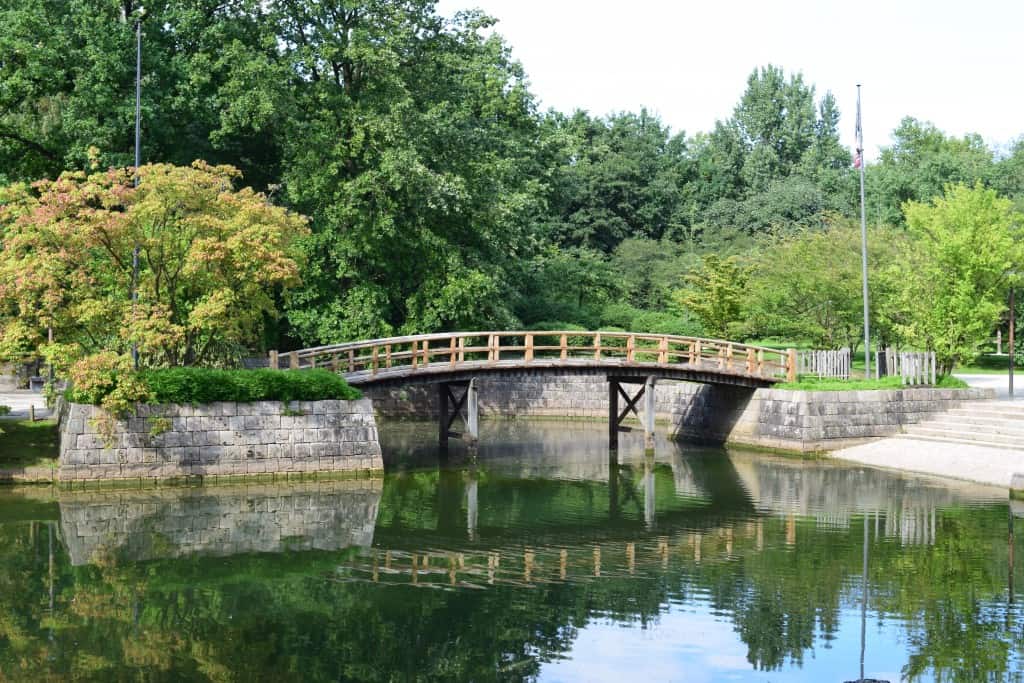
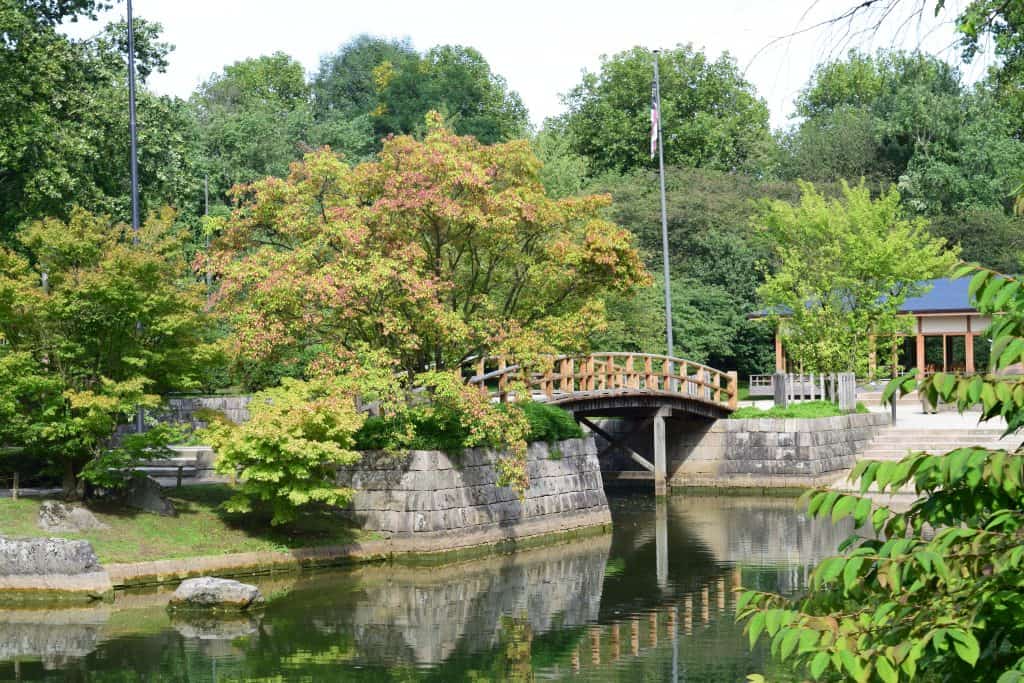
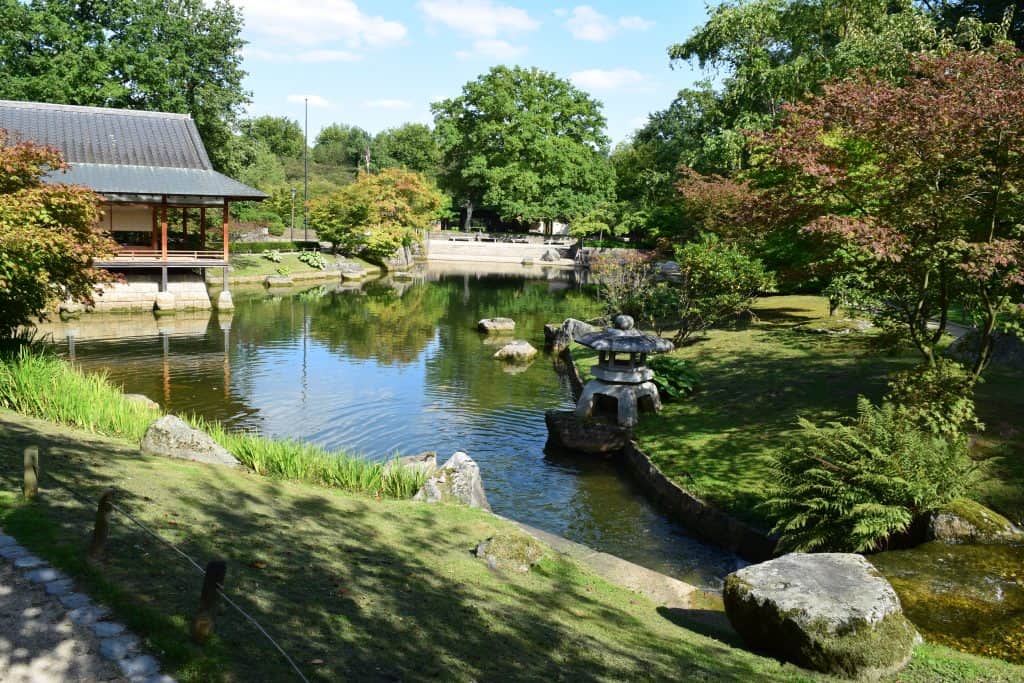
The Japanese Garden (Japanse Tuin) in Hasselt is the largest of its kind in Europe, spanning 2.5 hectares. This space offers a tranquil environment with a traditional design that includes waterfalls, ornate bridges, and koi ponds. Pruned trees, meticulously placed rocks, and vibrant cherry blossoms contribute to its ambiance. The garden was established as a symbol of the sister city relationship between Hasselt and Itami, Japan, which began in 1985. It provides a unique cultural experience in the heart of Limburg and is a popular destination for walks and reflection.
National Jenever Museum
Visitors can learn about the history of Belgian gin, or jenever, at the National Jenever Museum. The museum is housed within an authentic 19th-century distillery building. It provides an immersive journey through the spirit’s production process, from ingredients like malt and juniper berries to the traditional distillation techniques. The museum also features a traditional tasting room where visitors can sample various types of Hasselt jenever. It is an informative experience focused on a key part of the city’s specific cultural and industrial heritage.
Z33 House for Contemporary Art, Design & Architecture
Z33 is a platform for contemporary art, design, and architecture. The modern architectural building, with its distinctive diamond-patterned brickwork, is situated within the historic Beguinage of Hasselt. This former community for pious laywomen dates back to the 13th century. This juxtaposition of a historical site and an avant-garde art institution creates a compelling visitor experience. The exhibitions at Z33 are thought-provoking and often challenge conventional artistic boundaries, showcasing both Belgian and international artists.
Bokrijk Open Air Museum
Located just outside the city, the Bokrijk Open Air Museum offers a journey back to 19th-century rural life in Flanders. Spanning 550 hectares, the museum features over 100 authentic historical buildings that were carefully relocated from various parts of Flanders and reconstructed on the site. Visitors can explore traditional farms, windmills, and village houses. Bokrijk provides a living history experience, often with actors and demonstrations of traditional skills. It also has a large outdoor playground, making it a destination for families.
Herkenrode Abbey
The grounds of Herkenrode Abbey (Abdij van Herkenrode) are located near Hasselt. This was a former Cistercian monastery with a rich history dating back to 1182. The site was once a powerful and influential abbey, one of the first for women in the Netherlands. Its restored buildings and tranquil gardens provide a look into monastic life. Visitors can wander through the spiritual garden, learn about the abbey’s significant regional role at the on-site visitor center, and see the large tithe barn.
St. Quentin’s Cathedral
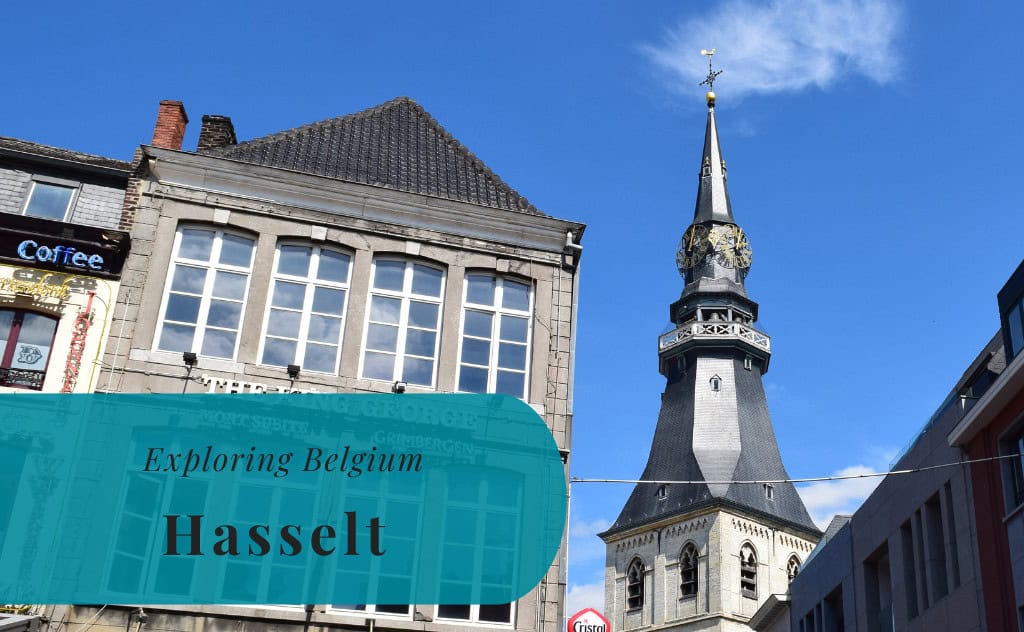
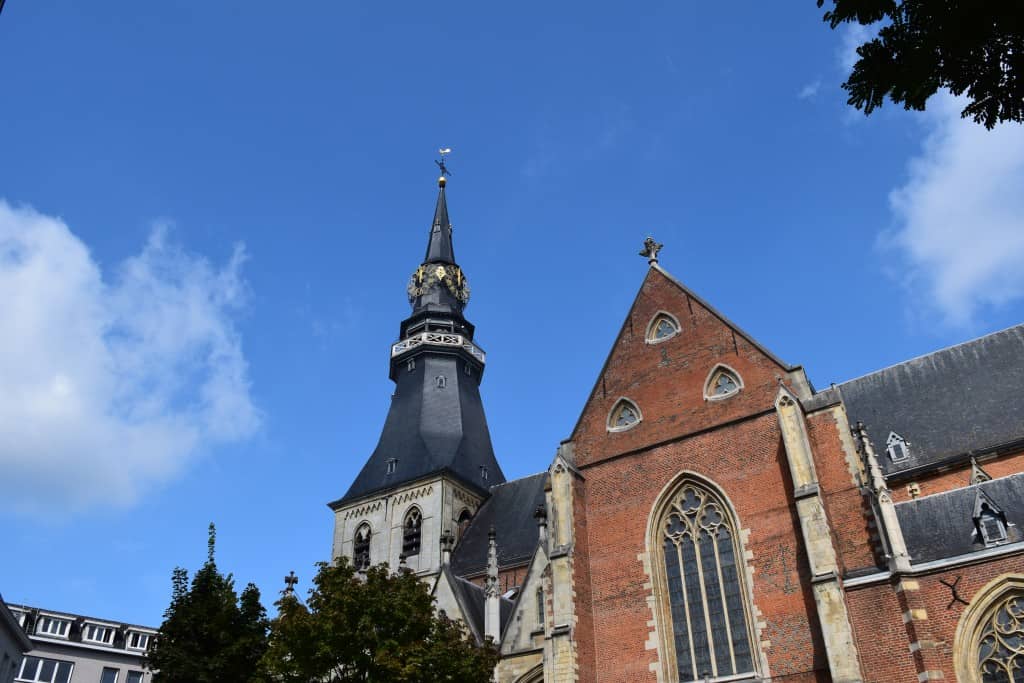
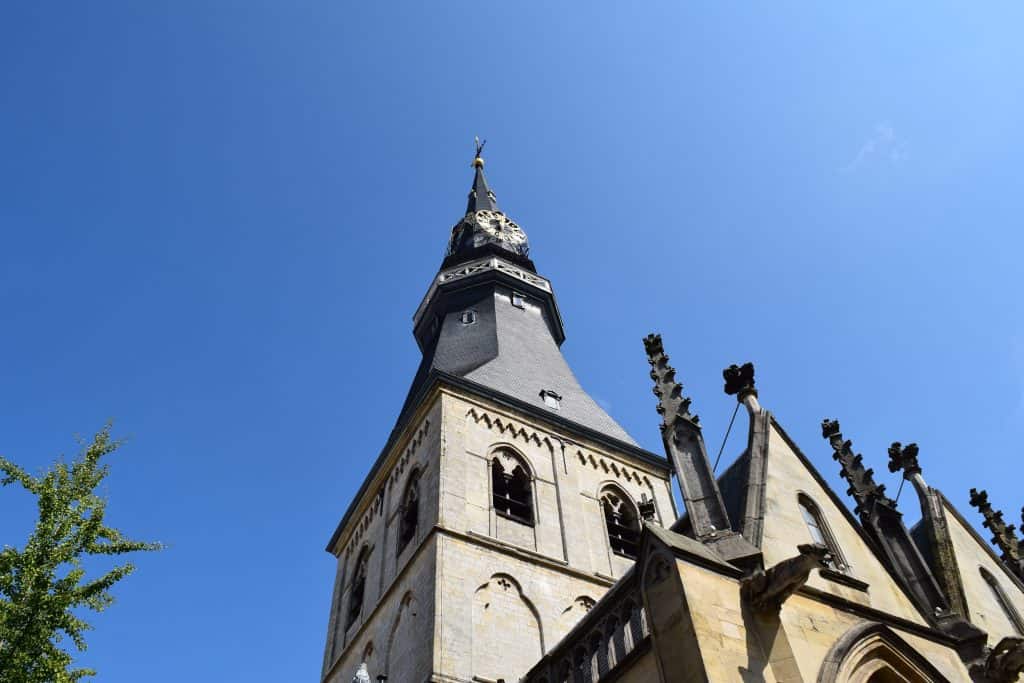
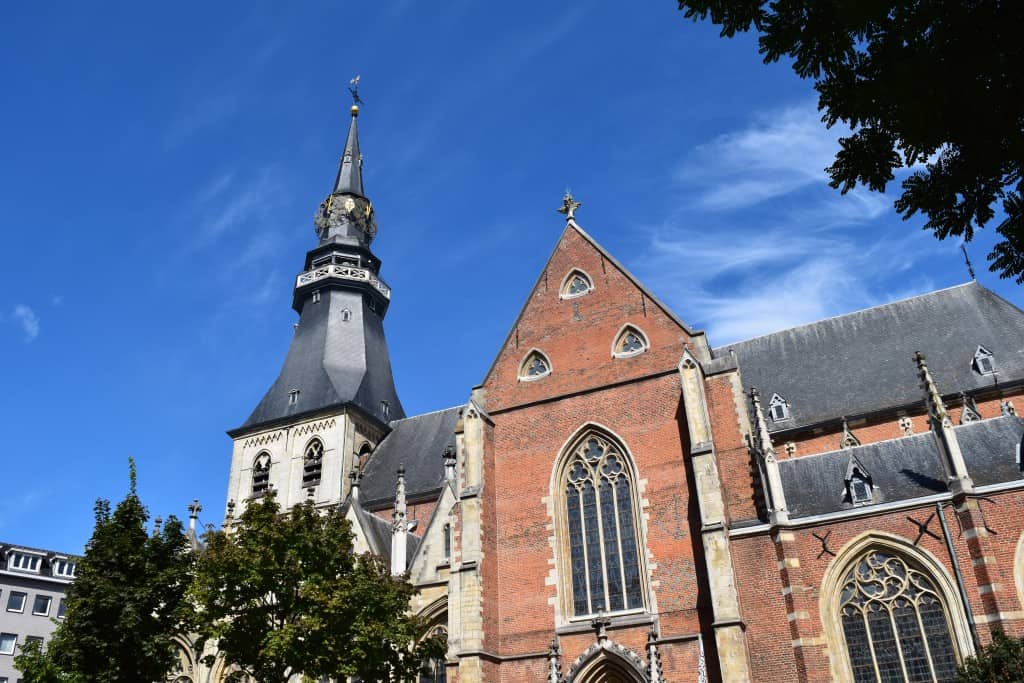
St. Quentin’s Cathedral (Sint-Quintinuskathedraal) is a major landmark in Hasselt. It serves as the main church of the Diocese of Hasselt, a role it has held since 1967. The church has origins dating back to the 11th century, though much of the current Gothic structure was built in the 15th century. It showcases a blend of Romanesque and Gothic architectural elements. Inside, visitors can see stained-glass windows and intricate altars. The cathedral’s 64-meter-high bell tower contains a carillon with 47 bells.
Fashion Museum Hasselt
The Fashion Museum Hasselt (Modemuseum Hasselt) provides a look at fashion history, from the 18th century to the present day. Through its diverse and often changing exhibitions, the museum explores various themes, designers, and trends that have shaped sartorial styles over the centuries. It has a large collection of Western fashion and often focuses on the work of Belgian designers. It is an insightful experience for anyone interested in the history of clothing and design. The museum is located in a renovated 17th-century building.
Quartier Bleu
The Quartier Bleu is a modern urban development located along the city’s inner harbor on the Albert Canal. The area offers a contemporary mix of shops, restaurants, and residential spaces. It is a popular place for a walk along the waterfront. The development has revitalized a former industrial part of the city. It provides a fresh and active atmosphere, blending modern living with the city’s historical character.
Sports in Hasselt
The sporting life in Hasselt is shaped by its professional clubs and a strong focus on recreational activities. The city supports clubs in several team sports, with handball and football being particularly prominent. The wider Limburg region is also known as a major destination for cycling, with an extensive network of routes that are popular with both locals and tourists. The city has modern facilities that can host national-level competitions. This creates a dynamic environment for both participants and spectators.
Football
Football holds a significant place in Hasselt’s community. The city’s primary football club has a long history and serves as a community hub, drawing residents together for matches and events. The sport fosters a sense of belonging and local rivalry. The club provides a platform for local players and has an extensive youth development system. The team’s matches are a focus of local sporting interest.
Koninklijke Sporting Hasselt
The Belgian football club Koninklijke Sporting Hasselt, founded in 1926, is a prominent local team. They play their home matches at the Stedelijk Sportstadion Hasselt. Sporting Hasselt currently competes in the Belgian National Division 1, the third tier of Belgian football. The club serves as a significant source of local pride and a platform for nurturing regional football talent. Its long history reflects the city’s enduring passion for the sport.
Handball
Handball holds an exceptionally strong and successful presence in Hasselt. The city is home to a club that is a dominant force in Belgian handball. The sport has a dedicated following in the city. Home games are major events that draw large and enthusiastic crowds to the city’s main indoor arena. The club has a history of winning national titles and competing in European competitions.
Initia HC Hasselt
The prominent handball club from Hasselt is Hubo Initia Hasselt. The club was founded in 1971. They compete in the Belgian First Division, the top tier of the sport, showcasing high-level handball talent. Their home arena is Sporthal Alverberg, which has a capacity of over 1,700. Initia HC Hasselt has a rich history in Belgian handball, having won the national championship multiple times.
Cycling
Cycling is a major part of the culture in the wider Limburg region, which is known as a “Cycling Paradise.” The area around Hasselt offers an extensive network of well-maintained and signposted routes. This focus on cycling has led to the development of unique infrastructure. This promotes both recreational enjoyment and tourism. The relatively flat terrain makes the area suitable for all levels of cyclists.
“Cycling through Water” (at Bokrijk)
A unique cycling experience is located near the Bokrijk Open Air Museum. Here, cyclists can ride along a 212-meter concrete path that is sunken into a pond. This places the water at eye level on both sides. Opened in April 2016, this immersive path offers a direct connection with nature. It has become an iconic symbol of Limburg’s commitment to innovative tourism. It has attracted hundreds of thousands of visitors annually.


Getting Around in Hasselt
Navigating Hasselt is straightforward. The city center is compact and highly walkable, with a large pedestrianized shopping area. For travel to the surrounding areas, a local bus network is the primary mode of public transport. The city also offers free public transport on its city buses, a unique feature that encourages use of the system. The city’s ring road helps to manage traffic around the central core.
On Foot: The City Center
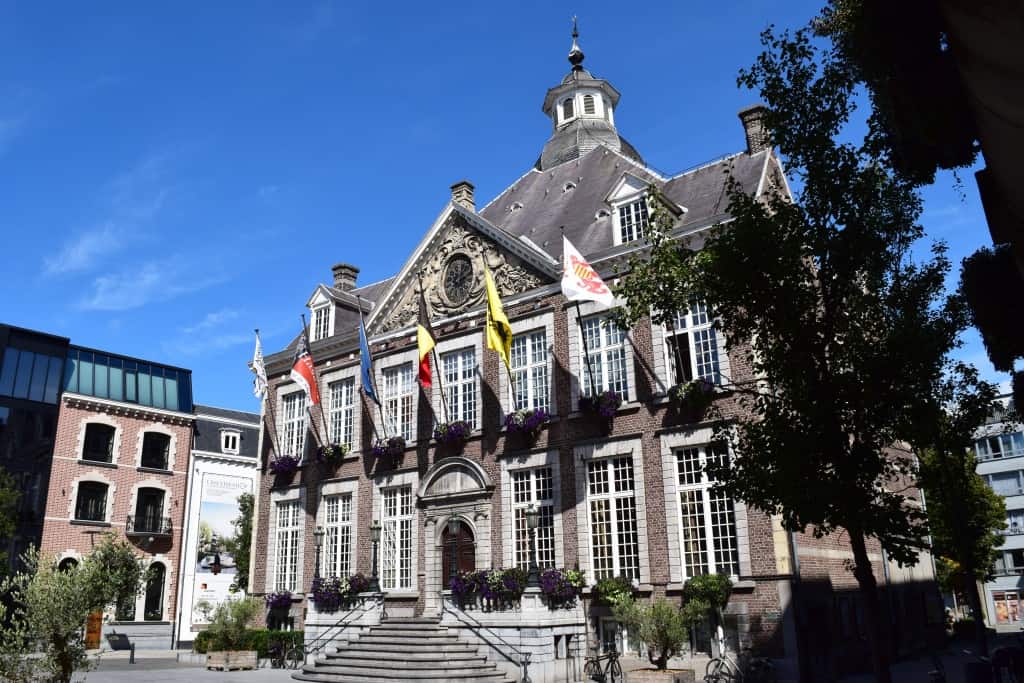
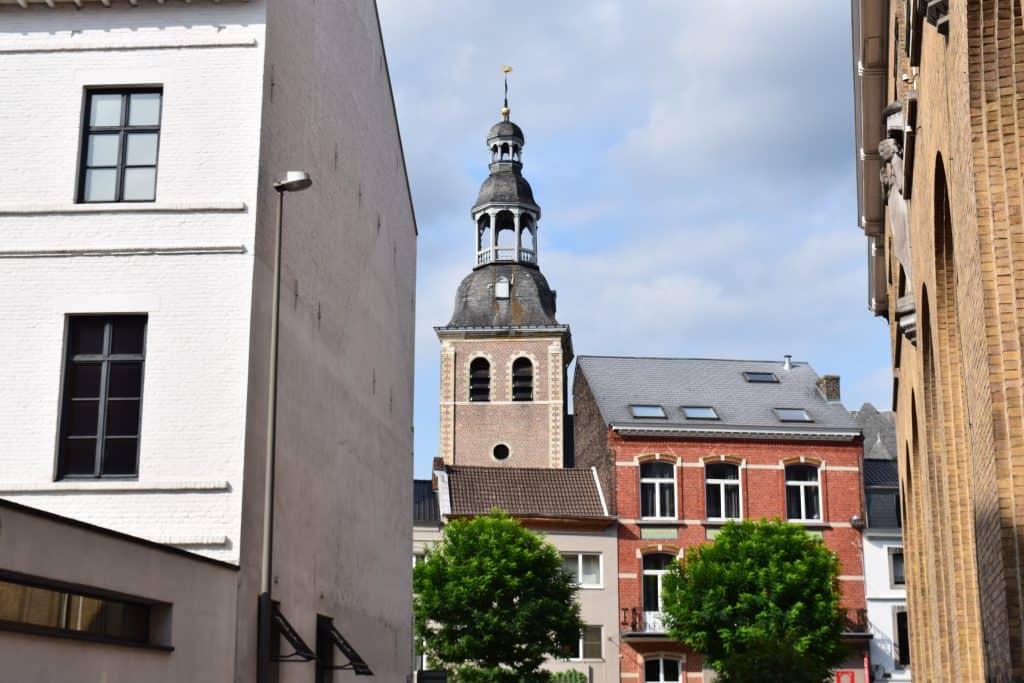
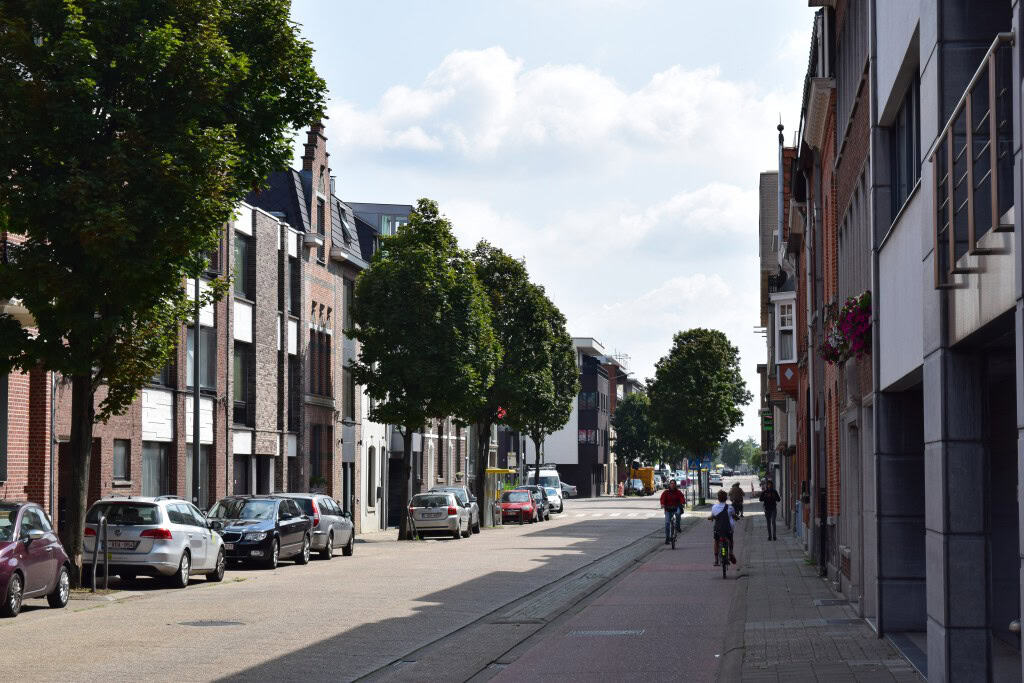
Walking is the best way to explore the central part of Hasselt. The main shopping streets, the Grote Markt (main square), and key sights like the St. Quentin’s Cathedral and the Jenever Museum are all within a short walking distance of each other. This allows visitors to see the architecture and access local shops and cafes on foot. The “Green Boulevard” that encircles the city center is also a pleasant walking route.
Local Buses
The public transport in Hasselt and the wider Limburg region is operated by De Lijn. A comprehensive network of local and regional buses serves all parts of Hasselt and connects it with other towns in the province, like Genk. The main bus terminal is located at the Hasselt train station, creating an integrated transport hub. A notable feature of Hasselt is that the city buses that operate within the main ring road are free of charge for all users.
How to Get to Hasselt
Reaching Hasselt, the capital of Belgian Limburg, is convenient with various transport options. The city is well-connected to the Belgian and European road and rail networks. Its central location in the province makes it accessible from major cities in Belgium, the Netherlands, and Germany.
Arriving by Air: Nearby Gateways
Hasselt does not have its own major international airport. The closest major hub is Brussels Airport (BRU), located approximately 70 kilometers to the west. From BRU, there is a direct train service to Hasselt, which takes about one hour. Other nearby airports include Maastricht Aachen Airport (MST) in the Netherlands (about 35 km away) and Liège Airport (LGG) (about 45 km away), though these offer fewer connections. For most international travelers, flying into Brussels is the most convenient option.
The Open Road: Driving the Motorways
Driving to Hasselt offers flexibility for exploring the Limburg region. The city is located at the junction of several major motorways. The E313 motorway, which connects Antwerp and Liège, runs directly past Hasselt. The E314 motorway provides a connection to Brussels and Aachen, Germany. These highways are part of the wider European motorway network, making the city highly accessible by car. The city is encircled by a ring road that helps to distribute traffic.
Connecting by Coach
Long-distance bus services provide an economical way to reach Hasselt. Companies like FlixBus operate routes that connect Hasselt with various Belgian and European cities. The main long-distance bus stop is located near the Hasselt train station. This allows for easy transfers to local transport. Direct services are available from major hubs like Brussels and Maastricht.
On Track: A Key Railway Hub
Traveling to Hasselt by train is a popular and efficient choice. The Hasselt railway station is a key hub in the Limburg region. The Belgian National Railway Company (SNCB/NMBS) operates frequent services. There are direct hourly trains to major Belgian cities like Brussels, Antwerp, Ghent, and Liège. The journey from Brussels takes approximately one hour. The station is located a short walk from the city center.
An International Ferry Approach
There is no direct ferry access to the inland city of Hasselt. International travelers arriving by ferry would likely do so at the major ports of Antwerp or Zeebrugge in Belgium, or at nearby ports in the Netherlands like Rotterdam. From any of these ports, the journey to Hasselt must be completed by train or car. This multi-modal approach is a common way for travelers from the UK or Scandinavia to reach the region.
Driving Distances
The driving distance from 10 regional cities, according to Google Maps:
- Maastricht, Netherlands – 34 kilometers (0 h 40 min)
- Liège, Belgium – 46 kilometers (0 h 40 min)
- Aachen, Germany – 62 kilometers (0 h 50 min)
- Namur, Belgium – 70 kilometers (1 h 00 min)
- Antwerp, Belgium – 78 kilometers (1 h 00 min)
- Brussels, Belgium – 79 kilometers (1 h 10 min)
- Ghent, Belgium – 114 kilometers (1 h 20 min)
- Cologne, Germany – 134 kilometers (1 h 40 min)
- Luxembourg City, Luxembourg – 179 kilometers (2 h 00 min)
- Lille, France – 203 kilometers (2 h 10 min)
Looking to Explore more of Belgium and Europe?