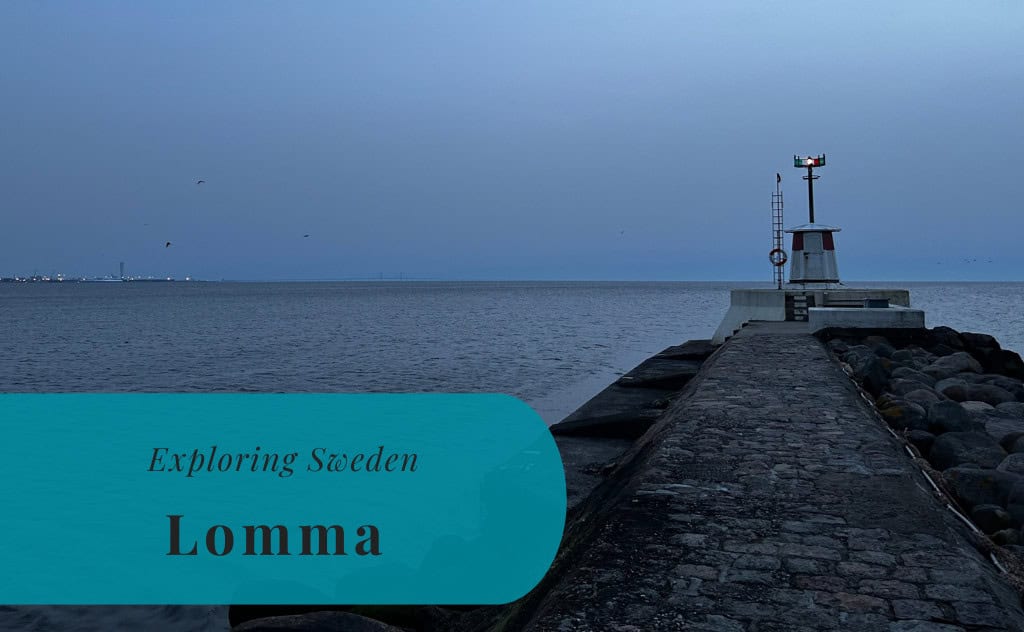
Lomma, Skåne | Exploring Sweden
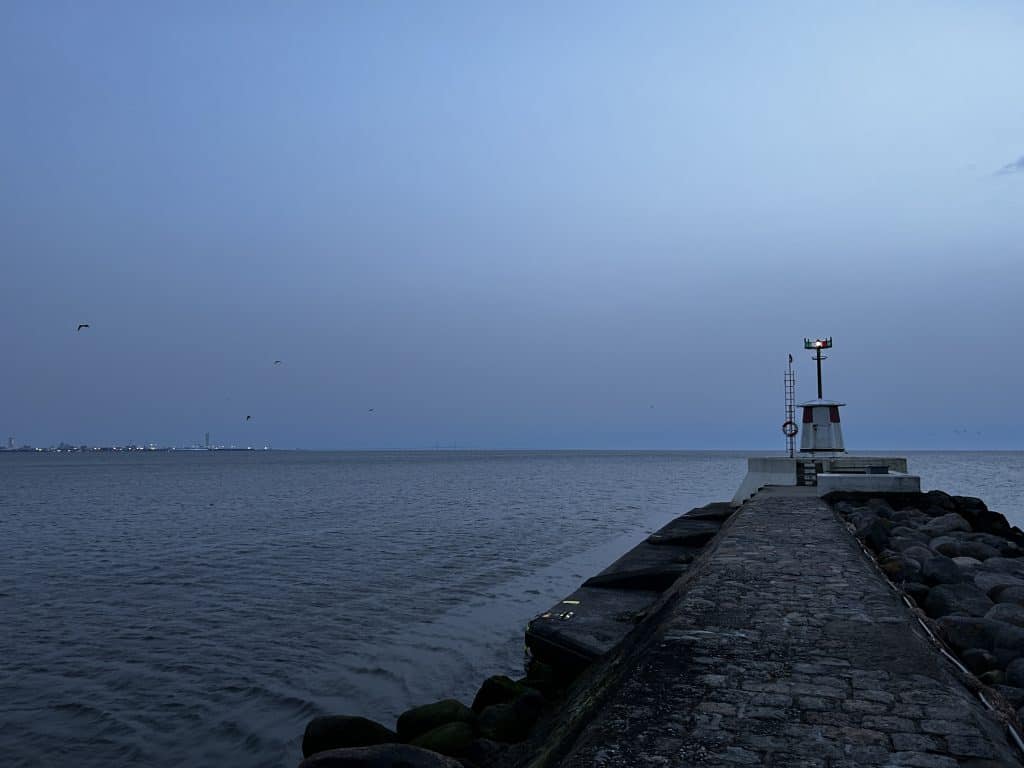
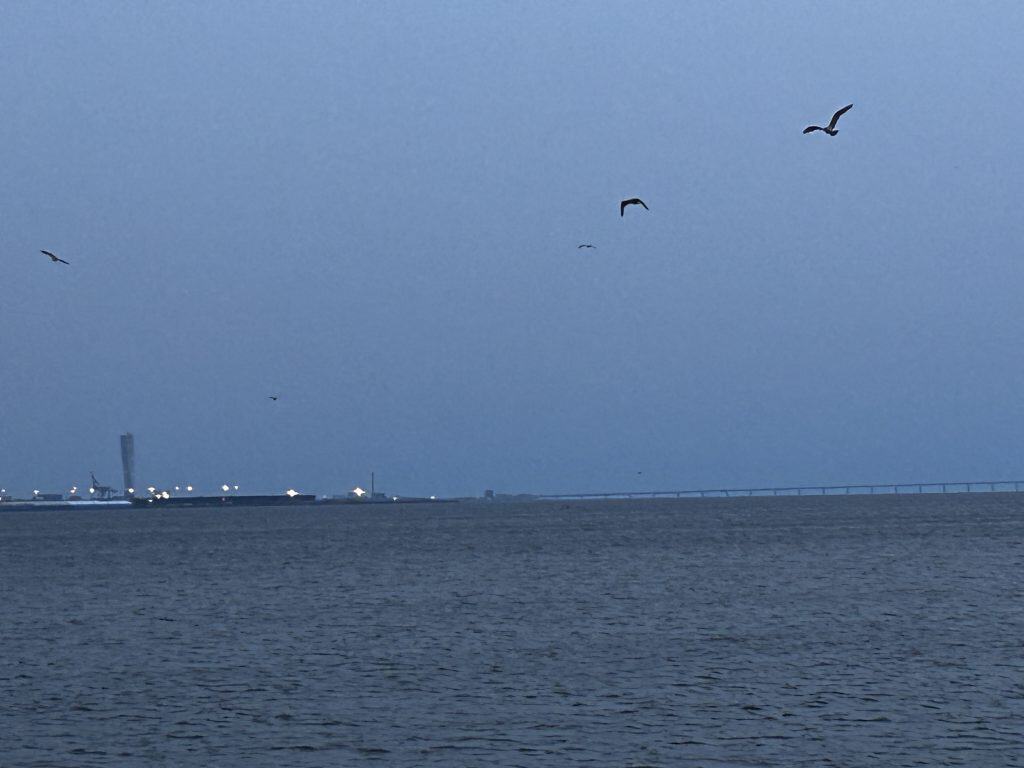
Lomma is a locality in southwestern Sweden. It is the seat of Lomma Municipality, located in Skåne County. The town sits directly on the coast of the Öresund, the strait between Sweden and Denmark, just north of Malmö. With a population of approximately 13,800 residents, Lomma is a significant residential area within the greater Malmö metropolitan region. Its geography is defined by its coastal position on Lommabukten (the Lomma Bay).
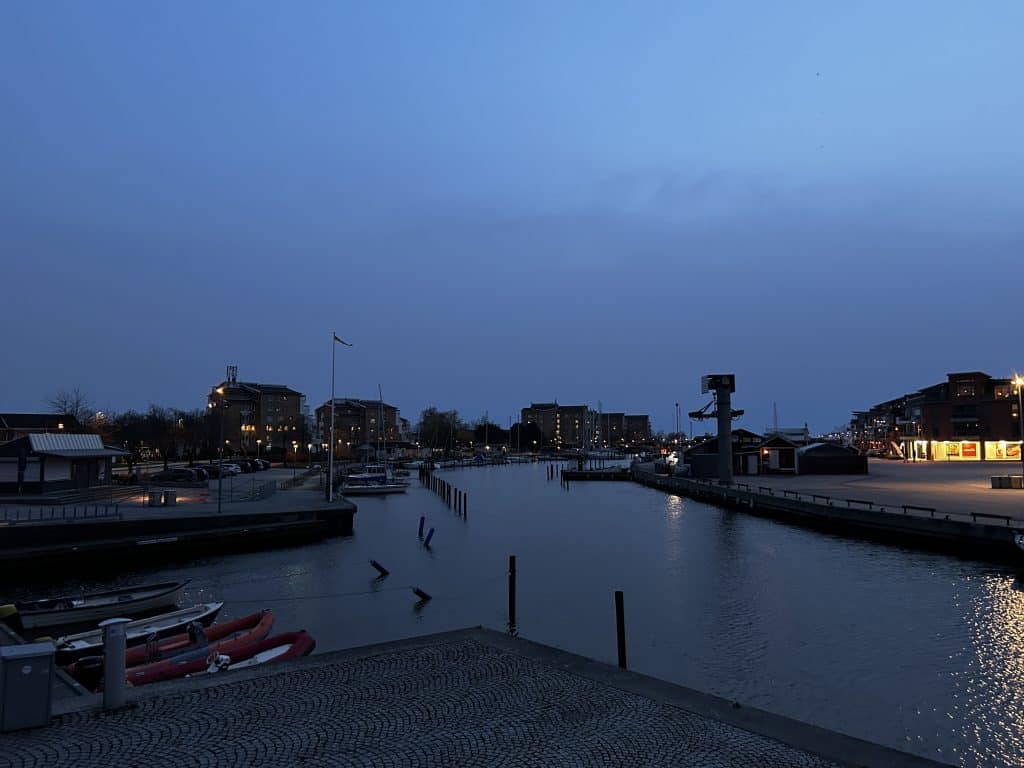
The town’s character is a blend of its history as an industrial port and its modern identity as a residential community known for its coastline. The former industrial areas, particularly those related to cement production, have been redeveloped. They now exist alongside preserved historic buildings and modern housing. The marina and beach are central features of public life in the town.



A Short History of Lomma
The history of Lomma tracks its development from a medieval trading village to a major industrial center for cement production, and finally into the modern residential and recreational town it is today.
Medieval Origins
The history of Lomma stretches back to at least the 11th century, with the first known mention of “Lommale” in historical documents. Due to its natural harbor on the Lommabukten, it served as a small fishing and agricultural village with some importance for trade and transport. For a period, it was one of the larger settlements in the region, but its prominence was later surpassed by nearby Malmö and Lund during the late Middle Ages.
The Industrial Era of Cement
The 19th century marked a significant industrial transformation for Lomma. The Skånska Cement AB (later part of Cementa) established a large factory here in 1871. The factory utilized local clay deposits and became one of the largest cement producers in the country. This industry reshaped the village, attracting new residents and leading to the development of infrastructure, including railway lines for transport. Shipping from Lomma’s harbor played a crucial role in distributing the cement.
Modern Residential Transition
Local cement production ceased in the late 1970s. This marked the end of the town’s industrial era. Following the closure of the factory, Lomma began its transition into a primarily residential and recreational town. The former industrial sites have since been redeveloped into new housing and public spaces. Today, Lomma is known for its coastal living and its function as a commuter suburb for the larger cities of Malmö and Lund.


Things to Do and See
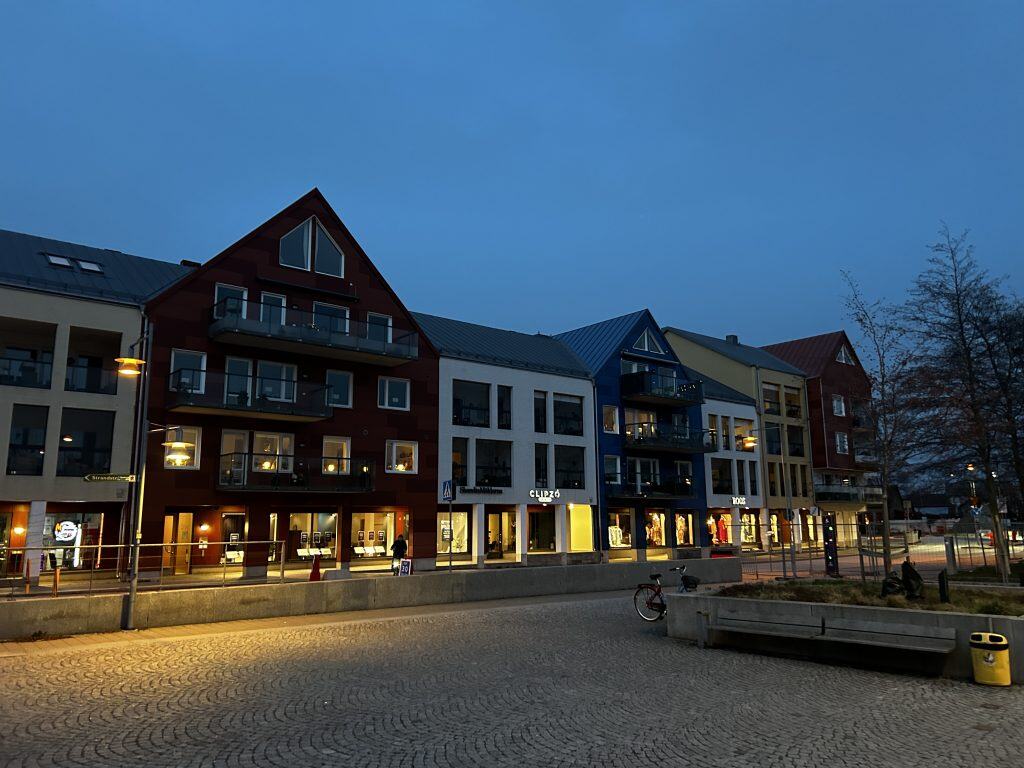
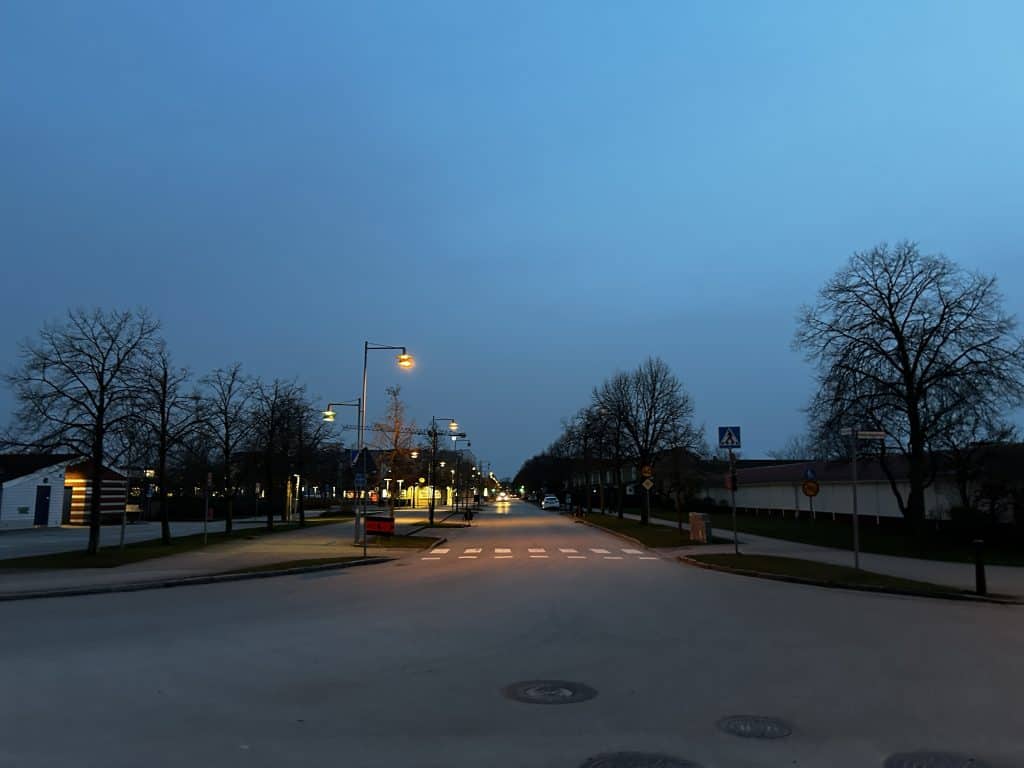
Lomma’s sights are concentrated around its coastline and its historic core. The main points of interest include the town’s beach and marina, its medieval church, and landmarks related to its industrial past.
Lomma Strand
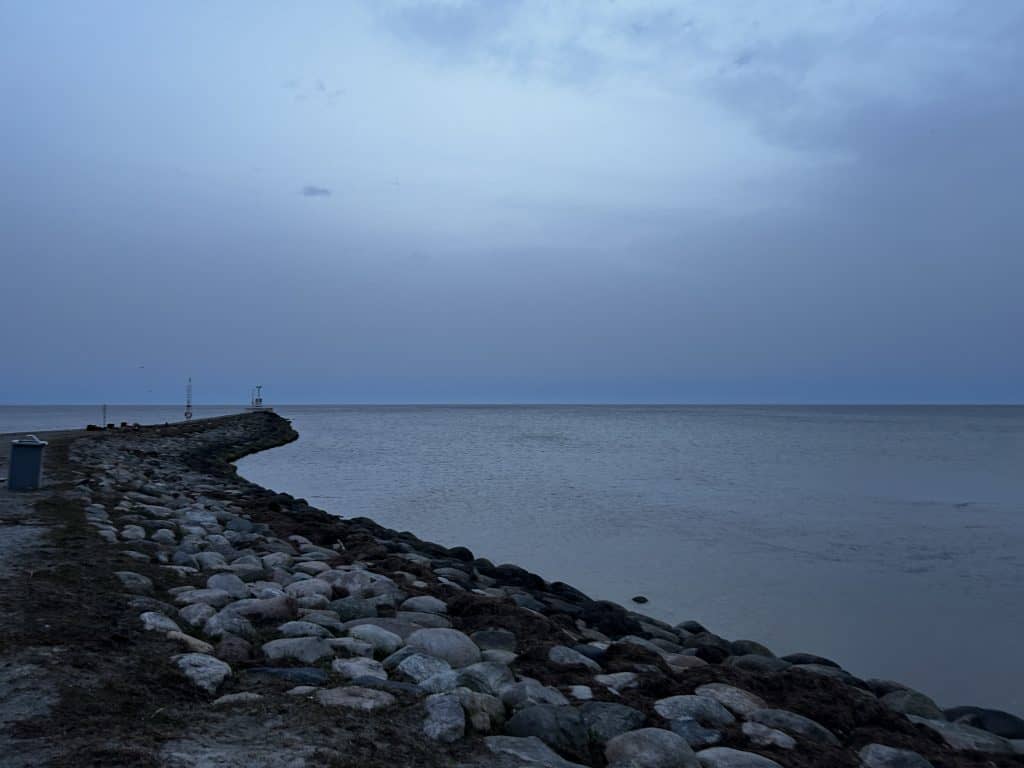
Lomma Beach (Lomma strand) is one of the town’s primary attractions. It is a wide, sandy beach that is a popular destination for swimming and sunbathing during the summer months. The shallow waters of the Lommabukten (the Lomma Bay) make it particularly suitable for families. The beach extends along the coast, providing space for walks. From the shoreline, there are views across the Öresund strait toward Copenhagen on clear days.
Lomma Marina
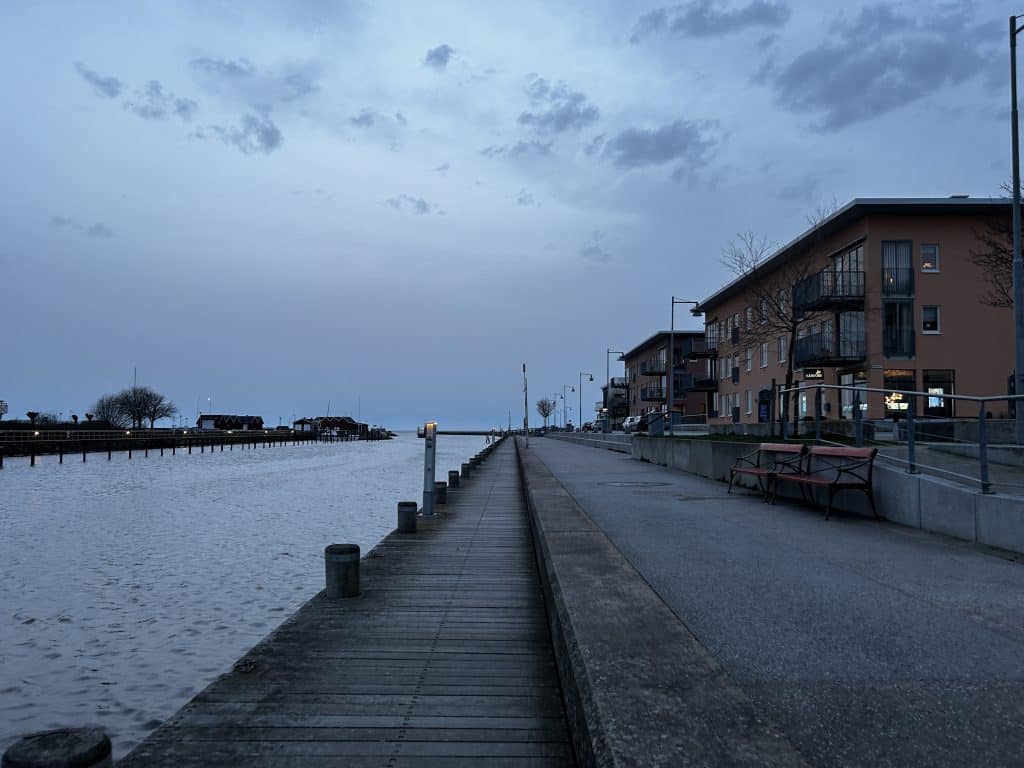
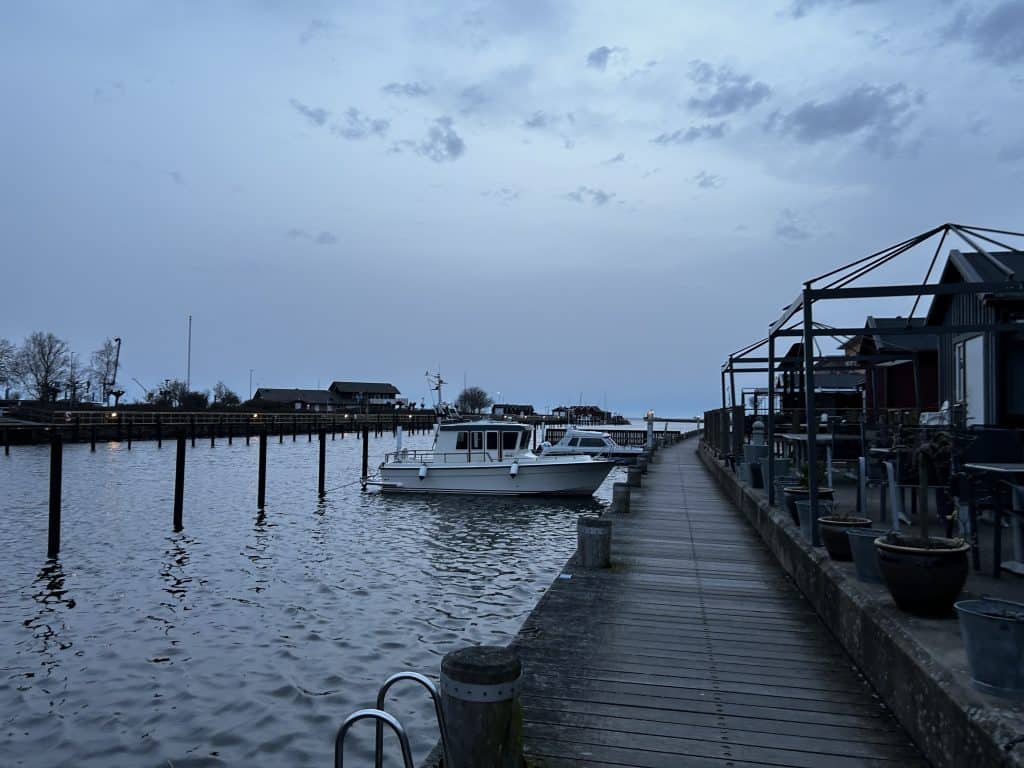
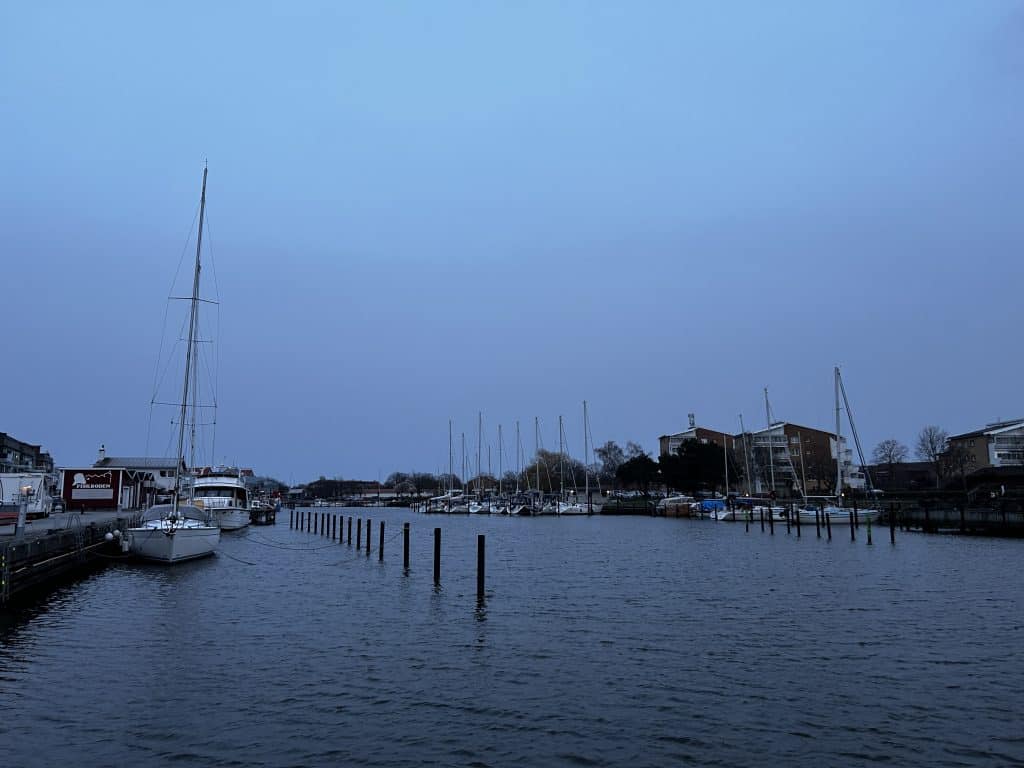
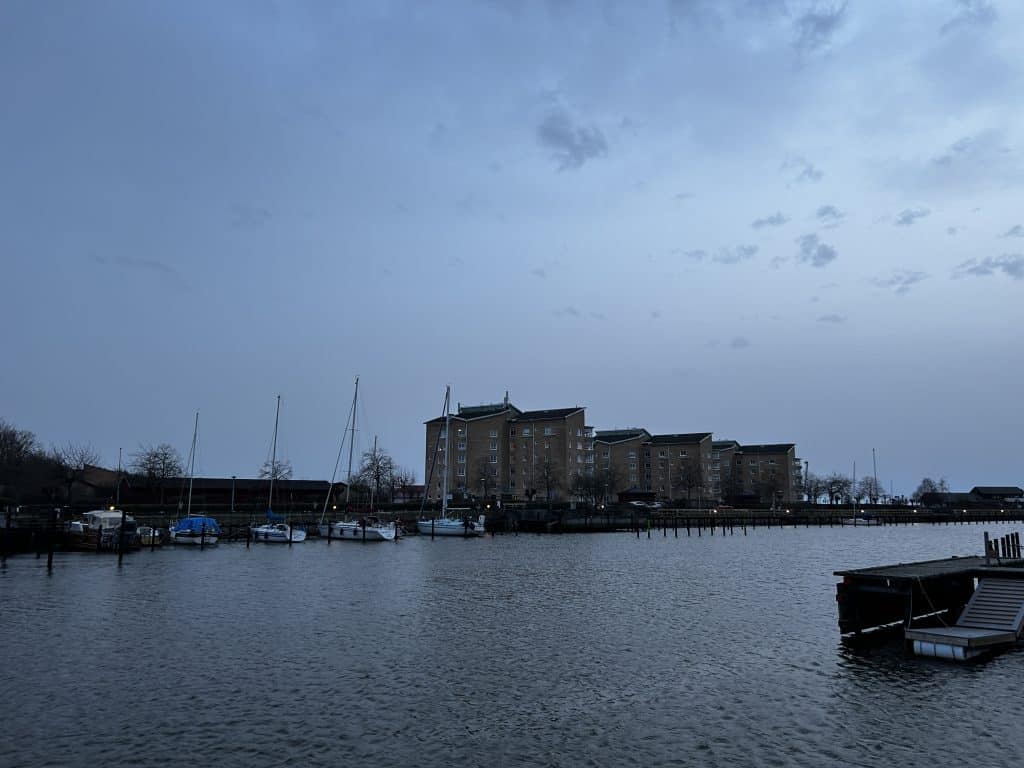
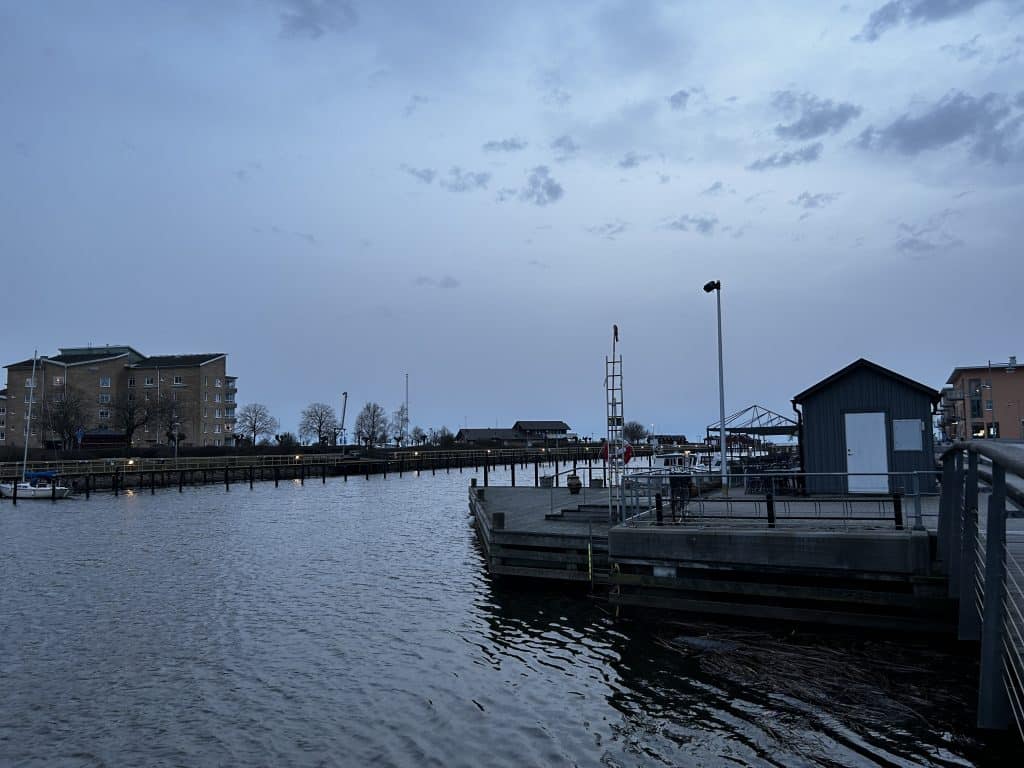
The Lomma Marina (Lomma hamn) is a focal point for the town. The harbor accommodates numerous pleasure boats and serves as a center for maritime activity. The area is a popular place for walks along the docks and waterfront. Several restaurants and cafes are located directly by the harbor. The marina area reflects Lomma’s long-standing connection to the sea, both for historical trade and modern recreation.
Lomma Church
Lomma Church (Lomma kyrka) is a historic medieval church that dates back to the 12th century. The building is a well-preserved example of traditional Scanian Romanesque architecture. The church was constructed using sandstone. Its interior is noteworthy for its frescoes from the 15th century that depict religious scenes. The church remains a historical and spiritual center within the community, representing centuries of local history.
Lomma Library and Town Hall
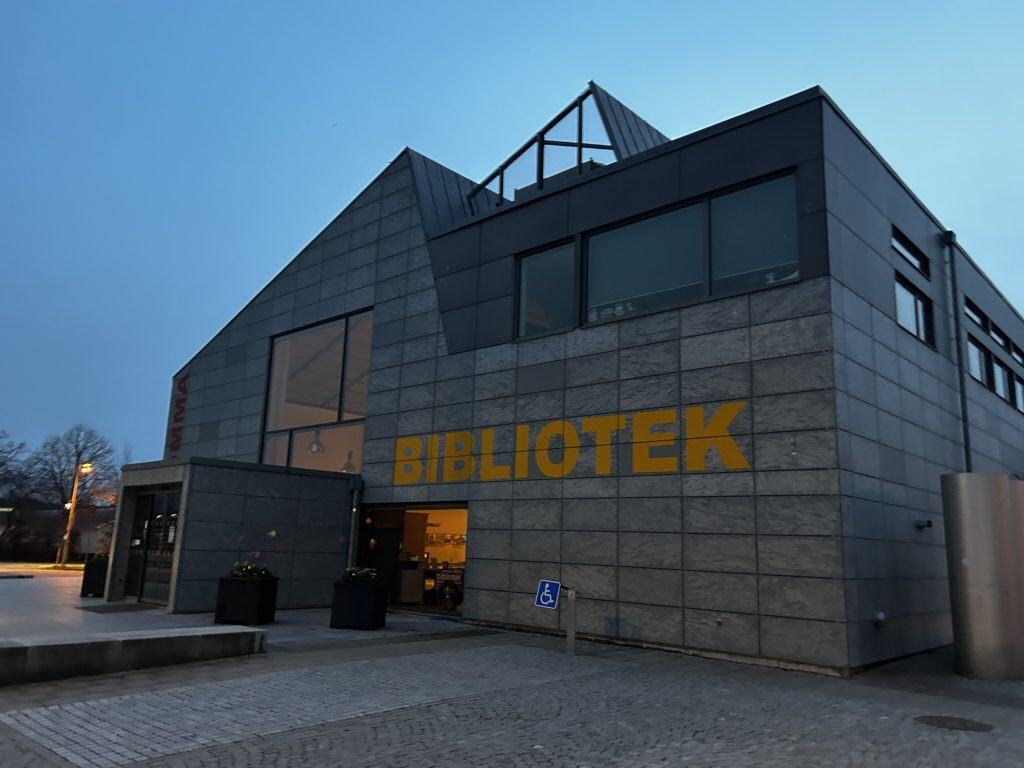
The modern Lomma Library (Lomma bibliotek) and Town Hall (Kommunhus) is a key architectural landmark in the town center. The building is located directly by the water, near the harbor. Its contemporary design, with large glass surfaces and a distinctive shape, has won architectural awards. The library is a public space that offers views of the harbor and the surrounding area. It represents the modern development of the town.
Karstorp’s Mill
Karstorp’s Mill (Karstorps mölla) is a historic windmill located on the southern edge of Lomma. It is a Dutch-style smock mill that was originally built in the 19th century. The mill stands as a preserved landmark from the area’s agricultural past, before industrialization became the dominant economic force. It is a recognizable feature of the local landscape and a reminder of the region’s farming history.
Bjärred Pier
Located in the neighboring locality of Bjärred, the Bjärred Pier (Bjärreds Långa Bryggan) is a significant regional landmark. The pier is one of the longest in Sweden, stretching approximately 574 meters into the Öresund strait. At its end is a building that houses a restaurant and a traditional cold bathhouse (kallbadhus). The pier provides panoramic views of the strait and the Öresund Bridge. It is a popular destination for walks.
Alnarpsparken
Situated very close to Lomma, in the neighboring municipality of Burlöv, is Alnarp Park (Alnarpsparken). The park is part of the Alnarp Campus of the Swedish University of Agricultural Sciences (SLU). It features a diverse collection of tree species from around the world and maintained gardens that showcase horticulture. The park is a popular location for walks and recreation for residents of the entire region. The botanical collections are open to the public year-round.
Sports in Lomma
Lomma has an active local sports scene with a focus on community clubs. Football and tennis are prominent sports with well-established clubs. The town’s coastal setting also makes it a center for various water sports.
Football
Football is a popular sport in Lomma, with a club that has a long history in the town. The club is a key part of the local community, with a significant focus on youth development. It provides a platform for hundreds of local children and adult players to participate in the sport.
GIF Nike
The main football club in the locality is GIF Nike. Founded in 1919, the club operates numerous teams across all age groups, from young children to senior teams. While not competing at the highest professional level in Sweden, the club is a significant local institution. They play their home games at the Nikevallen sports ground in Lomma.
Tennis
Tennis is another popular sport in the area, with a large and active club that serves both Lomma and the neighboring locality of Bjärred. The club has access to numerous indoor and outdoor courts. It provides facilities for both recreational and competitive players. The club hosts local tournaments and has a strong youth program.
Lomma Bjärreds Tennisklubb
The local club is Lomma Bjärreds Tennisklubb (LBTK). It is one of the larger tennis clubs in the region. The club’s facilities allow for year-round play. They offer training programs for all ages and skill levels. The club is an important part of the social and sporting life of the community.
Sailing and Water Sports
With its large marina and coastal location, Lomma is a center for sailing and water sports. The Lomma Bay provides a suitable area for recreational sailing, kayaking, and windsurfing. The local yacht club, Lomma Båtklubb, is a key part of the marina community. It organizes activities and provides facilities for boat owners in the town.






How to Get to Lomma
Reaching Lomma is straightforward due to its location within the well-connected Öresund region. The town is served by the regional road and rail networks, and is situated between two major airports.
Arriving by Air: Two Airport Gateways
The closest major airport to Lomma is Malmö Airport (MMX), located about 30 kilometers to the east. It offers some domestic and European flights. A larger and often more convenient option is Copenhagen Airport (CPH) in Denmark, located about 45 kilometers away via the Öresund Bridge. CPH is a major international hub. From both airports, the journey must be completed by train, bus, or car.
The Open Road: Driving the E6/E20
Driving to Lomma is efficient, as the town is located directly next to the E6/E20 motorway. This is the main highway that runs along the western coast of Sweden, connecting Malmö and Gothenburg. The motorway provides a fast and direct link to the town from all directions. The Öresund Bridge also connects this motorway directly to Denmark.
Connecting by Coach and Bus
Lomma is well-served by the regional bus services of Skånetrafiken. Frequent buses connect Lomma with the major nearby cities of Malmö and Lund. Long-distance bus services typically arrive at the main stations in Malmö or Lund. From there, a simple transfer to a local regional bus is required to reach Lomma.
On Track: A Regional Rail Link
Lomma has its own train station (Lomma station) which is part of the regional Pågatågen network. This train system provides direct and frequent connections to the major railway hubs of Malmö, Lund, and Helsingborg. From these central stations, it is possible to connect to high-speed intercity trains to Stockholm and international trains to Copenhagen, Denmark.
Driving Distances
The driving distance from 10 major regional cities, according to Google Maps:
- Stockholm, Sweden – 605 kilometers (6 h 30 min)
- Gothenburg, Sweden – 263 kilometers (3 h 00 min)
- Malmö, Sweden – 13 kilometers (0 h 20 min)
- Linköping, Sweden – 408 kilometers (4 h 30 min)
- Jönköping, Sweden – 282 kilometers (3 h 00 min)
- Copenhagen, Denmark – 49 kilometers (0 h 50 min)
- Oslo, Norway – 554 kilometers (6 h 00 min)
- Hamburg, Germany – 360 kilometers (4 h 40 min)
- Berlin, Germany – 434 kilometers (5 h 20 min)
- Amsterdam, Netherlands – 820 kilometers (9 h 10 min)
Explore More of Skåne and Sweden