Bitche, Lorraine | Exploring France
Bitche is a historic town in northeastern France, located in the Moselle department of the Grand Est region. The town sits on the small River Horn, at the foot of the northern slope of the Vosges mountains. With a population of approximately 4,900 residents, it serves as the capital of the Pays de Bitche, a natural region within the Northern Vosges Regional Natural Park. The park is a designated UNESCO Biosphere Reserve.
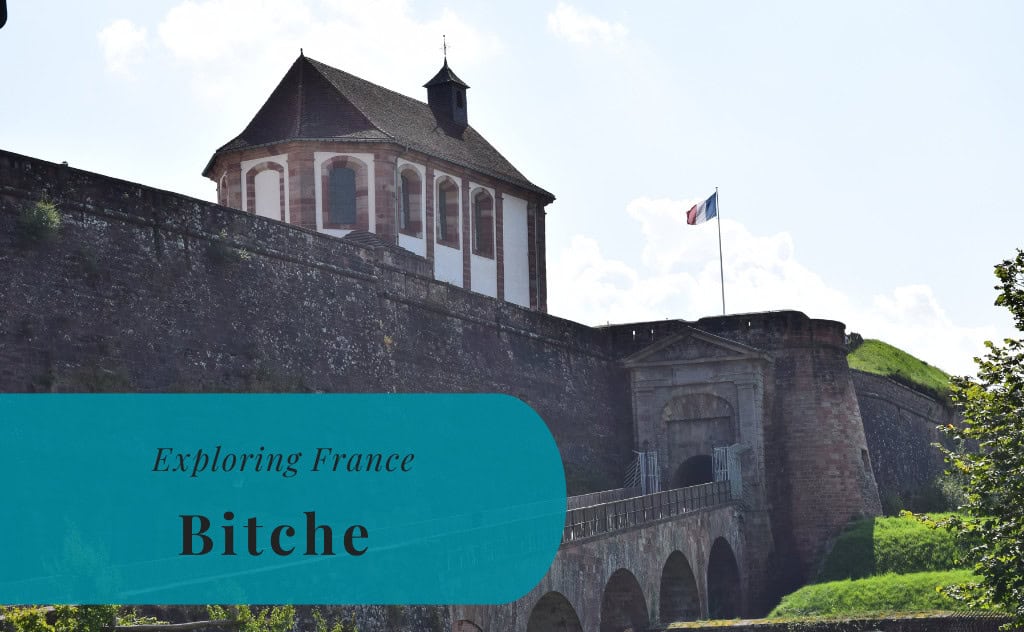
The character of Bitche is defined by its powerful military fortress, the Citadel, which overlooks the town from a high rock. The town’s history and layout have been shaped by its long-standing role as a strategic fortified location. It is situated very close to the German border, which has placed it at the center of historical conflicts between France and Germany. Today, it is a town that combines its military heritage with its setting within a protected natural park.

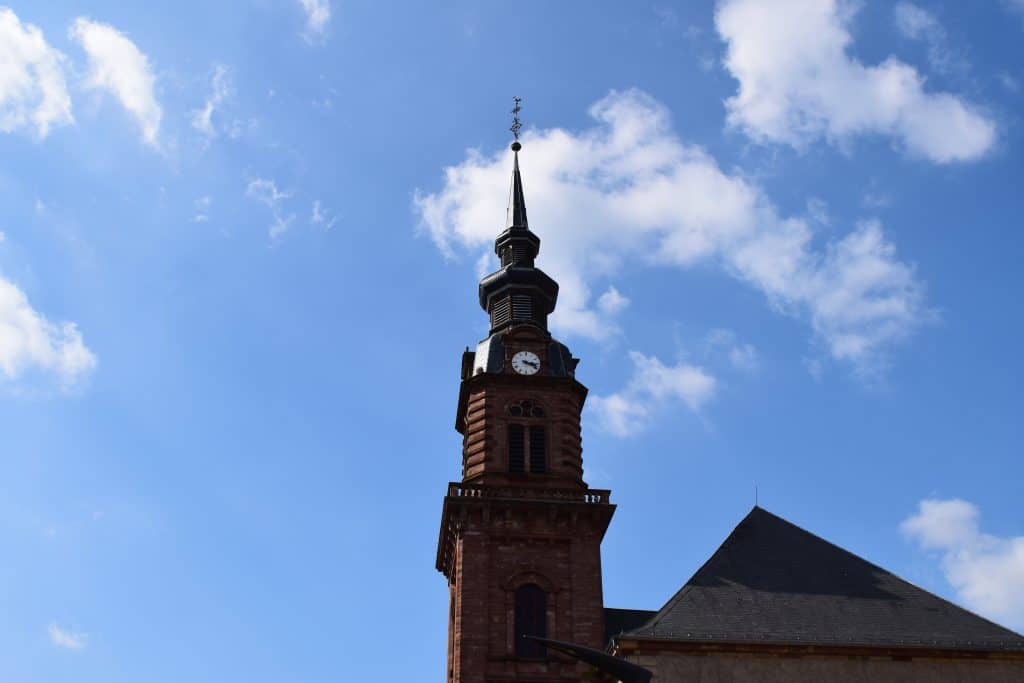


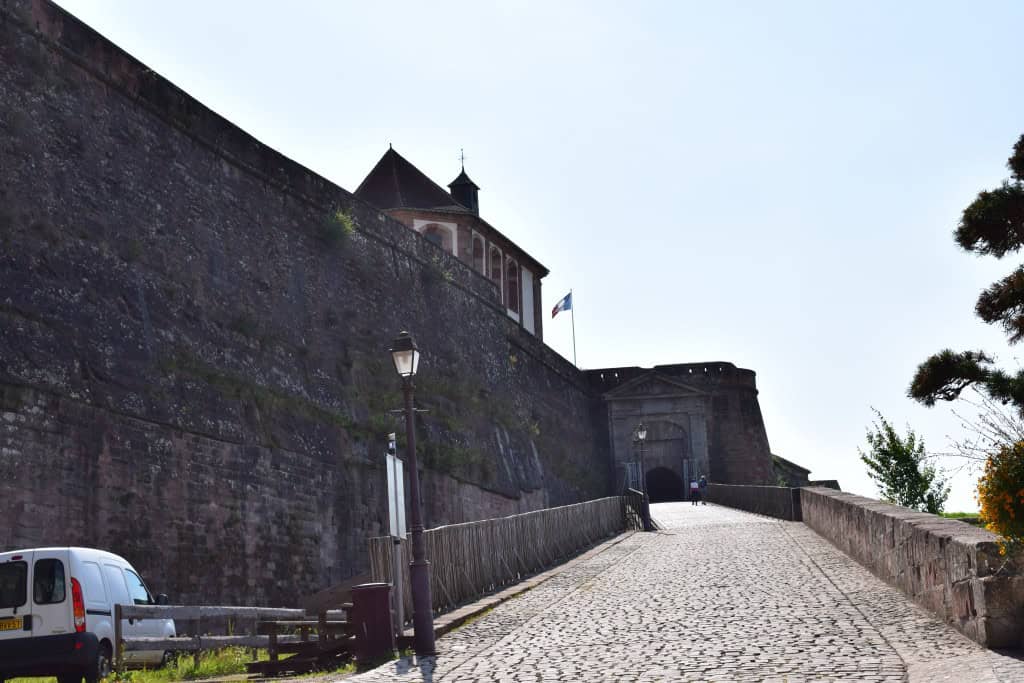
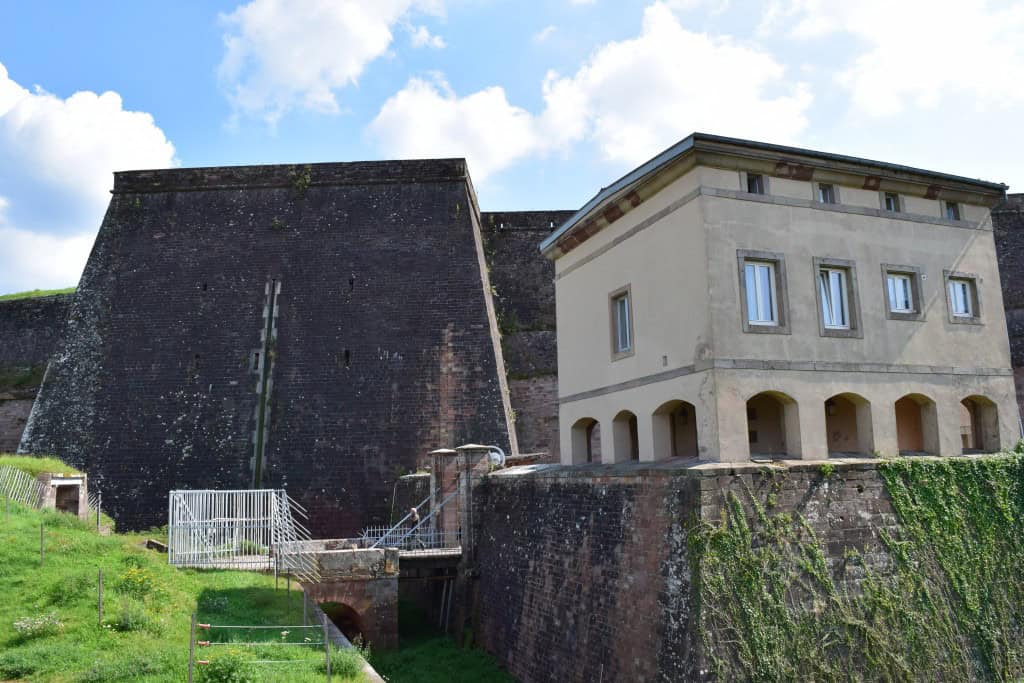
A Short History of Bitche
The history of Bitche is inextricably linked to its powerful fortress and its strategic position in the Vosges mountains. For centuries, control of the castle at Bitche meant control of the surrounding territory, known as the County of Bitsch. The town’s story is one of feudal lordship, military engineering, and legendary resistance during major European conflicts. This long and often turbulent past is reflected in the town’s primary landmark, the Citadel, and its proximity to modern defensive lines.
Early History and the Duchy of Lorraine
An old stronghold, mentioned as early as 1172 as Bytis Castrum, stood on the rocky outcrop above the present-day town. This castle gave its name to the historic County of Bitsch. Over the centuries, the territory passed between the Duchy of Lorraine and various German noble lines. It officially reverted to the Duchy of Lorraine in 1624. Bitche finally became part of the Kingdom of France in 1766 upon the death of Stanislas Leszczynski, the last Duke of Lorraine.
The Vauban Fortress and Franco-Prussian War
The current formidable Citadel of Bitche was designed by the renowned military engineer Vauban in the late 17th century. His initial plans were later modified and strengthened by the engineer Louis de Cormontaigne, with the main construction taking place between 1741 and 1754. The fortress proved to be almost impregnable for centuries. Its most famous moment came during the Franco-Prussian War in 1870-1871. Under the command of Louis-Casimir Teyssier, the garrison resisted a siege for 230 days, surrendering only after the armistice was signed.
Annexations and World War II
Following the Franco-Prussian War, Bitche was annexed by the German Empire in 1871 and remained part of Germany until it was returned to France in 1918. Its strategic location made it a key part of the Maginot Line, France’s interwar defensive network. The town was again annexed by Nazi Germany during World War II. It was the site of further conflict in 1944-1945 when American forces fought to liberate the town and its fortress from German troops.
Things to Do and See
Bitche offers a range of attractions that showcase its military past and its location within a large natural park. The main point of interest is the large citadel that dominates the town. Other sights include a contemporary garden, historic town gates, and major Maginot Line forts located in the immediate vicinity.
Citadelle de Bitche
The Citadel of Bitche (Citadelle de Bitche) is the town’s most prominent landmark. This large fortress sits on a red sandstone rock, 76 meters above the town. The current structure is primarily the work of the 18th-century engineer Cormontaigne, based on earlier designs by Vauban. Visitors can explore its extensive underground network, which includes barracks, kitchens, a chapel, and bakeries. The site also features a historical museum detailing the 1870 siege. Audio-guided tours with sound effects are used to explain the history of the site.
Jardin pour la Paix
The Garden for Peace (Jardin pour la Paix) is a contemporary garden located at the foot of the citadel. Created in 2003, it is part of the trans-border “Gardens Without Limits” network, which spans areas in France, Germany, and Luxembourg. This evolving garden features a diversity of plants, shrubs, and flowers arranged in a series of small, themed garden plots. Each season brings different colors and atmospheres. The garden is accessible from early April to late October.
Porte de Strasbourg
The Porte de Strasbourg (Strasbourg Gate) is a historic gate in Bitche. Constructed in the 17th century as part of Vauban’s initial fortification plans, this gate was once one of the main entrances to the fortified town. It provides a historical entry point into the town from the south. The gate stands as a testament to Bitche’s long history as a fortified town and reflects the various periods of its defensive construction.
Nearby Maginot Line Forts
Bitche’s strategic location made it a key sector of the Maginot Line. Several significant forts are located near the town. The Fort Simserhof, about 10 kilometers away, is one of the largest artillery works (gros ouvrage) on the entire line and is open for tours. Another notable fort is the Fort Casso (Ouvrage Rohrbach) in Rohrbach-lès-Bitche. These underground fortresses offer immersive tours, allowing visitors to see the barracks, kitchens, and combat blocks used by soldiers during World War II.
Chapelle de l’Étang
The Chapelle de l’Étang is a historic chapel located next to a pond on the edge of the town. The chapel dates to the 17th century. According to local history, it contains the tomb of Louis-Casimir Teyssier, the commander who famously defended the Citadel in 1870-71. The site is a point of local historical interest and provides a quiet space for reflection away from the main fortress.
Sports in Bitche
The sporting life in Bitche is focused on community clubs and outdoor recreation, taking advantage of the town’s location within the Northern Vosges Regional Natural Park. The main team sport is football, with a local club that plays an important role in the community. The surrounding forests and hills provide extensive opportunities for hiking.
Football
Football is a popular sport in the town, with a local club that has a long history. The club provides a platform for local players of all ages, from youth teams to a senior team. It is a key part of the local community and social life. Matches are local events that draw supporters from the town and surrounding villages.
FC Bitche
The main football club is FC Bitche. The club was founded in 1919. The team competes in the regional leagues of the Ligue Grand Est de Football. They play their home games at a local stadium in the town, the Stade Municipal. The club is an important institution for youth sports in the Pays de Bitche region.
Hiking
The location of Bitche inside the Northern Vosges Regional Natural Park makes it a center for hiking. The park offers hundreds of kilometers of well-marked trails that run through forests, over hills, and past historical sites like castles and old mills. The area is part of a larger cross-border UNESCO Biosphere Reserve with the Palatinate Forest in Germany. The trails are suitable for all levels of hikers.


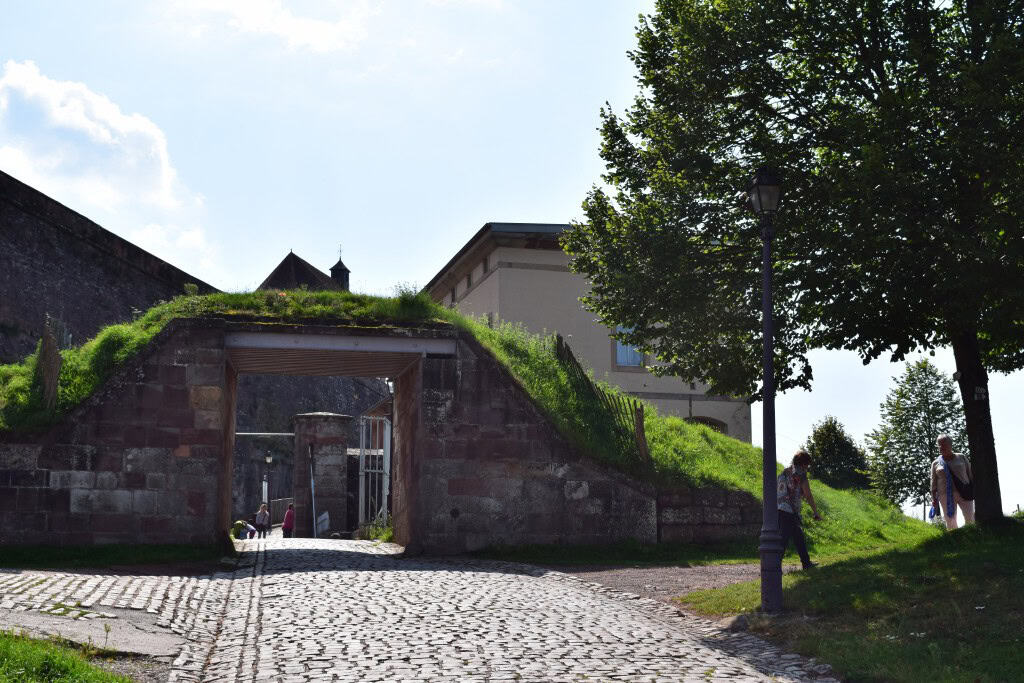
Getting Around in Bitche
The town of Bitche is small, and its central area is easily navigable on foot. A car is useful for exploring the surrounding region, particularly the nearby Maginot Line forts and the natural park.
On Foot: The Town Center and Citadel
Walking is the best way to explore the central part of Bitche. The area around the Town Hall, the main church, and the Garden for Peace are all within a short walking distance of each other. The path leading up to the entrance of the Citadel is also a key pedestrian route. Comfortable shoes are recommended for the cobblestone streets and the walk up to the fortress.
Local Buses
A local and regional bus network connects Bitche with other towns and villages in the Pays de Bitche. This network, part of the Fluo Grand Est system, provides public transport links to nearby places like Rohrbach-lès-Bitche and Sarreguemines. These services are primarily used by local residents for commuting and daily travel. The schedules can be infrequent, so checking in advance is recommended.
How to Get to Bitche
Reaching Bitche requires travel to a more rural part of northeastern France. The town is accessible by road and regional rail, with connections from larger cities in the region like Strasbourg and Saarbrücken.
Arriving by Air: Nearby Gateways
Bitche does not have its own airport. The closest international airport is Saarbrücken Airport (SCN) in Germany, located approximately 40 kilometers away. Other nearby options include Strasbourg Airport (SXB), about 85 kilometers away, and Luxembourg Airport (LUX), about 115 kilometers away. From any of these airports, the journey must be completed by a combination of train, bus, or rental car.
The Open Road: Driving Through the Vosges
Driving is often the most practical option for reaching Bitche, allowing for easy access to the surrounding natural park and historical sites. The A4 motorway, which connects Paris and Strasbourg, passes to the south of the region. From the motorway, a network of national and departmental roads leads to Bitche. The town is well-connected to the French and German road networks.
Connecting by Coach
Direct long-distance bus services to Bitche are limited. Travel by coach typically involves taking a service from a company like FlixBus to a larger nearby city, such as Strasbourg in France or Saarbrücken in Germany. From these cities, travelers would then need to transfer to a regional train or bus service to complete the journey to Bitche.
On Track: A Regional Rail Link
Bitche has a train station (Gare de Bitche), which is located on a regional branch line. The train service, operated by SNCF TER Grand Est, connects Bitche primarily with the larger town of Sarreguemines. From Sarreguemines, there are further train connections to major cities like Saarbrücken and Strasbourg. The train journey from Sarreguemines to Bitche takes approximately 45 minutes.
Driving Distances
The driving distance from 10 regional cities, according to Google Maps:
- Saarbrücken, Germany – 58 kilometers (1 h 00 min)
- Strasbourg, France – 76 kilometers (1 h 10 min)
- Luxembourg City, Luxembourg – 113 kilometers (1 h 30 min)
- Metz, France – 117 kilometers (1 h 30 min)
- Frankfurt, Germany – 203 kilometers (2 h 20 min)
- Cologne, Germany – 287 kilometers (3 h 20 min)
- Brussels, Belgium – 327 kilometers (3 h 40 min)
- Paris, France – 436 kilometers (4 h 40 min)
- Lyon, France – 531 kilometers (6 h 00 min)
- Amsterdam, Netherlands – 535 kilometers (5 h 50 min)
Looking to Explore more of France and Europe?