Vienna (Wien) | Exploring Austria
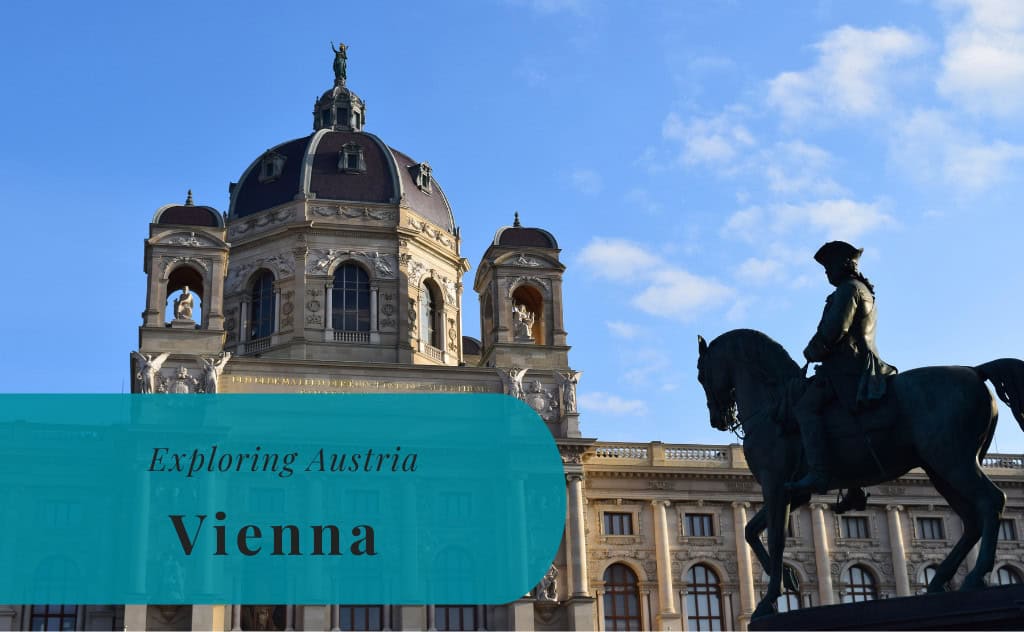
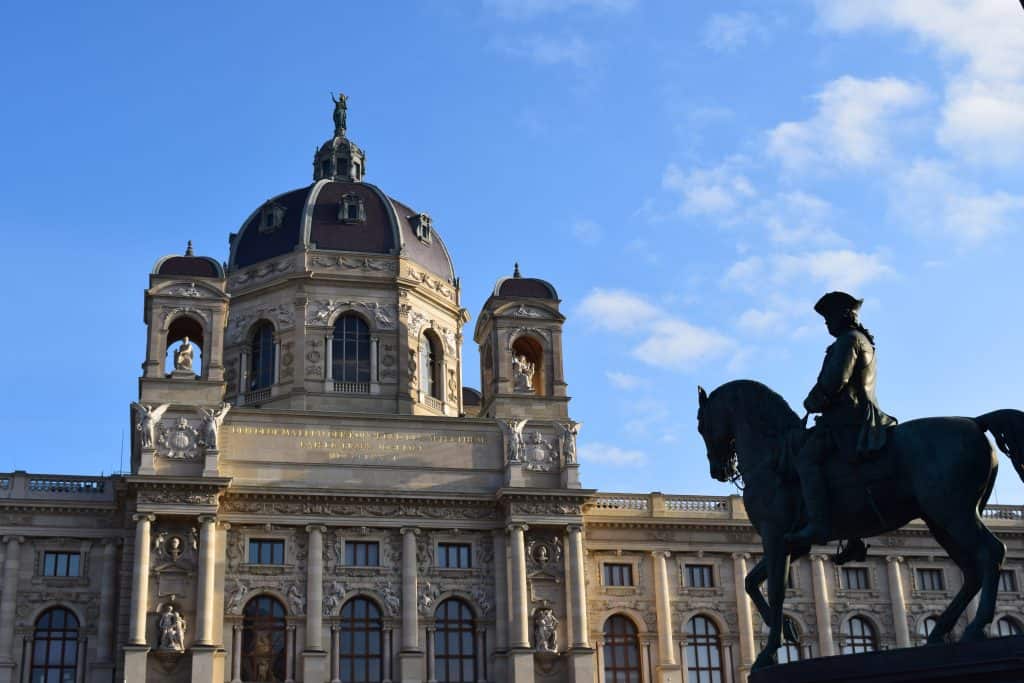
Wien, commonly known by its English name Vienna, is the federal capital and largest city of Austria. Located in the eastern part of the country, it sits on the Danube River. This strategic position places it at the crossroads of Central Europe. The city lies at the eastern foothills of the Alps, near the scenic Vienna Woods. Its population is approximately 2 million residents. This makes it Austria’s primary urban center. Vienna’s metropolitan area expands to over 2.6 million people. The Historic Centre of Vienna is a designated UNESCO World Heritage site.
The city enjoys excellent connectivity. Nearby major European capitals include Bratislava, Slovakia (around 60 km away). Budapest, Hungary, and Prague, Czech Republic, are also within easy reach. Vienna consistently ranks high for its quality of life. It is renowned globally for its vibrant cultural scene. Vienna is often called the “City of Music.” It is home to the renowned Vienna Philharmonic Orchestra. The Vienna State Opera hosts world-class performances. Its historical coffeehouse culture is a UNESCO intangible cultural heritage. These elegant establishments once fostered intellectual and artistic discourse. Traditional Viennese cuisine, like Wiener Schnitzel, also forms part of its rich heritage.



A Short History of Vienna
Vienna’s history stretches back millennia. It began as a Roman military camp called Vindobona. This fortified settlement guarded the empire’s borders along the Danube. After the fall of the Roman Empire, the settlement persisted. It later became an important center for the Babenberg dynasty. The city truly flourished, however, under the Habsburg Dynasty. Starting in the late 13th century, the Habsburgs gradually expanded their influence. Vienna became the imperial residence. For centuries, it was the heart of the Holy Roman Empire.
This period saw Vienna emerge as a major European cultural, scientific, and political hub. The city’s Golden Age arrived during the Baroque era. Grand palaces and churches were constructed, solidifying its architectural identity. In the 19th century, Vienna hosted the Congress of Vienna in 1815. This reshaped the European map. The fin-de-siècle period brought artistic and intellectual ferment. Figures like Sigmund Freud and Gustav Klimt thrived here. Following World War I and the fall of the Austro-Hungarian Empire, Vienna faced significant challenges. After World War II, Austria adopted neutrality. Vienna transformed into a modern, vibrant capital. It now hosts numerous international organizations.


Things to Do and See
Vienna offers an abundance of historical and cultural landmarks. Each site tells a unique story, inviting exploration. While the Innere Stadt (1st District) holds many of the most famous imperial treasures, the city’s charms extend further. Districts like Neubau entice visitors with trendy boutiques and creative spaces. Leopoldstadt provides green havens and the expansive Prater park. Beyond the grand palaces and museums, Vienna offers diverse experiences. For shopping, Mariahilfer Straße buzzes with activity, and Westfield Donau Zentrum provides a modern retail environment. Day trips from Vienna are also easily arranged. Consider excursions to the picturesque Wachau Valley, famed for its vineyards, or the nearby Alpine regions for nature and mountain activities. You can also easily visit Bratislava, Slovakia, a close capital city, for a different cultural experience. This rich blend ensures every visitor finds something to delight in.
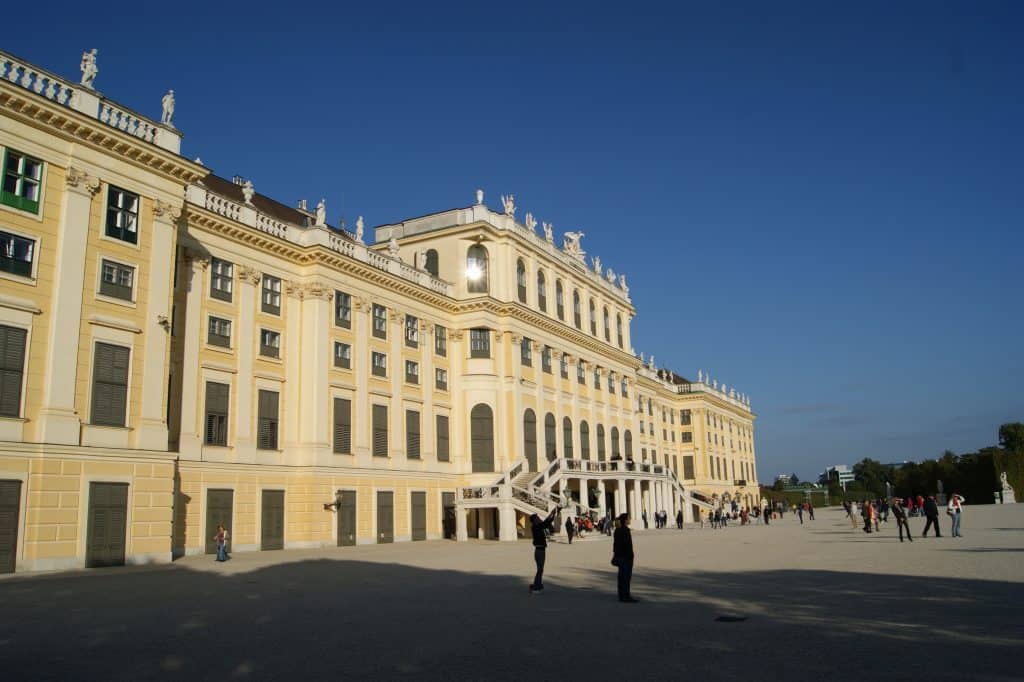
Schönbrunn Palace
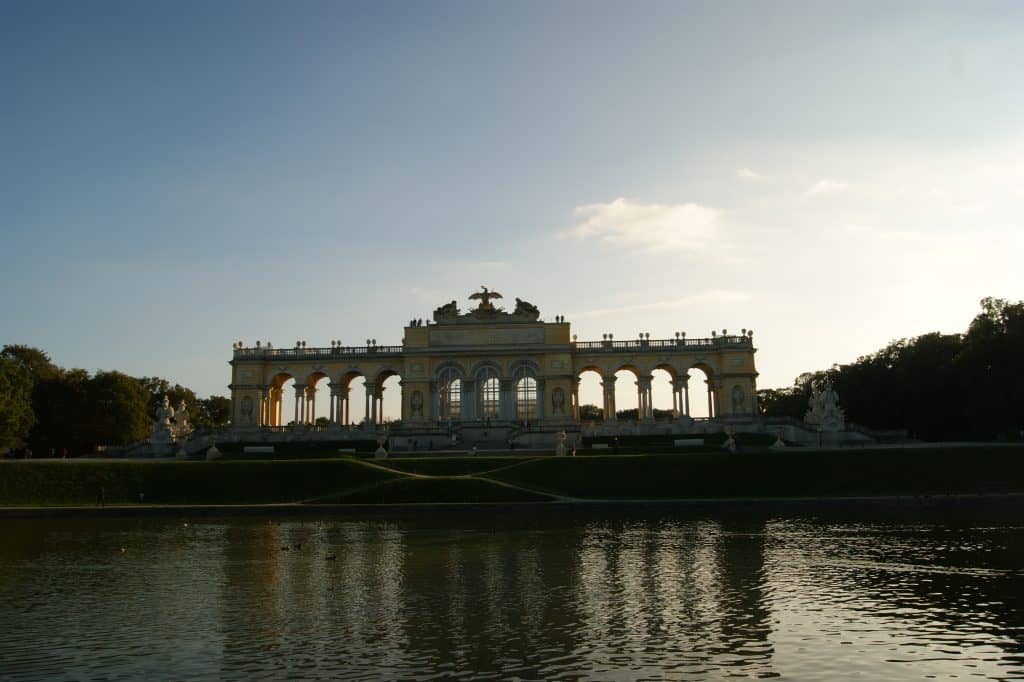
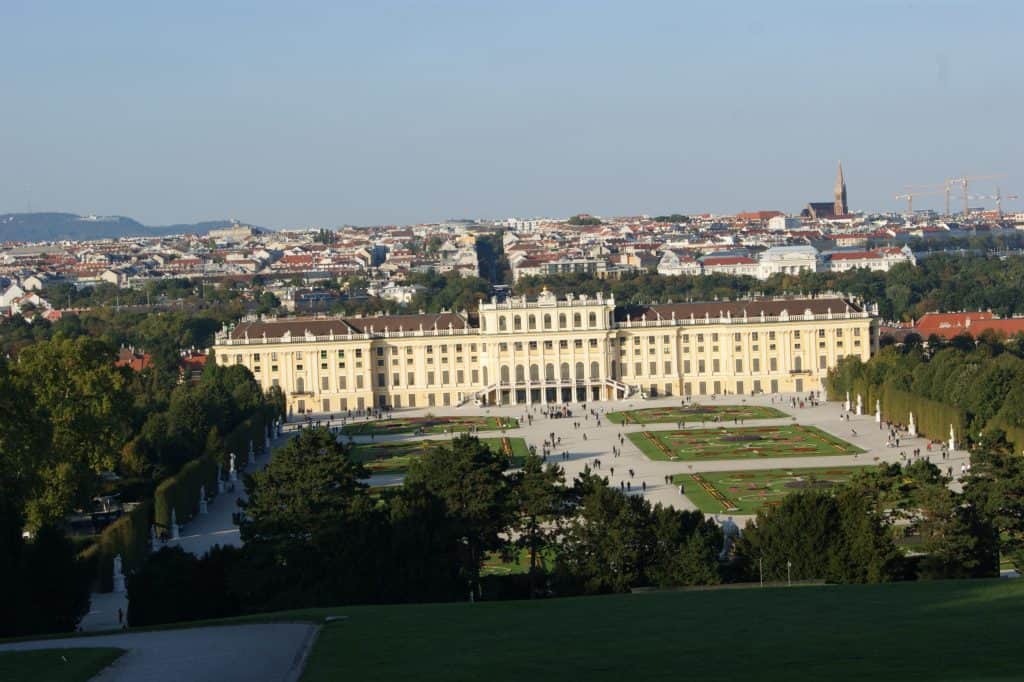
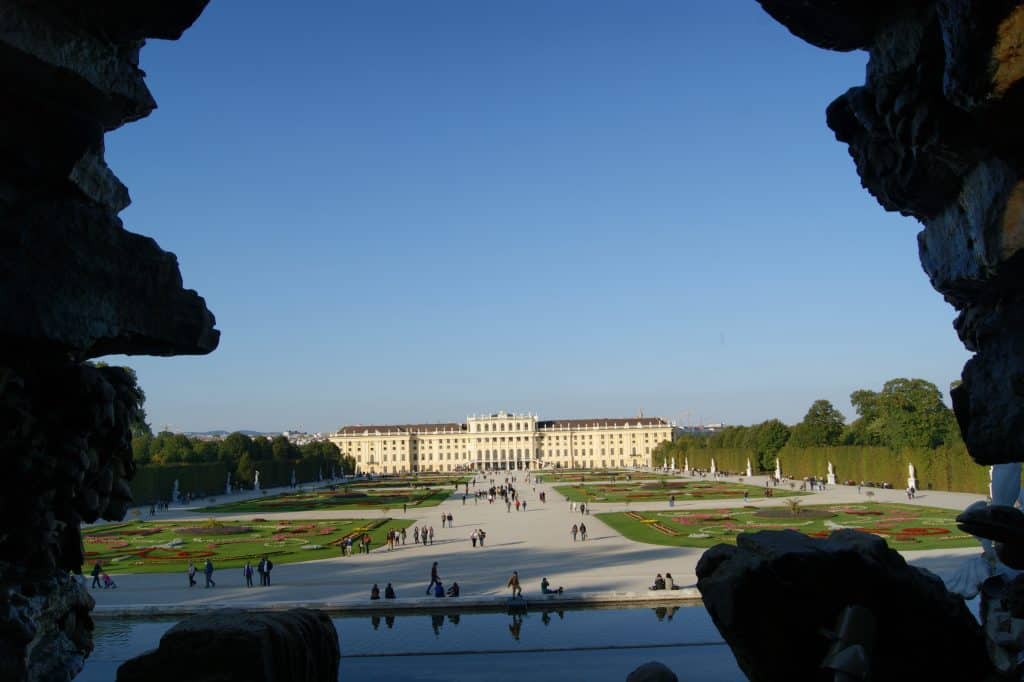
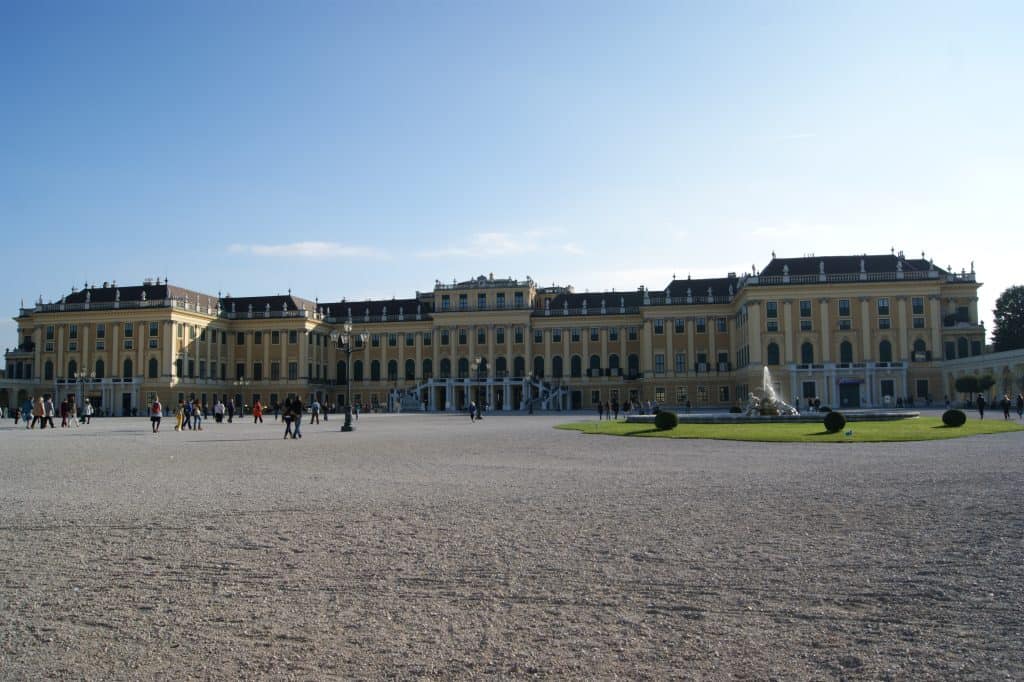
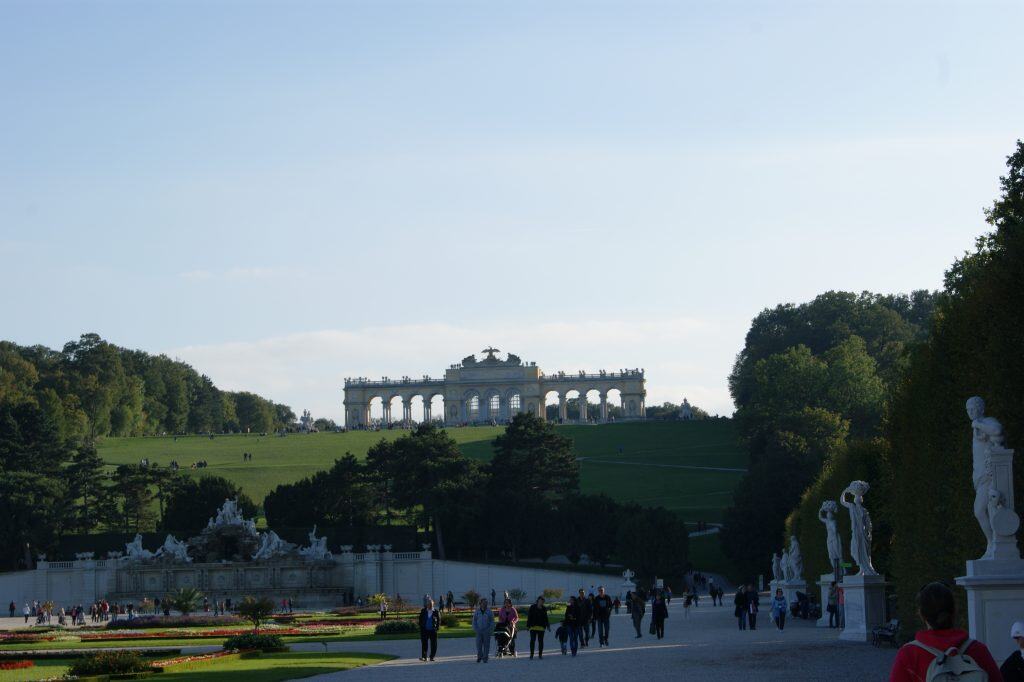
Schönbrunn Palace is a majestic former imperial summer residence. This UNESCO World Heritage Site boasts 1,441 rooms. Its opulent interiors include the stunning Hall of Mirrors. The vast gardens feature the Gloriette, offering panoramic city views. Tiergarten Schönbrunn, the world’s oldest zoo, was founded here in 1752.
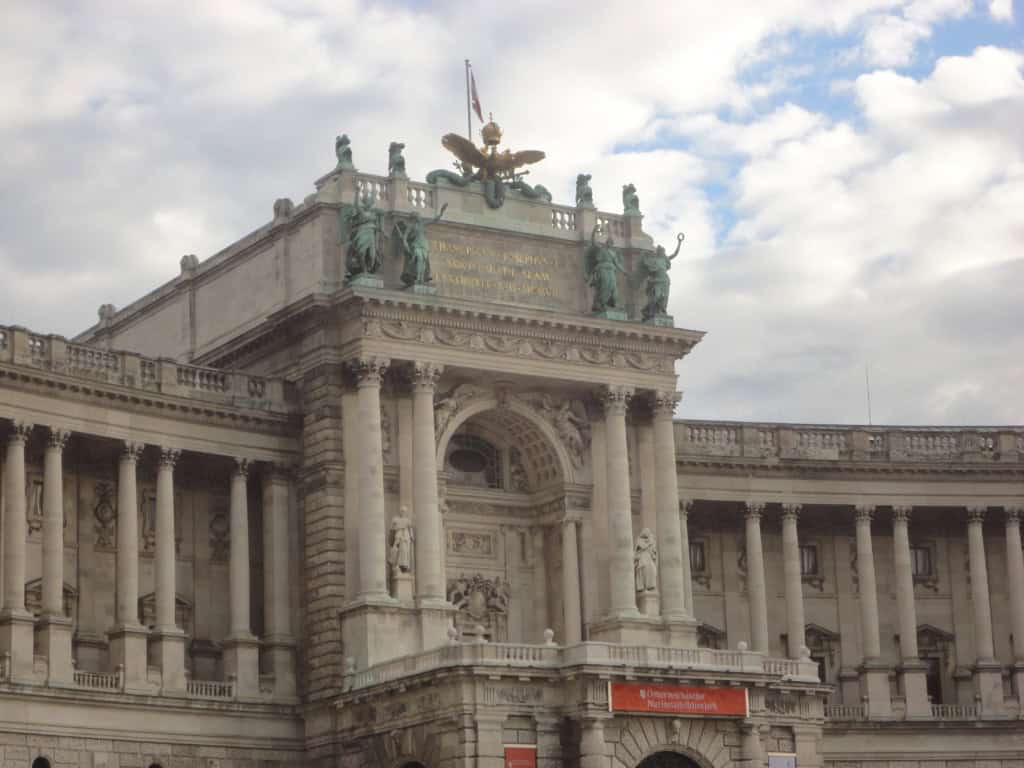
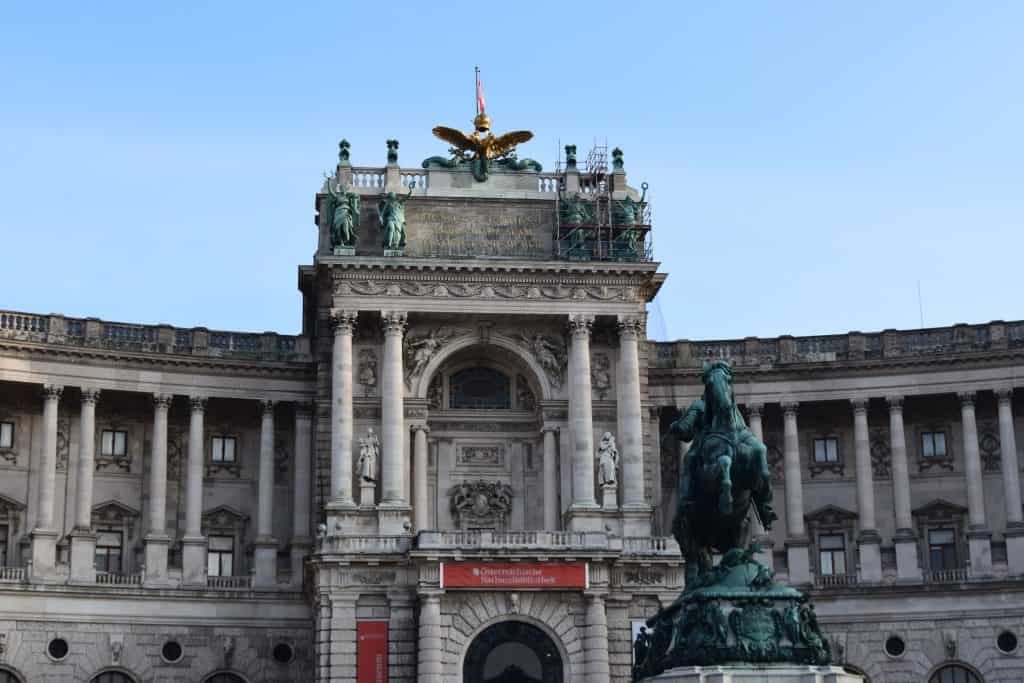
Hofburg Palace
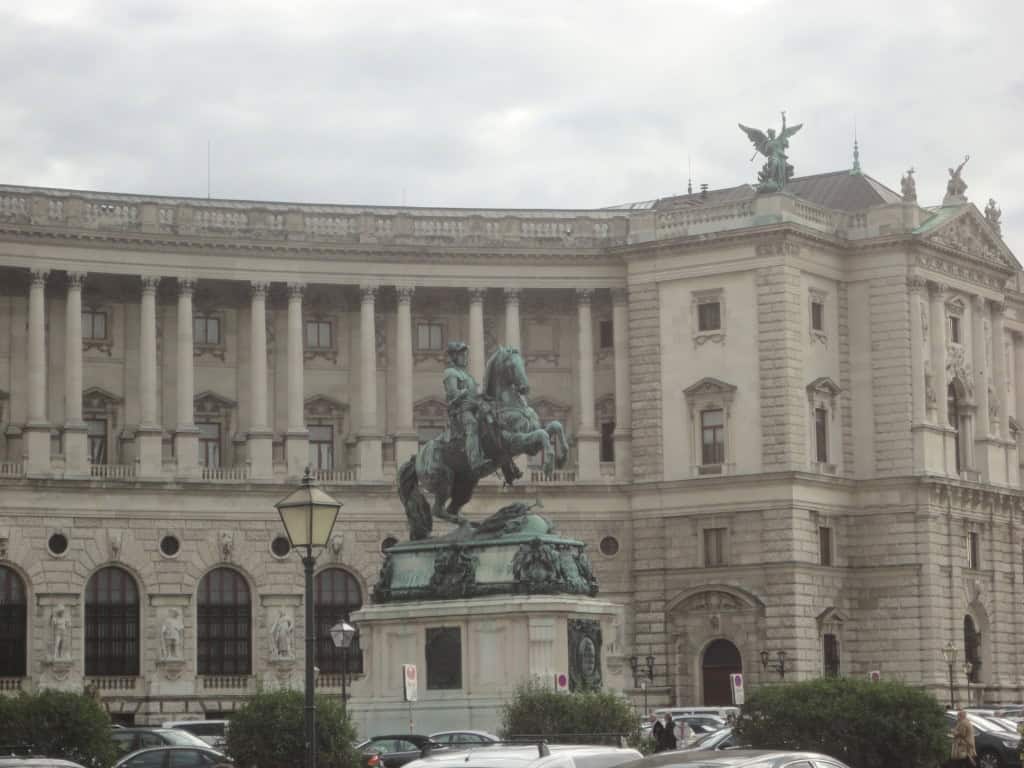
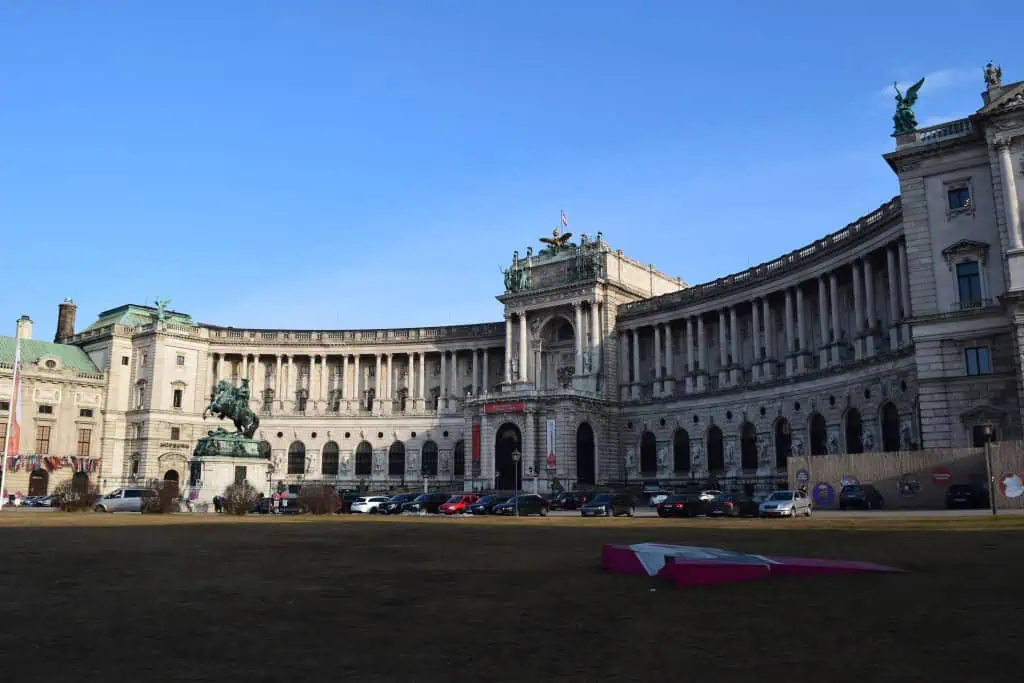
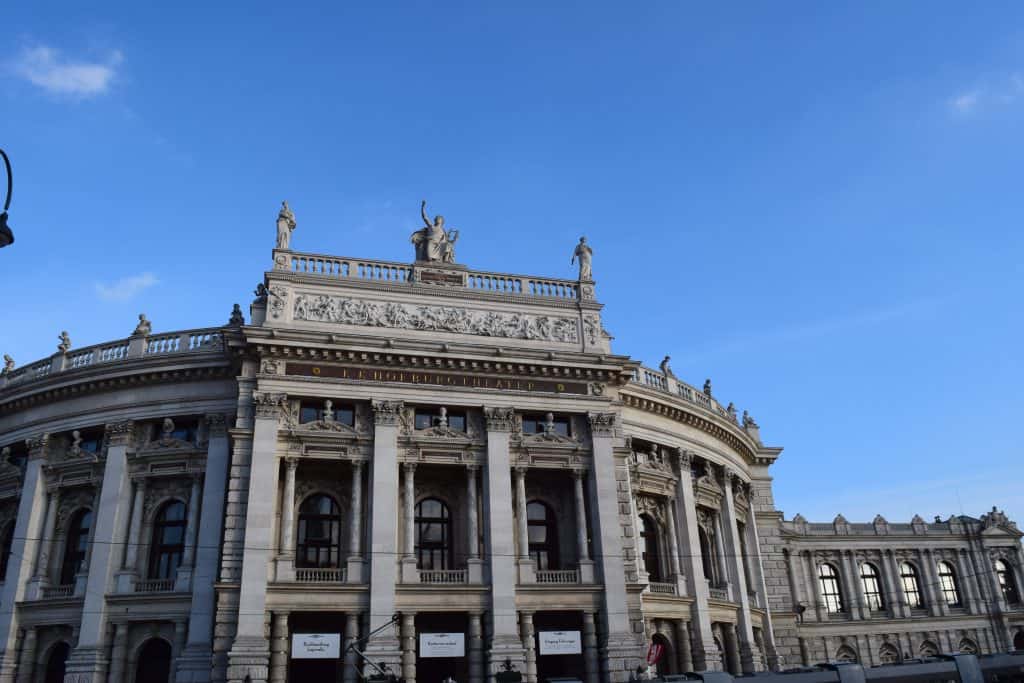
The Hofburg Palace served as the imperial winter residence. This expansive complex houses several attractions. Visitors can explore the Imperial Apartments and the Sisi Museum. The famous Spanish Riding School performs classical dressage here. Its Lipizzaner horses are legendary.
Stephansdom
St. Stephen’s Cathedral (Stephansdom) is Vienna’s iconic Gothic masterpiece. Its construction began in 1147. The south tower, known as “Steffl,” rises 136 meters high. Climbing its spiral staircase offers breathtaking city vistas. Its colorful tiled roof is instantly recognizable.
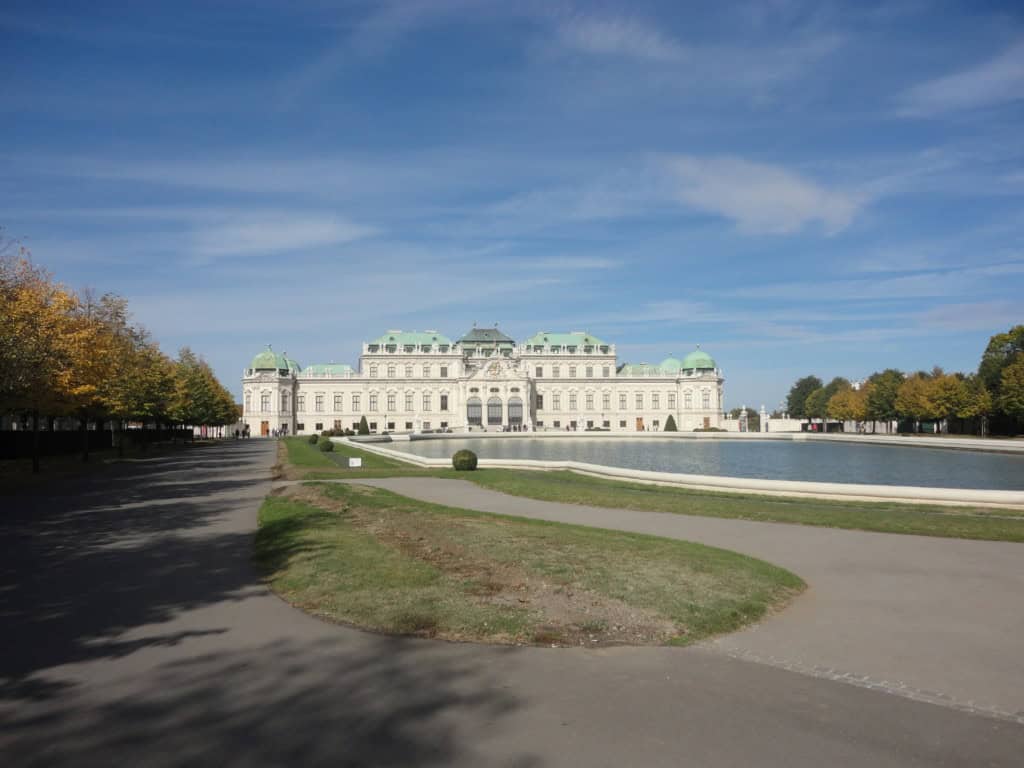
Belvedere Palace
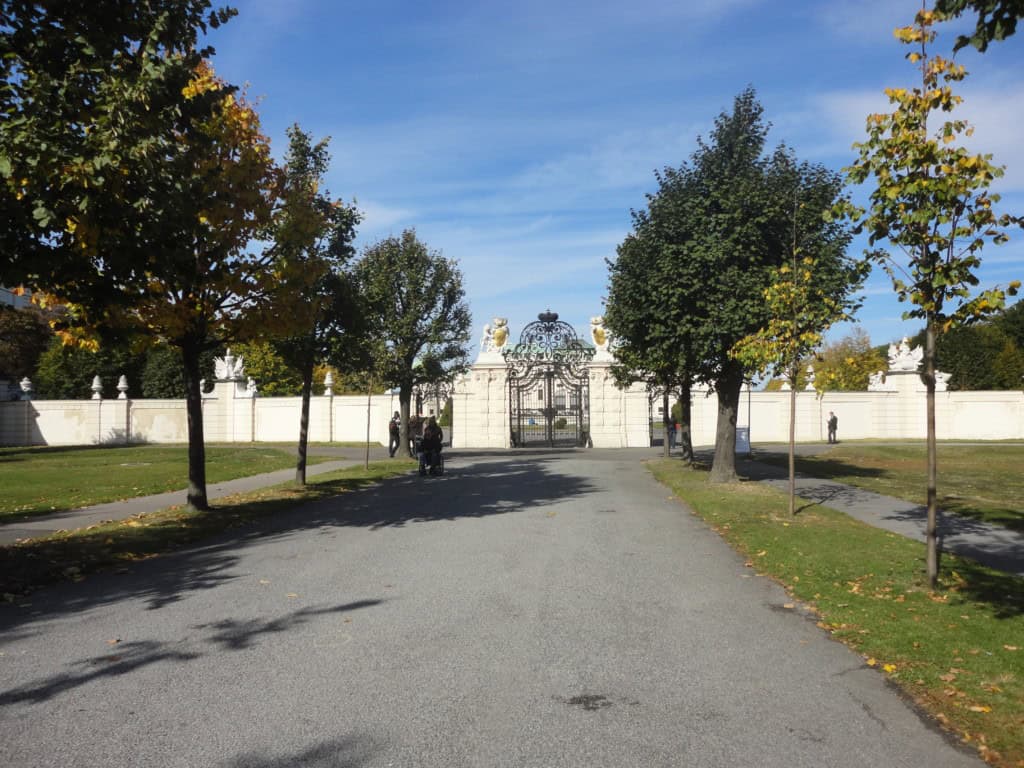
The Belvedere Palace is a stunning Baroque complex. It was built for Prince Eugene of Savoy. Today, it houses the Belvedere Museum. This museum displays Austrian art. It famously includes Gustav Klimt’s renowned painting, “The Kiss.”
Prater Amusement Park
The Prater amusement park is a beloved public space. Its most famous attraction is the Giant Ferris Wheel (Riesenrad). Built in 1897, it provides memorable panoramic views of Vienna. The park also offers extensive green areas.
MuseumsQuartier
The MuseumsQuartier (MQ) is a vast cultural complex. It is one of the largest worldwide. It houses diverse museums and cultural institutions. Notable ones include the Leopold Museum, showcasing Egon Schiele’s works. The MUMOK (Museum of Modern Art Ludwig Foundation Vienna) is also here.
Vienna State Opera
The Vienna State Opera is a world-leading opera house. It opened in 1869. The venue hosts over 300 opera and ballet performances annually. Its grand architecture and acoustics are highly celebrated.
Karlskirche
Karlskirche (St. Charles Church) is a magnificent Baroque church. It was completed in 1739. The church features a grand dome and two towering columns. These depict scenes from the life of Saint Charles Borromeo. It is considered a masterpiece of Baroque architecture.
Hundertwasserhaus
The Hundertwasserhaus offers a unique architectural experience. This vibrant apartment building was designed by Friedensreich Hundertwasser. Completed in 1986, it features uneven floors and a facade with irregular windows. Trees and shrubs grow from balconies and roofs.
Naschmarkt
The Naschmarkt is Vienna’s most famous market. It stretches over 1.5 kilometers. Here, visitors find a diverse array of food stalls. International cuisine and local delicacies are available. It also hosts a popular flea market on Saturdays.
Sports in Vienna
Vienna embraces a wide range of sports. Football is most popular, with historic clubs like SK Rapid Wien and FK Austria Wien competing in the Austrian Bundesliga. Ice hockey is prominent, centered around the Vienna Capitals. The city hosts international tennis at the Erste Bank Open. Running is popular, highlighted by the large Vienna City Marathon. Vienna also boasts extensive cycling paths, including the Danube Cycle Path. Winter sports are easily accessible in the nearby Alps.
Football
Football is Vienna’s most popular sport. The city boasts a rich football history and passionate fan base. Matches are often lively events, drawing large crowds to stadiums across the city. The sport is deeply ingrained in Viennese culture, with long-standing rivalries adding to the excitement.
- SK Rapid Wien: This is Vienna’s most successful club, holding a record 32 Austrian championship titles. Rapid Wien was founded in 1899 and has a strong tradition of fan support. Their home ground is the Allianz Stadion, a modern venue with a capacity of 28,666 spectators. The club also notably won the German championship in 1941 during the annexation.
- FK Austria Wien: Another prominent club in Vienna, FK Austria Wien boasts 23 Austrian championship titles. Founded in 1911, they are known for their elegant style of play. Their home matches are played at the Generali Arena, which accommodates 17,500 fans. The derby between Rapid and Austria Wien is one of Europe’s most fiercely contested local rivalries.
- First Vienna FC: Founded in 1894, First Vienna FC holds the distinction of being Austria’s oldest football club. They have won several domestic titles throughout their long history. The club’s traditional home is the Hohe Warte Stadium, one of Europe’s oldest and most atmospheric football grounds. First Vienna FC also achieved international success by winning the Mitropa Cup in 1931, a significant European club competition of its time.
Ice Hockey
Ice hockey enjoys a strong following, especially in winter. The fast-paced action and exciting atmosphere attract many fans to arenas across the city. The sport provides a dynamic alternative to football during the colder months.
- Vienna Capitals: The city’s leading professional team, established in 2000. They compete in the ICE Hockey League, which is an international league featuring teams from Austria, Italy, Hungary, and Slovakia. The Capitals play their home games at the Steffl Arena, a modern facility with a capacity of 7,022. They won the ICE Hockey League championship in 2005 and 2017, proving their dominance in the sport.
Tennis
Vienna is a key stop on the international tennis circuit. The city hosts a significant professional tournament, attracting top players from around the globe. This event showcases world-class tennis and is a highlight for sports fans.
- Erste Bank Open: An ATP Tour 500 series event, this prestigious tournament is held annually at Wiener Stadthalle. It consistently draws top international players, including former Grand Slam champions and rising stars. The tournament offers a substantial prize money pool and is a crucial event in the late ATP season. The Wiener Stadthalle provides a fantastic indoor setting for these high-stakes matches.
Running
Running events are very popular in Vienna. The city’s scenic routes provide excellent backdrops for races, attracting runners of all levels and ages. These events combine athletic challenge with sightseeing opportunities.
- Vienna City Marathon: This major highlight attracts over 40,000 participants annually. It includes full marathon, half marathon, and shorter distance races, catering to diverse running abilities. The course leads runners past many of Vienna’s iconic landmarks, including Schönbrunn Palace and the Ringstrasse. It offers a unique way to experience the city’s beauty.
- Vienna Women’s Run (Österreichischer Frauenlauf): This is a large annual running event exclusively for women, promoting fitness and camaraderie. It features various distances, typically 5K and 10K, and attracts a massive number of participants. The event fosters a supportive and empowering atmosphere for female runners.
- Silvesterlauf: A popular New Year’s Eve run, offering a festive way to celebrate the end of the year. This shorter distance run, often around 5.4 kilometers, attracts participants of all ages. Many runners participate in costume, adding to the joyous and celebratory atmosphere. It’s a fun and active way to welcome the new year.
Cycling
Vienna is a very bike-friendly city, with an extensive network of cycling paths. Cycling is both a popular recreational activity and a growing means of sustainable transportation. The city actively promotes cycling through various initiatives.
- Danube Cycle Path: This famous long-distance route runs through Vienna, forming part of the EuroVelo 6 network. It is popular with both tourists and locals for leisurely rides or longer tours. The path offers picturesque views along the river, providing a relaxing cycling experience.
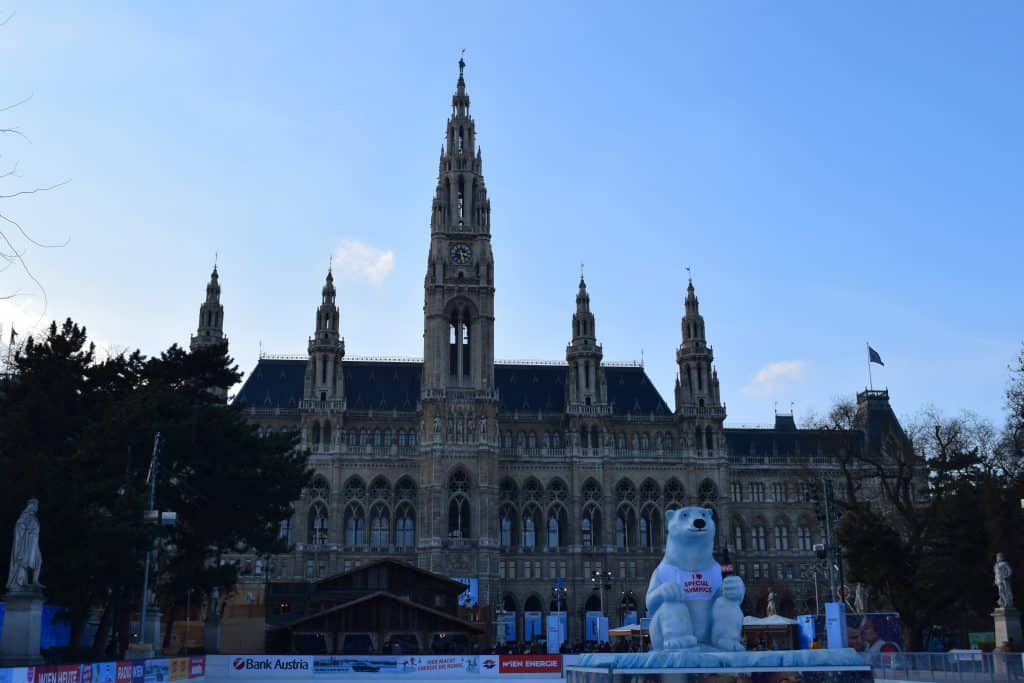
- Argus Bike Festival: A large annual event promoting cycling, typically held at Vienna’s Rathausplatz. It features bike shows, competitions, and opportunities to test various types of bicycles. The festival attracts cycling enthusiasts and families alike, showcasing the latest innovations in cycling. It often includes thrilling freestyle demonstrations and cargo bike tests.
- Vienna Bike Week: A week-long celebration of cycling in the city. It often includes guided tours, workshops, and social rides for cyclists of all abilities. The event aims to highlight the benefits of cycling and encourage more people to use bikes.







Getting Around in Vienna
Navigating Vienna, Austria’s elegant capital, is efficient and enjoyable. Its comprehensive public transport system connects historic palaces with modern districts. Whether you prefer swift U-Bahn journeys or charming tram rides, various options exist. Understanding Vienna’s transport helps you explore its iconic landmarks and grand avenues with ease.
Vienna’s public transport system is managed by Wiener Linien. It uses an integrated ticketing system for U-Bahn, trams, and buses. Various ticket types are available. These include single tickets (valid for one direction of travel), 24-hour, 48-hour, and 72-hour passes. Weekly passes (valid Monday-Sunday) are also popular. The Vienna City Card offers unlimited transport plus museum discounts. You can buy tickets from vending machines at U-Bahn stations, tobacconists (Tabak Trafik), or via the WienMobil app. Always validate your ticket before your first journey (stamping it in a blue box at station entrances or on trams/buses). Remember to always check the official sources for the most up-to-date information.
Vienna U-Bahn
The Vienna U-Bahn is the quickest way to travel longer distances. It has five main lines: U1 (red), U2 (purple), U3 (orange), U4 (green), and U6 (brown). U1 connects north to south, serving Stephansplatz. U3 crosses the city center. U4 runs along the Wien River. U-Bahn trains run frequently, typically from 5:00 AM until around midnight. Some lines offer 24-hour service on weekends. Hauptbahnhof (main station) is a major interchange.
Local Trams
Vienna’s extensive tram network, known as Straßenbahn, is iconic. It offers a charming way to explore the city above ground. Lines like the Ringstrasse trams (1 and 2) provide a scenic tour of grand imperial buildings. Trams reach many areas not covered by the U-Bahn. They operate frequently from early morning until late evening. Night buses take over after. Trams are easily identifiable by their red and white livery.
Local Buses
Vienna boasts a comprehensive bus network. These buses complement the U-Bahn and tram systems. They serve areas not directly reached by other modes. You can use the same Wiener Linien tickets. Night buses (N-Bus lines) operate extensively after midnight. This provides late-night transport. Bus stops are clearly marked with route information and schedules.
Vienna S-Bahn
The S-Bahn (Schnellbahn) is Vienna’s commuter rail system. It connects the city center to the wider metropolitan area. It also serves nearby towns and the airport. Key lines connect to Vienna International Airport (VIE). The City Airport Train (CAT) offers a non-stop, premium service to the airport. S-Bahn tickets are integrated with Wiener Linien tickets for travel within Vienna zones.
Taxis in Vienna
Official taxis are widely available in Vienna. You can find them at taxi stands or book by phone. Taxis in Vienna are metered. Ride-sharing apps like Bolt, Uber, and FreeNow also operate widely. These provide convenient alternatives to traditional taxis. They are often booked via smartphone apps.
Cycling in Vienna
Cycling in Vienna is popular and eco-friendly. The city has an expanding network of cycle lanes. Citybike Wien is the public bike-sharing scheme. Numerous docking stations are located throughout the city. Registration is required. This provides a flexible option for short trips. Cycling is excellent for exploring along the Danube Canal or through parks.
Vienna on Foot
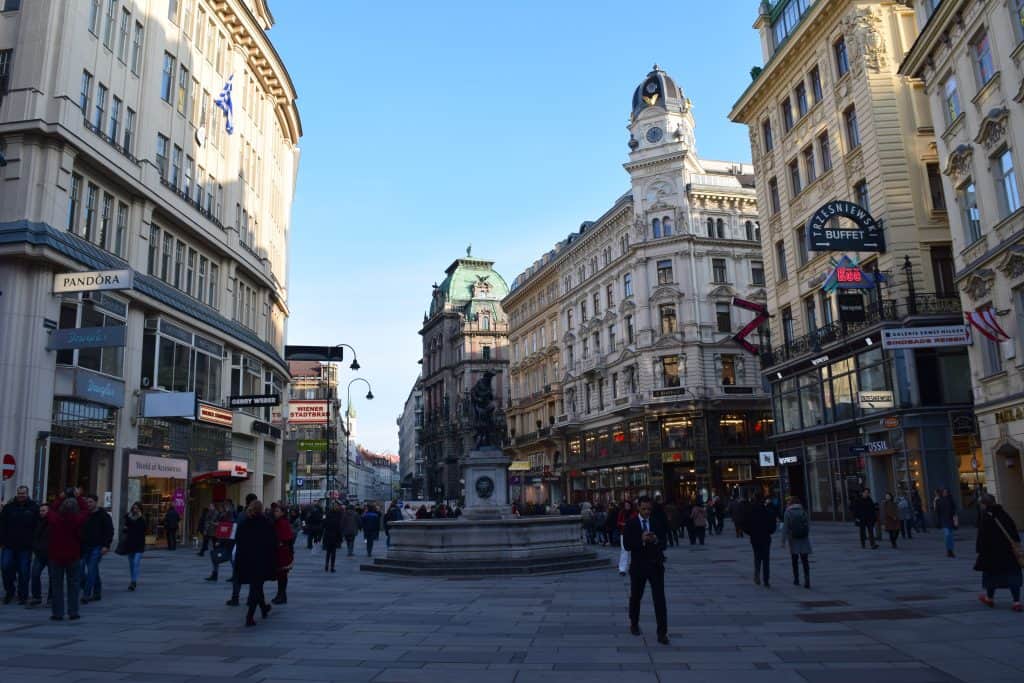
Walking is often the best way to experience Vienna’s historic core. The Innere Stadt (First District) is particularly walkable. Many famous landmarks, including St. Stephen’s Cathedral, Hofburg Palace, and the Spanish Riding School, are close. The Schönbrunn Palace gardens also invite leisurely strolls. Wear comfortable shoes. Walking allows you to discover hidden courtyards and elegant architecture.
How to Get to Vienna
Planning a trip to Vienna? This vibrant city offers a captivating blend of imperial history and modern charm. Getting there is easy, with various transportation options to suit every traveler’s needs and budget. Whether you prefer the speed of a plane, the flexibility of a car, the affordability of a bus, the comfort of a train, or a unique journey by ferry, discovering the best ways to reach the Austrian capital is key to a smooth start to your adventure.
By Plane
For speed and convenience, flying to Vienna is often the best choice, especially from further distances. Vienna International Airport (VIE) is well-connected. Numerous airlines offer direct flights. Low-cost carriers provide affordable options.
By Car
Driving to Vienna offers flexibility. Austria boasts excellent road networks. Major highways connect Vienna to surrounding countries. Be aware of varying road tolls and traffic rules. Consider a road trip through picturesque European landscapes. Parking in central Vienna can be limited and costly. Park at P+R facilities outside the city. Then use public transport.
By Bus
Bus services provide an economical way to reach Vienna. Major international bus companies like FlixBus connect Vienna to many European cities. Bus journeys are often longer than trains or flights. However, they are typically more affordable. Buses arrive at various stations, including those near the main train station.
By Train
Traveling to Vienna by train is a popular option. Austria’s ÖBB (Austrian Federal Railways) offers excellent services. High-speed Railjet trains connect Vienna to major Austrian and European cities. Vienna Hauptbahnhof (main station) is a central hub. It’s well-integrated with the city’s public transport. Night trains are available from several European destinations. Enjoy a comfortable journey while you sleep.
By Ferry
While Vienna is not a coastal city, it sits on the Danube River. You can reach Vienna by ferry, primarily from Bratislava, Slovakia. The Twin City Liner offers a fast and scenic route. This journey takes about 1.5 hours. It provides lovely views along the Danube.
Driving Distances
The driving distance from 5 major Austrian cities, according to Google Maps:
- Graz – 185 kilometers (2 h 10 min)
- Linz – 184 kilometers (1 h 50 min)
- Salzburg – 295 kilometers (3 h)
- Innsbruck – 475 kilometers (4 h 45 min)
Looking to Explore more of Austria and Europe?