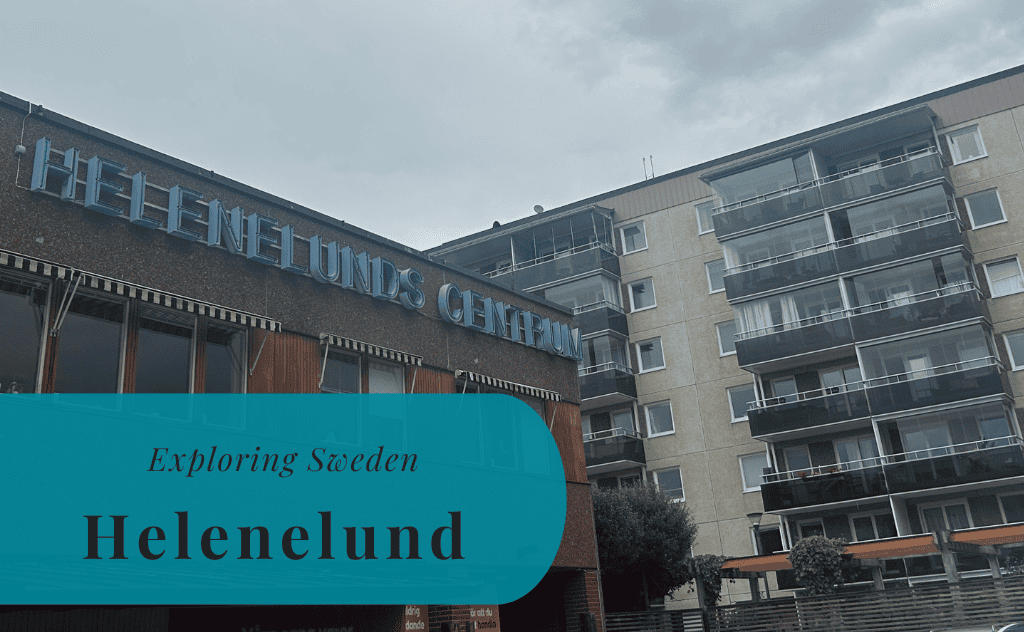
Helenelund, Uppland | Exploring Sweden
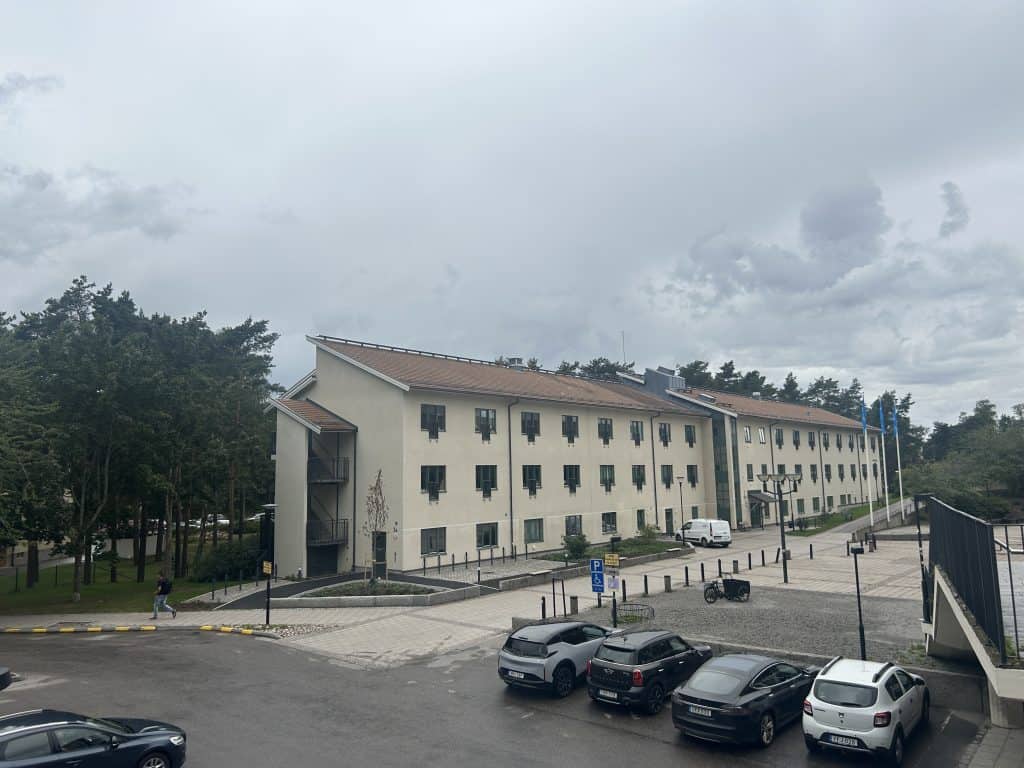
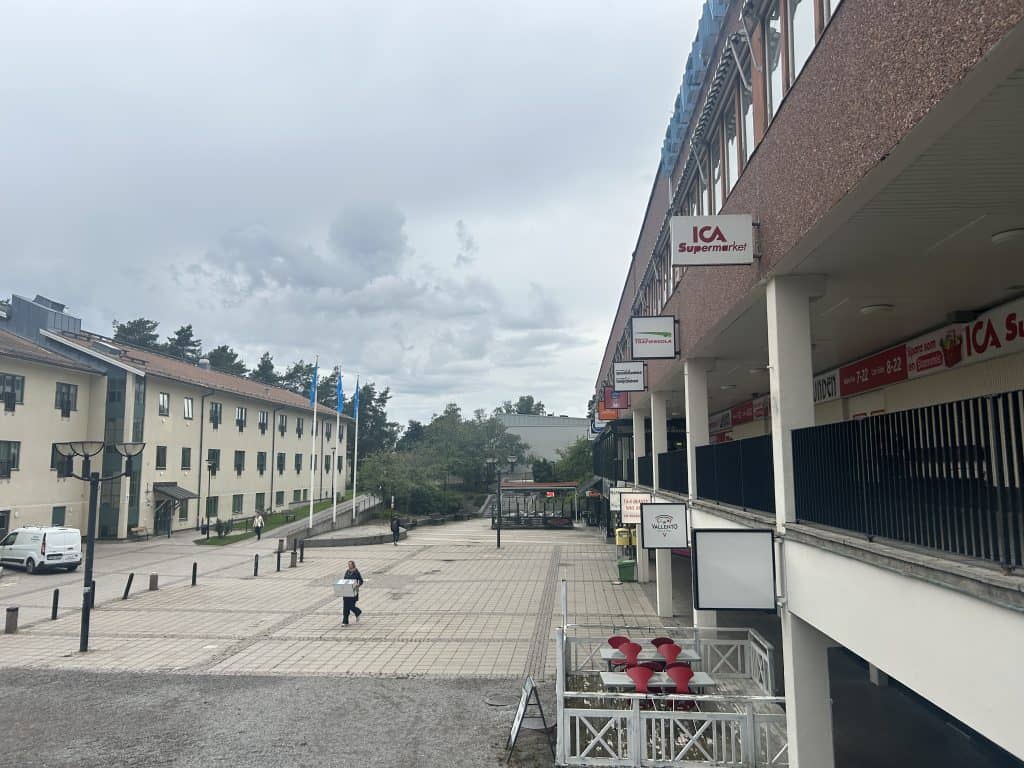
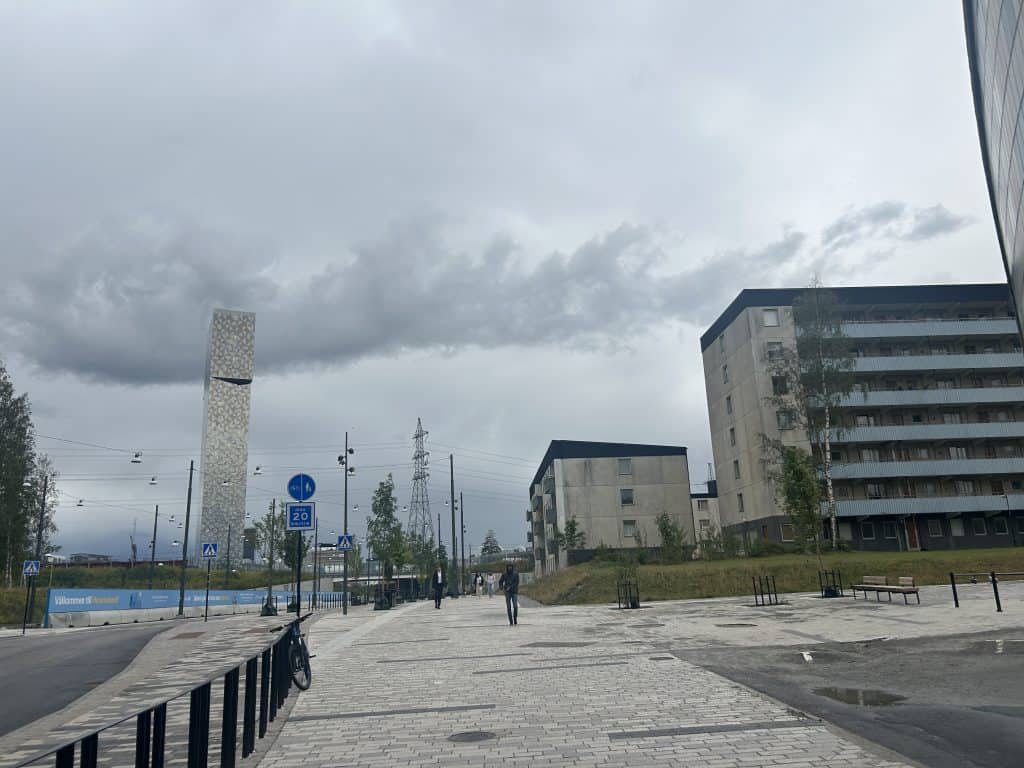
Helenelund is the southernmost district in Sollentuna Municipality, located within Stockholm County, Sweden. With a population of over 12,000 inhabitants, Helenelund is a primarily residential area, and it is known for its mix of single-family homes and multi-story apartment buildings. The district is situated approximately 12 kilometers north of the Stockholm city center. It is a key part of the northern suburban landscape of the Swedish capital, bordered by the major E4 motorway and the Edsviken waterway.
The identity of Helenelund is that of a modern and well-connected commuter suburb. The district’s history is a story of a rapid transformation from a rural area into a major residential hub in the 20th century. The development of the railway was the key catalyst for this growth. Today, Helenelund is a diverse and bustling area, with a local center, excellent public transport connections, and proximity to both the Kista tech hub and natural recreational areas, which offers a convenient and accessible suburban lifestyle.

History of Helenelund
The history of Helenelund is a story of a rural area that was transformed by the arrival of the railway and the subsequent expansion of Stockholm. For centuries, the area was mostly farmland belonging to larger estates like Kummelby and Edsberg. The modern history of the district began in the early 20th century with the establishment of a railway stop, which led to the development of a small villa community. The most significant period of growth, however, occurred in the post-war era, when the area was developed into the large, modern suburb that it is today.
From Farmland to Villa Community
For most of its history, the area of modern-day Helenelund was a rural landscape of farms and forests. The name of the district is derived from a small cottage, or “torp,” called Lenalund, which was named after Helena Gustavsdotter, the wife of an early resident, Erik Lukasson, around the year 1840. The small cottage that gave the district its name is still standing on Lenalundsvägen. A major turning point in the area’s history was the construction of the northern main railway line (Norra stambanan) in the 1860s. The first station in the area, a simple wooden building, was established in 1922, which made the area much more accessible from Stockholm and spurred the growth of a small villa community.
The Post-War Housing Boom
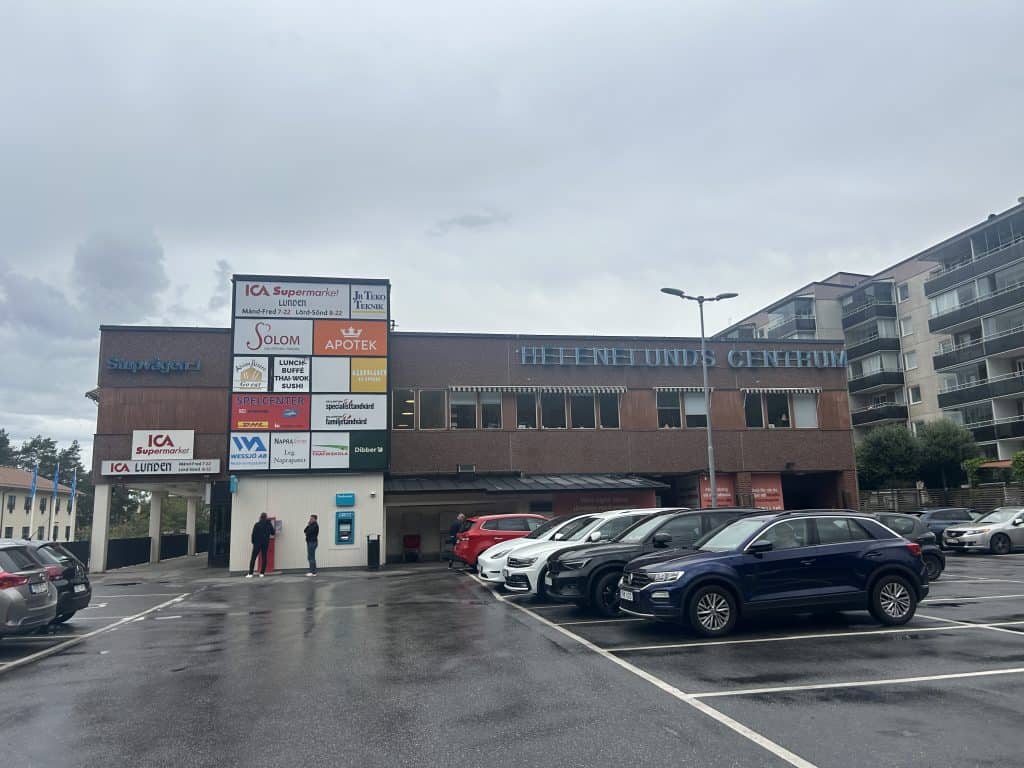
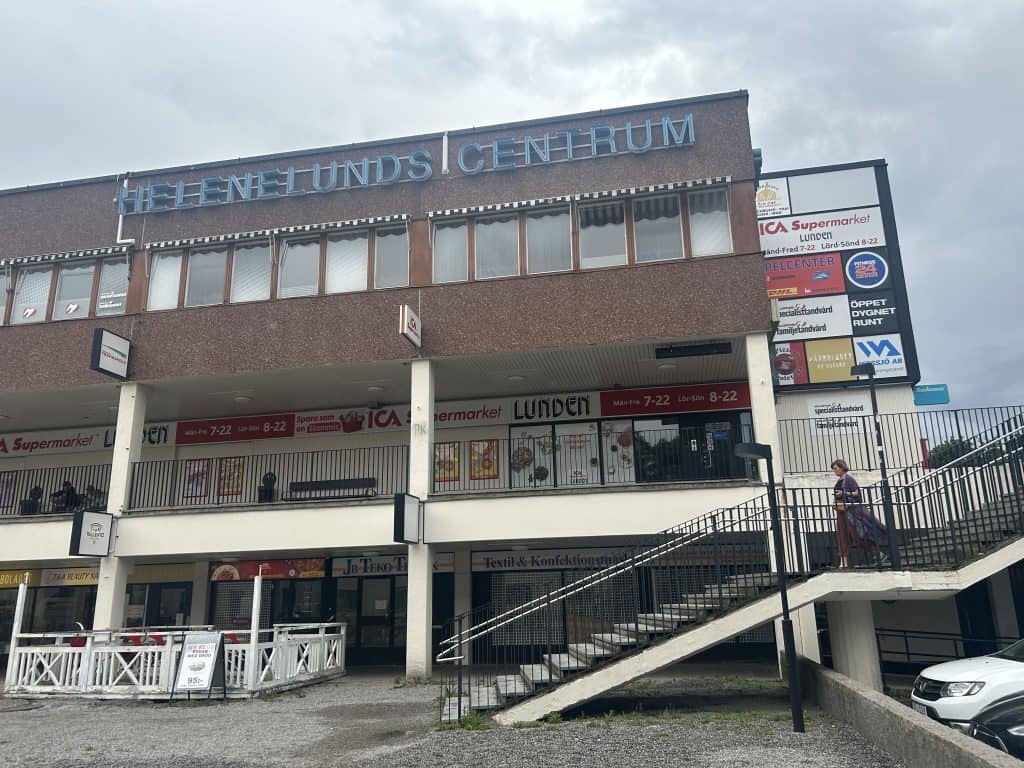
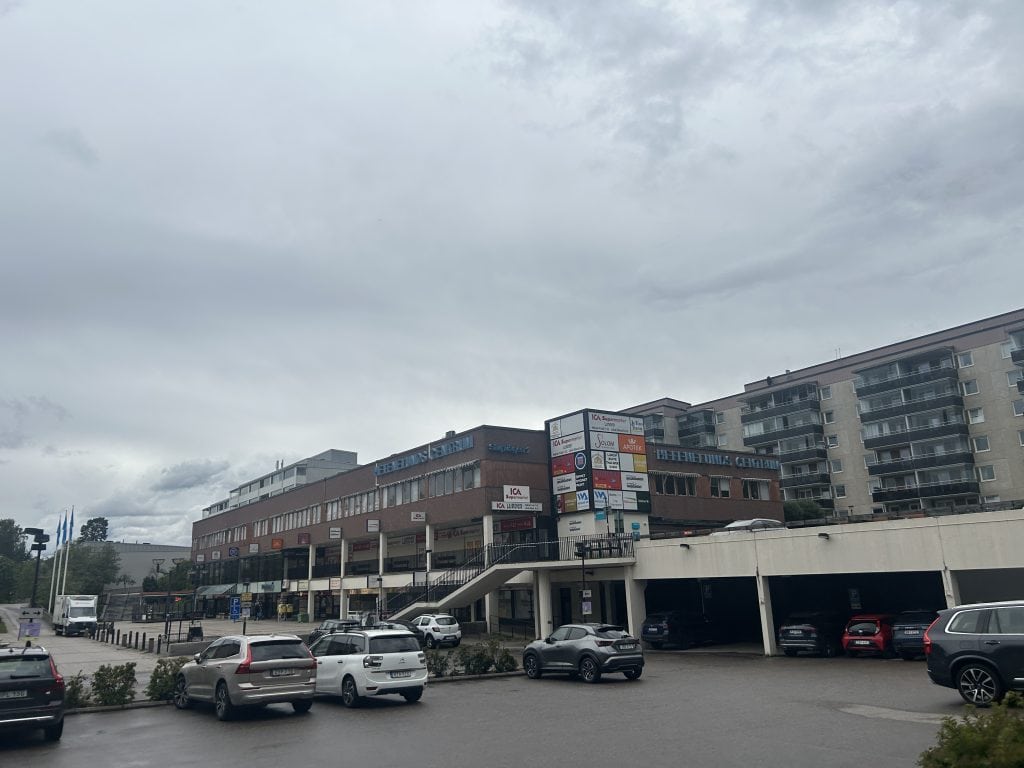
The most dramatic period of development in Helenelund took place in the mid-20th century, during the post-war era of expansion in Sweden. This was a time of major housing shortages in Stockholm, and new, large-scale suburbs were planned and built to accommodate the growing population. In the 1960s and 1970s, the farmlands of Helenelund were developed with a mix of multi-story apartment buildings, such as the Svalgången complex, and single-family homes (radhus and villor). This construction boom transformed the area from a small villa community into the large, modern suburb that it is today. The current commuter train station and the central shopping plaza, Helenelunds Centrum, were also built during this period of intense growth.
Modern Development
In the 21st century, Helenelund is undergoing another phase of significant development, and it is being transformed into a major public transport interchange. The most important project is the extension of the Tvärbanan light rail line, which will have its new terminus at Helenelund station. This project, which began in the early 2020s, will create a direct link to areas like Kista and Bromma. Alongside the new transport links, new residential and commercial buildings are being constructed around the station area, which will further densify and modernize the district’s center, solidifying its role as a key hub in the northern Stockholm region.


Sights in Helenelund
The sights in Helenelund are primarily focused on its local history and its accessible natural surroundings. The main historical landmark is the humble Lenalund Cottage, the building that gave the district its name. For a deeper look into the region’s ancient past, the nearby Kummelby Church is home to a significant Viking Age runestone. The district is also located very close to the beautiful Edsviken waterway, which is a major attraction for outdoor recreation and offers a scenic escape from the suburban environment.
Lenalund Cottage
The Lenalund Cottage is the most important historical building in the district, for this small, unassuming house is the origin of the area’s name. The cottage, or “torp,” was the home of Helena Gustavsdotter in the 1840s, and her name, Helenelund, was eventually adopted for the entire district. The small, red-painted wooden cottage still stands on Lenalundsvägen. It serves as a direct and tangible link to the area’s rural, pre-suburban past. The building is a quiet but significant reminder of the humble origins of this now bustling modern district.
Kummelby Church and Runestone
The local parish church, Kummelby kyrka, is a modern church building, but it stands in a location of great historical importance. Next to the church is the Kummelbystenen, one of the most significant Viking Age runestones in the Sollentuna area. The stone dates from the late 11th century. Its inscription commemorates two parents who raised the stone in memory of their “good son.” The runestone was discovered in 1953.
Edsviken
Helenelund is located very close to the beautiful inlet of the Baltic Sea known as Edsviken. This long, narrow bay is a major recreational area for the entire region. The waterfront is lined with parks, walking and cycling paths, and several historic palaces and villas. The beautiful Edsberg Castle and its park are located on the shore of Edsviken, just a short distance from Helenelund. It is a very popular destination for walks, picnics, and swimming in the summer, and it offers a beautiful natural escape.

How to Get to Helenelund
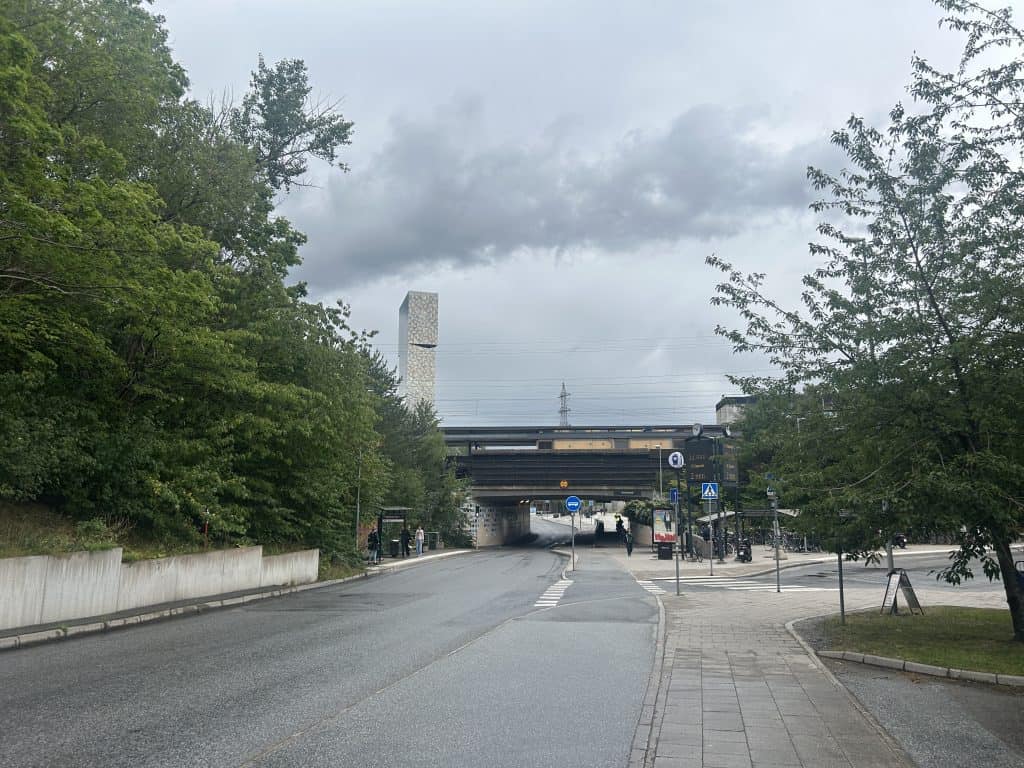
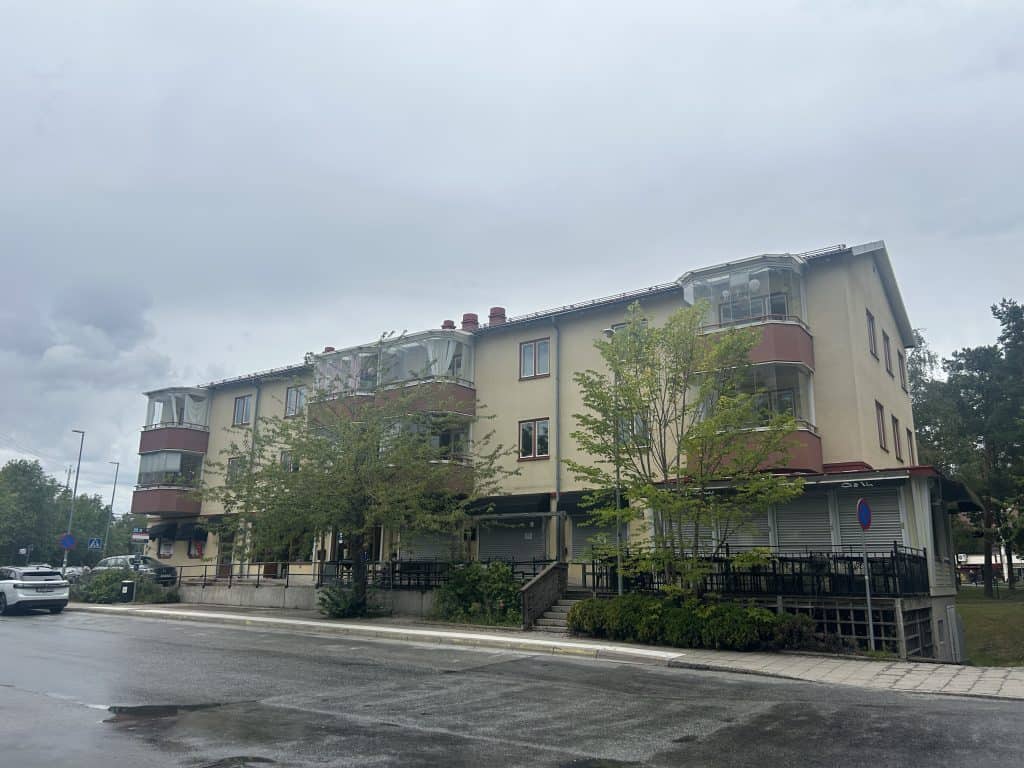
Helenelund is located in the municipality of Sollentuna, in the northern part of the Stockholm metropolitan area. The district is very well-connected, so it is easy to reach. The primary gateway for international visitors is Stockholm Arlanda Airport (ARN), which is located very close by. The district is situated directly on the main E4 motorway and on the main railway line, making it easily accessible by car, train, and bus. Navigating the local area is also straightforward, for the district is very walkable and is served by an extensive network of local buses that connect to the wider region.
Proximity to Arlanda Airport
The closest and most convenient airport is Stockholm Arlanda Airport (ARN), which is Sweden’s largest international airport. The airport is located just a 15-20 minute drive from Helenelund, making the district a very convenient location for air travelers. In addition to driving, the commuter train provides a direct and fast connection from the airport’s own station, Arlanda Central, to the Helenelund station. This journey takes only about 20 minutes. Stockholm Bromma Airport (BMA) is another, smaller airport that is also located relatively close by, and it is a short drive away from the district.
The E4 Motorway Corridor
Driving to Helenelund is very straightforward, for the district is located directly next to the main E4 motorway. This is the primary north-south highway in Sweden, and it connects Stockholm with the airport and with the city of Uppsala to the north. Helenelund has its own dedicated exit on the E4, which makes it very accessible by car. The excellent road access is a key feature of the district’s strategic location within the Stockholm region, and there is generally ample parking available in the residential areas.
Navigating with SL Buses
The regional public transport authority, SL, operates an extensive network of buses in the area. Several bus routes run through Helenelund, and these connect the district with the main center of Sollentuna, the major tech hub of Kista, and other nearby suburbs like Danderyd. These buses provide a comprehensive local transport service that complements the commuter train system. For visitors, the buses are an excellent way to travel between different areas within the northern suburbs that are not directly connected by the railway lines.
The Pendeltåg Commuter Lifeline
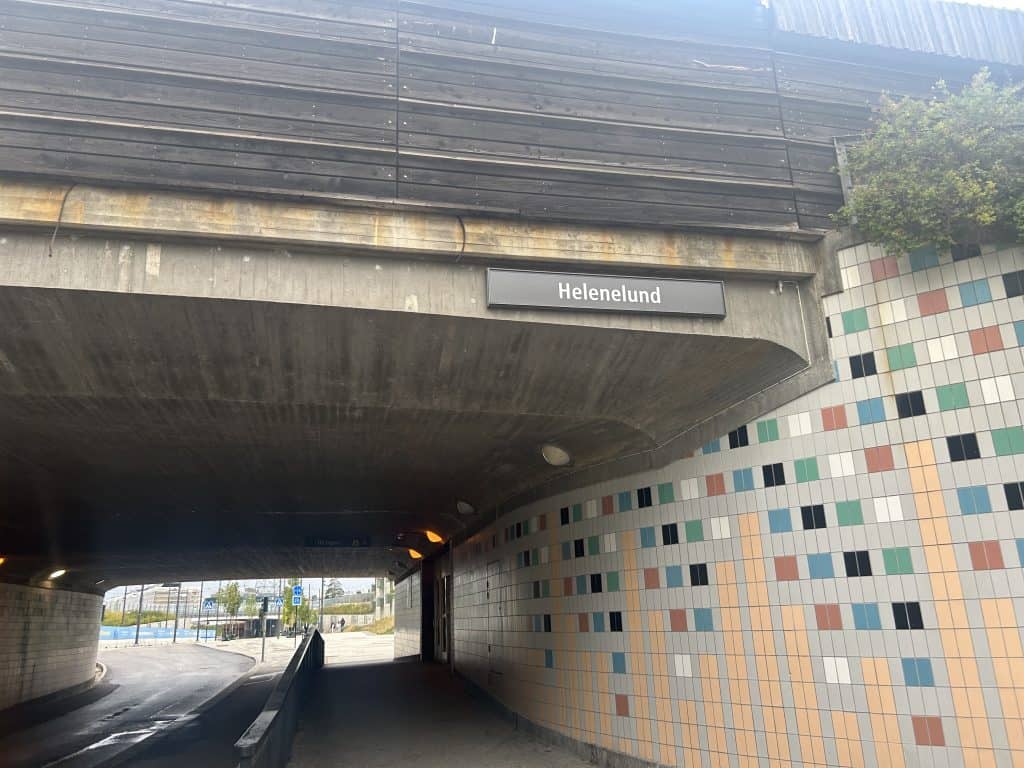
The Stockholm commuter train (Pendeltåg) is the fastest and most convenient way to travel between Helenelund and the center of Stockholm. The Helenelund station is located on the main line that runs between Uppsala and Stockholm. The trains are very frequent, with departures every few minutes during peak hours, ensuring a reliable connection. The journey to Stockholm City station takes only about 12 minutes. The commuter train also provides a direct and efficient link to Stockholm Arlanda Airport, making it a very practical choice for travelers.
Driving Distances
The driving distance from 20 regional cities, according to Google Maps:
- Stockholm, Sweden – 12 kilometers (0 h 15 min)
- Södertälje, Sweden – 45 kilometers (0 h 35 min)
- Uppsala, Sweden – 60 kilometers (0 h 40 min)
- Västerås, Sweden – 95 kilometers (1 h 00 min)
- Eskilstuna, Sweden – 105 kilometers (1 h 10 min)
- Nyköping, Sweden – 110 kilometers (1 h 10 min)
- Gävle, Sweden – 160 kilometers (1 h 40 min)
- Norrköping, Sweden – 170 kilometers (1 h 45 min)
- Örebro, Sweden – 190 kilometers (2 h 00 min)
- Linköping, Sweden – 210 kilometers (2 h 10 min)
- Karlstad, Sweden – 300 kilometers (3 h 10 min)
- Jönköping, Sweden – 330 kilometers (3 h 20 min)
- Sundsvall, Sweden – 370 kilometers (3 h 40 min)
- Kalmar, Sweden – 420 kilometers (4 h 20 min)
- Gothenburg, Sweden – 480 kilometers (4 h 40 min)
- Helsingborg, Sweden – 560 kilometers (5 h 30 min)
- Malmö, Sweden – 620 kilometers (6 h 00 min)
- Umeå, Sweden – 620 kilometers (6 h 10 min)
- Luleå, Sweden – 900 kilometers (9 h 00 min)
- Kiruna, Sweden – 1220 kilometers (12 h 30 min)
Explore More of Uppland and Sweden