
Cheetah Conservation Fund | Exploring Namibia
The Cheetah Conservation Fund (CCF) is a research and conservation center located in the Otjozondjupa Region of Namibia. It is situated approximately 45 kilometers east of the town of Otjiwarongo. The CCF is a globally recognized organization dedicated to the conservation of the cheetah in the wild. The center is located on a large private reserve that encompasses the varied landscape of the Namibian bushveld. It functions as a research facility, a community outreach and education center, and a major ecotourism destination.
The character of the Cheetah Conservation Fund is that of a working conservation organization that is open to the public. It provides visitors with a direct look into the challenges facing the world’s wild cheetah population and the scientific efforts being made to save it. The center is not a zoo, but a sanctuary for a small number of resident cheetahs that cannot be released back into the wild. The visitor experience is focused on education and understanding the cheetah’s role in its ecosystem. The CCF’s work has made the area around Otjiwarongo known as the “Cheetah Capital of the World.”




A Short History of Cheetah Conservation Fund
The history of the Cheetah Conservation Fund is the story of a dedicated scientific effort to address the decline of the wild cheetah population. The organization was founded to find practical solutions to the conflict between cheetahs and livestock farmers in Namibia. Its mission has always been holistic, combining scientific research, community engagement, and habitat restoration. The success of its programs has made it a model for carnivore conservation around the world. The CCF’s work has been instrumental in stabilizing and protecting Namibia’s large cheetah population.
Foundation by Dr. Laurie Marker
The Cheetah Conservation Fund was founded in 1990 by the American conservationist and researcher Dr. Laurie Marker. She established the center in Namibia because the country is home to the world’s largest population of wild cheetahs. At the time, cheetahs were often perceived as a major threat to livestock. This led to significant human-wildlife conflict, with many cheetahs being killed by farmers. Dr. Marker’s goal was to understand the cheetah’s biology and ecology and to develop non-lethal methods to mitigate this conflict.
A Holistic Conservation Model
From its beginning, the CCF developed a multi-faceted approach to conservation. A key part of its mission has been scientific research into cheetah genetics, behavior, and health. The organization also places a strong emphasis on education, both for the local community and for international visitors. A central and highly successful initiative has been the Livestock Guarding Dog program. This program breeds and trains Anatolian Shepherd and Kangal dogs, which are placed with local farmers. The dogs’ presence effectively deters predators like cheetahs, reducing livestock losses and eliminating the need for farmers to kill the cats. This program has become a key part of the CCF’s success.
Things to Do and See
A visit to the Cheetah Conservation Fund offers a range of educational activities that provide insight into the organization’s work. The visitor experience is centered around the main facility, which includes a museum and a cafe, as well as scheduled activities that allow for observation of the resident animals. These activities are designed to be educational and to support the conservation mission of the fund.
The Cheetah Centre and Museum
The main facility includes a visitor center, a small museum, and a cafe. The Cheetah Museum provides detailed information about the biology, genetics, and ecology of the cheetah. The exhibitions explain the threats facing the species, such as habitat loss and human-wildlife conflict. The displays also showcase the various conservation programs run by the CCF. The visitor center is the main hub for booking activities and learning about the organization’s work.
The Resident Cheetahs
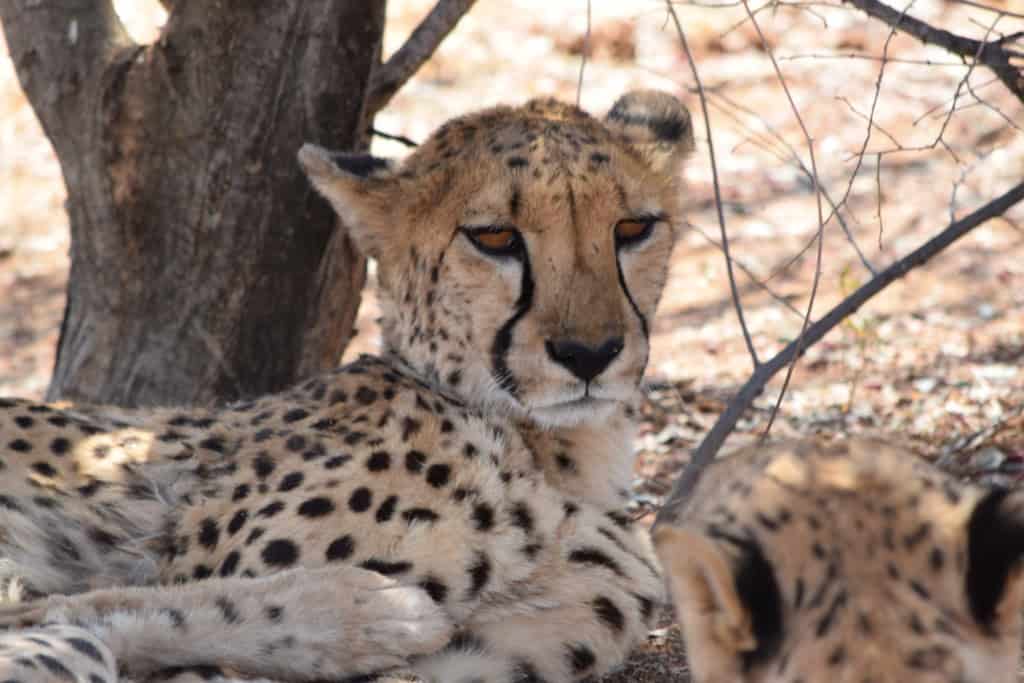
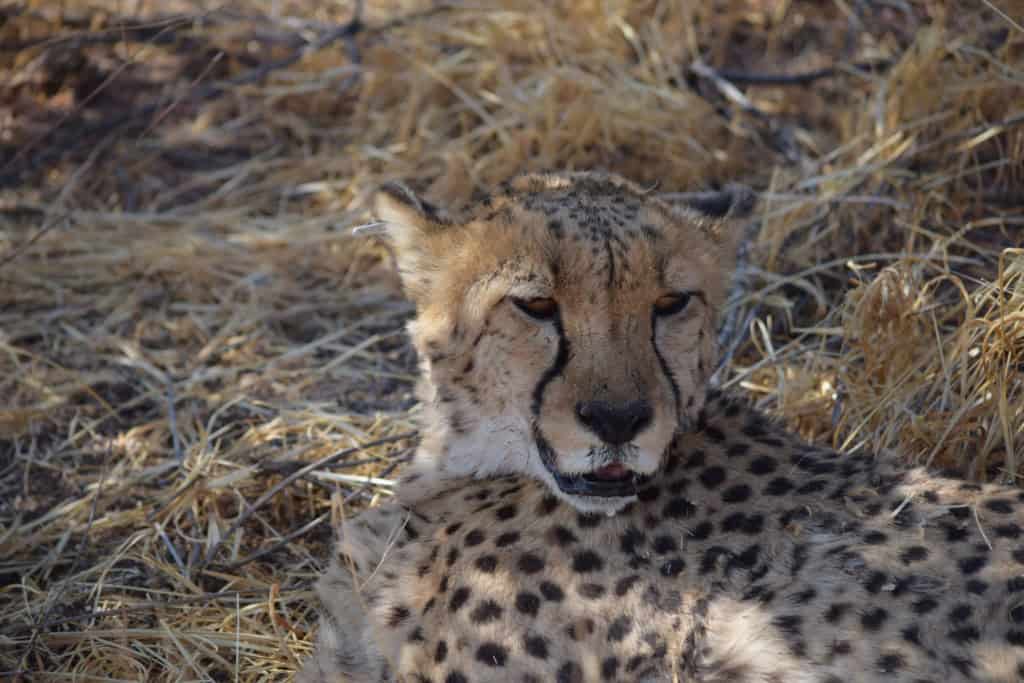
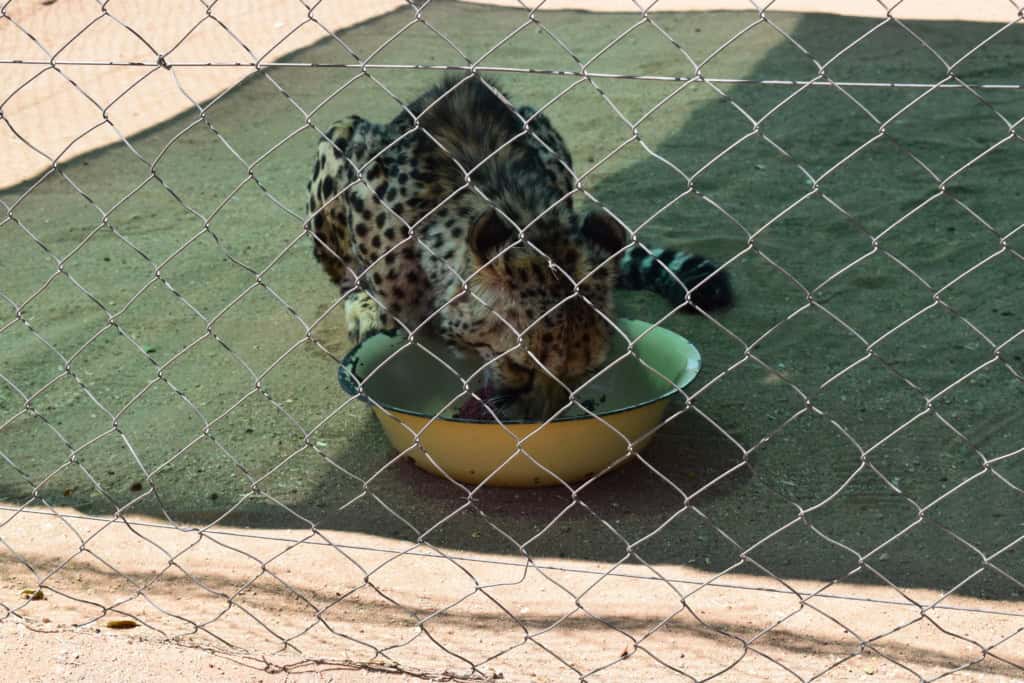
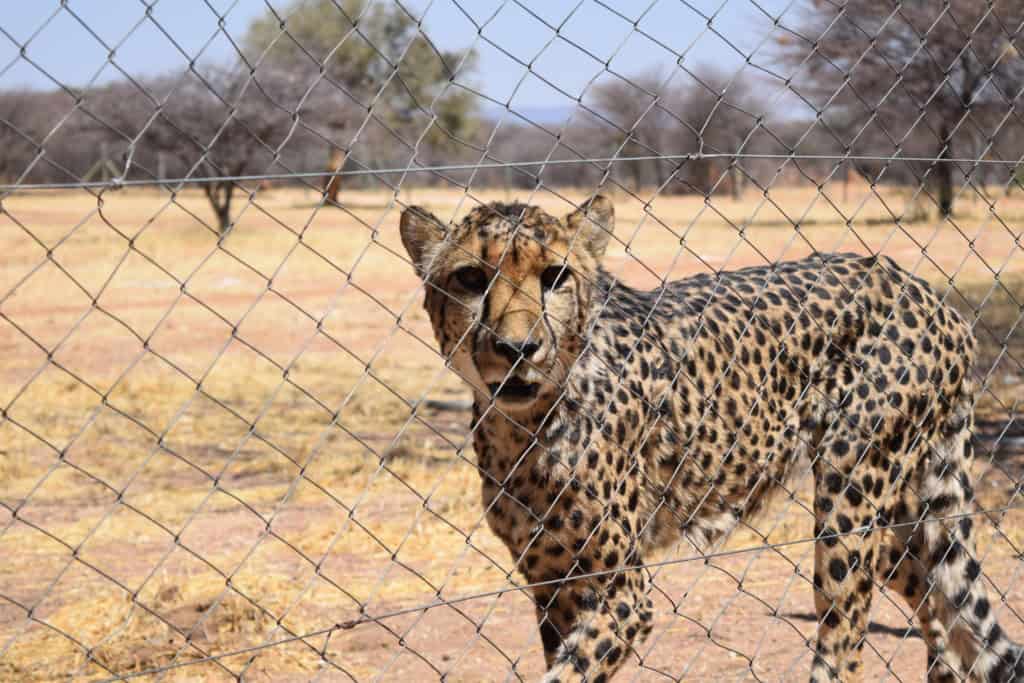
The CCF is home to a small number of resident cheetahs. These are animals that were orphaned or injured and cannot be released back into the wild. They live in large, natural enclosures on the property. These cheetahs serve as ambassadors for their species, allowing visitors to see the animals up close. The center makes it clear that these are not pets and that the goal is always to keep wild cheetahs in the wild. The resident animals are a key part of the educational experience.
Scheduled Cheetah Activities
The CCF offers several scheduled activities for visitors. The most popular is the “Cheetah Run,” which provides an opportunity to see the cheetahs run at high speed in a large, fenced enclosure. This activity serves as exercise and enrichment for the resident cheetahs. Another key activity is the cheetah feeding, where visitors can watch the keepers feed the resident animals while learning about their diet and behavior. These activities must be booked in advance.
Game Drives
In addition to the cheetah-focused activities, the CCF also offers game drives on its large private reserve. These drives, which are conducted in safari-style vehicles with a guide, provide an opportunity to see the other wildlife that lives in the Namibian bushveld. This includes a variety of antelope species, such as kudu and oryx, as well as giraffes, warthogs, and numerous bird species. The game drives showcase the wider ecosystem that the CCF is working to protect.
Livestock Guarding Dog Program
Visitors can also learn about the successful Livestock Guarding Dog program. The CCF has kennels on site where they breed and raise Anatolian Shepherd and Kangal dogs. These dogs are then placed with local farmers to protect their livestock from predators. Visitors can see the dogs and learn about how this program provides a non-lethal solution to human-wildlife conflict. It is a key part of the CCF’s holistic approach to conservation.


How to Get to Cheetah Conservation Fund
Reaching the Cheetah Conservation Fund requires travel to a rural part of central Namibia, near the town of Otjiwarongo. The center is located on a private reserve and is accessible by road. A private vehicle is the most practical way to visit.
The Open Road: Driving to the CCF
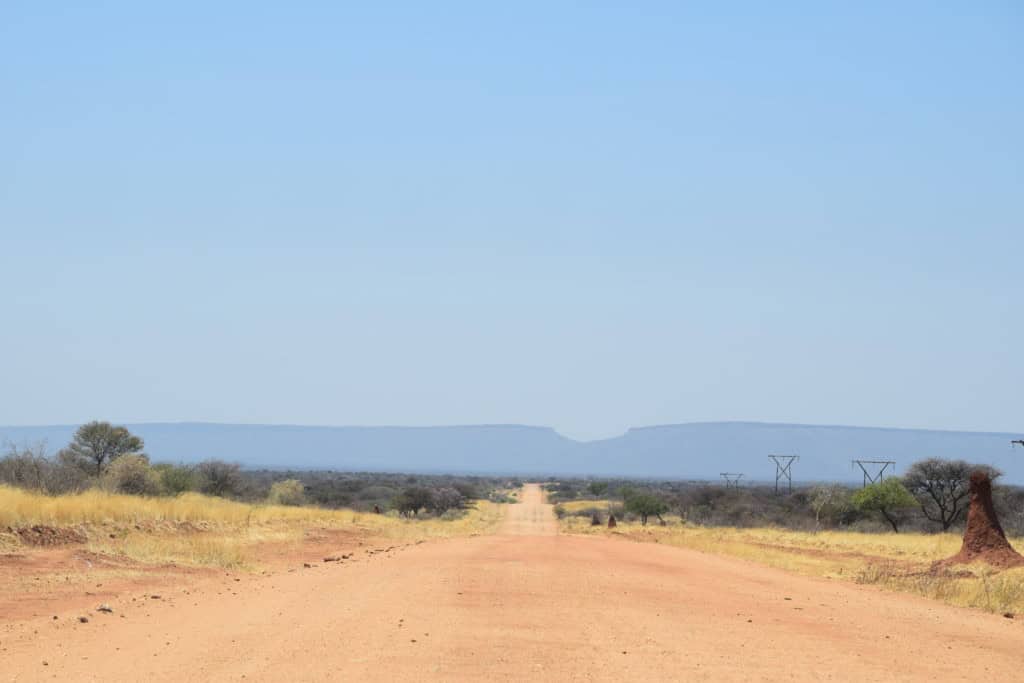
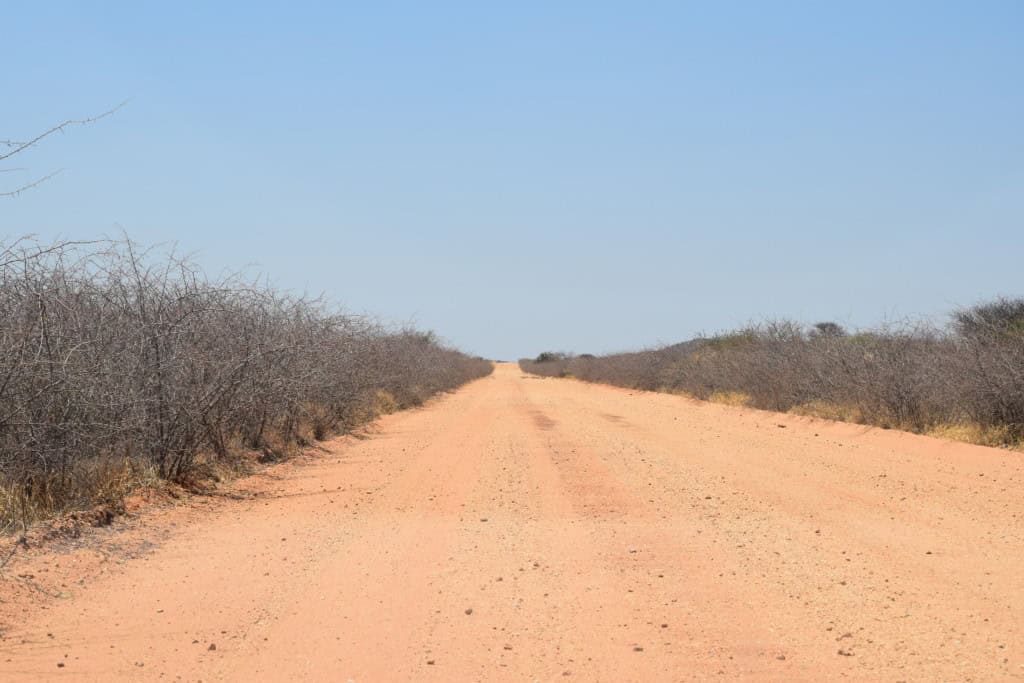
Driving is the most common and flexible way to reach the Cheetah Conservation Fund. The center is located about 45 kilometers east of the town of Otjiwarongo. The route involves driving on the main paved B1 road and then turning onto a well-maintained gravel road, the D2440. The drive from Otjiwarongo takes approximately 45 minutes. A 4×4 vehicle is not necessary for the gravel road under normal conditions.
Arriving by Air
The primary international gateway to Namibia is Hosea Kutako International Airport (WDH), located near the capital, Windhoek. From the airport, travelers would typically rent a car to drive to the CCF. The drive from Windhoek is approximately 300 kilometers and takes about 3.5 to 4 hours. The town of Otjiwarongo also has its own local airstrip for small charter flights, which can be arranged with private aviation companies.
Connecting by Coach
There are no direct public bus or shuttle services to the Cheetah Conservation Fund itself. Long-distance bus services in Namibia, such as Intercape, make stops in the nearby town of Otjiwarongo. These services connect Windhoek with the northern parts of the country. From Otjiwarongo, visitors would need to arrange for a private taxi or a pre-booked transfer with a local tour operator to reach the CCF.
On Track: A Journey by Rail
While Namibia has a passenger rail network operated by TransNamib, it is not a practical way to reach the Cheetah Conservation Fund. The train line does stop in Otjiwarongo. However, the passenger service is generally slow and infrequent compared to traveling by road. From the Otjiwarongo train station, a private transfer would still be required to reach the CCF.
Driving Distances
The driving distance from 10 regional cities, according to Google Maps:
- Otjiwarongo, Namibia – 44 kilometers (0 h 50 min)
- Windhoek, Namibia – 295 kilometers (3 h 20 min)
- Tsumeb, Namibia – 305 kilometers (3 h 10 min)
- Swakopmund, Namibia – 425 kilometers (4 h 40 min)
- Walvis Bay, Namibia – 455 kilometers (5 h 00 min)
- Maun, Botswana – 603 kilometers (7 h 30 min)
- Keetmanshoop, Namibia – 787 kilometers (7 h 50 min)
- Gaborone, Botswana – 1,179 kilometers (13 h 20 min)
- Lusaka, Zambia – 1,180 kilometers (16 h 00 min)
- Cape Town, South Africa – 1,775 kilometers (18 h 00 min)
Looking to Explore more of Namibia and Africa?