Bielefeld, North Rhine-Westphalia | Exploring Germany
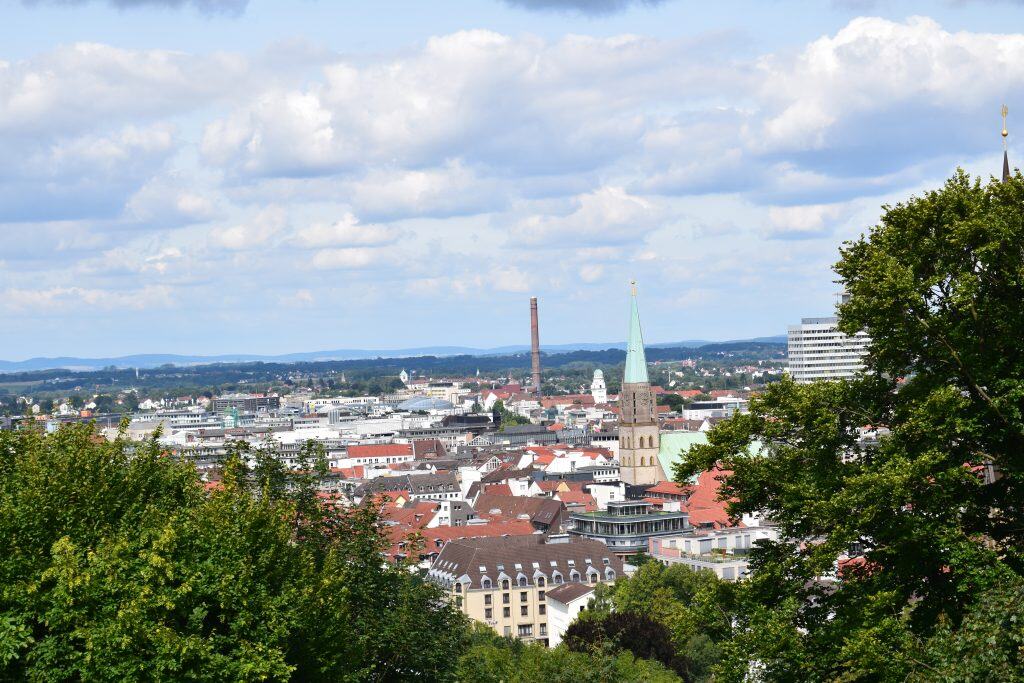
Bielefeld is a city in the East Westphalia-Lippe region of Germany, located in the state of North Rhine-Westphalia. The city sits on the northern edge of the Teutoburg Forest, a significant low mountain range. With a population of approximately 338,000 residents, Bielefeld is a key economic and cultural center in its region. It maintains strong links to nearby cities, including Paderborn, Osnabrück, and Münster, forming a key regional hub.
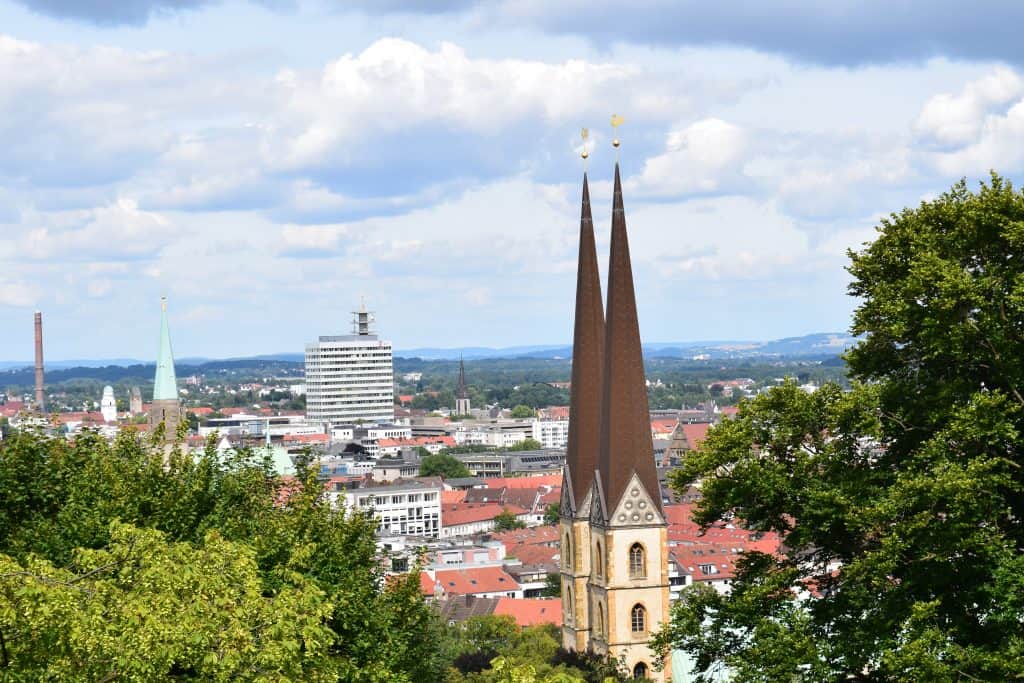
The city’s character is defined by its history as a center for the linen industry and its modern identity as a university city. Its urban area is surrounded by green spaces, including large parks and the forests of the Teutoburg range. The city’s architecture is a mix of post-war buildings in its center and preserved historic structures in some quarters. Key districts include the central Bielefeld-Mitte and the large district of Brackwede.


A Short History of Bielefeld
The history of Bielefeld tracks its development from a medieval town securing trade routes to a major center of the Industrial Revolution in Germany. Its story is marked by industrial prosperity, wartime destruction, and post-war reconstruction and expansion.
Foundation and a Linen Trading Hub
The first documented mention of Bielefeld dates to the early 11th century, with the Old Town likely being founded and chartered in 1214 by Count Hermann of Ravensberg. During the first half of the 13th century, Sparrenburg Castle was built on a nearby hill to serve as the center of power for the County of Ravensberg and to secure trade routes through the Bielefeld Pass. From the 16th century onwards, Bielefeld became renowned for its linen industry, developing into an important center for spinning, weaving, and bleaching.
Industrialization and War
Bielefeld’s role in the linen industry was cemented during the Industrial Revolution, especially after the first mechanized mills in Germany were established in the city in 1851. This led to significant growth in the 19th and early 20th centuries as the city became a major industrial center. This period of prosperity was followed by hardship during World War II. The city sustained heavy damage from air raids in 1944, which destroyed much of its historic buildings, including large parts of the Old Town.
Post-War Reconstruction and Expansion
Following the war, the city was rebuilt with a focus on modern infrastructure and architecture. A major administrative reform took place in 1973, when several neighboring cities and municipalities were annexed into Bielefeld. This act nearly doubled the city’s population and significantly increased its geographical area. The expansion established the boundaries of the modern city of Bielefeld as it exists today.


Things to Do and See
Bielefeld offers a range of attractions that showcase its blend of history, culture, and nature. Visitors can explore the city’s main landmark, Sparrenburg Castle, and its modern art scene at the Kunsthalle. The Old Town and its market square provide a look at the city’s historic core, while botanical gardens and an animal park are located in the green spaces on the edge of the Teutoburg Forest.
Sparrenburg Castle
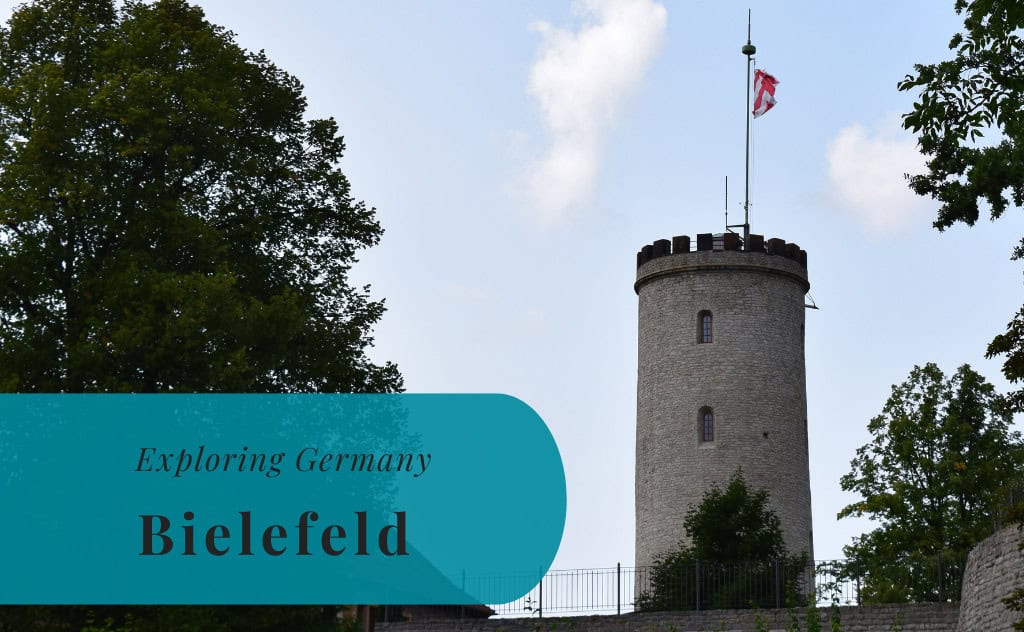
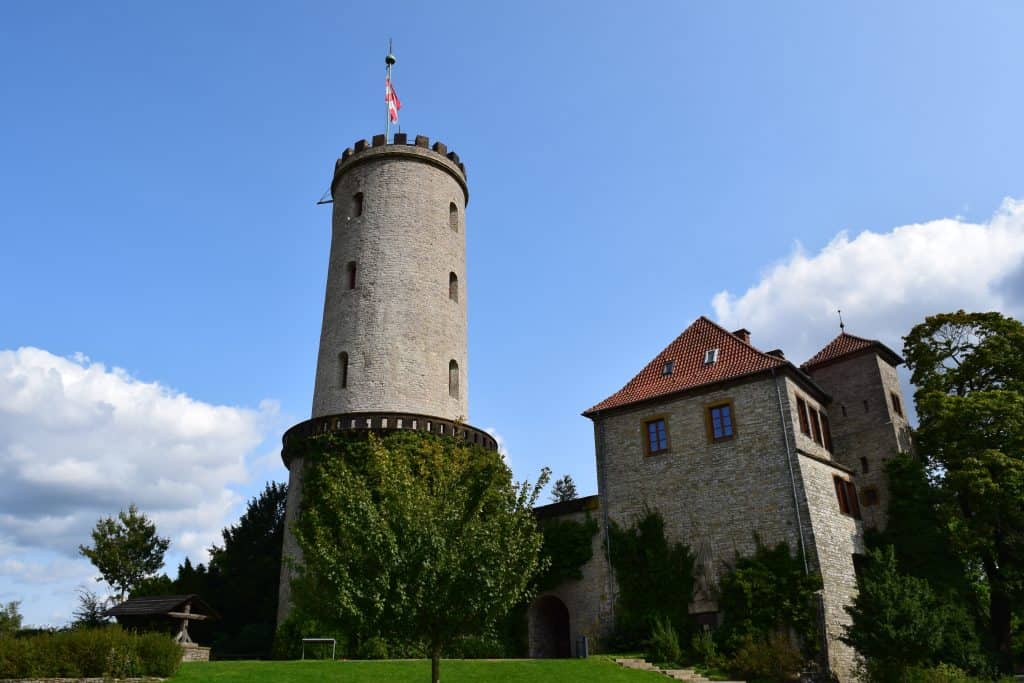
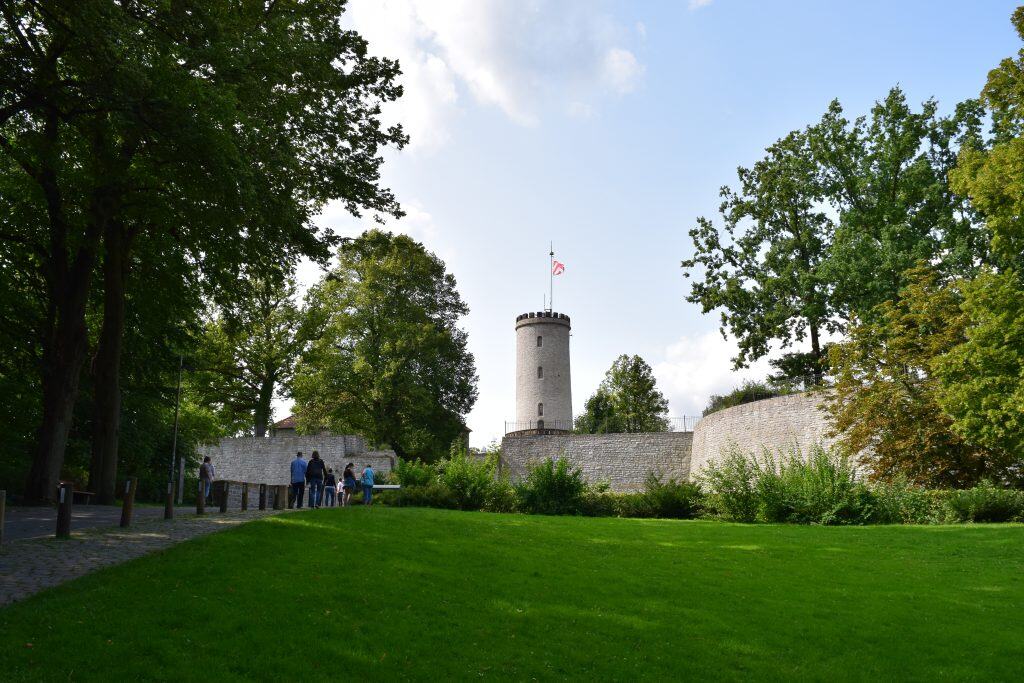
Sparrenburg Castle (Sparrenburg) is Bielefeld’s primary landmark. This fortress, with origins dating back to the 13th century, sits atop the 180-meter-high Sparrenberg hill as the former residence of the Counts of Ravensberg. Visitors can explore its well-preserved casemates, which form a 285-meter-long corridor system. The 37-meter-high tower offers panoramic views of Bielefeld and the surrounding Teutoburg Forest. Guided tours of the underground tunnels are available from April to October.
Kunsthalle Bielefeld
The Kunsthalle Bielefeld is a museum of modern and contemporary art. It was designed by the American architect Philip Johnson and opened in 1968, making it his only museum building in Europe. The cubic building features a facade of red sandstone. Its collection focuses on Expressionism, international sculpture, and contemporary art from the 20th and 21st centuries, with works by artists like Pablo Picasso and Max Beckmann. The museum is also set within a sculpture garden.
Altstadt and Alter Markt
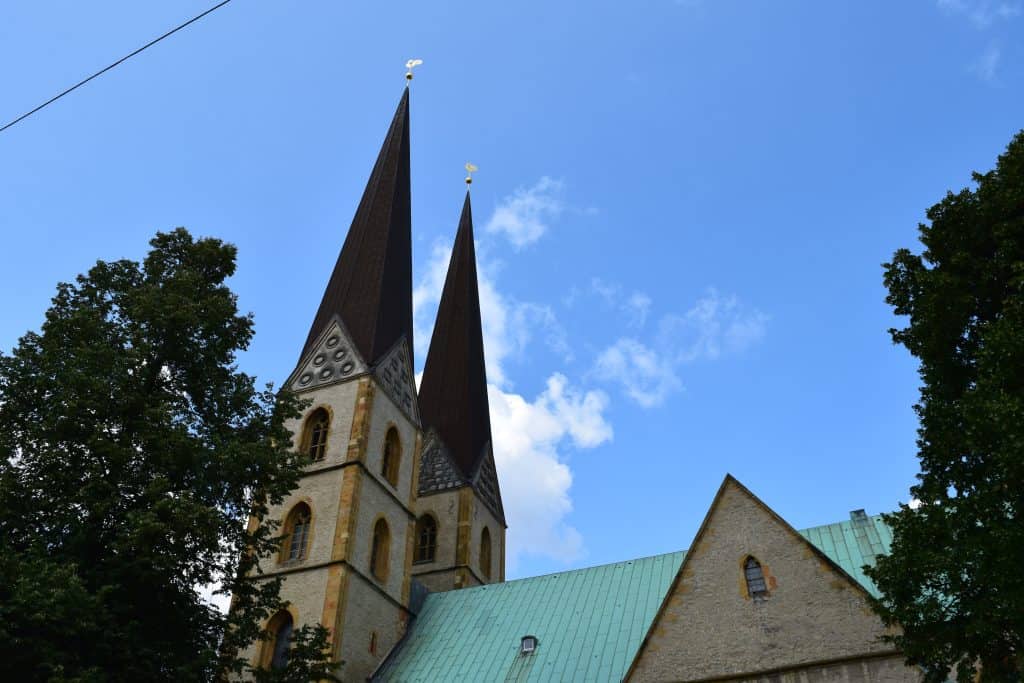
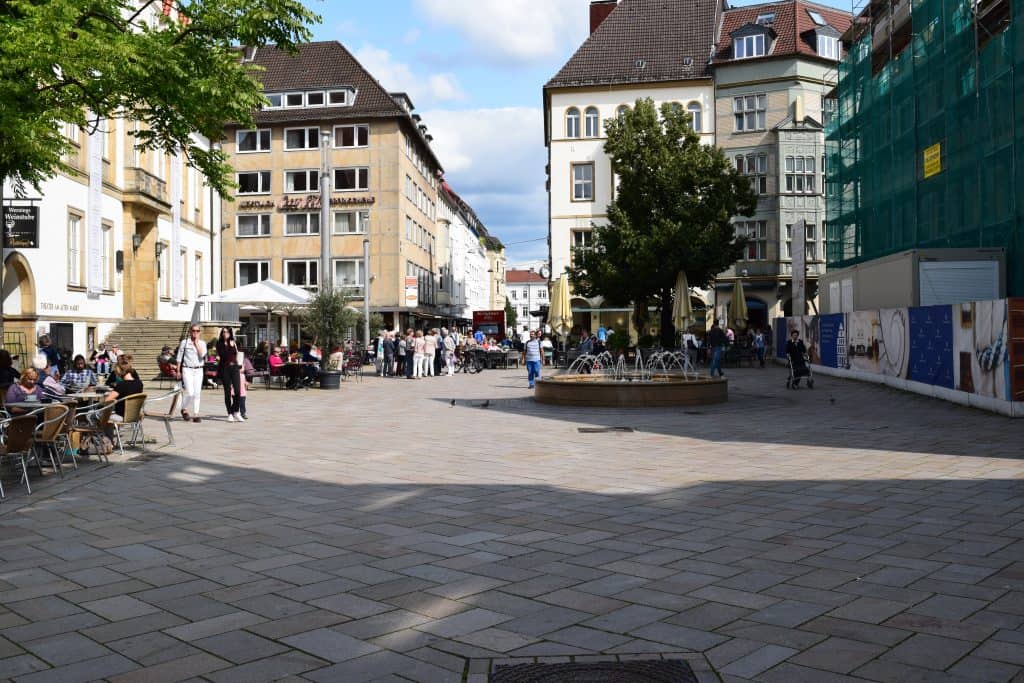
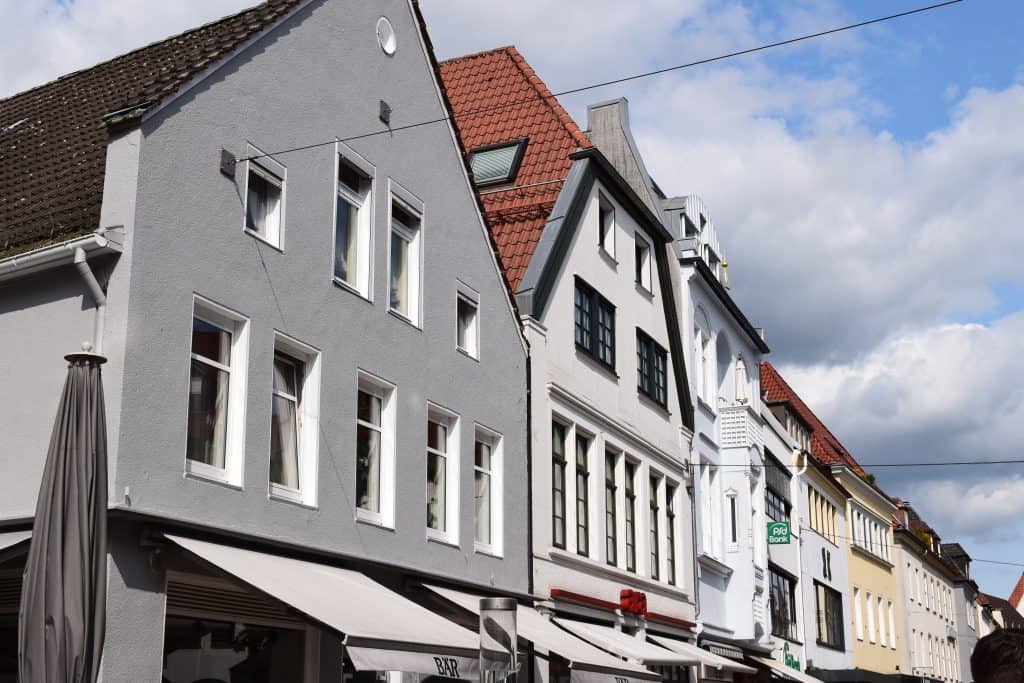
Bielefeld’s Old Town (Altstadt) contains a number of preserved historic facades. At its heart is the Old Market Square (Alter Markt), which is surrounded by patrician houses from different centuries. Notable buildings include the Crüwell House, dating to 1530, which has a late Gothic stepped gable. The Altstädter Nicolaikirche (Old Town Church of St. Nicholas) from 1340 houses a valuable carved altar from Antwerp. The Old Town Hall, opened in 1904, blends Gothic and Renaissance styles.
Botanischer Garten Bielefeld
The Botanical Garden (Botanischer Garten Bielefeld) is a municipal botanical garden located on the southeast edge of the Teutoburg Forest. Established in 1912, the garden spans 4 hectares. It features diverse plant collections, with key sections including a significant rhododendron and azalea collection. The garden also contains an alpine garden with around 500 species and a medicinal and herb garden. Admission is free.
Tierpark Olderdissen
The Tierpark Olderdissen is an animal park located near the Teutoburg Forest. Founded in 1930 as a deer park, it now spans 15 hectares and houses around 450 animals representing approximately 100 different species. The park focuses on native European wildlife, including bears, wolves, lynx, and wild boar. It is open all year round, and admission is free. The bear enclosure is a particular highlight for visitors.
Sports in Bielefeld
Bielefeld has an active sports culture, shaped both by its professional clubs and the abundant opportunities for outdoor recreation in the Teutoburg Forest. The city’s sporting landscape is a key part of its community life, with events and teams that draw dedicated local support. This environment fosters both recreational enjoyment and competitive pursuits.
Football
Football holds a significant place in Bielefeld’s community and is the most followed sport. The city’s primary football club has a long history and commands immense local loyalty. Matches are important social events that unite generations of fans. The club’s supporters are known for their dedication, regardless of which league the team is competing in.
DSC Arminia Bielefeld
Founded in 1905, DSC Arminia Bielefeld is the city’s most prominent football club. They play their home matches at the SchücoArena, popularly known as the “Bielefelder Alm,” which has a capacity of over 27,000 spectators. Arminia Bielefeld has a long history, which includes competing in the Bundesliga for 19 seasons. The club currently plays in the 3. Liga, the third tier of German football. The club’s name derives from Arminius, the Cheruscan chieftain famous for the Battle of the Teutoburg Forest.
Handball
Handball is another popular sport in the East Westphalia region, and Bielefeld is home to a club with a long tradition that competes at a high level in the German league system. The sport has a dedicated local following, with home games that are well-attended and showcase the fast-paced nature of the sport.
TSG Altenhagen-Heepen
The city’s main handball club is TSG Altenhagen-Heepen. The club currently competes in the 3. Liga, the third tier of German handball, although it has a history of competing at higher levels in the past. The team plays its home games at the Sporthalle Heepen. The club is a key institution for the sport in the city and maintains a strong youth development program.
Ice Hockey
Ice hockey also has a presence in Bielefeld, offering fast-paced action and fostering local sporting interest. The community supports its local ice hockey team, which competes in the regional league structure. The city’s ice rink serves as a hub for various ice sports for both participants and spectators.
BG Bielefeld-Brackwede
The local ice hockey team in Bielefeld is BG Bielefeld-Brackwede. The club participates in the regional leagues in Germany, providing competitive play for local athletes. The team plays its home games at the Oetker-Eisbahn (Oetker Ice Rink). This venue is a key local facility for ice sports in Bielefeld and also hosts public skating sessions.
Basketball
Basketball contributes to Bielefeld’s diverse sports scene. The sport is growing in popularity in the city, with local clubs fostering participation at various levels. From youth development to amateur leagues, basketball provides an important indoor sport option for the community. The focus is on grassroots development and local competition.
AFC Bielefeld Bulldogs
While primarily known for American Football, the AFC Bielefeld Bulldogs also has an active basketball section. This section provides a platform for local amateur basketball players. Their men’s team competes in the Bezirksliga, a regional league, which demonstrates local competitive spirit. The club is dedicated to developing both men’s and women’s basketball teams, expanding opportunities for different age groups in the city. Training sessions are held at various local sports halls.
Running
Running is a popular recreational activity in Bielefeld, partly due to the city’s proximity to the extensive trail network of the Teutoburg Forest. The city hosts a famous annual running event that is one of the largest and most well-known “cross-country” races in Germany. This event attracts thousands of participants each year from across the country and beyond.
Hermannslauf
The Hermannslauf is a historic annual run that takes place every April. The race covers a distance of 31.1 kilometers along the crest of the Teutoburg Forest. Its route begins at the Hermannsdenkmal (Hermann Monument) near Detmold and finishes at Sparrenburg Castle in Bielefeld. The race is a mix of trail and road running and is a major event in the German running calendar, attracting over 7,000 participants.


Getting Around in Bielefeld
Navigating Bielefeld is efficient due to its well-organized public transport system, which connects the city center with all its districts. The central areas are also walkable, making it easy for visitors to explore the main sights.
On Foot: The Old Town
Walking is the best way to explore Bielefeld’s historic Altstadt. The area around the Alter Markt (Old Market Square) is a pedestrian-friendly zone, where key sights like the Old Town Hall and the Nicolaikirche are within a short distance of each other. This allows visitors to see the historic architecture and visit local shops and cafes at their own pace.
Riding the Stadtbahn: Light Rail and Buses
Bielefeld’s public transport is operated by moBiel. The backbone of the system is the Stadtbahn, a light rail network with four lines that run both underground in the city center and on the surface in the outer districts. This is supplemented by a comprehensive bus network that covers all parts of the city. A single ticketing system is used for both. Remember to validate your ticket upon boarding.
A Quick Ride: Taxis
Official taxis are widely available throughout Bielefeld. They can be found at designated taxi stands, particularly at the main train station and in the city center. Taxis can also be booked by phone from several local companies. All licensed taxis use a meter to calculate the fare. Ride-sharing apps are less common here than in larger German metropolises.
How to Get to Bielefeld
Bielefeld is well-connected within Germany’s transport network. The city is located on major motorway and railway lines, making it accessible from all parts of the country and from neighboring European states.
Arriving by Air: Regional Airports
While Bielefeld does not have its own passenger airport, the closest is Paderborn Lippstadt Airport (PAD), located approximately 60 kilometers away. Other nearby international airports include Münster Osnabrück (FMO), Dortmund (DTM), and Hannover (HAJ), all within about a 1.5-hour drive. For major intercontinental connections, the airports in Düsseldorf (DUS) and Frankfurt (FRA) are the primary hubs. From all these airports, there are frequent train connections to Bielefeld.
The Open Road: Driving on the Autobahn
Driving to Bielefeld is straightforward, as the city lies at a key junction of the German motorway (Autobahn) network. The A2 motorway, a major east-west route, connects Bielefeld directly to Berlin and the Ruhr Area. The A33 motorway provides a north-south link, connecting the city to Osnabrück and Paderborn. The city is well-signposted from all major routes.
Connecting by Coach: A National Hub
Long-distance bus services provide an economical way to reach Bielefeld. The main bus station is located near the city’s Hauptbahnhof (central train station). Companies like FlixBus operate frequent routes that connect Bielefeld with major cities across Germany and Europe. Direct connections are available from Berlin, Hamburg, Cologne, and Frankfurt, among others.
On Track: A Mainline Rail Station
Traveling to Bielefeld by train is highly efficient. The Bielefeld Hauptbahnhof is the city’s main railway station and a major hub on the German rail network. High-speed ICE (Intercity-Express) and IC (Intercity) trains provide frequent connections. Direct services run from Berlin, Cologne, Hamburg, and Hannover. The journey from Berlin takes around 3 hours, while the trip from Cologne is under 2 hours.
Driving Distances
The driving distance from 6 major German cities as well as 4 regional metropolises, according to Google Maps:
- Berlin – 421 kilometers (6 h 10 min)
- Munich – 598 kilometers (6 h 30 min)
- Stuttgart – 477 kilometers (5 h 25 min)
- Frankfurt – 296 kilometers (3 h 10 min)
- Cologne – 192 kilometers (2 h 25 min)
- Hamburg – 249 kilometers (3 h 10 min)
- Amsterdam, Netherlands – 293 kilometers (3 h 20 min)
- Brussels, Belgium – 398 kilometers (4 h 10 min)
- Luxembourg City, Luxembourg – 402 kilometers (4 h 20 min)
- Copenhagen, Denmark – 581 kilometers (6 h 20 min)
Looking to Explore more of Germany and Europe?