Banská Štiavnica | Exploring Slovakia
Banská Štiavnica is a historic town in central Slovakia, and it is known for its well-preserved medieval character. The town is located in the center of a large caldera, and this volcanic crater has now become the Štiavnica Mountains. With a population of around 10,000 inhabitants, the town offers an impressive surrounding landscape. The town and its technical monuments are a UNESCO World Heritage Site, a designation that recognizes its unique history. This history is deeply connected with the mining of silver ore in the area.
The urban center that still stands today was formed as early as the 16th century, and it reflects the town’s past wealth. The community was once a leading center for innovation within the European mining industry. Banská Štiavnica’s glory days as a mining town ended during the 19th and 20th centuries, but its legacy remains. The town’s historic streets, castles, and churches are a testament to its former importance. It offers visitors a chance to step back in time, and it is a popular destination for its unique atmosphere.
History of Banská Štiavnica
The history of Banská Štiavnica is well connected with the mining of silver ore in the area, a practice that dates back centuries. The first known mining settlement here was established by Celtic tribes in the 3rd century BC. The town itself was founded in the 13th century, and it is Slovakia’s oldest mining town. Its development was driven by the immense mineral wealth of the surrounding mountains, and this prosperity shaped its character for generations.
The Royal Mining Town
The area was settled by German miners in the Middle Ages, and they helped to develop the town’s mining operations. Banská Štiavnica was granted the status of a free royal town in 1238. This privilege gave it significant autonomy and economic advantages. It quickly grew into one of the most important mining centers in the Kingdom of Hungary. The silver and gold extracted from the mines brought immense wealth to the kingdom, and this financed the construction of the town’s impressive churches and burgher houses. The town’s mining laws also served as a model for many other mining towns in the region.
A Center of Mining Innovation
Banská Štiavnica was for a long time a leading center for innovation within the mining industry. The first mining school in the Kingdom of Hungary was founded here in the 17th century. This institution later developed into the world’s first technical university, the Academy of Mining, in 1762. The academy was a pioneer in mining science and technology, and its engineers developed new techniques, including the use of gunpowder for blasting rock. By the end of the 18th century, Banská Štiavnica had grown to become the third-largest town within the Kingdom of Hungary, a direct result of its mining prowess.
Decline and Preservation
The town saw an end to its glory days as a mining town during the 19th and 20th centuries. The most accessible ore veins were depleted, and the mining operations became less profitable. This led to a gradual economic decline, and the town’s population decreased. The last mine in the area was finally closed down in 2001, marking the definitive end of its long mining history. In the modern era, a new focus has been placed on preserving the town’s unique heritage. In 1993, the town and its surrounding technical monuments were inscribed on the UNESCO World Heritage List.


Sights in Banská Štiavnica
The sights in Banská Štiavnica are related to its status as a UNESCO World Heritage Site. The town contains a mix of attractions connected to its mining history, defensive architecture, and religious past. The main points of interest are concentrated in the historic center. The town is built on a steep hill, and its layout is characterized by narrow, winding streets. This topography results in frequent views across the surrounding landscape from various points within the town.
Old Castle (Starý zámok)
The Starý zámok, or the Old Castle, was initially a church dating back to the 13th century. The church and the surrounding cemetery were first defended only by a wall. The structure was transformed into a fortress in the mid-16th century. This fortress was built to guard the people and the town’s silver wealth against the invading Ottoman Turks. The complex includes the old church, a charnel house, and defensive bastions. Today, the castle is open to the public for a smaller admission fee, and it houses a museum about the town’s history.
New Castle (Nový zámok)
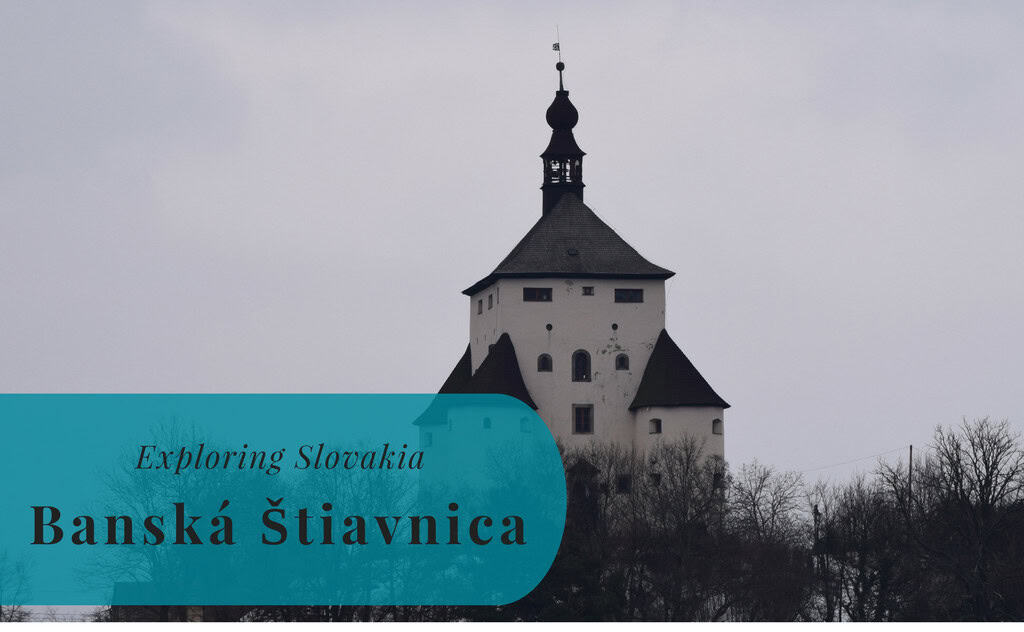
The Nový zámok, or the New Castle, is probably one of the first things you will see in the town. This distinctive, four-towered white structure stands on a hill overlooking the town center. The castle was built during the second half of the 16th century. Just like the Old Castle, the new one’s main objective was to serve as a watchtower and defensive fortress against the Turkish invaders. Today, the castle is open to the public and houses a museum about the anti-Turkish wars. Visitors can also enjoy a spectacular view over the town from its upper floors.
Calvary (Kalvária)
Located on a hill just outside of the town is the Kalvária Banská Štiavnica. This is a so-called calvary complex built in the late-Baroque style. The construction began in 1744, and a total of three churches and 22 chapels were built here. A calvary is a series of chapels representing the Way of the Cross. The complex in Banská Štiavnica is one of the most beautiful and significant in Europe. It is one of the most popular places in the region, and it offers a great view over the caldera in which the town is situated.
Open-Air Mining Museum
The Banské múzeum v prírode, or the Open-Air Mining Museum, provides a direct look into the town’s heritage. This museum has exhibitions both on the surface and underground. Here, visitors can dress in a mining mantel and a helmet, and they can also grab a lantern to explore the historic Bartolomej shaft. The guided tour takes you into the old mine tunnels to experience the conditions of the miners. The museum is located about 1.5 kilometers from the center of town. The tour takes about one and a half hours.
Holy Trinity Square
Námestie Svätej Trojice, or Holy Trinity Square, is the main square of the town. The square is dominated by the magnificent Holy Trinity Column, a large Baroque plague column from the 18th century. The square is surrounded by beautifully preserved historic buildings, including the Kammerhof, which was the former headquarters of the mining chamber. Several of the grandest burgher houses, once owned by wealthy mine owners, are also located here. Today, the square is the social heart of the town, with cafes, restaurants, and the main information center.
The Klopačka
The Klopačka is a distinctive two-story tower from the 16th century. This unique building served a very important function in the mining town. A loud knocking sound, made by hitting a wooden board, would emanate from the tower to call the miners to their shifts. This “knocking tower” also served as the town’s prison. Today, the historic Klopačka building houses a popular and traditional tea house. It is a unique architectural monument that is directly linked to the daily life and rhythm of the old mining community.
Church of St. Catherine
The Church of St. Catherine is a beautiful late-Gothic church located on the main square. It was built in the late 15th century and was known as the “Slovak Church” because it was where services were held in the Slovak language. The church has a single, slender nave and a beautiful vaulted ceiling. It is a fine example of Gothic architecture from the town’s golden age. The church is dedicated to St. Catherine of Alexandria, the patron saint of miners.
Tajchy – Water Reservoirs
The tajchy are a sophisticated system of artificial water reservoirs that were built around Banská Štiavnica. This impressive water management system was constructed between the 16th and 19th centuries. The reservoirs collected rainwater and were connected by a network of channels. The water was then used to power the mining machinery, such as pumps and ore-processing mills. This innovative system was a masterpiece of engineering for its time. Today, the tajchy are a popular recreational area, used for swimming and hiking in the summer. They are a key part of the UNESCO site.
Botanical Garden
The Botanical Garden in Banská Štiavnica is a beautiful and peaceful green oasis. It was originally established in the 19th century for the students of the famous Academy of Mining. The garden was used for practical instruction in botany and forestry. Today, it is a public park that is home to a variety of domestic and exotic trees. The garden’s most famous features are its two giant sequoia trees, which are among the largest in Slovakia. It is a lovely place for a quiet walk and a break from exploring the historic town.
Kammerhof
The Kammerhof is one of the largest building complexes in the town and a major historical landmark. This complex of buildings served for centuries as the headquarters of the Chamber Count, who was the main administrator of the mines and the mint for the Kingdom of Hungary. The buildings date back to the 16th century and have been rebuilt several times. Today, the Kammerhof houses the main exhibition of the Slovak Mining Museum. The extensive exhibits cover the history of mining, geology, and mineralogy in Slovakia.
Traveling with Kids
Banská Štiavnica is a wonderful destination for families with children, offering a unique blend of history and adventure that can feel like stepping into a fairy tale. The town’s medieval streets, two castles, and the stories of its mining past can spark a child’s imagination. The highlight for many families is the Open-Air Mining Museum, where children can put on a real helmet and go down into an old mine tunnel, which is an unforgettable adventure.
The region around the town is a natural playground. The many tajchy, or historic water reservoirs, become popular swimming spots in the summer, offering a unique and beautiful place for a family swim. The town’s Botanical Garden provides a peaceful green space for a family walk. For a more active adventure, the nearby ski resort offers family-friendly slopes in the winter. This combination of hands-on history and outdoor recreation makes for a well-rounded family vacation.
Activities for Kids in Banská Štiavnica
For families seeking memorable outings, Banská Štiavnica provides unique experiences that are both fun and educational. A trip into a real historic mine offers a thrilling adventure, while a day of swimming in a 17th-century reservoir provides classic summer fun in a unique setting.
Exploring the Open-Air Mining Museum
A visit to the Open-Air Mining Museum is a fantastic activity for families. The highlight is the underground tour of the Bartolomej shaft. Children get to wear a real mining helmet and coat and carry a lantern as they are led by a guide into the historic mine tunnel. This hands-on experience is much more exciting than a typical museum visit. The tour provides a tangible sense of the conditions the miners worked in. The surface exhibits of mining machinery are also interesting for kids who like big machines.
Swimming in a Tajch
During the summer, one of the best family activities is to go swimming in one of the historic tajchy. These artificial water reservoirs were built centuries ago for the mining industry, but today they serve as beautiful natural swimming pools. Reservoirs like Počúvadlo and Klinger are very popular with families. They offer clean water, grassy areas for picnics, and often have small buffets selling snacks and ice cream. The combination of swimming in a beautiful natural setting with a unique historical backdrop is a classic Banská Štiavnica summer experience.
Playgrounds in Banská Štiavnica
Banská Štiavnica provides public playgrounds where children can enjoy free play in safe environments. These play areas are important social spots for local families and offer a welcoming space for visiting children to have some fun. A stop at a playground is a simple and effective way to break up a day of exploring the hilly streets of the town.
Playground at the New Castle
There is a modern and creative public playground located on the grounds just below the New Castle. This playground has a fun theme inspired by the town’s history, with play structures that look like mining carts and towers. Its location is ideal for families visiting the castle, as it provides a perfect place for a play break. The playground also offers beautiful views of the town. It is a favorite spot for local children and a great find for visiting families.
Playground at the Primary School
There is another large public playground located in the courtyard of the Jozef Horák Primary School in the town center. This playground is open to the public outside of school hours. It is a large, modern playground with a wide variety of equipment for different age groups. It includes climbing frames, slides, and sports courts. Its central location makes it a very convenient option for families staying in or exploring the main part of the town.
Sports in Banská Štiavnica
The sports scene in Banská Štiavnica is primarily focused on outdoor and recreational activities that take advantage of the town’s beautiful natural surroundings in the Štiavnica Mountains. During the winter, skiing is the most popular sport, with a well-known ski resort located very close to the town. In the summer, the area is a paradise for hikers and cyclists, with a vast network of marked trails that often follow historic mining paths. The many tajchy reservoirs also provide opportunities for water sports. While the town is small, it has local clubs for popular team sports like football and floorball that are central to the community.
Salamandra Resort (Skiing)
The main center for winter sports is the Salamandra Resort, located just a few kilometers from Banská Štiavnica. This is a modern and family-friendly ski resort with a four-seater chairlift and several slopes for beginner and intermediate skiers. The resort is a popular destination for both locals and visitors from other parts of Slovakia. In addition to downhill skiing, the area around the resort also offers conditions for cross-country skiing. The resort is a key part of the town’s modern tourism infrastructure, making it a year-round destination.
Banská Štiavnica (Hiking & Biking)
The Štiavnica Mountains that surround the town are crisscrossed by a dense network of marked hiking and cycling trails. The local tourist club maintains these trails, which often follow the routes of old mining roads and paths. The area offers a huge variety of routes, from easy walks around the tajchy to more challenging climbs to the top of peaks like Sitno. Mountain biking is particularly popular, with many dedicated trails. The combination of beautiful nature and industrial history makes for a unique hiking and biking experience.
FK Sitno Banská Štiavnica (Football)
Football is a popular sport in the town, and the main local club is FK Sitno Banská Štiavnica. The club has a long history and is a central institution in the local community. The men’s team competes in the regional divisions of the Slovak football league system. The club has a strong focus on youth development, providing opportunities for children from the town to play the sport. They play their home matches at the local football stadium, which is a gathering place for the town’s football supporters.
HC KŠK Banská Štiavnica (Ice Hockey)
Ice hockey also has a following in the town, represented by the club HC KŠK Banská Štiavnica. The club is primarily focused on youth development, providing training for children and teenagers in the community. They compete in the regional youth leagues. While the town does not currently have a senior professional team in the top leagues, the club plays a vital role in keeping the tradition of this popular Slovak sport alive in the community. They play their home games at the local ice rink.
FBC Banská Štiavnica (Floorball)
Floorball is a growing sport in Banská Štiavnica, with the club FBC Banská Štiavnica leading the development of the sport in the town. The club has teams for both men and youth that compete in the regional league systems. The sport’s fast-paced and dynamic nature has attracted a significant number of participants, especially among the youth. The club’s home matches are played in local sports halls and are helping to build a new and exciting sporting community in the town.
ŠK Svätý Anton (Football)
The neighboring village of Svätý Anton, located just a few kilometers from Banská Štiavnica, also has its own historic football club, ŠK Svätý Anton. This club provides a local rivalry and has a long tradition in the regional football leagues. The club is an important part of the community in Svätý Anton and has a strong focus on youth football. They play their home matches at the local stadium in the village. The presence of strong clubs in the surrounding villages adds to the rich football culture of the entire region.


Getting Around in Banská Štiavnica
Navigating Banská Štiavnica itself is best done on foot. The historic town center is a maze of narrow, steep, and winding cobblestone streets that are often not suitable for cars. The main sights are all located within a compact area, making walking the most practical and enjoyable way to explore. For travel to the surrounding areas, such as the tajchy reservoirs or the nearby villages, a car is very convenient. A local bus system also provides some limited public transport within the town and to the surrounding region.
Exploring by Foot
The best way to experience the unique atmosphere of Banská Štiavnica is by walking. The town’s layout is medieval, with steep and narrow streets that are a pleasure to explore on foot. All the main sights within the historic center, such as the Old Castle, the New Castle, and the Holy Trinity Square, are within a short but often steep walking distance of each other. Comfortable shoes are essential for navigating the cobblestones and the hilly terrain. Walking allows you to discover hidden alleys, charming courtyards, and beautiful views at every turn.
Using Local Buses
A local bus system provides public transportation within Banská Štiavnica and connects it with some of the surrounding villages and towns. The buses can be useful for traveling to some of the tajchy reservoirs that are further from the center or for reaching the Open-Air Mining Museum. The bus network also provides the main public transport link to the nearby train station at Hronská Dúbrava. For visitors without a car, understanding the local bus schedule is key to exploring the wider region.
Navigating by Car
A car is the most convenient way to explore Banská Štiavnica and the surrounding Štiavnica Mountains. The town is located in a caldera, so the roads leading to it are mountain roads that can be winding but offer great views. Having a car makes it simple to take day trips to the many tajchy reservoirs, the nearby village of Svätý Anton, or other attractions in the region. Driving within the historic center is very difficult and restricted, so it is best to park your car in one of the designated lots on the edge of the center and explore on foot.
How to Get to Banská Štiavnica?
Banská Štiavnica is located in a caldera, so there are few major roads that connect the town directly with the rest of Slovakia. The best road connection is via Road 51, which connects with the main R1 expressway a bit west of Zvolen. There are also a few mountain roads that are more advanced to drive but offer great views. For those using public transport, the most common route is to take a train or bus to a nearby hub and then a local connection for the final leg of the journey.
Arriving by Air
Banská Štiavnica does not have its own airport. The closest international airports are in Bratislava (BTS) and Budapest (BUD) in Hungary, both of which are about a two-hour drive away. Kraków John Paul II International Airport (KRK) in Poland is another major option. From any of these airports, you would need to continue your journey by car, bus, or train. The small airport in Sliač is physically closer but has very limited commercial flights.
Driving into the Town
As the town is in a caldera, there are few major roads connecting it with the rest of Slovakia. The best connection is to take Road 51, which connects with the R1 expressway a bit west of Zvolen. This expressway provides a fast link to Bratislava. There are also a few scenic mountain roads that connect the town with other parts of central Slovakia, but these can be more challenging to drive, especially in the winter.
Journey by Rail
Banská Štiavnica has a small train station, but it is at the end of a branch line. To reach the town by train, you will need to make a change at the station of Hronská Dúbrava. This station is on the main railway line that connects Bratislava with Zvolen and Banská Bystrica. Local trains run from Hronská Dúbrava to Banská Štiavnica. This means that a journey from Bratislava will likely require at least one or two changes.
Connecting by Bus
Buses are often a more direct way to reach Banská Štiavnica than the train. There are direct long-distance bus services from major cities like Bratislava. There are also frequent local buses from the nearby city of Zvolen, which is a major transport hub. The journey from Zvolen takes about 45 minutes. The bus station in Banská Štiavnica is located within walking distance of the town center.
Driving Distances
The driving distance to Banská Štiavnica from 20 regional cities, according to Google Maps:
- Zvolen, Slovakia – 29 kilometers (0 h 30 min)
- Banská Bystrica, Slovakia – 49 kilometers (0 h 50 min)
- Nitra, Slovakia – 85 kilometers (1 h 10 min)
- Trenčín, Slovakia – 110 kilometers (1 h 30 min)
- Žilina, Slovakia – 118 kilometers (1 h 50 min)
- Budapest, Hungary – 150 kilometers (2 h 20 min)
- Bratislava, Slovakia – 173 kilometers (1 h 50 min)
- Ostrava, Czech Republic – 210 kilometers (2 h 50 min)
- Katowice, Poland – 225 kilometers (3 h 00 min)
- Vienna, Austria – 235 kilometers (2 h 30 min)
- Kraków, Poland – 240 kilometers (3 h 30 min)
- Košice, Slovakia – 243 kilometers (3 h 00 min)
- Brno, Czech Republic – 260 kilometers (2 h 50 min)
- Zagreb, Croatia – 420 kilometers (4 h 10 min)
- Prague, Czech Republic – 465 kilometers (4 h 40 min)
- Ljubljana, Slovenia – 510 kilometers (4 h 50 min)
- Belgrade, Serbia – 525 kilometers (5 h 20 min)
- Warsaw, Poland – 535 kilometers (6 h 10 min)
- Munich, Germany – 685 kilometers (6 h 40 min)
- Berlin, Germany – 710 kilometers (7 h 00 min)
Looking to Explore more of Slovakia and Europe?


This post was first published 2018-01-17 and was updated 2025-07-31