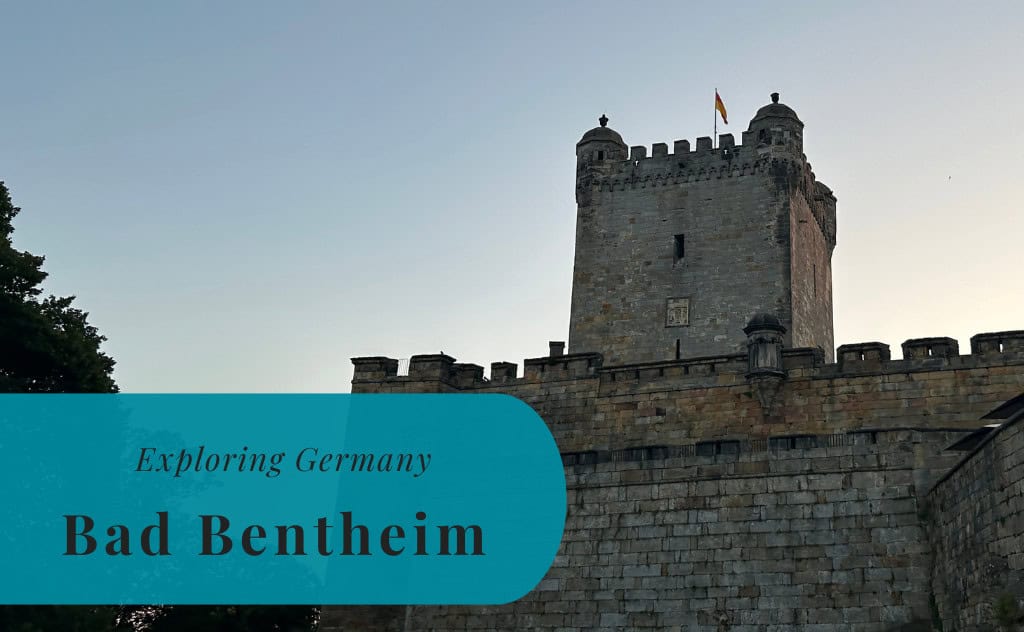
Bad Bentheim, Lower Saxony | Exploring Germany
Bad Bentheim is a town in the district of Grafschaft Bentheim, located in the state of Lower Saxony, Germany. The town is situated directly on the German-Dutch border. With a population of approximately 16,000 residents, Bad Bentheim is known for its large hilltop castle and its status as a state-recognized spa town. It is located in the southwestern corner of Lower Saxony, with the Dutch border to the west and the state of North Rhine-Westphalia to the south.
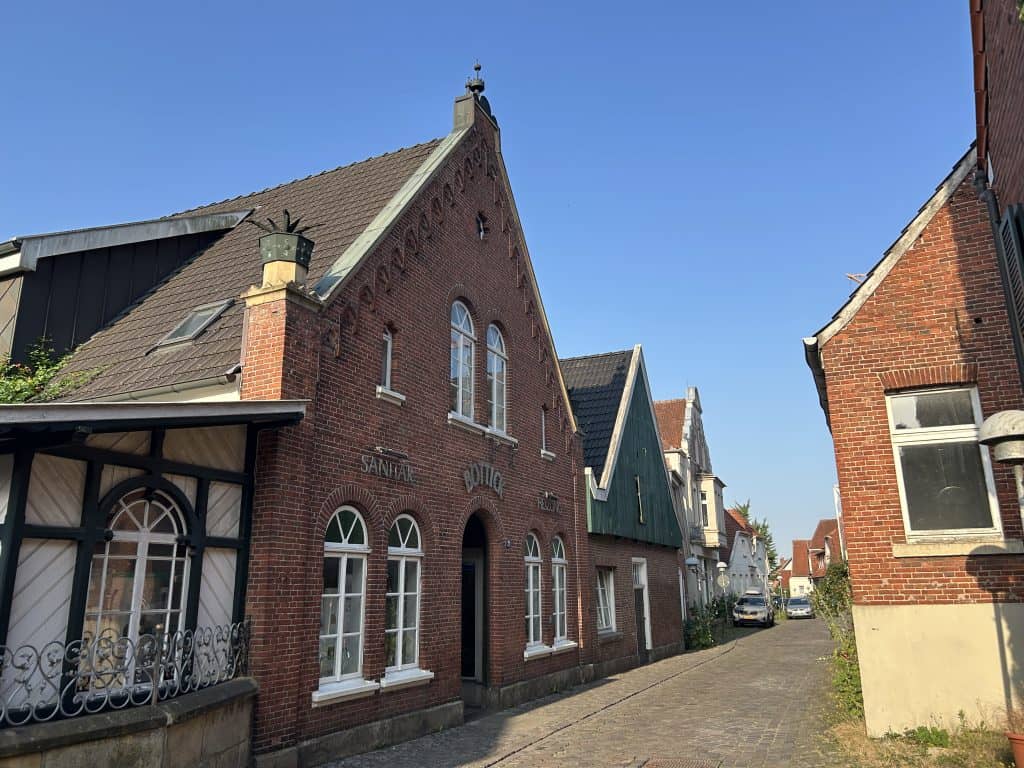
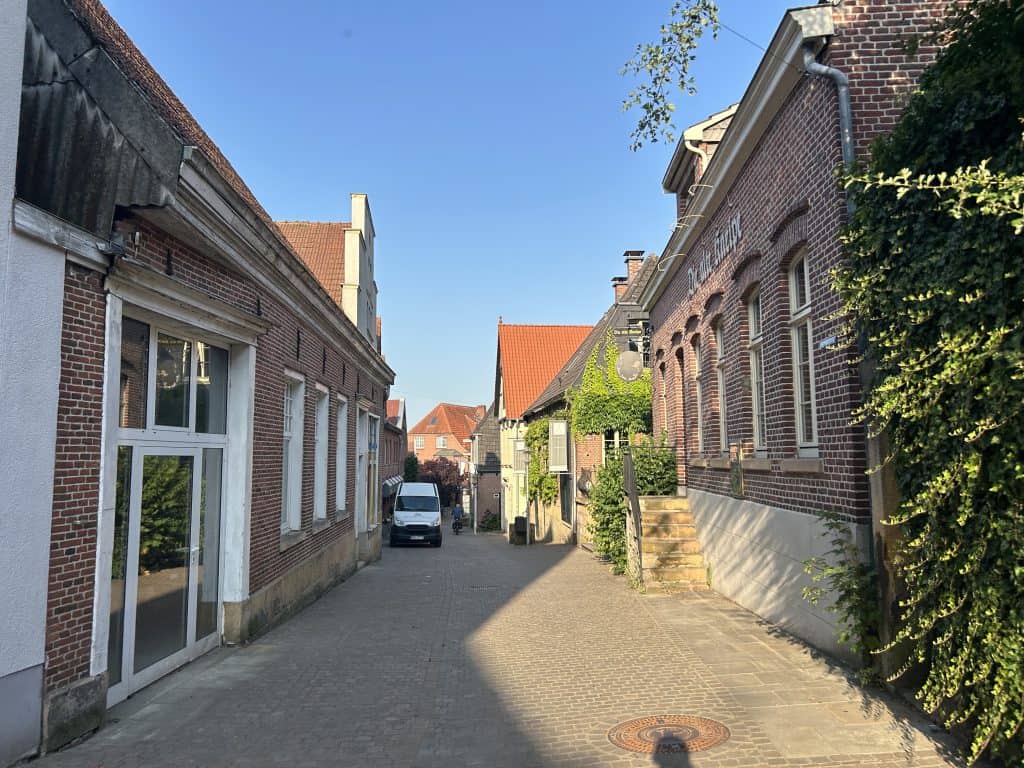
The character of Bad Bentheim is defined by its two primary features: Bentheim Castle, which is the largest castle in northwestern Germany, and its thermal brine and sulphur springs. This has made the town both a historical and a wellness destination. The town is built on a prominent sandstone hill, an unusual feature in the otherwise flat North German Plain. The local “Bentheimer Gold” sandstone has been quarried here for centuries and is a key feature of the town’s architecture.


A Short History of Bad Bentheim
The history of Bad Bentheim is that of a medieval county seat that evolved into a modern spa town. Its development has been shaped by its strategic castle, its valuable natural resources, and its location on a major European border. The town’s story reflects centuries of rule by the Counts of Bentheim and its later reinvention as a center for health and tourism. This long history is visible today in its preserved castle and its spa facilities.
Early Origins and the County of Bentheim
The history of settlement in the Bad Bentheim area is long, with the first documented mention of the town dating back to around 1050 AD. The history of the town is inextricably linked with that of Bentheim Castle and the Counts of Bentheim. The castle was the ancestral seat of this noble family, which ruled over the County of Bentheim for centuries. The castle’s strategic position on a high hill gave its rulers control over the surrounding trade routes between Münster and the Netherlands.
A Spa Town
A pivotal moment in the town’s modern history was the discovery of a sulphur spring in 1711. This discovery laid the foundation for the town’s development as a spa. A spa house was built, and the town began to attract visitors seeking cures for various ailments like rheumatism and gout. In the 20th century, this spa tradition was revived and expanded. In 1979, the town was officially recognized as a state-approved thermal brine and sulphur spa, which allowed it to add the prefix “Bad” (Spa) to its name.
Modern Era
In the 19th century, the County of Bentheim lost its independence and was eventually incorporated into the Kingdom of Hanover and later into Prussia. The town was connected to the railway network, which brought more visitors and spurred economic development. The town’s proximity to the Dutch border has also been a key feature of its modern history. Today, Bad Bentheim’s economy is based on tourism, its spa and rehabilitation clinics, and its role as a service center for the surrounding region.



Things to Do and See
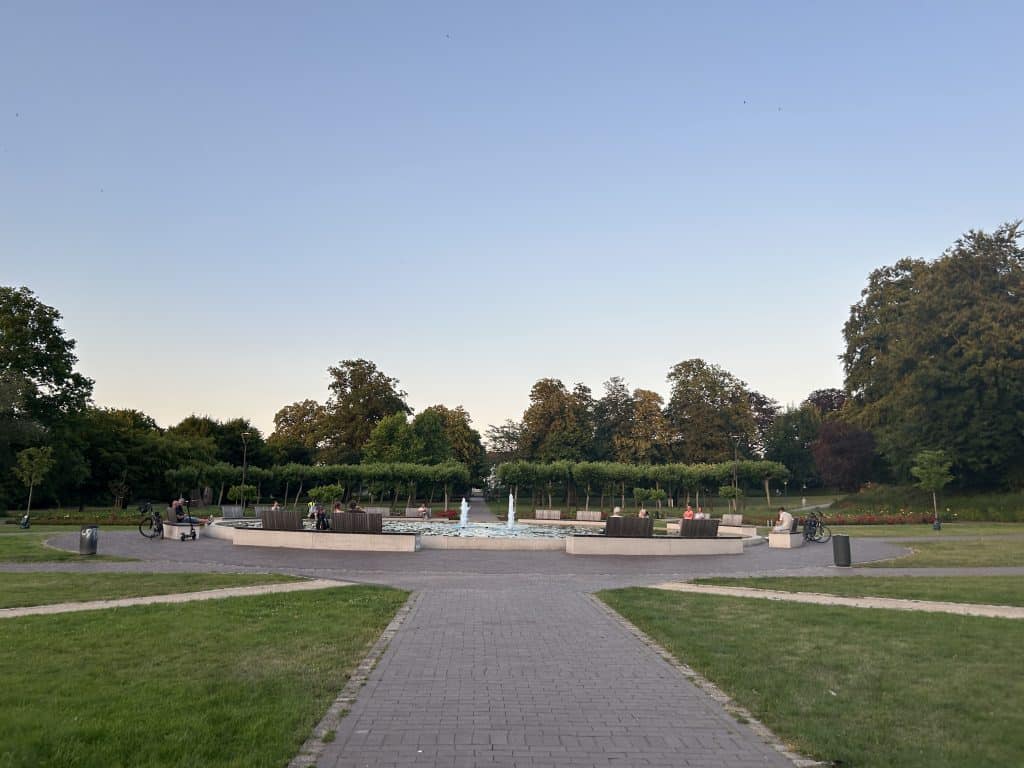
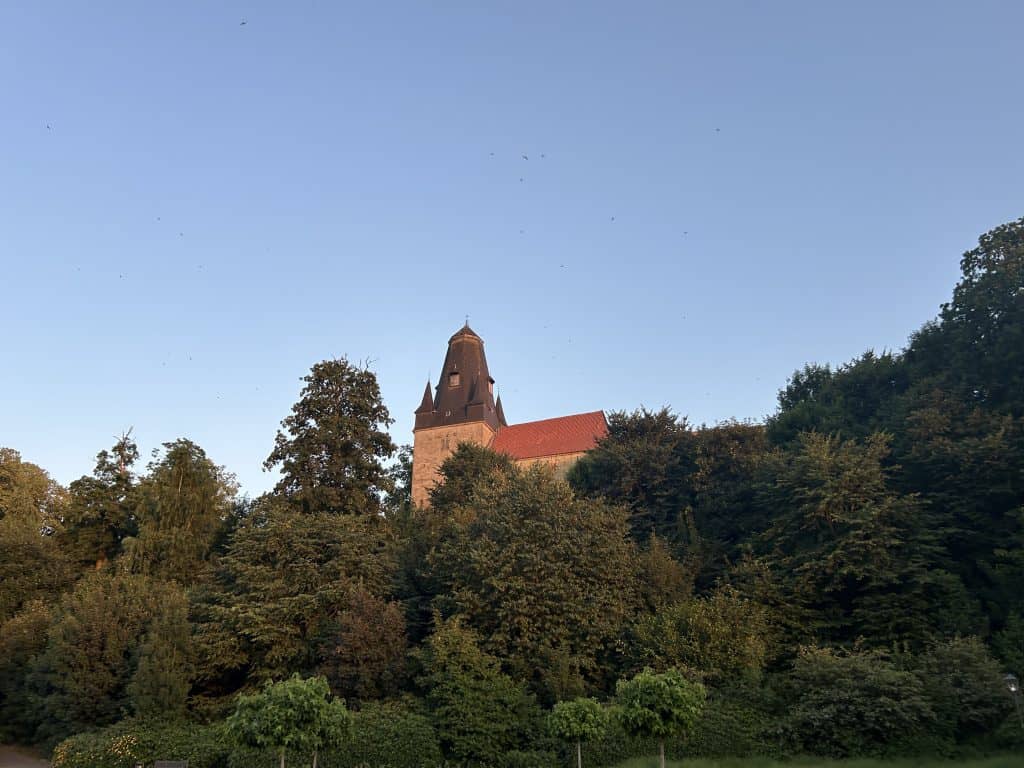
The sights in Bad Bentheim are centered on its large castle, its spa facilities, and its connection to the local sandstone industry. The main points of interest are concentrated in and around the historic town center. These attractions offer a look into the history of the County of Bentheim and the town’s modern role as a wellness destination.
Bentheim Castle
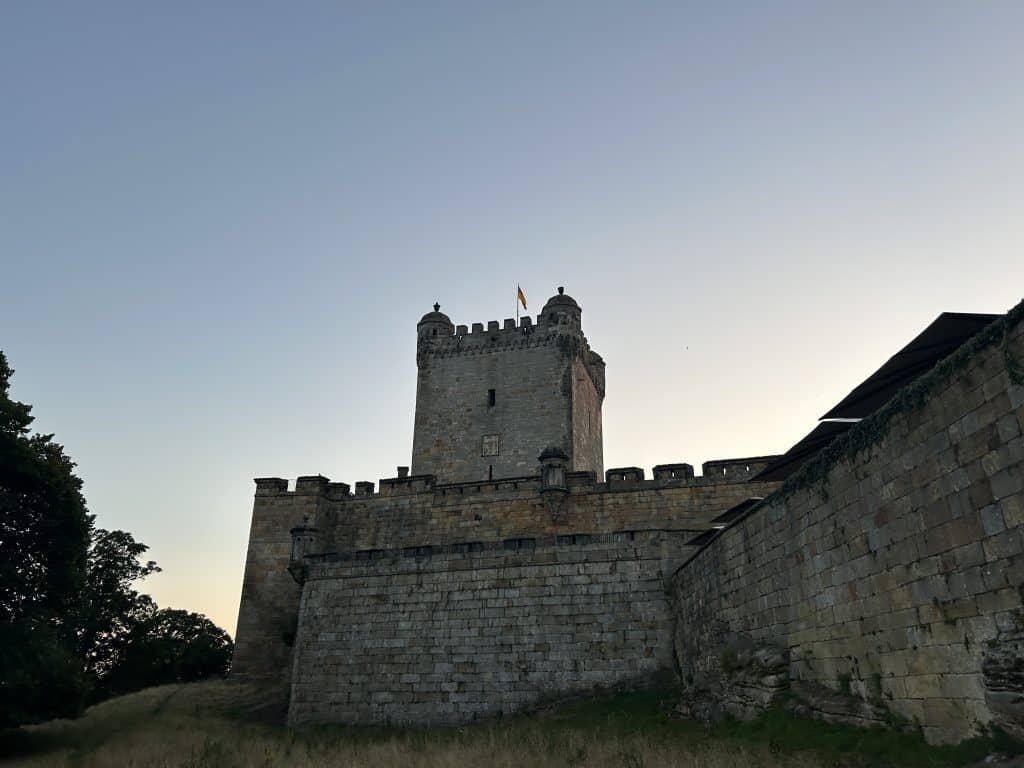
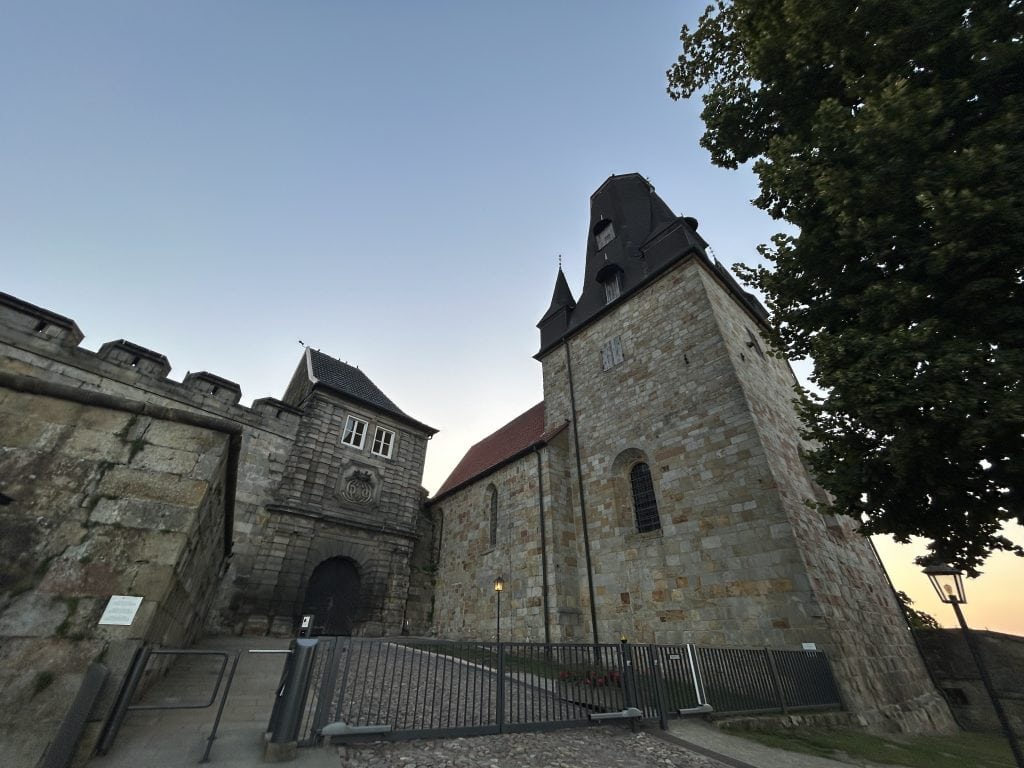
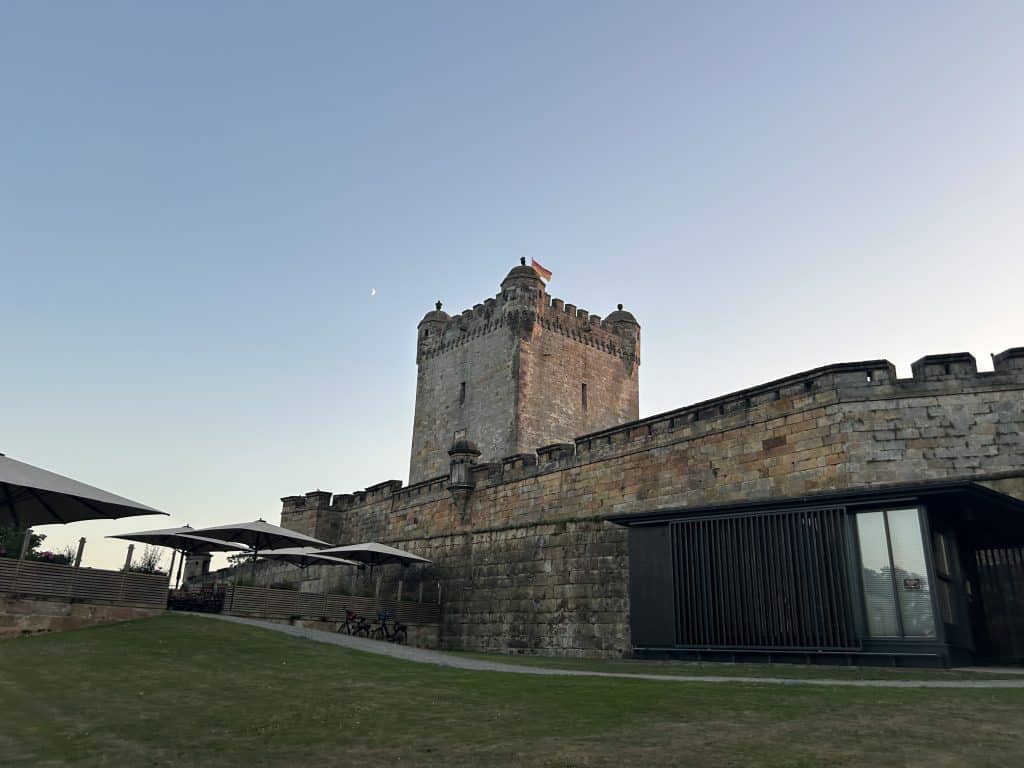
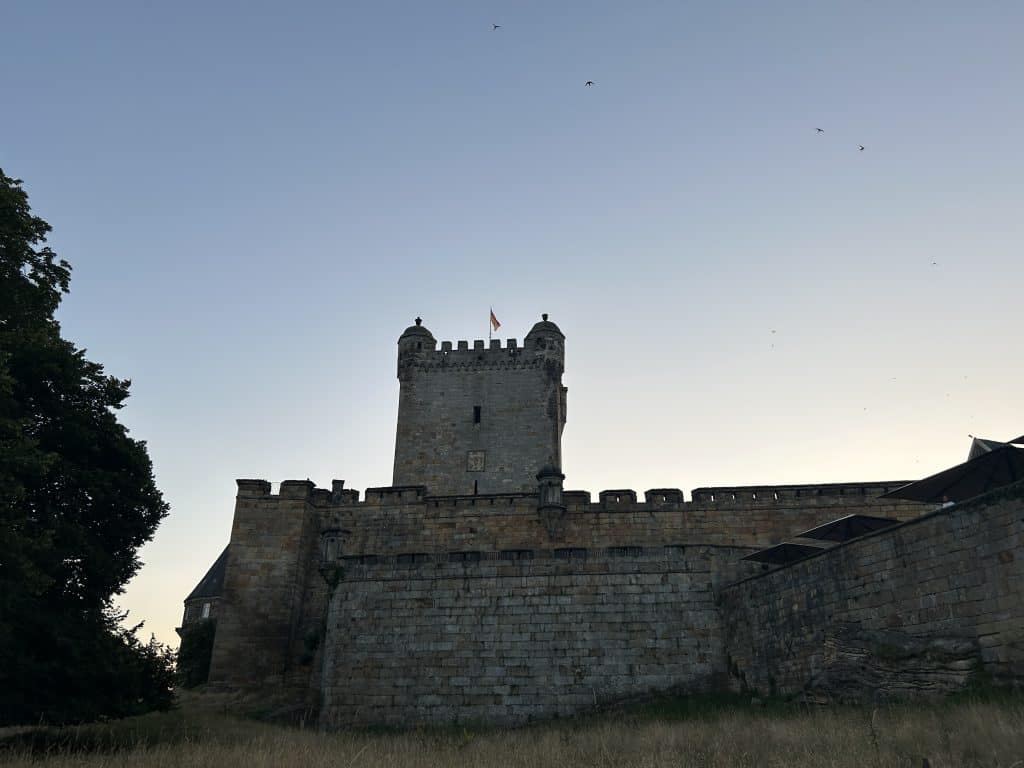
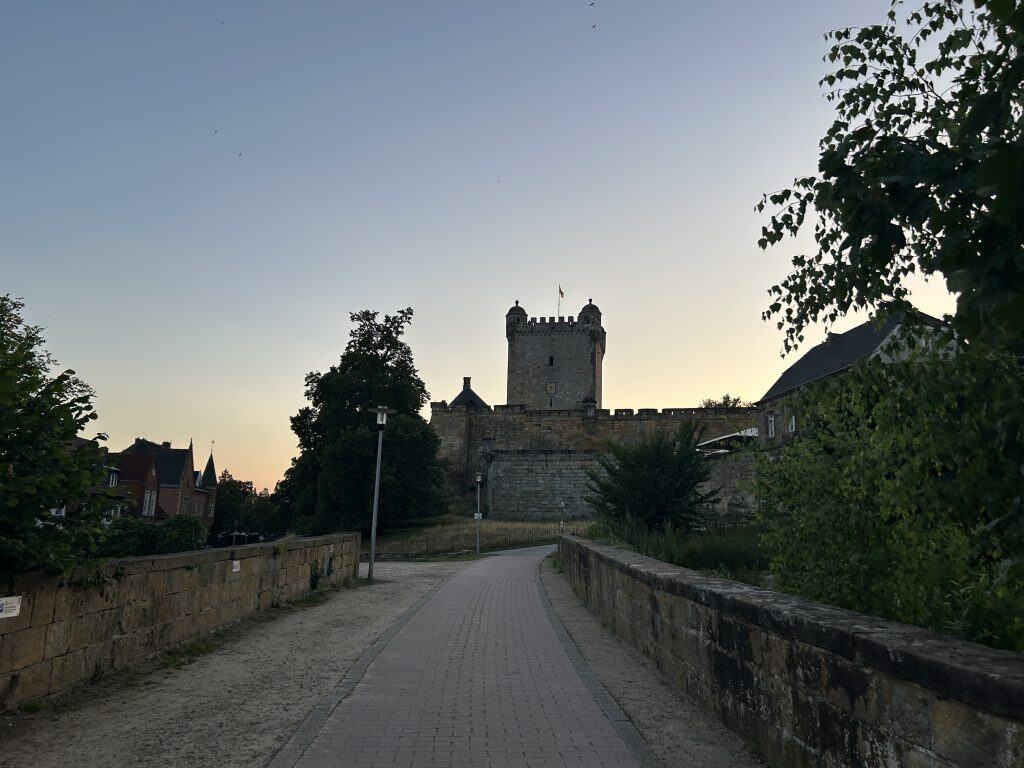
Bentheim Castle (Burg Bentheim) is the primary landmark of the town and the largest hilltop castle in northwestern Germany. The massive fortress sits on a large sandstone hill. Its origins date back to at least the 11th century. The castle features a large keep known as the Pulverturm (Powder Tower), a Kronenburg with ornate state rooms, and extensive defensive walls. The castle is still owned by the Princely family of Bentheim-Steinfurt. Visitors can take guided tours of the historic interiors, which are furnished in the 19th-century style, and climb the keep for panoramic views.
Bentheimer Mineraltherme
The Bentheimer Mineraltherme is the town’s modern thermal spa. This large wellness complex utilizes the town’s natural thermal brine and sulphur springs. The facility features a variety of indoor and outdoor pools with different salt concentrations and temperatures. It also has an extensive sauna area with several different types of saunas and steam rooms. The spa offers a wide range of wellness and medical treatments. It is a key part of the town’s identity as a Heilbad (healing spa).
Sandstone Museum
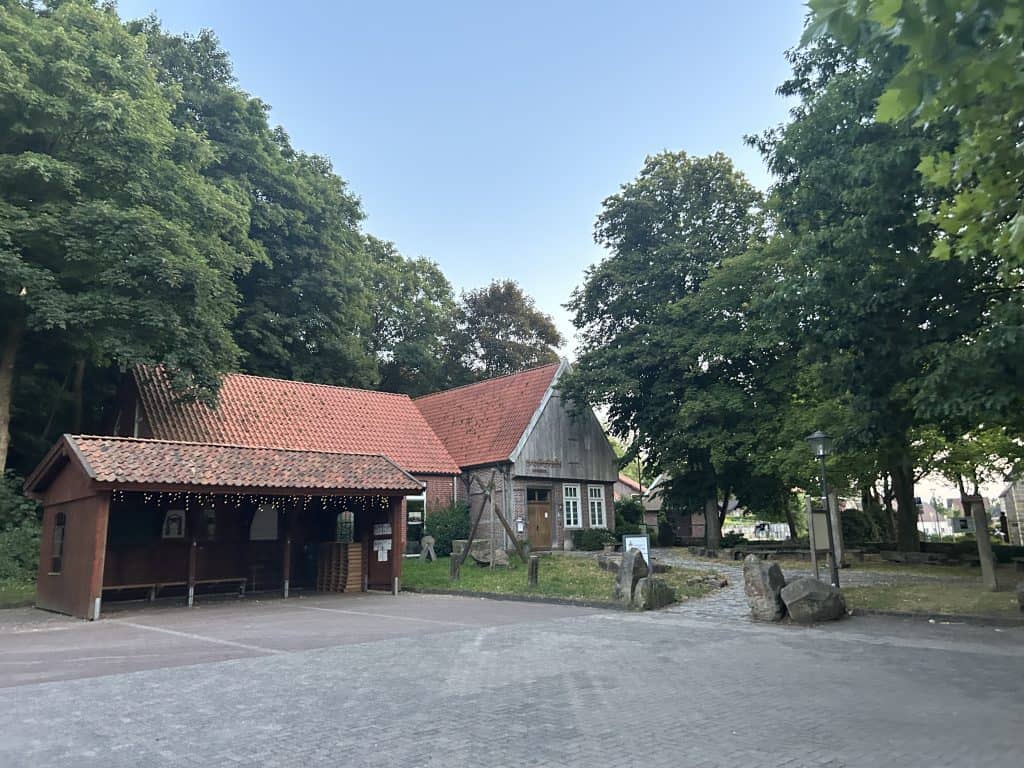
The Sandstone Museum (Sandsteinmuseum Bad Bentheim) is dedicated to the history of the local “Bentheimer Gold” sandstone. This high-quality sandstone was quarried in the area for centuries and was a major export product. It was used in the construction of many famous buildings, including the Royal Palace in Amsterdam and the City Hall of Antwerp. The museum is housed in a historic building and its exhibitions detail the geology, quarrying, and use of this important local resource.
Open-Air Theatre
The Open-Air Theatre (Freilichtspiele Bad Bentheim) is a large, open-air stage located in a former sandstone quarry. The natural stone walls of the quarry provide a unique backdrop for performances. The theater has a dedicated amateur ensemble that stages a variety of productions each summer. This includes a family-friendly play and a more serious evening production. The venue is a key part of the town’s cultural life during the summer months.
Bentheimer Wald
The Bentheimer Wald is a large forest area that surrounds the town. The forest offers an extensive network of marked trails for hiking and cycling. It is a popular recreational area for both local residents and visitors. The paths lead through a mixed forest landscape and connect to other nearby points of interest. The forest provides a natural setting that complements the town’s focus on health and wellness.
Sports in Bad Bentheim
The area around Bad Bentheim offers a range of recreational activities, with a focus on cycling and hiking. The town is part of a cross-border network of recreational routes.
Cycling
The region around Bad Bentheim is very popular for cycling. The landscape of gently rolling hills and fields is ideal for recreational cycling. The town is located on several long-distance cycle routes, including the United Countries Tour and the Vechtetalroute, which cross the German-Dutch border. A special Fietsenbus (bicycle bus) service operates in the region, allowing cyclists to take their bikes on the bus to explore different parts of the area.
Football
Football is a popular sport in Bad Bentheim, with a local sports club that is a key part of the community. The club provides a platform for local players of all ages. The team competes in the regional leagues of Lower Saxony.
SV Bad Bentheim
The town’s main sports club is the SV Bad Bentheim. While it is a multi-sport association, its football section is the most prominent. The club was founded in 1894. The senior football team competes in the lower tiers of the German football league system, such as the Bezirksliga. They play their home games at the Jahnstadion in the town.



Getting Around in Bad Bentheim
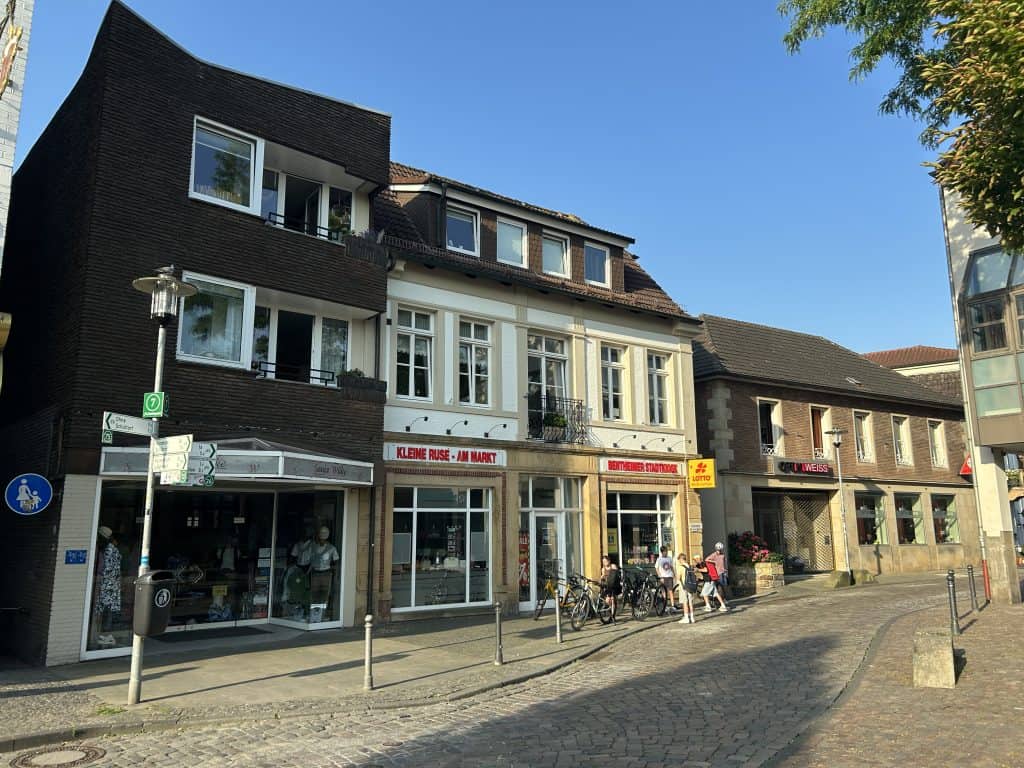
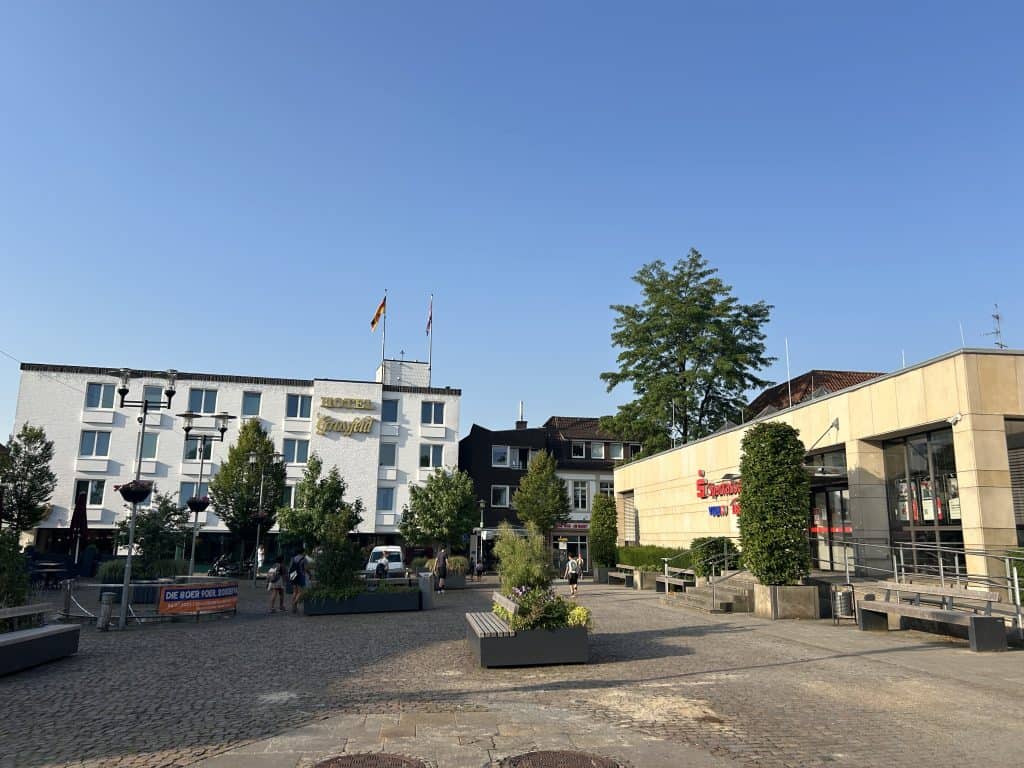
Navigating the town of Bad Bentheim is straightforward. The town center, including the area around the castle, is compact and can be easily explored on foot. For travel to the surrounding areas, a network of regional buses and a train line are available.
On Foot: The Town Center
Walking is the best way to explore the central part of Bad Bentheim. The main street, the castle, the spa park (Kurpark), and the Sandstone Museum are all within a short walking distance of each other. The walk up the hill to the castle entrance provides good views of the town. Comfortable shoes are recommended for the town’s hilly terrain.
Local Buses and Trains
The public transport in the Grafschaft Bentheim district is based on a network of regional buses. These buses connect Bad Bentheim with the district capital of Nordhorn and other towns in the area. The town also has a train station that is served by a regional railway line. This line provides a direct connection to the city of Rheine in the neighboring state of North Rhine-Westphalia.
How to Get to Bad Bentheim
Reaching Bad Bentheim is convenient by road and rail, as it is located on a major transport corridor between Germany and the Netherlands. The town’s position on an international railway line makes it highly accessible.
The Open Road: Driving the Autobahn
Driving is a very common and practical way to reach Bad Bentheim. The town is located directly on the A30 motorway (Autobahn), which is a major east-west European route connecting Amsterdam with Berlin. It is also close to the A31 motorway, which is a north-south route. This direct motorway access makes the town very easy to reach by car. The drive from Amsterdam takes approximately 2 hours.
Arriving by Air: Münster/Osnabrück Airport
The closest international airport is Münster/Osnabrück International Airport (FMO). It is located approximately 50 kilometers to the southeast of Bad Bentheim. The airport offers connections to several major German cities and European destinations. From the airport, a rental car or a combination of bus and train services is required to complete the journey to Bad Bentheim. The larger airports of Düsseldorf (DUS) and Amsterdam (AMS) are also accessible.
On Track: An International Rail Link
Traveling to Bad Bentheim by train is very efficient. The Bad Bentheim station is a key stop on the international railway line between Amsterdam and Berlin. Intercity (IC) trains operated by Deutsche Bahn (DB) and NS International stop here. This provides a direct connection to major cities like Amsterdam, Hanover, and Berlin. A regional train service also connects the town with cities like Osnabrück and Bielefeld.
Connecting by Coach
There are limited direct long-distance bus services to the small town of Bad Bentheim itself. Travel by coach would typically involve taking a service from a company like FlixBus to a larger nearby city, such as Münster or Osnabrück. From these cities, travelers would then need to transfer to a regional train service to complete the journey to Bad Bentheim.
Driving Distances
The driving distance from 10 regional cities, according to Google Maps:
- Osnabrück, Germany – 58 kilometers (0 h 50 min)
- Münster, Germany – 63 kilometers (0 h 50 min)
- Utrecht, Netherlands – 151 kilometers (1 h 40 min)
- Cologne, Germany – 163 kilometers (1 h 50 min)
- Amsterdam, Netherlands – 165 kilometers (2 h 00 min)
- Rotterdam, Netherlands – 225 kilometers (2 h 30 min)
- Antwerp, Belgium – 248 kilometers (2 h 40 min)
- Hamburg, Germany – 268 kilometers (2 h 40 min)
- Brussels, Belgium – 309 kilometers (3 h 20 min)
- Berlin, Germany – 491 kilometers (5 h 00 min)
Looking to Explore more of Germany and Europe?