Taroudant | Exploring Morocco
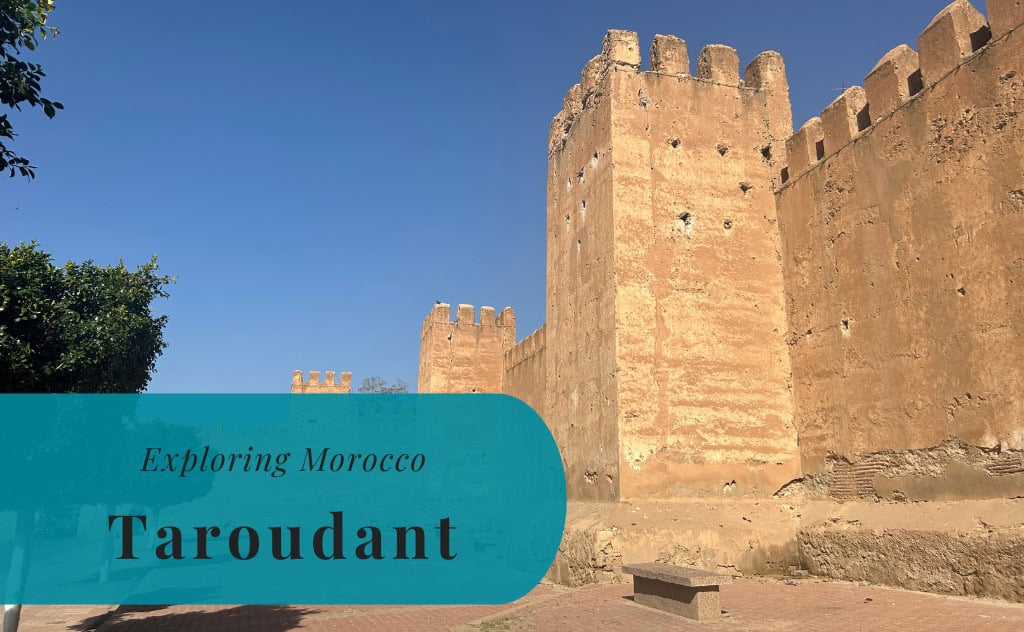
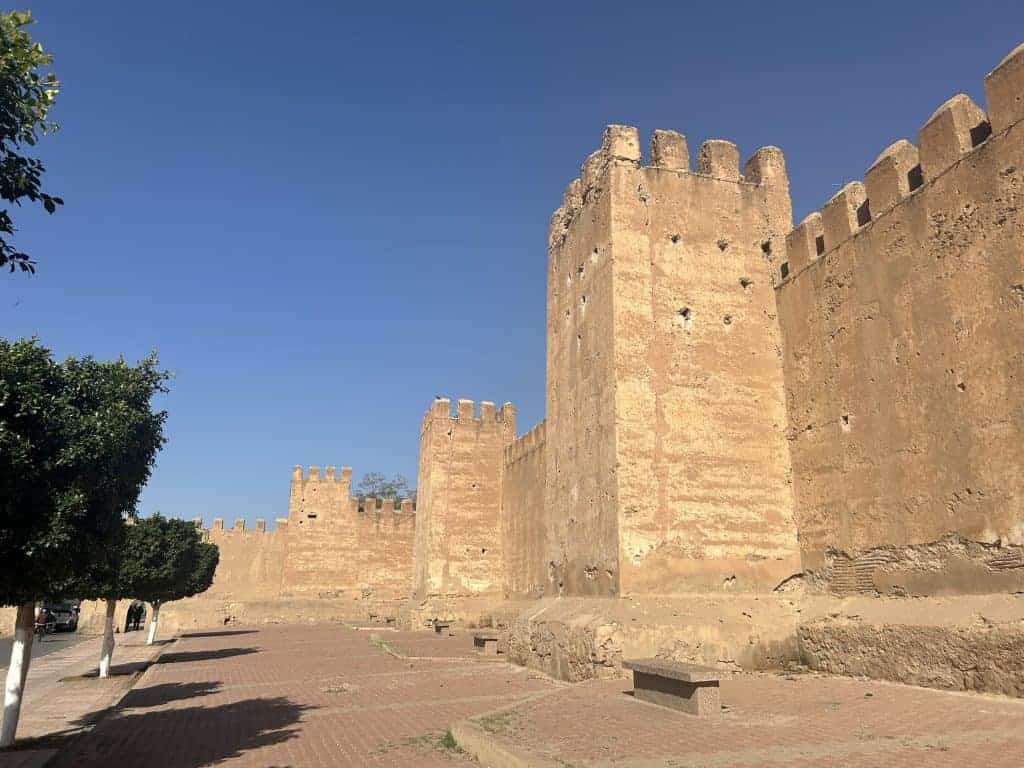
Taroudant is a city located in the Souss Valley of southern Morocco. It is situated east of the coastal city of Agadir, between the High Atlas and the Anti-Atlas mountain ranges. With a population of approximately 81,000 residents, Taroudant serves as a key market town and commercial hub for the surrounding agricultural region. The city is known for its extensive and well-preserved city walls, which encircle the entire historic medina. This has earned it the nickname the “Grandmother of Marrakech.”
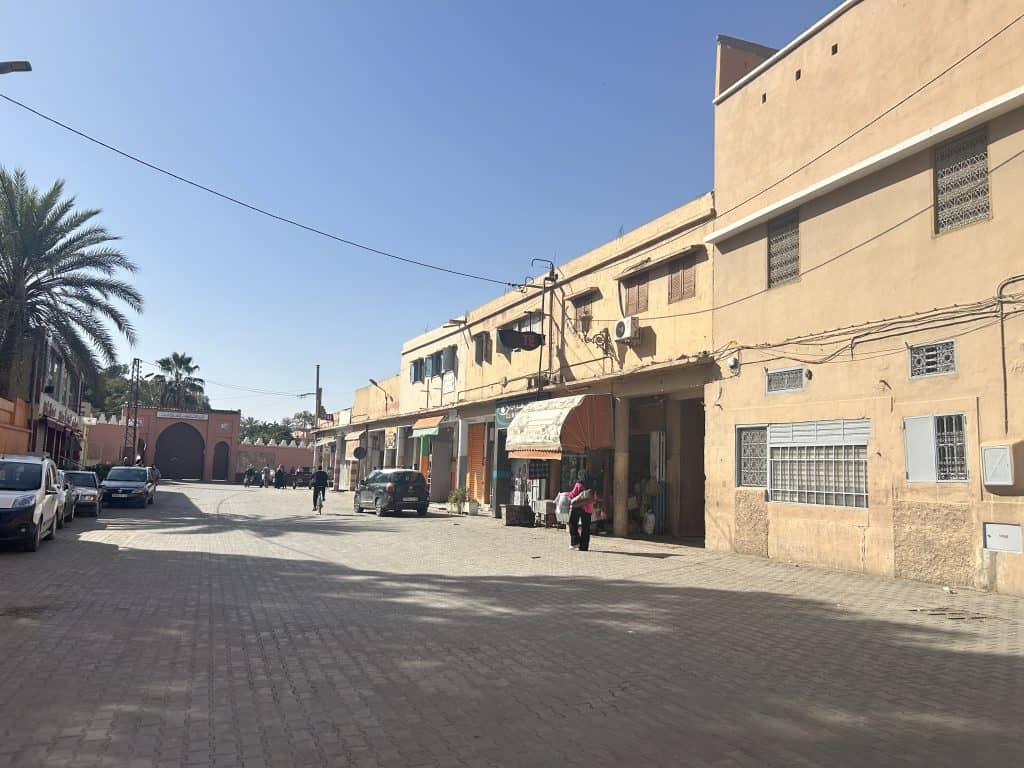
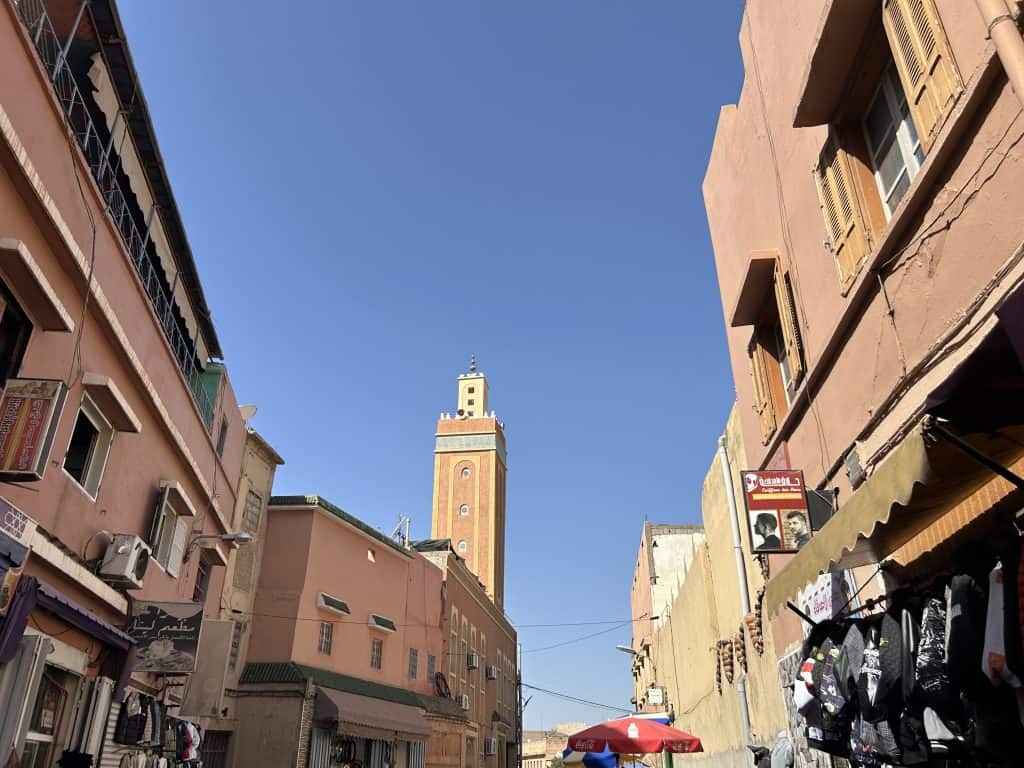
The character of Taroudant is that of a traditional Moroccan market town. Its atmosphere is often described as a smaller, more relaxed version of Marrakech. The city’s life is centered on its two main souks, or markets, and its public squares. It is a major center for local crafts, particularly leather goods, carpets, and jewelry. The red-hued mudbrick of its ramparts gives the city a distinct visual identity, especially against the backdrop of the nearby mountains. It offers a look into a more traditional Moroccan urban life than is found in the larger, more internationally-focused cities.



A Short History of Taroudant
The history of Taroudant is that of a strategic and commercial center in southern Morocco that served as an early capital for a powerful dynasty. Its location in the fertile Souss Valley made it a key point on the trans-Saharan trade routes for centuries. The city has experienced periods of great prosperity as well as conflict and decline. Its most significant historical legacy is the massive circuit of defensive walls that still encloses the old city today. This long history reflects the changing powers that have controlled southern Morocco.
Early History and Almoravid Base
The history of settlement in the Taroudant area is ancient. The city rose to prominence in the 11th century under the Almoravid dynasty. They used it as a base for their military campaigns against dissident tribes in the region. For a period, it was the capital of a small principality. Its importance as a regional center continued under the subsequent Almohad dynasty. The city’s location allowed it to control the agricultural output of the Souss Valley and the trade routes coming from the Sahara.
Capital of the Saadian Dynasty
The golden age of Taroudant began in the 16th century. The city became the first capital of the Saadian dynasty. The Saadians, who originated in the south, used Taroudant as their base of power before they went on to conquer Marrakech and the rest of Morocco. During this period of prosperity, the city was heavily fortified. The famous city walls were constructed, and the city became a major center for trade in goods like sugar cane, cotton, rice, and indigo.
A Regional Market Town
After the Saadian dynasty moved its capital to Marrakech, Taroudant’s political importance declined. However, it remained a key regional commercial center for the Souss Valley. The city resisted the authority of the central government on several occasions. In the 20th century, under the French Protectorate, the city’s infrastructure was modernized. It has since continued its role as a major market town, known for its crafts and its role as a hub for the surrounding agricultural communities.



Things to Do and See
The sights in Taroudant are centered on its preserved historic medina and its massive defensive walls. The main points of interest are the ramparts themselves, the city’s two main souks, and its lively public squares. These sights offer a look into the history and daily life of a traditional Moroccan market town. The surrounding mountains also provide a scenic backdrop and opportunities for recreation.
The Ramparts of Taroudant
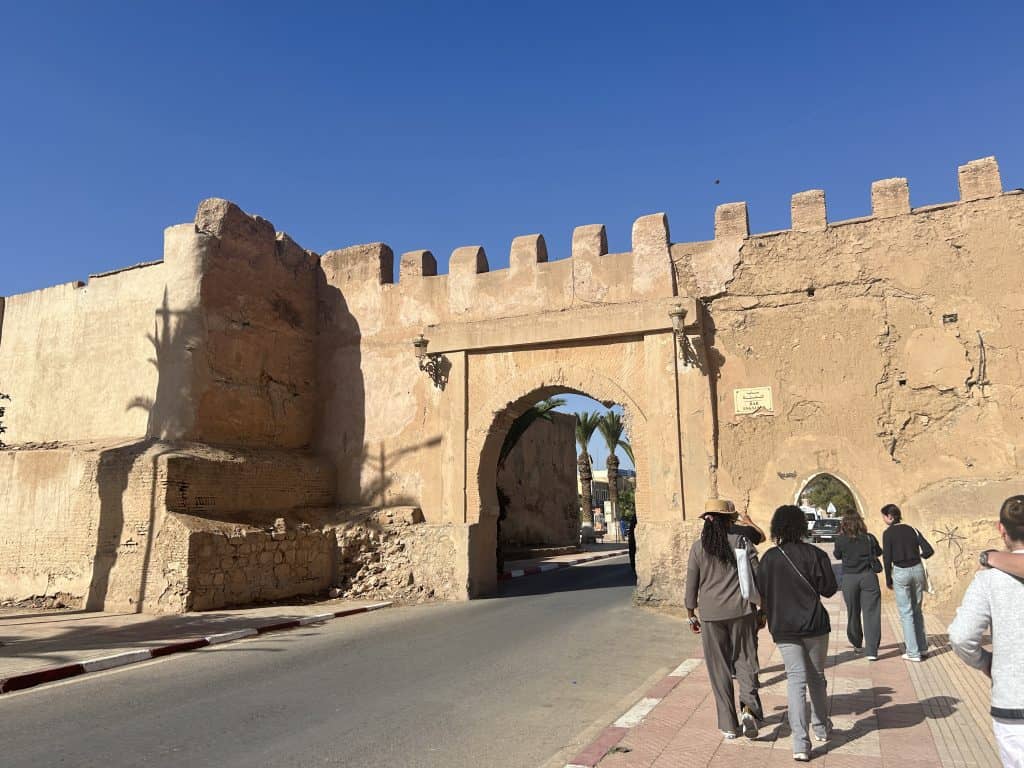
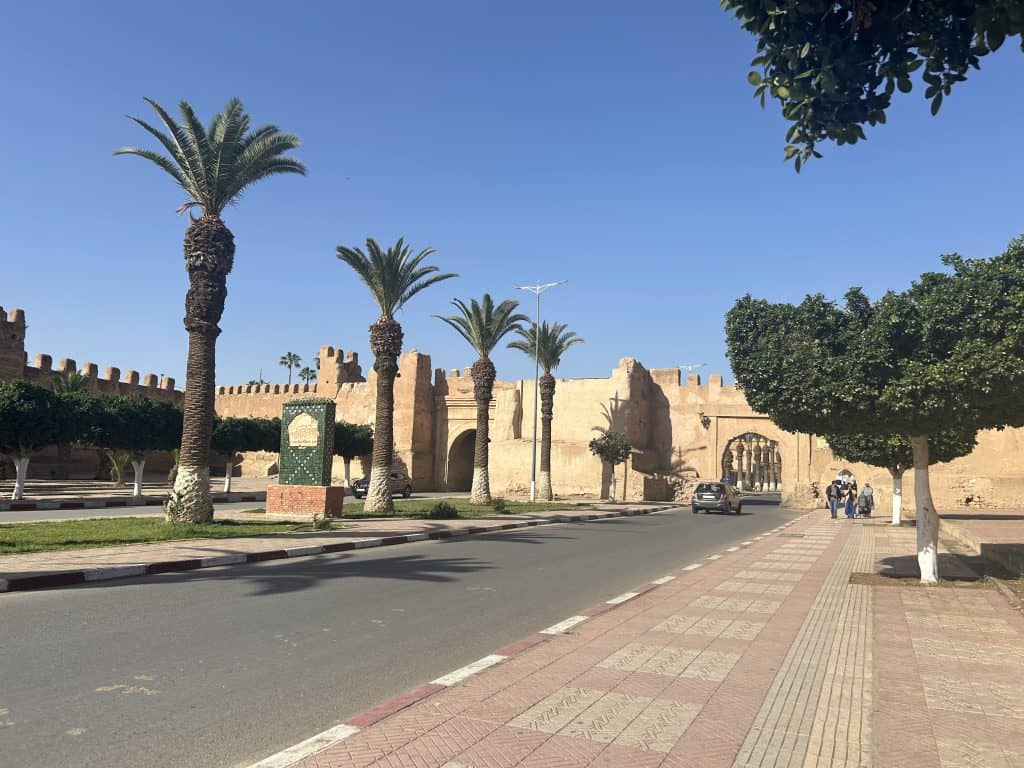
The ramparts, or city walls, are the most significant landmark of Taroudant. The walls were built in the 16th century under the Saadian dynasty. They form a complete circuit of approximately 7.5 kilometers around the old city. The walls are constructed from pisé (rammed earth) and are flanked by numerous bastions and towers. There are nine gates, known as babs, that provide entry into the medina. It is possible to take a horse-drawn carriage (calèche) ride around the entire circuit of the ramparts, which is a popular activity for visitors.
The Souks
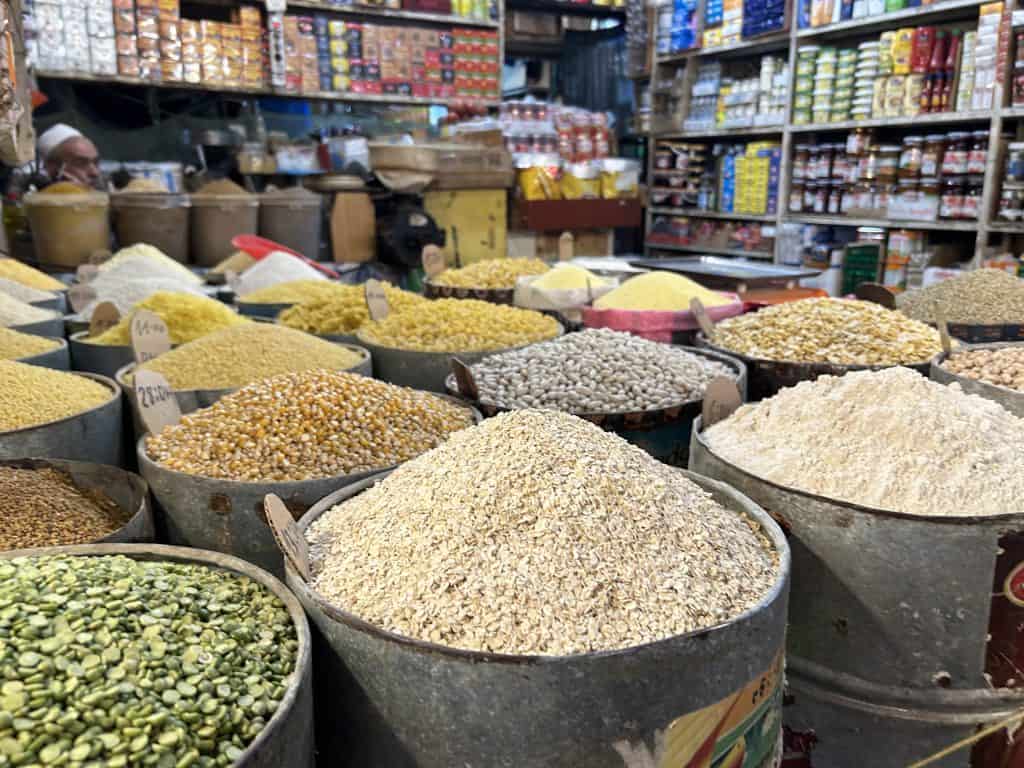
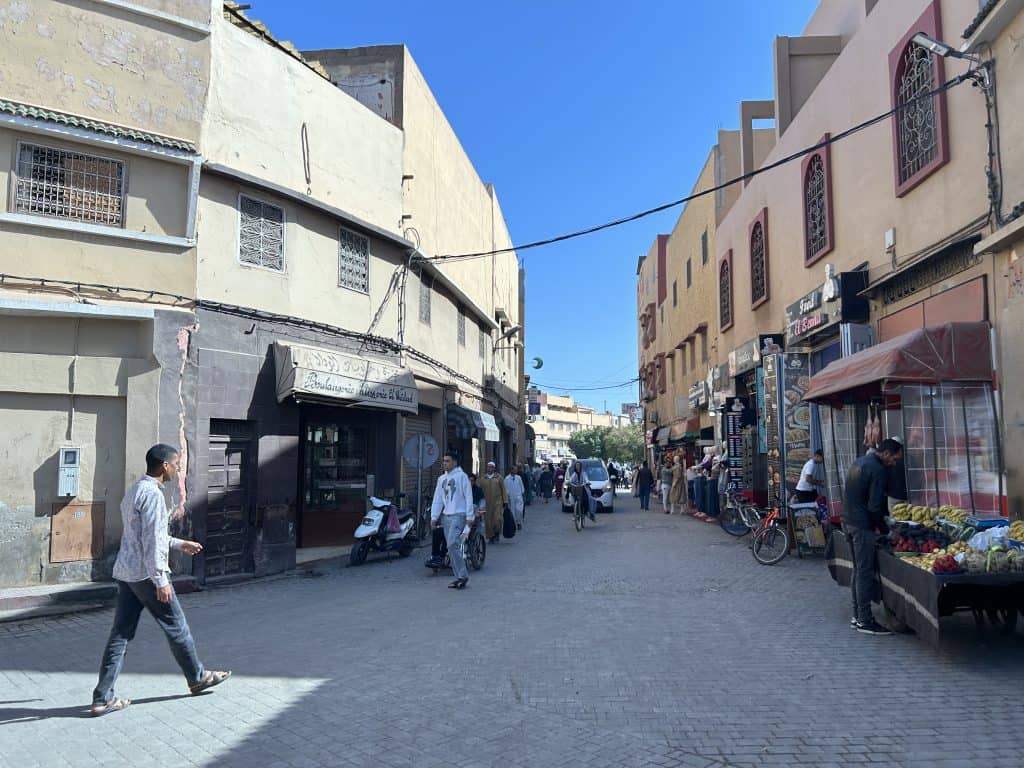
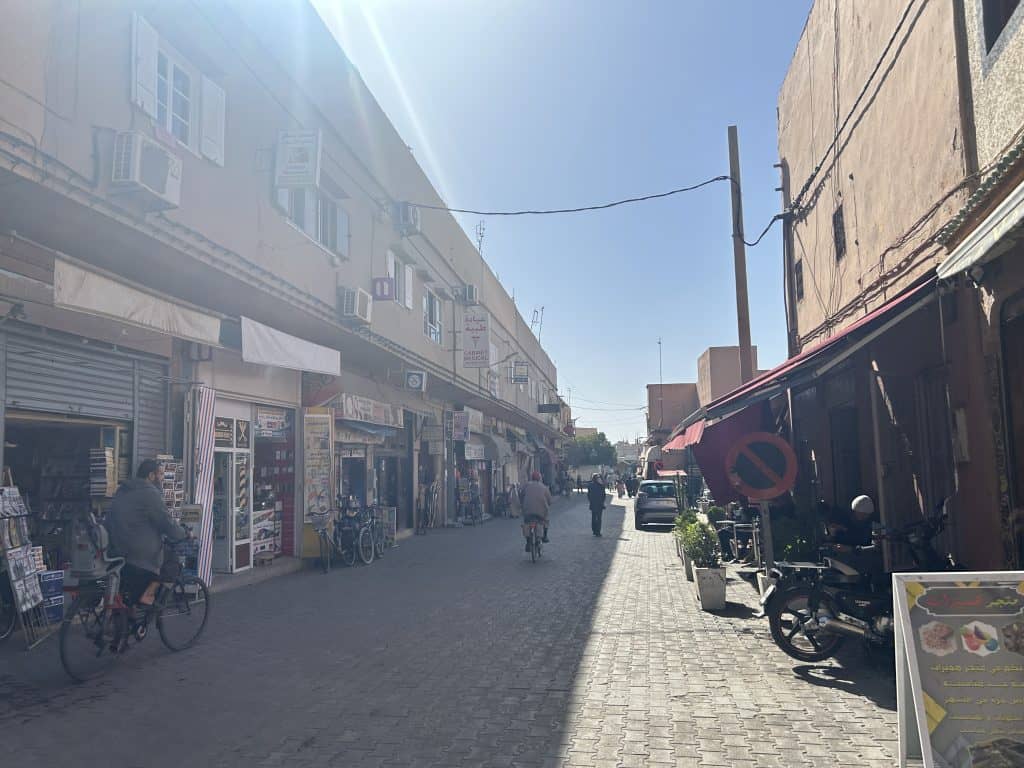
Taroudant is known for its two main markets, or souks. The Arab Souk is located near the Place Assarag in the center of the medina. This market specializes in crafts such as pottery, leather goods, carpets, and jewelry. The Berber Souk, located near the Place Talmoklate, is more focused on daily goods. Here you will find stalls selling spices, vegetables, and other household items. Both souks are a center of daily commerce and social life in the city. They provide an authentic Moroccan market experience.
Assarag and Talmoklate Squares
The two main public squares in the city are Place Assarag and Place Talmoklate. Place Assarag is the main square in the heart of the medina. The square is a lively hub of activity throughout the day and into the evening. It is lined with numerous cafes and restaurants. This is where locals and visitors gather to socialize. The square provides access to the Arab Souk. Place Talmoklate is a smaller square that is the center of the Berber Souk.
The Tanneries
The tanneries of Taroudant are located just inside the city walls, near the Bab Targhount gate. This area is where leather has been processed using traditional methods for centuries. Visitors can observe the process of treating and dyeing animal hides in a series of stone vats. The tanneries are a key part of the city’s craft heritage and the source of the leather used to make many of the goods sold in the souks, such as babouches (slippers) and bags.
Hiking in the Atlas Mountains
The area surrounding Taroudant is a gateway to the High Atlas and Anti-Atlas mountains. This provides extensive opportunities for hiking and trekking, which can be considered a key sight for nature enthusiasts. The region offers a wide range of routes, from gentle walks in the foothills to challenging multi-day treks in the high peaks. Local guides and tour operators offer guided hikes to explore the mountain landscapes and the traditional Berber villages of the region.
Sports in Taroudant
The sporting life in Taroudant is focused on its local community football club. The city’s location at the foot of two major mountain ranges also makes it a center for outdoor recreational sports, particularly hiking.
Football
Football is a popular sport in Taroudant, as it is throughout Morocco. The city has a local club that is a key part of the community. The club provides a platform for local players and has a dedicated following.
Union Sportive de Taroudant
The main football club is the Union Sportive de Taroudant (UST). The club competes in the lower tiers of the Moroccan football league system. They play their home games at a local stadium in the city. The club is an important institution for the local community, particularly for youth sports development.


Getting Around in Taroudant
Navigating Taroudant is best done on foot within the medina walls. The city’s historic core is a dense network of streets that are not always accessible to larger vehicles. For longer distances, local taxis and horse-drawn carriages are the primary modes of transport. The city’s flat terrain also makes it suitable for cycling.
On Foot: The Medina
Walking is the best way to explore the historic medina of Taroudant. The main squares, the two souks, and the tanneries are all located within the city walls and are easily reachable on foot. This allows visitors to experience the atmosphere of the markets and narrow alleyways. A walk along a section of the ramparts also provides good views of the city and the surrounding mountains. Comfortable shoes are recommended for the unpaved streets.
Local Taxis and Calèches
For transport within the city and to the immediate surroundings, petits taxis (small taxis) are used. These are typically red and are a common way to travel short distances. For a more traditional experience, horse-drawn carriages (calèches) are a popular way to take a tour around the exterior of the city ramparts. For travel to other towns, grands taxis (shared, long-distance taxis) are used and can be found at designated ranks.
On Two Wheels: Cycling
Cycling is a viable option for getting around Taroudant. The city is flat, which makes it easy to navigate on a bicycle. It is possible to rent bicycles in the city. Cycling is a good way to explore the full circuit of the 7.5-kilometer-long ramparts. The surrounding Souss Valley also offers many opportunities for longer cycle tours on the quiet rural roads.
How to Get to Taroudant
Reaching Taroudant requires travel to the Souss Valley in southern Morocco. The most common way to arrive is by road from the nearby coastal city of Agadir, which has the main international airport for the region. The city is well-connected by the national bus network. There is no train service to Taroudant.
The Open Road: Driving to Taroudant
Driving to Taroudant offers flexibility for exploring the region. The city is connected by a network of national roads. The main road from Agadir is the N10. The drive is straightforward and passes through the agricultural plain of the Souss Valley, taking about 1.5 hours. The city is also connected by road to Marrakech via a route that crosses the High Atlas mountains through the Tizi n’Test pass, though this is a challenging mountain road.
Arriving by Air: Agadir Airport
The closest and most convenient major airport to Taroudant is Agadir–Al Massira Airport (AGA). The airport is located approximately 70 kilometers to the southwest of Taroudant. It handles numerous international flights, particularly from France and other parts of Europe. From the airport, a grand taxi or a rental car is the most direct way to complete the journey to Taroudant, which takes about one hour.
Connecting by Coach
Long-distance bus travel is a very common and economical way to reach Taroudant from other parts of Morocco. The city has a bus station that is served by the major Moroccan bus companies, including CTM and Supratours. There are frequent and reliable bus services that connect Taroudant with major cities like Marrakech, Agadir, and Casablanca. The bus journey from Marrakech takes approximately 4 hours and is a very popular route for travelers.
On Track: The Absence of Rail
There is no train service to Taroudant. The Moroccan national railway network, operated by ONCF, does not extend to the city or the wider Souss Valley. The closest major train station is located in Marrakech. From Marrakech, travelers must complete the journey to Taroudant by bus or car. The combination of taking a train to Marrakech and then a bus to Taroudant is a common option for travelers coming from the north of the country.
Driving Distances
The driving distance from 10 regional cities, according to Google Maps:
- Agadir, Morocco – 86 kilometers (1 h 30 min)
- Marrakech, Morocco – 233 kilometers (3 h 10 min)
- Essaouira, Morocco – 259 kilometers (4 h 10 min)
- Casablanca, Morocco – 474 kilometers (5 h 00 min)
- Rabat, Morocco – 562 kilometers (5 h 50 min)
- Tangier, Morocco – 814 kilometers (8 h 20 min)
- Seville, Spain – 815 kilometers (11 h 30 min, includes ferry)
- Lisbon, Portugal – 1,035 kilometers (13 h 20 min, includes ferry)
- Madrid, Spain – 1,345 kilometers (17 h 10 min, includes ferry)
- Paris, France – 2,854 kilometers (1 d 8 h 00 min, includes ferry)
Looking to Explore more of Morocco and Africa?