Manchester, England | Exploring the United Kingdom
Manchester is a major city in the northwest of England. It sits on a largely flat plain, nestled between the Pennine hills to the east and the Rossendale uplands to the north. The city’s urban landscape is defined by its rivers, primarily the Irwell, Medlock, and Irk, and its extensive network of canals built during the Industrial Revolution. As of 2025, the Greater Manchester metropolitan area has a population of approximately 2.8 million residents, making it one of the largest metropolitan areas in the United Kingdom.
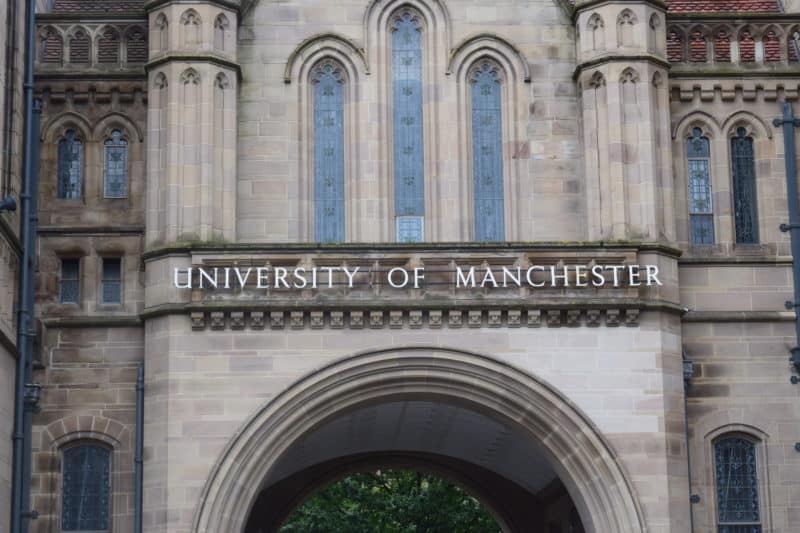
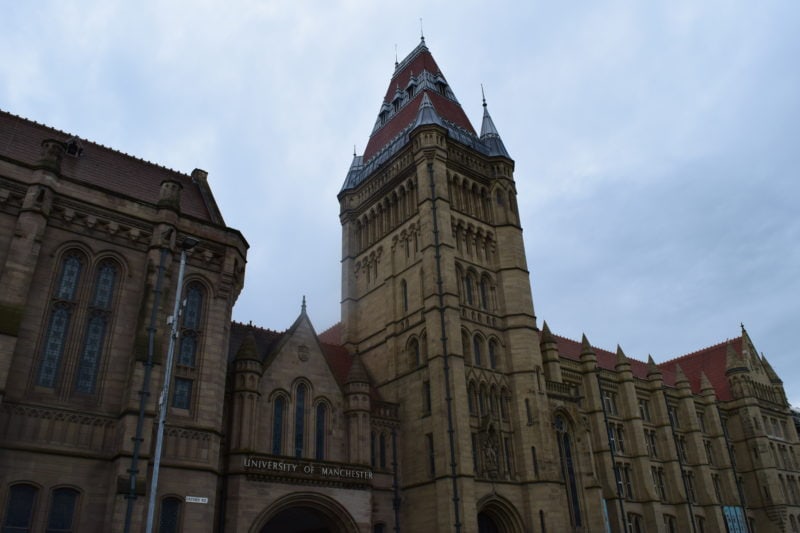
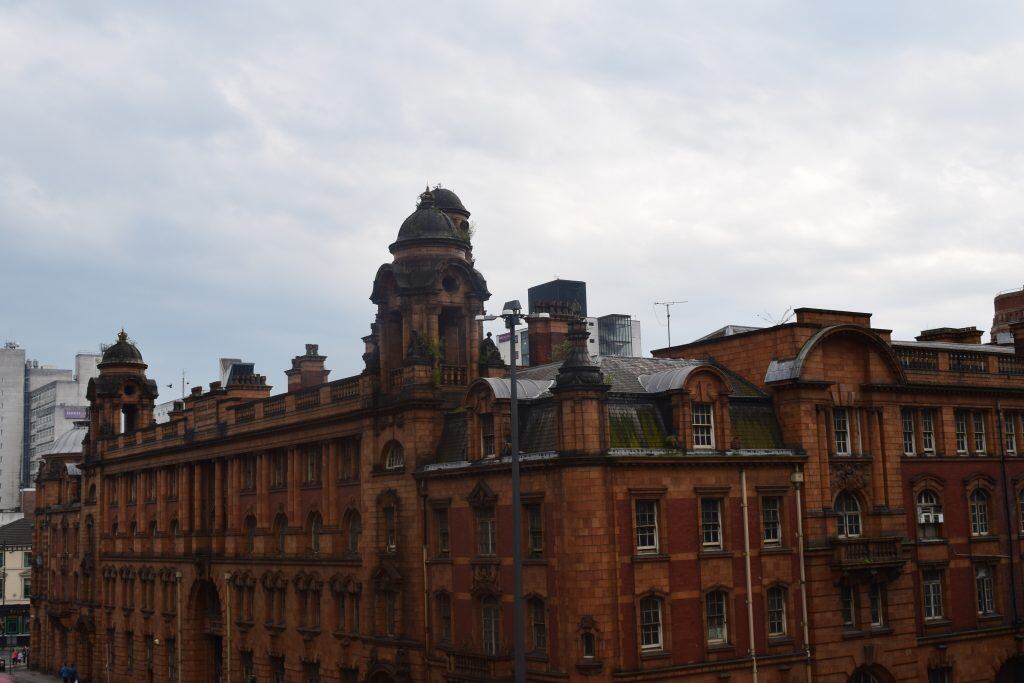
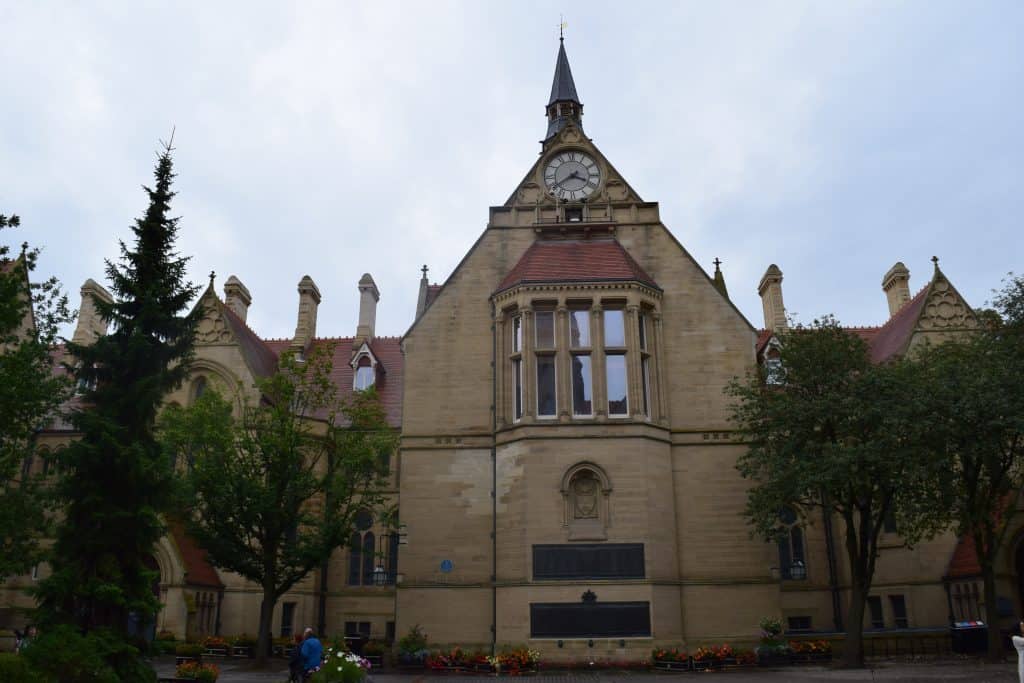
The city’s character is profoundly shaped by its history as the world’s first industrial city. This industrial heritage is visible in the red-brick warehouses, Victorian architecture, and canal networks that are still present today. This past exists alongside a modern, dynamic identity. The city is a key economic, cultural, and political force in Northern England, with strong links to nearby cities like Liverpool and Leeds. It is also a major center for education, with a large student population from institutions like the University of Manchester.
Manchester is known for its diverse and famous neighborhoods. The Northern Quarter is a hub for independent culture, while Spinningfields is a modern business district. Castlefield preserves the city’s Roman and industrial origins, and the area around the Salford Quays is a modern hub for media and culture. The city is also globally recognized for its contributions to music, science, and sport, which all form part of its contemporary identity.
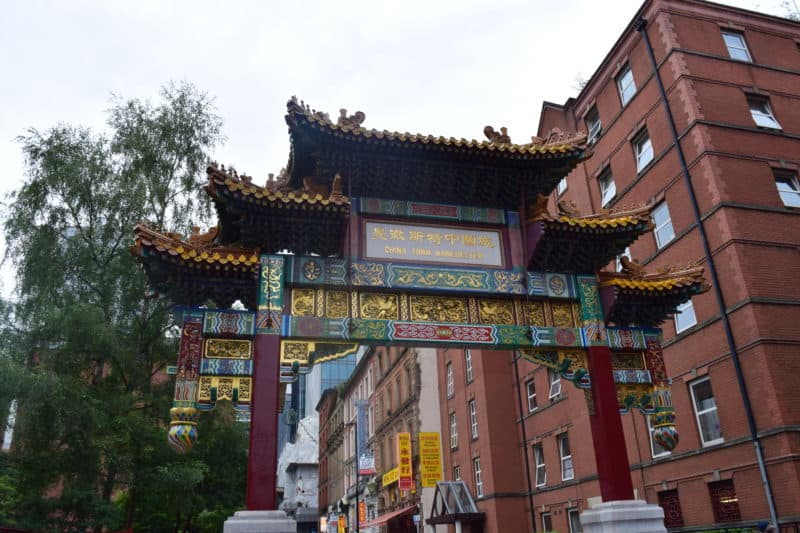
Good to Know When Visiting Manchester
To help with planning a visit, here are several practical points covering daily essentials, timing, and efficient exploration of the city. Understanding these details can make a trip to Manchester more convenient. This information is intended to provide a general overview for travelers preparing to visit this major UK city.
The Daily Essentials
The official currency used in Manchester is the Pound Sterling (GBP). Credit and debit cards are accepted nearly everywhere, with contactless payments being the standard for most transactions. The official language is English. Tipping is customary but not always obligatory; a service charge of 10-12.5% may be added to restaurant bills, but if not, a tip of around 10% is standard for good service. The tap water in Manchester is safe to drink. The electrical system uses Type G sockets with a standard voltage of 230V, so most international visitors will need an adapter. Manchester is generally a safe city, but like any large urban area, visitors should be mindful of their belongings in crowded places and on public transport.
Planning Your Calendar
Manchester experiences four distinct seasons, with a temperate maritime climate known for its reliable rainfall. The summer months (June-August) are the most popular time to visit, with the warmest weather and the longest daylight hours. The spring and autumn offer cooler but often pleasant weather for exploring. The winter is cool and damp, with fewer daylight hours. Major annual events include the Manchester International Festival, a globally recognized festival of original art and performance, and the Manchester Christmas Markets, which take over the city center in November and December. For a first visit, two to three full days is generally sufficient to see the main sights in the city center.
A Tourist’s Toolkit for Exploration
The city center of Manchester is relatively compact and many of the main sights can be explored on foot. For traveling between different neighborhoods or to areas like Salford Quays, the city has an integrated public transport network called the Bee Network. This includes trams, buses, and local trains. The ‘Get Me There’ app is a useful tool for planning journeys and buying tickets. For visitors planning to see many attractions, combination tickets for certain museums or a guided tour can be economical options. Many of Manchester’s major museums, such as the National Football Museum and the Museum of Science and Industry, offer free admission to their main galleries, though special exhibitions may require a paid ticket.
A Short History of Manchester
The history of Manchester is a story of industrial innovation, social change, and modern reinvention. It tracks the city’s development from a small Roman fort to the global center of the textile industry during the Industrial Revolution. This period of immense growth established Manchester as the world’s first industrial city. Following a period of post-industrial decline, the city has undergone significant regeneration in recent decades. This has transformed it into a major center for culture, media, and technology.
Roman Foundation and Medieval Growth
The history of Manchester began as the Roman fort of Mamucium, which was founded in approximately 79 AD. The fort was established to guard the Roman road that ran between Chester and York. After the Roman withdrawal from Britain in the early 5th century, the area remained a small settlement. In the Middle Ages, Manchester grew into a small market town. By the 14th century, it had become a center for the production of wool and linen, thanks to an influx of Flemish weavers.
This early textile industry laid the groundwork for the city’s future development. However, for centuries, Manchester remained a relatively minor town compared to other English cities. Its population was small, and its political importance was limited. Its transformation from a small market town into a major city would not begin until the arrival of the Industrial Revolution in the 18th century.
The Industrial Revolution and “Cottonopolis”
The late 18th and early 19th centuries saw Manchester become the “world’s first industrial city.” The city’s proximity to the coalfields of Lancashire and the port of Liverpool, combined with the damp climate ideal for cotton spinning, made it the perfect location for the new factory system. The development of steam power and new machinery for spinning and weaving transformed the city. It earned the nickname “Cottonopolis” as the global center of the cotton textile trade.
This era saw the opening of the Bridgewater Canal in 1761, Britain’s first major man-made waterway, which connected Manchester to the coal mines. This was followed by the world’s first passenger railway, which connected Manchester to Liverpool in 1830. This rapid industrialization also fueled social change. Manchester was a center for political movements, including the Peterloo Massacre of 1819, where cavalry charged a crowd demanding parliamentary reform. It also played a crucial role in the women’s suffrage movement, led by the Mancunian Emmeline Pankhurst.
Post-Industrial Decline and Modern Regeneration
The 20th century saw the decline of the textile industry in Manchester, leading to a period of economic hardship and urban decay. The city suffered damage during World War II, particularly during the “Christmas Blitz” of 1940. By the latter half of the century, the city was facing significant post-industrial challenges. A pivotal moment in its modern history was the 1996 IRA bombing, which destroyed a large part of the city center.
This event spurred massive investment and regeneration efforts. The city center was rebuilt with modern architecture, new public spaces, and improved infrastructure. Manchester has since transformed into a modern, diverse, and culturally rich metropolis. It successfully hosted the 2002 Commonwealth Games, which led to the development of world-class sporting facilities like the City of Manchester Stadium. The city has reinvented itself as a major center for media, culture, finance, and technology, becoming the economic powerhouse of Northern England.


Things to Do and See
Manchester offers a range of attractions that showcase its industrial heritage, Victorian architecture, and modern cultural scene. Visitors can explore the grand municipal buildings that speak to its 19th-century wealth, as well as museums dedicated to its history in science, industry, and football. The city’s different neighborhoods, from the historic Castlefield to the bohemian Northern Quarter, also provide distinct experiences.
The main sights are concentrated in the city center and the adjacent Castlefield and Salford Quays areas. These landmarks collectively tell the story of Manchester’s evolution from a Roman fort to an industrial powerhouse and finally to the modern cultural hub it is today. The city’s canals and restored warehouses are a constant reminder of its past, existing alongside contemporary art galleries and entertainment venues.
Manchester Cathedral
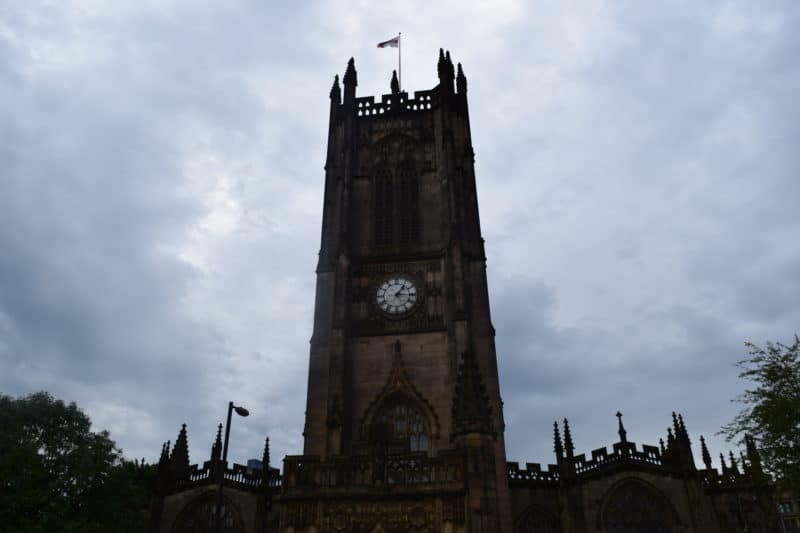
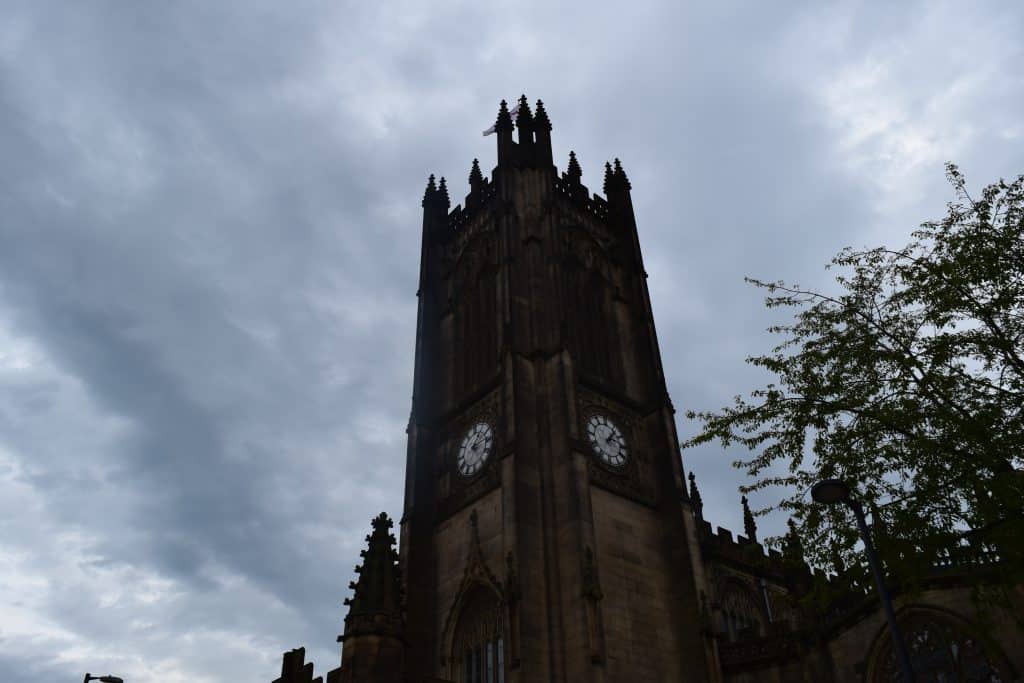
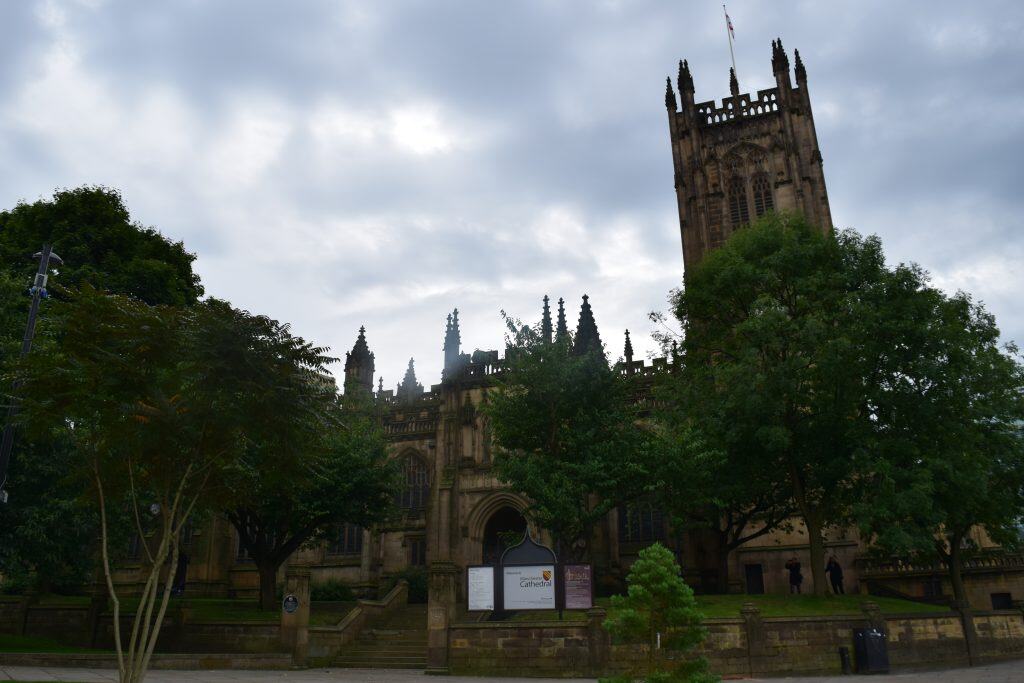
The Manchester Cathedral, officially the Cathedral and Collegiate Church of St Mary, St Denys and St George, is a significant example of English Perpendicular Gothic architecture. It was founded by royal charter in 1421 and became a cathedral in 1847. The building features fine 15th and 16th-century wooden carvings in its nave and quire, which are considered some of the best in the north of England. The church was heavily damaged by bombing in World War II but has been meticulously restored. Notably, in 1787, it was the site of the first public meeting in Manchester campaigning for the abolition of the slave trade.
The John Rylands Library
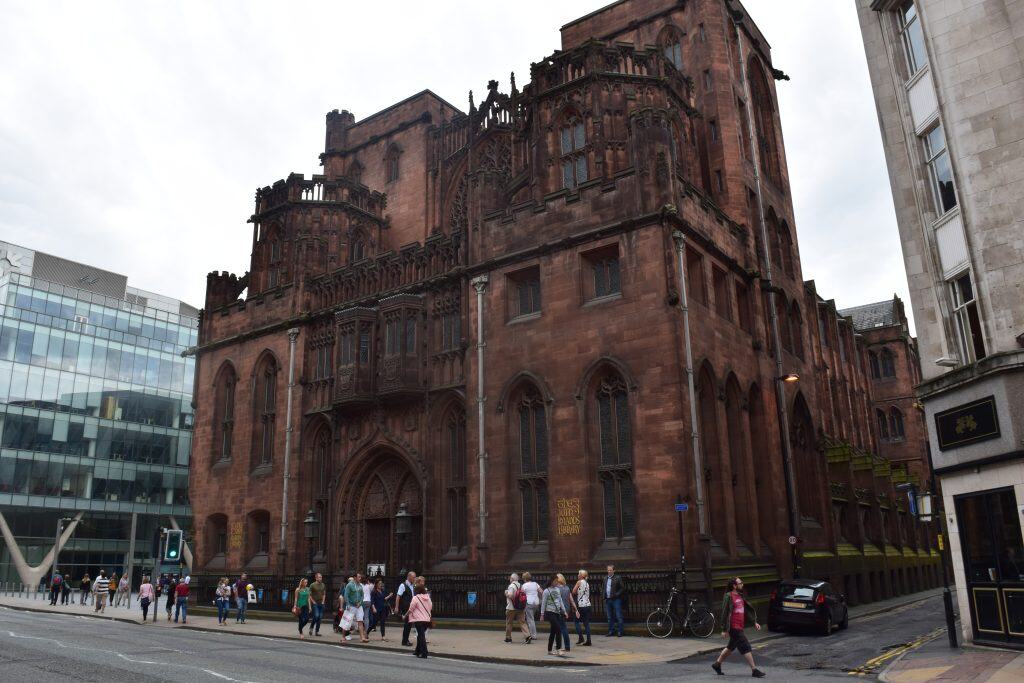
The John Rylands Library is a magnificent example of Victorian neo-Gothic architecture. It was opened in 1900 as a gift to the city from Enriqueta Rylands in memory of her husband, John Rylands, a successful textile entrepreneur. Now part of The University of Manchester Library, it houses world-class collections of rare books, manuscripts, and archives. Its special collections include medieval illuminated manuscripts, a Gutenberg Bible, and the second-largest collection of printing by William Caxton. The building’s main reading room is particularly known for its high vaulted ceiling and detailed stonework. General admission is free.
Northern Quarter
The Northern Quarter (NQ) is Manchester city center’s alternative and bohemian cultural hub. The area was named in the 1990s as part of a city regeneration effort. It is known for its independent shops, cafes, bars, and vibrant music scene. The area, which was historically a textile and market hub during the Industrial Revolution, now features numerous record stores like Piccadilly Records and the alternative clothing bazaar, Affleck’s Palace. The NQ is also a major center for street art and graffiti, with constantly changing murals adorning its red-brick walls.
Museum of Science and Industry (MSI)
The Museum of Science and Industry (MSI) traces the development of science, technology, and industry, with a special emphasis on Manchester’s pivotal role in these fields. It is located on the site of the world’s first passenger railway station, Manchester Liverpool Road, which opened in 1830. The museum is an anchor point of the European Route of Industrial Heritage. It features extensive displays on transport, power, textiles, and communications. Its collection includes a replica of the Manchester Baby, the first computer to have a stored program.
National Football Museum
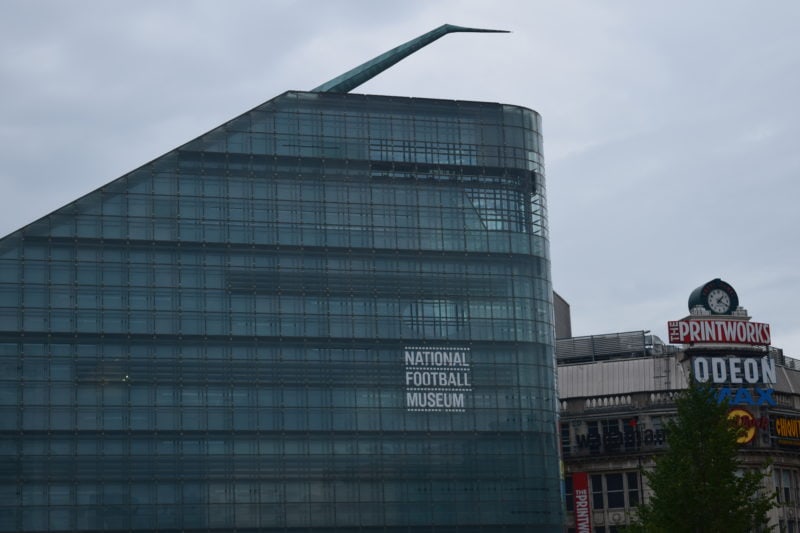
The National Football Museum celebrates the history and culture of football. It offers a comprehensive account of how the sport became a key part of England’s national heritage. The museum is housed in the modern Urbis building in the city center. It holds the world’s largest football collection, with over 140,000 items, including official FIFA collection exhibits. Visitors can see historic memorabilia, such as the world’s first international football shirt. The museum also features numerous interactive games and changing exhibitions. General admission is free.
Manchester Town Hall
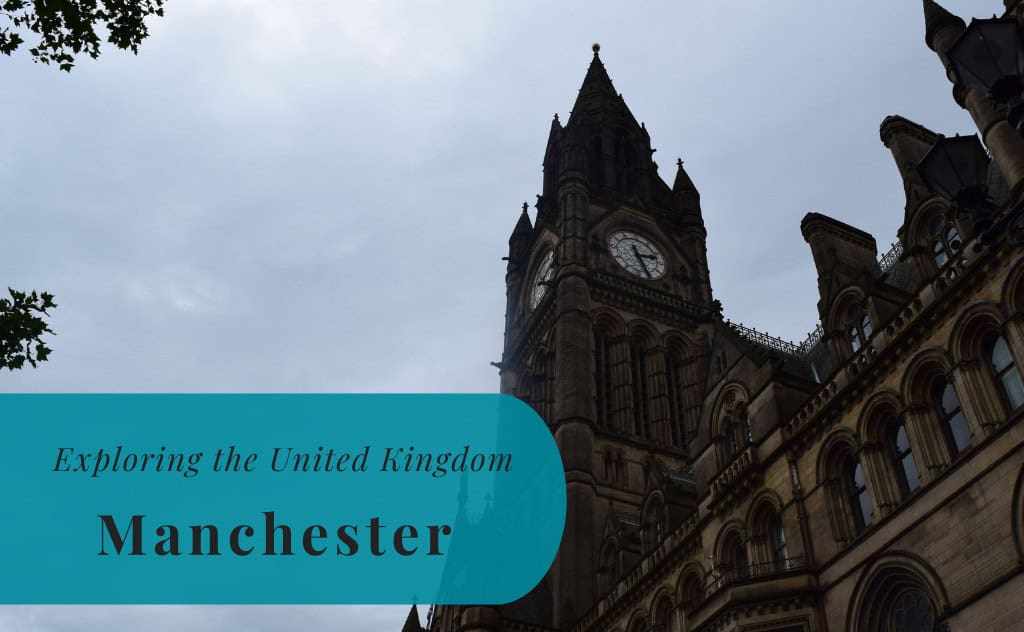
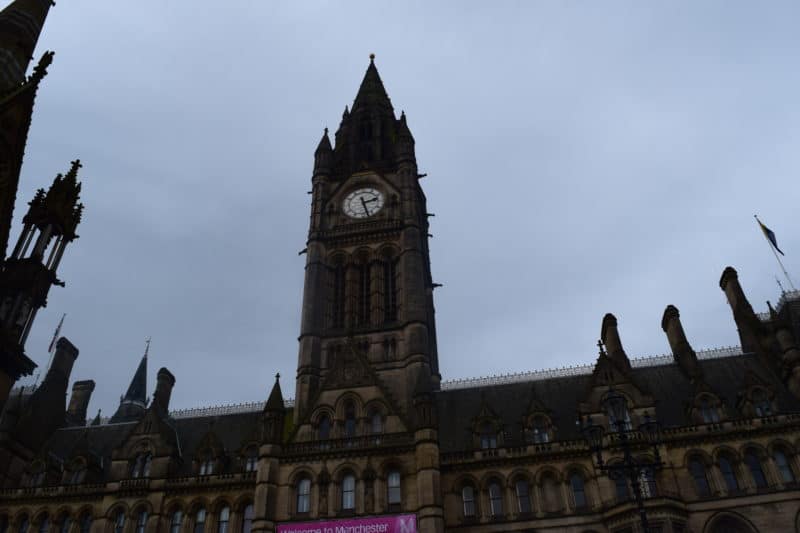
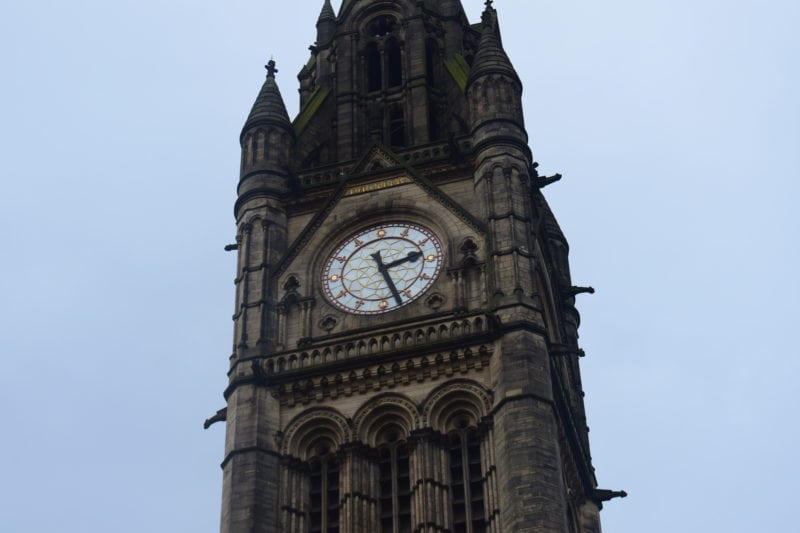
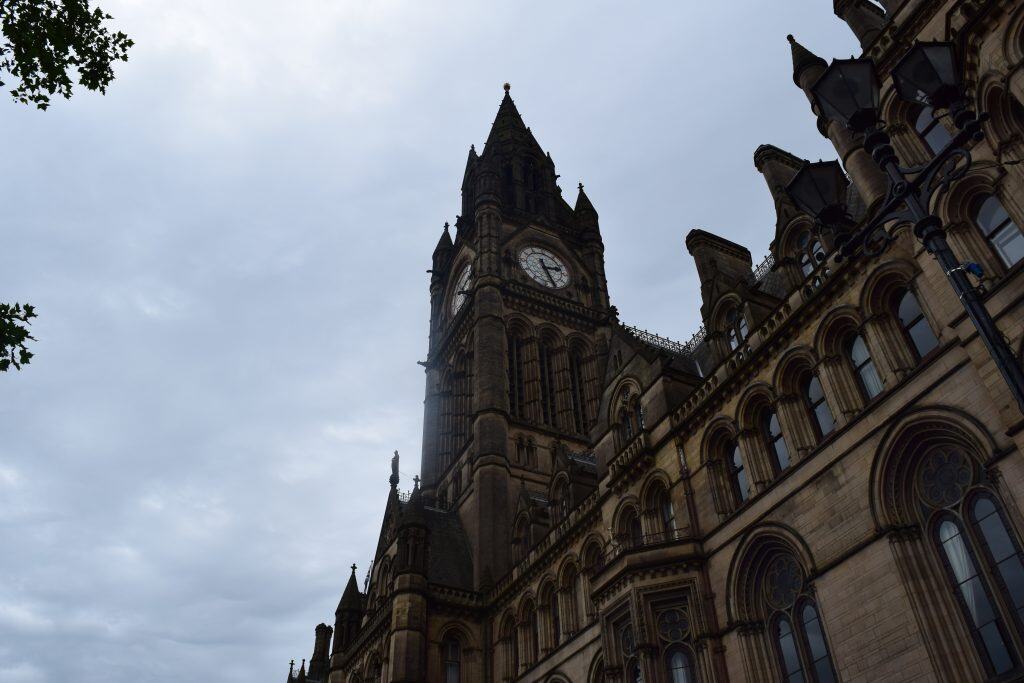
The Manchester Town Hall is an iconic Victorian Gothic Revival municipal building located on Albert Square. It was designed by the architect Alfred Waterhouse and completed in 1877. The building features intricate sculptures and a famous bell tower that houses the Great Abel bell. Its Great Hall contains a series of large murals by the artist Ford Madox Brown, which depict scenes from Manchester’s history. While the building is currently undergoing an extensive renovation project, its exterior architecture stands as a powerful symbol of Manchester’s Victorian pride and industrial wealth.
Castlefield Urban Heritage Park
Castlefield is Manchester’s designated urban heritage park. It is the site of the original Roman fort, Mamucium, the remains of which are visible. During the Industrial Revolution, it became a central location for transport and industry in Britain. The area features the world’s first industrial canal, the Bridgewater Canal, which opened in 1761. Visitors can explore the network of canals, railway viaducts, and renovated Victorian warehouses. Castlefield offers a direct look into Manchester’s pivotal industrial past, blending history with modern urban living.
Manchester Art Gallery
The Manchester Art Gallery is a major public art gallery located in the city center. The gallery’s main building was designed by Sir Charles Barry and completed in 1829. Its collection spans six centuries, but it is particularly known for its extensive collection of British art, including a large number of works by the Pre-Raphaelite Brotherhood. The gallery also features collections of decorative art and design. Admission to the permanent collection is free. The gallery hosts a regular program of temporary exhibitions.



Sports in Manchester
Manchester has a dynamic sporting culture, with a deep-seated passion for its professional teams, particularly in football. The city is globally recognized as a football powerhouse, home to two of the world’s most famous clubs. Beyond football, Manchester has a strong heritage in other sports, including rugby league, cricket, and cycling. The city’s sporting infrastructure is extensive, including two major football stadiums, a world-famous cricket ground, and a national cycling center.
The city has hosted major international sporting events, most notably the 2002 Commonwealth Games. This event led to the construction of several new sporting venues and a lasting legacy of sporting infrastructure in the eastern part of the city. This combination of top-level professional clubs, world-class venues, and a history of hosting major events makes Manchester a key sporting city in the UK.
Football
Football is a deeply ingrained passion in Manchester. The city is a global footballing powerhouse. Two major professional clubs, Manchester United and Manchester City, call the metropolitan area home. Matches are significant social events, uniting generations of fans and fostering one of the most intense local rivalries in world sport. The performance of these two clubs often dominates national and international sports discussions.
Manchester United
Manchester United Football Club is one of the most famous and successful football clubs globally. They play their home matches at Old Trafford, known as “The Theatre of Dreams,” which has a capacity of over 74,000 spectators. Founded in 1878 as Newton Heath LYR Football Club, Manchester United has won a record 20 English League titles, 12 FA Cups, and three UEFA Champions League trophies. The club has a vast international fanbase and a rich history of legendary players and managers, including Sir Matt Busby and Sir Alex Ferguson.
Manchester City
Manchester City Football Club is the city’s other major football club and has experienced significant success in the 21st century. They play their home matches at the Etihad Stadium, which has a capacity of over 53,000 spectators and is part of the modern Etihad Campus. Founded in 1880 as St. Mark’s (West Gorton), Manchester City has won numerous Premier League titles, FA Cups, and the UEFA Champions League in 2023. The club has built a global reputation for its attacking style of play under manager Pep Guardiola. Their rapid rise has intensified the city’s football rivalry.
Rugby
Rugby League holds a significant place in Manchester’s wider sporting landscape, particularly in the city of Salford, which is part of the Greater Manchester area. The sport has a dedicated following and a proud, working-class history within the region. The city is home to a professional club that competes in the top tier of the sport in the UK.
Salford Red Devils
The professional rugby league club is the Salford Red Devils. They are based in Salford, part of Greater Manchester, and play in the Super League, the top tier of rugby league in the UK. The club has a long history, having been founded in 1873. They have won the League Championship six times and the Challenge Cup once in their history. Their home ground is the Salford Community Stadium.
Cricket
Cricket has a long and storied history in Manchester, which is home to one of the world’s most famous cricket grounds. The sport is integral to the English summer, drawing passionate crowds. The city’s ground is a regular host for international Test matches for the England cricket team. The rivalry between Lancashire and Yorkshire, known as the “Roses Match,” is one of the most famous in English domestic cricket.
Lancashire County Cricket Club
The Lancashire County Cricket Club is based at Emirates Old Trafford in Manchester. The club is one of England’s most prestigious first-class counties. It was founded in 1864 and has held first-class status ever since. Emirates Old Trafford is a historic Test match venue, having hosted matches since 1884. The ground has a capacity of around 26,000 and is also the home of the Manchester Originals team in The Hundred, a modern 100-ball cricket competition.
Cycling
Manchester has established itself as the national hub for cycling in the United Kingdom. This is primarily due to the presence of world-class facilities that were built in the eastern part of the city. The city is the headquarters for British Cycling, the sport’s national governing body. This has made Manchester a center for the development of elite cycling talent in the country.
National Cycling Centre
The HSBC UK National Cycling Centre is located in East Manchester. This facility is Britain’s first indoor Olympic cycling track, opened in 1994. It is considered one of the world’s finest and busiest board tracks. The center includes a velodrome with a 250-meter track and an indoor BMX track. It has played a crucial role in the success of the Great Britain cycling team, producing numerous Olympic champions like Sir Chris Hoy and Dame Sarah Storey.

Getting Around Manchester
Navigating Manchester is straightforward due to its extensive and integrated public transport network. This system, which includes trams, buses, and local trains, connects the city center with its surrounding districts and the wider Greater Manchester area. The city center itself is also very compact and walkable. The integrated transport network is branded as the Bee Network.
The Bee Network provides unified travel across different modes. Payment can be made using a contactless card or device, which offers daily and weekly fare capping. This ensures you never pay more than the equivalent of a daily or weekly pass. The ‘Get Me There’ app and smart card also work across the network. Consider purchasing a Bee AnyBus+Tram travelcard for flexible multi-modal travel. Remember to always check official sources for the most up-to-date information.
On Foot: Exploring the City Center
Walking is often the best way to experience central Manchester. Many key attractions are within easy reach of each other. Areas like the Northern Quarter, the main shopping district around Market Street, and the civic quarter around Albert Square are highly walkable. This allows you to discover the city’s architecture and vibrant street life up close. The canal towpaths in areas like Castlefield also provide unique pedestrian routes. Wear comfortable shoes, as you will likely cover significant distances.
Riding the Metrolink
The Manchester Metrolink is Manchester’s modern tram system. It is one of the most extensive light rail networks in the UK. The network has eight lines that connect central Manchester to outer districts and nearby towns like Oldham, Rochdale, and Altrincham. Key destinations like MediaCityUK and Manchester Airport are also on the network. Trams are frequent and reliable. They are a fast way to get around the city and its suburbs. Look for the yellow and grey tram stops.
A Network Above Ground: Buses
Manchester has a comprehensive bus network that serves all parts of the city and the entire Greater Manchester region. Buses are a convenient option for shorter journeys and for reaching areas not served by the tram. Under the Bee Network, the bus system is becoming more integrated, with simpler fares and more coordinated routes. A free bus service (City Centre Free Bus) also operates on three circular routes within the city center, which is very useful for visitors. Night bus services run on many routes after midnight.
On Two Wheels: Cycling in Manchester
Cycling in Manchester is an increasingly accessible option. The city is expanding its network of cycle lanes, including many segregated “Dutch-style” paths. Beryl Bikes is Manchester’s public bike-sharing scheme. You can rent both standard and electric bikes via an app from numerous docks located across the city. This provides a flexible option for short trips. The city’s canal towpaths also offer flat, traffic-free routes for cycling.

How to Get to Manchester
Reaching Manchester, a major hub in northwest England, is convenient. This dynamic city offers a blend of industrial heritage and modern culture. Whether you prefer air travel, driving, or public transport, Manchester is well-connected both nationally and internationally.
Arriving by Air: Manchester Airport
Manchester is served by Manchester Airport (MAN), one of the UK’s busiest airports outside of London. It is located about 14 kilometers south of the city center. MAN offers extensive domestic and international connections. It has direct flights to numerous European cities, as well as long-haul routes to North America, the Middle East, and Asia. From the airport, a dedicated transport hub called “The Station” provides direct train and tram (Metrolink) connections to Manchester Piccadilly station in the city center. The journey takes approximately 20 minutes.
The Open Road: Driving the Motorways
Driving to Manchester offers flexibility, especially for exploring the wider North West region. A network of major motorways provides direct access to the city. The M6 motorway connects Manchester to the Midlands and Scotland. The M62 is a key east-west route, linking the city to Liverpool and cities across the Pennines like Leeds. The M60 is a large ring road that encircles the city. Be aware that traffic can be heavy, and parking in the city center can be expensive.
Connecting by Coach
Bus services provide an economical way to reach Manchester. The Manchester Chorlton Street Coach Station is the main hub for long-distance coaches. It is located a short walk from Piccadilly train station. Companies like National Express and Megabus operate frequent routes that connect Manchester with all major cities across the UK. Direct services run from London, Birmingham, Glasgow, and many other locations. Many coaches offer amenities like Wi-Fi.
On Track: A Key Railway Hub
Traveling to Manchester by train is efficient and popular within the UK. The city has several key railway stations. Manchester Piccadilly is the primary station, offering high-speed connections to London and other major cities. Manchester Victoria and Manchester Oxford Road are other significant hubs. Train operators like Avanti West Coast, TransPennine Express, and Northern provide services. Direct trains from London Euston to Manchester Piccadilly can take as little as 2 hours.
The Irish Sea Route: Arriving by Ferry
While Manchester is an inland city, ferry services connect to nearby port cities, providing an alternative travel route. The closest major ferry port is Liverpool, which has direct services from Dublin, Ireland (operated by P&O Ferries). From Liverpool’s port, a connecting train or bus journey to Manchester takes about an hour. The port of Holyhead in North Wales also has frequent ferries from Dublin. From Holyhead, direct trains connect to Manchester. For those coming from Northern Europe, the port of Hull has connections to the Netherlands.
Driving Distances
The driving distance from 6 major British cities, according to Google Maps:
- Liverpool, UK – 56 kilometers (1 h 00 min)
- Leeds, UK – 65 kilometers (1 h 10 min)
- Birmingham, UK – 138 kilometers (2 h 00 min)
- Cardiff, Wales – 336 kilometers (4 h 10 min)
- London, UK – 338 kilometers (4 h 20 min)
- Edinburgh, Scotland – 350 kilometers (4 h 10 min)
- Glasgow, Scotland – 354 kilometers (4 h 00 min)
- Dublin, Ireland – 354 kilometers (7 h 50 min, includes ferry)
- Amsterdam, Netherlands – 821 kilometers (10 h 50 min, includes ferry)
- Paris, France – 885 kilometers (10 h 10 min, includes ferry/tunnel)
Looking to Explore more of the United Kingdom and Europe?