
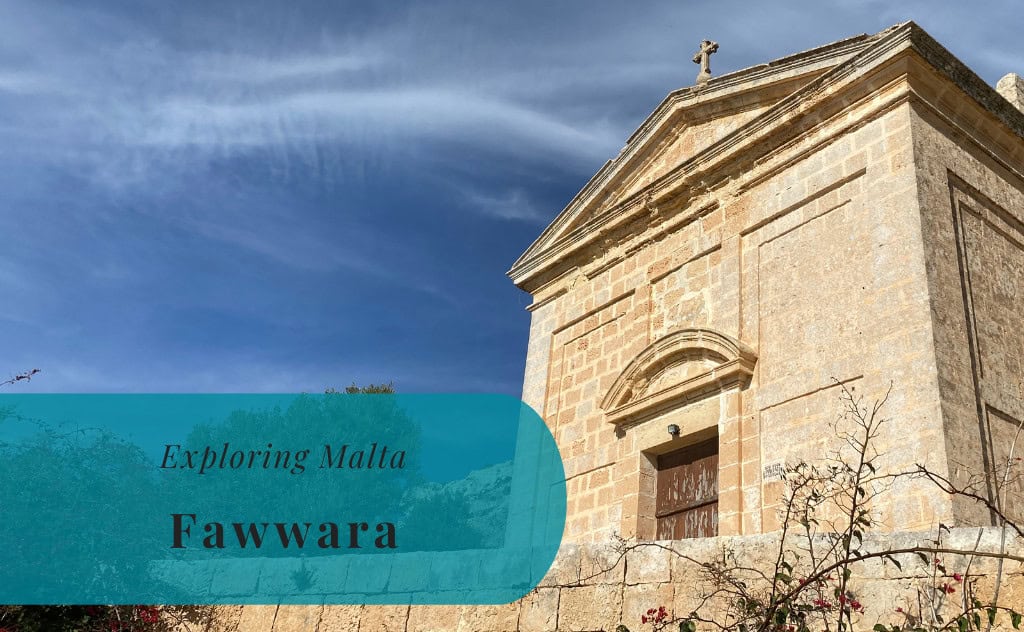
Fawwara | Exploring Malta
Fawwara is a rural area in the limits of Siġġiewi, located in the Western Region of Malta. The area is situated on a high plateau near the famous Dingli Cliffs, on the southwestern coast of the island. Fawwara is not a village or a town, but rather a sparsely populated agricultural area known for its natural spring and historic chapel. It is part of the municipality of Siġġiewi. The area offers some of the most dramatic coastal views on the island of Malta.
The character of Fawwara is that of a quiet, undeveloped, and natural landscape. Its identity is defined by its isolation and its connection to the rugged coastline of this part of Malta. The name “Fawwara” is a Maltese word meaning “spring of water,” which refers to the natural spring that is the central feature of the area. The landscape is characterized by terraced fields, rocky garrigue, and steep cliffs that drop down to the sea. It is a destination for hikers and those seeking to experience the natural beauty of the Maltese countryside.


A Short History of Fawwara
The history of Fawwara is that of a small rural and religious outpost that has remained largely unchanged for centuries. Its development is tied to its natural water source and a historic chapel that was first built in the Middle Ages. The story of the area is not one of large settlements or major events, but of the continuity of agriculture and religious devotion in a remote part of the island. This has allowed it to be preserved as a significant natural and historical landscape.
A Natural Spring and a Vow
The history of settlement in the Fawwara area is centered on its natural spring. This reliable source of fresh water was a vital resource in this arid part of the island. A key event in the area’s history is the legend associated with the founding of its first chapel. According to tradition, in the 14th century, a noblewoman named Isabell d’Aragona made a vow to build a chapel here if her husband returned safely from war. The chapel, dedicated to the Annunciation, was subsequently built near the spring.
A Rural Hamlet
For centuries, the area of Fawwara remained a small, isolated agricultural hamlet. Its life was defined by the chapel and the surrounding farms. The area was part of the wider parish of Siġġiewi. The farmers in the area used the water from the spring to irrigate the terraced fields on the slopes below the main plateau. The area was largely untouched by the major historical developments that affected the fortified cities around the Grand Harbour. This has allowed it to retain its traditional rural character into the modern era.

Things to Do and See
The sights in and around Fawwara are focused on its historic chapel and the surrounding natural landscape. The main points of interest offer a look into the rural heritage of Malta and provide access to some of the most impressive coastal scenery on the island.
Chapel of the Annunciation
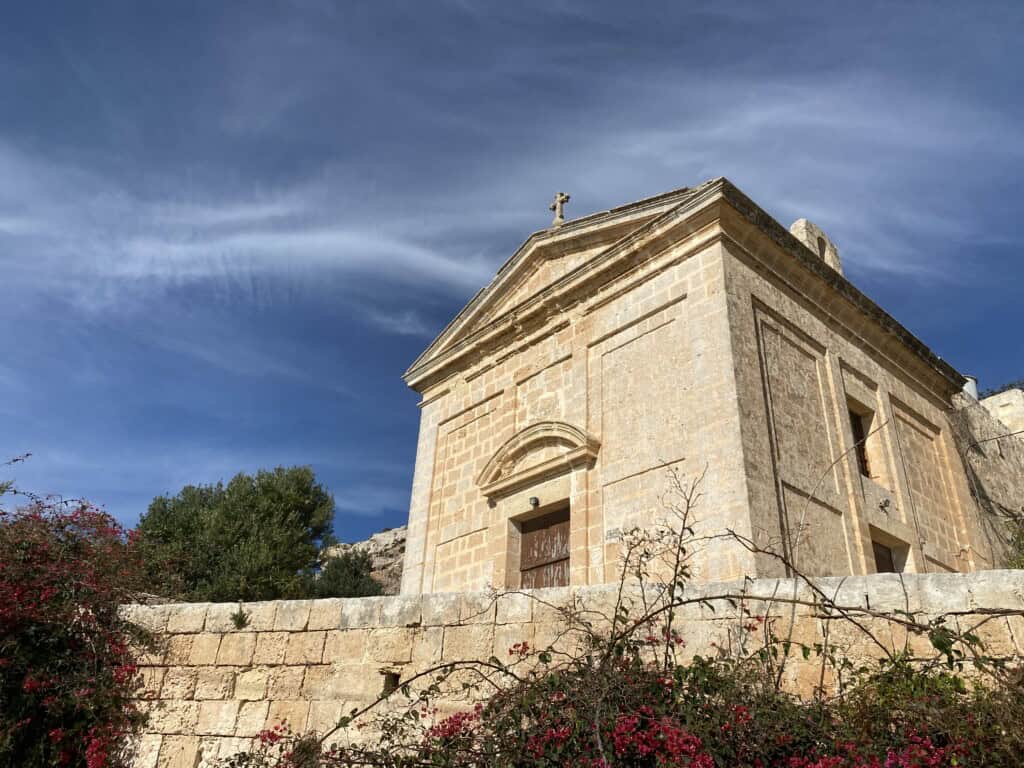
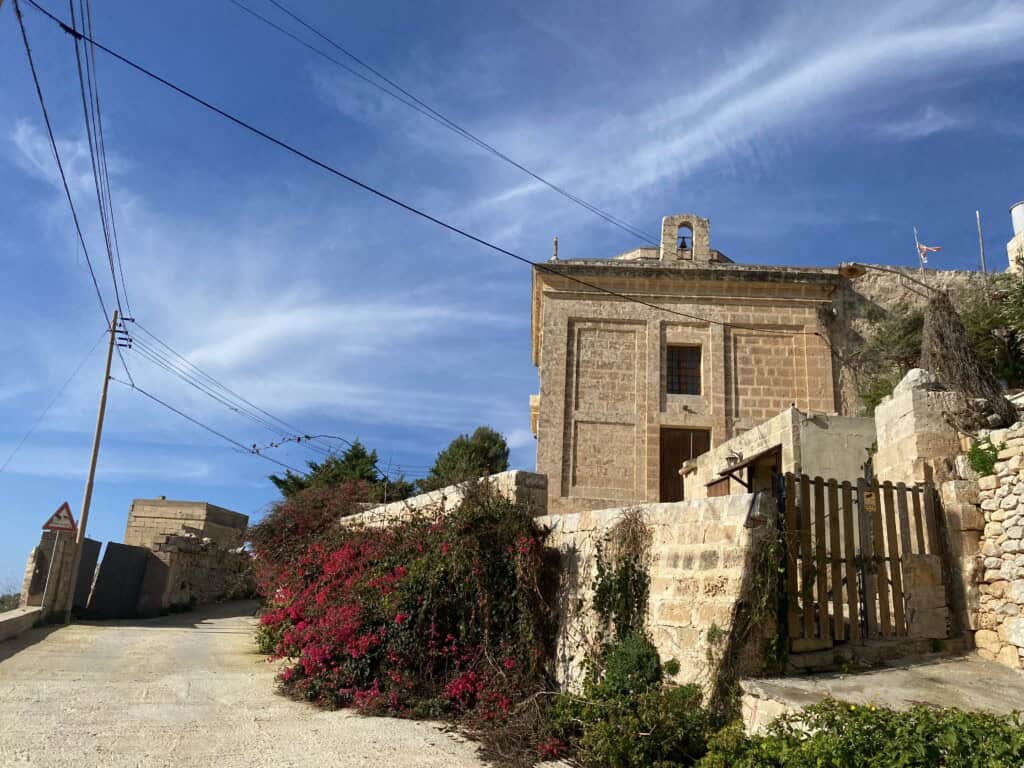
The Chapel of the Annunciation (Annunzjata Chapel) is the primary historical landmark in Fawwara. The current chapel was built in 1616, replacing the earlier medieval chapel from the legend. It is a simple, rectangular chapel built in the traditional Maltese style. The chapel is located in a dramatic position on the edge of the escarpment, overlooking the terraced fields and the sea below. It remains an important site for local religious devotion.
The Fawwara Spring
The Fawwara Spring is the natural spring that gives the area its name. The spring emerges from the ground near the chapel. The water from the spring was historically collected in a reservoir and used to irrigate the agricultural land on the slopes below. This water source was the reason for the original settlement in the area. The spring and the old irrigation channels are still visible today.
The Coastal Views
The area of Fawwara is located on the high plateau that forms the Dingli Cliffs. This location offers some of the most expansive and panoramic coastal views in all of Malta. From the area around the chapel, it is possible to look out over the Mediterranean Sea. The view includes the small, uninhabited island of Filfla in the distance. The sunsets from this part of the island are particularly well-known.
Dingli Cliffs
The Dingli Cliffs, located immediately adjacent to the Fawwara area, are a major national landmark. These are the highest cliffs in Malta, reaching a height of over 250 meters above sea level. The cliffs stretch for several kilometers along the southwestern coast of the island. The area offers a dramatic landscape of sheer limestone cliffs dropping down to the sea. A road runs along the top of the cliffs, providing access to several viewpoints.
Għar Lapsi
Located a short drive from Fawwara is the small cove of Għar Lapsi. This is a popular destination for swimming and diving. The cove is known for its clear, deep blue water and its series of sea caves. It is a natural rocky inlet that provides a sheltered area for swimming. There are several small restaurants located at the cove that are known for their fresh seafood.

How to Get to Fawwara
Reaching the rural area of Fawwara requires travel to the southwestern part of the island of Malta. A car is the most practical means of transport, as public transport links to this specific location are very limited.
The Open Road: Driving to the Cliffs
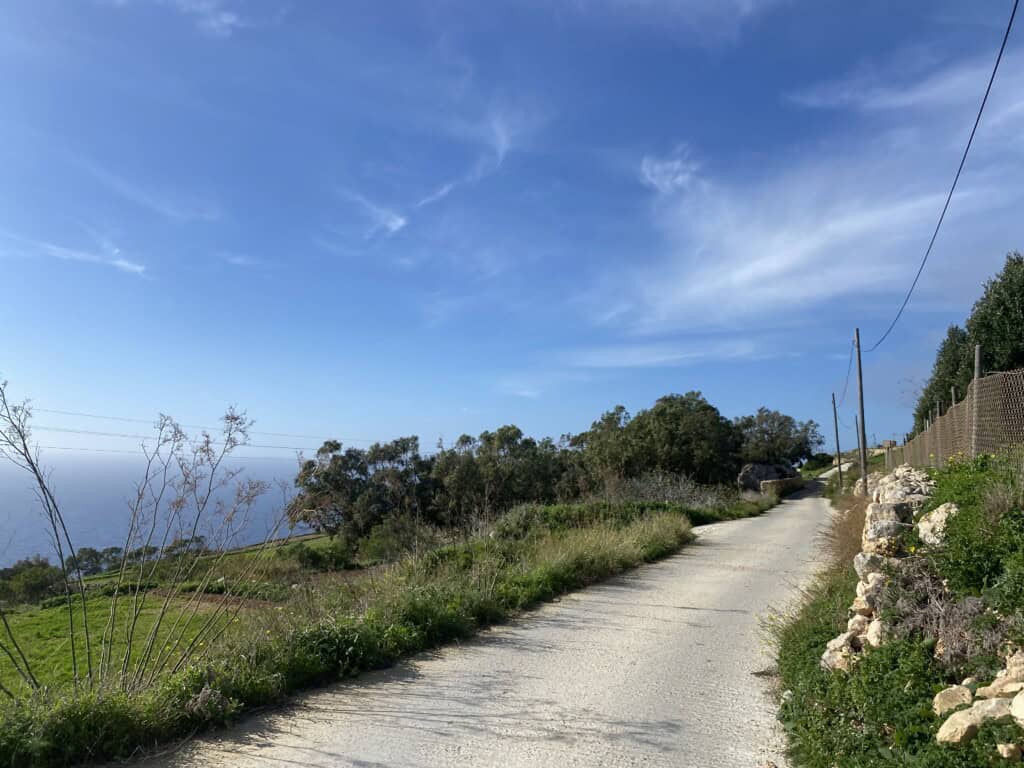
Driving is the most straightforward way to reach Fawwara. The area is located on a network of small, rural roads. From the main towns of the central part of the island, such as Siġġiewi or Rabat, a series of local roads lead out to the coast and the Dingli Cliffs area. A car provides the necessary flexibility for exploring the scattered points of interest along this stretch of coastline. Parking is available in small, informal lots near the chapel.
Arriving by Air: Malta International Airport
The primary and sole gateway to the country is Malta International Airport (MLA). It is located in the town of Luqa, approximately 10 kilometers from the Fawwara area. The airport is well-connected to major cities across Europe, the Middle East, and North Africa. From the airport, a rental car is the most practical option for completing the journey to this rural part of the island.
On Track: The Absence of Rail
There is no train service in Malta. The country does not have a railway network. Therefore, it is not possible to reach Fawwara by train. All overland travel on the island must be done by road.
Connecting by Coach
There are no direct long-distance coach services to the small locality of Fawwara. The Malta Public Transport bus network serves the main towns and villages. The closest bus stops would be in the town of Siġġiewi or near the main Dingli Cliffs viewpoint. From any of these bus stops, a long walk of several kilometers would be required to reach the Fawwara chapel and spring.
An International Ferry Approach
It is possible to arrive in Malta by ferry. The main ferry terminal is located at the Valletta Waterfront. There are regular car and passenger ferry services that connect Malta with the port of Pozzallo in Sicily, Italy. From the ferry terminal in Valletta, a rental car is the most practical option for reaching the remote Fawwara area.
Driving Distances
The driving distance from 10 Maltese cities, according to Google Maps:
- Rabat, Malta – 6 kilometers (0 h 10 min)
- Mdina, Malta – 7 kilometers (0 h 20 min)
- Mosta, Malta – 10 kilometers (0 h 20 min)
- Valletta, Malta – 11 kilometers (0 h 20 min)
- Birgu, Malta – 12 kilometers (0 h 20 min)
- Sliema, Malta – 13 kilometers (0 h 30 min)
- St. Julian’s, Malta – 13 kilometers (0 h 30 min)
- Marsaxlokk, Malta – 13 kilometers (0 h 20 min)
- Buġibba, Malta – 16 kilometers (0 h 30 min)
- Mellieħa, Malta – 22 kilometers (0 h 40 min)
Looking to Explore more of Malta and Europe?



This is one of my favorite spots in Malta.