
Bergamo, Lombardy | Exploring Italy
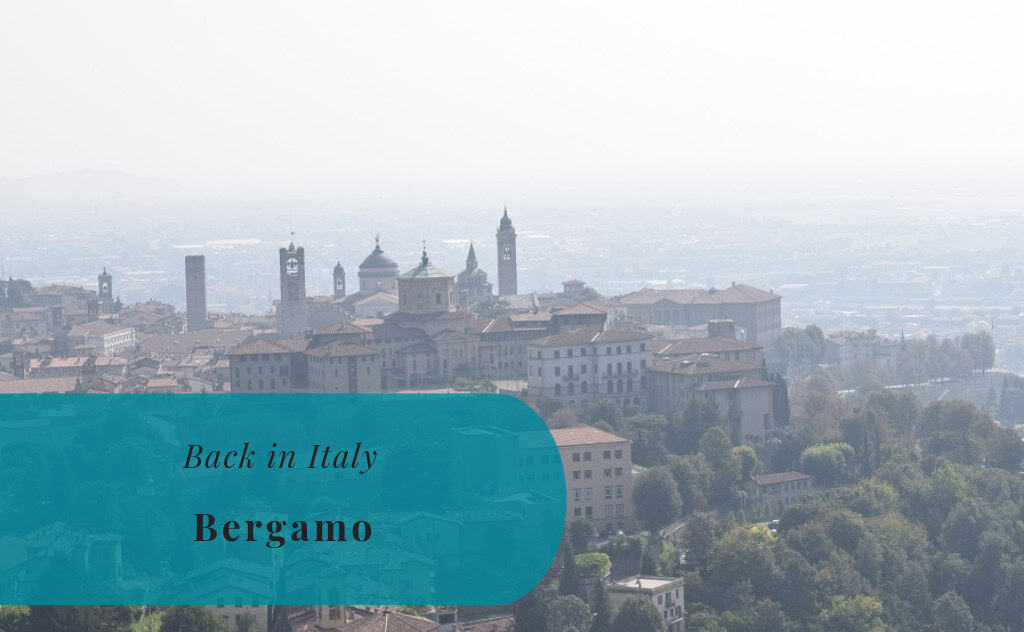
Bergamo is a city in the northern Italian region of Lombardy. The city with around 121.000 inhabitants became known as one of the worst epicenters in Italy during the COVID-19 pandemic. However, it is also a popular tourist destination that sometimes ends up in the shadows of the bigger destinations in northern Italy such as Milan, Venice, and Verona.
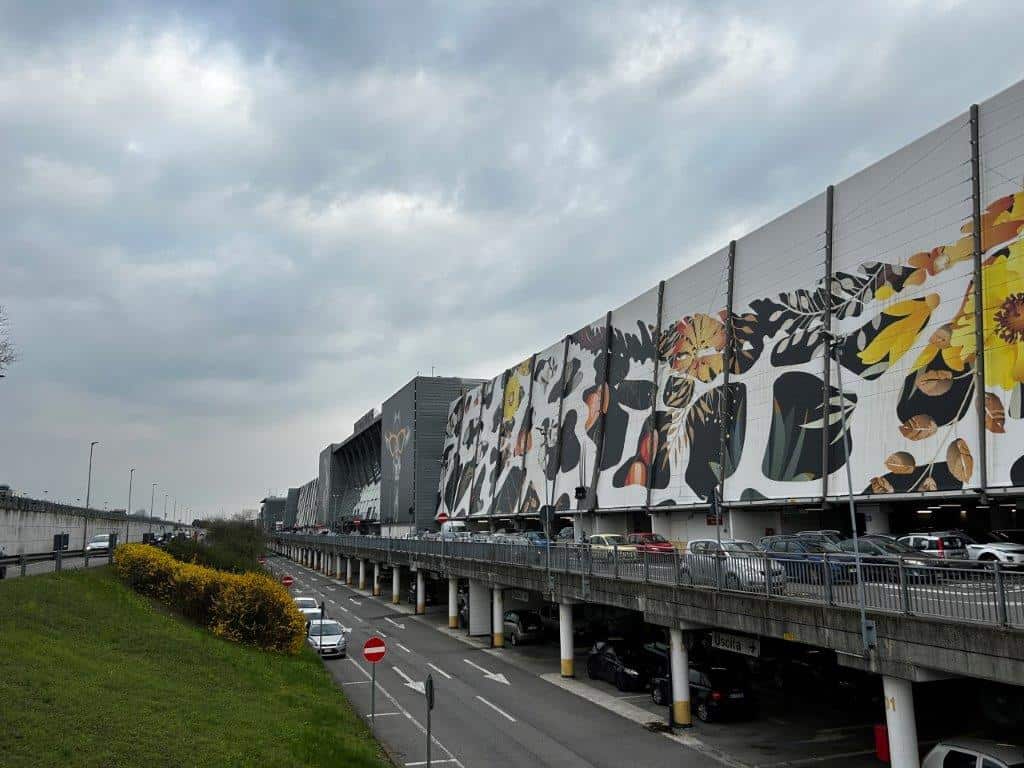
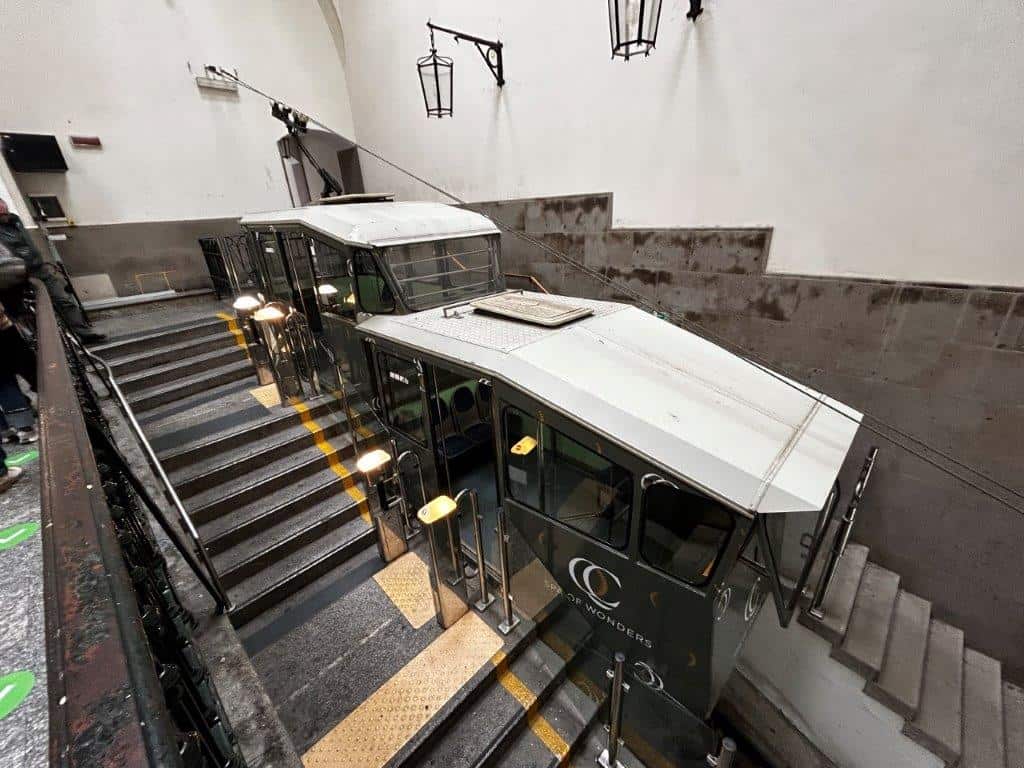
The city is split into two major areas, the upper Città Alta and the lower Città Bassa. The historical atmosphere of Città Alta attracts many tourists to the upper city, with several small shops and restaurants lining the narrow streets. Meanwhile, in Città Bassa you will find more modern shopping streets and larger administrative buildings. These two parts of the city are connected by a cable car or a funicular. Yet one more funicular connects Città Alta with the hill of San Vigilio. That is not all, Bergamo is home to one of the larger international airports of the large Milan Metropolitan Area, the Il Caravaggio International Airport. The airport, mostly served by low-cost airlines, makes it one of the larger transport hubs in Northern Italy.
Our Visit to Bergamo
We have visited Bergamo three times. The first time was in 2016 when we spent a few days in the city with day trips to Lake Como, Brescia, and Verona. The second visit took place in 2018 when Bergamo was the final destination on a trip that took us from Pisa, via Florence and Milan, to the hills of Lombardy. The most recent visit took place in 2024 with a day trip from Warsaw in Poland.
- Bergamo, Italy – A Day Trip from Warsaw
- Bergamo, Lombardy – Exploring Italy 2018
- Lake Como, Lombardy – La Bella Italia
- Brescia, Lombardy – La Bella Italia
- Verona, Veneto – La Bella Italia






A Short History Of Bergamo
The history of Bergamo began during the times of the Ligurian tribe known as the Orobii in the Iron Age. The city became part of the Roman Empire in 49 BC and was for centuries a location along a military road in the northern part of the empire.
The city was ruled by several local duchies, kingdoms, and republics during the Middle Ages. It was part of the Kingdom of Lombards, the Duchy of Milan, and the Republic of Venice before the area became a part of the Cisalpine Republic with the Treaty of Campo Formio in 1797. The Cisalpine Republic later became the Napoleonic Kingdom of Italy, a client state of the French Empire. A few decades later in 1815, it came under the control of the Austrian Empire as a part of the Kingdom of Lombardy-Venetia. It was first in 1859 that the city became a part of the independent Kingdom of Italy.
Industrialization of the area around Bergamo accelerated in the early 20th century and it soon became one of the most industrialized areas in Italy. Larger industries today consist of companies such as ABB, Brembo, and Tenaris.




Things to Do and See
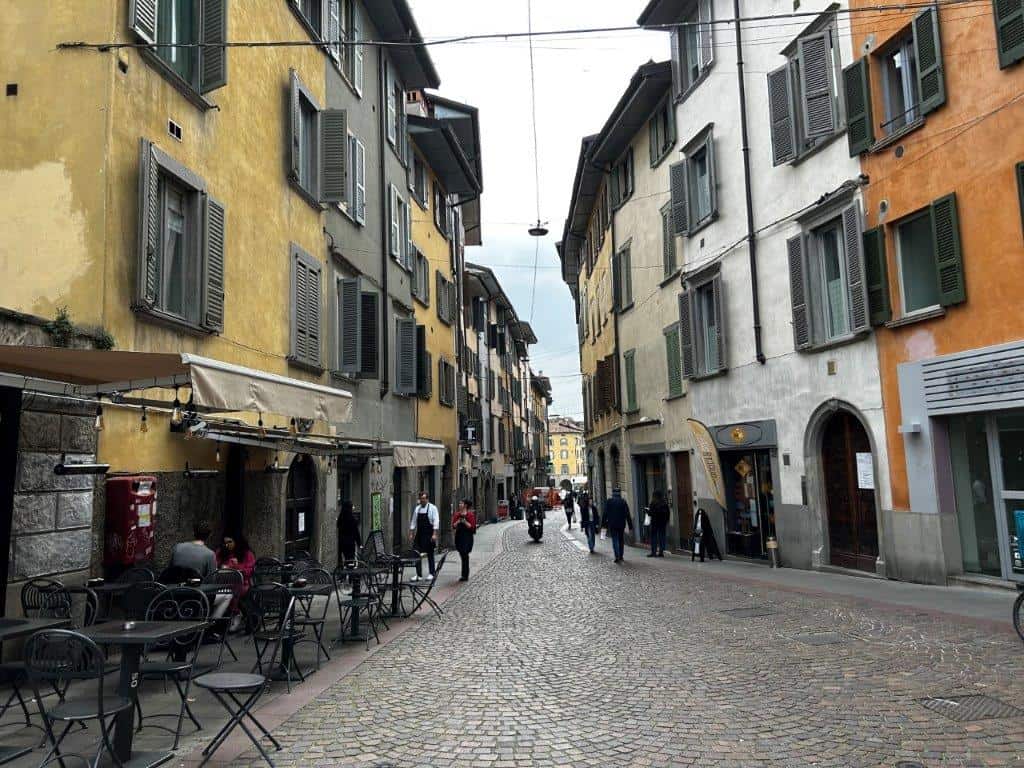
As a tourist, there are mainly three areas of Bergamo to explore. These are the lower city of Città Bassa, the upper more historical city of Città Alta, and the more remote area of San Vigilio. The contrasts between these three are striking and it is sometimes hard to believe that it is just a short ride along the funicular to go between them.
Città Bassa
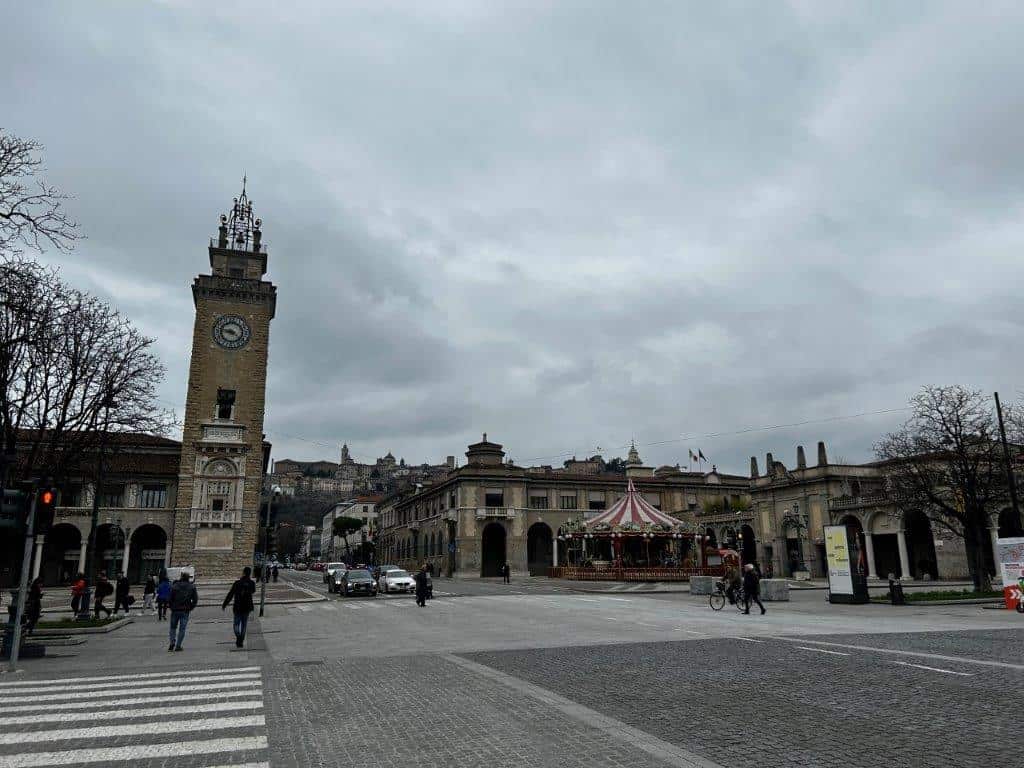
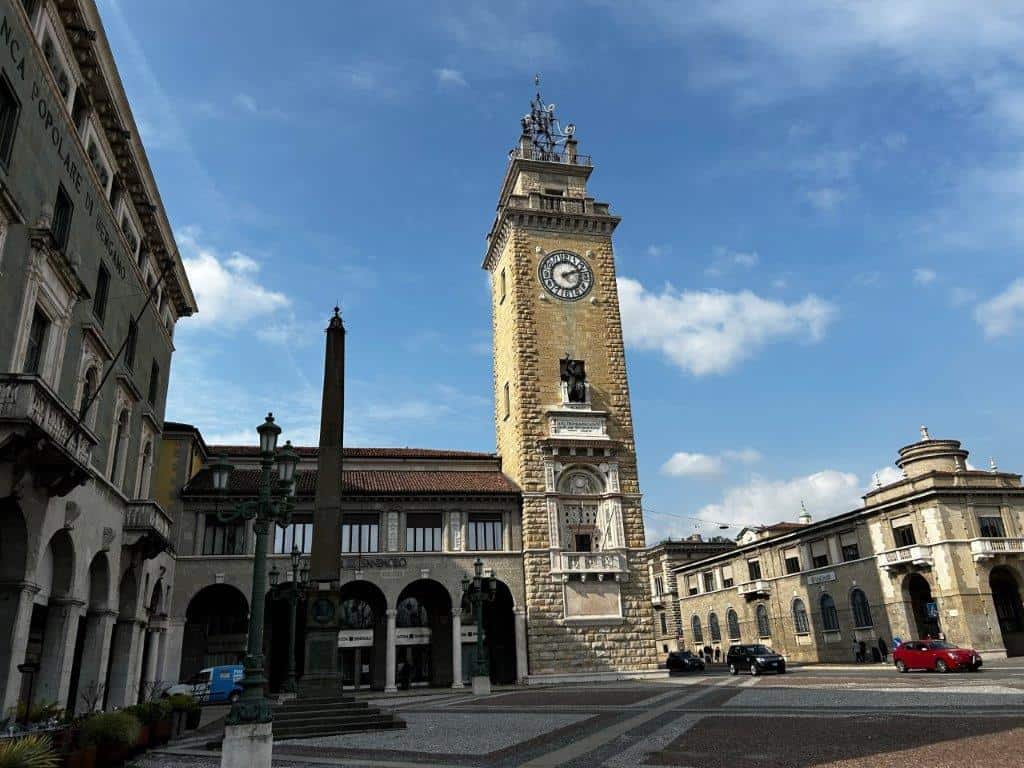
Città Bassa, or the lower city, is where you will most likely arrive in the city. Whether you arrive by train or take the bus from the airport, your first sight of Bergamo will be Città Bassa. This is where residential buildings stand next to larger administrative buildings and offices. Here you will find the normal shops and restaurants that you will find in any Italian city, or many cases in most larger European cities. Some of the more impressive architecture can be found along the Sentierone. This is where you will find the Torre dei Caduti, the Centro Piacentiniano, the Palazzo Frizzoni, and the Teatro Gaetano Donizetti. This is just to mention a few of the impressive buildings here.
Città Alta
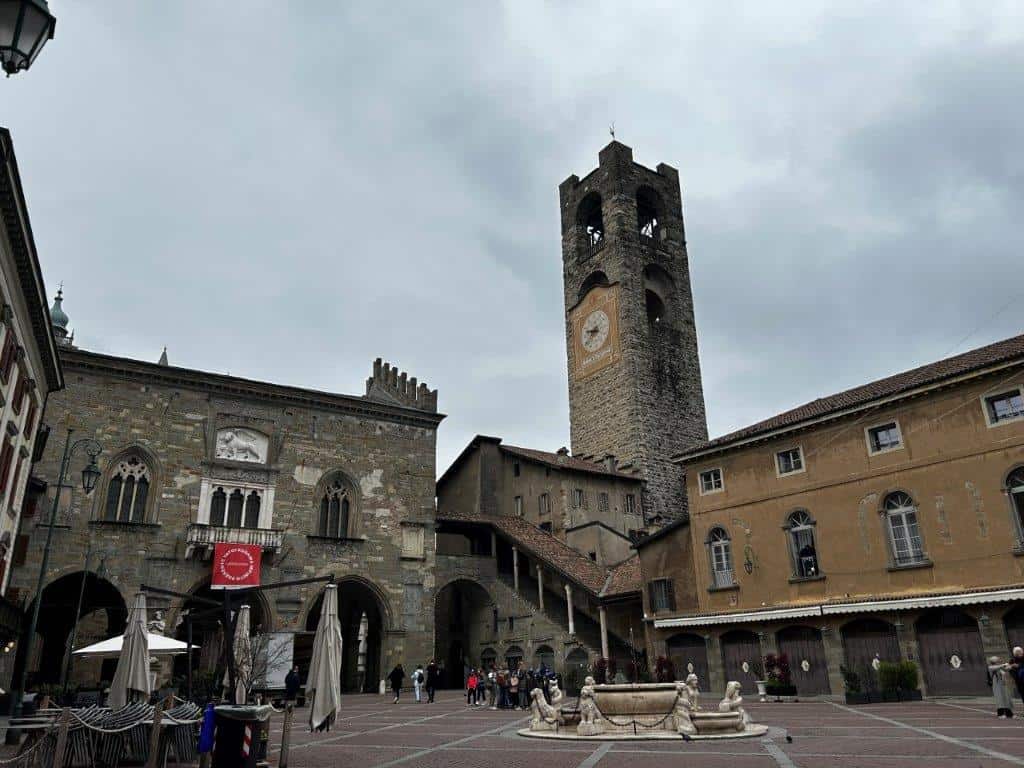
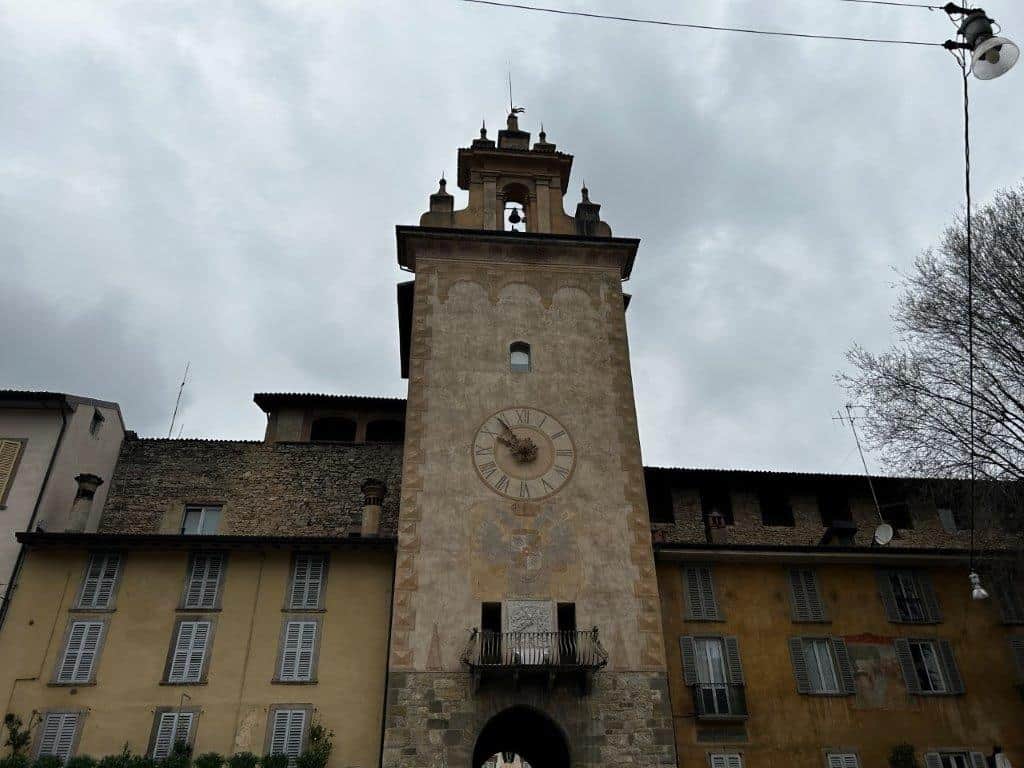
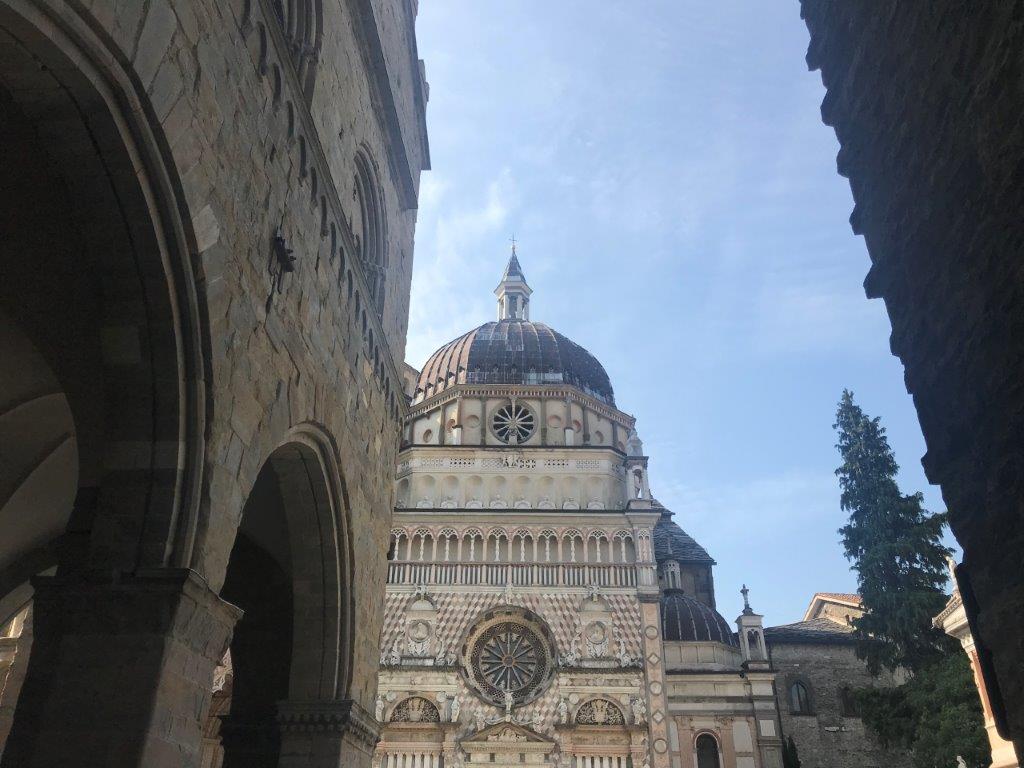
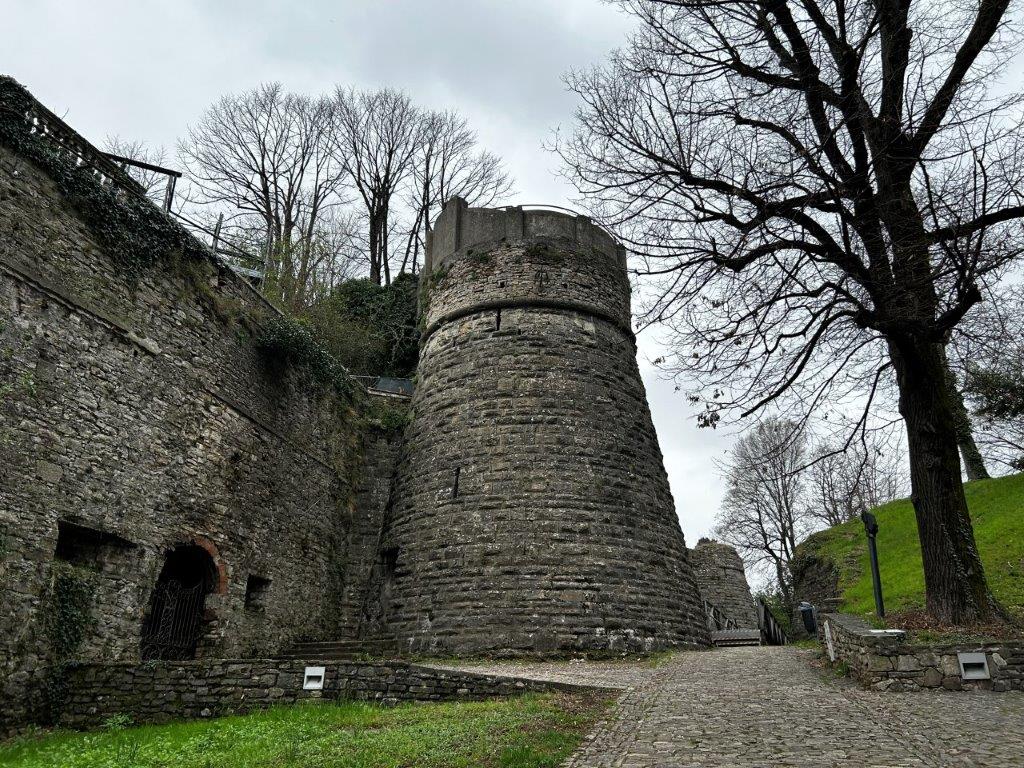
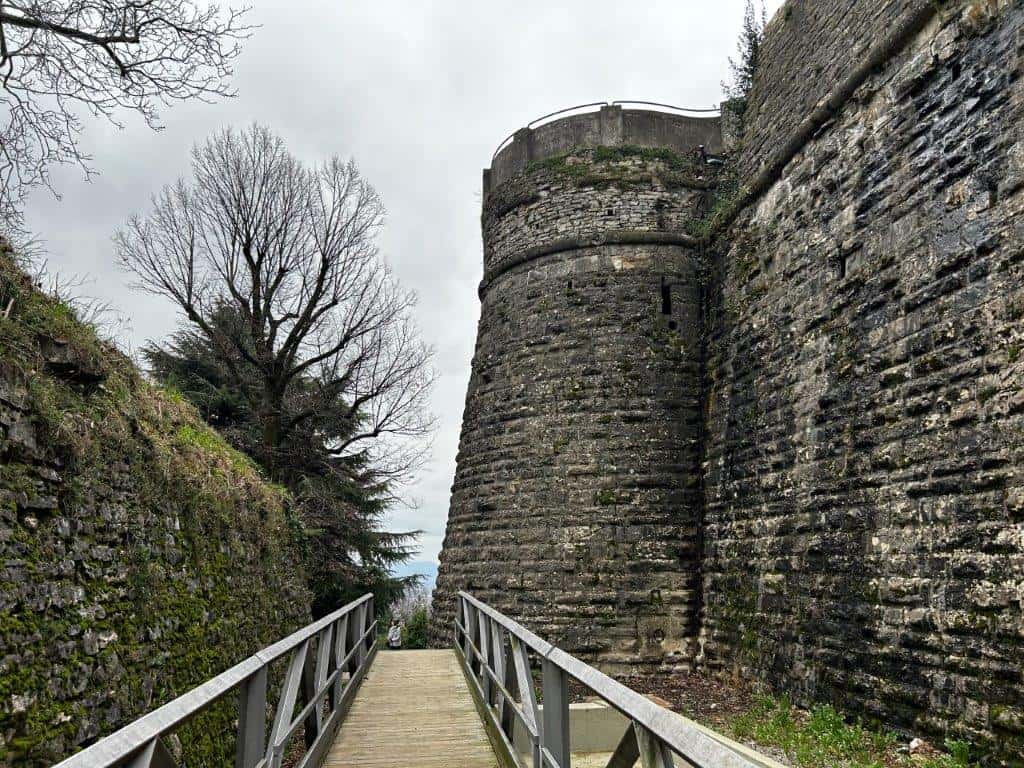
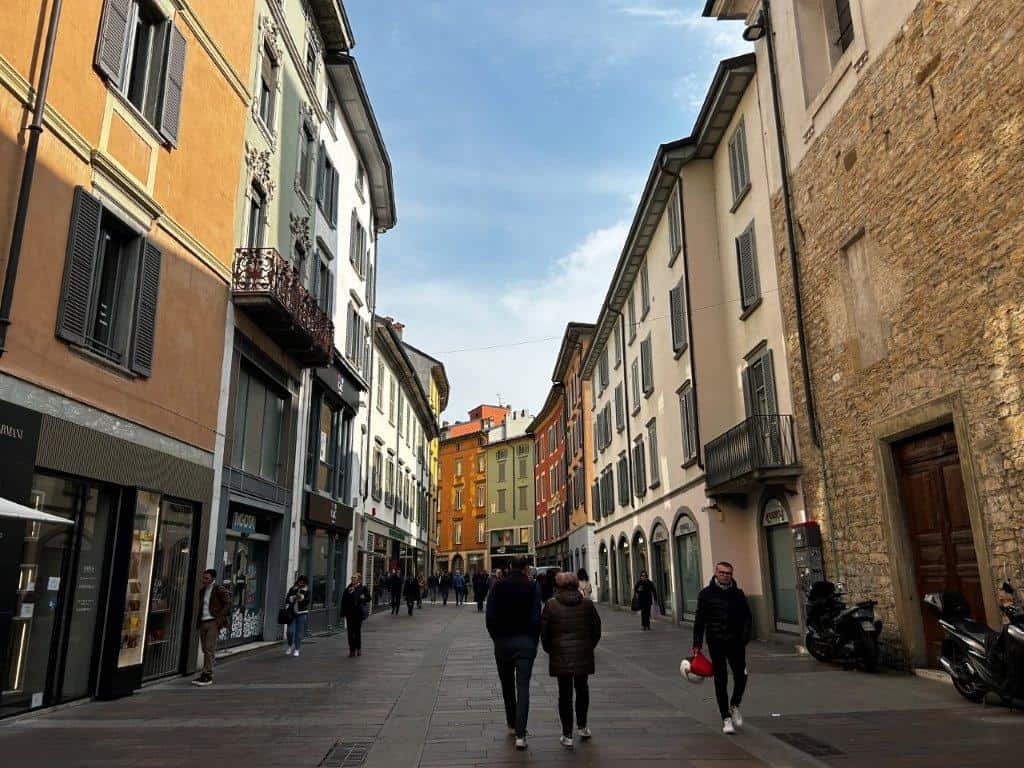
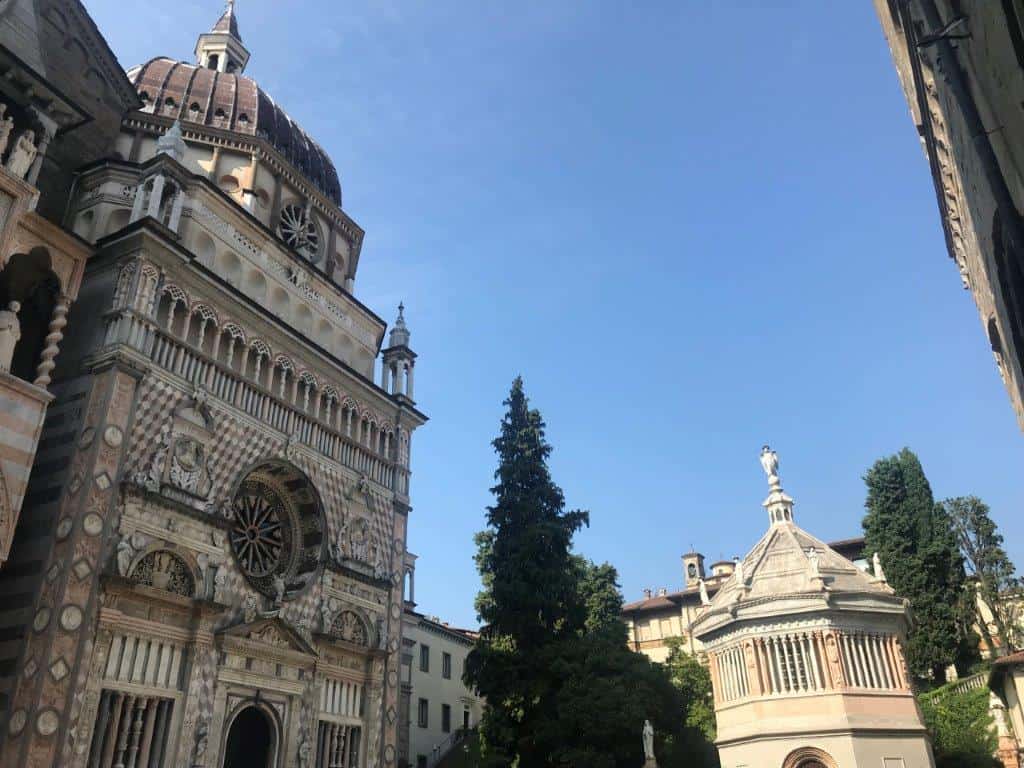
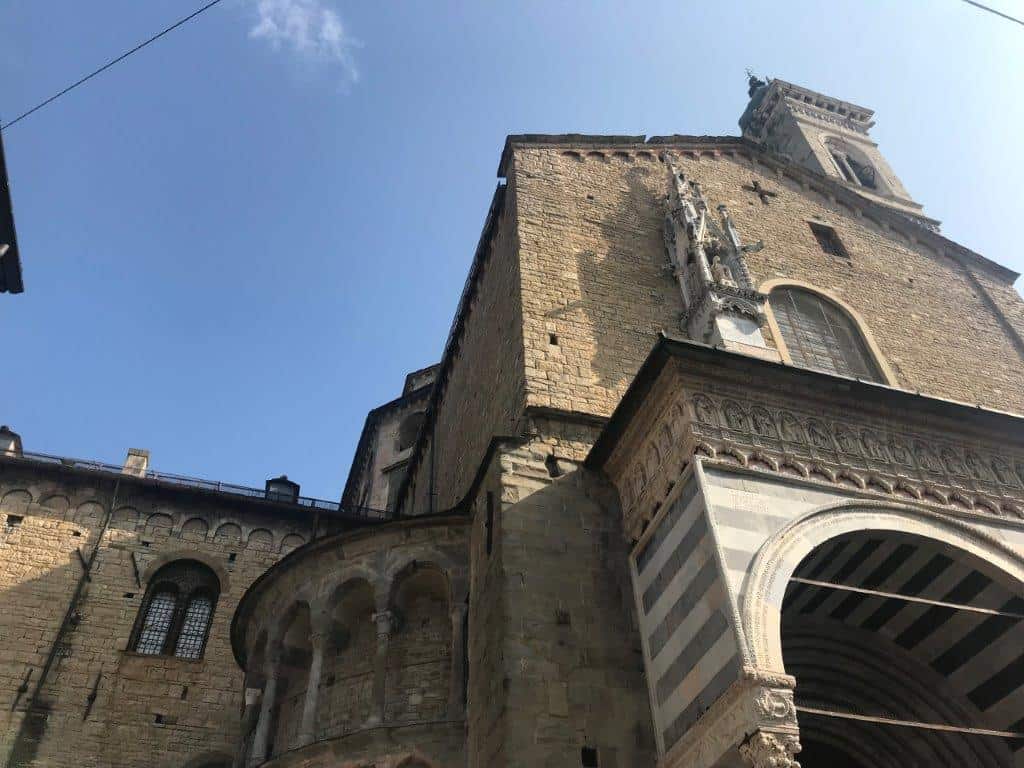
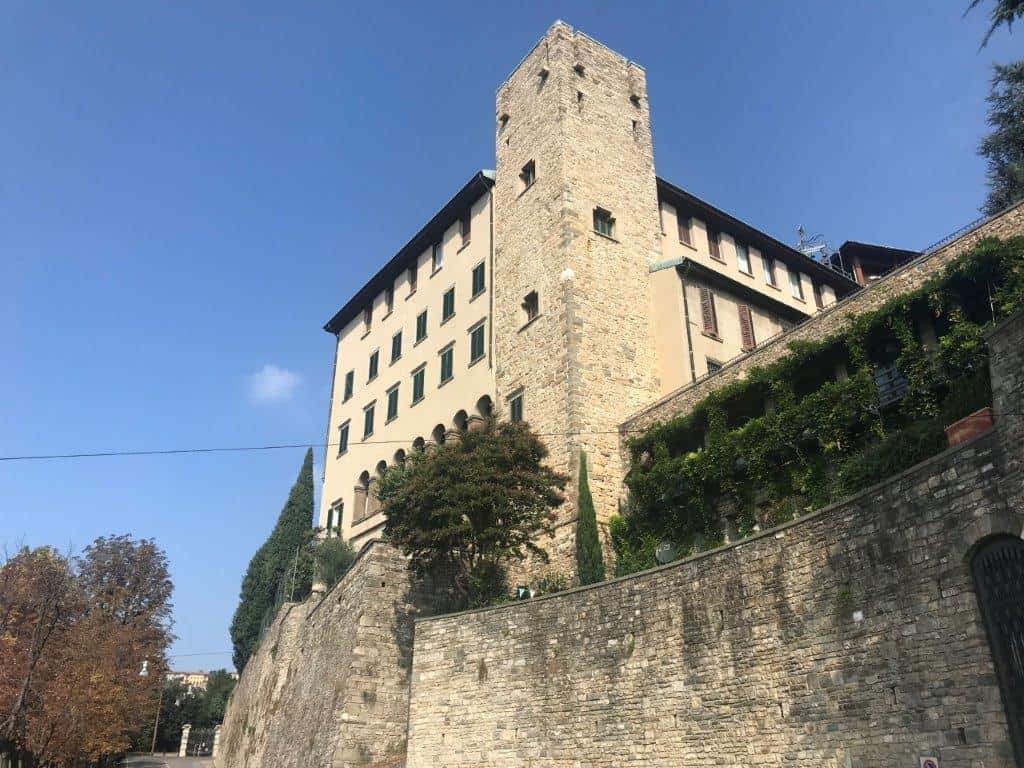
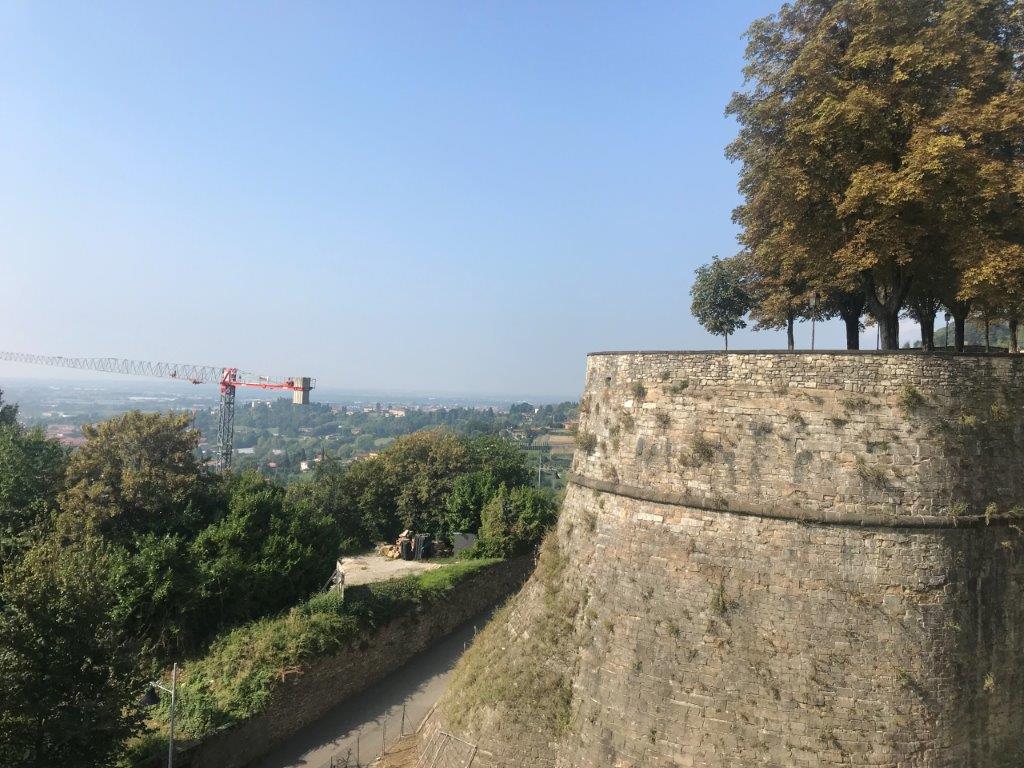
Città Alta, or the upper city, is the fortified more historical part of Bergamo. The historical city walls still stand in many places and narrow streets offer a very historical atmosphere. At the center is the square Piazza Vecchia, with the towers of Basilica di Santa Maria Maggiore nearby. The narrow streets of Città Alta are lined with small restaurants and souvenir shops.
San Vigilio
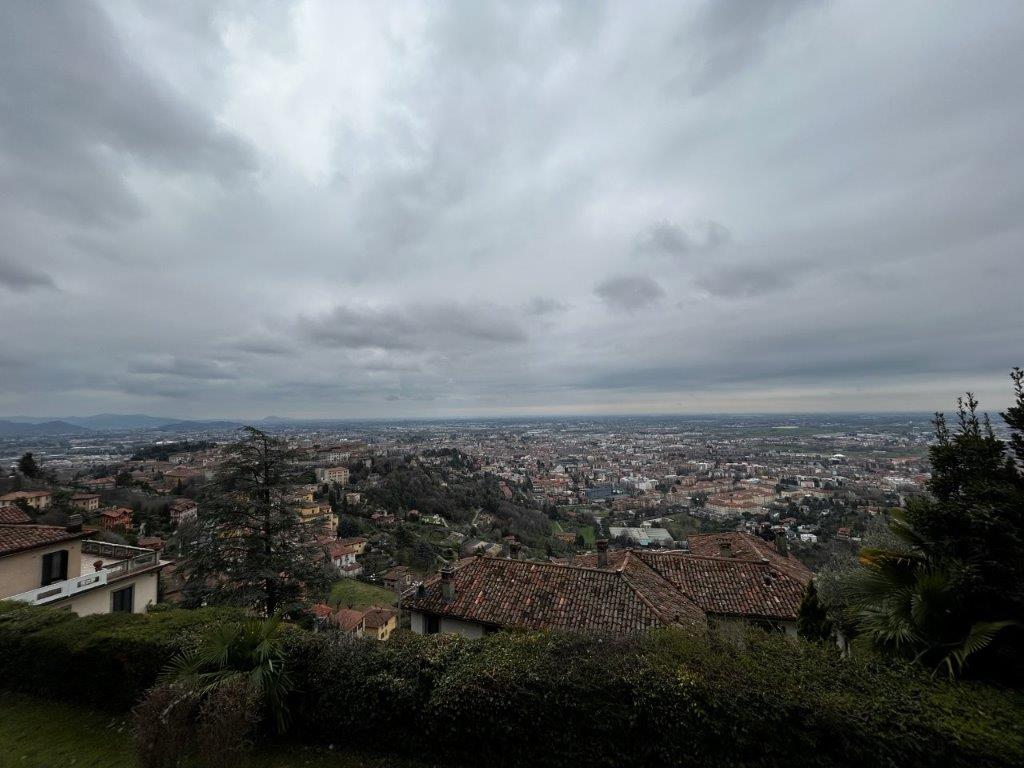
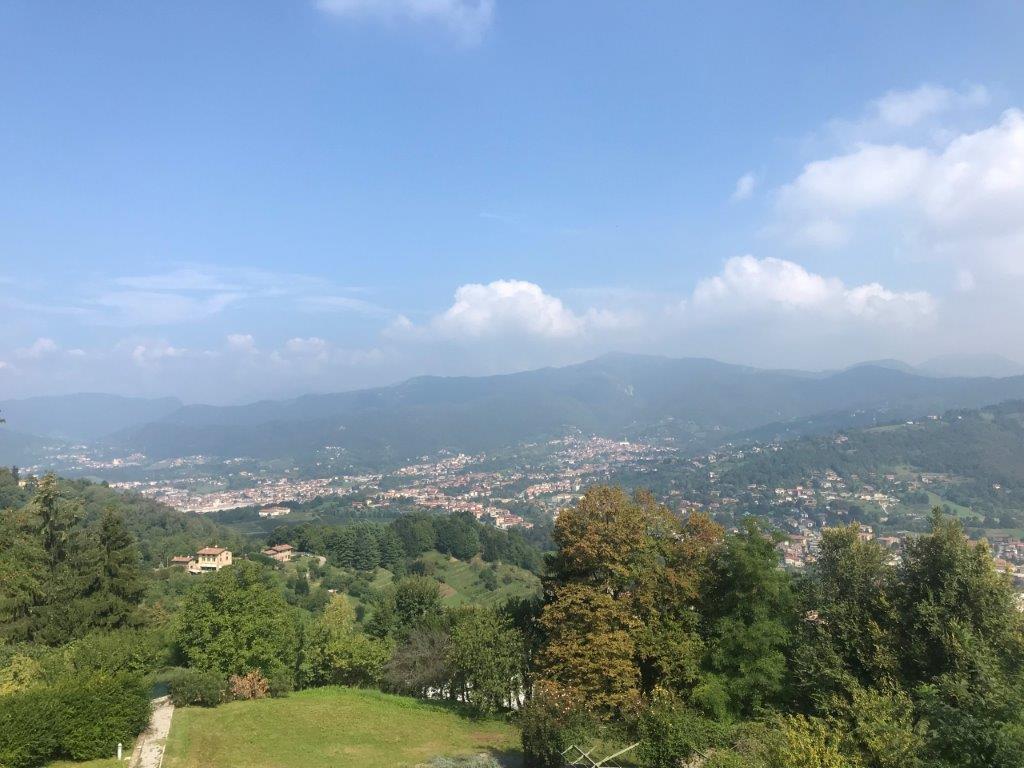
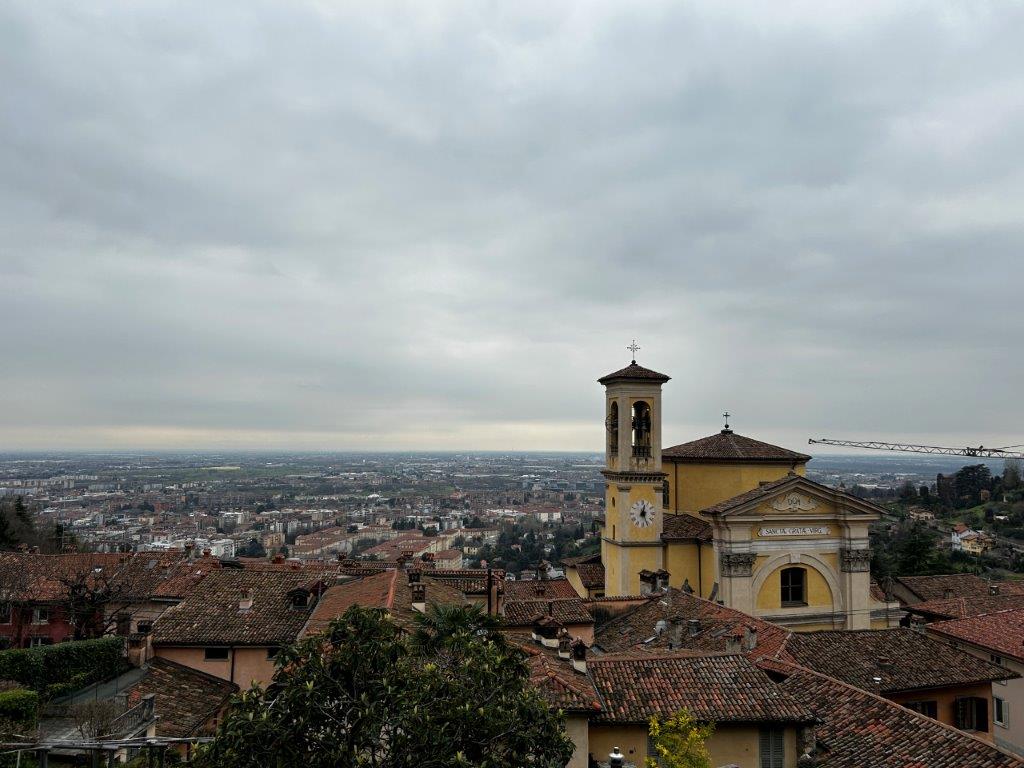
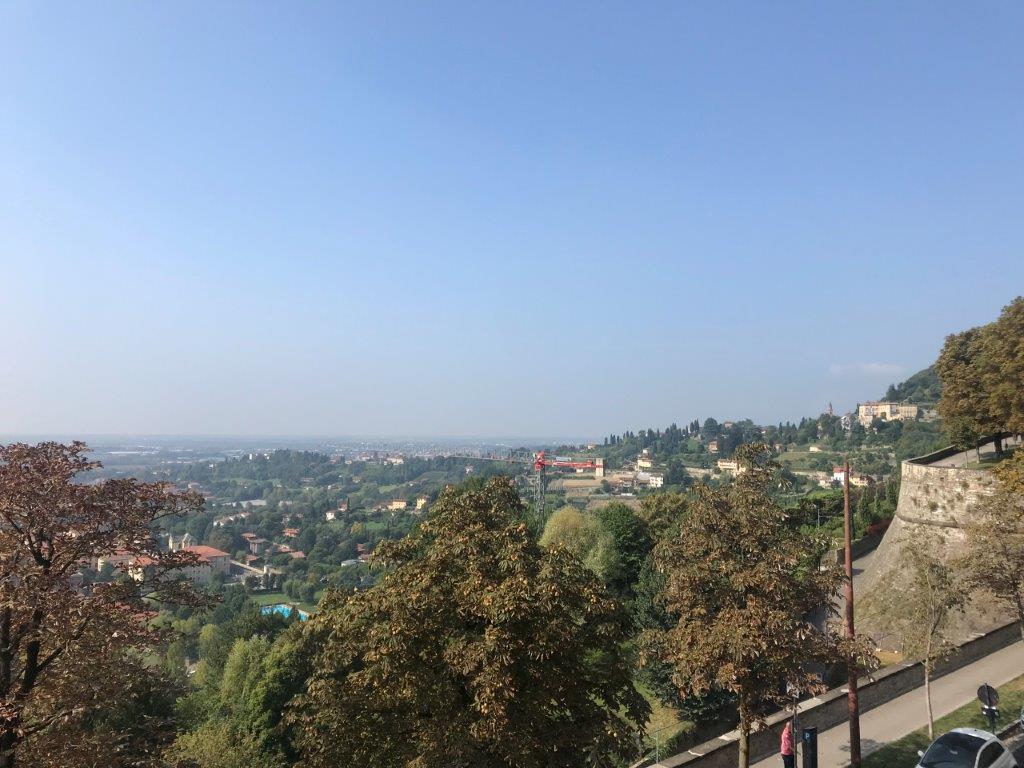
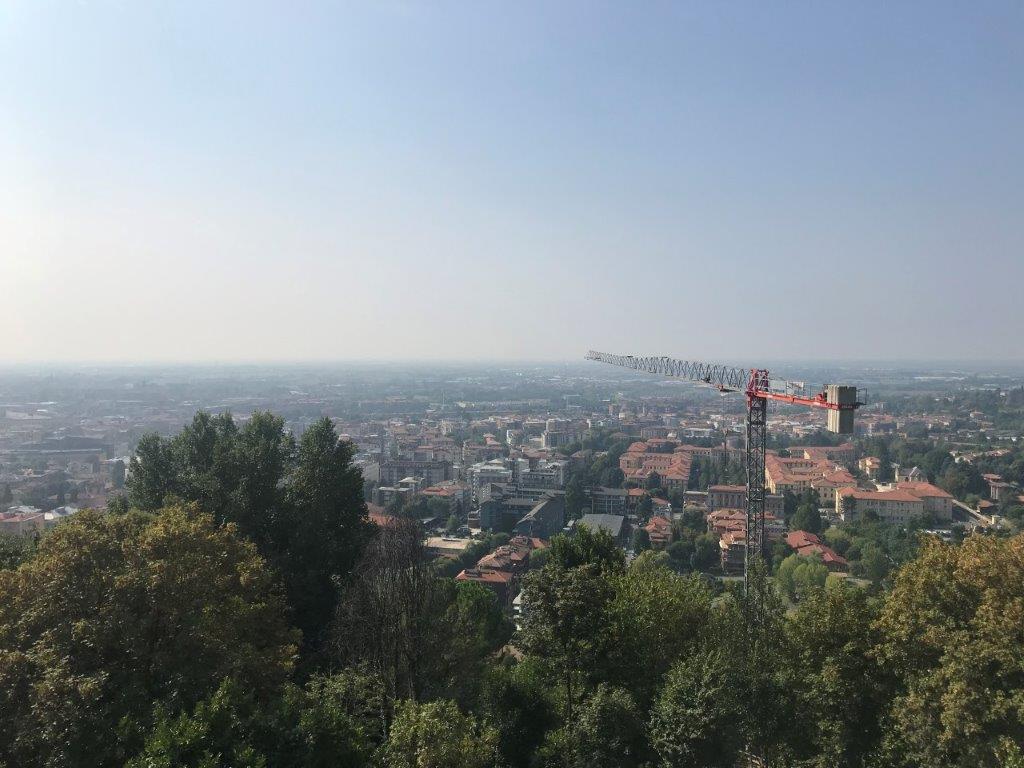
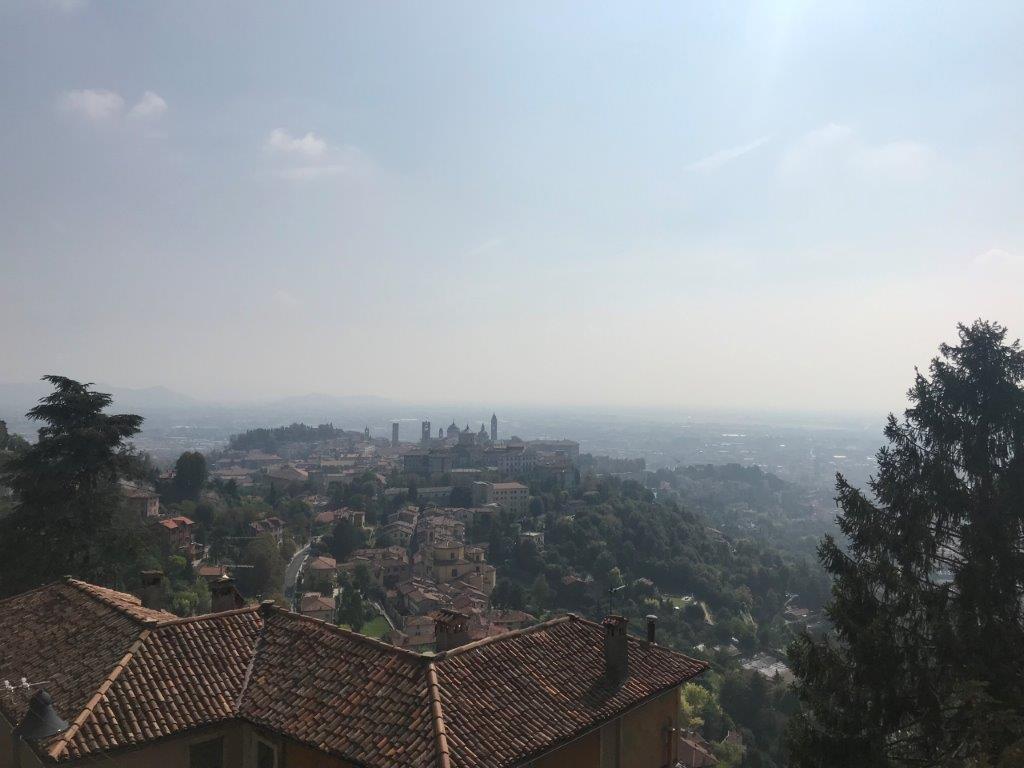
San Vigilio is the last stop along the two funiculars connecting these three areas of Bergamo. The views from the platform next to the funicular station are impressive with both Città Alta and Città Bassa below. Nearby you will also find the remains of the Castello di San Vigilio, a castle that for several centuries housed the rulers of Bergamo. The castle is, however, not all to explore here. There are good hiking possibilities along the slopes of the hill with nature just next door.



How to Get to Bergamo
- Flights: The Il Caravaggio International Airport, also known as Milan Bergamo Airport (BGY), is located just on the outskirts of the city. There is a long list of airlines flying from here, with a focus on some of the larger low-cost airlines such as Ryanair and Wizz Air.
- Train: Bergamo is easy to reach by train to and from places such as Brescia, Milano, and Treviglio.
- Car: Bergamo lies along the larger road E64 that goes from Turin, via Milan, to Brescia. This is, however, only one of several roads that create a larger intersection in the city.
The driving distance from 5 major Italian cities, according to Google Maps:
- Rome – 599 kilometers (5 h 50 min)
- Milan – 51 kilometers (45 min)
- Venice – 227 kilometers (2 h 10 min)
- Naples – 798 kilometers (7 h 10 min)
- Palermo – 1572 kilometers (14 h 30 min)
Looking to Explore more of Italy and Europe?