
Verona, Veneto – Exploring Italy
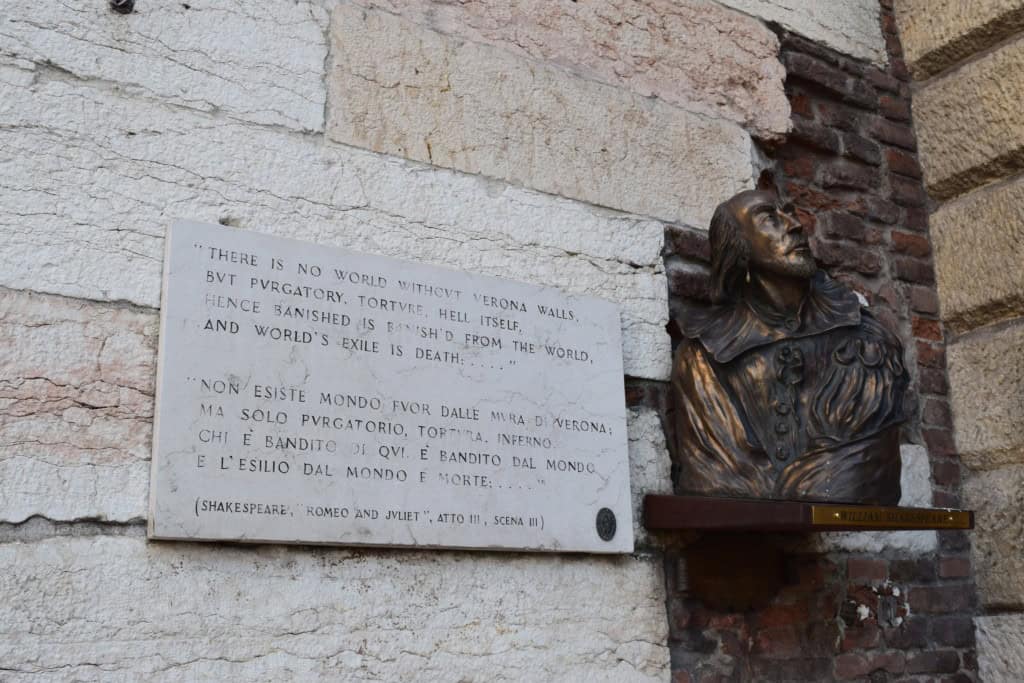
Verona, the home of Romeo and Juliet, is a city in northern Italy. It is located in Veneto, right between the major cities of Milan and Venice, and with the famous Lake Garda just a short distance away. The city has a population of around 258.000 inhabitants. This is a city with a prosperous history, with a lot more to explore than only the old Shakespear references.
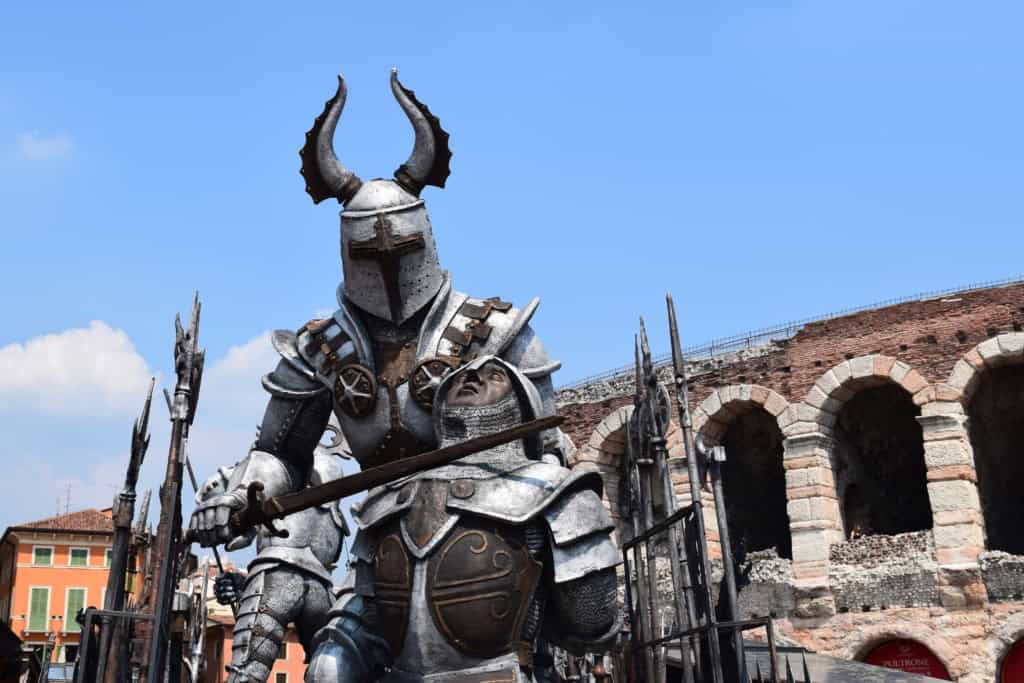
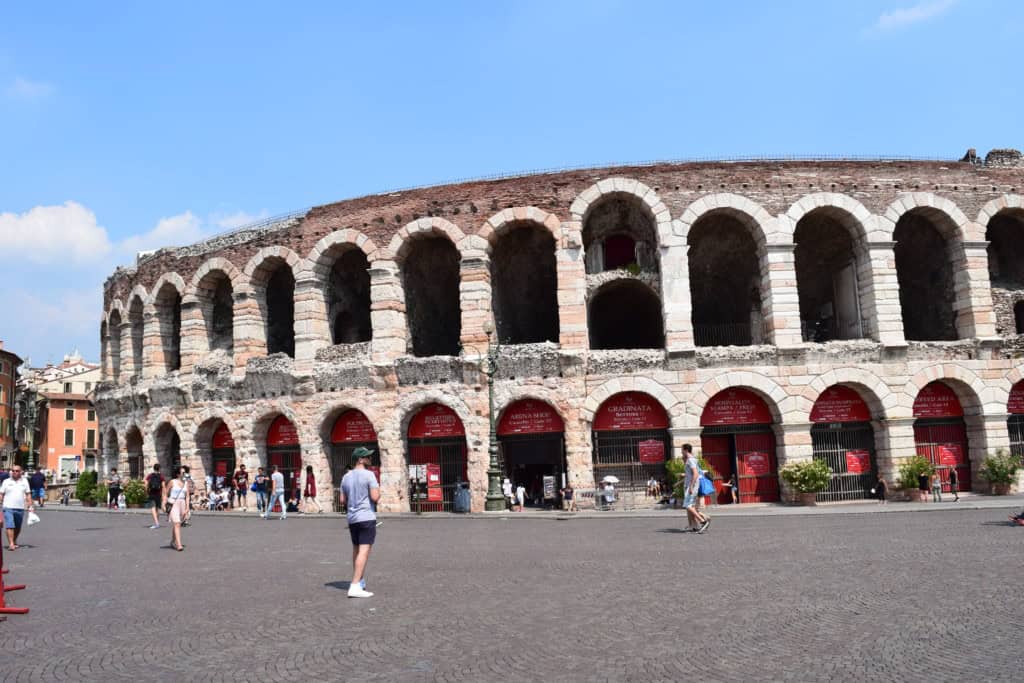
The 2026 Winter Olympics will be hosted by Cortina d’Ampezzo and Milan. The closing ceremony is, however, planned to be held in the historical Roman amphitheater Verona Arena. The impressive arena in the center of the city dates back to the year 30 AD and is still up to this day a venue for large events, mostly opera performances.
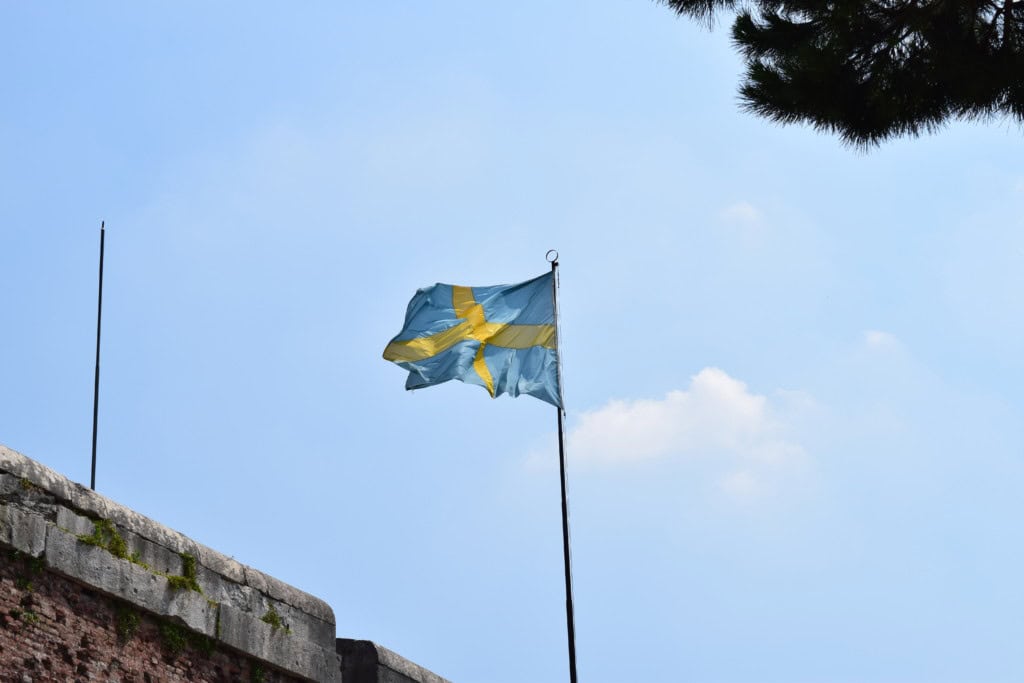
As a Swede, there is something familiar with Verona. Something that feels like home when roaming the many narrow streets. Could it be that the flag of Verona is very similar to the flag of Sweden? The blue flag with its yellow cross is visible in many places in the city, and no, there has to our knowledge been no Swedish conquest of the city.
Our Visit to Verona
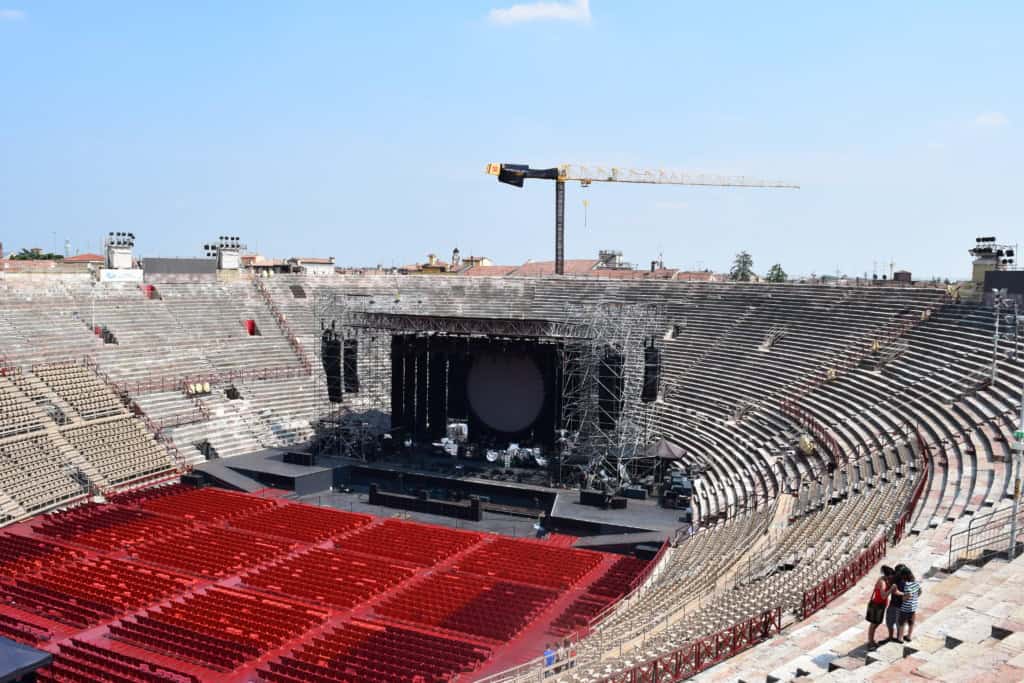
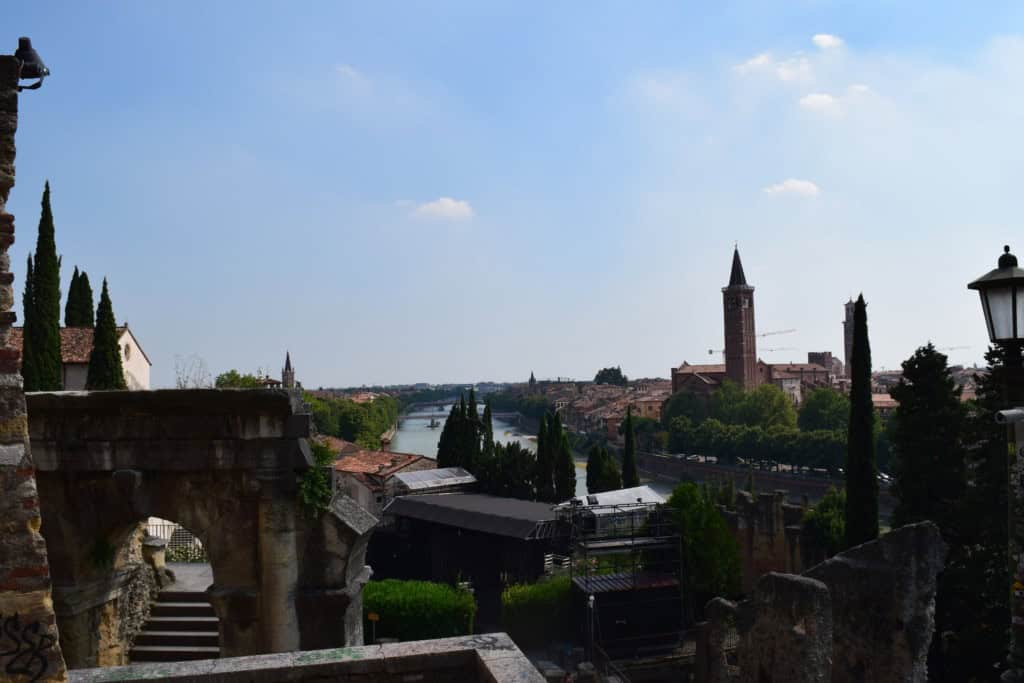
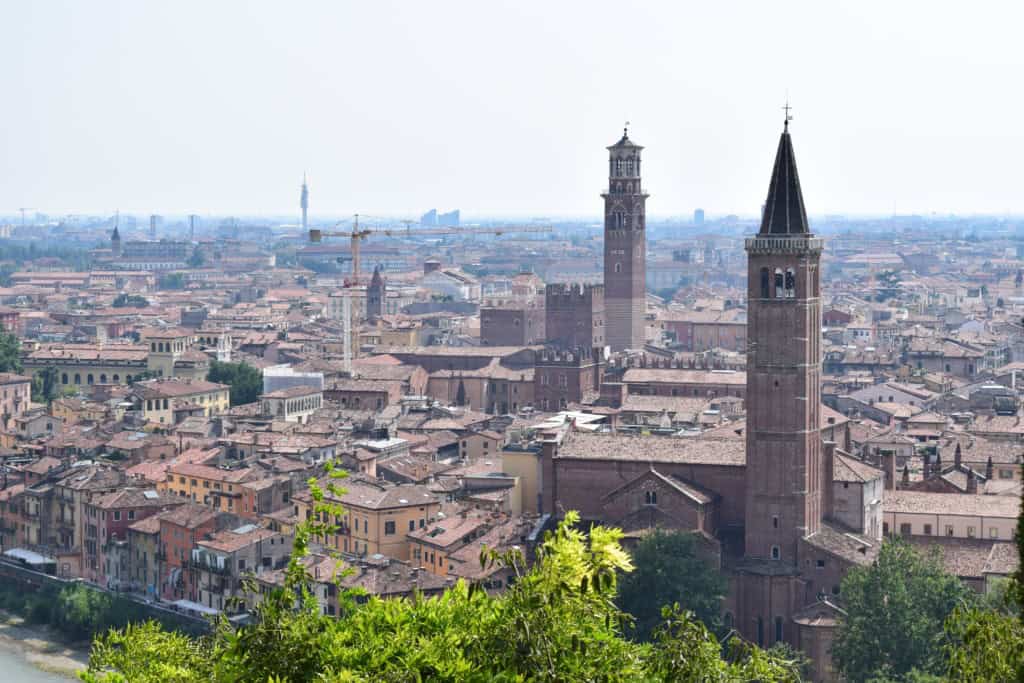
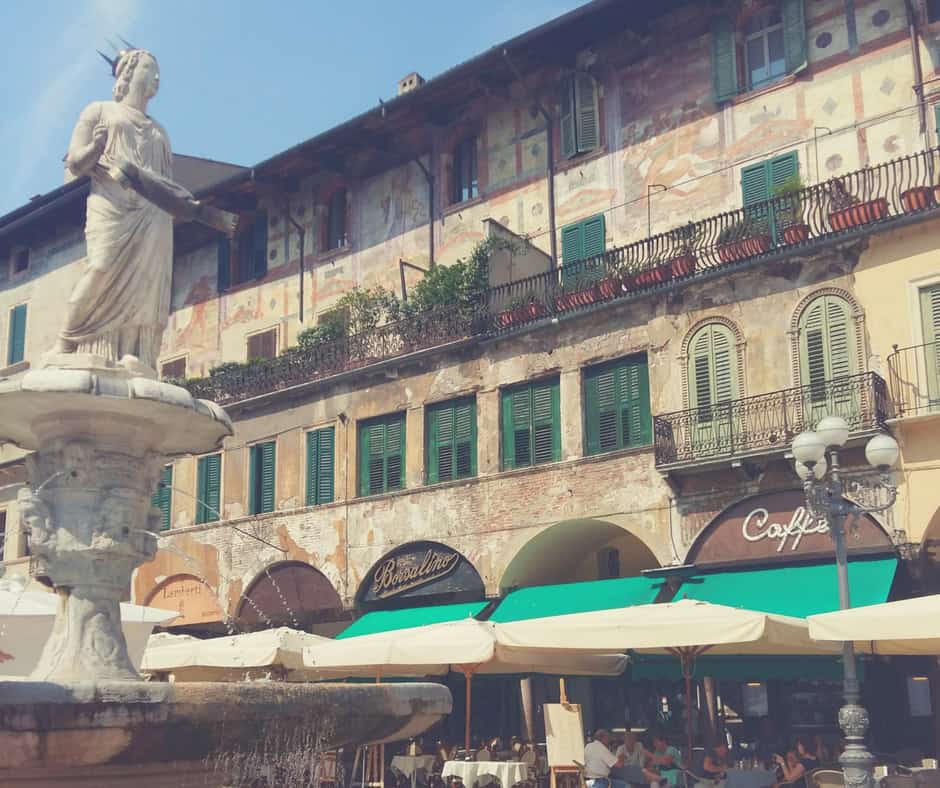
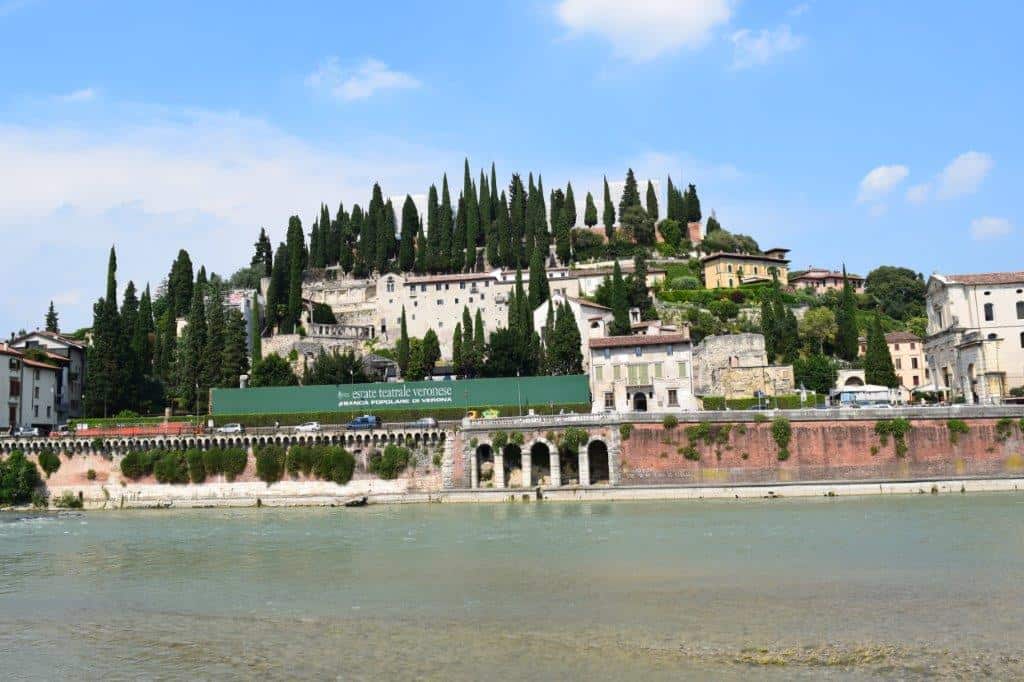
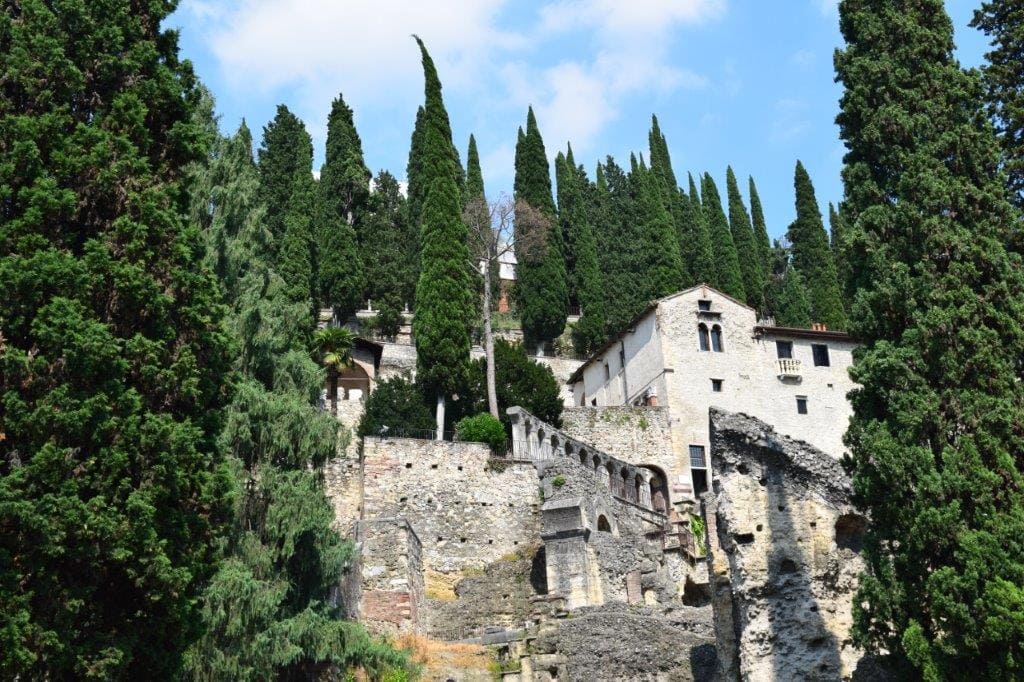
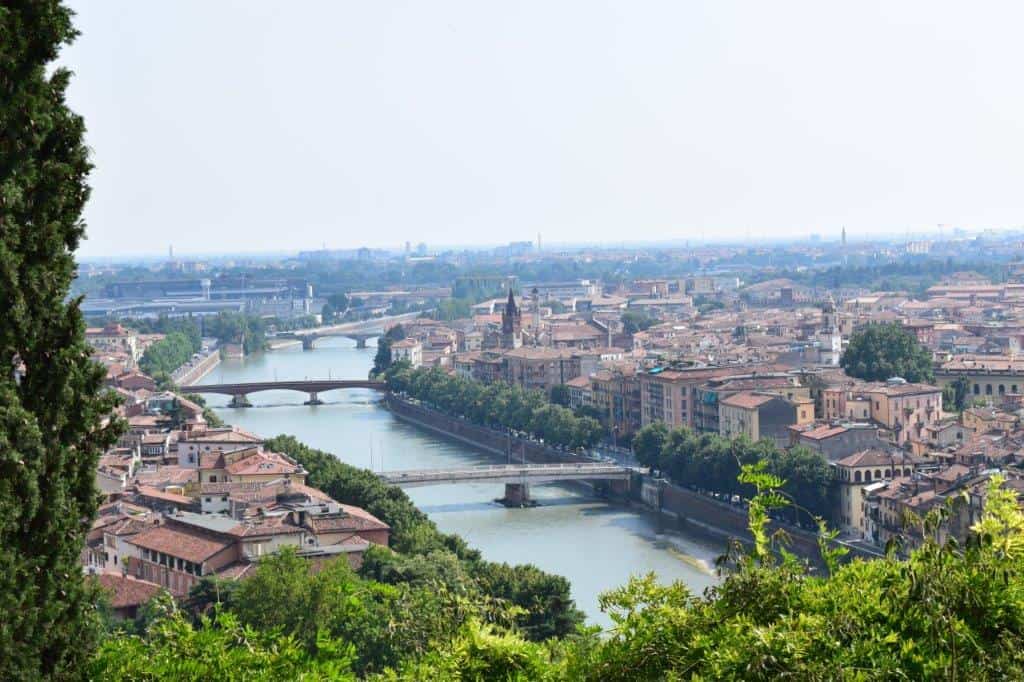
We visited Verona in 2016 as a day trip from Bergamo. We spend several hours enjoying the many sights in the city, entering the grand Verona Arena and even seeing Juliet’s balcony. What we enjoyed the most was, however, the grand scenic views of the city from the hills.
A Short History
Verona has a history dating back centuries before the area became a part of the Roman Empire around the year 300 BC. After the fall of the Roman Empire, the city was ruled first by the Goths and later by the Lombards. The Middle Ages came with even more rulers of these lands. The city was for some time a part of the Holy Roman Empire and ruled by Austria, it was later part of the Veronese League and the Lombard League and later ruled by Venice.
The following centuries saw many transfers of these lands between the Holy Roman Empire, France, Venice, and even Spain. Verona was eventually occupied by Napoleon in 1797. The upcoming local revolt against the occupation did result in Napoleon ending the Venetian Republic and the area was handed over to the Austrians. Austria only kept control of the city until 1805 when it became a part of the Kingdom of Italy, a client state of Napoleon’s French Empire. Austria regained control with Napoleon’s defeat in 1814. It would take until 1866 before the city became a part of the new Kingdom of Italy.
The city was struck by a major flood in 1882, which resulted in the construction of embankments along the shores of the Adige River. The flood was not going to be the last destructive force hitting Verona. The Second World War brought with it major bombings of the city, resulting in Verona being one of the most bombed cities in Northern Italy. It is estimated that 44% of the city was destroyed or damaged during the war and in addition, the Germans destroyed all the bridges when fleeing in 1945.



Things to Do and See
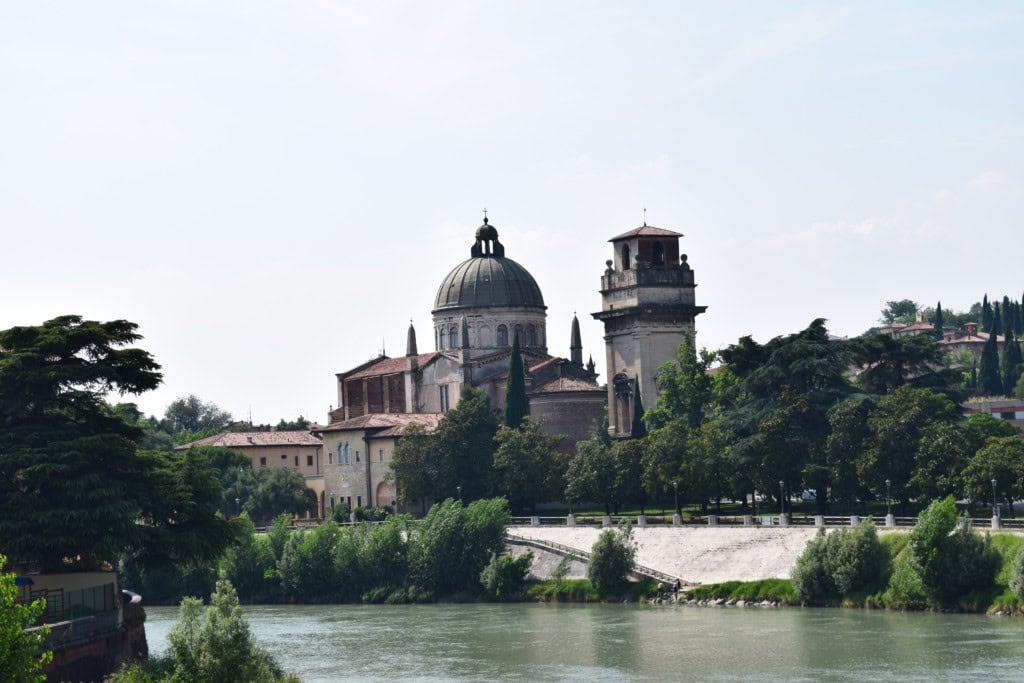
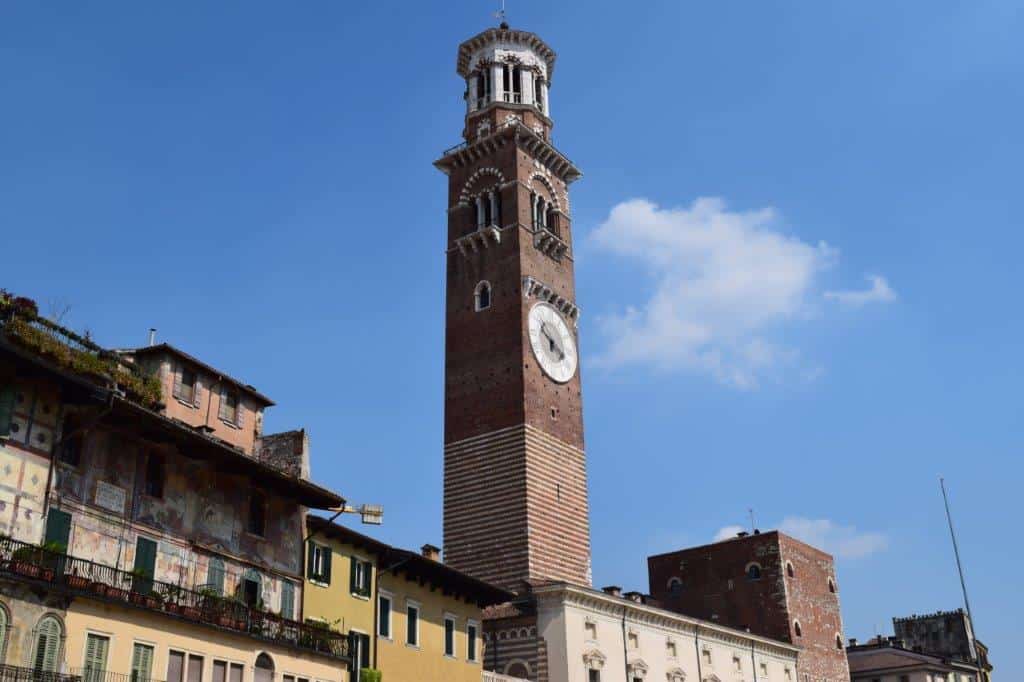
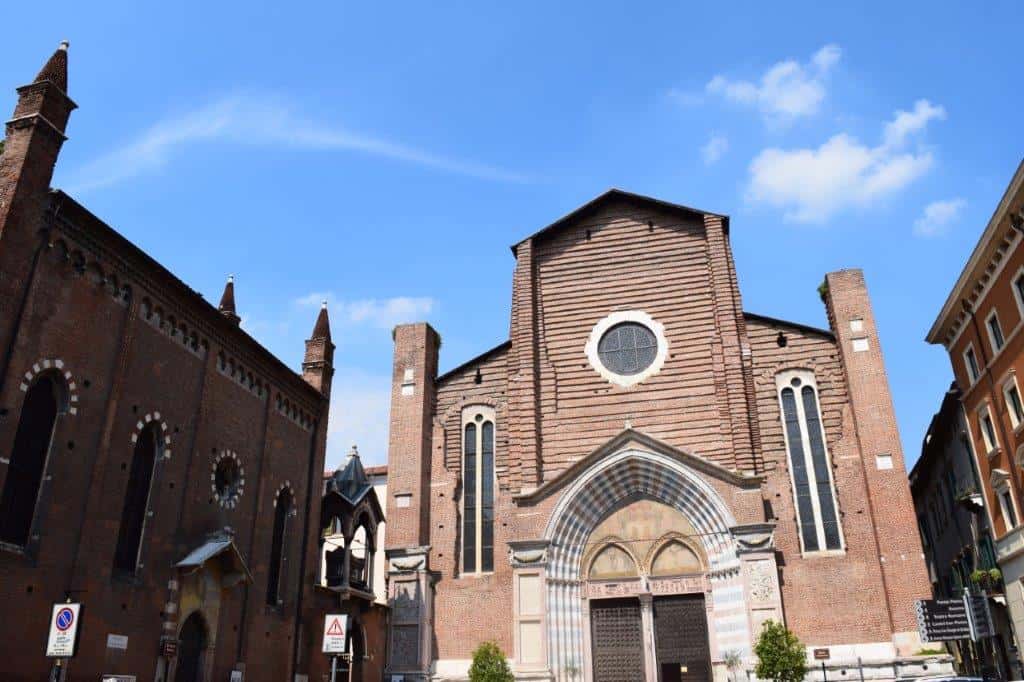
Verona with all its symbols of love is also home to several historical sights and cozy small streets. Churches such as the Basilica di Santa Anastasia provide a more dramatic skyline along the shores of the Adige River. The Roman amphitheater Verona Arena is impressive and in some ways comparable to the grand Colosseum in Rome. For some a visit is centered around love with visits to the house of Juliet to leave a love letter on the wall, for others, it’s all about the opera at Verona Arena, and then some just want to enjoy the many historical and scenic sights.
Verona Arena
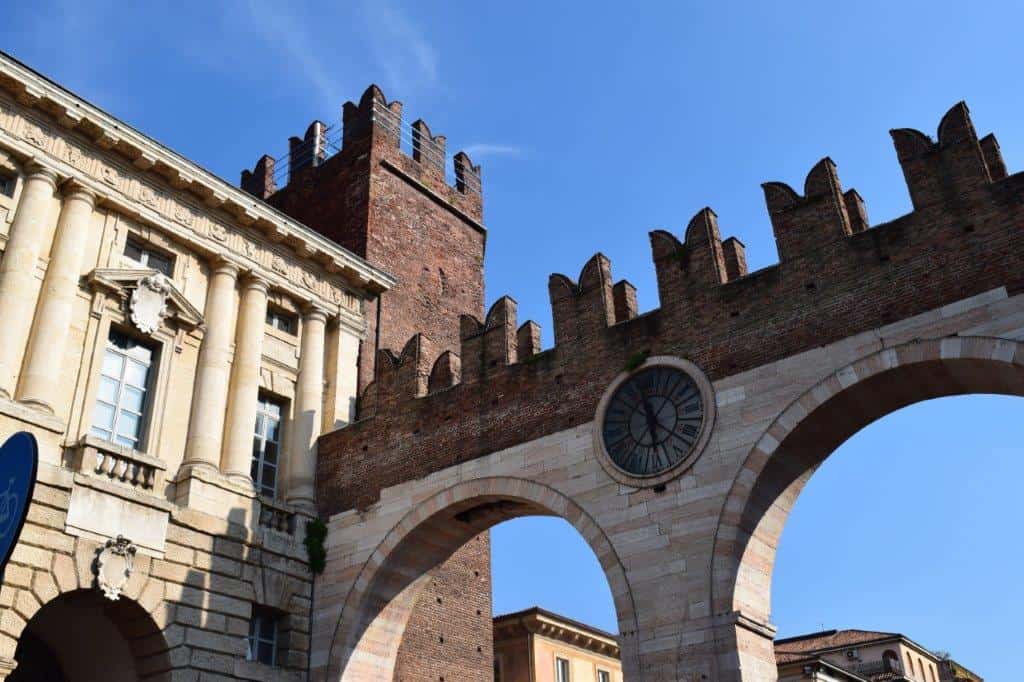
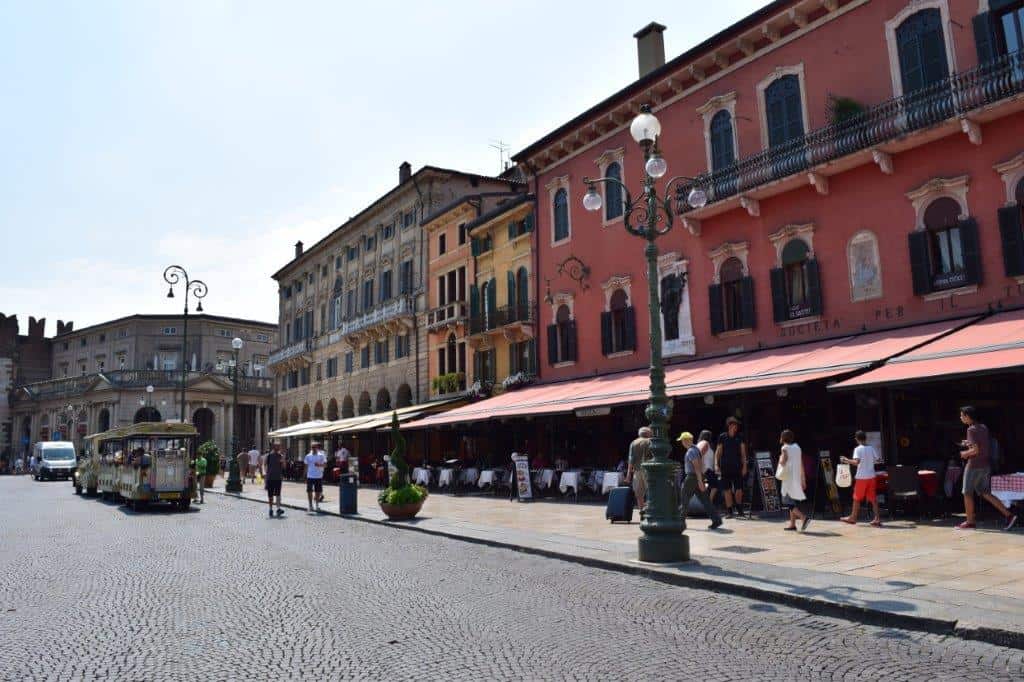
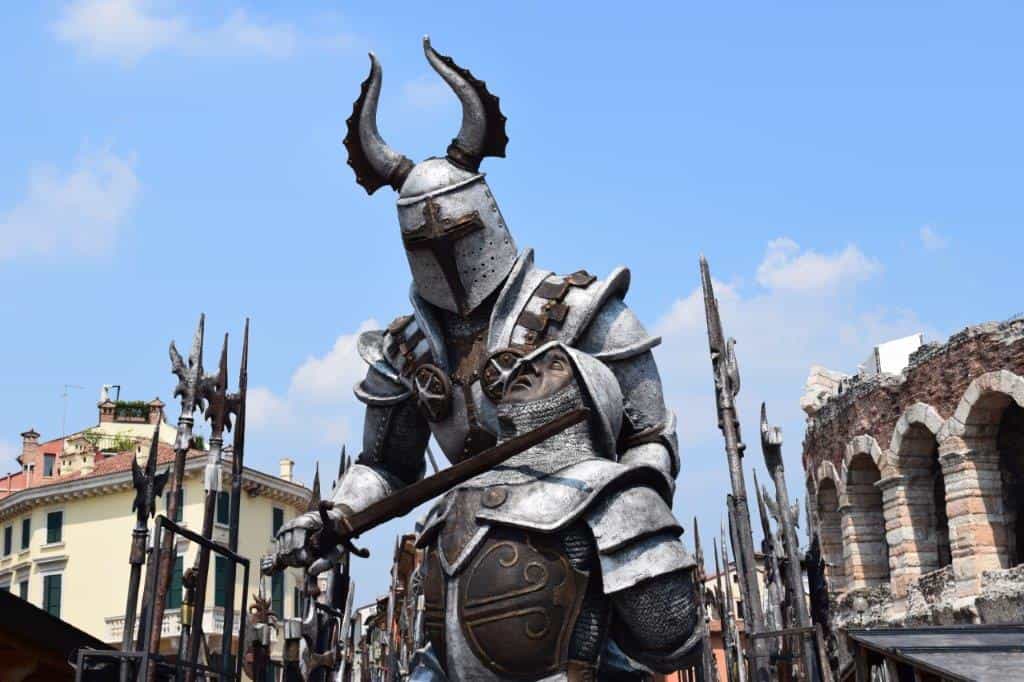
Verona Arena is an impressive Roman amphitheater dating back to the year 30 AD. The arena is still in use and sees regular opera performances. It is estimated that the capacity was once around 30.000 spectators, it is today around 22.000. The arena lies at the Piazza Bra, the largest square in Verona. The square is surrounded by bars and restaurants and is also home to the town hall Palazzo Barbieri.
Casa di Giulietta
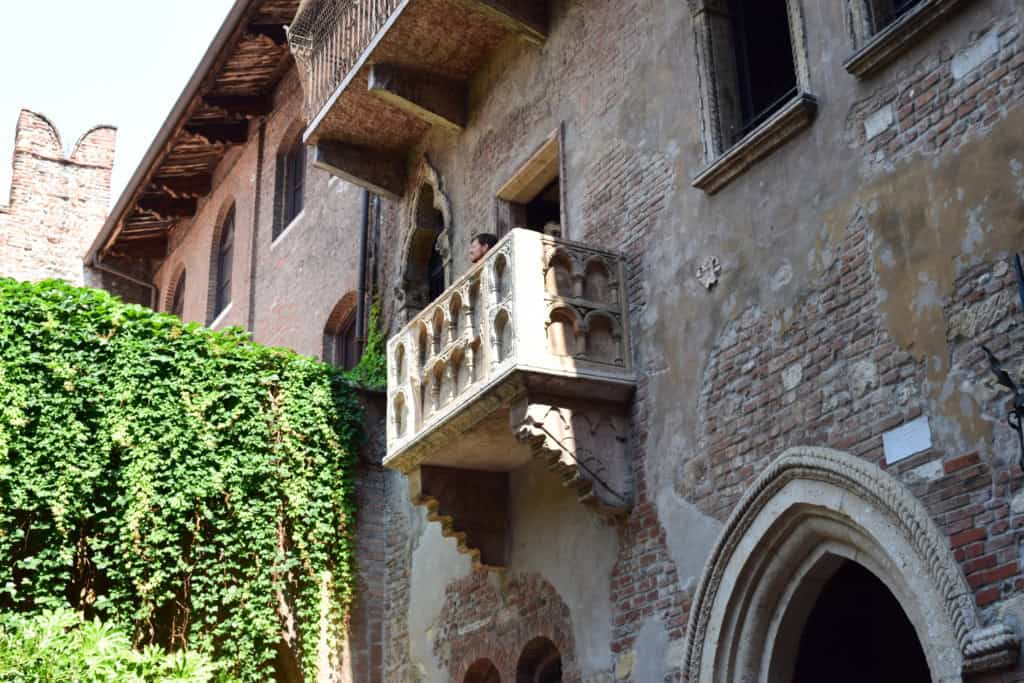
Verona is for many associated with Shakespeare and more specifically the love story of Romeo and Juliet. At Vis Vapello #23, there is a 14th-century house that might be the most visited house in the city. This is the House of Juliet. From the courtyard you can see Juliet’s balcony, from here it is also possible to visit the museum that is housed in the building.
Porta Nuova
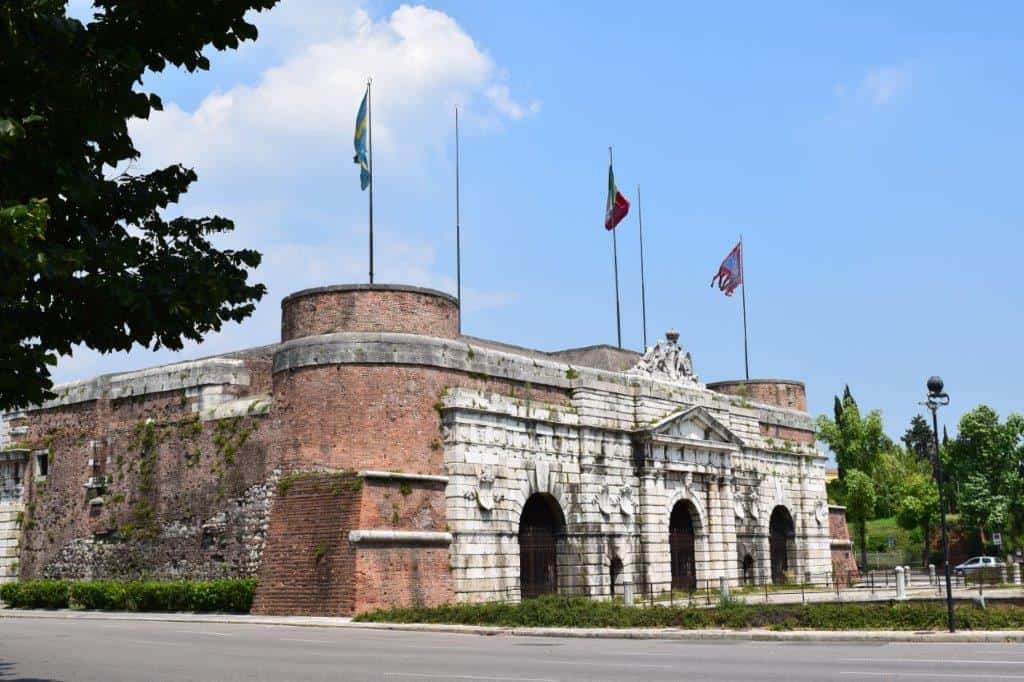
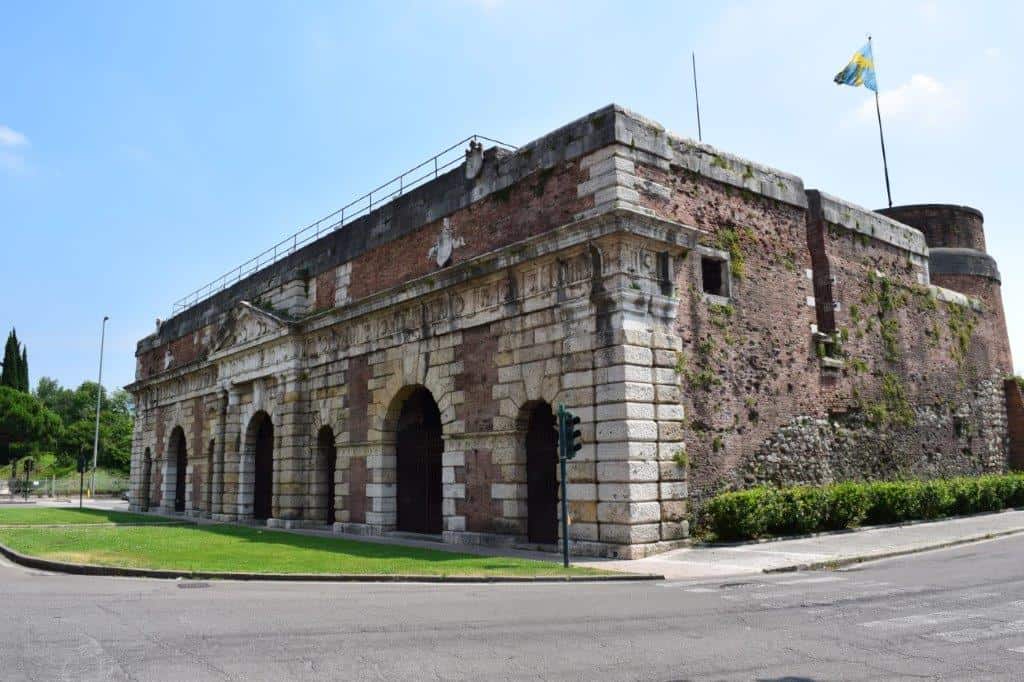
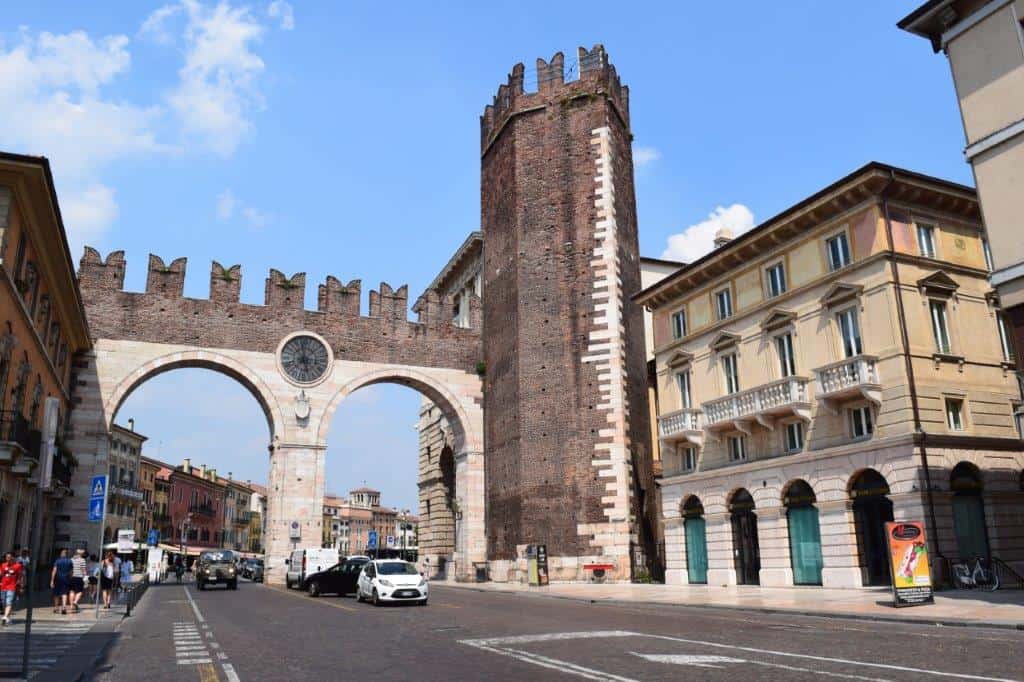
If you arrive in Verona by train you will most likely walk by the impressive Porta Nuova on your way to the city center. This is an impressive city gate dating back to the 16th century. The gate is today surrounded by larger roads and you are unable to walk through its impressive port. It acts more large a gigantic monument of the past, still impressive from far away.
Castelvecchio
Castelvecchio is an old castle along the shores of the Adige River. The castle dates back to the 14th century and Lord Cangrande Il della Scala. It has been a strong fortification on the outskirts of the old town of Verona. The castle is today housing the Castelvecchio Museum, a museum showcasing both the castle and pieces of art.
Adige River
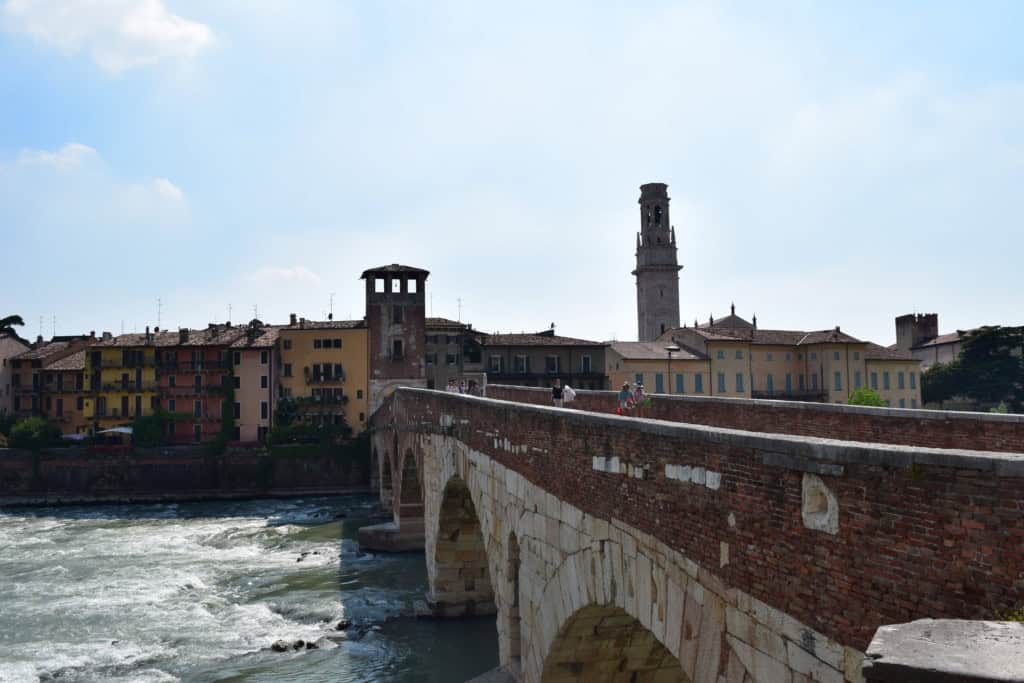
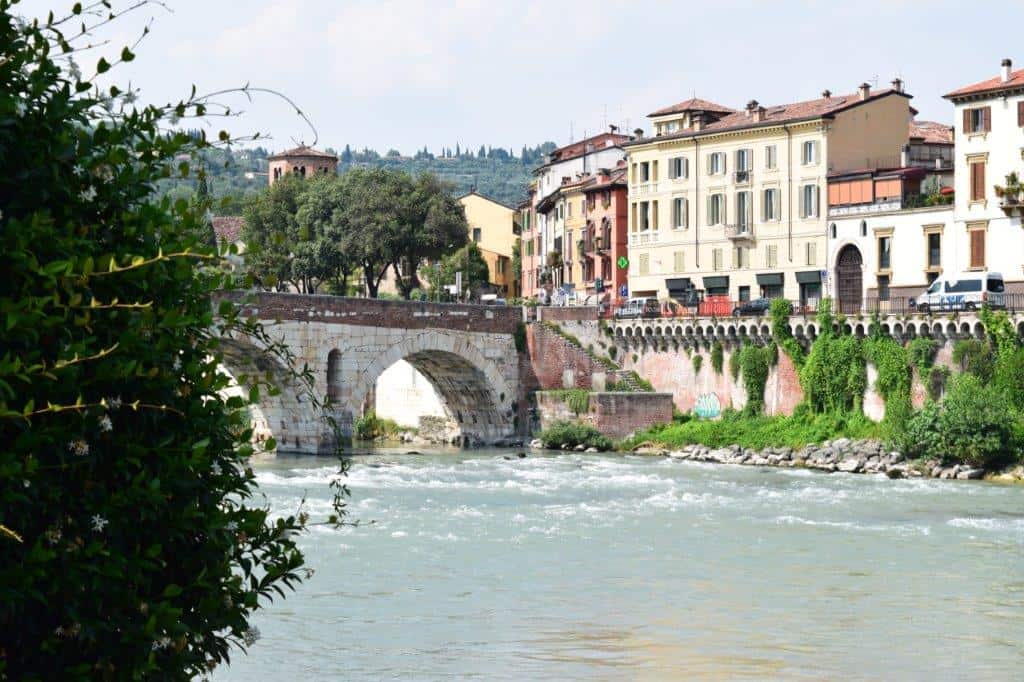
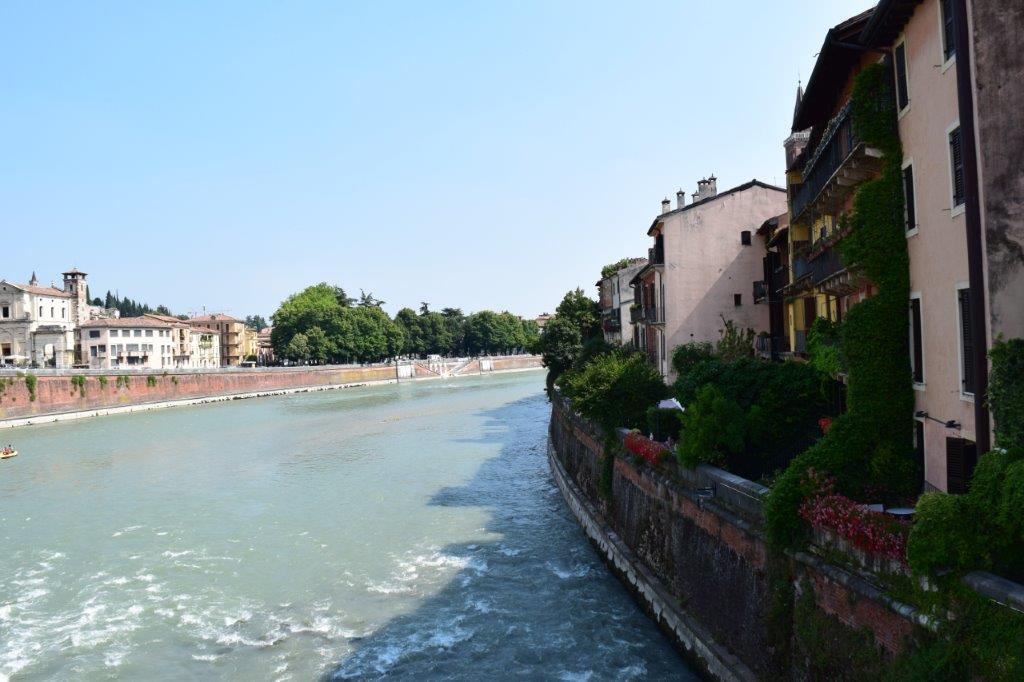
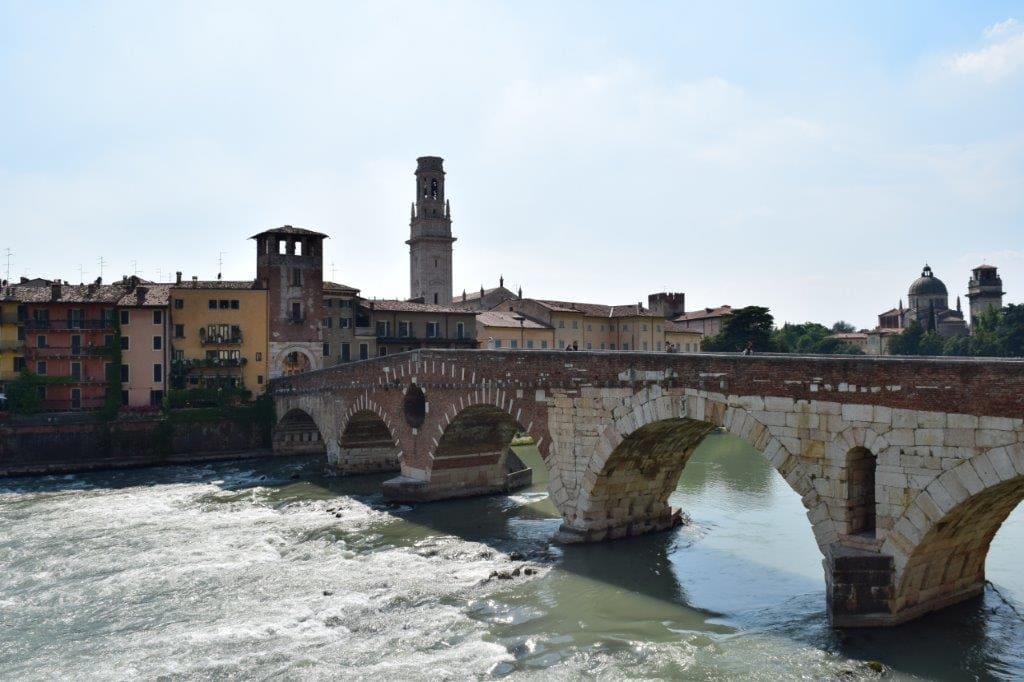
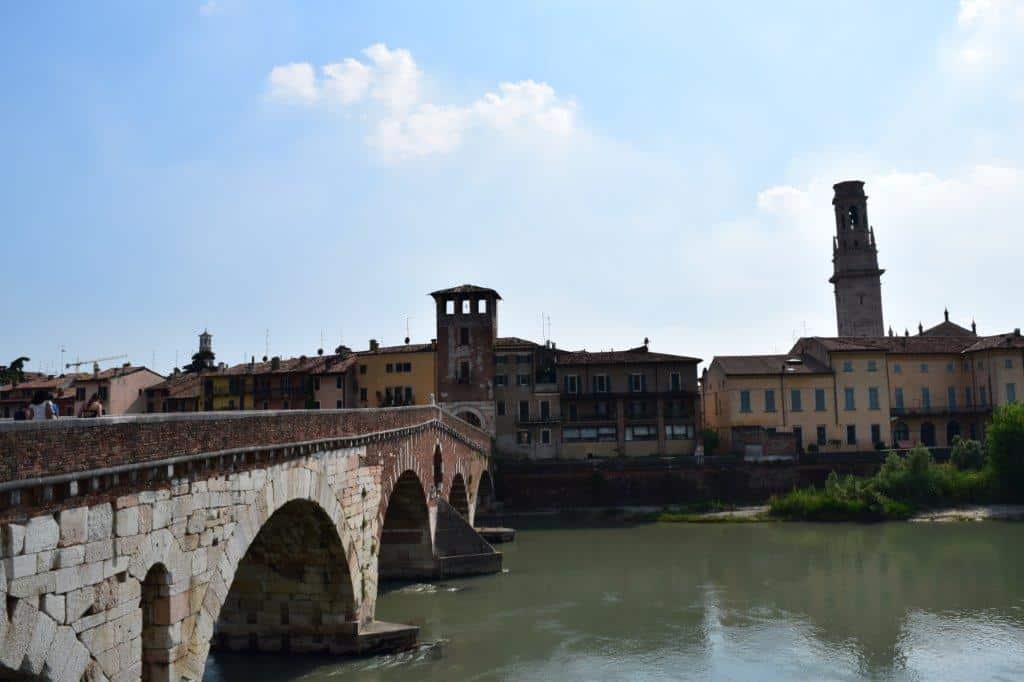
The Adige River flows from the Alps down to the Adriatic Sea. With its 410 kilometers, it is the second longest river in Italy after the Po. It flows through cities such as Merano and Trento. When the Adige flows through Verona it passes by some beautiful bridges and offers a possibility for some scenic views. Don’t miss to walk across the Roman bridge Ponte Pietra or the impressive Ponte Scaligero.



How to Get to Verona
- Flights: Verona Villafranca Airport (VRN) is located just to the west of the city. The airport is served by several airlines, including Jet2, Neos, Ryanair, Volotea, and Wizz Air.
- Car: Verona is located at the intersection of several larger roads, including the E22, E45, and E70. To the west is cities such as Brescia and Bergamo, to the south Mantua, and to the east Vicenza, Padua, and Venice.
The driving distance from 5 major Italian cities, according to Google Maps:
- Rome – 501 kilometers (5 h)
- Milan – 160 kilometers (1 h 40 min)
- Venice – 121 kilometers (1 h 15 min)
- Naples – 700 kilometers (6 h 20 min)
- Palermo – 1424 kilometers (14 h)
Looking to Explore more of Italy and Europe?