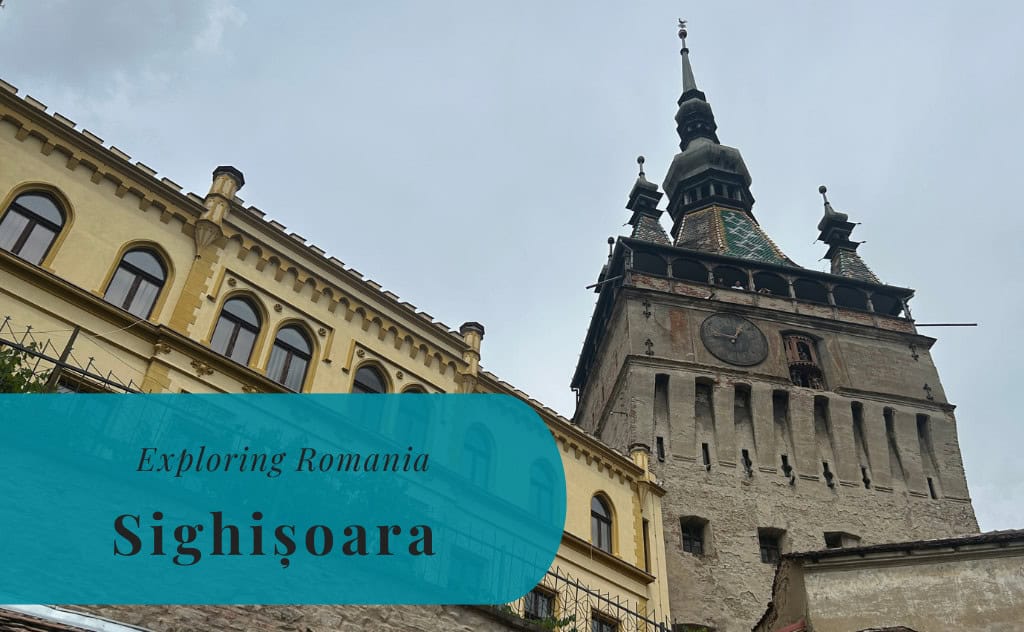
Sighișoara | Exploring Romania
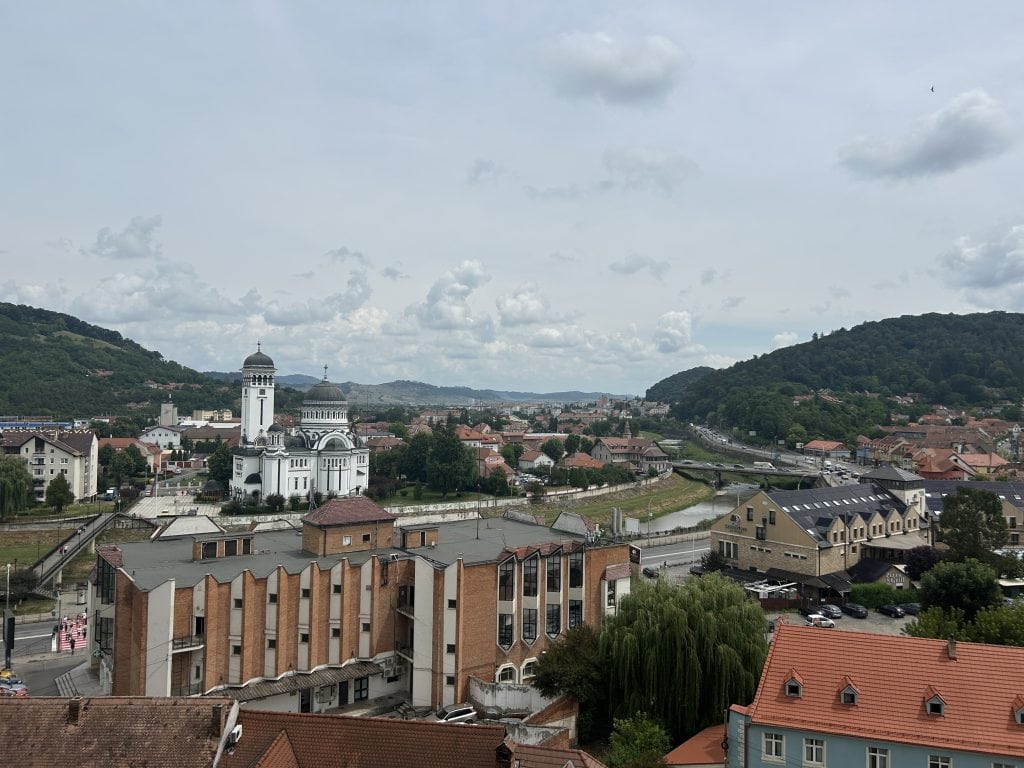
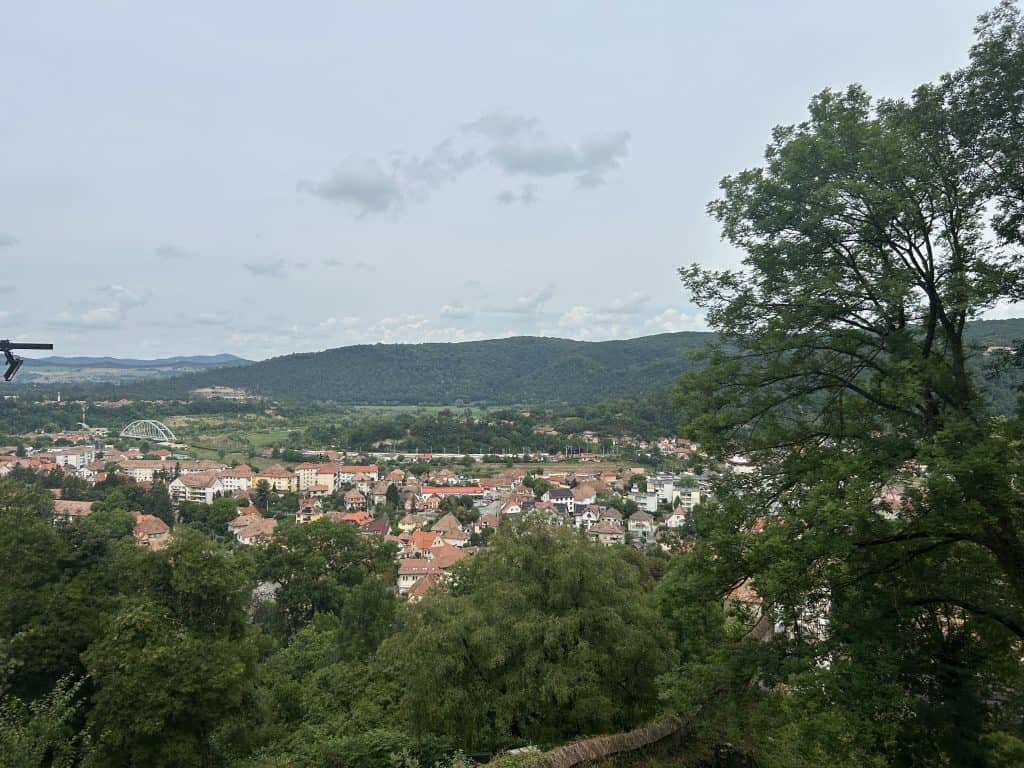
Sighișoara is a city located in the historic region of Transylvania, in the Mureș County of Romania. The city is situated on the Târnava Mare River. With a population of approximately 24,000 residents, Sighișoara is a key cultural and tourist destination in the country. It is famous for its exceptionally well-preserved walled old town, which is listed as a UNESCO World Heritage Site. The city is located in the heart of Transylvania, with other major cities like Sibiu and Târgu Mureș located nearby.
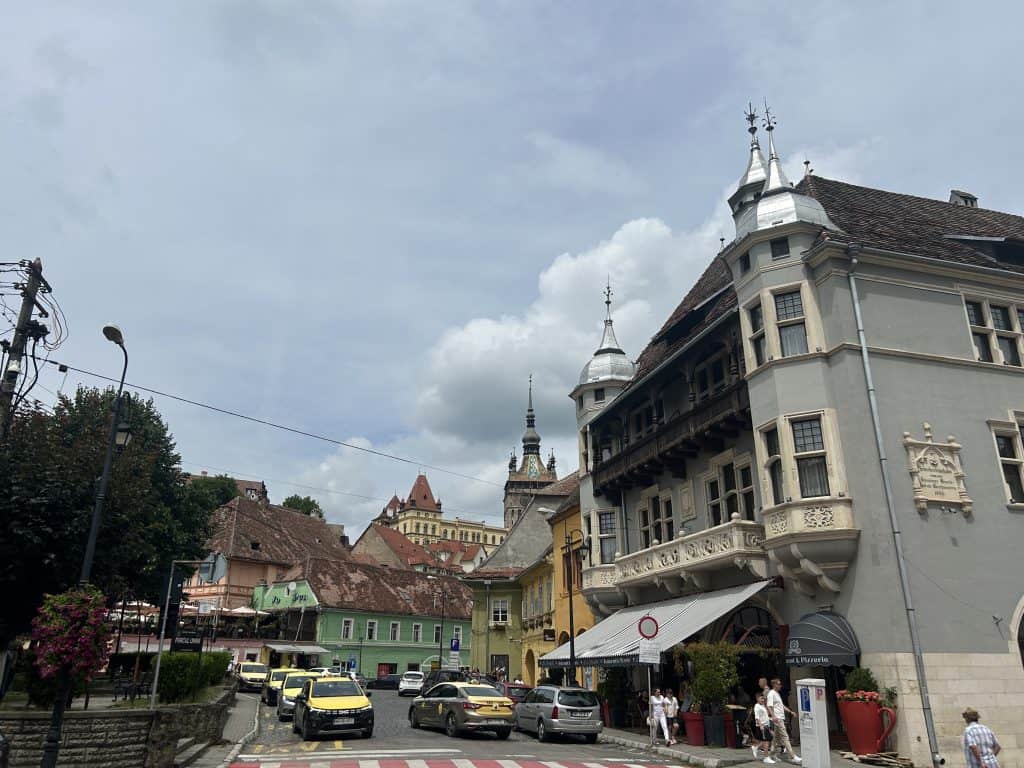
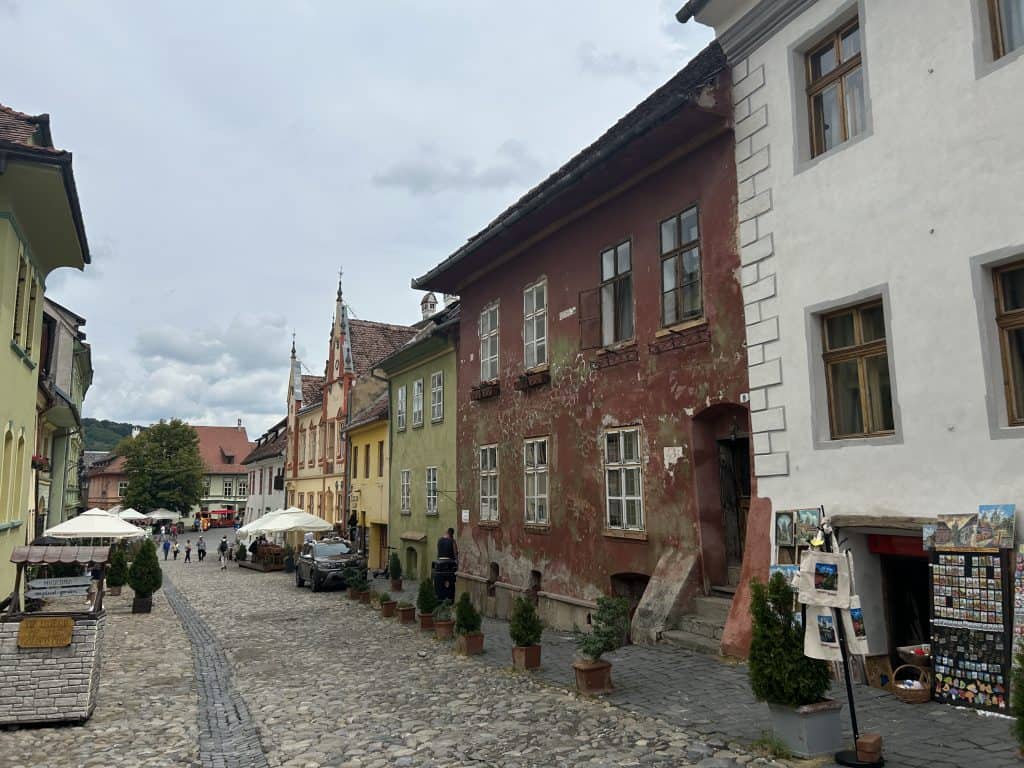
The character of Sighișoara is defined by its historic citadel, which is one of the last inhabited medieval citadels in Europe. The city’s identity is deeply connected to its past as a fortified Transylvanian Saxon town, known in German as Schäßburg. This heritage is visible in its architecture, with its cobblestone streets, colorful burgher houses, and numerous defensive towers. The city is also famously known as the birthplace of Vlad the Impaler, the historical figure who inspired the character of Dracula. This combination of a perfectly preserved medieval town and its connection to this famous legend gives the city its specific character.





A Short History of Sighișoara
The history of Sighișoara is that of a major fortified craft and trade town founded by German colonists in the heart of Transylvania. Its development was shaped by its strategic location and its role as a key center for the powerful guilds of the Transylvanian Saxons. The city’s story is one of medieval prosperity, defense against numerous invasions, and the preservation of its unique architectural heritage. This has resulted in the citadel being recognized as a site of outstanding universal value by UNESCO.
Foundation by German Craftsmen
The history of Sighișoara began in the 12th century. The Hungarian King Géza II invited German colonists, who would become known as the Transylvanian Saxons, to settle in the region to defend the borders of his kingdom. These colonists founded a settlement here that they named Schäßburg. The town grew rapidly as a center for German craftsmen and merchants. By the 14th century, the construction of the large defensive citadel on the hill above the river had begun, which would become the heart of the city.
A Center of Guilds and Defense
The 14th and 15th centuries were a period of great prosperity for Sighișoara. The city became a major center for craftsmanship, with numerous powerful craft guilds dominating its economy. These guilds, such as the tinsmiths, shoemakers, and tailors, became very wealthy and were responsible for the construction and defense of the citadel’s towers. The city is also the birthplace of Vlad III, later known as Vlad the Impaler. His father, Vlad Dracul, lived in exile in the town from 1431 to 1435, during which time his famous son was born.
Decline and Modern Preservation
The city’s fortunes began to decline after the 17th century. It was affected by fires, plagues, and the shifting of trade routes that bypassed Transylvania. The city was also involved in the conflicts between the Habsburg Monarchy and the Ottoman Empire. After World War I, Transylvania, including Sighișoara, became part of the Kingdom of Romania. During the communist period, the Saxon population of the city began to decline significantly. In the post-communist era, the city has focused on preserving its unique heritage, which was officially recognized in 1999 when its historic center was designated a UNESCO World Heritage Site.



Things to Do and See
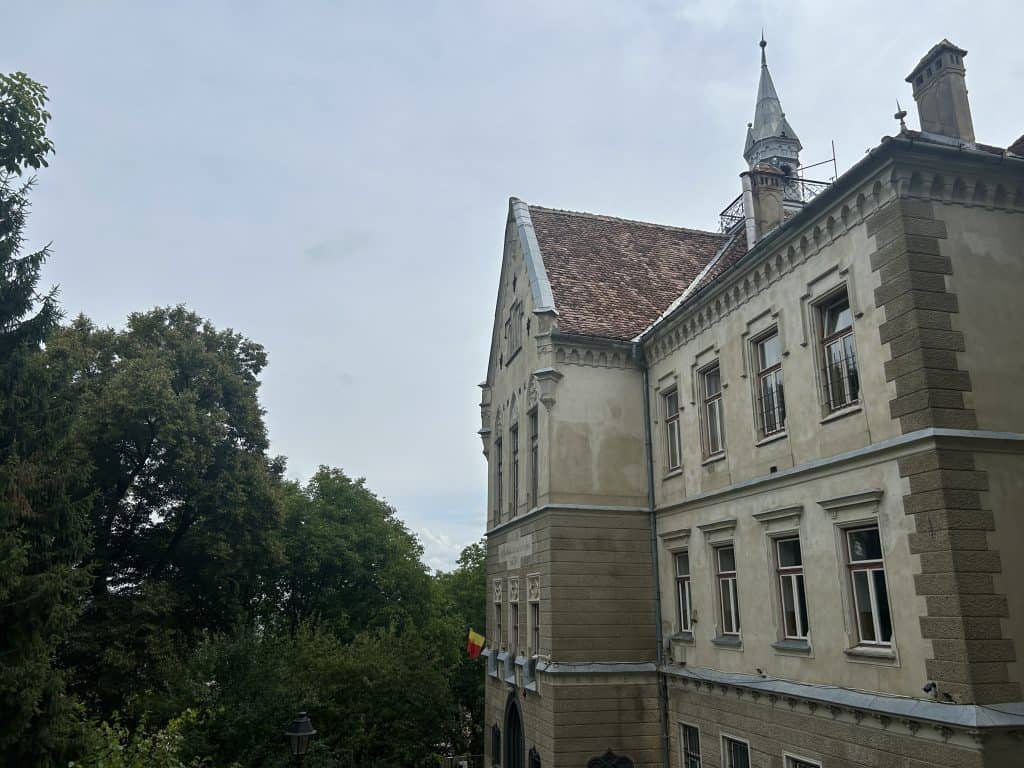
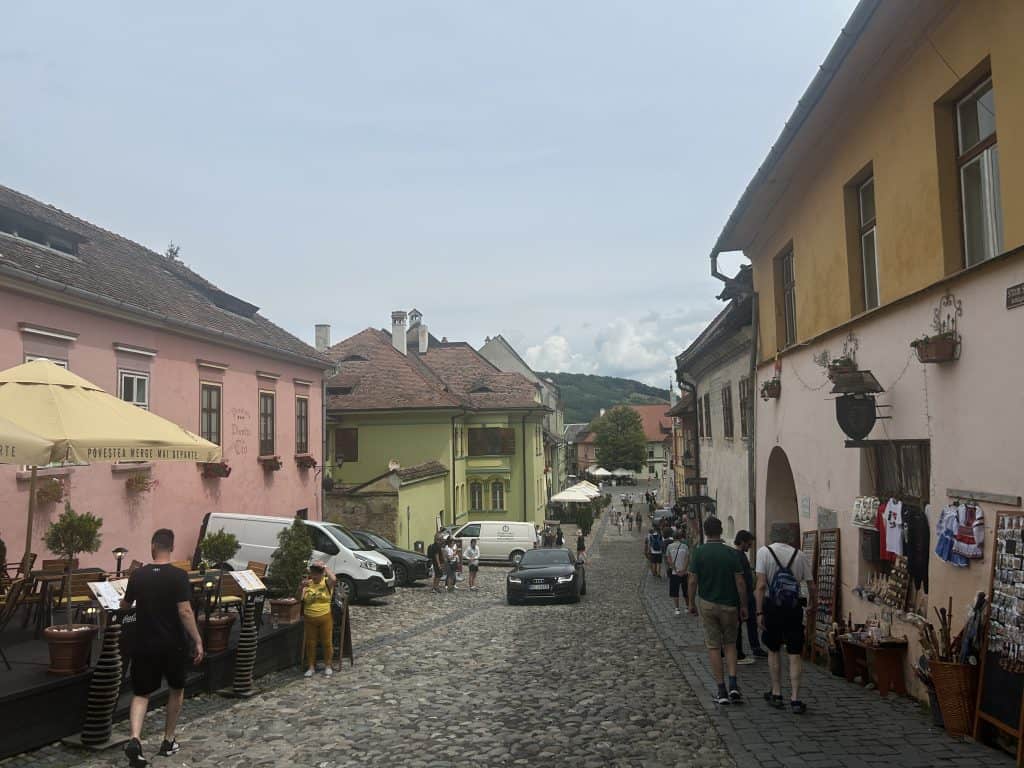
The sights in Sighișoara are almost entirely concentrated within its historic walled citadel, a remarkably well-preserved example of a small, fortified medieval town. This entire upper town is a designated UNESCO World Heritage Site, recognized for its authentic 16th-century architecture and urban plan. The main points of interest are the powerful defensive towers, which were built and maintained by the town’s craft guilds, the historic churches, and the colorful burgher houses that line the narrow streets. Unlike many other historic fortresses in Europe, the citadel of Sighișoara remains continuously inhabited, offering a unique look into a living medieval town. A visit to these sights provides a direct journey into the history of the Transylvanian Saxons and their role in the region. The main landmarks, such as the Clock Tower and the Church on the Hill, are all accessible on foot within this compact, pedestrian-friendly area.
The Historic Centre of Sighișoara (Citadel)
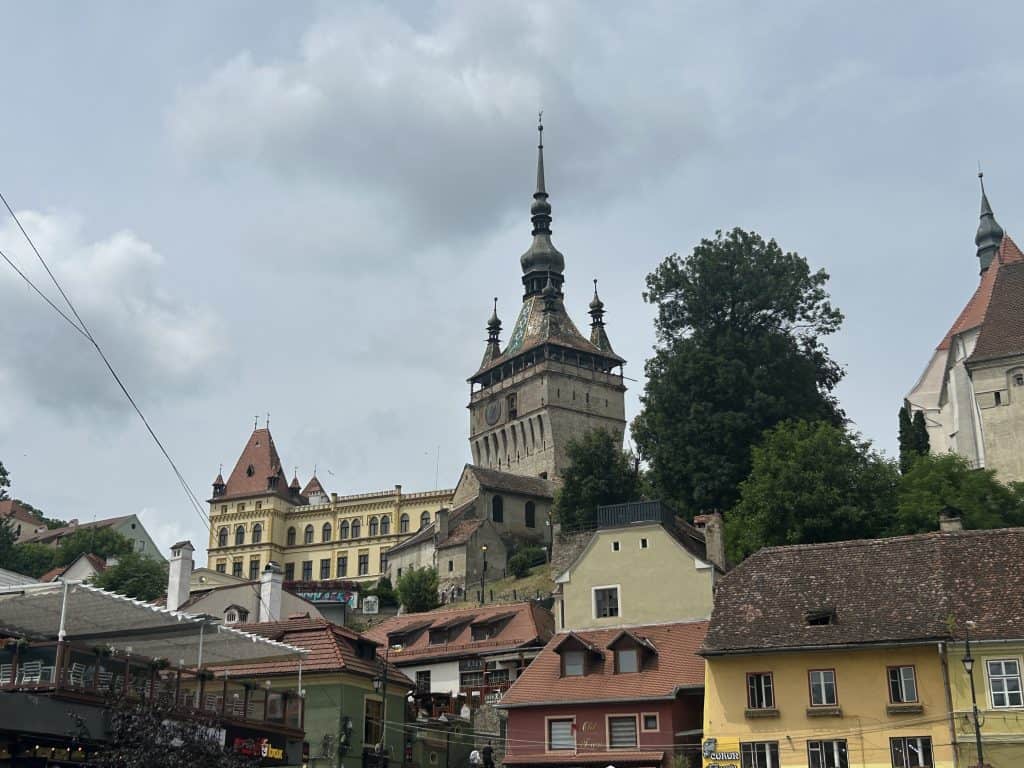
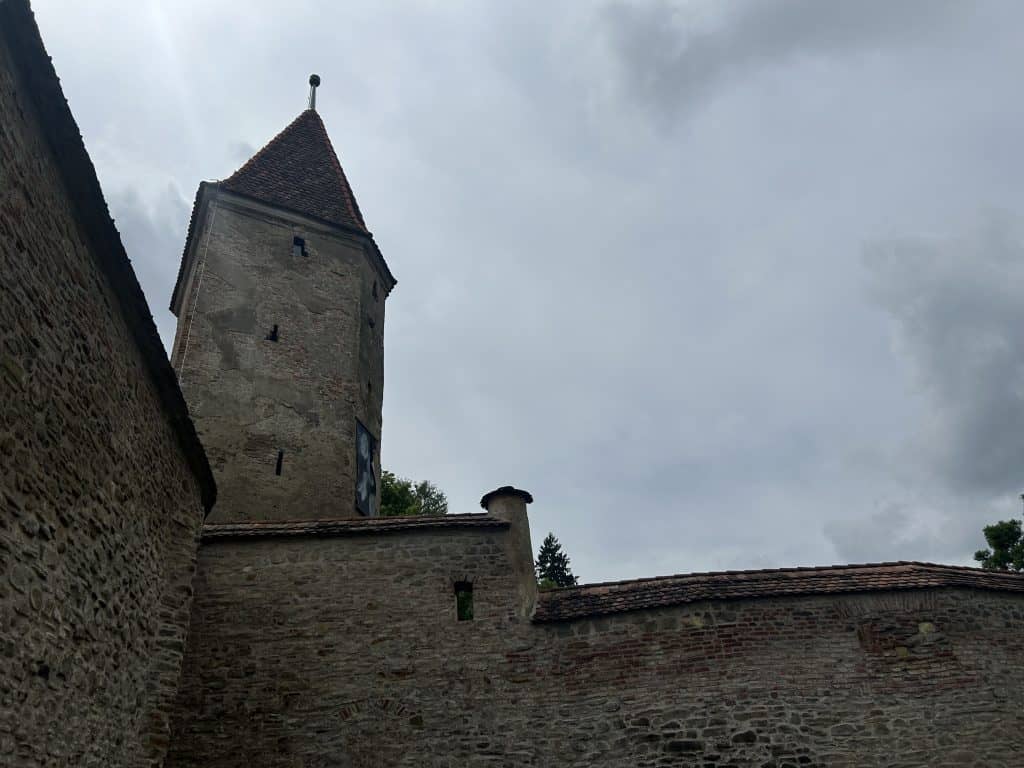
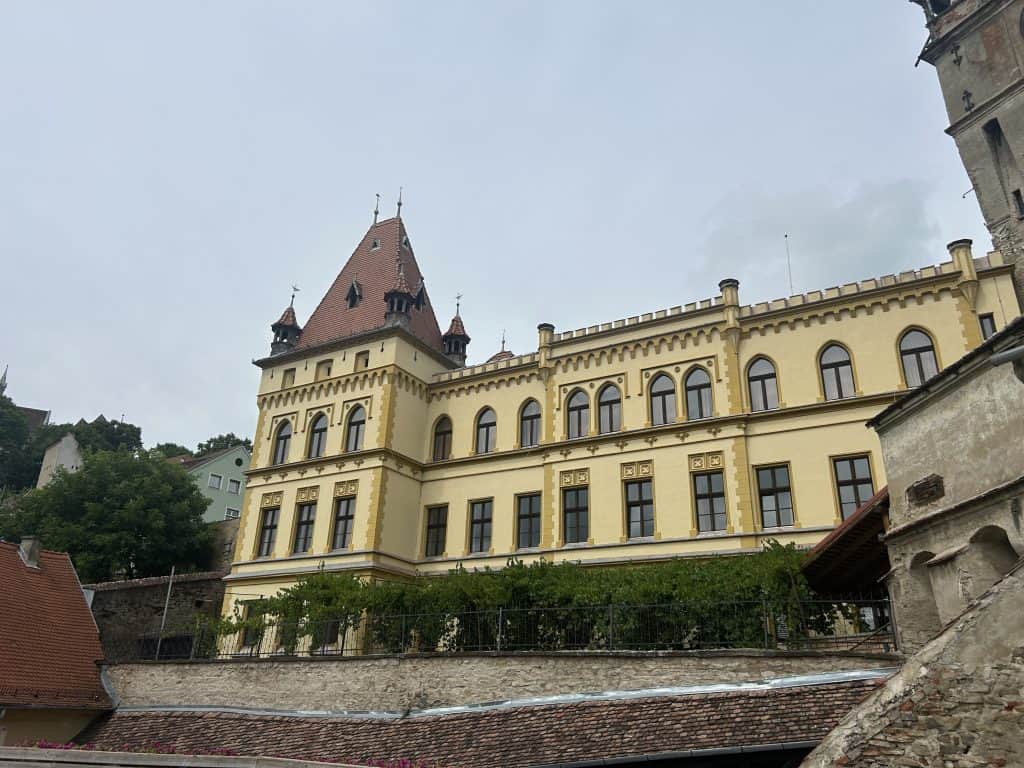
The Historic Centre of Sighișoara, also known as the Citadel, is the main attraction. The entire upper town is a UNESCO World Heritage site. It is a remarkably well-preserved example of a small, fortified medieval town. The citadel is surrounded by a defensive wall that is over 900 meters long and originally featured 14 towers, of which nine still stand today. The interior of the citadel is a maze of narrow, cobblestone streets lined with colorful historic burgher houses.
The Clock Tower
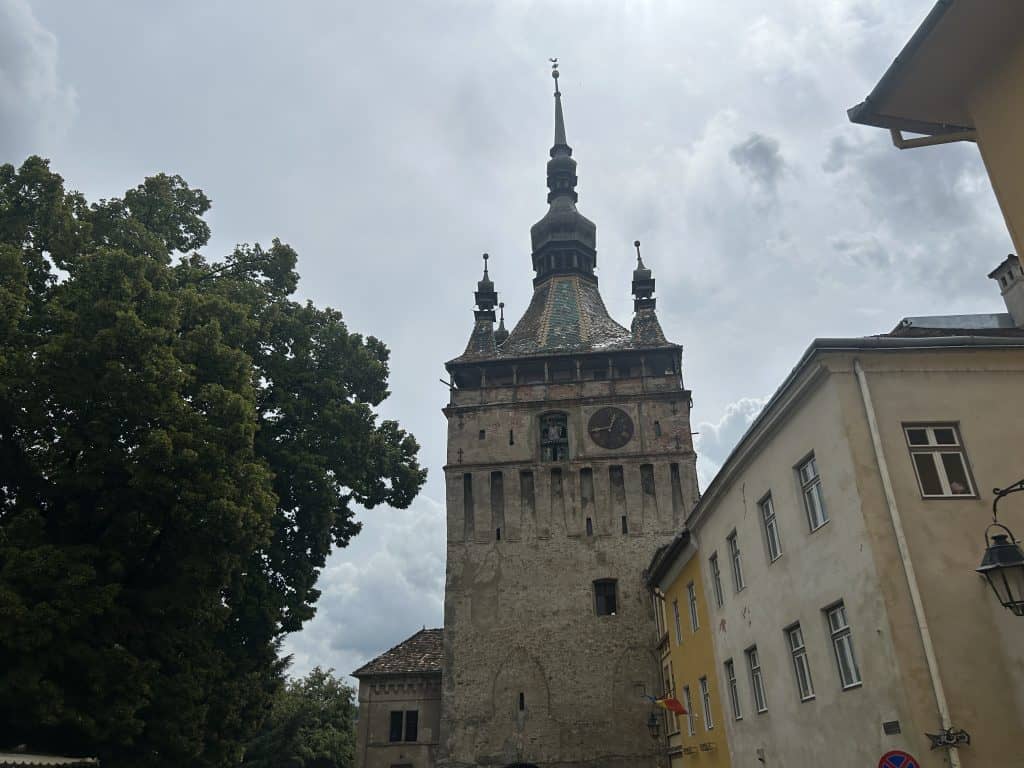
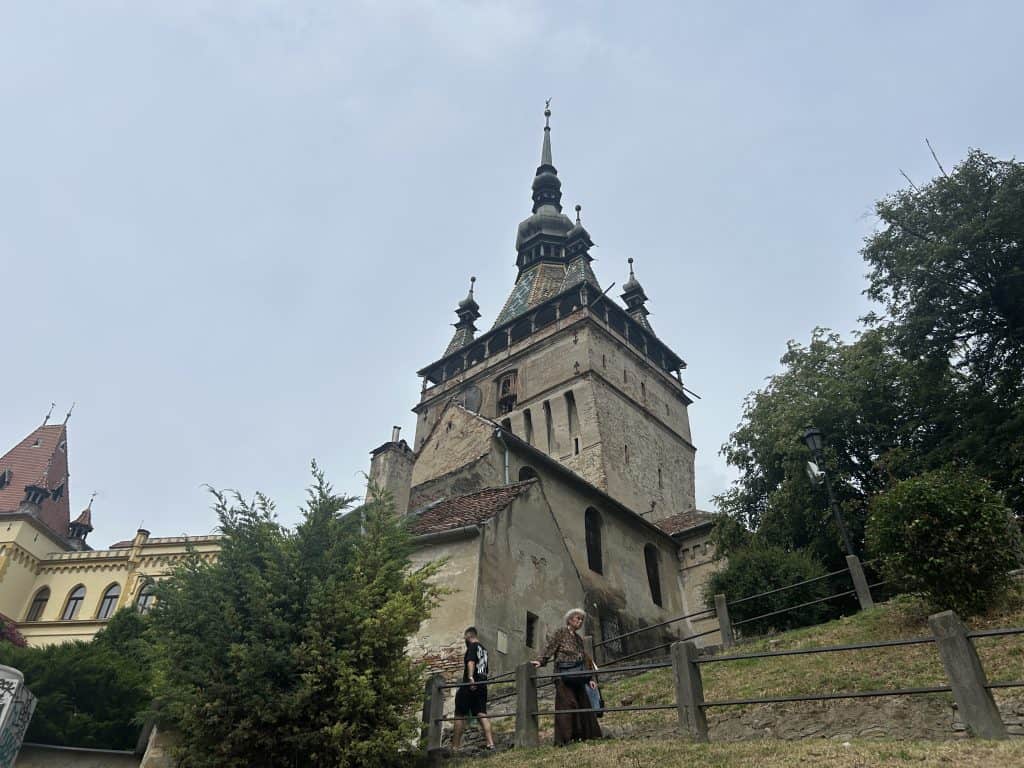
The Clock Tower (Turnul cu Ceas) is the most prominent landmark of Sighișoara and the main entrance to the citadel. The massive tower was built in the 14th century and served as the seat of the town council until the 16th century. Its most distinctive feature is its ornate, Baroque-style roof, which was added in the 17th century. The clock mechanism, with its wooden figures that represent the days of the week, is also a key feature. Today, the tower houses the Sighișoara History Museum. Visitors can climb to the top for panoramic views.
The Church on the Hill
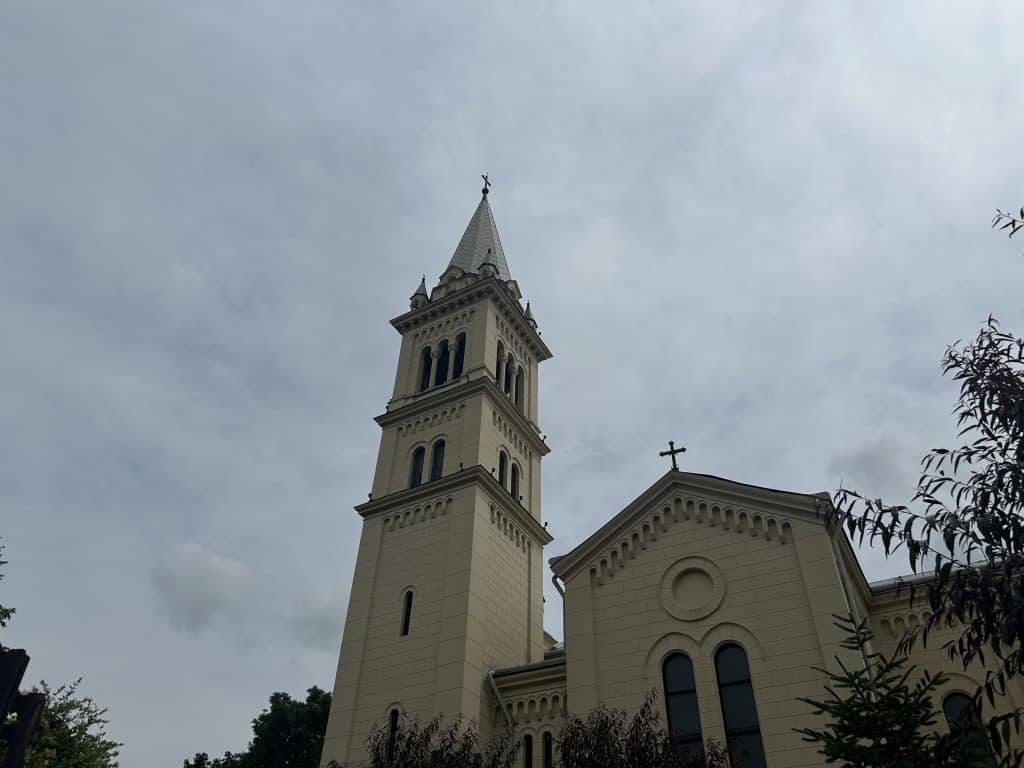
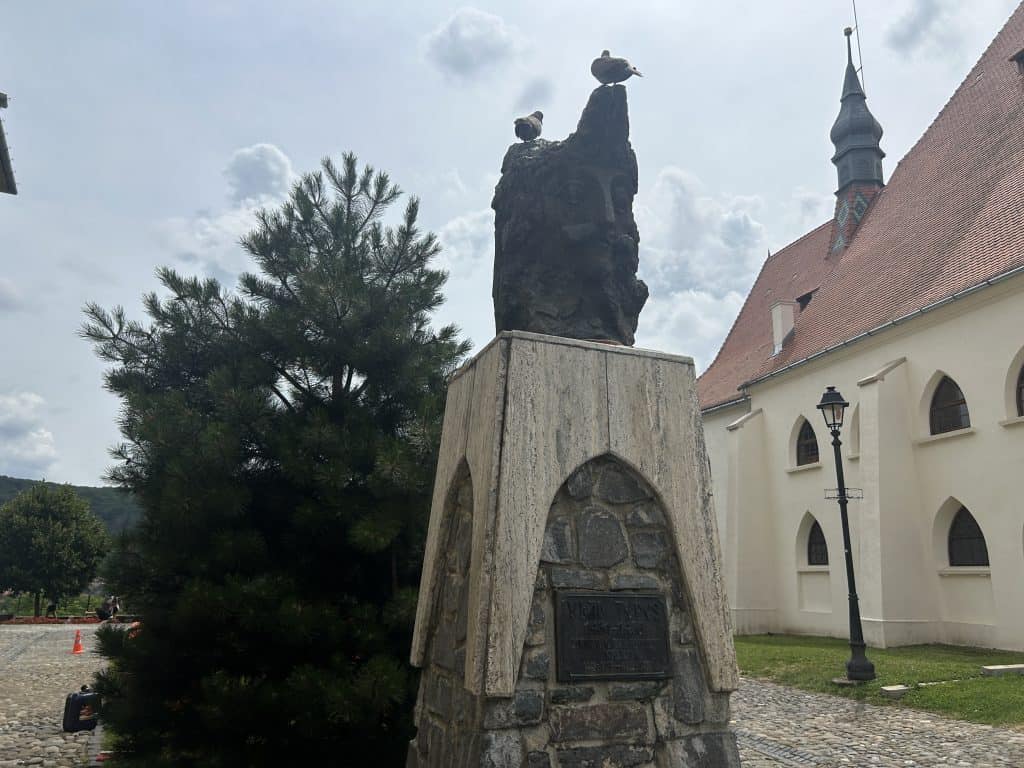
The Church on the Hill (Biserica din Deal) is a major Gothic church located at the highest point of the citadel. This church was built in several stages between the 14th and 15th centuries. It is one of the most important examples of Gothic architecture in Transylvania. The interior contains well-preserved medieval frescoes and a collection of historic altarpieces. The church is reached by climbing the Covered Stairway. A historic German cemetery is located next to the church.
The Covered Stairway
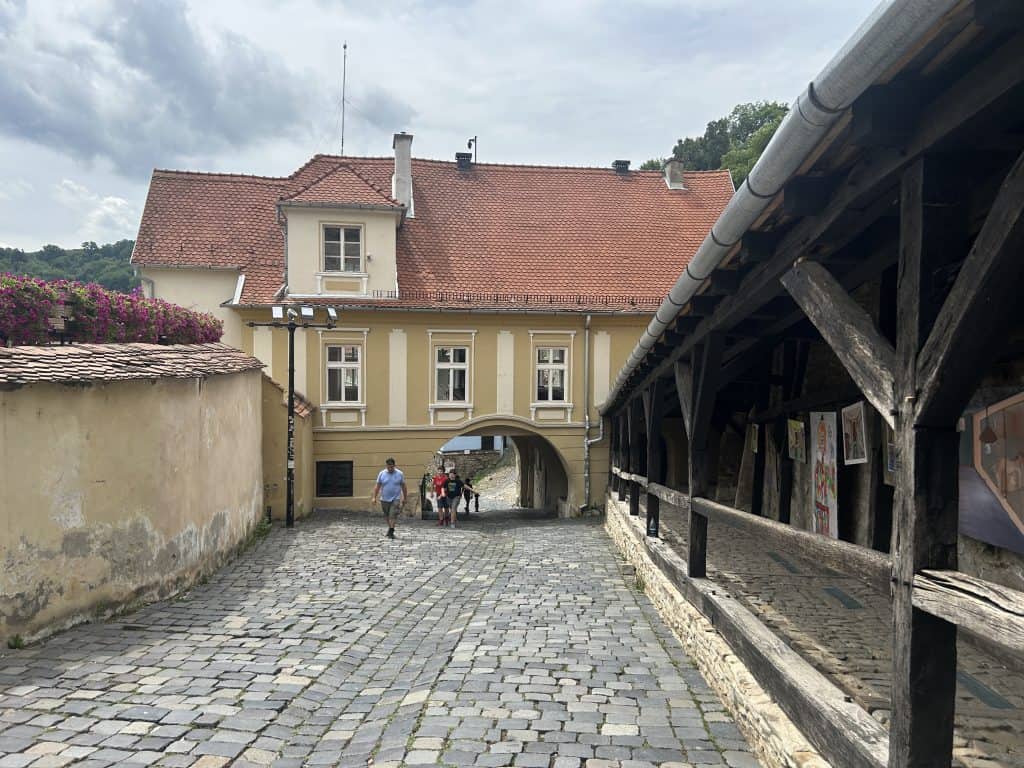
The Covered Stairway (Scara Școlarilor) is a historic wooden staircase that connects the main square of the citadel with the Church on the Hill. The staircase was built in 1642. Its purpose was to protect schoolchildren and churchgoers from the harsh winter weather as they made their way up the steep hill. Originally, it had 300 steps, but today 176 steps remain. The wooden roof and walls create a unique architectural feature.
Vlad Dracul House
The Vlad Dracul House (Casa Vlad Dracul) is a historic building located in the citadel, near the Clock Tower. The building is the presumed birthplace of Vlad the Impaler. His father, Vlad Dracul, lived in this house during his exile in Sighișoara from 1431 to 1435. Today, the ground floor of the house contains a restaurant. The upper floor contains a small museum exhibit dedicated to the life of Vlad the Impaler. The building is one of the most popular points of interest for tourists.
The Monastery Church
The Monastery Church (Biserica Mănăstirii) is another important church located within the citadel. The church was part of a former Dominican monastery that was founded in the 13th century. It is a Gothic-style church located near the Clock Tower. The church’s interior contains a valuable collection of historic Anatolian carpets, similar to the collection in the Black Church in Brașov. The church is a key part of the historic and religious landscape of the citadel.
The Guild Towers
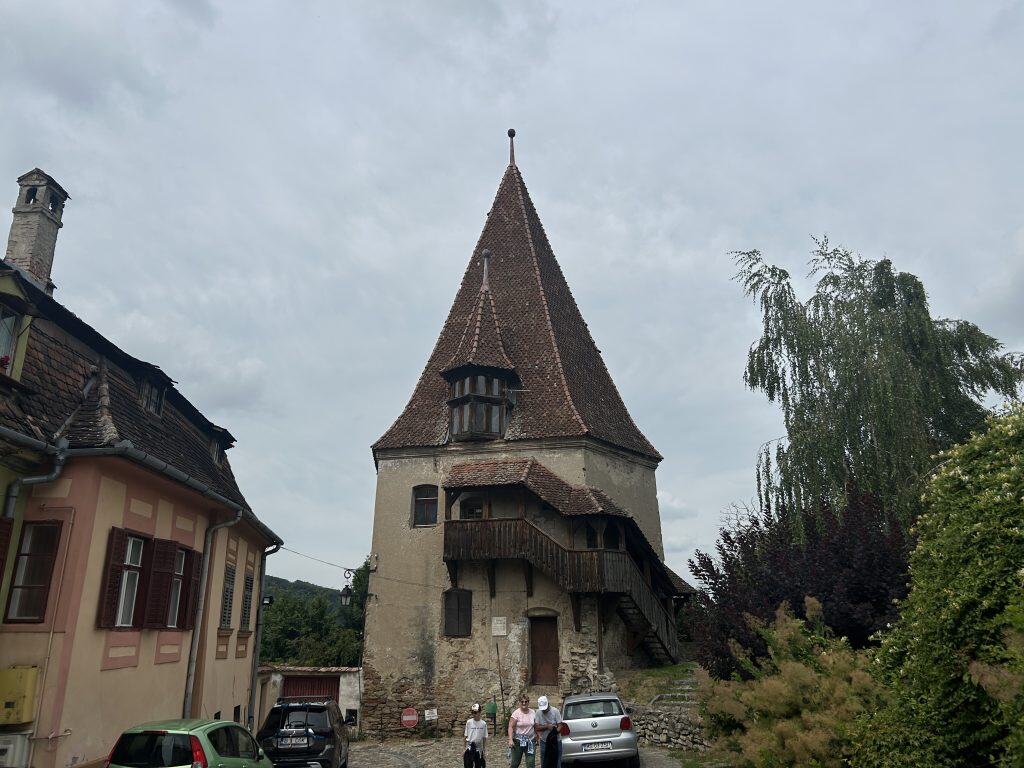
The defensive walls of the citadel were protected by numerous towers, each built and maintained by one of the town’s powerful craft guilds. Nine of these towers still stand today. This includes the Tinsmiths’ Tower, the Shoemakers’ Tower, and the Tailors’ Tower. Each tower has its own distinct architectural character. A walk along the base of the citadel walls allows visitors to see these different defensive structures.

Sports in Sighișoara
The sporting life in Sighișoara is focused on its local community clubs. Handball is the most successful and popular sport in the town, with a club that has a history of competing at the highest level in Romania. Football is also a popular sport with a local club that is a key part of the community. The town’s main sports facilities, including its indoor sports hall, serve as the hub for these clubs. This provides a focus for the local sporting identity.
Handball
Handball has a strong and successful presence in Sighișoara. The town has a dedicated following for the sport. The local professional team has a history of competing in the top national league. Home games are major events that draw enthusiastic crowds to the main indoor sports hall in the town.
CSM Sighișoara
The city’s main professional handball club is CSM Sighișoara. The club has a history of competing in the Liga Națională, the top tier of Romanian handball. They are a key institution for the sport in the Transylvania region. They play their home games at a local sports hall in the town. The club also has a strong youth development program.
Football
Football is a popular participation sport in Sighișoara, with a local club that represents the town in the Romanian football league system. The club is an important part of the community, with a focus on youth development. The team competes in the regional leagues of Mureș County.
CSM Sighișoara
The football section of the multi-sport club CSM Sighișoara is the main representative for the sport in the town. The team competes in the lower tiers of the Romanian football league system, typically in the county leagues (Liga IV) of Mureș County. The club is primarily focused on community participation and youth development. They play their home games at a local stadium in the town.

Getting Around in Sighișoara
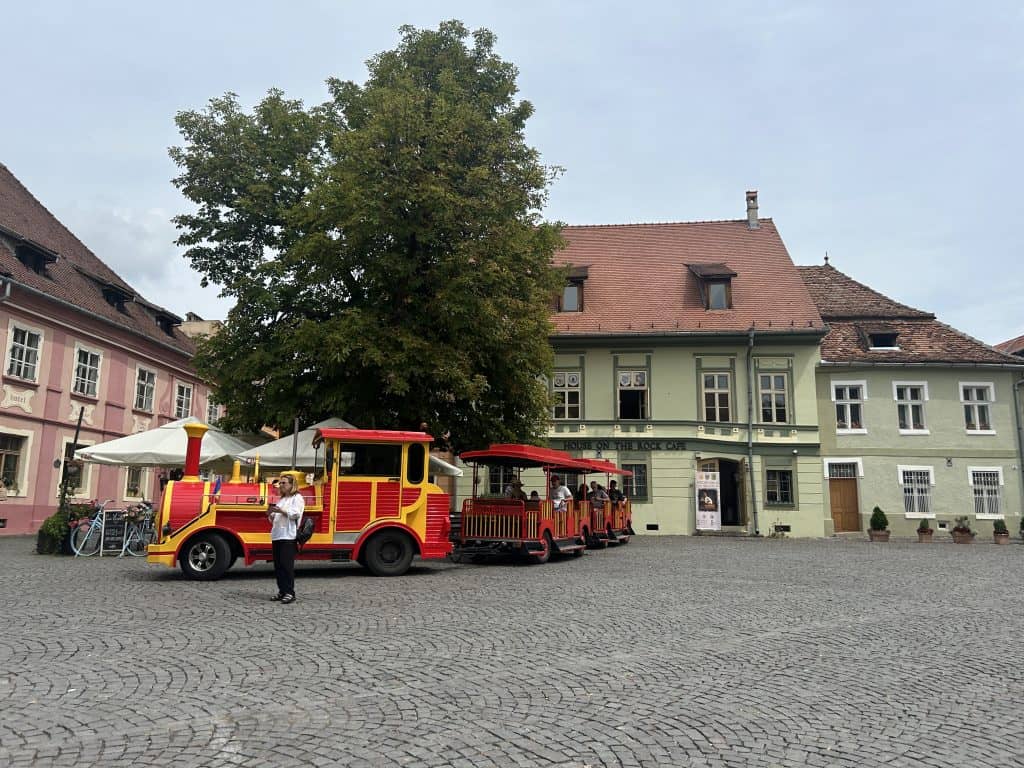
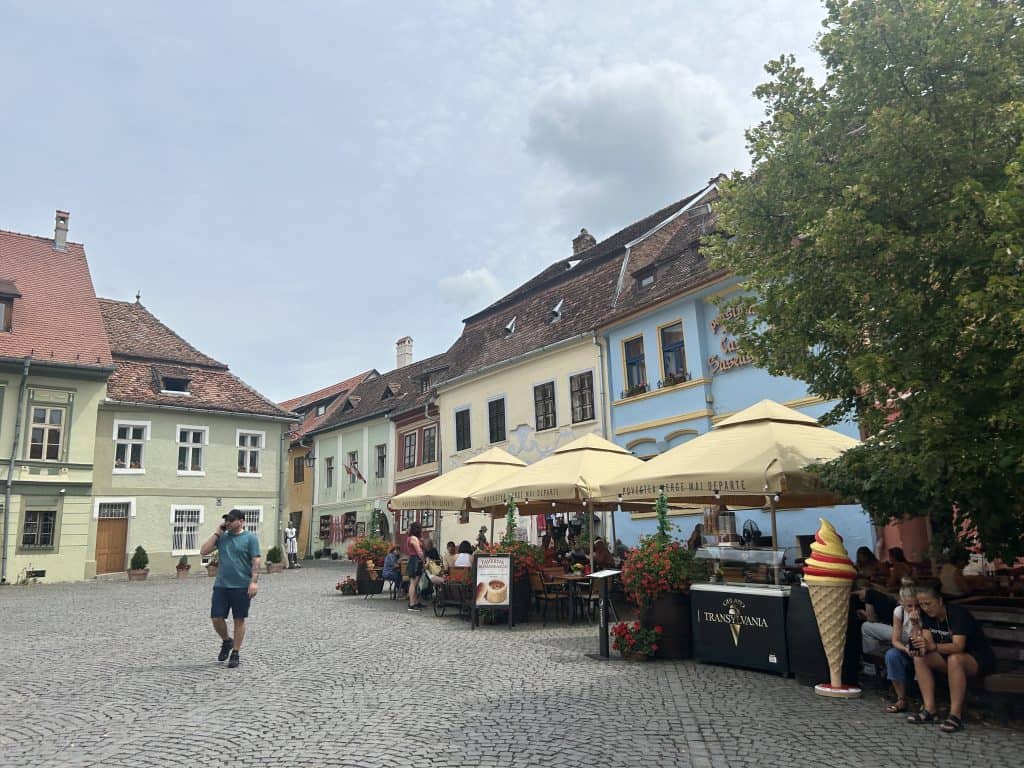
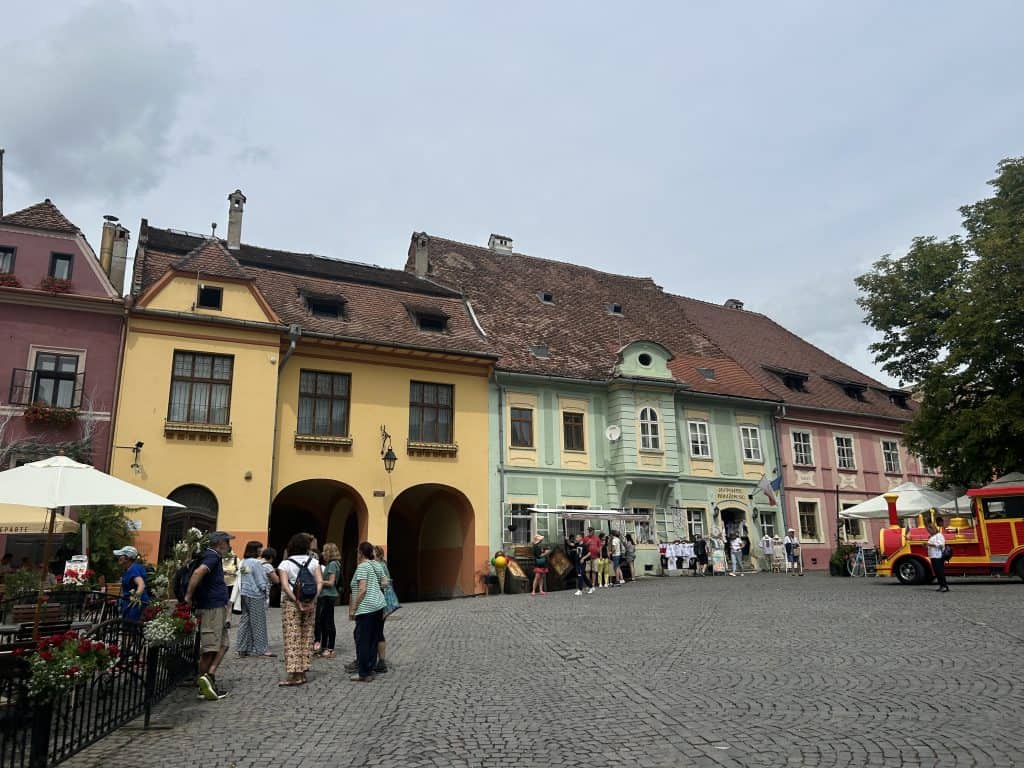
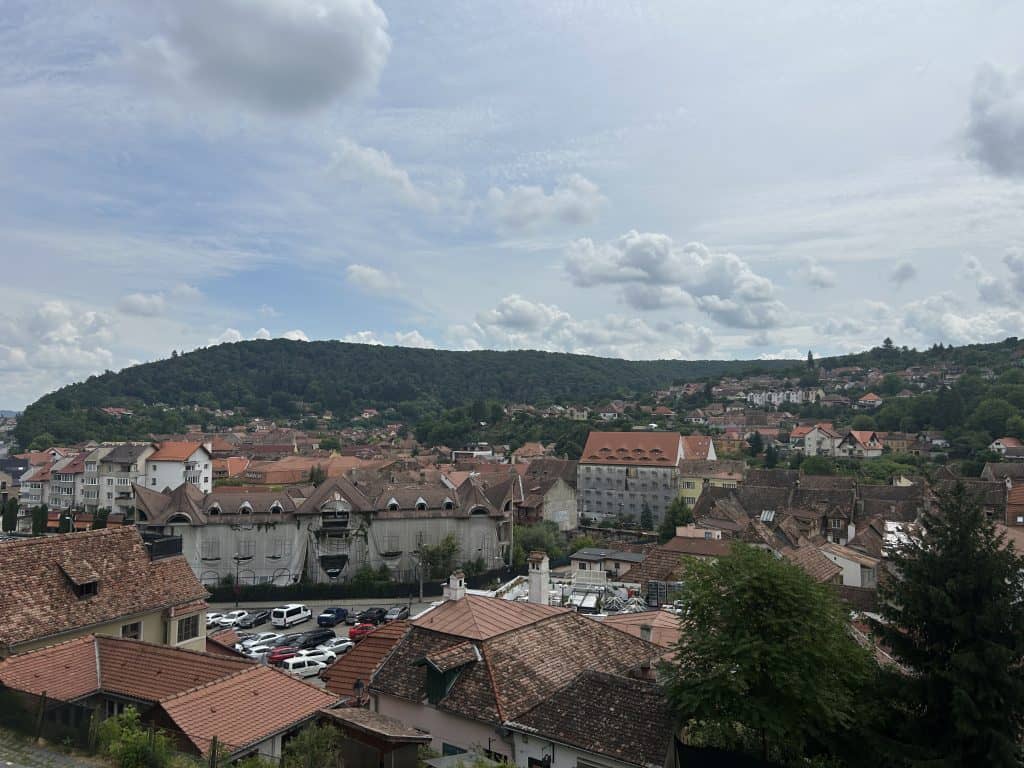
Navigating Sighișoara is best done on foot, especially within the historic citadel. The town is divided into the upper citadel and the lower town. The citadel is a pedestrian-only zone. For travel between the train station and the town center, local buses and taxis are available.
On Foot: The Citadel
Walking is the only way to explore the historic citadel. The entire walled town is a maze of narrow, cobblestone streets and stairways that are not accessible to vehicles. All the main sights, including the Clock Tower and the Church on the Hill, must be reached on foot. Comfortable shoes are essential for navigating the steep and uneven streets.
Local Buses and Taxis
The lower town of Sighișoara is served by a local bus network. These buses connect the main residential areas with the city center and the train station. Taxis are also widely available and are an affordable way to travel between the train station and the citadel. This is a convenient option for visitors arriving with luggage.

How to Get to Sighișoara
Reaching Sighișoara is convenient by road and rail, as it is located in the central part of Romania and is a major stop on the country’s main railway line. Its location in the heart of Transylvania makes it an accessible destination from all major Romanian cities.
The Open Road: Driving through Transylvania
Driving to Sighișoara offers flexibility for exploring the scenic Transylvania region. The town is located on the E60 European route, which is a major national road in Romania. This road connects Sighișoara with Brașov to the southeast and with Cluj-Napoca to the northwest. The roads in the region are generally well-maintained. A car provides the freedom to visit the many fortified churches and traditional villages that surround the town.
Arriving by Air: Nearby Airports
Sighișoara does not have its own airport. The three closest international airports are Târgu Mureș (TGM), Sibiu (SBZ), and Cluj-Napoca (CLJ). Târgu Mureș Airport is the closest, located about 60 kilometers away. All three airports offer connections to several European cities. From any of these airports, a rental car or a combination of bus and train services is required to complete the journey to Sighișoara.
On Track: A Major Railway Hub
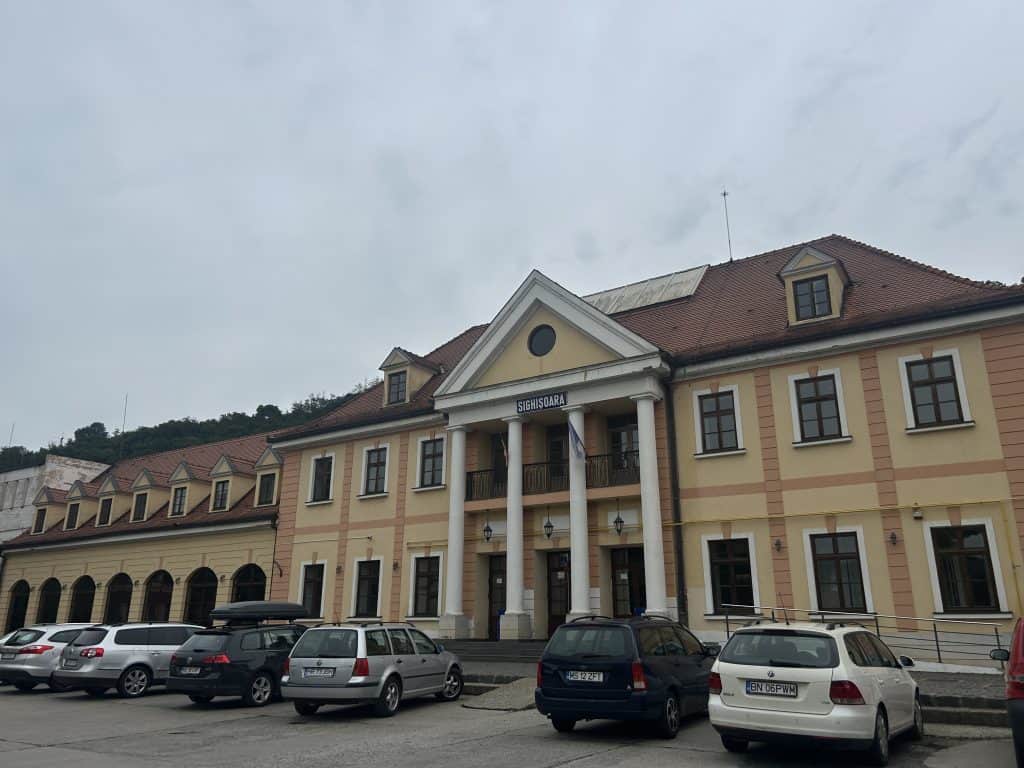
Traveling to Sighișoara by train is a highly efficient and popular option. The Sighișoara train station is a major hub on the main railway line that connects Bucharest and Brașov with Cluj-Napoca and Budapest, Hungary. The Romanian Railways (CFR) operate frequent InterRegio train services. The journey from Brașov takes about 2 hours, while from Bucharest it is about 5-6 hours. The train station is located in the lower town, a short walk from the citadel.
Connecting by Coach
Long-distance bus services provide another way to reach Sighișoara. The city has a bus terminal (autogara) that is served by numerous private companies. There are frequent bus and minibus services that connect Sighișoara with all major cities in Romania, including Brașov, Sibiu, and Bucharest. Bus travel can often be more economical than the train, though it can be slower depending on the route.
Driving Distances
The driving distance from 10 regional cities, according to Google Maps:
- Sibiu, Romania – 93 kilometers (1 h 40 min)
- Brașov, Romania – 117 kilometers (2 h 00 min)
- Cluj-Napoca, Romania – 162 kilometers (2 h 40 min)
- Bucharest, Romania – 282 kilometers (4 h 30 min)
- Iași, Romania – 309 kilometers (5 h 20 min)
- Chișinău, Moldova – 443 kilometers (8 h 10 min)
- Belgrade, Serbia – 518 kilometers (6 h 50 min)
- Budapest, Hungary – 558 kilometers (6 h 10 min)
- Sofia, Bulgaria – 696 kilometers (10 h 20 min)
- Kyiv, Ukraine – 863 kilometers (13 h 40 min)
Looking to Explore more of Romania and Europe?