
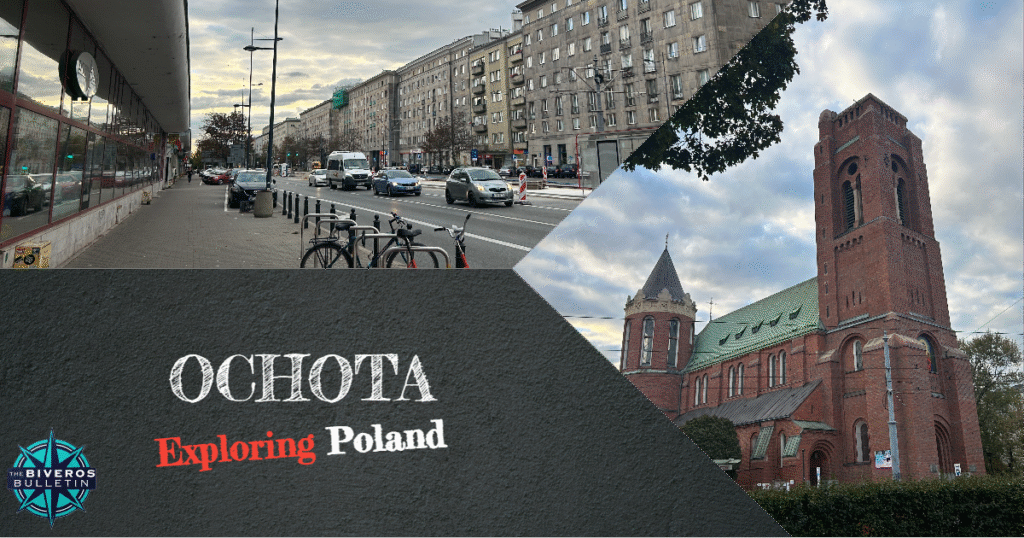
Ochota, Warsaw | Exploring Poland
Ochota, officially known as Dzielnica Ochota m.st. Warszawy, is a central district of Warsaw, located just southwest of the city’s main Śródmieście area. Its name, which translates to “will” or “volition,” originates from a 19th-century inn that once stood in the area. Today, the district is a vibrant blend of distinct neighborhoods, from the historic pre-war villas of Stara Ochota to the large modernist housing estates of Rakowiec. It serves as a crucial hub for science and medicine, housing major academic institutions, while also being cherished for its abundant green spaces like the vast Pole Mokotowskie and Park Szczęśliwicki, giving it a calmer atmosphere than the bustling city center next door.
Covering an area of 9.72 square kilometers, Ochota is one of Warsaw’s smaller districts, bordered by Wola, Śródmieście, Mokotów, and Włochy. As of the end of 2023, it had a population of around 79,700 residents. The district’s demographics are heavily influenced by the presence of the Warsaw University of Technology and the Warsaw Medical University, resulting in a significant population of students, researchers, and academic staff. This creates a unique social mix, blending a youthful, intellectual community with families and long-time residents, particularly in neighborhoods like Szczęśliwice. As a result, Ochota has a reputation as a stable, green, and well-regarded residential area with a highly educated populace.


History of Ochota
The history of Ochota is a story of gradual urban expansion, scientific development, and resilience in the face of wartime devastation. Before the 19th century, the area was mostly agricultural land with a few small settlements. Its transformation began with the construction of major railway lines and the establishment of filter stations for the city’s water supply. Officially incorporated into Warsaw in 1916, Ochota quickly grew into a residential district favored by intellectuals, government officials, and professionals. The interwar period was a time of significant architectural development, but this progress was brutally interrupted by World War II, which left deep scars on the district and its population.
From Fields to Suburb
In the late 19th century, the area that would become Ochota was still largely undeveloped, known for its fields and a few roadside inns. The construction of the Warsaw-Vienna Railway and the establishment of the Warsaw Water Filters, designed by William Lindley, were the first major steps in its urbanization. These infrastructure projects spurred the first wave of residential construction. In the early 20th century, elegant housing developments known as colonies, such as the Staszic and Lubecki colonies, were built in the “garden city” style. After becoming part of Warsaw in 1916, the district’s development accelerated, solidifying its reputation as a peaceful and well-regarded suburb.
War and Resistance
Ochota played a significant role during World War II, beginning with the defense of Warsaw in September 1939. During the Warsaw Uprising in 1944, the district became the site of intense fighting and suffered a brutal pacification campaign known as the Ochota massacre. For several weeks, collaborationist RONA forces and German SS units systematically murdered an estimated 10,000 residents and burned down large parts of the district. Important resistance sites included the “Wawel Redoubt” and the Zieleniak market, which was used as a transit camp. The events of 1944 remain a painful and important part of Ochota’s collective memory.
Post-War Academic Growth
After the war, the immense task of reconstruction began, with many destroyed areas being replaced by socialist-era apartment blocks. A key aspect of Ochota’s post-war development was its emergence as a major center for science and education. Large campuses for the Warsaw University of Technology and the Warsaw Medical University were established or expanded, bringing thousands of students and researchers to the district. This academic focus influenced the social character of Ochota, reinforcing its reputation as an intellectual hub. In recent decades, the district has continued to evolve with the addition of modern office buildings and shopping centers, blending its academic and residential character with new commercial functions.


Sights in Ochota
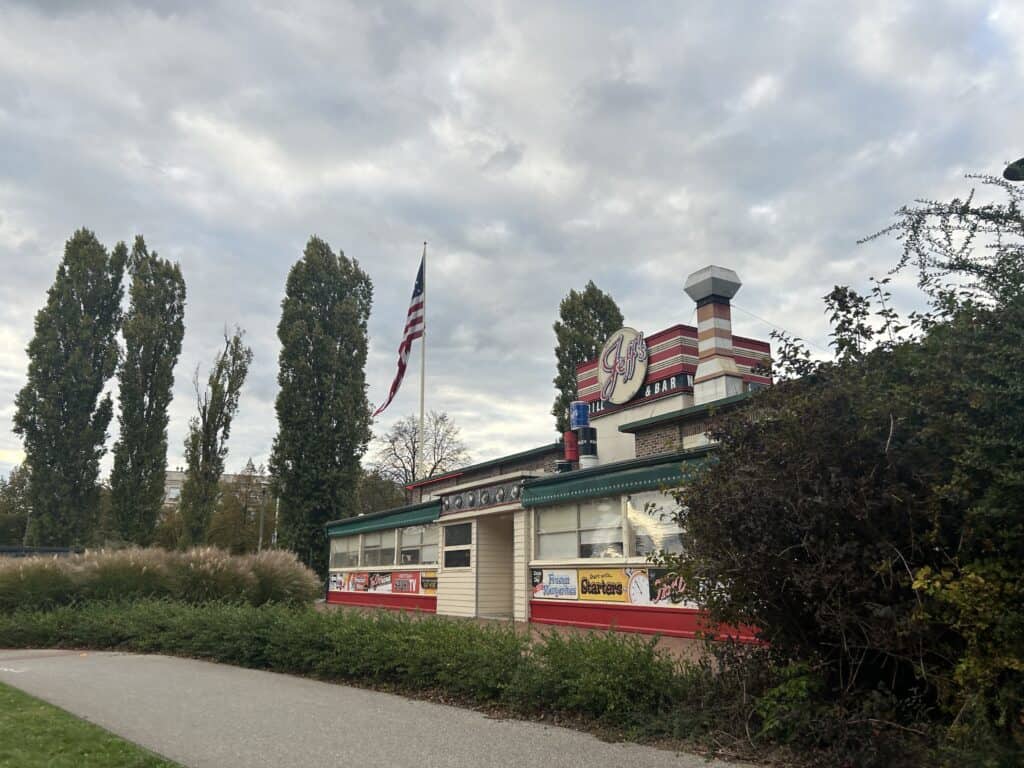
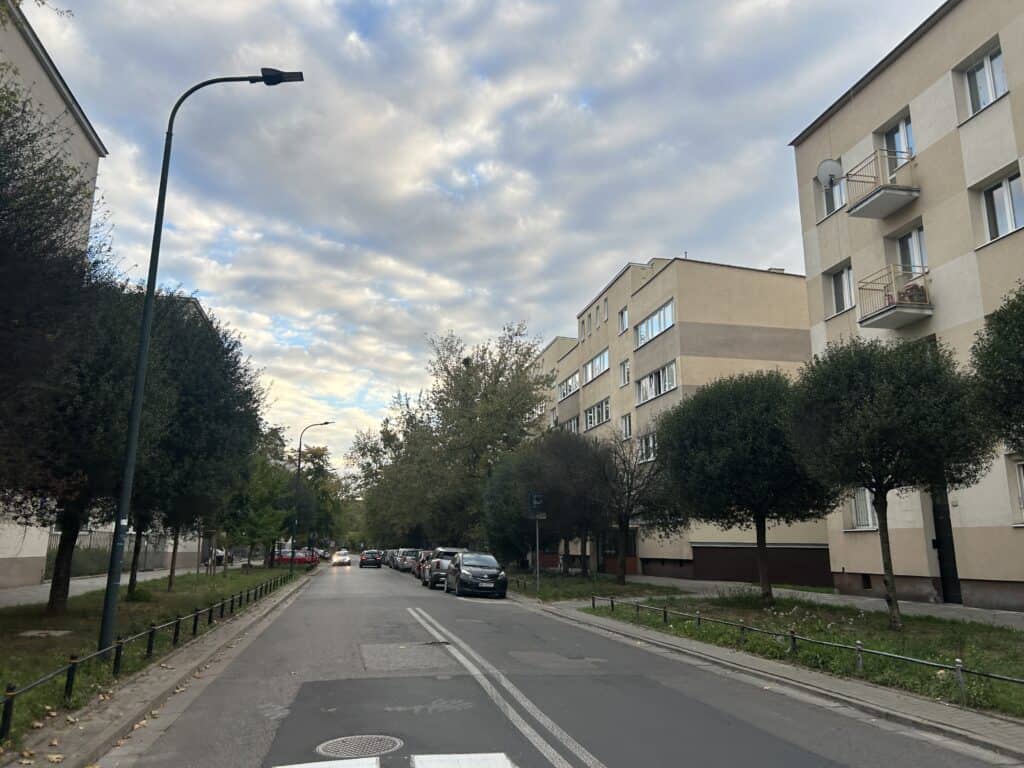
Ochota offers a diverse array of sights that reflect its academic character, its architectural history, and its abundance of green spaces. The district provides a different experience from the main tourist trail of Warsaw’s Old Town, inviting visitors to explore tranquil pre-war neighborhoods, relax in sprawling parks, and appreciate the landmarks of Polish science and culture. The area is easily walkable, and a tour through its streets reveals a story of thoughtful urban planning from the early 20th century, as well as the resilience shown in its post-war reconstruction. It is a district that rewards exploration with a deeper understanding of Warsaw’s local life.
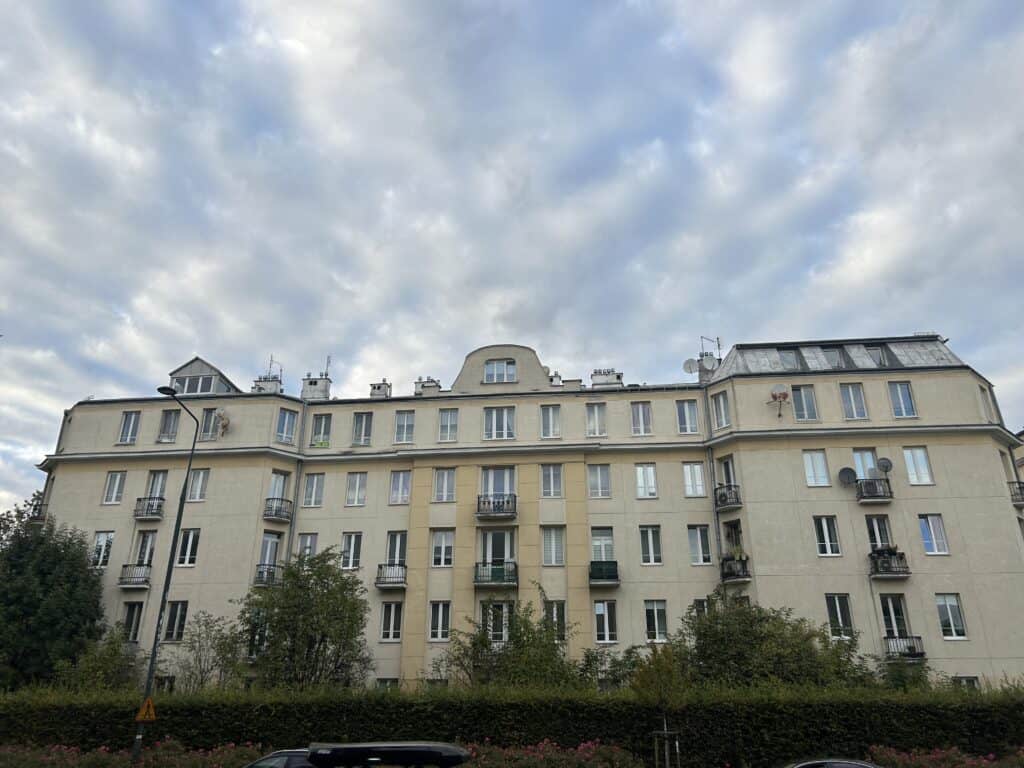
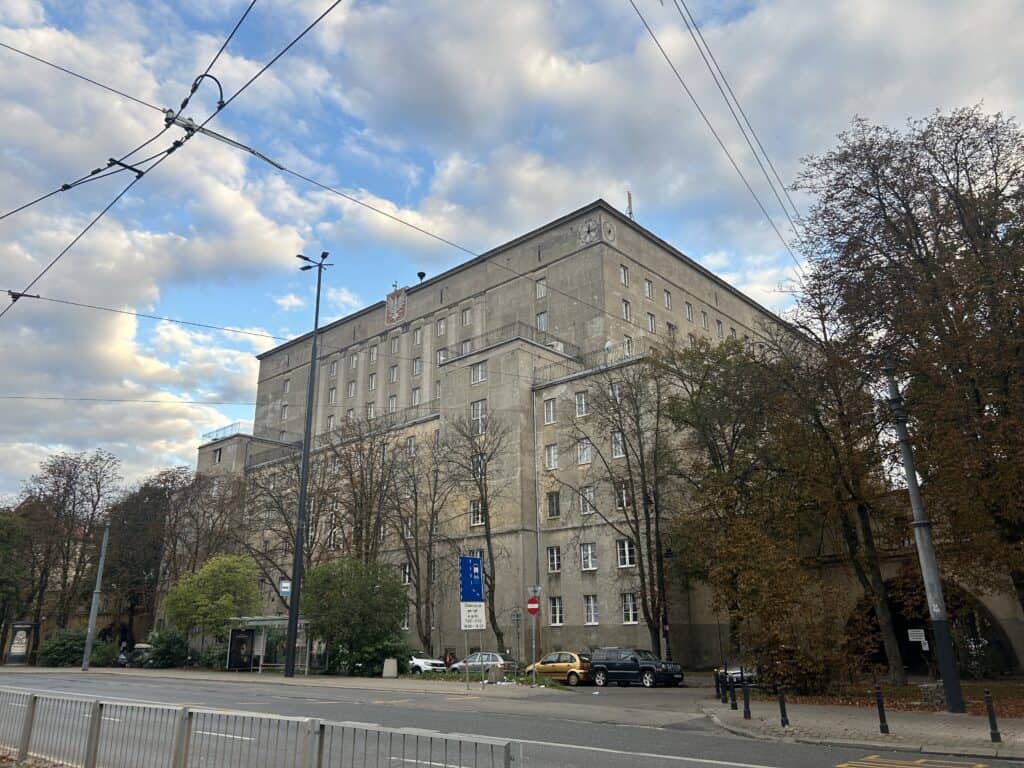
The architectural landscape of Ochota is particularly noteworthy, showcasing some of the finest examples of Polish modernist and “garden city” design. The historic colonies of Stara Ochota (Old Ochota) are like open-air museums, with charming villas and quiet, tree-lined streets that feel a world away from the city’s main thoroughfares. In contrast, the district is also home to major institutions housed in imposing buildings, such as the National Library. This blend of the grand and the intimate, the public and the residential, gives Ochota its unique and appealing character, making it a fascinating destination for those interested in architecture, history, and urban nature.
Pole Mokotowskie
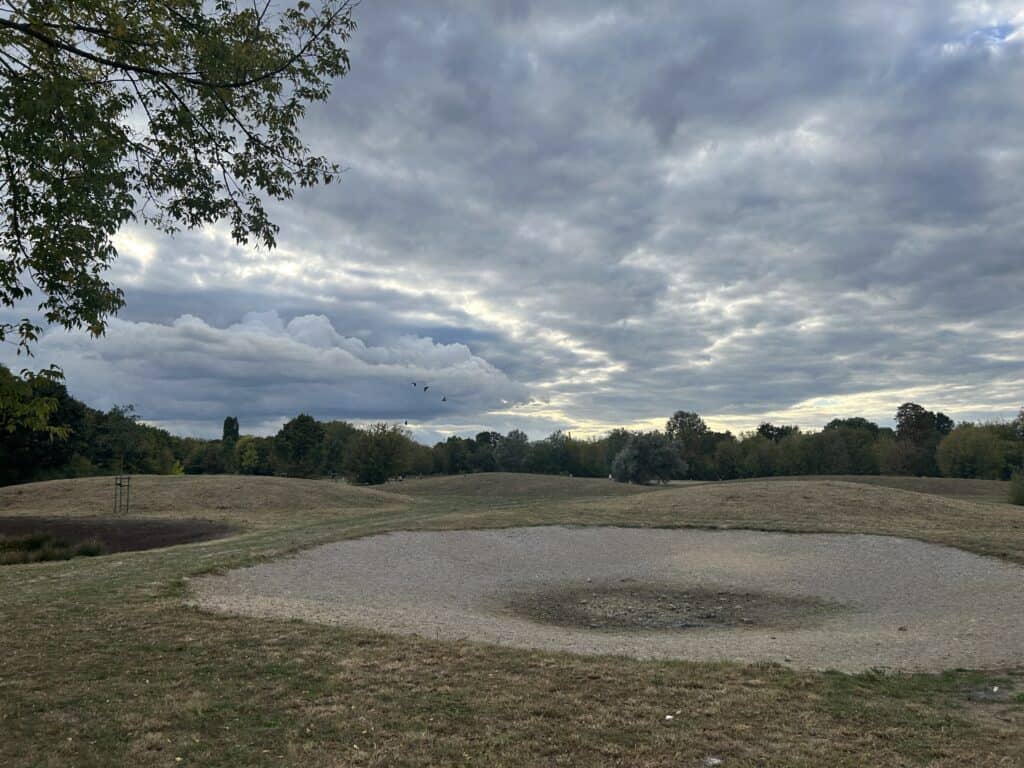
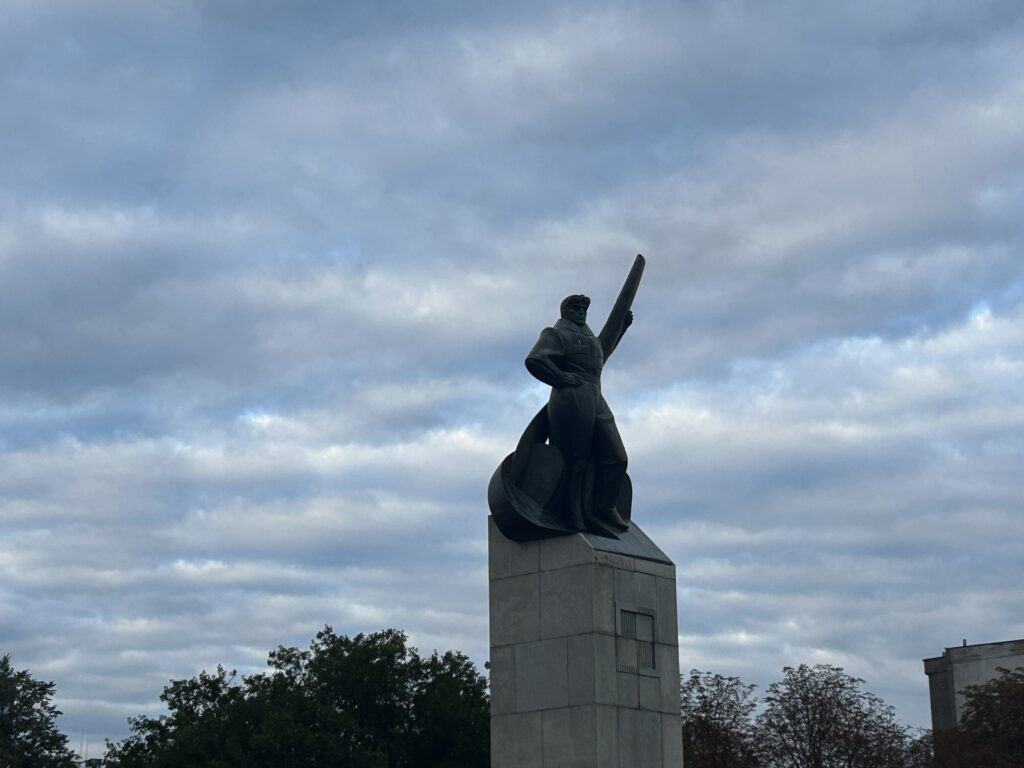
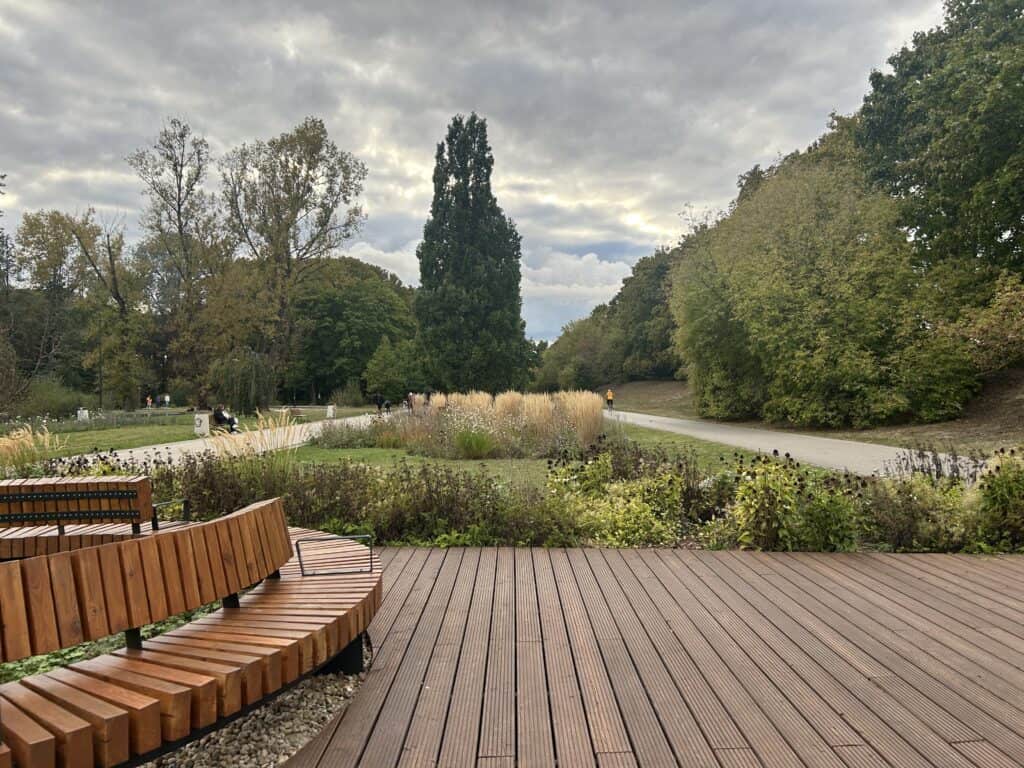
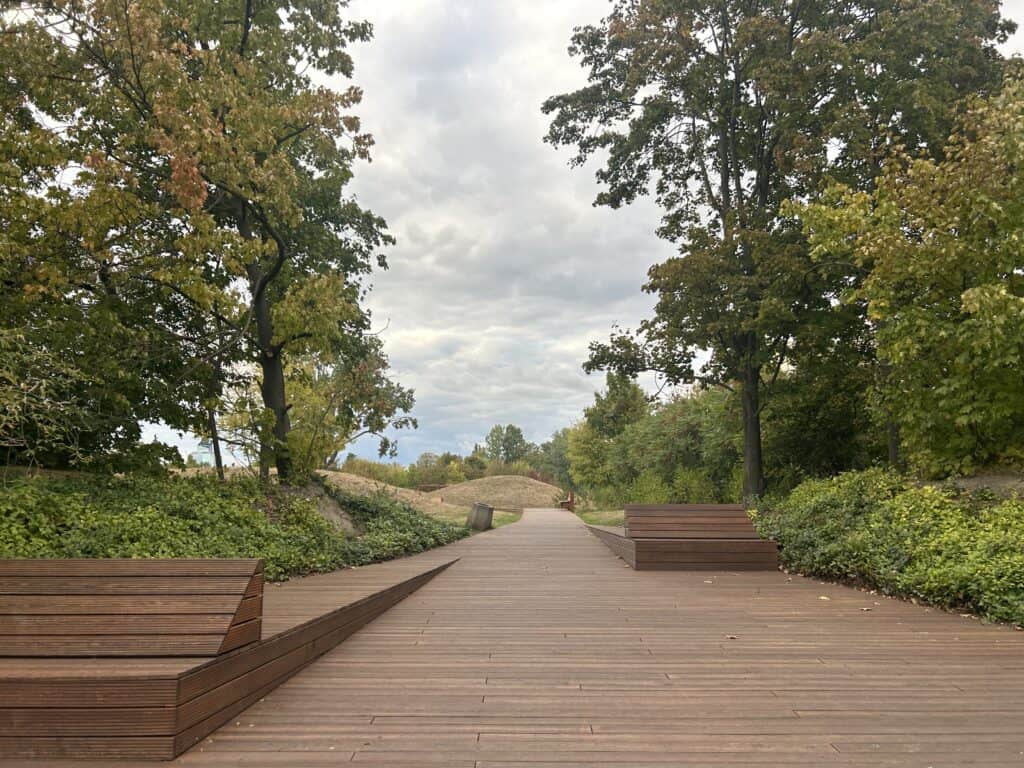
Pole Mokotowskie is a vast park complex that is one of Warsaw’s most beloved green spaces, often called the city’s “green lungs.” While it shares its name with the neighboring Mokotów district, a significant portion of the park lies within Ochota. It features wide-open lawns, picturesque ponds, and a network of paths that are popular with joggers, cyclists, and walkers. The park is a social hub, especially in the summer, with numerous cafes, open-air events, and designated barbecue areas. It is also home to the National Library of Poland and several monuments, blending nature with cultural importance.
Stara Ochota
Stara Ochota (Old Ochota) is the historic heart of the district, renowned for its unique pre-war architecture. This area includes several “colonies,” which were residential estates built in the 1920s and 1930s for civil servants, academics, and officers. The most famous of these are the Staszic Colony and the Lubecki Colony, designed in the style of English garden cities with charming villas, semi-detached houses, and small green squares. Walking through these quiet, leafy streets provides a peaceful glimpse into the elegant urban planning of interwar Warsaw and stands in stark contrast to the busier parts of the city.
Park Szczęśliwicki
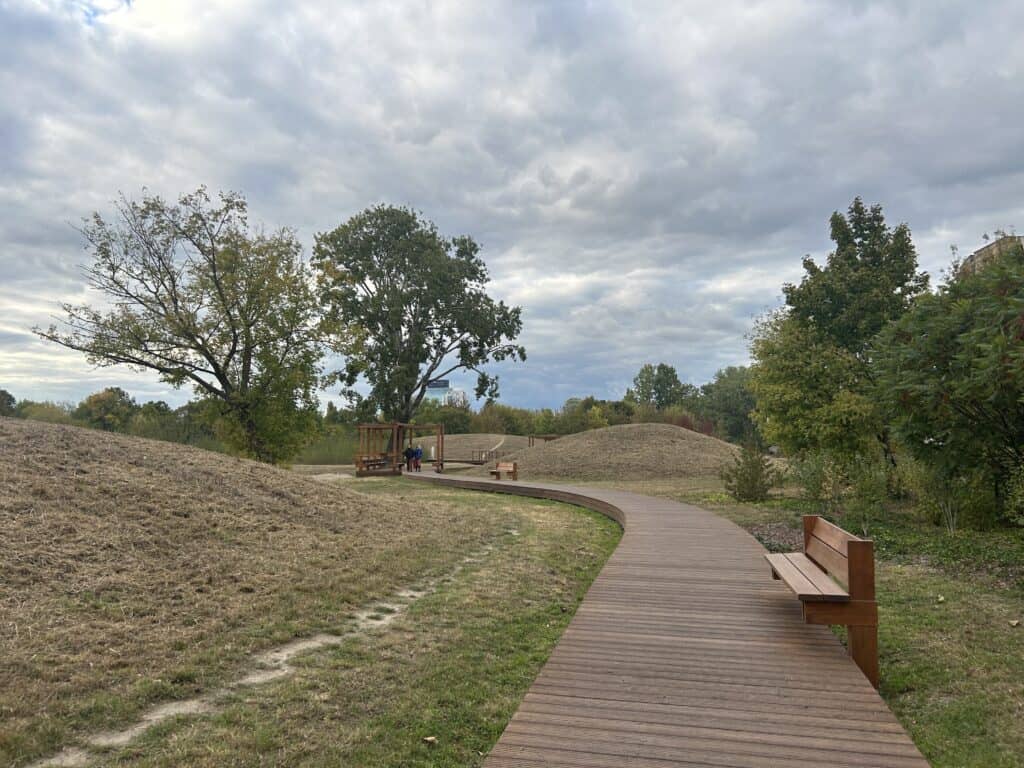
Park Szczęśliwicki is the main park located entirely within Ochota and serves as a major recreational hub for the entire city. The park is organized around a large lake and features walking trails, playgrounds, and outdoor sports facilities. Its most famous feature is the Górka Szczęśliwicka, an artificial hill with an all-season ski slope, making it possible to ski and snowboard in the middle of Warsaw year-round. During the summer, the park’s outdoor swimming pool complex is a popular destination for families. The combination of natural beauty and diverse activities makes it one of the most versatile parks in the capital.
National Library of Poland
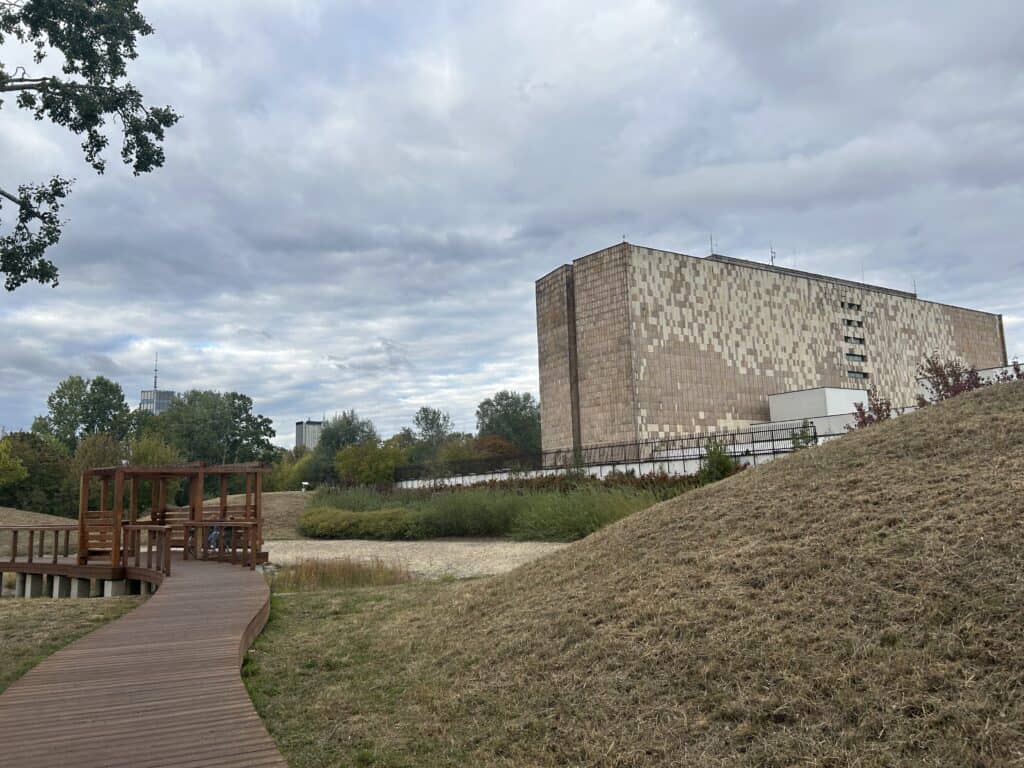
The National Library of Poland (Biblioteka Narodowa) is the country’s central library and one of its most important cultural institutions. Its main complex is located on the edge of Pole Mokotowskie within Ochota. The library is responsible for collecting and preserving all types of Polish publications, from medieval manuscripts to modern digital content. While primarily a research institution, its modern building is an impressive piece of architecture, and it frequently hosts exhibitions, lectures, and cultural events that are open to the public. It serves as a vital center for Polish knowledge and heritage.
Warsaw Water Filters
The Warsaw Water Filters, also known as Lindley’s Filters, are a historic water treatment plant that has been in continuous operation since 1886. This remarkable complex of industrial architecture was designed by British engineer William Lindley and his son, William Heerlein Lindley. It features beautiful red-brick buildings, a historic water tower, and underground slow filter chambers. The site is recognized as a historic monument and is a testament to 19th-century engineering excellence. Although access is generally restricted, the complex is occasionally open for public tours, which are highly popular.
Church of the Immaculate Conception
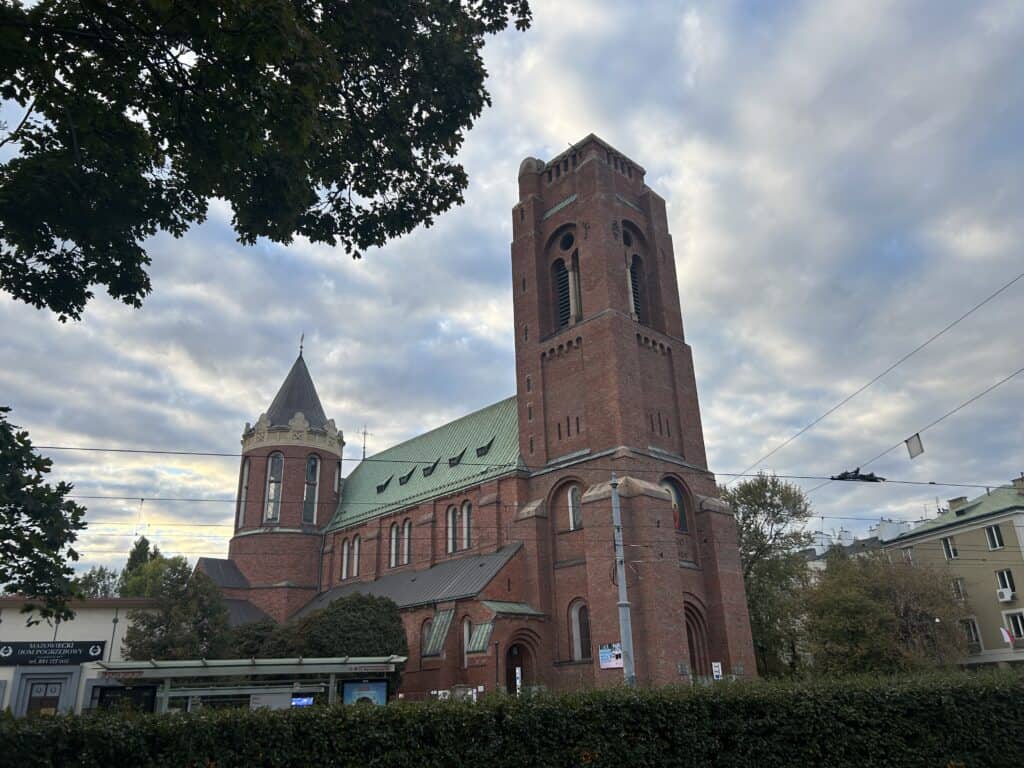
The Church of the Immaculate Conception of the Blessed Virgin Mary, located at Narutowicza Square, is the main parish church of Ochota and a local landmark. Construction of this monumental church began in 1911 but was interrupted by wars and not fully completed until the 1950s. Designed in a traditional basilica style with Romanesque and Renaissance elements, its two tall towers are a distinctive feature of the district’s skyline. The church was damaged during World War II and served as a shelter for civilians, making it an important site of both faith and historical memory for the local community.
Blue City Shopping Center
Blue City is one of Warsaw’s largest and most popular shopping and entertainment centers, located in the western part of Ochota. Its distinctive blue-glass facade and dome make it an easily recognizable landmark. The mall offers a vast selection of retail stores, a multi-screen cinema, a large food court, and various entertainment options for families and children. It also hosts regular events, markets, and exhibitions in its central fountain area. Blue City, along with the nearby Atrium Reduta, forms a major commercial hub that serves a large part of western Warsaw.
Main School of Economics
The Main School of Economics (Szkoła Główna Handlowa w Warszawie, or SGH) is Poland’s oldest and most prestigious university of economics. While its main campus is in the neighboring district of Mokotów, several of its important buildings, including student dormitories and research facilities, are located in Ochota. The university’s presence, along with that of other academic institutions, heavily influences the character of the district. The constant presence of students contributes to a vibrant atmosphere and supports many local businesses, from cafes to bookshops.
Zieleniec Wielkopolski
Zieleniec Wielkopolski is a large, historic green square located at the intersection of Filtrowa and Wawelska streets. It is part of a larger system of green spaces designed to run through the district, connecting its residential colonies. The square is a fine example of pre-war urban landscaping, featuring a central fountain, rose gardens, and benches set among mature trees. It serves as a quiet oasis for local residents and a beautiful foreground to the historic buildings of the Staszic Colony that surround it. The square is a cherished local spot for relaxation and community life.
Ochota Theatre
The Ochota Theatre (Teatr Ochoty) is a well-regarded local theater that has been an important part of the district’s cultural life since it was founded in 1970. Housed in a modest building, the theater is known for its intimate atmosphere and its focus on contemporary Polish and international drama. It has a strong reputation for its educational programs and workshops for young people, helping to nurture new generations of actors and theater enthusiasts. The Teatr Ochoty is a prime example of the vibrant, community-focused cultural scene that thrives in Warsaw’s districts outside the main city center.



Getting Around in Ochota
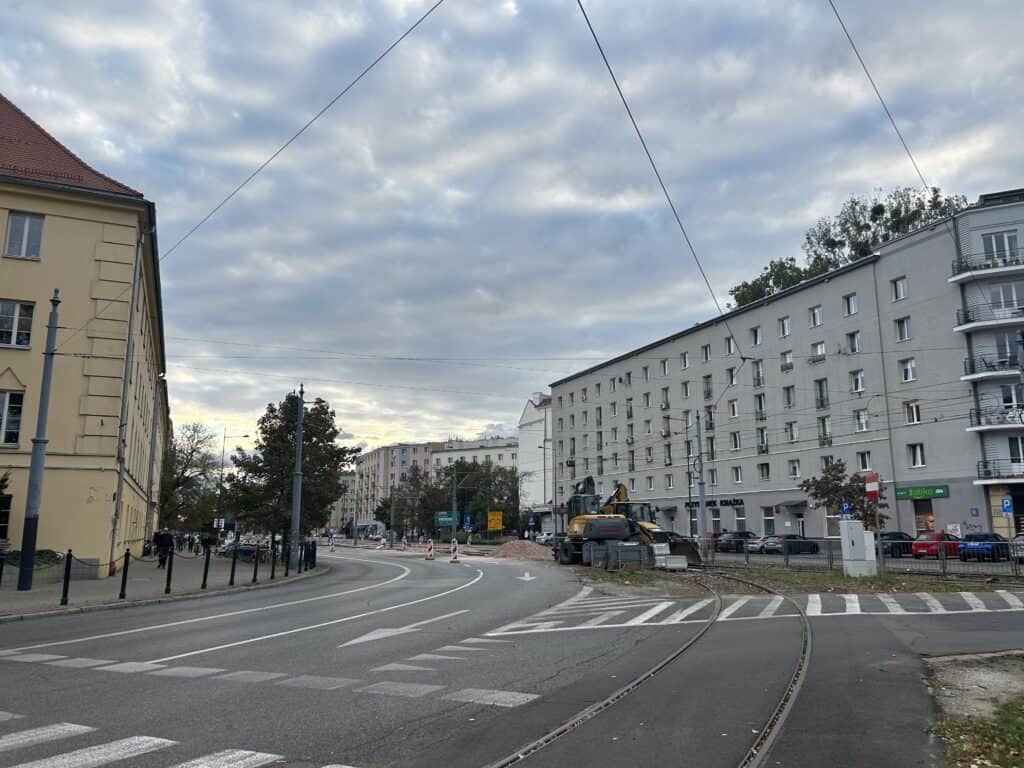
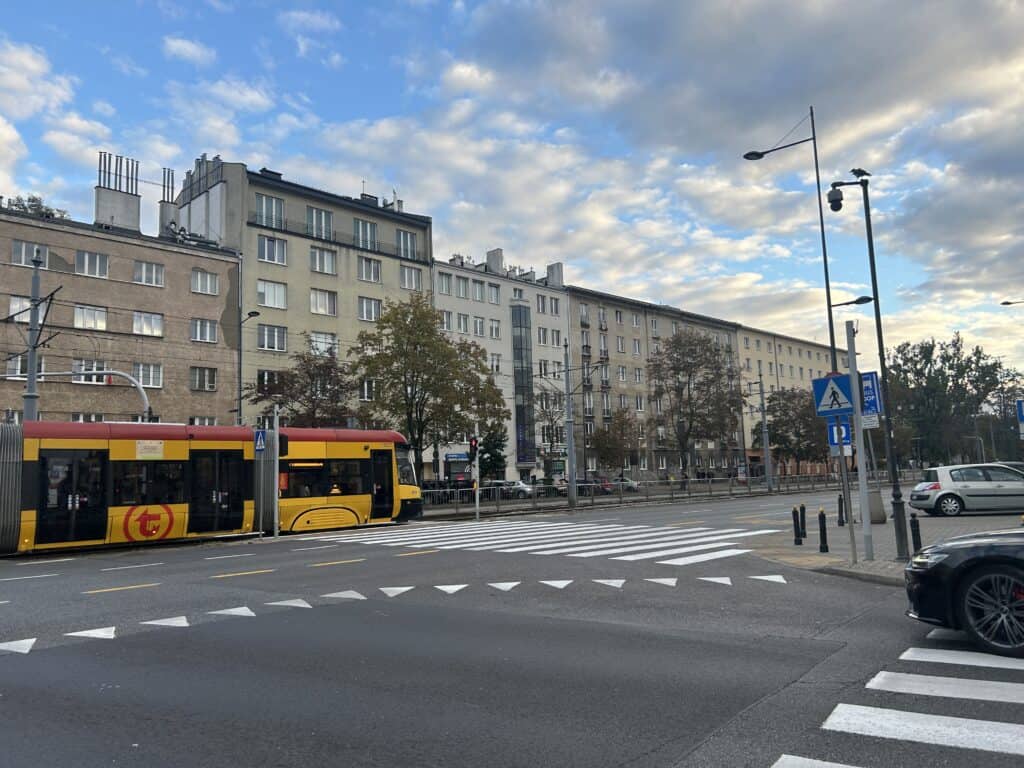
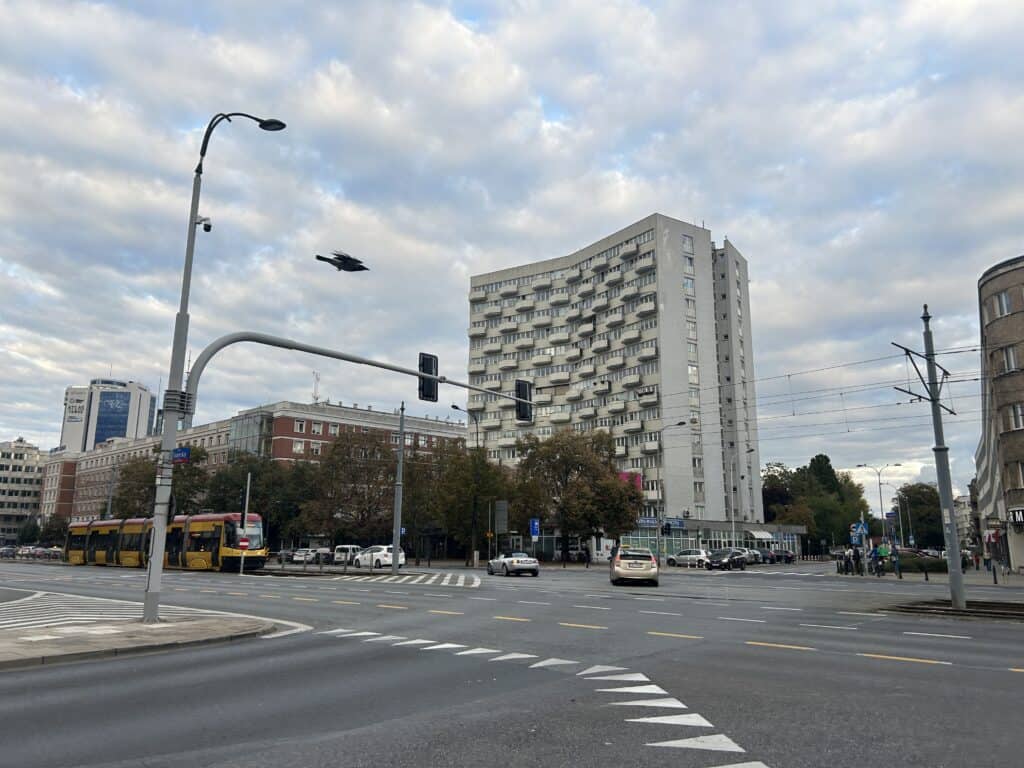
Getting around Ochota is highly convenient due to its central location and its excellent integration into Warsaw’s public transport network. The district is served by a dense web of tram and bus lines, as well as several suburban rail connections, making it easy to travel both within the district and to other parts of the city. Major arterial roads also run through Ochota, but the extensive public transport options mean that a car is often not necessary for daily travel. The area is also very walkable and increasingly bike-friendly, with numerous paths and bike-sharing stations available for residents and visitors.
The Urban Lifeline: Trams and Buses
Trams and buses form the backbone of public transportation in Ochota, providing frequent and reliable service across the district. Major thoroughfares such as Aleje Jerozolimskie, Grójecka, and Żwirki i Wigury are key corridors for dozens of tram and bus routes that connect Ochota with Śródmieście, the central railway station, and Chopin Airport. These services run from early in the morning until late at night, with night buses ensuring 24-hour connectivity. The comprehensive network allows for direct and easy access to almost any destination within Warsaw from Ochota.
Suburban Rail Connections: SKM and WKD Lines
Ochota is exceptionally well-served by suburban rail lines, which offer a fast alternative to road transport for commuting and regional travel. Several stations, including Warszawa Rakowiec and Warszawa Aleje Jerozolimskie, are served by the SKM (Szybka Kolej Miejska, or Fast Urban Rail). Additionally, the district is a major hub for the WKD (Warszawska Kolej Dojazdowa), a light rail line that connects Warsaw with several suburban towns to the southwest. These train services are integrated with the city’s ticketing system, providing a seamless link between Ochota and the wider metropolitan area.
Cycling Through the Greenways: Bike Paths and Veturilo
Cycling is a popular and practical way to get around Ochota, thanks to an expanding network of dedicated bike paths and the presence of the city’s bike-sharing system, Veturilo. Major cycling routes run along the main streets and through the district’s large parks, such as Pole Mokotowskie, offering safe and scenic journeys. Veturilo stations are conveniently located near transport hubs, residential areas, and university campuses, making it easy to rent a bike for short trips. The relatively flat terrain and green corridors make Ochota an ideal district for two-wheeled transport.


How to Get to Ochota?
Reaching Ochota from other parts of Poland or from abroad is very straightforward, primarily due to its close proximity to Warsaw’s main international airport and central railway stations. The district’s strategic location means it is directly connected to the country’s main road and rail networks. Whether arriving by plane, train, bus, or car, the final leg of the journey into Ochota is typically short and simple, with abundant public transport options available from all major arrival points. This excellent accessibility makes Ochota a convenient base for visitors to the Polish capital.
Proximity to Warsaw Chopin Airport (WAW)
Ochota is located just a few kilometers north of Warsaw Chopin Airport (WAW), the country’s largest international airport. The journey between the airport and the district is remarkably quick and easy. The major thoroughfare of Żwirki i Wigury provides a direct road link, making a taxi or ride-sharing trip take as little as 10-15 minutes. Additionally, several public bus lines, including the 175, run directly from the airport through the heart of Ochota. The airport is also connected by train to railway stations on the edge of the district, offering multiple convenient options for air travelers.
National and Regional Rail Access
The district is bordered by two of Warsaw’s most important railway stations: Warszawa Zachodnia (Warsaw West) and Warszawa Centralna (Warsaw Central) is just beyond its eastern boundary. Warszawa Zachodnia serves as a major hub for both long-distance and regional trains, and its location provides immediate access to Ochota. From Warszawa Centralna, the main hub for international and domestic express trains, Ochota can be reached in minutes by numerous bus and tram lines that run along Aleje Jerozolimskie. This direct access to the national rail network makes arriving by train exceptionally easy.
Driving to Ochota
Ochota is situated at the junction of several major national roads and urban arteries, making it easily accessible by car. The key east-west route of Aleje Jerozolimskie runs through the district, connecting it to the city center and the western suburbs. The north-south artery of Żwirki i Wigury provides a direct link to the S2 expressway, which is part of Warsaw’s southern bypass and connects to the A2 motorway. While the road network is excellent, drivers should be aware that traffic can be heavy during peak hours, and parking in the district is often limited.
Intercity Bus Connections
Warsaw’s main long-distance bus terminal, Dworzec Autobusowy Warszawa Zachodnia, is located right next to the Warszawa Zachodnia railway station, on the western edge of Ochota. This terminal is the primary hub for hundreds of domestic and international bus routes operated by companies like Flixbus and others. Arriving at this station places visitors directly on the border of Ochota, with immediate access to a wide range of local buses, trams, and suburban trains to complete their journey to any part of the district. This makes traveling by coach a very convenient option.
Access from Baltic Sea Ports
While Warsaw is an inland city, it is possible to incorporate sea travel into a journey to Poland. International ferries from Sweden and other Scandinavian countries operate to Polish ports on the Baltic Sea, such as Gdańsk and Świnoujście. Upon arrival at the port, the journey to Warsaw can be completed by a direct express train or by car, typically taking between 3 to 5 hours. Once in Warsaw, travelers can easily reach Ochota from the city’s central railway stations using the excellent local public transport network, completing the final leg of their multi-modal journey.
Driving Distances
The driving distance from 20 regional cities, according to Google Maps:
- Piaseczno, Poland – 16 kilometers (0 h 25 min)
- Pruszków, Poland – 17 kilometers (0 h 25 min)
- Legionowo, Poland – 28 kilometers (0 h 35 min)
- Otwock, Poland – 29 kilometers (0 h 40 min)
- Grodzisk Mazowiecki, Poland – 32 kilometers (0 h 35 min)
- Łódź, Poland – 130 kilometers (1 h 30 min)
- Katowice, Poland – 290 kilometers (3 h 20 min)
- Kraków, Poland – 295 kilometers (3 h 30 min)
- Poznań, Poland – 315 kilometers (3 h 00 min)
- Gdańsk, Poland – 340 kilometers (3 h 20 min)
- Kaliningrad, Russia – 350 kilometers (4 h 40 min)
- Vilnius, Lithuania – 475 kilometers (5 h 40 min)
- Bratislava, Slovakia – 535 kilometers (5 h 50 min)
- Berlin, Germany – 575 kilometers (5 h 30 min)
- Prague, Czechia – 620 kilometers (6 h 10 min)
- Vienna, Austria – 680 kilometers (6 h 40 min)
- Budapest, Hungary – 865 kilometers (7 h 50 min)
- Stockholm, Sweden – 1480 kilometers (16 h 30 min)
- Milan, Italy – 1490 kilometers (15 h 20 min)
- Paris, France – 1620 kilometers (15 h 40 min)
Looking to Explore more of Poland and Europe?





A lot of work went into this well-done post. I hope to visit Poland one day.