Ljubačke Doline | Exploring Bosnia and Herzegovina
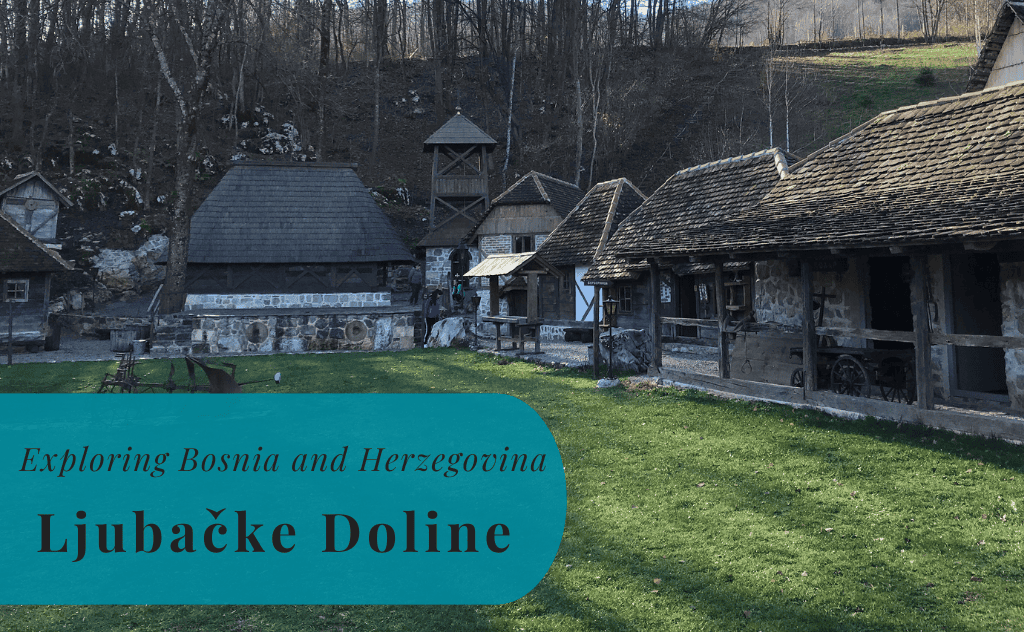
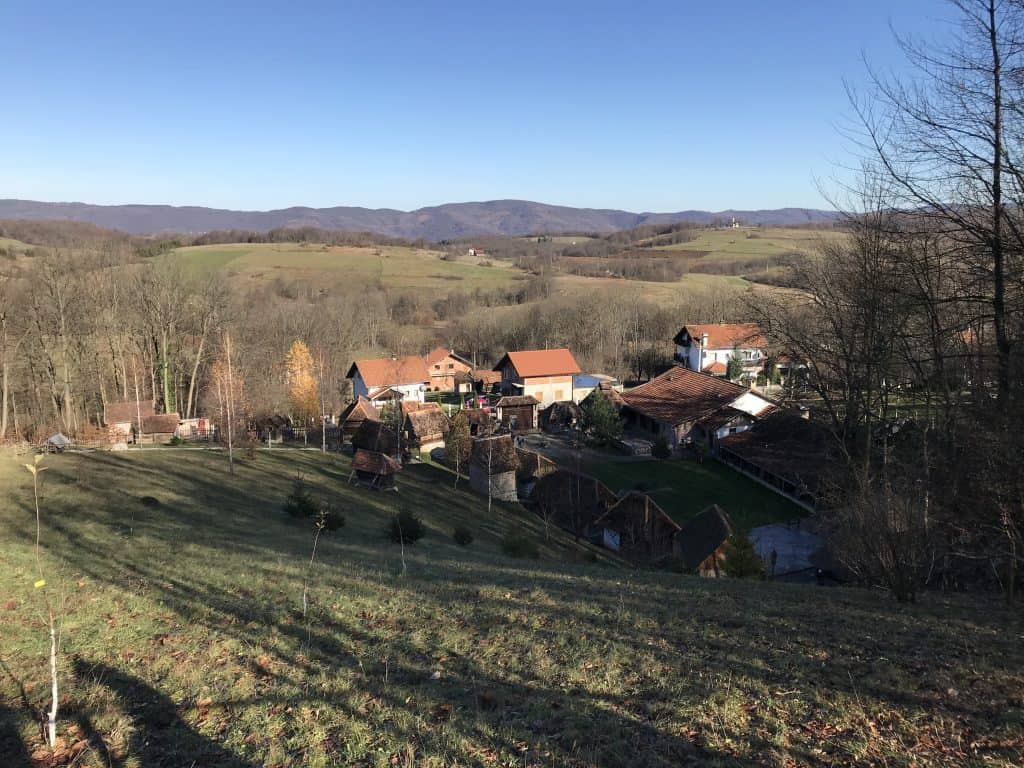
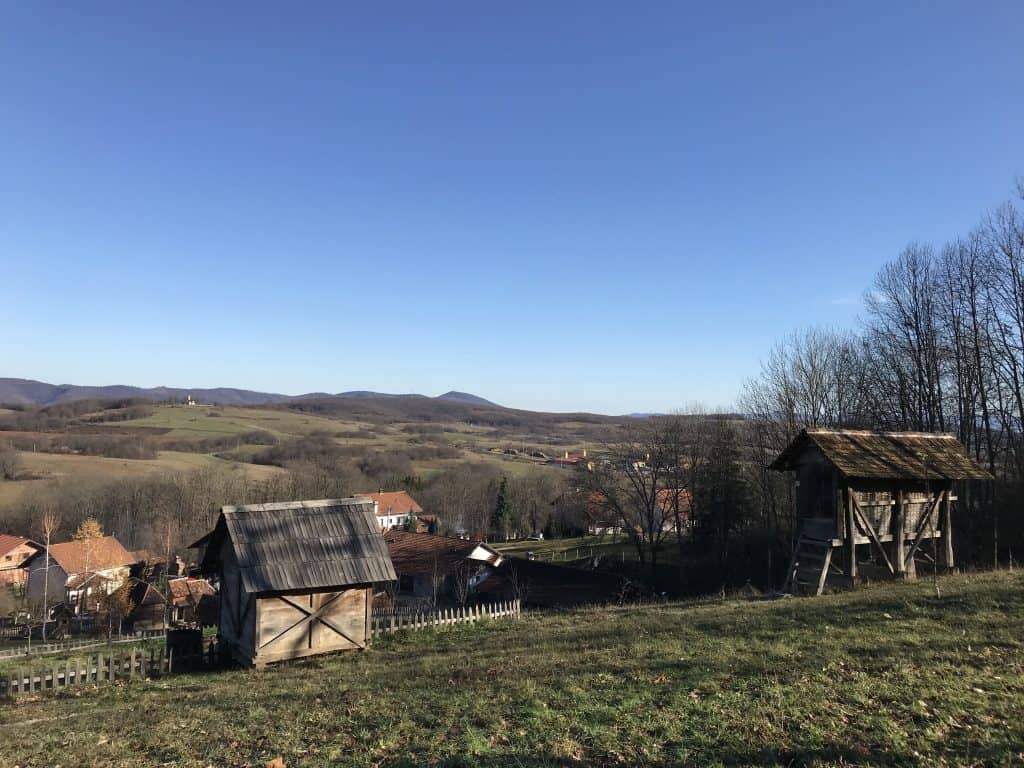
Ljubačke Doline is an ethno-village and open-air museum located in the village of Ljubačevo, approximately 17 kilometers south of Banja Luka in Bosnia and Herzegovina. The site is not a town but a large, privately-owned complex that showcases the traditional life, architecture, and culture of this region from the late 19th and early 20th centuries. It is set within a unique natural landscape of deep, circular valleys known as the “Ljubačke Doline,” a geological phenomenon unique to this part of Europe.
The identity of Ljubačke Doline is that of a “museum in the open.” It was established by a local enthusiast, Nedeljko Branković, to preserve the material and non-material cultural heritage of the Republika Srpska entity. The village consists of dozens of authentic historical buildings that were carefully relocated from surrounding villages and reassembled on the site. Today, Ljubačke Doline is a major cultural and tourist attraction in the Banja Luka region, offering visitors a vivid and immersive journey into the past.

History of Ljubačke Doline
The history of the Ethno Village Ljubačke Doline is a modern story of cultural preservation, and it was born from the passion of a single individual. The complex was officially established on June 28, 2010, by Nedeljko Branković. His vision was to create a living museum that would save the traditional architecture and the material culture of the region from being lost to time. The project involved the painstaking process of finding, dismantling, moving, and reconstructing authentic historical buildings from the late 19th and early 20th centuries.
A Collection of Authentic Buildings
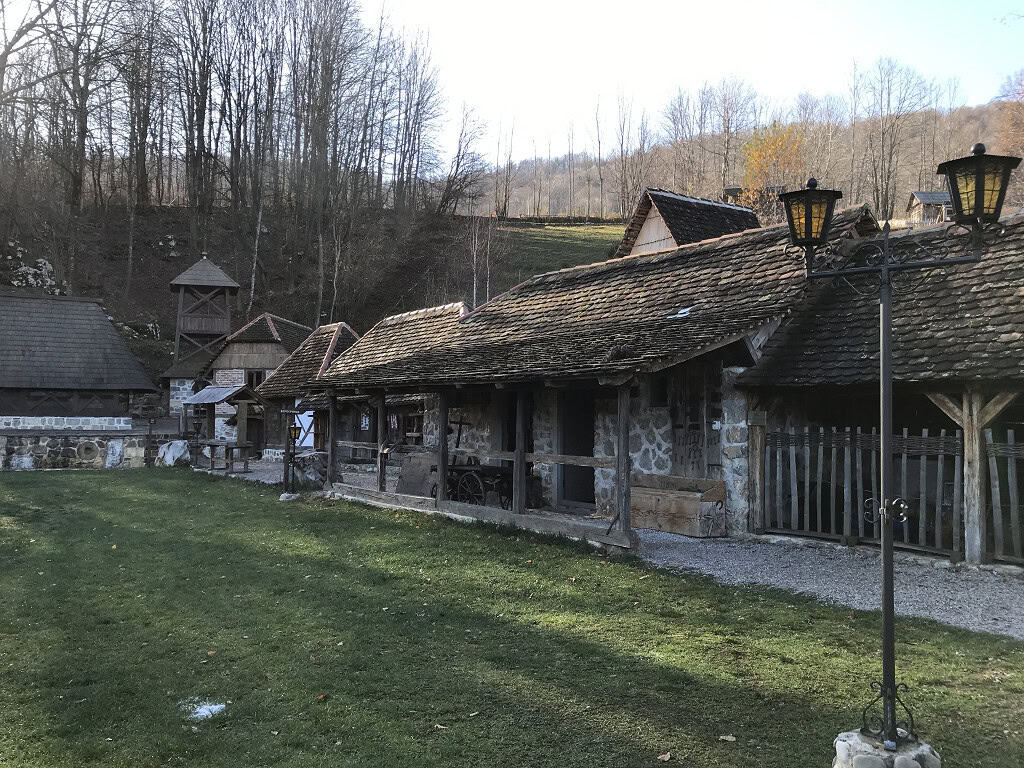
The creation of the ethno-village was a major undertaking. Over several years, more than 40 authentic buildings were located in the surrounding villages of the Banja Luka region, such as Kola, Krmine, and Javorani. These buildings, which include traditional houses, barns, sleeping quarters (“vajats”), and workshops, were carefully dismantled piece by piece. They were then transported to the site in Ljubačevo and meticulously reassembled, using traditional techniques to preserve their historical integrity.
Preserving a Way of Life
The goal of the project was not just to preserve the buildings but also to preserve the memory of the traditional way of life of the people who once inhabited this area. The interiors of the houses and workshops have been furnished with thousands of authentic artifacts, including tools, furniture, clothing, and household items. The village is designed to be a fully operational arts and crafts center, with demonstrations of traditional skills. In this way, Ljubačke Doline serves as an important educational and cultural resource, keeping the heritage of the region alive for new generations.
Sights in Ljubačke Doline
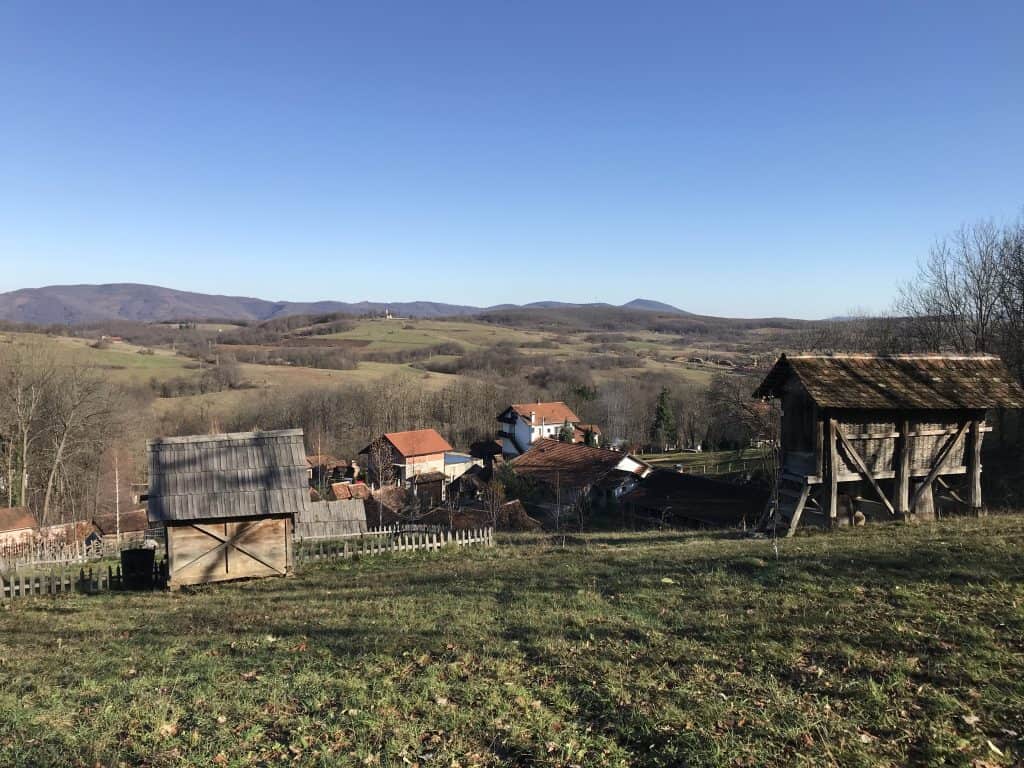
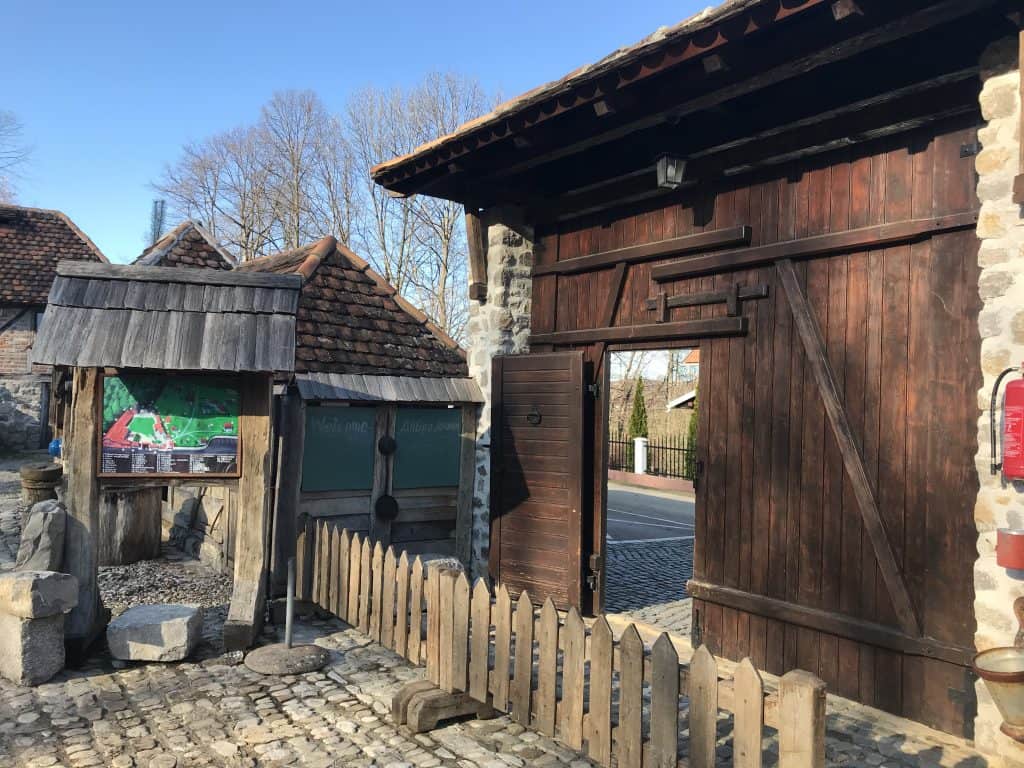
The sights in Ljubačke Doline are centered around the magnificent collection of authentic historical buildings that make up the open-air museum. The main attraction is the ethno-village itself, which is a faithful reconstruction of a traditional Bosnian Serb village from a century ago. The on-site Ethno Museum houses a vast collection of artifacts. The unique natural landscape of the “doline,” or valleys, provides a stunning backdrop to the entire complex.
The Ethno-Village
The main sight is the ethno-village itself. This large, open-air museum consists of over 40 authentic buildings from the late 19th and early 20th centuries. Visitors can walk through the village and explore the different types of buildings, which include traditional houses, barns, a pantry, sleeping quarters (“vajats”), a corn storage facility, and a distillery. The village also features reconstructed workshops for a blacksmith, a carpenter, and a cooper, all furnished with authentic tools from the period.
The Ethno Museum
The complex also includes a dedicated Ethno Museum. This museum houses a large and impressive collection of over 5,000 artifacts. The collection is divided into several sections, including an ethnological collection, an antique collection, and a numismatic collection. The artifacts, which were collected from all over the region, provide a detailed look at the material culture and the daily life of the people who lived in this part of Bosnia and Herzegovina a century ago.
The Ljubačke Doline (Valleys)
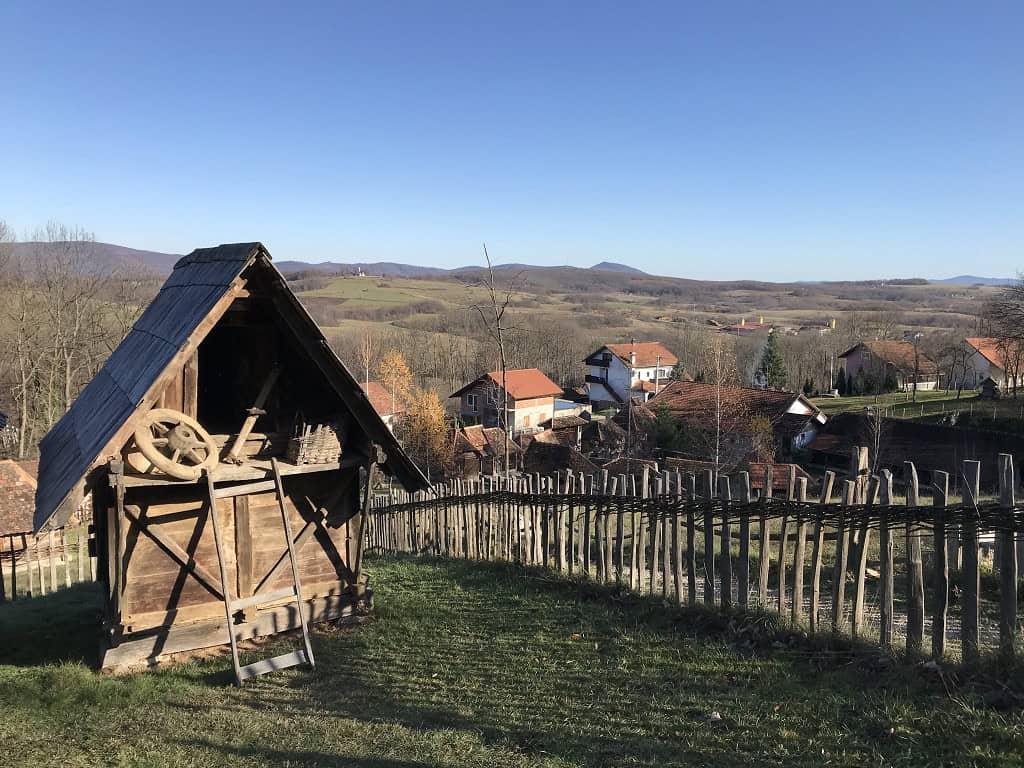
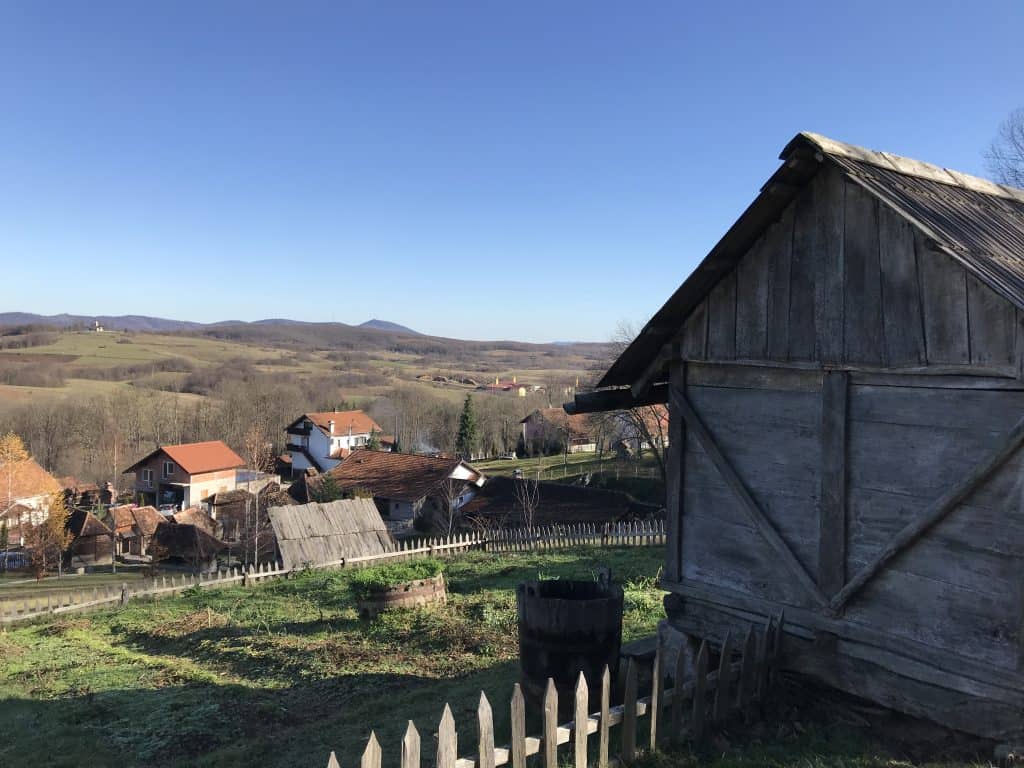
The ethno-village is named after the unique natural phenomenon in which it is located. The Ljubačke Doline are a series of large, natural, circular depressions in the ground. These valleys, which can be several hundred meters deep and wide, are a unique geological feature in Europe. The village of Ljubačevo is situated on a plateau that offers magnificent views of these unique valleys and of the nearby Vrbas River Canyon.
How to Get to Ljubačke Doline
Ljubačke Doline is located in the village of Ljubačevo, in the municipality of Banja Luka. The main gateway for international visitors is Banja Luka International Airport (BNX). From the city of Banja Luka, the journey to the ethno-village is a scenic drive through the countryside. A car is the recommended mode of transport for reaching this unique cultural site, though public transport is also an option.
Arriving by Air
The primary airport for the region is Banja Luka International Airport (BNX). The airport is located approximately 23 kilometers north of the city center. It serves a number of European destinations with regular and seasonal flights, connecting the region with cities in countries like Germany, Sweden, and Austria. From the airport, visitors would need to take a shuttle bus or a taxi into the city of Banja Luka. From the city center, a separate journey by local bus or taxi is required to reach the ethno-village itself.
Driving to the Village
Driving to Ljubačke Doline is straightforward. From the city center of Banja Luka, you take the main M16 road south in the direction of Jajce. You then turn off onto the R414 road towards the town of Kneževo. The ethno-village is well-signposted from this road. The journey from Banja Luka takes approximately 30 minutes, and the route is paved and in good condition. There is ample parking available for cars at the entrance to the complex.
Connecting by Bus
The public bus system in Banja Luka has a service that runs to the village of Ljubačevo. The Route 5 bus departs from the old bus station in the city center several times a day. From the final bus stop in the village of Ljubačevo, it is a short walk to the entrance of the ethno-village. This option is very affordable, but it is important to check the current timetable in advance as services can be infrequent, especially on weekends.
Driving Distances
The driving distance from 20 regional cities, according to Google Maps:
- Banja Luka, Bosnia and Herzegovina – 17 kilometers (0 h 30 min)
- Kneževo, Bosnia and Herzegovina – 30 kilometers (0 h 45 min)
- Jajce, Bosnia and Herzegovina – 55 kilometers (1 h 00 min)
- Prijedor, Bosnia and Herzegovina – 65 kilometers (1 h 10 min)
- Travnik, Bosnia and Herzegovina – 90 kilometers (1 h 30 min)
- Doboj, Bosnia and Herzegovina – 105 kilometers (1 h 40 min)
- Slavonski Brod, Croatia – 125 kilometers (1 h 45 min)
- Zenica, Bosnia and Herzegovina – 125 kilometers (2 h 00 min)
- Bihać, Bosnia and Herzegovina – 165 kilometers (2 h 50 min)
- Tuzla, Bosnia and Herzegovina – 170 kilometers (2 h 45 min)
- Sarajevo, Bosnia and Herzegovina – 175 kilometers (2 h 45 min)
- Zagreb, Croatia – 195 kilometers (2 h 35 min)
- Osijek, Croatia – 205 kilometers (2 h 45 min)
- Mostar, Bosnia and Herzegovina – 225 kilometers (3 h 30 min)
- Split, Croatia – 225 kilometers (3 h 15 min)
- Novi Sad, Serbia – 265 kilometers (2 h 45 min)
- Belgrade, Serbia – 325 kilometers (3 h 30 min)
- Ljubljana, Slovenia – 335 kilometers (3 h 35 min)
- Podgorica, Montenegro – 405 kilometers (6 h 15 min)
- Budapest, Hungary – 515 kilometers (5 h 15 min)
Looking to Explore more of Bosnia and Herzegovina and Europe?