Fort Casso, Lorraine | Exploring France
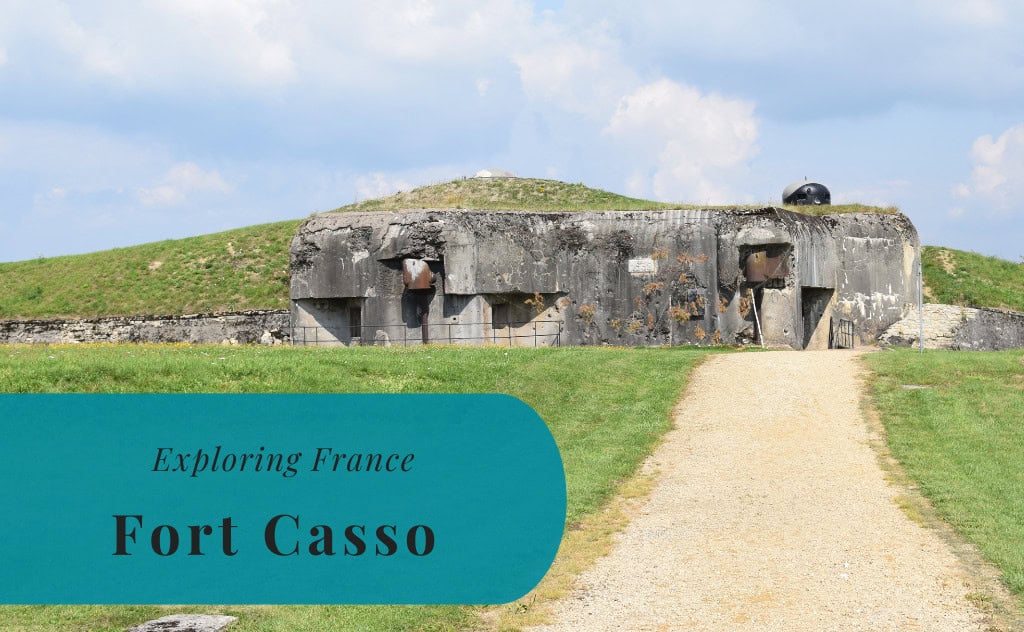
Fort Casso, a major fortification of the Maginot Line, is located in the commune of Veckring in northeastern France. As part of the Moselle department within the Grand Est region, it holds a significant place in 20th-century military history. The fort is situated near the German and Luxembourg borders, in the area known as the Pays de Sierck. Nearby towns include Thionville and Bitche. Fort Casso, originally known as Ouvrage Rohrbach, offers a direct look into France’s interwar defense strategy.
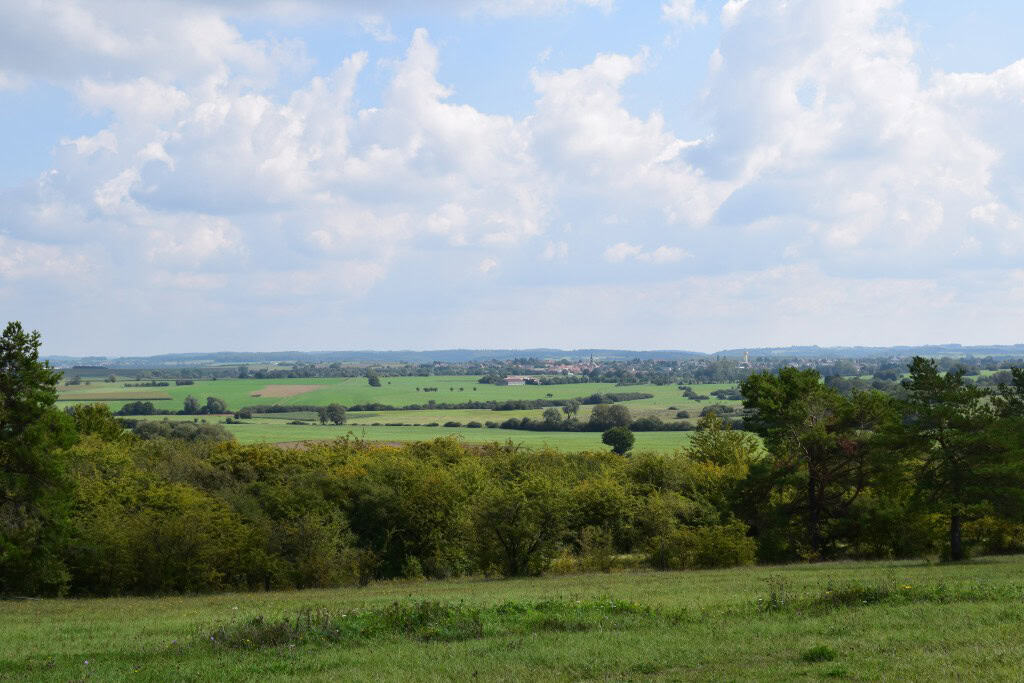
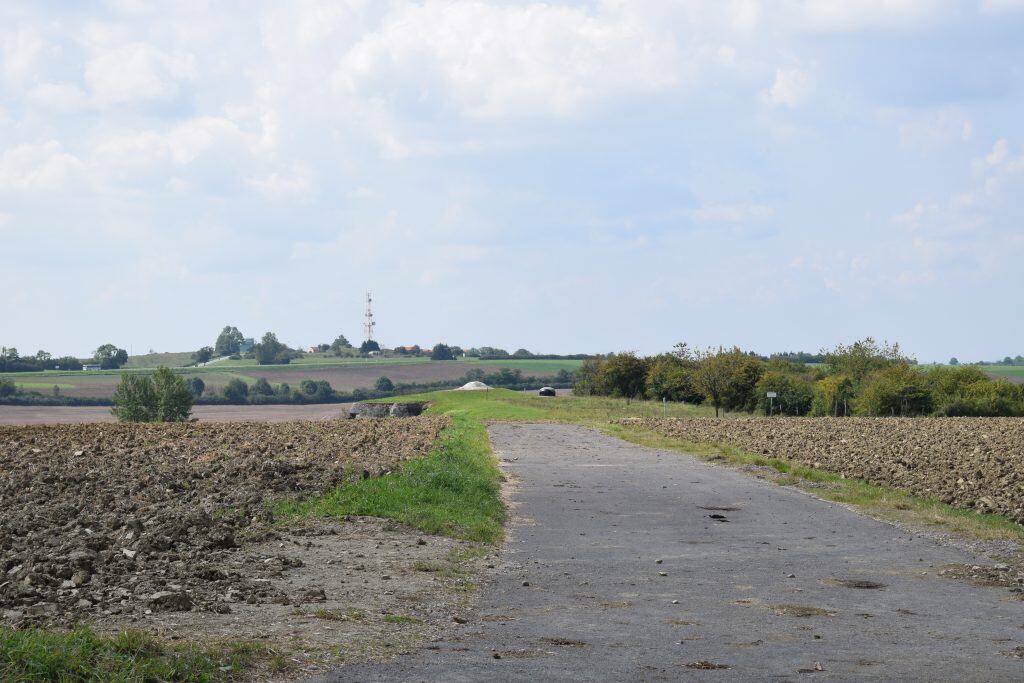
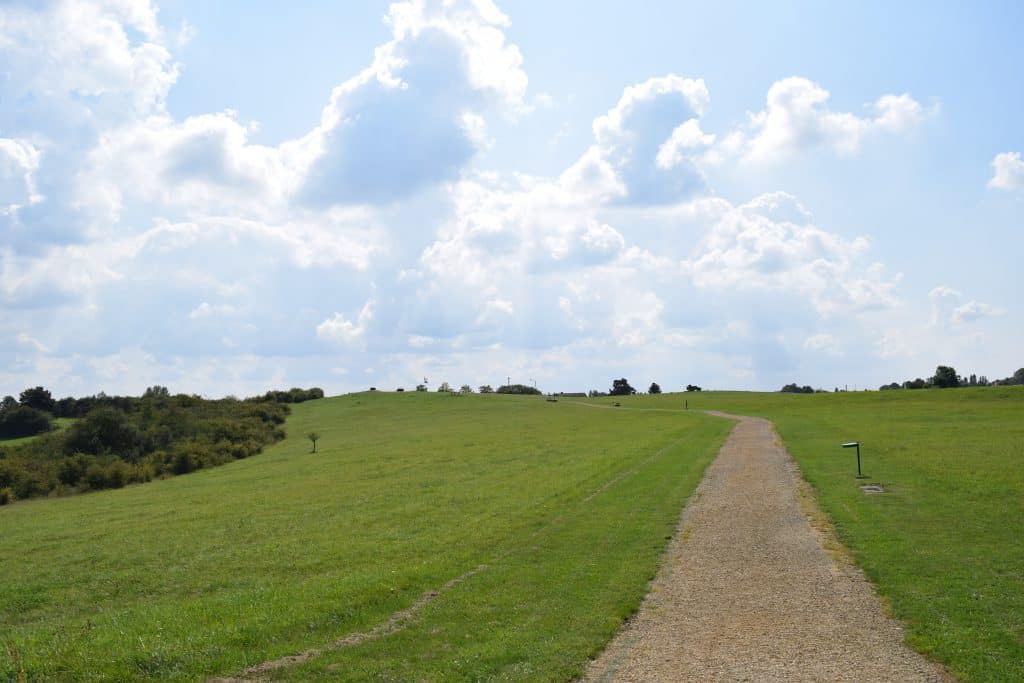
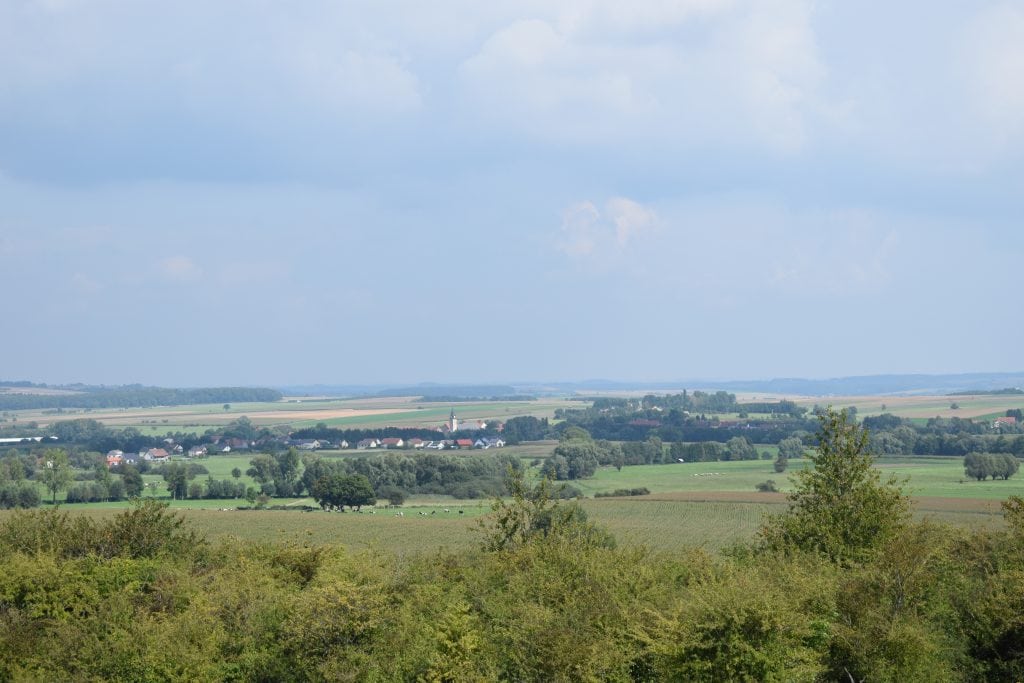
The character of Fort Casso is that of a preserved historical site maintained by a dedicated association of volunteers. It is not a ruin but a largely intact military complex that allows visitors to experience the conditions of a Maginot Line fortress. The site provides an educational experience focused on the military engineering, daily life, and combat history of the soldiers stationed here during the Battle of France. Its location in a rural, forested area underscores the strategic placement of these defensive works. The fort stands as a monument to a specific era of military thinking.
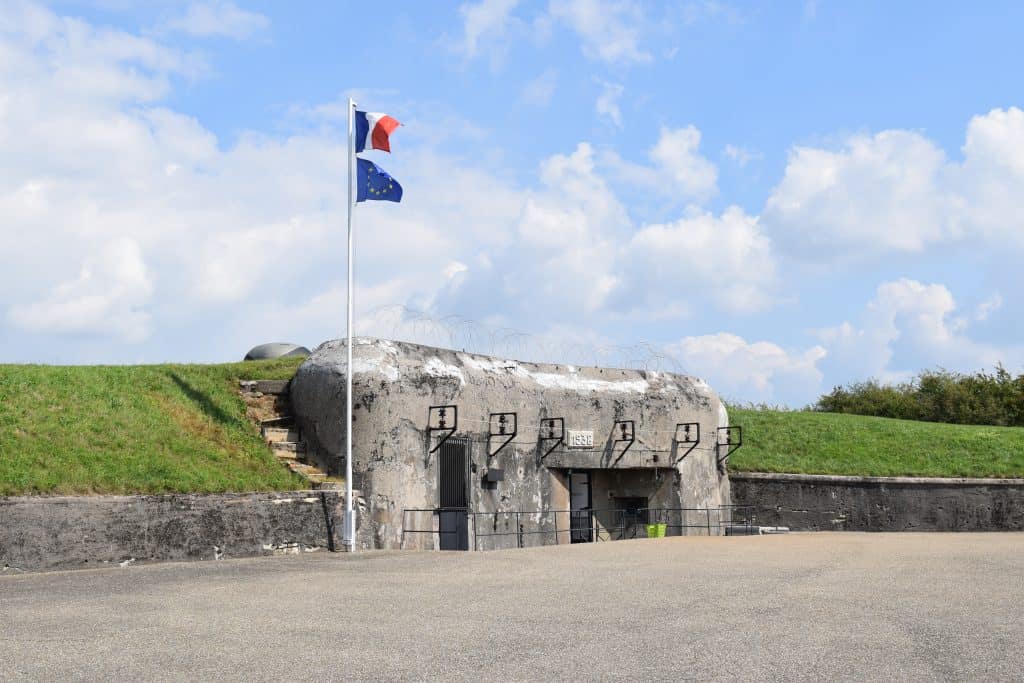

A Short History of Fort Casso
The history of Fort Casso is that of a key component of the famous Maginot Line. It was built in the 1930s as part of a massive defensive strategy to protect France’s eastern border from a potential German invasion. The fort’s story includes its period of active combat during the Battle of France in 1940, where it successfully resisted direct attacks. Its subsequent history is one of preservation, with a dedicated association ensuring that this piece of 20th-century military heritage remains accessible to the public.
Construction and Design
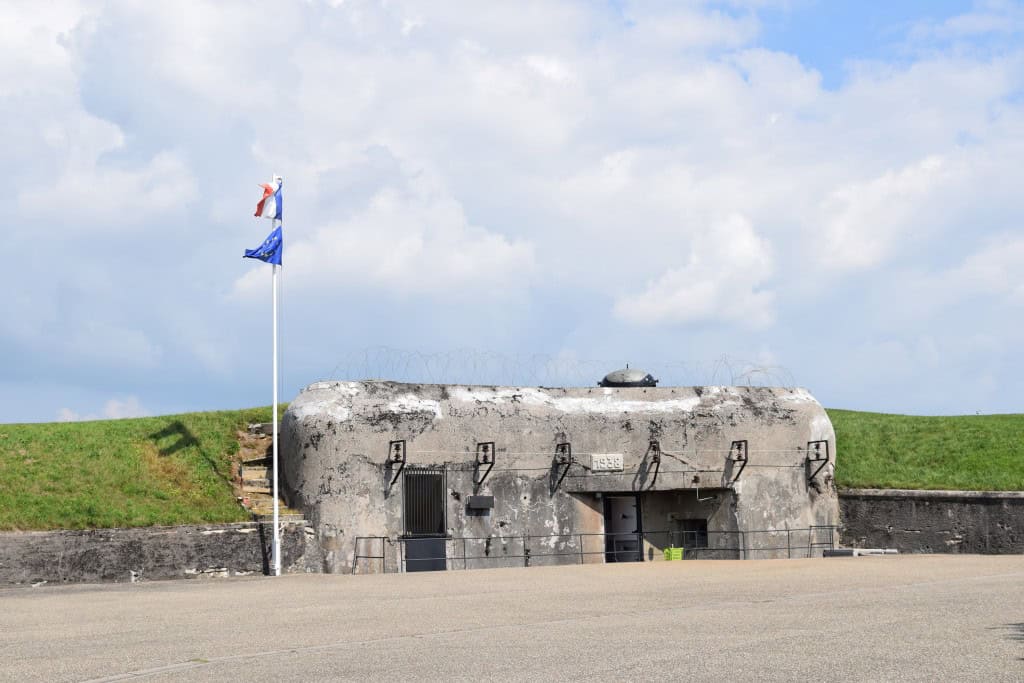
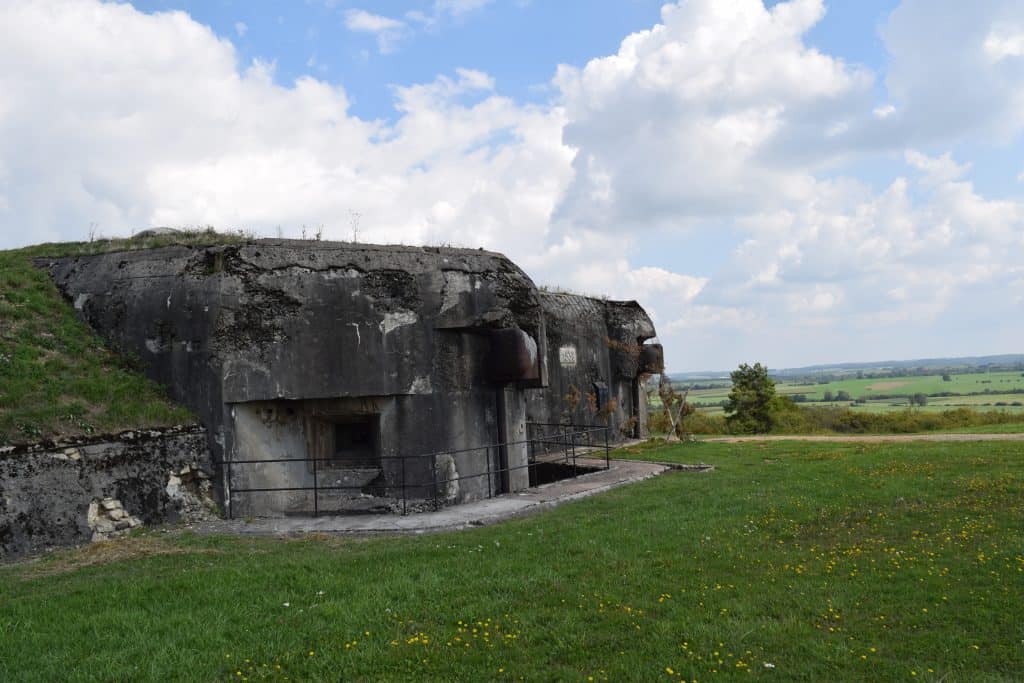
The fort was constructed as part of France’s extensive Maginot Line, a series of concrete fortifications, obstacles, and weapon installations built along the border with Germany. Its construction began in 1934 and was completed by 1938. Officially named Ouvrage Rohrbach, it was designed as a “petit ouvrage,” or a smaller infantry fortress. The fort comprised three infantry blocks, which were connected by a network of underground tunnels located up to 30 meters below the surface. Its primary military purpose was to guard the plateau of Rohrbach-lès-Bitche and to provide covering fire for its neighboring fortifications.
The Battle of France
During the Battle of France in 1940, Fort Casso played a crucial and active combat role. The fort and its garrison successfully resisted direct German attacks in June 1940. The fort’s strategic design and strong defenses proved effective against enemy bombardment and infantry assaults. It withstood two major German attacks on its second combat block. Remarkably, the fort remained undefeated by direct enemy action throughout the battle. The garrison only ceased fighting on June 24, 1940, following the signing of the armistice between France and Germany.
Post-War Preservation
After World War II and the subsequent Cold War era, many Maginot Line forts were either abandoned or used for other military purposes. The fort was acquired by the Association Fort Casso in 1989. This association of volunteers dedicated itself to preserving and restoring the site. They have worked to maintain the fort’s equipment and to open it to the public for guided tours. The fort was renamed Fort Casso in honor of Captain Abdon Robert Casso, a respected Maginot Line engineer and commander who died in 1988.
Things to Do and See
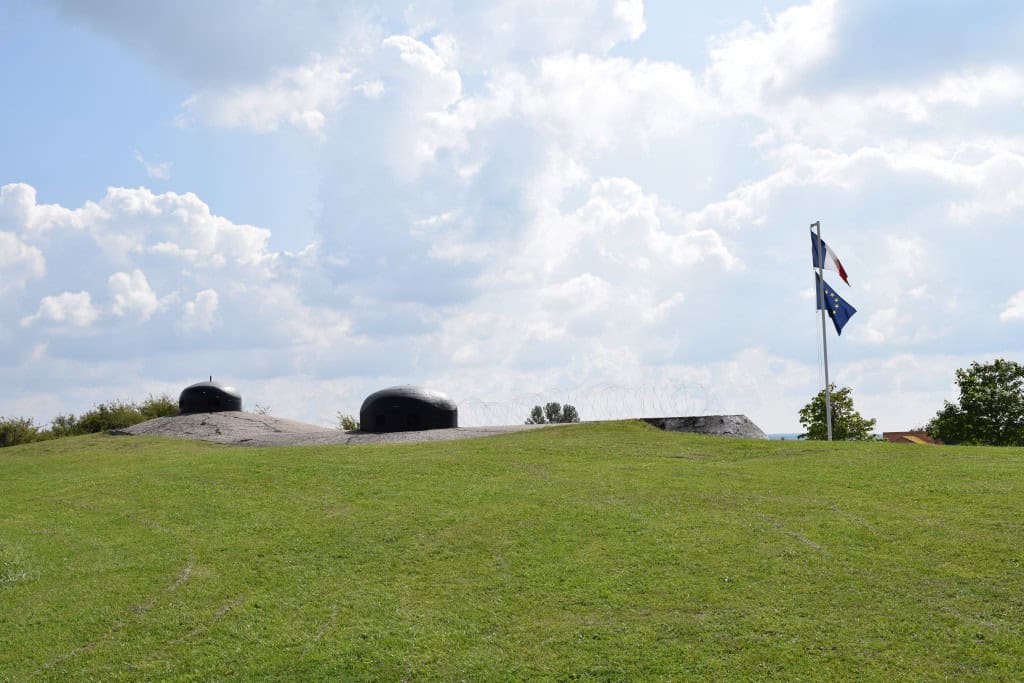
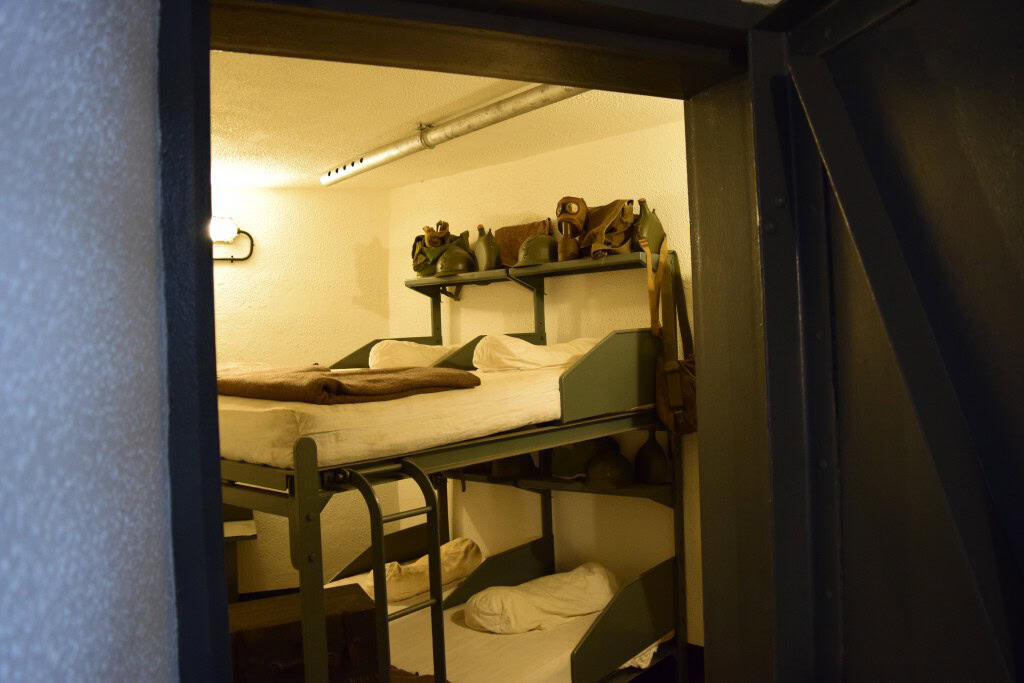
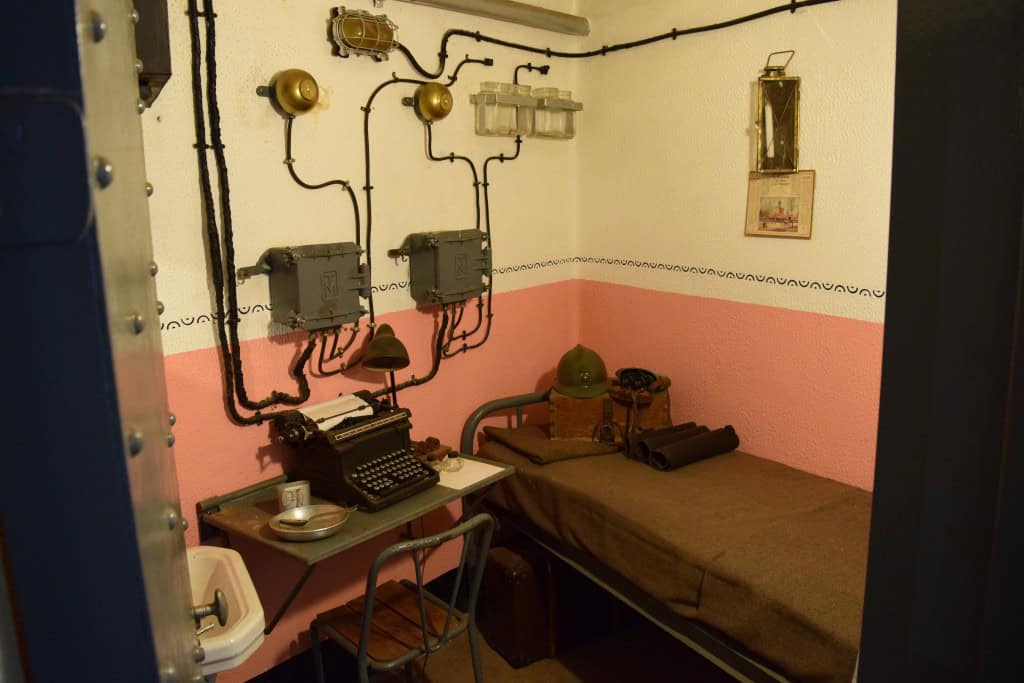
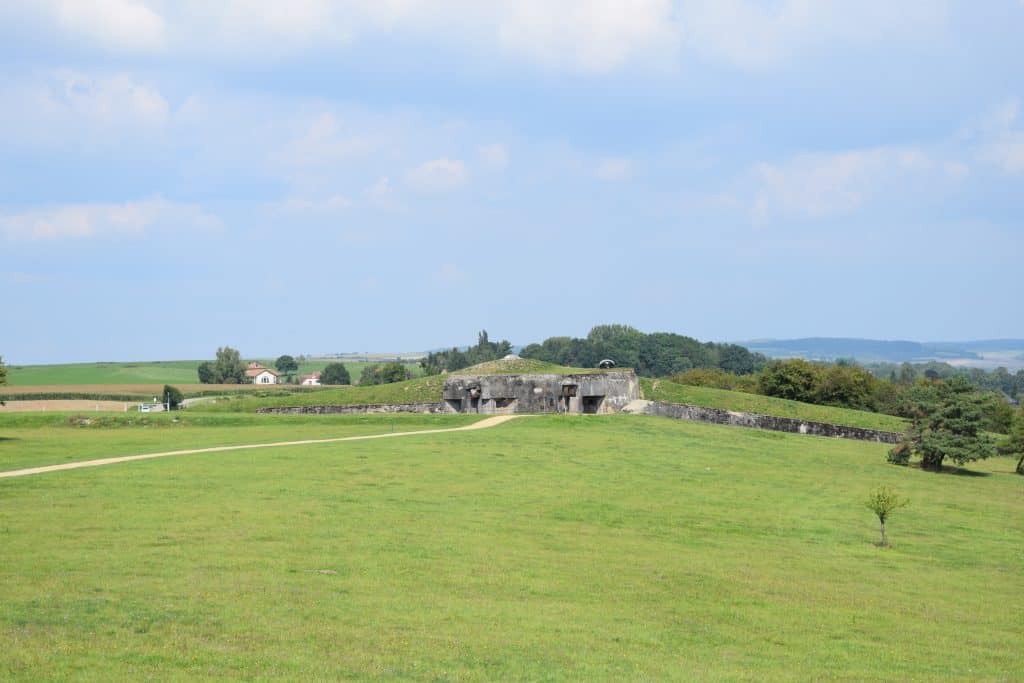
A visit to Fort Casso provides an immersive experience into 20th-century military history. The structure is a “petit ouvrage” of the Maginot Line, featuring three surface infantry blocks connected by an extensive network of underground galleries. These tunnels reach depths of up to 30 meters. The fort was constructed using 6,000 cubic meters of concrete and 500 tons of steel. It was designed as a self-sufficient underground town for its garrison of 175 soldiers, complete with barracks, kitchens, and power plants.
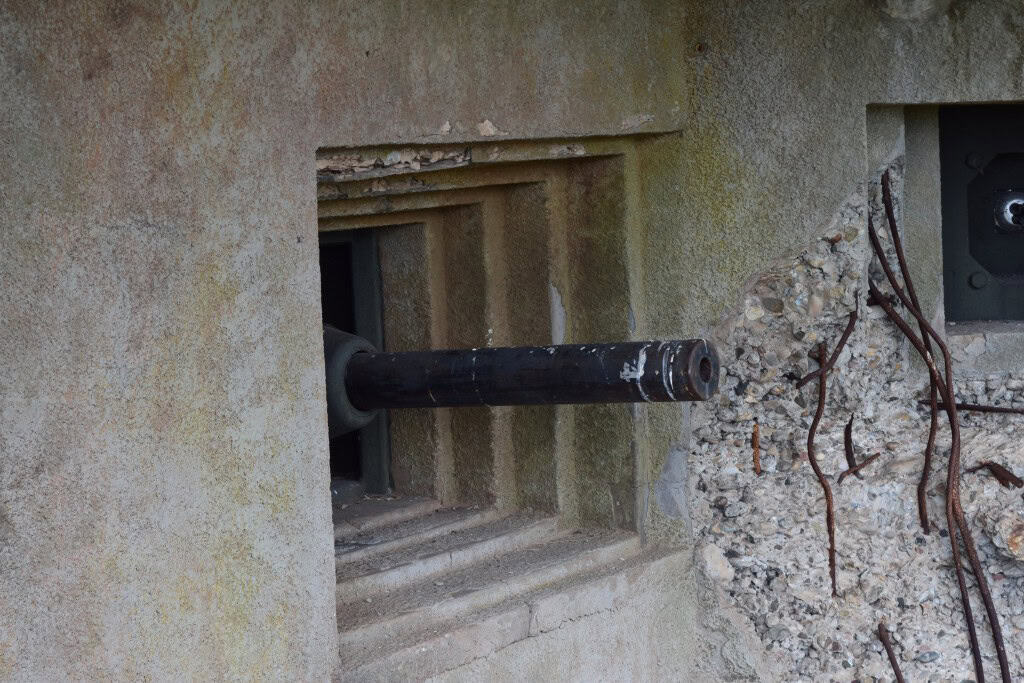
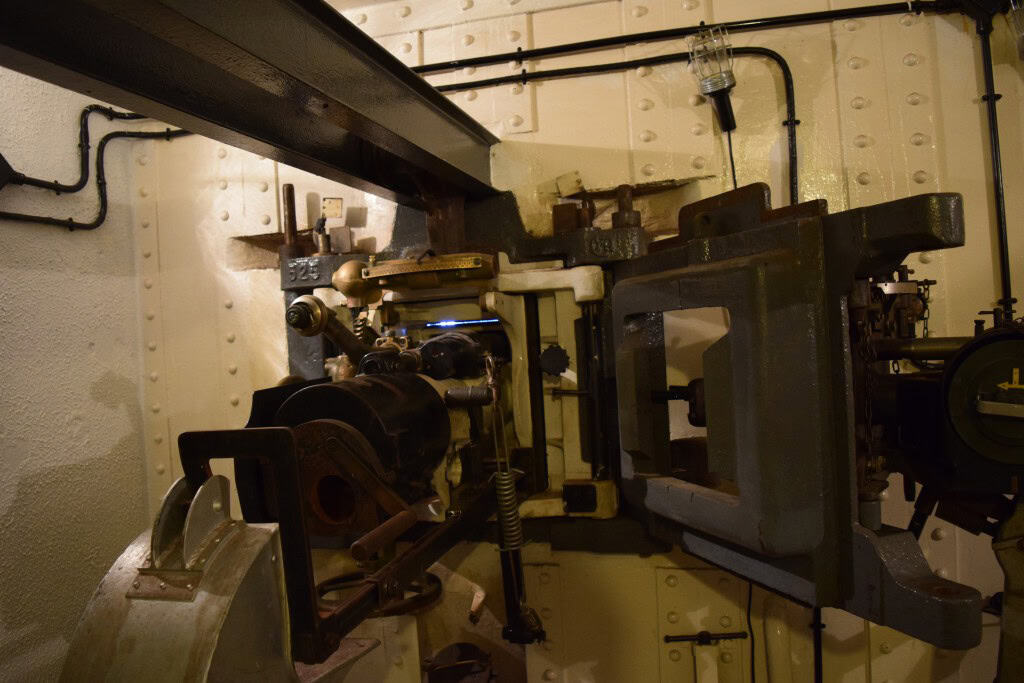
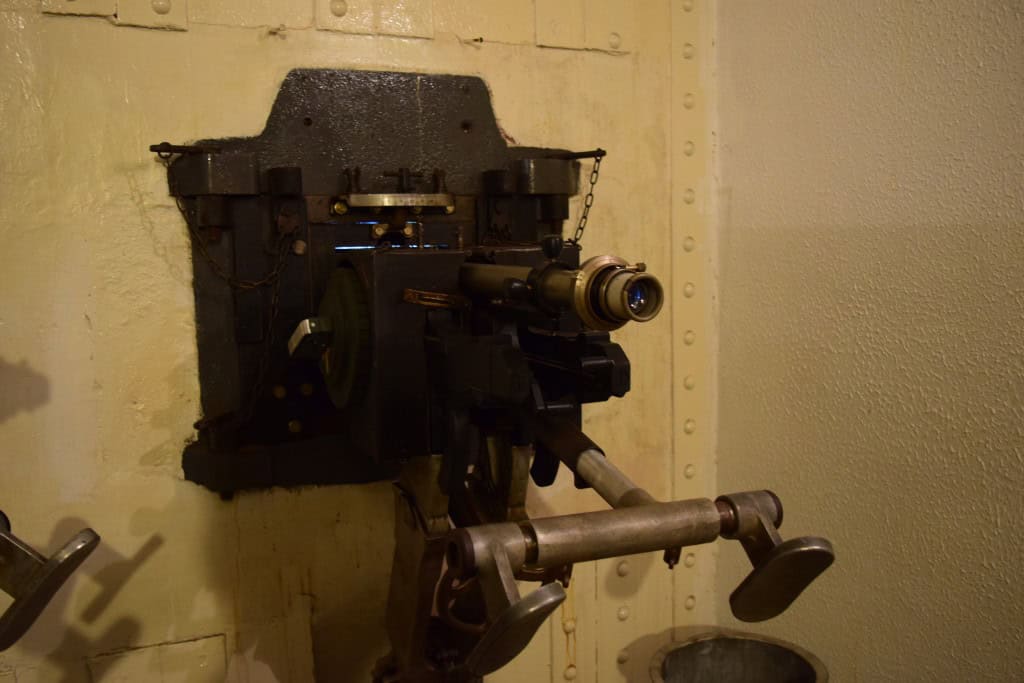
Visitors can explore this vast underground system on guided tours, gaining insights into the daily lives of the soldiers stationed here. The fort’s combat blocks showcase its armament, including 47mm anti-tank cannons and 7.5mm machine guns, with opportunities to see restored equipment in operation. A dedicated museum area further enhances the visit with artifacts and exhibits detailing the fort’s history.


How to Get to Fort Casso
Reaching Fort Casso requires travel to the rural Moselle department in northeastern France. The fort is located in the small commune of Veckring. While direct major transport links are limited, connecting via larger regional hubs in France, Germany, or Luxembourg makes the journey accessible. A car is the most recommended means of transport for visiting the fort.
The Open Road: Driving to the Fort
Driving to Fort Casso is often the most flexible option. It allows for easy access to the site and to the other Maginot Line fortifications in the surrounding area. Major motorways provide access to the region. From France, you would take the A4 motorway and then connect to local roads. While from Germany, the A8 motorway towards Schengen/Perl leads to the area. From Luxembourg, the A13 motorway connects to Schengen. The drive from the city of Metz to Veckring is approximately 50 kilometers. Free parking is available on-site at Fort Casso.
Arriving by Air: Nearby Gateways
Fort Casso does not have its own airport. Several international airports are located within a reasonable driving distance. Luxembourg Airport (LUX) is the closest major international hub, located about 60 kilometers away. Other nearby options include Saarbrücken Airport (SCN) in Germany and Metz-Nancy-Lorraine Airport (ETZ) in France. From any of these airports, onward travel requires a rental car or a combination of train and bus services to reach the region.
Connecting by Coach
Direct long-distance bus services to the small commune of Veckring do not exist. Travel by coach would typically involve taking a service from a company like FlixBus to a larger nearby city, such as Metz or Thionville in France, or Saarbrücken in Germany. From any of these cities, a rental car or a pre-booked taxi would be the most practical way to complete the final leg of the journey to the fort. Local bus services to the area are very infrequent.
On Track: A Journey by Rail
The most practical approach by train involves arriving at a larger regional station. Thionville in France is a major train hub with frequent connections, including high-speed TGV trains from Paris. The train station in Saarbrücken, Germany, is also a major hub with ICE and TGV services. From either of these stations, you would need to take a rental car or a taxi to reach Fort Casso. The journey from either Thionville or Saarbrücken is approximately 30-40 minutes by car.
Driving Distances
The driving distance from 10 regional cities, according to Google Maps:
- Saarbrücken, Germany – 34 kilometers (0 h 40 min)
- Luxembourg City, Luxembourg – 47 kilometers (0 h 40 min)
- Metz, France – 48 kilometers (0 h 40 min)
- Trier, Germany – 62 kilometers (0 h 50 min)
- Strasbourg, France – 151 kilometers (1 h 50 min)
- Frankfurt, Germany – 216 kilometers (2 h 30 min)
- Cologne, Germany – 242 kilometers (2 h 50 min)
- Brussels, Belgium – 256 kilometers (2 h 50 min)
- Paris, France – 380 kilometers (4 h 00 min)
- Amsterdam, Netherlands – 465 kilometers (5 h 00 min)
Looking to Explore more of France and Europe?